All posts by Karen Taylor-Brown

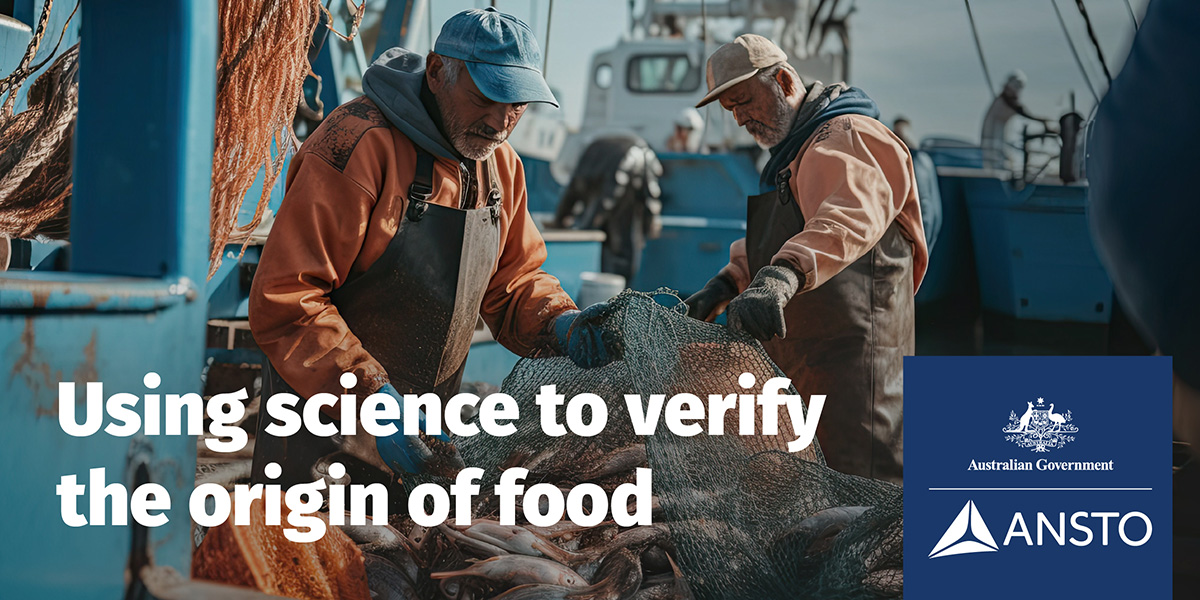
Webinar: Using science to verify the origin of food

Join experts from ANSTO and industry to explore how nuclear science is securing our food future.

Food is vital for our health and wellbeing, but food fraud is a growing global issue. From false labelling to product substitution, fraud costs the global food industry an estimated $40–50 billion USD each year. Even worse, unsafe or contaminated food makes 1.6 million people sick every day.

Today, consumers and regulators expect clear proof of origin. However, traditional methods such as paper-based documentation, genetic testing and chemical profiling can be incomplete, leaving exporters, retailers and consumers exposed to risk.

Join leading experts from ANSTO, government and industry as they unpack the science and technology tackling food fraud and explore how innovation is helping ensure safety, traceability and trust in the global food system.

Register now for this important discussion.

📅 Date: Wednesday 10 December
⏰ Time: 12 noon AEDT
📍 Online | Free Registration

Be part of the practical science movement protecting Australia’s future — register now.

Featured speakers

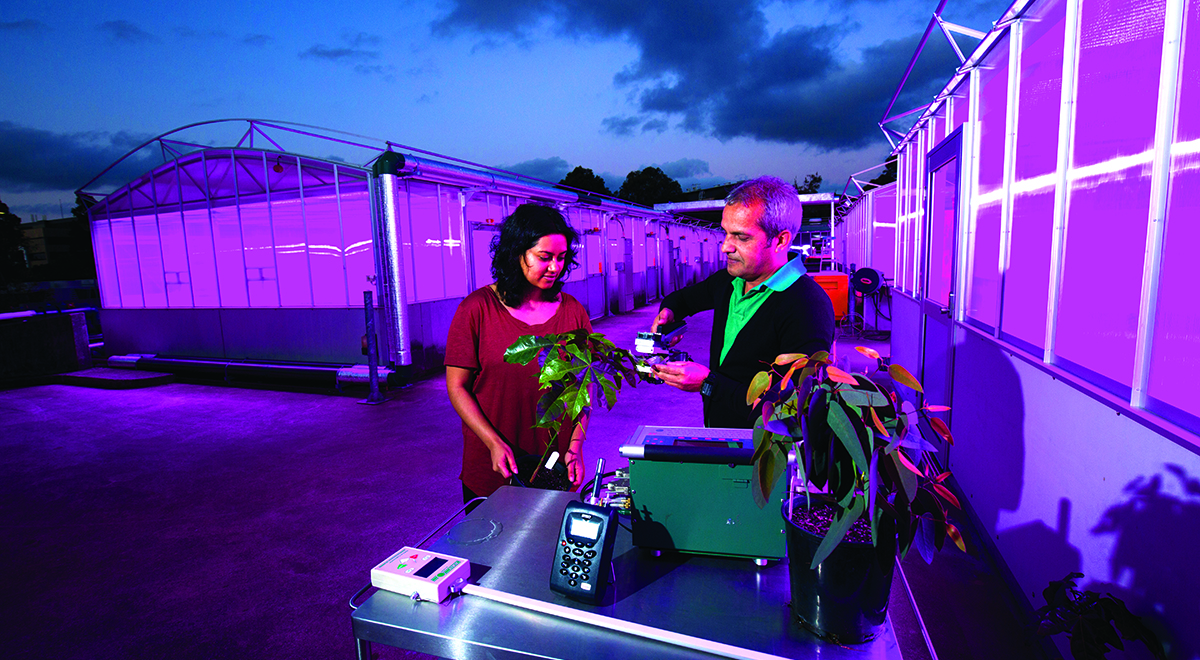
Dr Debashish Mazumder, Leader of Food Provenance Research, ANSTO
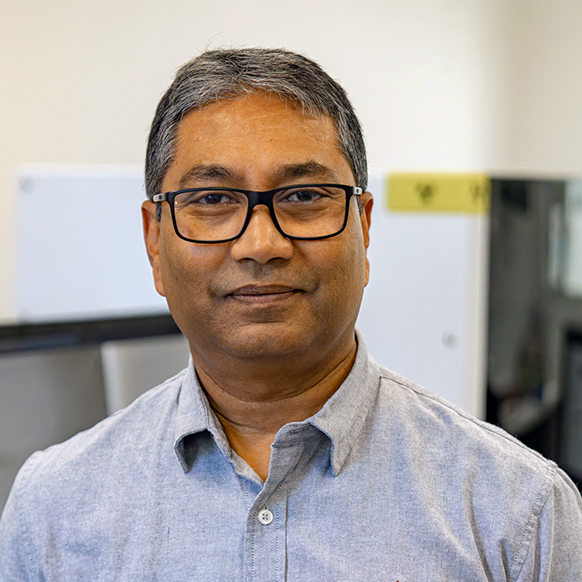
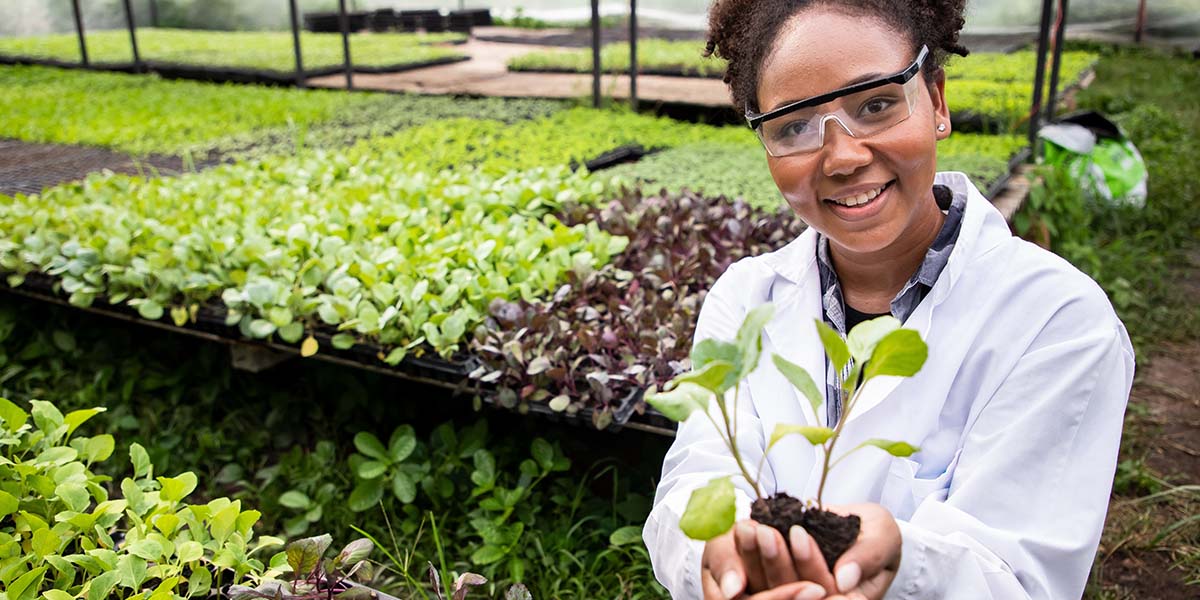
Under Dr Mazumder’s leadership, ANSTO has developed traceability technologies, including field-deployable handheld XRF scanning techniques, to verify the origin of food products. These cutting-edge tools, rigorously validated on seafood and native bushfoods, address critical traceability and biosecurity challenges in trade. These tools help industry safeguard the integrity of their supply chains. Dr Mazumder collaborates with government agencies, industry partners and academic institutions across Australia and the Asia-Pacific region, focusing on food origin and related environmental research.

Erik Poole, Head of Product and Quality,  Sydney Fish Market
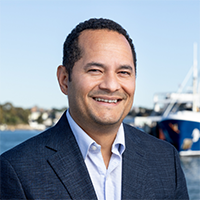
Erik took up a role in quality assurance with Sydney Fish Market in 2005. Prior to this, he worked as a qualified skipper, operating fishing vessels in Papua New Guinea and the Northern Territory, and completed a fisheries science degree at AMC in Tasmania.

Erik is now responsible for overseeing SFM’s QA, food safety, and engagement with stakeholders in the seafood industry, particularly related to quality standards, grading, and technical projects.

Dr Stephen Pahl, Seafood Safety and Market Access Program Leader – Food Sciences, South Australian Research and Development Institute – SARDI

Dr Stephen Pahl is a chemical engineer with research, product development and process improvement expertise within the food, bioproducts and nutraceutical sectors. He obtained his PhD in Chemical Engineering from the University of Adelaide before joining SARDI in 2012.

His core research activities are directed towards food safety and product innovation within the Australian seafood and food manufacturing industries. Dr Pahl also provides technical support to SafeFish on seafood post harvest operations and advice to support Australia’s seafood trade and market access negotiations and helps to resolve barriers to trade.

Dr Patricia Gadd, Science Research Leader and Instrument Scientist, ANSTO
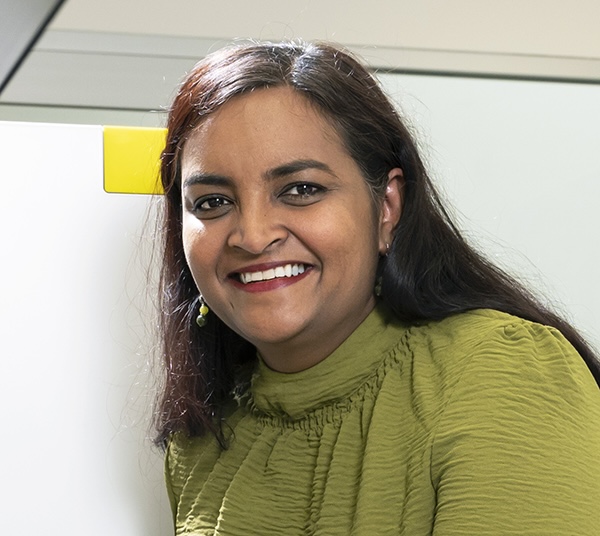
Currently, Patricia Gadd leads the Water Resource Sustainability Program within the Environment Research and Technology Group, whilst running the Itrax Core Scanner Laboratory at ANSTO. She is a much sought after expert in X-ray Fluorescence Spectroscopy (XRF). Patricia developed a world-first non-destructive technique to evaluate tissue. Her use of this technique on seafood profiles led to a new and growing research field at ANSTO, seafood provenance.
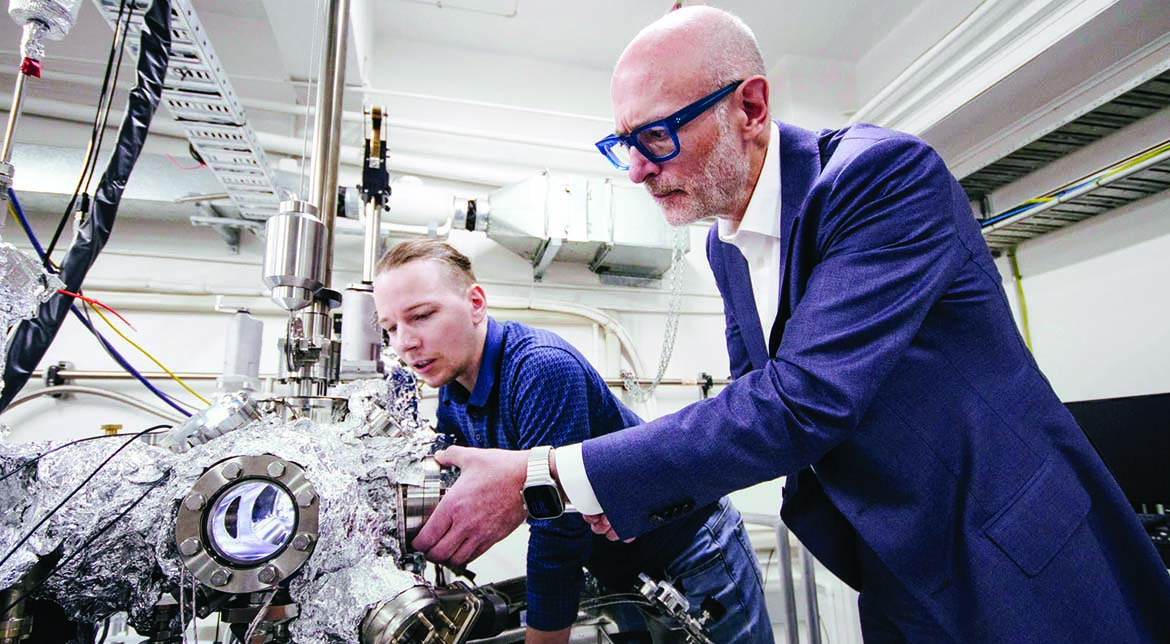

Following the money: how is funding influencing university research?

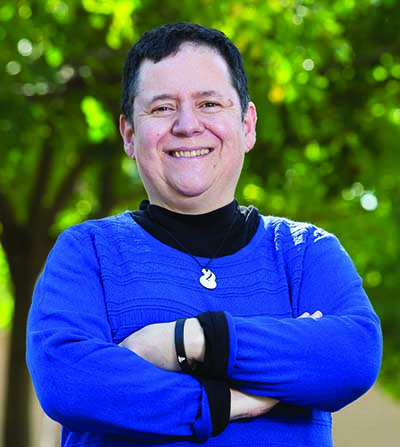
Image: Professor Sven Rogge, University ofNew South Wales. Supplied.

As funding tilts toward programmatic research and mission-led outcomes, Australian universities are under pressure to justify every research dollar. So what happens to curiosity, creativity and the risks that lead to unexpected breakthroughs?

A vision of blue sky

Light makes the sharpest of knives. Stretch a short laser pulse, amplify and squeeze it together again. That intense light burst, now the basis of laser eye surgery, originated as a way of exploring light’s interactions with matter in 1985. Its inventors, professors Donna Strickland and Gérard Albert Mourou, won a Nobel Prize for the discovery.

Neither could have foreseen the impact their laser research would have on millions of eyes around the world.

“Strickland is a pure scientist,” says Scientia Professor Sven Rogge, dean of the Faculty of Science at the University of New South Wales. “She doesn’t give a toss about any kind of application, [has] never done in her life. She just basically did it for the sake of doing amazing things in the lab.”

“Without fundamental, blue-sky discovery-driven research, we would not get the pipeline to the big things that change the world,” says Rogge.

But for the last few decades, Australian universities – the bastion of fundamental research – have increasingly followed the money.

Blue-sky research has declined by at least 20% since 1996, replaced by mission-driven program-based science.

“Time and dollar pressures are crucial differences between curiosity-driven and program-based science, says Professor Mark Hutchinson, interim director of the Institute for Photonics and Advanced Sensing (IPAS) at the University of Adelaide.

Industry prioritises deadlines over cost, academia values funding over speed, he says. “I think that there’s a mismatch there, especially in the Australian context.

Funding the future

Australian Research Council (ARC) and the National Health and Medical Research Council (NHMRC) account for most blue-sky research funding in Australia.

“The beauty of ARC funding is that an element of that discovery research is available to non-priority, non-mission driven activities,” according to Hutchison.

Although 47% of ARC Discovery Projects were funded for 2025, this is after 72% of the initial applications were removed at the expression of interest stage. In 2024, just 17% of Future Fellowships of Future Fellowships got up, with other schemes faring worse – between 10% and 32%.

Which means much curiosity – driven Australian science is unrealised.

What then is the future for such blue-sky research?

“That’s the critical question,” says Hutchinson, and “highlights why the health of Australia’s research sector is so important. Competition for ARC funding is fierce, and some excellent science will miss out.”

“However, for the first time, the ARC’s core mission to fund fundamental, blue-sky research is now protected by law.

This provides a guaranteed, stable home for those investigator-led projects,” she says. “We will keep working to increase the funding in a strategic and sustainable manner across the whole sector.”

Rogge is less sanguine. “What is very worrisome is that the ARC budget has basically been flat.” Total federal government research spend is 1.7% of GDP, well below the Organisation for Economic Co-operation and Development (OECD) average [2.7%].

“That is a serious problem for a country that should move away from only basically digging stuff up, but actually start to manufacture higher value chain products.”

Research provides a good “bang for buck” adds Rogge. “The government has to think, with industry, about how we can be attractive for that R&D and building more pathways to get knowledge outside, from the universities into societies. It’s a huge opportunity.”

“There’s a lot of very, very good fundamental research going on at universities,” he says. “Putting further pressure on that is counterproductive, because if you look at the way knowledge transforms into productivity, into dollars in the society, it’s a long pipeline”

Matching Indigenous community priorities

Curiosity-driven research must also match community-priorities, says Professor Bronwyn Fredericks, University of Queensland’s Deputy Vice Chancellor (Indigenous Engagement). Otherwise, it’s just knowledge mining for the good of the researchers, she says. Indigenous people have lost land and resources.

“The knowledge base may be the only thing some people have left.”

Dr Katrina Wruck of the Queensland University of Technology (QUT) agrees, and would like to see “Indigenous knowledge elevated so that people who go to university understand the depth of knowledge. Also so community can see their own
knowledge as being elevated in the curriculum, and then also providing opportunities for economic self-determination, commercialising traditional knowledges and patenting their own traditional knowledge and copyright.”

Wruck is 2025 Young Australian of the Year and descended from the Panaylayg Nation of Mabuyag Island, Zenadeth Kes/Torres Strait Islands.

“I think it comes down to the land councils and the communities or Aboriginal corporations working with universities and researchers to help find ways, new ways to help community,” she says.

Public understanding of science is the key. “The biggest problem is that the community does not understand the
impact and importance of science; the practical outcomes that are created,” says Rogge. “And since that’s not known, there’s not a lot of sympathy.”

The future Rogge would like to see is a mix of mission-based and curiosity-driven research. One where science is thriving and recognised for real-world contributions.

Where scientists are working on real-world problems, involved with Indigenous and other communities, in industry and community-based science, he says. Community involvement means more effective illustration of the power of science.

According to Rogge, it’s vital to “make the university a more porous place where we bring the public in to be part of the
science that happens”.

Written by: Richard Musgrove

First published in Australian University Science Issue 14

Evolution or revolution: how might the Bachelor of Science change the future?

Image: A vision of the future of Macquarie University, as itputs the finishing touches on its new Engineering and Australian Astronomical Optics (AAO) Building. Supplied

University science education is being disrupted by changes in technology, including AI, and by changes in student and employer expectations.

Training versus education

A key part of evolving the Bachelor of Science (BSc) is navigating the balance between vocational training and broader education, according to Brian Yates, emeritus professor at the University of Tasmania and ACDS executive member. While training equips students with job-specific skills for a smooth transition into the workforce, education in a research-led environment fosters more adaptable capabilities like problem-solving and teamwork.

At the moment, Yates sees a strong focus on producing “job-ready” graduates, with curricula packed with industry-relevant knowledge. However, as specialised information becomes
more accessible, he suggests the emphasis might shift from “having knowledge” to developing the skills needed to find and apply it.

Professor Ingo Koeper, Flinders
University, with students

It’s a view that Professor Ingo Koeper, associate dean of learning and teaching at Flinders University shares, in part.

“I think we need both. We need a solid understanding of foundation in the discipline, but then you have to be able to extrapolate or take that and apply it to various different concepts,” he says.

Job-ready graduates

The problem that Koeper identifies is that science graduates don’t all follow the same career trajectories. Some go into academic research, some go into commercial science, some wind up in unexpected places, such as banking, “because they have critical thinking and analytical brains”.

Therefore he says teaching “job-ready” is a balance
between vocational knowledge and transferable skills.
He believes the BSc of the future could dispense with traditional lectures and move to online or face-to-face workshops, supplemented by in-person practical classes where students can gain hands-on experience in their
chosen discipline of science.

Workshops are a more active form of learning, says Koeper, but they come with a cost. Mass lectures are a financially efficient way of teaching lots of students and are well-suited to identifying important information. More active forms of learning take up more lecturer resources. But the move from mass lectures also opens opportunities.

Personalised learning

Victoria University (VU) has embraced the new hybrid-learning environment with a trial of a new assessment protocol. In recent years VU developed the Block Model, where subjects are run for a four-week intensive block, and students are enrolled in only one subject at a time, so they concentrate and consolidate their learning in one area. Joshua Johnson, chair of the Assessment Taskforce, says that the new “two-lane” assessment embraces AI-assisted learning in the open assessments lane. But in the secure assessments lane, the focus is on practical skills.

“For science education specifically, this includes hands-on experimental work, live data analysis and real-time scientific communication,” he says. Johnson says the framework strikes
a balance between collaborative, hands-on learning essential to science while preparing students for a workforce where technological fluency is paramount.

Macquarie University in Sydney is putting the finishing touches on its new Engineering and Australian Astronomical Optics (AAO) Building.

The $150 million facility – due to be officially opened around February 2026 – will house AAO which designs instrumentation and software for the world’s largest telescopes.

“Students will be going to classes there, but they’ll be walking past a group of professionals that are building an instrument that’s going to go for an international client on a giant telescope in Chile,” says director of the AAO and acting dean of engineering, Richard McDermid.

“I think that it’s great for the students to get exposure to
how professional work happens.” McDermid speculates that the defining feature of the future BSc might be personalised learning, with students able to mix and match their skills or knowledge acquisition, tailored to their personal career trajectory.

Multiple self-directed online units might be pre-prepared so that students can gain relevant skills while the impost on
teaching resources is minimised.

In this vision of the future, practical experience with industry professionals, such as that offered in the new AAO building will be essential. McDermid says students should graduate feeling like they didn’t just spend three years getting information they could have looked up online, but come out feeling that they understand how their potential industries work, because they’ve had experience in them.

“So they stand in an interview situation and talk from experience rather than theory,” he says.

But Macquarie’s edifice is being completed at a time when universities are increasingly exploring the advantages of online learning. The question now is what lessons science schools can take from Macquarie’s engineering co-location project, what a BSc will look like, and whether facilities like the AAO building will be required as we transition to the future.

Written by Sara Phillips

First published in Australian University Science issue 14

A pipeline with a problem: how do we make STEM more inclusive?

The Universities Accord, released in February 2024, called for an increase in the proportion of university-educated Australians aged 25–34 from 45% currently to 55% by 2050.

That involves doubling the number of uni students to 1.8 million. Meanwhile, the number of students undertaking a STEM degree is heading in the wrong direction. Despite numerous calls from industry and government for more STEM-qualified graduates, the overall picture is a pipeline with a problem.

Dr Jessica Danaher, RMIT University

Dr Jessica Danaher, associate dean of student experience in science at RMIT University, warns that emerging industries – such as in climate action, digital transformation, healthcare and advanced manufacturing – all depend on science graduates.

“There is a risk that companies searching for these skills will be forced to set up elsewhere, impacting Australia’s economy and prosperity,” Danaher says.

Meanwhile STEM disciplines have also been singled out for their lack of diversity. “More than a third of men in tertiary education are studying STEM qualifications,” says Cathy Foley, who was until last year Australia’s Chief Scientist. “But for women, the figure is only 9%.”

And it’s not only gender diversity. Science faculties across Australia are striving to boost diversity in their graduates across socio-economic lines, the rural-city divide, disability and race.

Growing the pool

Professor Simon Ellingsen, executive director of the International Centre for Radio Astronomy Research University of Western Australia (UWA) and ACDS executive member, says one way to fill the pipeline is to grow the pool it draws from.

Professor Simon Ellingsen

This means finding ways to diversify the kinds of people that a science qualification appeals to. As he sees it, people go into a degree
based on two things: whether they are interested, and whether they are suitably prepared. He says Australia is currently failing potential STEM graduates on both counts.

Danaher and Ellingsen say it’s the classic “if you can’t see it, you can’t be it”: women and girls and people from some minorities don’t have role models of future STEM careers.

“Our society doesn’t really value science and that sort of critical thinking, and so people who show aptitude in that area, they’re not really encouraged,” Ellingsen says.

Programs such as Science in Australia Gender Equity (SAGE), Girls in Science and Technology, Women in STEMM and the Australian Academy of Science’s STEM Women, are attempting to address some of the gender diversity challenges, but diversity is more than gender.

Ellingsen says he believes science is seen by many people as a high-minded passion career, not a workaday income provider, reducing its appeal to some sections of society.

In addition to a cultural shift needed to broaden Australia’s perception of a working scientist, the university preparation path fails many potential STEM enrollees.

Ellingsen says the shortage of good high-school science teachers means there is a risk they will be lured with competitive salaries to elite schools, or other opportunities, leaving the rest of Australia missing out.

“Some of the science and mathematics teaching done in other places is done by staff who are not particularly well-trained, not particularly well-motivated, and not surprisingly, therefore, the students don’t have the best experience,” he says.

Many universities offer catch-up courses for people wanting to prepare for a science degree – both school-leavers and older students.

But Ellingsen says greater coordination between these institutions would bring much-needed efficiencies, with many universities eating up precious resources competing with each other when they could team up.

Science in the regions

Meanwhile, regional universities say that they may have a part to play in encouraging more diversity. Professor Megan Smith, executive dean of the Faculty of Science and Health at Charles Sturt University and ACDS executive member, says that “the thing that regional universities do provide is opportunity.”

Smith believes the problems regional areas face will be solved by science graduates with local knowledge and that regional students shouldn’t be at
a disadvantage because of their location.

“Regional communities need science and they need a science foundation,” she says. Regional universities mean students can stay in their home areas, while still earning their Bachelor of Science.

Linda Pfeiffer, Central Queensland University’s (CQU) associate professor and deputy dean of research in the School of Education and the Arts, says that CQU, decentralised across 12 campuses, offers many courses heavy with online only components, which students can undertake at a time that works for them.

Associate professor Linda Pfeiffer, CQU.

It allows people to fit study around work and family commitments, providing a flexibility that is attractive for people in circumstances that don’t fit the typical school-leaver mould.

“We have a lot of people that work, because the cost of living has risen.
People find online more convenient. It saves the travel time, it saves the parking, you know, you can watch it later,” she says.

CQU enrols a high proportion of Indigenous students and the highest proportion of people from low socio-economic circumstances. Courses are designed to tap into local community and knowledge. “We have a lot of connection to the local industries. We have a lot of co-design of our degrees,” says Pfeiffer.

But Dr Laura McKemmish, director of research- and work-integrated learning at UNSW Science, says that universities in major cities can offer a different kind of connection: “In a city, you’ve got the people, you’ve got the facilities, you’ve got the expertise – there’s advantages in being a big city uni.”

Dr Laura McKemmish, UNSW Science.

McKemmish believes Australia should work towards different universities offering different STEM experiences, rather than one university trying to be all things. Some universities could focus on industry-focused STEM training, while another could specialise in producing world-class research
scientists, she suggests.

“I actually think it’s really, really healthy when you’ve got both models,” McKemmish says.

Written by: Sara Phillips

First published in Australian University Science Issue 14

Can STEM graduates be Australia’s lifeline?

Education and research are the twin engines of Australia’s future – powering a highly skilled workforce and driving the innovations needed to meet local and global challenges.

The Federal Government’s 2024 National Science and Research Priorities make this clear: advancing national security, protecting our environment, elevating Aboriginal and Torres Strait Islander knowledges, and progressing to net zero all depend on the talent and discovery generated through our universities.

The opportunity before us is to build a policy and funding environment that accelerates momentum. By creating the invitation and incentives for industry and universities to co-design education programs and research initiatives,
government can help establish a stronger pipeline of talented students who contribute to research and innovation.

There are some models already in existence which point the way forward. Our Software Engineering Degree Apprenticeship at the University of South Australia – delivered in partnership with the Government of South Australia and major industry partners such as BAE Systems – allows our students to earn and study simultaneously, a (l)earning program – while providing industry with direct access to highly skilled graduates.

These enrolled students are paid a wage and their university fees are paid – by their employer. The content of their five-year honours degree has been crafted with inclusion of industry content and curated with that industry. With national policy settings that encourage replication, this kind of Work Integrated Learning (WIL) model could be scaled, boosting STEM capability and delivering benefits for students, universities and industry.

The same opportunity applies to equity. Ensuring that universities – particularly those in rural, regional and low-income communities – have access to baseline research funding to build partnerships will mean more
students can access high-quality science education.

Initiatives such as the Regional Research Collaboration Program already demonstrate the value of targeted investment.

So, by extending and deepening these programs, we can widen participation and ensure academic excellence and career success for many, rather than a select few.

Science education should not be determined by geography or legacy. It should be a national commitment – driven by collaboration and open to all. By prioritising career-ready models and strengthening equitable university/
industry partnerships, Australia stands to build a more resilient and inclusive science ecosystem; to meet challenges from climate change to public health with a collective ambition – and with the means to enact sovereign solutions.

Written by : Professor David Lloyd, Vice Chancellor and President University of South Australia

In addition to roles at the University of South Australia, Professor Lloyd is co-Vice Chancellor of the new Adelaide University, Australia’s newest major university that combines the strengths of the University of Adelaide and the University of South Australia. He is also former chair of Universities
Australia, a member of the Australian Universities Accord Implementation Advisory Committee and has served on the Australian Research Council’s Advisory Committee.

First published in Australian University Science Issue 14.

University science: essential for solving Australia’s biggest challenges

Thirty years ago, the Australian Council of Deans of Science (ACDS) was established to champion university science across Australia.

Since then, it has shaped national conversations, strengthened science education, and fostered collaboration across institutions. Today, we honour that legacy – and face the future with urgency and optimism.

I grew up in Semaphore Park, near Port Adelaide, and am the first in my family to attend university. Science opened doors I didn’t know existed. Now, as Chief Scientist for South Australia and Pro Vice-Chancellor at The University of Newcastle, I’m committed to keeping those doors open for others.

University science is essential – not only for discovery and innovation, but for building Australia’s future workforce and addressing the complex challenges ahead.

Between 2021 and 2023, enrolments in natural and physical sciences declined by 11%. This “brain drought” threatens our capacity to respond to climate change, technological disruption, and global uncertainty.

In addition to university pathways, vocational education and training (VET) also plays a key role in developing complementary skills and strengthening national capabilities.

Trust in science is fragile and understanding of the possibilities it enables is at an all-time low.

Australia’s R&D investment sits at just 1.68% of GDP – well below OECD averages. While universities collaborate strongly with government, non-profits, and international organisations, their engagement with domestic industry continues to be
relatively weak.

To reinforce trust and drive impact, science must be embedded in policy, connected to community, central to industry, and part of our national conversation.

Thank you to the ACDS for three decades of leadership and impact. The challenges ahead are real – but so are the opportunities.

The next chapter of university science must
be written by all of us: educators, researchers, industry, government, and community – working together to build a more resilient, inclusive, and innovative Australia.

Written by: Professor Craig T. Simmons FAA FTSE, Chief Scientist for South Australia

First published in Australian University Science issue 14

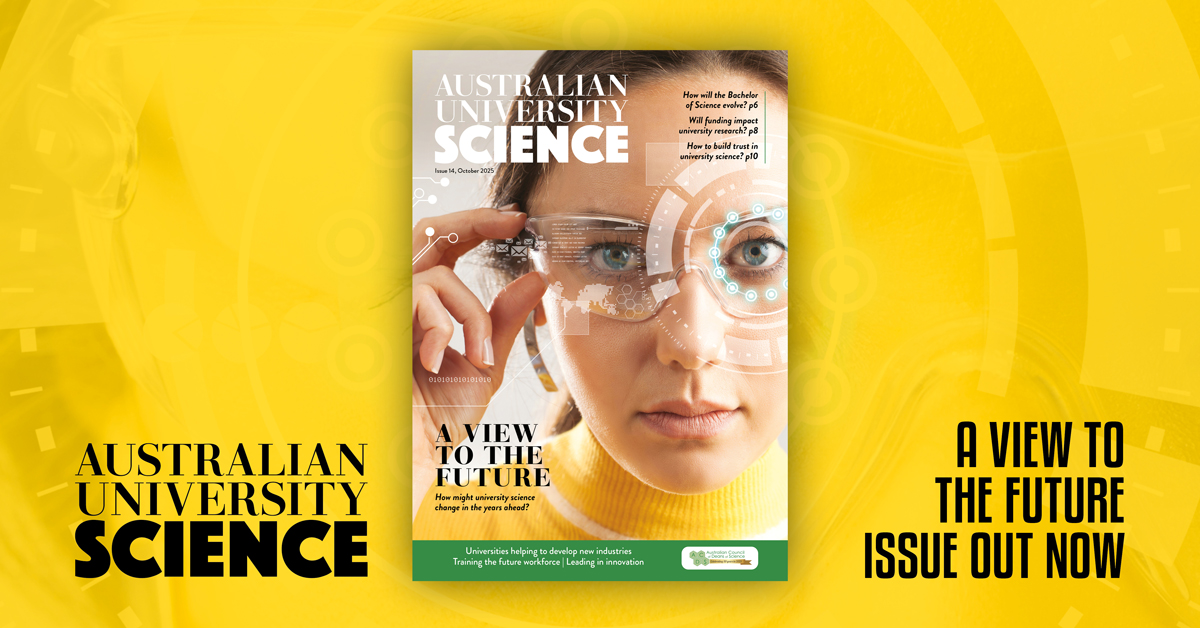
A view to the future: how might university science change in the years ahead?

Welcome to Issue 14 of the Australian Council of Deans of Science (ACDS) magazine. In this issue we focus on the future shape of university science education and research, including a Foreword from Craig Simmons and an opinion piece by David Lloyd. I’d like to start by thanking them both for their generous and excellent contributions.

Using technology to its full potential can improve the educational experience for all our students. It can provide the key to achieving our collective ambitions of equity and access.

Professor Jacqui Ramagge, President, ACDS

Tertiary education has traditionally served school-leavers studying full-time at a university campus. This is a luxury that many prospective students simply can’t afford, including those in remote areas and those who have family or financial commitments.

Educational experiences have benefited from our working more closely with industry and the embedding of First Nations knowledges throughout our programs.

Various initiatives, including some discussed in this issue, enable us to provide an engaging quality education to an increasingly diverse cohort of students.

It would be remiss of me not to mention the financial challenges facing the university sector.

Science education, research and infrastructure is expensive compared to many other disciplines, yet is vital for the future of our nation.

In order for government and the community to confidently invest in university science, they need to understand the benefits. It is up to us to communicate them.

This includes communicating the benefits of educating international students. There is a significant soft diplomacy role played by our international alumni. They are passionate, committed and excellent ambassadors for Australia.

Times have changed and we must adapt. We must work to overcome challenges, lobby to influence change and make the most of all the opportunities that present themselves.

The future of university science depends on us. I look forward to discussions of these and other issues at our ACDS annual conference in Canberra in October.

Writer: Professor Jacqui Ramagge, President, ACDS

First published in Australian University Science Issue 14

ANSTO Science Series Webinar: Nuclear science reducing PFAS packing risks in Australia

Science and industry unite to advance PFAS-free packaging

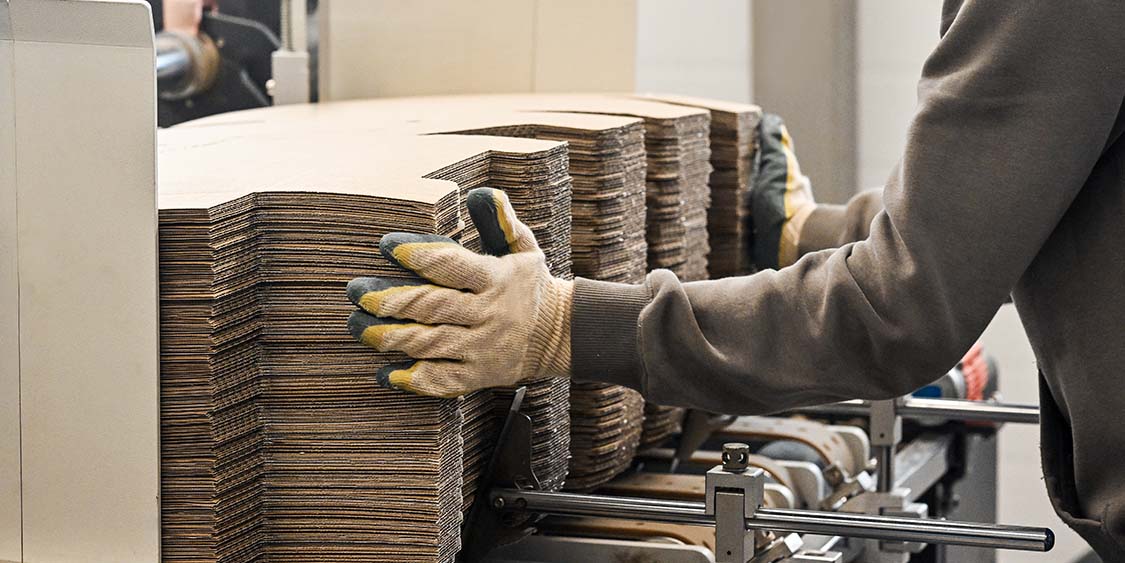
PFAS chemicals in packaging pose serious environmental and health risks, but Australia’s packaging industry is leading the way to phase them out. Backed by cutting-edge nuclear science, industry-led action is creating safer packaging solutions for all Australians.

Join ANSTO, Detmold Group, and The Australian Packaging Covenant Organisation (APCO) to explore the science, policy and practical actions behind Australia’s transition to PFAS-free packaging. This session will answer key questions, including:

  • What is PFAS and why is it used in packaging?
  • What are the current and future regulatory requirements?
  • How is PFAS currently tested and what role does ANSTO’s advanced nuclear accelerator technology play in screening for fluorine?
  • What does the PFAS reduction journey look like from an industry perspective?

This 60-minute panel discussion, hosted by well-known science broadcaster Lee Constable, will explore both the challenge of PFAS chemicals and the science-led, industry-driven solutions paving the way for safer, sustainable packaging.

Featuring:

  • Megan Schutte, Strategic Product Development Manager, Detmold Group – innovators committed to PFAS-free packaging products
  • Jonathan Dolan, Senior Government Partnerships Coordinator, The Australian Packaging Covenant Organisation (APCO) – leading the national roadmap to phase out PFAS in packaging
  • Dr Madhura Manohar, Accelerator Scientist, Centre for Accelerator Science, ANSTO – harnessing nuclear science for real-world environmental solutions

📅 Date: Wednesday 24 September

⏰ Time: 12 noon AEST

Be part of the practical science movement protecting Australia’s future.

This webinar is proudly brought to you by ANSTO

About the speakers

Megan Schutte, Strategic Product Development Manager, Detmold Group

Megan Schutte is a  Strategic Product Development Manager at Detmold Group. Her career began over 14 years ago in FMCG research and development at Unilever, where she progressed through roles in product development, technical innovation leadership, and strategic project delivery. Since immigrating to Australia, Megan has expanded her expertise into the packaging industry, leading new product development, R&D and commercialisation from concept to full-scale manufacturing. Throughout her career, Megan has been passionate about creating products that balance performance, manufacturability and sustainability. She’s also been actively involved in industry conversations around regulatory change. Megan is excited to share industry insights on the journey to removing PFAS from packaging.

Jonathan Dolan, Senior Government Partnerships Coordinator,  Australian Packaging Covenant Organisation (APCO)

Jonathan is APCO’s Senior Government Partnerships Coordinator. After completing a Bachelor’s degree in Government and International Relations at the University of Sydney, he went on to earn a Master’s in Sustainable Development at Macquarie University. Since joining APCO, Jonathan has been involved in developing APCO’s 2030 Strategic Plan and works closely with government and industry stakeholders. He also supports brand owners to navigate packaging regulation, particularly for single-use plastics and PFAS in packaging.

 Dr Madhura Manohar – Accelerator Scientist, Centre for Accelerator Science, ANSTO

Dr Madhura Manohar is an Accelerator Scientist at ANSTO’s Centre for Accelerator Science. Madhura uses accelerator-based techniques to contribute to key areas of research such as screening for PFAS, air pollution research, food provenance, materials research and many more. Madhura has a passion for science that addresses real world challenges for human health and the environment. Her work has meaningful impacts for the research community, industries such as the mining industry, food industry, packaging industry, government regulatory bodies, international agencies such as the UN’s international atomic energy agency and many more. 

Science education: the hidden engine of Australia’s future

To mark National Science Week 2025, the Australian Council of Deans of Science (ACDS) is urging Australians to recognise the vital role of university science education in driving innovation, boosting the economy and shaping better decisions across all sectors.

From research labs to boardrooms, science graduates bring adaptability, problem-solving skills, and critical thinking to industries as diverse as policy, law, business, and technology. And science literacy isn’t just for scientists — it’s a must-have for leaders in every field.

Read why ACDS says universities, governments, and families must back science education as a foundation for Australia’s prosperity and resilience.

Australia Needs to Revalue the Science Degree – Here’s Why

By the Australian Council of Deans of Science – August 2025

In an era defined by climate change, technological disruption and global uncertainty, Australia needs more science graduates—not fewer. Yet science degrees remain underappreciated by many students and parents, for whom a career pathway in engineering, health or law often seems clearer. This perception is misleading and dangerous. As we celebrate National Science Week 2025, let’s reframe this perception.

Science Graduates Are Everywhere

Contrary to popular belief, science graduates are not confined to laboratories. Most work in business, government, policy, education and technology. The career outcomes for science graduates are very good, with 89% of science graduates in full-time paid work three years after graduation, according to the Graduate Outcomes Survey. Many pursue further study, leading to specialised roles in research, policy and innovation.

Science degrees produce versatile thinkers. Employers value adaptability, problem-solving and digital literacy—skills embedded in science education. An exciting initiative is the introduction of STEM Stream by the Australian Public Service, a program designed to give science graduates employment experience across multiple fields.

Science Is a Civic Skill

Science literacy is not optional: it is essential for lawyers drafting environmental legislation, accountants assessing sustainability risks and business leaders navigating technological change. Yet around 90% of university students are non-science majors. Science literacy is about rigorous, creative, systematic thinking and problem-solving—attributes that are critical in every profession. We should encourage every student—regardless of discipline—to engage with science at least once during their degree.

The National Assessment Program for Science Literacy found that students who engaged more frequently in critical and creative thinking activities had significantly higher science literacy. Science isn’t just about knowledge—it’s about the ability to reason, evaluate evidence and make informed decisions in a complex world. A science-literate population will be better able to analyse data and identify misinformation, leading to better decisions on issues such as vaccination, climate change and renewable energy.

Science Tackles the Big Problems

Science graduates are at the forefront of solving global challenges. From climate modelling to food security, they employ tools like data analytics and systems thinking to shape policy and drive innovation. Programs like Monash University’s Bachelor of Science Advanced – Global Challenges and Curtin University’s Bachelor of Multidisciplinary Science are training students to apply science in business, government and community settings to address issues like climate change and sustainable development.

These graduates may not follow a linear career path—but that’s precisely the point. The problems they face are complex, interdisciplinary and evolving. So too must be their education.

A Foundation for the Future Economy

According to a report commissioned by the Office of the Chief Scientist and the Australian Academy of Science, advanced physical and mathematical sciences contribute directly around 11% of GDP annually to the Australian economy. When flow-on effects are included, the total economic impact expands to 22% of national economic activity. Science graduates are not just employable—they are essential to national prosperity.

Universities across Australia are mainstreaming interdisciplinary, project-based learning models that bring together students from science, business, health and the humanities to solve real-world problems. These approaches prepare graduates for the modern workforce, where collaboration across disciplines is key to innovation and impact.

As Deans of Science, we are continuing to evolve science degrees by enhancing professional skills such as communication, cultural competency and work-integrated learning in science courses to strengthen the foundation of life-long learning for our graduates.

A Call to Action

If we want to inspire future generations, we must reframe how we talk about science degrees. They are not fallback options or stepping stones—they are launchpads. Our political leaders should promote science as a foundational skill for all. We encourage all students in vocational degrees (e.g. law, business, education) to study at least one semester of science at university. Governments should invest in science education and career support. And parents should see science not as a career risk, but as a future-proof choice.

Australia doesn’t just need more scientists. It needs more people who think like scientists.

Recognising the Next Generation of Women Leaders in STEM

Do you know an extraordinary woman in STEM?

Applications are now open for the 2025 Queensland Women in STEM Prize—a prestigious state-wide award recognising the outstanding contributions of women in the early stages of their STEM careers.

Now in its latest round, the prize highlights women in science, technology, engineering and mathematics who have demonstrated exceptional leadership, innovation and impact in Queensland. Open to applicants within their first 10 years of a STEM career, this initiative aims to elevate diverse voices and role models shaping the future of STEM in the state.

Winners will share in $30,000 in cash prizes, supporting professional development and further amplifying their work and influence.

The prize is presented by the Queensland Museum Network in partnership with the Department of the Environment, Tourism, Science and Innovation and the Office for Women.

Applications close soon—nominate yourself or someone you admire today.

More info: Queensland Women in STEM Prize

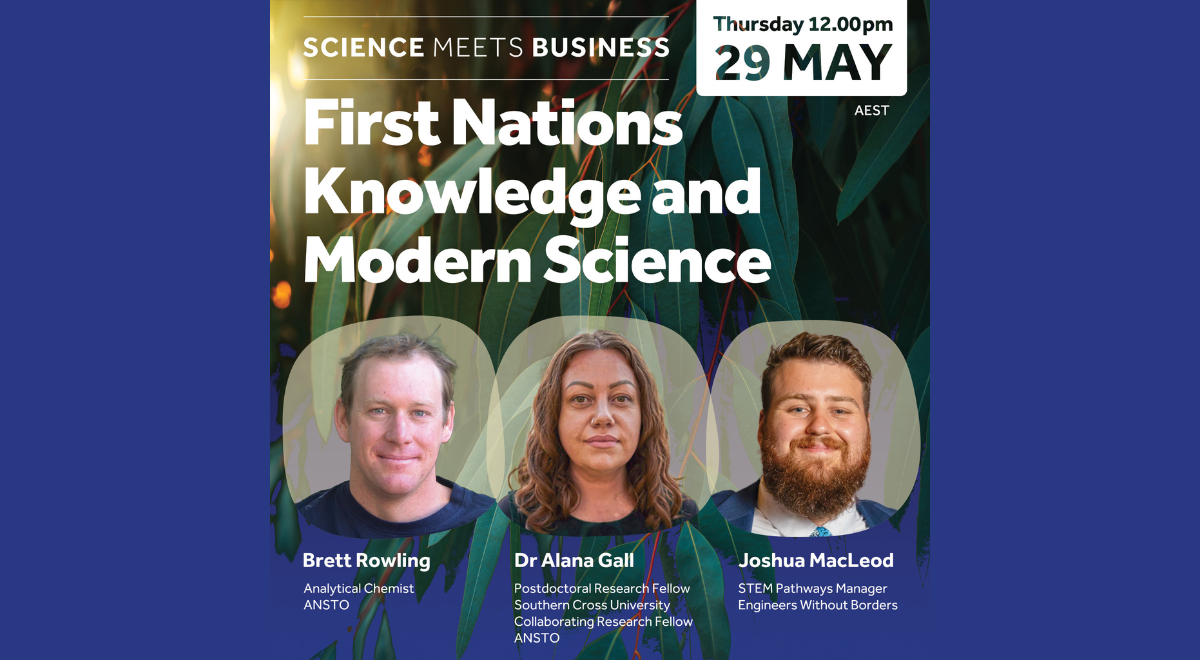
Webinar: First Nations science and modern innovation

Discover how ancient knowledge meets cutting-edge technology in this special webinar hosted by ANSTO. Join expert scientists and First Nations knowledge holders, as they explore the remarkable synergy between traditional science and ANSTO’s world-leading expertise in areas like medicine and health and environmental science. 

The Australian government is committed to investing and elevating First Nations Knowledge as a National Research Priority. 

This session will highlight: 

  • How traditional ecological knowledge informs ANSTO’s research into environmental sustainability and climate resilience. 
  • Investigating how traditional plants could be used for health benefits. 
  • Exploring ways to safeguard Indigenous knowledge through cultural intellectual property. 

Through thought-provoking discussions and case studies, learn how ANSTO scientists are partnering with First Nations experts to bridge cultural and scientific knowledge, creating innovative solutions to some of today’s most pressing challenges. 

When: 12pm (AEDT) Thursday 29 May 2025

This webinar is perfect for anyone passionate about science, innovation, and the integration of ancient knowledge with modern research. Register today to gain new perspectives and inspiration! 

This webinar is proudly brought to you by ANSTO

About the speakers

Brett Rowling, Analytical Chemist, ANSTO

Brett Rowling is a direct descendent of Bungoree and Matora from the GuriNgai Awabakal peoples, central coast of NSW, whose people are among Australia’s first scientists, mathematicians, and engineers. His primary activities are to identify and promote these cultural parallels which could enhance current engineering and scientific practices towards more sustainable options in the Australian context. This includes combining traditional Indigenous knowledge with Western science. Professionally, Brett is an environmental research chemist at ANSTO, who collaborates with universities and industry partners. He is Vice-Chair of the Reconciliation Working Mob and makes a significant contribution to guiding ANSTO’s Aboriginal engagement including the development of the Indigenous Research Project Map and the Innovate Reconciliation Action Plan.

Dr Alana Gall, Postdoctoral Research Fellow  Southern Cross University and Collaborating Research Fellow ANSTO

Dr Alana Gall is a proud Truwulway woman and Postdoctoral Research Fellow at Southern Cross University where she leads a research program focused on the protection and preservation of Indigenous Traditional Medicines, and access via Australian policy. Alana recently joined ANSTO as a collaborating Research Fellow. She is the Vice President (First Nations) of the Public Health Association of Australia, a First Nations Expert Panel member for the development of the Indigenous Cultural and Intellectual Property standalone legislation for the Office for the Arts, and a Board Director representing Indigenous Traditional Medicines in the TCIH Coalition.

Joshua MacLeod, STEM Pathways Manager, Engineers without Borders

Joshua MacLeod is a proud Dharug man, a descendant of the Boorooberongal Clan, dedicated to empowering the next generation through STEM education. As the current Manager of STEM Pathways for Engineers Without Borders Australia, he is committed to creating opportunities for young Aboriginal and Torres Strait Islander students to explore careers in engineering and technology.

Beyond his work in STEM, Josh is the founder of Kind Hearts Illawarra, a charity supporting those in need, and the owner of Yanmadyi Wiyang Mandawibirang, an Indigenous bush tukka business. His dedication to community service earned him the title of Young Volunteer of the Year for the Illawarra region in 2020.

Professionally, Josh has seven years of experience as an Electrical Engineer, working across building services, transport, mining and renewable energy design. However, his true passion lies in inspiring young minds, helping to shape the future of engineering through mentorship and education.

The power of print: reducing barriers and driving deep learning

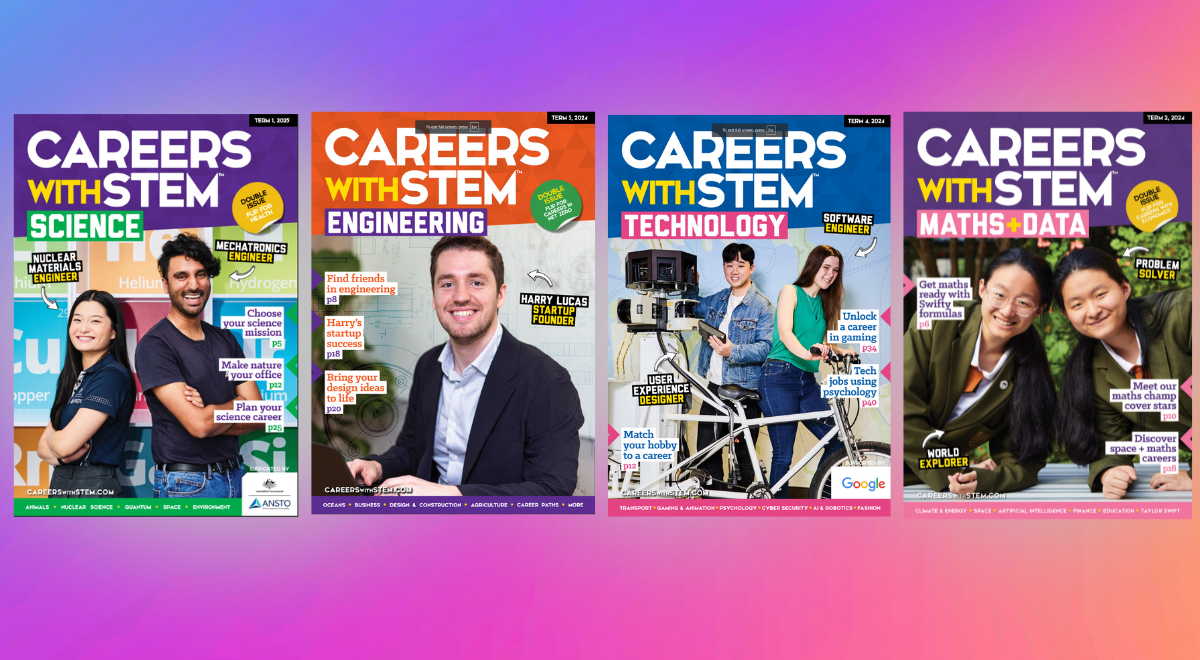
Image: Careers with STEM

Results are in from the 2024 Careers with STEM reader survey, and once again, readers use and value the print resources, with an overwhelmingly response to continue in print.

“I often ask my students if they would prefer the digital version but they prefer the hard copy – please keep it. I love having it in my careers office as it allows me to showcase during sessions what students can aspire to.” 2024 Career Adviser respondent from Qld.

In an era of digital overload, research shows that print media continues to hold a unique position in the information landscape, offering credibility and trust.

This proves more true for Australian regional and remote communities where close to 30% of the population live outside major cities, which are less well-serviced by media. Findings from Australia’s largest survey of media in regional communities shows there is a strong passion for print as the most trusted source of information.

In education settings, whilst students prefer consuming news on their phones, they prefer print for longer-form reading, like magazines, as it facilitates ‘deep reading’

Since our inception, Careers with STEM has utilised multi-platform storytelling, combining print and digital media to ensure equitable access to career resources and the ability to reach readers where they prefer.

Through Careers with STEM magazines, we ensure students that can’t access reliable internet, or educators that place trust in print, get free access to our resources every Term.

And, once again with the 2024 reader results, we know they are used, valued and shared.

Collaborative grants continue to generate global science and technology innovation

Image: Shutterstock

The Australian Academy of Technological Sciences and Engineering (ATSE), in collaboration with the Australian Academy of Science, will deliver $6.3 million in grants to strengthen science and technology collaboration with regional neighbours through the second round of the Australian Government’s $40 million Global Science and Technology Diplomacy Fund – Strategic Element (GSTDF-SE).

Announced by the Hon Ed Husic MP, Minister for Industry and Science, the grants of up to $1 million each are available to Australian researchers and businesses to partner with counterparts in Indonesia, Malaysia, Singapore, Thailand, Vietnam, New Zealand, Japan, the Republic of Korea and Brazil.

This second round of the grants builds on the success of the initial round in 2024, through which 9 innovative and ambitious groups are partnering with science and industry colleagues around the world.

The focus of the scheme remains on national priorities of advanced manufacturing, AI, quantum computing, hydrogen production and RNA vaccines.
With applications open from today, the scheme aims to grow international collaboration in our region, and drive innovation and commercialisation in priority areas.

ATSE CEO Kylie Walker said Australia has the ability to lead our region in delivering practical solutions to our biggest challenges.

“These grants create links between Australia’s STEM leaders and global partners, building new technologies from a foundation of international collaboration. A grant through this scheme will boost the capabilities of researchers, industries and new businesses across many countries, all while strengthening international science and technology cooperation,” ATSE CEO Kylie Walker said.

Australian Academy of Science Chief Executive, Anna-Maria Arabia said, the Global Science and Technology Diplomacy Fund will support international scientific collaboration and diplomacy precisely when it is needed the most.

“The high-quality applications received in the first round illustrate the power of international science collaboration enabling research and innovation that no single country can achieve on its own,” Australian Academy of Science Chief Executive, Anna-Maria Arabia said. 

The Academies have a strong commitment to international engagement with a long history of global initiatives successfully delivering results for Australian science and technology.

ATSE and the Australian Academy of Science are proud to partner to deliver this initiative, funded by the Australian Government Department of Industry, Science and Resources.

The Learned Academies will draw on their expert Fellowships to rigorously assess applications. 

Expressions of interest can be submitted through the glodip.org.au website. The deadline for submission is 4 May 2025.

An information session is scheduled for 19 March, providing an opportunity to learn more about the program. Please register to find out more. 

Cyber security boost for healthcare industry

Image: Shutterstock

CI-ISAC Australia has been selected as the recipient of an Australian Government $6.4 million grant to create a health-specific, information-sharing and analysis centre for Australia’s healthcare industry. 

Recent cyber-attacks on Australian healthcare organisations, including health funds and hospitals, have led the Australian Government to prioritise the health sector, by identifying it as the first to receive formal funding.

In 2023, the global healthcare industry reported the most expensive data breaches for the 13th year in a row, at an average cost of AUD$10.93 million, almost double that of the financial industry, which ranked second, with an average cost of $5.9 million.

Currently, Australia’s health sector comprises organisations such as public and private hospitals (approximately, 750 government hospitals and 650 private hospitals), health insurance providers, medical clinics (approximately, 6,500 general practitioner clinics), as well as a large number of health and medical-related third-party suppliers and vendors.

With the Australian Government grant, CI-ISAC has created a new Health Cyber Sharing Network (HCSN) which will focus on enabling Australia’s health sector organisations to collaborate and break down information silos, enabling the exchange of valuable cyber security threat information more quickly, within a secure and confidential environment.

CI-ISAC provides a cyber ‘neighbourhood watch’ for Australian health providers to share relevant information on cyber threats, while also benefiting from insights gained from across other critical infrastructure sectors.

The Health Cyber Sharing Network aims to better equip health sector organisations to manage and mitigate current and emerging cyber security threats.  With health and medical organisations joining and participating in CI-ISAC’s Health Cyber Sharing Network, the cyber threat intelligence that is shared into the network by these organisations, will not only support the overall improvement of cyber resilience across Australia’s health sector, it will further support Australia’s Critical Infrastructure organisations more broadly, which have interdependences across the health sector.

“The health and medical sector holds a large amount of incredibly private and personal medical and financial information,” said David Sandell, CEO of CI-ISAC Australia. “We have already seen several high-profile data breaches in the health sector, and the new network can help members reduce their cyber risks. Cyber-attacks can also greatly disrupt important health services, and this industry cannot afford interruptions with patients’ wellbeing at stake.”

The National Cyber Security Coordinator, Lieutenant General Michelle McGuinness CSC, said the Health Sector Information Sharing and Analysis Centre Acceleration Grant is an important contribution to Australia’s ambition to become a world leader in cyber security by 2030.

“We have seen in recent years the very real impact that healthcare-related cyber-attacks can have on millions of Australians. Increasing threat information sharing contributes to the prevention of cyber-attacks and builds resilience,” Lieutenant General McGuinness said.    

“Many in the healthcare sector would know well the philosophy that prevention is better than a cure. This also applies to cyber security and is the driving concept behind this grant.

“Strong industry collaboration and enhanced threat detection through the work of CI-ISAC will increase the protection of Australians’ sensitive health data.”

Webinar: Critical Minerals – Australia’s Path to a Sustainable Future

The Australian Government is making significant investment in Australia’s critical minerals, which play an essential role in high tech industries and in supporting the global clean energy transformation.

Tune in for this engaging webinar from ANSTO, that will highlight how research and industry are able to collaborate in the effort to help unlock Australia’s critical minerals potential.

12pm (AEDT) Wednesday 4 December 2024 via Zoom

This webinar is free but registration is required.

Topics for Discussion:

  • Why critical minerals and what is the potential benefit to Australia?
  • The role of critical minerals in clean energy: understanding how minerals like lithium, cobalt, and rare earth elements power renewable technologies.
  • Sustainable mining practices: Innovations in environmentally responsible extraction and processing techniques.
  • Global supply chains and Australia’s position: navigating international demand and Australia’s strategic importance in the minerals market.
  • Career opportunities in the critical minerals sector: insights into education pathways, skills needed, and emerging job roles in mining, engineering, and research.
  • ANSTO’s Research and Development initiatives: An overview of ANSTO’s projects supporting the development and application of critical minerals.

Who Should Attend:

  • Industry Professionals: Mining, energy, and technology professionals seeking to stay informed about critical minerals and their applications.
  • Policymakers: Government representatives interested in resource management, environmental policies, and sustainable development.
  • General Public: Anyone interested in the role of critical minerals in Australia’s economic and environmental future.
  • Students and Educators: Those studying or teaching earth sciences, engineering, environmental studies, or related fields

Don’t miss out on this opportunity to deepen your understanding of Australia’s critical minerals sector. Register now to secure your spot!

Speaker Information

Dr Karin Soldenhoff, Principal Consultant, ANSTO

Dr Karin Soldenhoff is a Principal Consultant within ANSTO’s minerals area. Karin provides broad technical direction for critical minerals research projects and commercially sponsored projects in hydrometallurgical process development.


Karin has been recognised by the resources industry for her innovative work in solvent extraction, and in 2024 was awarded the NSW Women in Mining’s Award for Exceptional Woman in Technological Innovation and named a finalist in the BHP Women in Resources National Awards.

Lucy O’Connor, Manager Australian Critical Minerals Research and Development Hub, CSIRO

Lucy is the Manager of the Australian Critical Minerals R&D Hub, which is hosted by the CSIRO and brings together the expertise from Australia’s leading science agencies: CSIRO, Geoscience Australia and the Australian Nuclear Science and Technology Organisation (ANSTO). The Hub is accelerating the growth of Australia’s critical minerals industry by coordinating and aligning R&D to industry needs and global trends.

Before joining CSIRO in May 2023, Lucy was a Manager at the Australian Trade and Investment Commission (Austrade) where she advised on trade and investment strategic policy issues, including critical minerals.

Lucy started her career with the Department of Foreign Affairs and Trade and has more than 20 years international experience focusing predominately on security/arms control issues and Southeast Asia. Lucy’s commercial mining experience includes a period working with an Australian mining company establishing one of the first international standard copper gold mines in Laos. Lucy speaks Thai and Lao.

Wayne Dicinoski, General Manager – Technical, Australian Strategic Materials

Wayne Dicinoski has over 30 years of experience in the minerals processing industry, including research and development, testwork planning and supervision, plant operations, process design engineering, process plant commissioning, project and engineering management.

Primary expertise is in the field of hydrometallurgy, with involvement in a wide variety of base, precious metals and rare earth projects, from laboratory testwork and supervision through to detail design and commissioning.  Particular involvement in projects encompassing leaching and refining for gold, copper, zinc, nickel, cobalt, manganese, scandium, lithium, rare earths, zirconium, niobium and manganese.

Wayne is an author of a number of papers on leaching, solvent extraction and electrowinning.

Webinar details:

Date: Wednesday 4 December 2024

Time:12pm (AEDT)

Platform: Zoom

Register now to secure your spot and be part of this important conversation on safeguarding our environment.

Can’t make it? Register to receive a recording of the webinar. 

This webinar is free, but registration is essential. Be part of the conversation driving change.

This webinar is proudly brought to you by ANSTO

Australian University Science: driving more impactful and rewarding partnerships

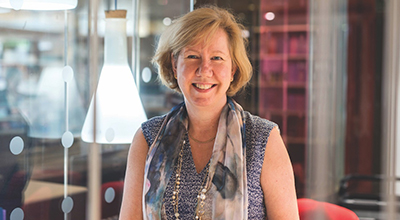
A message from Professor Melissa Brown, President, Australian Council of Deans of Science.

Welcome to Issue 12 of Australian University Science, the Australian Council of Deans of Science magazine, which showcases the impact and importance of university science in Australia.

In this edition, we focus on innovative collaborations between universities and industries that are driving more impactful and rewarding partnerships, for the benefit of Australia and its communities. 

Image: Professor Melissa Brown, President, Australian Council of Deans of Science. Supplied.

This topic is especially relevant following the recent launch of the National Science Priorities by our Chief Scientist Dr Cathy Foley.

These inspiring new priorities have a strong focus on innovation, the development of new industries and the creation of a future made in Australia, with imperatives including ‘Science at the centre of Australian Industry’ and the development of ‘a diverse and skilled workforce to underpin the translation of science into new industries’.

I am excited to share our stories highlighting how university science is contributing to these goals, across the breadth of our activities, from undergraduate education through impactful research.

Examples include highly productive partnerships between universities and SMEs that enable the sharing of infrastructure, resources, expertise and knowledge, with outcomes that are more than the sum of the parts in critical areas including energy transitions and food sustainability.

We also showcase life-changing undergraduate, postgraduate and research student placements and internships, that enable the development of skills and the creation of opportunities for students and hosts alike.

A reflection on the changing policy and funding landscape over the years and into the future is inspiring and provides hope as we pivot our nation to a brighter future through effective industry partnerships. 

Many thanks to all of our amazing contributors from across the breadth of university science in Australia and to Professor Attila Brungs, Vice Chancellor of the University of New South Wales. for his insightful and inspiring opening remarks.

Written by Professor Melissa Brown, President, Australian Council of Deans of Science.


First published in Australian University Science, Issue 12

Four examples of successful long-term partnerships between universities and industry

Image: Macquarie University’s Plant Growth Facility is helping to improve biodiversity though collaboration.Supplied.

Translating university science for the greater good is often the product of experience, networks and relationships built over several years. Here are four examples of successful partnerships

1. Partnering with government to address climate change adaptation

Macquarie University Distinguished Professor of Biology Lesley Hughes led the Biodiversity Node of the NSW Adaptation Research Hub during its five-year existence. Bringing together 64 researchers from 16 institutions and agencies across Australia, the Node developed an innovative model of collaborative research with projects co-designed and co-led by academic researchers in collaboration with government scientists and policy makers. The end result was shortened time frames between knowledge creation and implementation, saving money and helping ensure government decision-making was based on the best available evidence. 

2. UNSW and Kandui Technologies reviving waste materials

Materials scientist Professor Veena Sahajwalla had been researching recycling of waste materials for more than a decade, during which, she met recycling company leader Andrew Douglas at a sustainability conference. Sahajwalla founded the Centre for Sustainable Materials Research and Technology (SMaRT) in 2008 and, in 2018, the world’s first ‘MICROfactorie’ was launched at the centre, using micro-recycling to revive waste materials onsite. Douglas established Kandui Technologies based on a licensing agreement with SMaRT to use its green ceramics MICROfactorie technology and now the company is building a ceramics business transforming waste into tiles and kitchen benchtops. 

3. Improving cancer diagnosis

Medical imaging scientist Professor Patrick Brennan first published research in 2010 that would eventually go on to drive the development of a company with global reach. After finding that mammograms failed to detect 30% of breast cancers in Australia he teamed up with University of Sydney colleagues Professor Mary Rickard and Dr Moe Suleiman, and found shortfalls across a range of diagnostic methods. DetectedX was formed in 2019 and now boasts more than 7500 users in 150 countries. Its methods have been published in more than 100 scientific journals and it has supported the ongoing research of 30 PhD students. 

4. Saving lives with Gardasil

Born out of research by Professor Ian Frazer and Dr Jian Zhou that started in 1990 at the University of Queensland, it wasn’t until 2006 that HPV vaccine Gardasil was launched on the global market. Along the path, UQ commercialisation company UniQuest brokered a licensing deal with CSL which funded further research and development. Thanks to the success of Gardasil, Australia is hopeful of becoming the first country in the world to eliminate cervical cancer by 2035. 

Written by Charis Palmer


First published in Australian University Science, Issue 12

University, industry and government: collaborating for impact

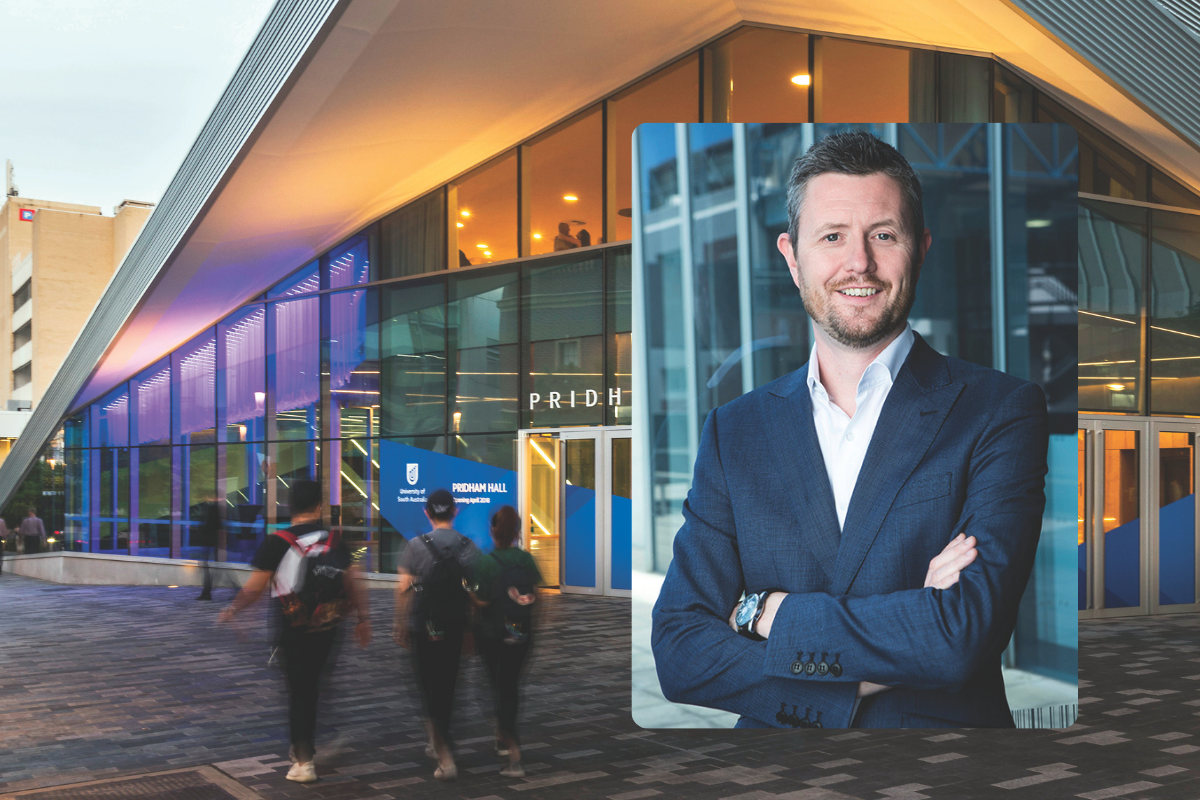
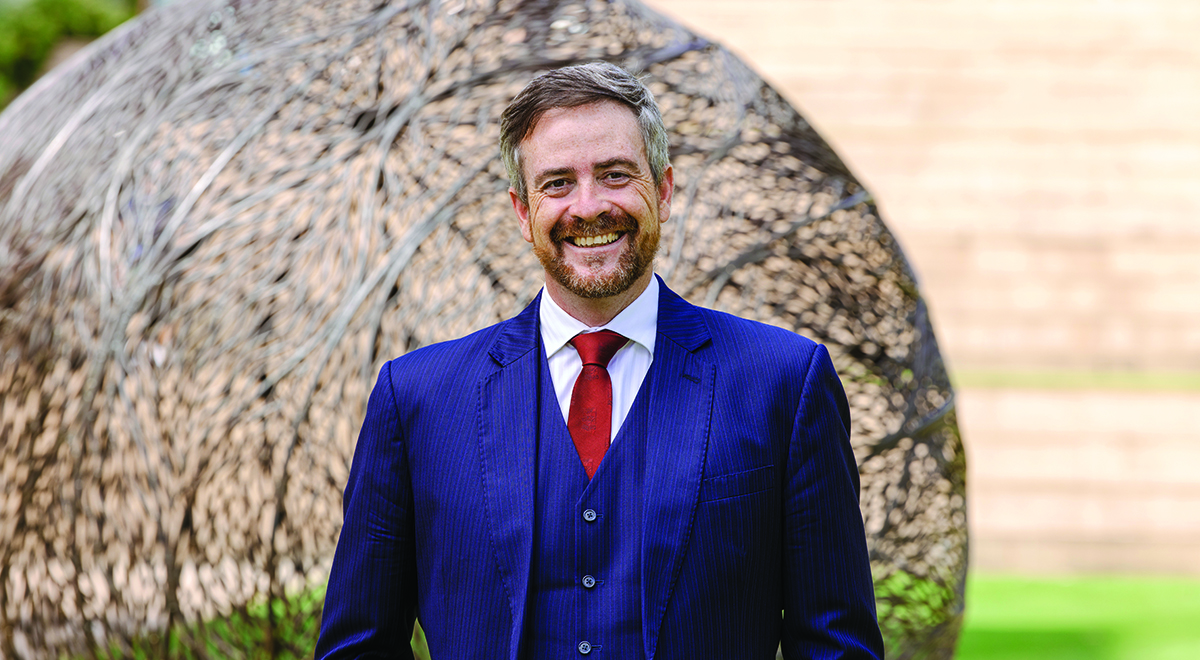
Image: Professor Attila Brungs FTSE FRSN, Vice-Chancellor & President, UNSW Sydney. Supplied.

In early 2022, as the spectre of COVID-19 began to shift, leading RNA scientists from several Australian universities and medical research institutes gathered in Sydney with industry and government partners to open the UNSW RNA Institute. 

It was a celebratory occasion, a milestone for Australia’s RNA technology capabilities and research runway, the exigency of which was one of the perverse positives to emerge from the pandemic. 

The excitement of university, industry and government partners coming together to share scientific breakthroughs or cutting-edge solutions to pressing global challenges is a special feature of the research pipeline. 

There’s a simple reason why. It’s because we know two heads are better than one for driving innovation, for taking a brilliant discovery through to a brilliant solution and for bringing science from the lab to those who can benefit most. 

Science. Collaboration. Impact. It’s a powerful triumvirate. It’s underscored in the revitalised National Science and Research Priorities, in the Trailblazer Universities Program, in CRCs, ARC fellowships and many more initiatives. 

It’s also at the heart of what UNSW Dean of Science Sven Rogge has championed as Pact for Impact, a collective commitment with partners in industry, not-for-profits and government to improve the world through science and to measure and be accountable for our social, economic and environmental impacts. 

Australia’s universities and industry have a demonstrated history of joining forces to improve the world through science. 

Let’s capitalise on this momentum with the innovation and creativity to drive our impact even further. Because, just as the National Science and Research Priorities emphasise the collaborations Australia needs to solve our greatest challenges, we know that making a difference, together, just makes sense. 

By Professor Attila Brungs FTSE FRSN, Vice-Chancellor & President, UNSW Sydney 

First published in Australian University Science, Issue 12

Excellence celebrated at 25th Prime Minister’s Prizes for Science


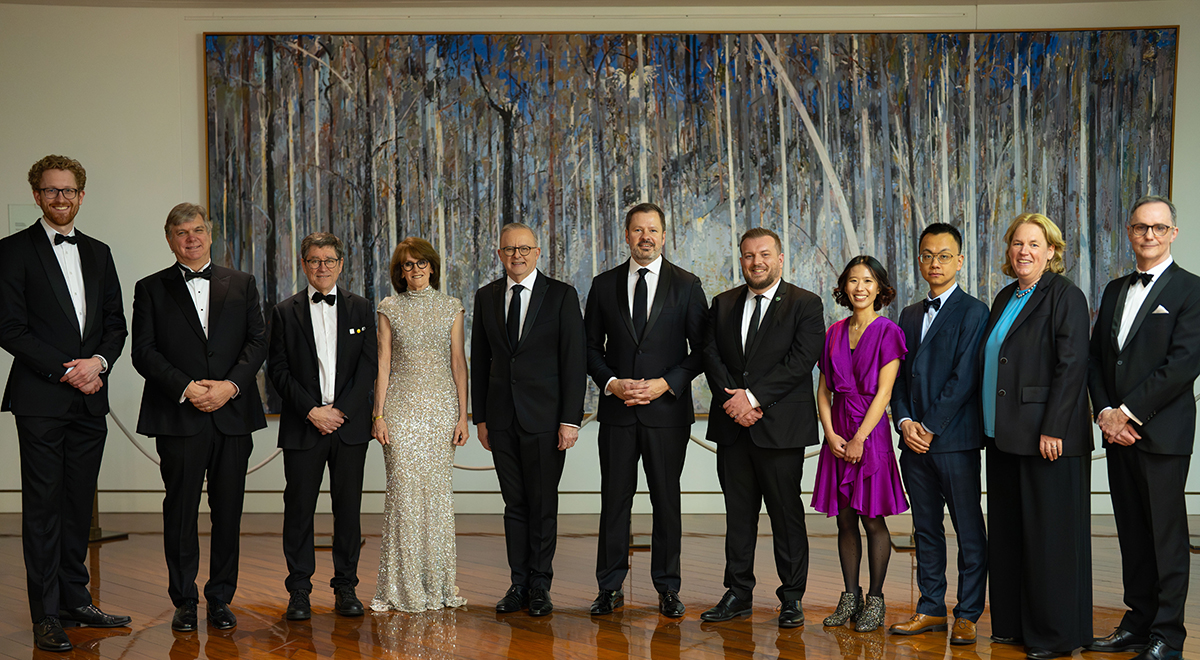
Image:(L-R) Dr Andrew Horsley (Quantum Brilliance, ACT), Professor Andrew Wilks (Cytopia, VIC), Professor Matthew Bailes (Swinburne University of Technology, VIC), Dr Cathy Foley, Australia’s Chief Scientist, The Prime Minister, the Hon Anthony Albanese MP, Minister for Industry and Science, Hon Ed Husic MP, Mr Daniel Edwards (Montello Primary School, TAS), Ms Alice Leung (Concord High School, NSW), Distinguished Professor Tianyi Ma (RMIT University, VIC), Professor Britta Regli-von Ungern-Sternberg (Perth Children’s Hospital and The University of Western Australia, WA), Dr Chris Burns (Cytopia, VIC). Image: Supplied

The 25th anniversary of the Prime Minister’s Prizes for Science celebrates the outstanding contribution made by scientists, innovators and teachers to uplifting Australia’s way of life.

Ground-breaking research into children’s anaesthesia, life-saving treatments for blood cancer, and novel paths to creating a net zero future are awarded in this year’s ceremony.

Prime Minister’s Prize for Science: Professor Matthew Bailes is recognised for his world-first discovery of fast radio bursts. An expert in astrophysics, his work is helping to determine how much normal matter exists in the universe. 

Prime Minister’s Prize for Innovation: Professor Andrew F. Wilks and Dr Chris Burns are recognised for inventing and commercialising a drug called momelotinib that is used to treat myelofibrosis, a rare form of blood cancer.

Frank Fenner Prize for Life Scientist of the Year: Professor Britta Regli-von Ungern-Sternberg is recognised for her life-changing research into reducing risks associated with anaesthesia for children, to make surgery and recovery safer.

Malcolm McIntosh Prize for Physical Scientist of the Year: Distinguished Professor Tianyi Ma from RMIT University is recognised for groundbreaking work in renewable energy, which could support Australia in its clean energy transition and the path to net zero.

Prize for New Innovators: Dr Andrew Horsley, founder of Quantum Brilliance, is recognised for his groundbreaking innovations towards making quantum computing an everyday technology, unlocking a range of potential new applications for the field in Australia and abroad.

Prime Minister’s Prize for Excellence in Science Teaching in Primary Schools: Mr Daniel Edwards from Montello Primary School in Tasmania is recognised for creating unique opportunities for students of all abilities and backgrounds to overcome challenges, engage with STEM subjects and consider a career in science.

Prime Minister’s Prize for Excellence in Science Teaching in Secondary Schools: Ms Alice Leung from Concord High School is recognised for her creative teaching strategies to equip students from diverse backgrounds with STEM knowledge and skills for the future.

The Albanese Government announced that from this year, more money will be available for the teaching prizes so that recipients receive the same amount as the other major prize categories.

This change recognises the critical role that our teachers play in fostering engagement by children from all backgrounds in science, technology, engineering and mathematics.

The achievements of all 2024 prize recipients can be found here.

Prime Minister Anthony Albanese said this year’s winners showed the breadth and depth of Australia’s scientific talent.

“Australia has world-class scientists, researchers and teachers. This year’s winners show just how bright the future is for Australian science. 

“On behalf of all Australians, I congratulate the 2024 prize recipients and thank them for their contributions.”

Minister for Industry and Science Ed Husic said the prizes highlighted the potential of our science sector.

“Science is at the heart of so much of Australia’s way of life – from medicines, to robotics, telecommunications and artificial intelligence.  

“The great ideas and hard work of our scientists and researchers are creating a better life for all Australians.

“This Government recognises our brilliant science teachers who are inspiring the next generation of Australian scientists.  

“To every young person out there – know that as a scientist, you can make a huge difference to the world and even the universe.”

International student caps threaten Australia’s economic and research future, warn UNSW academics

Image: Shutterstock

New research led by University of New South Wales (UNSW) Sydney Economics Professor Richard Holden has revealed that science, at UNSW alone, contributes more than $350 million to the Australian economy and $2.2 billion to global GDP annually. The institution’s academics, PhD candidates and postdoctoral researchers from around the world contribute to this impact.


UNSW leaders argue that the Federal Government’s proposed international student caps will be detrimental to the University’s ability to make economic and societal impact and discourages much-needed global expertise from overseas
to help Australia solve real-world issues.


Professor Holden says for decades, economists have emphasised the importance of idea generation as a key driver of economic growth. International academics make an immense contribution to advancing our business community across various sectors.


“The prospect of losing thousands of international academics and researchers from Australian shores would be a major
setback for our nation’s innovation and business outcomes. Fewer international prospects means less resourcing and
expertise to help solve business challenges. The impact would be felt across multiple industries, limiting the flow of new
ideas and reducing contributions to the global body of knowledge, which are crucial for driving economic and societal
progress,” Professor Holden said.


“The current debate overlooks and undervalues the immense contribution of the international community and to the global knowledge base, as well as vital research and development efforts,” he said.


Dean of UNSW Science, Scientia Professor Sven Rogge says the breadth and depth of UNSW’s work each year is profound
– contributing to advancements within universities, businesses, industry and communities. This impact would be severely diminished or even unachievable without the innovative minds of international academics.


“A loss of new viewpoints, expertise and experience from thousands of academics will significantly hinder the ability of
scientists and researchers to address real-world problems and support Australian businesses with innovation in fields such as sustainability, artificial intelligence, FinTech and climate risk,” Professor Rogge said.


The research from UNSW comes shortly after the launch of the Science faculty’s Pact for Impact – an Australian-first
initiative to make and measure the real-world impact of science and enhance opportunities for collaboration between the business sector and science community.


Professor Rogge says with 76 Pact Partners from industry and corporate Australia, this commitment secures Australia’s
position as a global leader in innovation and technology.

“The Pact for Impact emphasises the importance of retaining the international student market within Australia to ensure
we continue to deliver positive outcomes for the economy and society,” he said.


As the government’s bill approaches a critical vote, UNSW urges policymakers to recognise the essential role the
international academic community plays in fostering growth and prosperity – especially during a time when the Australian
economy cannot afford to lose such a fruitful resource.

Global engineering and applied science innovators announced as 2024 ATSE Fellows

Image: Shutterstock

A trailblazing Indigenous genomics expert, a carbon emissions modeller, a naval defence engineer, a world farming authority, a shark tracker, a brain cancer therapist and a global artificial intelligence leader are among 32 innovators elected as Fellows of the Australian Academy of Technological Sciences and Engineering (ATSE).

ATSE’s 2024 new Fellows showcase the breadth and depth of world-class Australian innovation with game-changing contributions spanning food sustainability, chronic diseases, water security, health technologies, critical minerals, artificial intelligence, clean energy technologies, sustainable infrastructure and more. 

ATSE President Dr Katherine Woodthorpe AO FTSE said the 2024 new Fellows are the thinkers and doers at the forefront of Australian discoveries, technological breakthroughs and future industries. 

“Australia faces a challenging constellation of threats. Extreme weather and climate change, the power and risk of AI and digital technologies, crafting sustainable food systems to nourish people and the planet, shocking disparities in Aboriginal and Torres-Strait Islander health outcomes. This diverse group of Australia’s brightest stars in technology and engineering embodies progress, hope and unparalleled innovation in the face of these challenges. 

“Our Fellows are bridging from discovery to shaping new industries in the ultimate service of better living for all Australians and the world,” said Dr Woodthorpe.  

A farmer from the Liverpool Plains of NSW, Fiona Simson FTSE has dedicated her career to supporting the sustainability and growth of rural and regional communities. The first woman president of the National Farmers’ Federation, now Vice-President of the World Farmers Organisation, Fiona is a pioneer at the nexus of climate change, biodiversity and the future of food. 

A pioneer in using acoustic tracking to study shark movement ecology, Dr Michelle Heupel FTSE has directly led to stronger protections for marine predators, informed fisheries sustainability, and guided decisions around establishing marine protected areas. 

Trailblazing medical doctor and Yuin man Professor Alex Brown FTSE FAHMS has helped tackle chronic disease in vulnerable communities. By identifying and overcoming health disparities, his work focuses on empowering and growing the next generation of Aboriginal and Torres Strait Islander researchers. 

Mining leader Gabrielle Iwanow FTSE has fused technical excellence and strategic vision to champion the use of novel technologies to make mining safer, more sustainable and more efficient. She is an advocate for a more diverse mining sector in Australia and leads efforts to support and promote underrepresented groups including women and Indigenous people. 

Artificial intelligence is one of the megatrends of this moment. It is disrupting how we work, live and play at a fundamental level. Author, renowned commentator and globally recognised AI developer Professor Toby Walsh FTSE FAA has been elected for his contributions to computer science and advocacy for guardrails to ensure AI is used to improve our lives. 

Elected by their peers, the cohort joins over 900 of Australia’s leading engineers and applied scientists who have been elected to the Academy for their outstanding contributions across Australia’s innovation ecosystem.  

Full list of new ATSE Fellows for 2024

Australian Capital Territory 

  • Dr Josep (Pep) Canadell FTSE | World-leading climate scientist | Chief Research Scientist, CSIRO 
  • Rear Admiral Rachel Durbin CSC RAN FTSE | Maritime engineering leader | Head Navy Engineering and Defence Seaworthiness Regulator, Australian Defence Force 

New South Wales 

  • Scientia Professor Liming Dai FTSE FAA | Materials science maestro | Director, ARC Centre of Excellence for Carbon Science and Innovation, and Scientia Professor, The University of New South Wales 
  • Distinguished Professor Michelle Leishman FTSE | Preeminent plant ecologist | Director, Smart Green Cities Research Centre, Macquarie University 
  • Anne O’Neill FTSE | Health innovation changemaker | Director, Enterprise, International Partnerships and Clinical Trials, NSW Health 
  • Guy Templeton FTSE | Impactful infrastructure engineer | Chair of Infrastructure, Transport, Construction and Planning, Business Council of Australia 
  • Scientia Professor Toby Walsh FTSE FAA | Artificial intelligence pioneer | Chief Scientist, AI Institute, University of New South Wales 
  • Professor Yixia (Sarah) Zhang FTSE | Advanced materials creator | Co-Director of Advanced Manufacturing Technology, Western Sydney University 
  • Professor Chuan Zhao FTSE | Hydrogen paradigm shifter | Professor of Chemistry, University of New South Wales 
  • Honorary Fellow Fiona Simson FTSE | Global agriculture advocate | Chair, Commission for International Agricultural Research and Future Food Systems CRC 

Queensland 

  • Anne-Marie Birkill FTSE | Technology and healthcare investor | Co-Founder, Venture Partner and Director, OneVentures 
  • Dr Iris Depaz FTSE (dec) | Life sciences champion | Managing Director of Translational Science Hub, Sanofi-Aventis Australia 
  • Professor Clinton Fookes FTSE | Artificial intelligence innovator | Associate Dean, Research, Queensland University of Technology 
  • Professor Paul Simshauser AM FTSE | Exceptional energy economist | Chief Executive Officer, Powerlink Queensland 
  • Professor Lianzhou Wang FTSE FAA | Semiconductor materials innovator | ARC Australian Laureate Fellow, The University of Queensland 
  • Professor Xiwang Zhang FTSE | Sustainable technology innovator | Chair Professor and Centre Director, ARC COE for Electrochemical Transformation of CO2, University of Queensland 

South Australia 

  • Professor Alex Brown FTSE FAHMS | Acclaimed medical expert | Professor of Indigenous Genomics, The Australian National University and The Kids Research Institute Australia 
  • Dr Fiona Kerr FTSE | Pathbreaking human-centred technologist | Founder and Director, The NeuroTech Institute 
  • Dr James Tickner FTSE | Scientist, innovator and entrepreneur | Chief Technology Officer, Chrysos Corporation 
  • Professor Yan Zhuge FTSE | Waste conversion trailblazer | Professor in Structural Engineering, University of South Australia 

Tasmania 

  • Dr Michelle Heupel FTSE | Pioneering ocean ecologist | Executive Director, Integrated Marine Observing System, University of Tasmania 

Victoria 

  • Dr Angeline Achariya FTSE | Food innovation leader | Chief Executive Officer, Innovation GameChangers 
  • Professor Frank Caruso FRS FTSE FAA | Pioneering particle engineer | Professor, The University of Melbourne 
  • Karen Dobson FTSE | Change management leader | President and Managing Director, Dow Australia and New Zealand 
  • Professor Misty Jenkins AO FTSE | Outstanding cancer immunologist | Laboratory Head and Co-Chair, MRFF Indigenous Health Research Fund, Walter and Eliza Hall Institute of Medical Research (WEHI) 
  • Distinguished Professor David Moss FTSE | World-leading photonics researcher | Founding Director, Optical Sciences Centre, Swinburne University of Technology 
  • Adjunct Research Professor Craig Rayner FTSE | Pharmaceutical development expert | Director, Translational Medicine, Infectious Diseases Development, Moderna, and Distinguished Alumnus, Monash University 
  • Professor Karin Verspoor FTSE | AI in Healthcare leader | Executive Dean, School of Computing Technologies, RMIT University 
  • Dr Zongli Xie FTSE | Membrane and catalysis groundbreaker | Principal Research Scientist, Group Leader of Materials for Energy, Environment and Health, CSIRO 

Western Australia 

  • Rachelle Doyle FTSE | Energy transition advocate | Manager Strategic Programs, Rio Tinto 
  • Gabrielle Iwanow FTSE | Mineral resources changemaker | President, Contract Mining, Perenti 

USA 

  • International Fellow Professor Sally Benson FTSE | Climate policy powerhouse | Professor of Energy Science and Engineering, Stanford University 

BlueScope joins HILT CRC to help drive low-carbon innovation in heavy industry

Image: Shutterstock


BlueScope Steel Limited has joined the Heavy Industry Low-carbon Transition Cooperative Research Centre (HILT CRC) as a Key Partner, underscoring the global steel producer’s commitment to introducing innovative solutions to cut emissions from iron and steelmaking, as well as providing lower-emissions steel products to support decarbonisation of the economy and the energy transition.


HILT CRC is an Australia-based collaborative venture linking industry, research and government organisations to de-risk and accelerate technologies that seeks to create a low-carbon heavy industry sector and achieve Net Zero by 2050. Established in June 2021, HILT CRC was awarded Commonwealth funds over 10 years, with investments totalling approximately AUD $200 million (cash and in-kind).


As Australia’s largest steelmaker, BlueScope is committed to investing in greenhouse gas emissions (GHG) reduction by producing strong, durable and recyclable steel products that are a key foundation for sustainable
development and the transition to a low-carbon society.


HILT CRC CEO Jenny Selway said that the CRC was delighted to welcome BlueScope, and that the partnership would bring a range of mutual benefits.


“BlueScope’s extensive experience and leadership in the steel industry make it an invaluable partner in our mission to drive the decarbonisation of heavy industry,” she said.


“We look forward to the innovative contributions they will bring to our collaborative efforts.”


BlueScope joins more than 50 other industry, research and government organisations brought together by HILT CRC to perform collaborative research dedicated to developing and demonstrating low-carbon
technologies that will help the steel, iron, alumina and cement industries decarbonise heavy industry and grow the economy.

Webinar: Unlocking solutions to environmental contaminants

Join us for an engaging and insightful webinar as we delve into the complex world of environmental contaminants, such as mercury, and their impact on our ecosystems.

This webinar will bring together leading experts to explore how contaminants affect our environment, the innovative research being conducted to understand these impacts, and the solutions being developed to mitigate them.

Date: Thursday 17 October 2024
Time:1.30pm (AEDT)
Platform: Zoom

Featured speakers include Dr Elisabeth Tondl, Contaminant Geochemist at ANSTO, Rob Manning, General Manager of Sustainable Oil Recovery & Remediation (SORR), and Professor Stuart Kahn Head of School of Civil Engineering from the University of Sydney. Topics for discussion include:

  • Types and sources of contaminants affecting various environments.
  • The impact of contaminants on wildlife, ecosystems, and human health.
  • Innovative research and technology addressing contamination.
  • Assessing the impacts of contaminants on the environment

This webinar is a must-attend for environmental professionals, researchers, policymakers, and educators committed to finding solutions for a cleaner, safer environment.

Register now and be part of the conversation driving change.

This webinar is proudly brought to you by ANSTO

Showcasing industry-research collaboration in the Australian innovation ecosystem

Image: Alessandro Luongo (DHCRC), Hui Mathews (DHCRC), Dr Tabinda Sarwar (RMIT), Vickie Irving (Telstra Health), Dr Jocelyn Ling (DHCRC), Dr Clare Morgan (DHCRC), Judith Ngai (DHCRC) at the Cooperative Research Australia awards in Brisbane. (Supplied by RMIT)

Winners of Cooperative Research Australia’s prestigious Excellence in Innovation Awards were announced tonight at the Collaborate Innovate conference.

From aged care improvements to transforming environmental sustainability for heavy industry, improving agricultural productivity to enhancing quality control and environmental assessments in the resources sectors, all four winning entries showcased the positive impact Australia’s established industry-research collaborations are having on its R&D and innovation system.

Australian-first electronic screening and risk prediction tool reliably detecting deterioration in frail aged care residents.

The Award for Impact celebrates the translation of research undertaken collaboratively to deliver economic, social and/or environmental benefit. This year’s winners – Digital Health Cooperative Research Centre partners, RMIT and Telstra Health – have developed and validated an electronic screening and risk prediction tool that is introducing enhancements to the safety and quality of care in aged care settings.

An Australian-first innovation, the tool reliably detects deterioration in frail aged care residents. Prior to this development, such detection was known to be notoriously difficult, with current tools not considering bio-psycho-functional factors in an aged-care setting. The new tool automatically monitors both structured and free-text electronic record data for 36 evidence-based bio-psycho-functional indicators of deterioration, making it the most reliable tool of its kind developed to date.

“The tool will substantially improve the monitoring protocol for the elderly in aged care homes without putting any burden on the nursing staff,” said Dr Tabinda Sarwar, data scientist and RMIT Project Lead. “This collaboration with Telstra Health has provided valuable insights, which ensured that our solutions are practical, effective, and tailored to real-world needs.”

Two award-winning environmentally sustainable technologies commercialised – the low-emissions industrial Gyro-Therm Burner, and burners for the first ‘green’ Olympic Torch and Stadium flames.

Professor Gus Nathan from The University of Adelaide took out the Award for Enduring Industry-Research Collaboration, for his efforts in driving the transition to environmental sustainability for heavy industry in Australia and around the world. As instigator of the HILT CRC for heavy industry decarbonisation, Professor Nathan united 55 partners in iron/steel, alumina and cement manufacturing to accelerate and de-risk the path to decarbonise associated sectors that emit ~20% of global emissions. He’s invented, and partnered with industry to commercialise, two award-winning technologies – the low-emissions industrial Gyro-Therm Burner, and burners for the first ‘green’ Olympic Torch and Stadium flames.

Two winners were awarded this year’s Lifetime Achievement Award for Contribution to Industry-Research Collaboration.

Award-winning AgTech start-up, The Yield, now part of Yamaha Agriculture, making Australia the centre of its global AI capability.

For 25+ years, Ros Harvey, Founder and CEO of The Yield, has been at the forefront of re-imagining Industry-Research collaborations in the digital economy, across both social and physical sciences. In the early 2000s, Ros founded the UN and World Bank Better Work initiative, making the world’s largest database on working conditions openly available to researchers and policy makers. Since returning to Australia in 2010, Ros has founded and led multi-stakeholder initiatives in digital agriculture, driving profitability, resilience and sustainability. And in early July, her award-winning AgTech start-up, The Yield, has become part of the Yamaha Agriculture group, aiming to improve agricultural productivity in the utilisation of digital technology and robotics, and making Australia the centre of its global AI capability.

Renowned for his groundbreaking contributions to the resource industry and mentoring industry-ready graduates, and recognised as being in the top 1% of his field globally, Distinguished Professor Suresh Bhargava, AM from RMIT was also a recipient of the Lifetime Achievement Award. Among his pioneering innovations are the ATR-FTIR spectroscopy technique, a non-destructive method used for surface studies and material identification, as well as online mercury and hydrogen sensors, catalytic wet oxidation for Bayer Liquor, material science, and advancements in leaching processes. These innovations have collectively saved the industry millions of dollars, demonstrating his remarkable influence and contribution to the field. Currently holding the QPM Chair of Critical Minerals for EV batteries, Professor Bhargava led the Australian Green Hydrogen Mission to India, underscoring his three-decade-long passion for clean energy and eco-sustainable practices in the chemical industry.

“My life mission is to make this world a better place when I entered in it through my journey with Science and Technology,” Professor Bhargava said.

“The translation of research into commercial, economic, social and environmental outcomes is key to driving future prosperity for Australia,” said Jane O’Dwyer, CEO of Cooperative Research Australia. “We congratulate all winners of our Excellence in Innovation Awards and commend them on their efforts to help position Australia as a global leader in several fields. I cannot wait to see what initiatives and innovations will emerge over the coming year, as Australia maintains its critical focus on R&D.”