
Thought Leaders

Can STEM graduates be Australia’s lifeline?
Professor David Lloyd champions STEM apprenticeship programs and other targeted initiatives designed to expand access to university education.
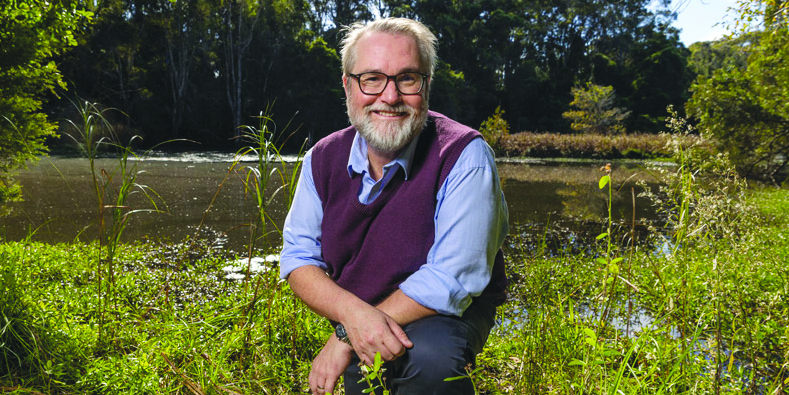
University science: essential for solving Australia’s biggest challenges
Professor Craig T. Simmons, SA Chief Scientist explores the many outputs of Australian University science.
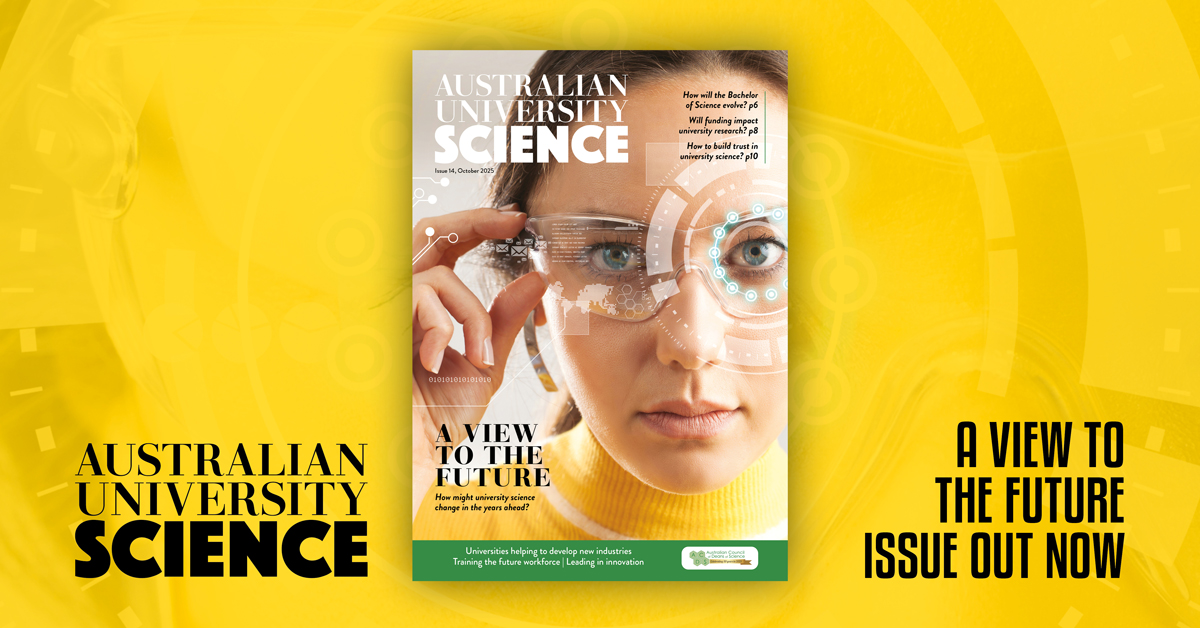
A view to the future: how might university science change in the years ahead?
ACDS President Professor Jacqui Ramagge introduces the latest issue of Australian University Science magazine.

Unicorns of Australian biotech innovation revealed in new Phase III Podcast
Phase III is a brand new media channel designed to share the inner-workings of the life sciences and biotechnology sector, and the bright minds it attracts.

Chief Scientist calls for a national conversation to develop a new set of national science priorities
The Australian Government has asked me to develop a draft list of national science priorities.

University science supports the critical transition to net zero
Decarbonisation relies on the deep science capability present across our universities and the ability to train the next generation, writes Professor Caroline McMillen AO, Chief Scientist for South Australia.

Professor Ian Frazer AC explores the case for curiosity.
Basic science is far more than the translatable research outcomes it might enable. It is also the catalyst for significant advances in our social and economic wellbeing.
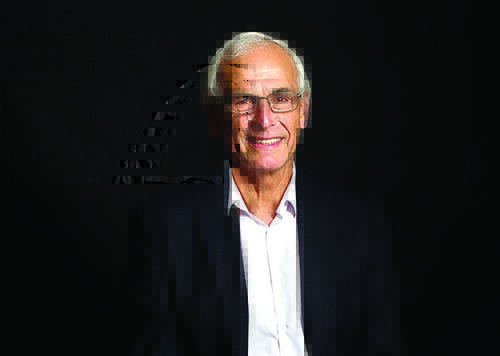
Opinion: Expediting science expertise
Australian universities have a vital role to play in ensuring that we have sufficient people with the advanced skills needed to run such sophisticated industries.

Why we work better together
University science works with the CSIRO to build communities around new and groundbreaking areas of research as well as facilitating connections and collaborations with industry.
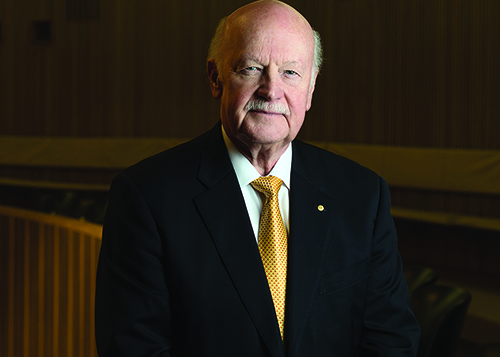
University science mobilises in a pandemic: Opinion
Professor John Shine AC FRS PresAA on the proud history of university science helping us to understand, protect against, and prevent many infectious diseases, from influenza to the viruses that cause some cancers.

Celebrating 30 years of CRC success
It’s 30 years since the Cooperative Research Centres (CRC) Program was established. During this period, it has boosted productivity, grown the economy and created jobs.
Collaboration at a higher scale
At a time when collaboration is at its most complex, Australia’s thought leaders pinpoint the nuts and bolts of fruitful partnerships.
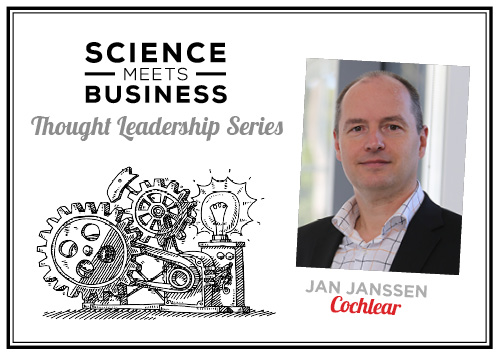
How to move mountains
Jan Janssen, Senior Vice President of Design & Development at Cochlear, takes a look at the multidisciplinary collaboration that underpins the world’s most sophisticated solutions.
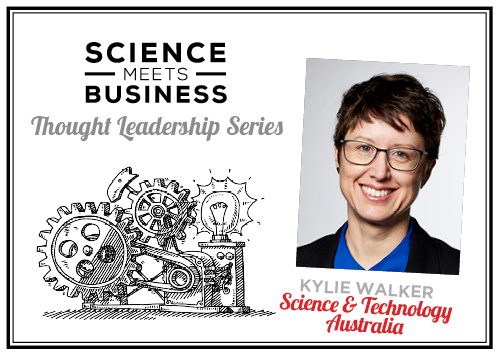
Speak up for STEM and give facts a chance
Kylie Walker, CEO of Science & Technology Australia, sheds light on the platforms that allow researchers to forge relationships with Australia’s decision-makers.
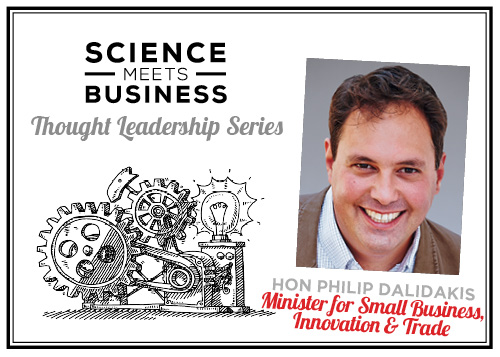
Creating a secure and resilient economy
Cybersecurity is a perfect example of turning a challenge into a collaboration opportunity, says the Victorian Minister for Small Business, Innovation & Trade, Hon Philip Dalidakis MP.
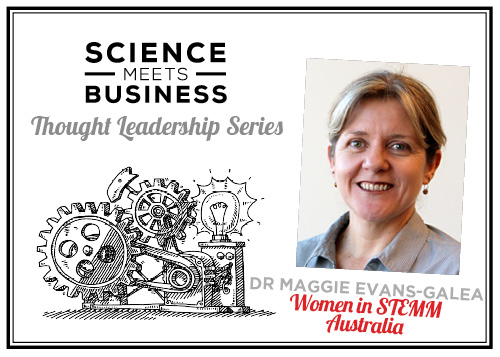
Crossing the cultural divide
Dr Maggie Evans-Galea, Executive Director of ATSE’s Industry Mentoring Network in STEM, paints a picture of Australia’s science and innovation future – one that requires a major cultural shift.
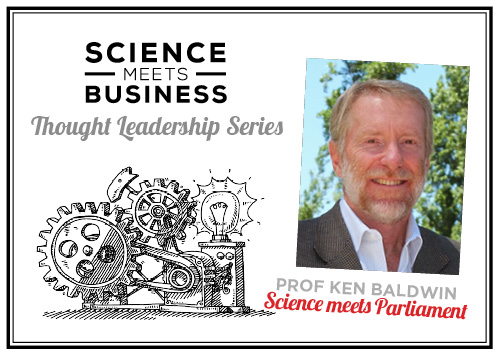
Evidence-based policy in action
Professor Ken Baldwin, Director of the Energy Change Institute at ANU and founder of Science meets Parliament, offers a way forward for evidence-based policy in Australia.
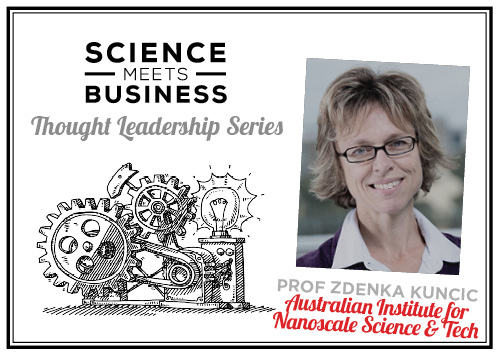
Bringing business to uni
Professor Zdenka Kuncic, Founding Co-Director of AINST, explores opportunities to collaborate and accelerate through the U2B model.
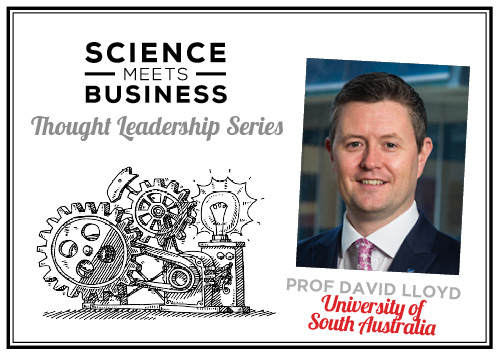
Coming to the table
Vice Chancellor of the University of South Australia, Professor David Lloyd, believes university and industry have a shared purpose.
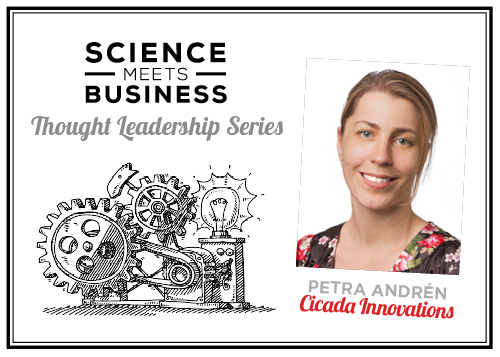
Research collaboration in the startup scene
Petra Andrén, CEO of Cicada Innovations, uncovers the collaborative mechanisms that are vital to successful research, industry and startup activity.
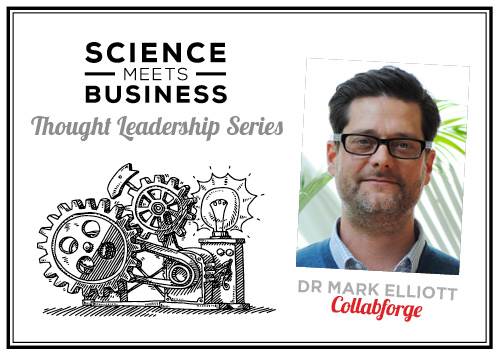
Working collaboratively means welcoming tension
Founder of Collabforge, Dr Mark Elliott, offers five steps organisations can follow to dramatically increase their chances of successful collaboration.
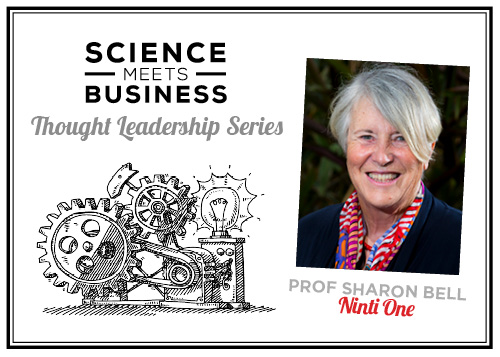
The art of collaborative relationships
Professor Sharon Bell, board member of Ninti One, examines different approaches to collaboration and debunks the myth of individual creative genius.
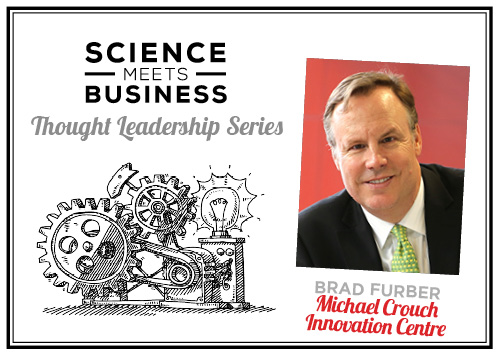
Environments for collective creation
Brad Furber, COO of the Michael Crouch Innovation Centre at UNSW Australia, paves the path to easier, faster and more impactful collaboration.
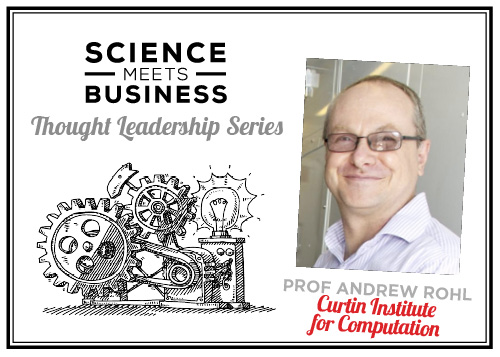
Successful collaboration unpacked
Professor Andrew Rohl, Director of the Curtin Institute for Computation, compares academic collaboration with partnerships that involve industry.