Tag Archives: innovation

Collaborate to learn, learn to collaborate

One of the most marked changes in science and innovation in Australia in recent years is the attitude to collaboration. As we hold Collaborate | Innovate | 2017, there doesn’t seem to be any argument or concern over the importance of collaboration. It’s one of those things that is so well accepted that it seems strange to even remember when the value of collaboration was questioned and even argued against.

A decade ago, it was not uncommon to be virtually shunned in the scientific community for advocating a multidisciplinary approach to a problem or seeing industry as a partner to work with. The image of the lone scientist plugging away at a problem was often raised as the ideal way of doing science – if he or she was just left alone, well-funded, great things would happen.

The turnaround in attitude has been marked. I’ve seen a presentation from a demographer claiming that the fastest growing job in Australia is baristas. But I reckon Pro Vice-Chancellor Engagement, or some variation of that title, couldn’t be far behind. Universities and other research organisations have scrambled hard over the past few years to improve their level of interaction with industry. There doesn’t seem to be any resistance to the argument that Australia must improve its level of collaboration between the academic and industry sectors.


“It is in all our interests to learn more about the process of collaboration itself, so that we can continually improve.”


Winning the argument for more collaboration is only the first step. It doesn’t automatically follow that the resulting collaborations will be optimal, or even productive. Successful collaboration consists of getting a series of things right. Done right, collaboration means the whole adds up to more than the sum of the parts. Done poorly, it can be a mess.

That’s why Collaborate | Innovate | 2017 doesn’t just hammer away on the need for collaboration. It concentrates on the skills needed for good, productive collaboration. Collaborators need to be trusted partners and that can take more time and more effort than people anticipate. Collaborators may not be ready at the same time, or there may be a big differential in power or culture. These are speed bumps, not barriers.

The collaboration potential of an individual or organisation is not set in stone. It can, and does, change over time. It can be enhanced with experience, education and culture. Similarly, a dud policy can kill it off. It is in all our interests to learn more about the process of collaboration itself, so that we can continually improve.

The Cooperative Research Centres Programme has more than a quarter of a century of experience in relatively large-scale, complex collaborations. The money is of course vital to enabling great collaborations to deliver brilliant results. But collaboration is much more than an ingredient in seeking funding – it is a key to unlocking great innovation, which will result in much greater rewards than any government funding program. Deciding to collaborate is important; learning to collaborate well is vital.

Find out more at crca.asn.au

– Tony Peacock is CEO of the Cooperative Research Centres Association and founder of KnowHow.

You might also enjoy Tony Peacock’s commentary, Firing up our startups.

The future is innovation

Collaboration between industry and research is vital. We know that unlocking the commercial value of Australian research will result in world-first, new-to-market innovation and new internationally competitive businesses. Cooperative Research Centres (CRCs) are an excellent, longstanding example of how industry and researchers can work together to create these growth opportunities.

The CRC Programme supports industry-led collaborations between researchers, industry and the community. It is a proven model for linking researchers with industry to focus research and development efforts on progress towards commercialisation.

Importantly, CRCs also produce graduates with hands-on industry experience to help create a highly skilled workforce. The CRC Programme has been running for more than 25 years and has been extremely successful.

Since it began in 1990, more than $4 billion in funding has been committed to support the establishment of 216 CRCs and 28 CRC Projects. Participants have committed an additional $12.6 billion in cash and in-kind contributions.

CRCs have developed important new technologies, products and services to solve industry problems and improve the competitiveness, productivity and sustainability of Australian industries. The programme has produced numerous success stories; far too many for me to mention here. A few examples include the development of dressings to deliver adult stem cells to wounds; creating technology to increase the number of greenfields mineral discoveries; and spearheading a world-leading method for cleaning up the potentially toxic chemicals found in fire-fighting foams.

These examples demonstrate not just the breadth of work being done by the CRCs, but also the positive benefits they are delivering.

Click here to read KnowHow 2017.

KnowHow 2017

Senator the Hon Arthur Sinodinos AO is the Minister for Industry, Innovation and Science in the Australian Government.

Creating a secure and resilient economy

Collaboration is a term frequently used in business and across many industries. It’s one I have come to hear often across my Small Business, Innovation and Trade portfolios, and it is also a term that causes much confusion – what exactly is collaboration?

I am regularly asked this when I talk about collaboration and why I think it’s important. I concede that it can sometimes be thrown around so much that it starts to look like a meaningless buzzword, and has perhaps become something of a cliché used by people when they want to look like they’re solving problems or pursuing innovation.

That being said, I genuinely believe in the importance of collaboration. It’s important that we work with others, that we share our knowledge and our resources to get better outcomes to the challenges we are facing.

With the world becoming increasingly digitised, it has never been more important for collaboration to occur across all sectors of our own economy, and across global economies.

The online world knows no geographical boundaries. So we have no choice but to collaborate. We need to work with our industry bodies, with global organisations and other governments to ensure we have the best capabilities to deal with whatever comes our way.

The challenge of cyber crime

The ever growing cybersecurity industry is the perfect example of why we need global collaboration. Cybersecurity not only safeguards the digital economy so that it can continue to grow, generate jobs and create a resilient economy into the future, it also ensures our online privacy and prevents cyber crime.

The Internet of Things (IoT), along with other technologies, is creating an almost totally connected world – gone are the days when we only needed to worry about protecting our personal computers. Instead we now need to protect vast networks of devices that span our offices, building sites, shopping centres, public transport systems and homes.

In 2016, the average Australian household had nine internet connected devices. While this may seem like quite a substantial number, it is expected to more than triple to 29 by 2020 and will also include devices such as fridges, televisions and indeed entire households that will run remotely.

Predicting patterns of cyber crime

While the IoT offers exciting opportunities to enhance our lives, it also offers opportunities for hackers to commit cyber attacks. Unlike traditional forms of crime, these attacks don’t just come from people living in your neighbourhood, state or country, they can come from anywhere in the world at any time of the day and from any device.

The only way we can ensure that we are best prepared to deal with these attacks is if we can predict patterns of cyber crime and learn how to mitigate it – this is where collaboration becomes crucial.

Shared knowledge is not just a good way to combat cyber crime, it is in fact the only way we will be able to succeed against it. The biggest problem with combating cyber crime is the speed at which technology advances – meaning it is vital that various agencies and organisations around the world are working together and sharing their knowledge and experience concurrently.

While the benefits of working together to combat the world’s biggest form of crime has its benefits, collaboration across the cybersecurity industry is itself is very valuable with the potential to create huge economic benefits for those in the game. Currently, cybersecurity industry’s estimated worth is over US$71 billion globally. This value is expected to double by 2020.

This industry has the potential to be a huge driver for Australian jobs and the economy, which is why Victoria is investing heavily in collaboration and collocation of allied interests.

In the past two years we have created Australia’s biggest cybersecurity cluster right in the heart of Melbourne. This hub includes Data61, the digital research arm of the CSIRO and Australia’s leading digital research agency; and the Oceania Cyber Security Centre, which brings together eight Victorian universities and major private sector partners.

Collocating at the Goods Shed in Melbourne’s Docklands precinct, the Oceania Cyber Security Centre will also work in partnership with Oxford University’s world-leading Global Cyber Security Capacity Centre, Israel’s Tel Aviv University, and the State of Virginia, the largest defence state in the USA.

These organisations and initiatives are undoubtedly reputable and capable of doing great things. Combining their knowledge and resources in a collaborative way creates an internationally connected cybersecurity powerhouse.

In Victoria, we are now leading Australia’s cybersecurity industry and emerging as a dominant player in the Asia Pacific but we cannot do it alone – we have acknowledged that, we have made moves to change that. In doing so we are increasing our cybersecurity capabilities and helping our allies to increase theirs.

While cybersecurity is a great example of how collaboration is currently working to secure the future of our digital economy, in many jobs and across many industries the situation is the same. In truth, it is simple – if you don’t work with others and learn from their mistakes or value their skills, you are sure to fail.

Hon Philip Dalidakis MP

Victorian Minister for Small Business, Innovation & Trade

Read next: Professor Zdenka Kuncic, Founding Co-Director of AINST, sheds light on opportunities to collaborate and accelerate through the U2B model.

Spread the word: Help Australia become a collaborative nation! Share this piece on collaboration against cyber crime using the social media buttons below.

More Thought Leaders: Click here to go back to the Thought Leadership Series homepage, or start reading the Digital Disruption Thought Leadership Series here.

Crossing the cultural divide

Australia’s future health and economy is a vibrant, interactive ecosystem with science, technology, engineering and maths (STEM) at its core. STEM is central – and essential – to Australia’s ongoing success in the next 50 years. Australia is considered an incredible place to do cutting-edge research, pursue blue-sky ideas and commercialise innovative products. Pioneering discoveries fuel the innovation process. Students cannot wait to enrol in science and maths. Policies are developed using peer-reviewed evidence and broad consultation. Aspirational goals are backed by practical solutions and half of our STEM leaders are women – it’s the norm.

Sounds good doesn’t it?

To excel in science and innovation, however, Australia needs a major culture shift. We can all ‘talk the talk’, but as OECD figures demonstrate, we cannot ‘walk the walk’. Australia rates lowest compared to other OECD countries when it comes to business-research collaborations – not just large businesses, but small to medium-sized enterprises as well.

Academia blames industry. Industry blames academia. Everyone blames the government. It’s time to turn the pointing finger into a welcoming handshake and engage across sectors to actually make innovation happen.

Literally thousands of researchers in this country want to see our academic and industry leaders reach across the divide and make change happen. With every decision made, their future is impacted.

Paradigm-shifting science and innovation takes time and requires a diverse workforce of highly-skilled researchers and professionals that specialise in these fields.

The lack of a skilled workforce and poor collaboration are significant barriers to innovation. As part of the National Innovation and Science Agenda, the industry engagement and impact assessment aims to incentivise greater collaboration between industry and academia by examining how universities are translating their research into social and economic benefits.

Australian academic institutions have begun to break down silos within their own research organisations with some success. In medical research for example, the breadth and scale of interdisciplinary collaborative projects has expanded exponentially – spanning international borders, requiring a range of skills and expertise, terabytes of data, and years of research.

Research teams have become small companies with synergistic subsidiaries – diagnostic, basic, translational and clinical teams – working toward a common goal.

Yet their engagement with industry is low. Industry struggles to navigate the ever-changing complex leadership structures in higher education and research. When you speak one-on-one with researchers and industry leaders, however, they seem almost desperate to cross the divide and connect! It’s a detrimental dichotomy.

How can we harness the full potential of our research workforce?

We can energise innovation by fostering a culture that values basic research as well as translation of discoveries to product, practice and policy. A culture that opens the ivory tower and is not so sceptical of industry-academia engagement. That responds to failure with resilience and determination rather than deflating, harsh judgement. That sees the potential of our young researchers.

We need to lose the tall poppy syndrome and openly celebrate the success and achievement of others. We must hold ourselves to higher standards and in particular, women must be equally recognised and rewarded for their leadership.

As a nation, we must ensure we are prepared and resourced for the challenges ahead. Not only do we need the best equipment and technologies, but we also need a readily adaptable workforce that is highly-skilled to address these issues.

To facilitate a culture shift and increase engagement with business and industry, we need to provide researchers the skills and know-how, as well as opportunities to hone these skills. Young researchers are ready to engage and hungry to learn; and they must be encouraged to do so without penalty.

They then need to be connected with industry leaders to identify the qualities and expertise they need to strengthen, and to extend their network.

We can change this now. The solution is not expensive. It is simply about letting down our guard and providing real opportunities to meet, to connect, to network, to exchange ideas and expertise – and to share that welcoming handshake.

Dr Marguerite Evans-Galea

Executive Director, Industry Mentoring Network in STEM, Australian Academy of Technological Science and Engineering, Melbourne

CEO and Co-founder, Women in STEMM Australia

Read next: Professor David Lloyd, Vice Chancellor of the University of South Australia, believes university and industry have a shared purpose.

Spread the word: Help Australia become a collaborative nation! Share this piece on science and innovation using the social media buttons below.

More Thought Leaders: Click here to go back to the Thought Leadership Series homepage, or start reading the Digital Disruption Thought Leadership Series here.

The art of collaborative relationships

When we speak of innovation we increasingly couple it with collaboration. Collaboration is regularly promoted as a positive attribute and a productive means to an end.

In my own research, I promote collaboration as a mechanism for including more women in scientific teams in male-dominated fields, and as a mechanism to sustain research when individuals are juggling the competing demands of life and family.

In this context, at one end of the spectrum we might be speaking of the collaboration that characterises teamwork within an organisation, while at the other end of the spectrum we might be speaking of international scientific collaboration that draws geographically dispersed networks together.

My research over the past decade on women in the academy and women in science has heightened my interest in the art of collaboration and how it might encapsulate ‘the way we do things around here’ – our organisational culture.

I am particularly interested in the way in which men are sponsored and socialised into strategic relationships, particularly with business and industry – an opportunity not readily available to most women.

Yet we know little about the social processes that sit behind the scientific production of knowledge, and most of our recognition and reward systems focus on the outstanding individual.

The myth of individual creative genius is a myth that my colleagues who work with remote Indigenous communities – just like those in large international scientific research teams – know is culturally and historically specific.

Those who are privileged to work with Indigenous communities know that collaboration based on deep respect of different ‘ways of seeing,’ encoded in art, language and religion and formulated over extremely long periods of time, is central to sustaining collaborative relationships. Longevity of relationship is particularly highly valued, and the time taken to build respectful collaborative relationships and trust is a critical part of this sustained engagement.

They also know that while knowledgeable individuals are involved, the knowledge is collectively owned and accessible only through well-established protocols.

The art of collaboration is far more than a set of pragmatic, instrumental practices. With a degree of candour, I should state that I am not always a great collaborative partner. I put this down to my academic identity being formed in the discipline of anthropology where the ‘rite de passage’ was years of field research alone in a remote village.

This prepares the aspiring researcher for collaboration from a position of heightened ignorance but not necessarily with academic peers with a common knowledge base. I also evidence deficiencies in two attributes essential to collaboration: time and discomfort with failure.

Innovation demands the time to build teams, network, establish cross-sectoral collaborative relationships, generate and test ideas, fail, learn and start again, and to translate research findings and disseminate these to a range of audiences. It also requires the time for reflection and exercise of the imagination.

Collaboration at its best generates this time and, at its best, offers a safe space to fail.

Professor Sharon Bell

Honorary Professor College of Arts and Social Sciences, ANU

Board Member, Ninti One

Read next: Heather Catchpole: Collaboration at a higher scale

Spread the word: Help Australia become a collaborative nation! Share this piece on collaborative relationships using the social media buttons below.

More Thought Leaders: Click here to go back to the Thought Leadership Series homepage, or start reading the Digital Disruption Thought Leadership Series here.

Successful collaboration unpacked

Contrary to popular belief university researchers are good at collaborating, but often this is limited to collaborations with other university researchers. In fact, the Nature Index, one of the many university ranking systems, produces multiple rankings of world universities – one of which is based solely on successful collaboration with other universities.

So, what are the prerequisites for successful collaboration?

I believe there are three key ingredients:

  1. Awareness of the drivers of each institution in the collaboration
  2. A shared understanding of the problem the collaboration is trying to solve
  3. Trust between the people collaborating

The most recent Nature Index list of the Top 100 bilateral collaborators provides some interesting insights into the collaboration process. Almost all collaborations in this list are between institutions in the same country, and often within the same city.

Harvard University and the Massachusetts Institute of Technology top the list with most collaborations, while the only entry that includes Australian institutions is one involving Curtin University and The University of Western Australia. In both cases, the collaborating institutions are strong rivals.

What does this data suggest about why there is so much collaboration occurring between university researchers?

The first prerequisite is a given because at the highest level the drivers for all universities are essentially the same. The shared understanding often comes quite quickly as the collaborators are often experts in the field they are working in, and therefore start with a common vocabulary.

Building trust is the most time-consuming part of collaborating, but as the bilateral data above shows, close physical proximity helps and trust can be built between researchers – even when their institutions are in competition.

What about collaborations with industry?

In Australia, there is a lack of appreciation in universities of industry drivers and vice versa.

In the Cisco IoE Innovation Centre, located on the Curtin University campus, Cisco, Woodside and Curtin have developed an innovation centre and workplace for customers, partners, start-ups, universities and open communities. One significant outcome of the first year of operation is an understanding within the three founding members of their drivers and differing corporate cultures, which has proven to be a relatively time-consuming process.

A shared understanding of the problem is often also a challenge, as a different vocabulary is spoken by the collaborating parties. In the past, the model was often that the industry partner provided money and left the university researchers to solve the problem, contributing little input into the process. This often led to a suboptimal solution or a solution to another problem than what was intended.

In our projects at the Cisco IoE Innovation Centre, we meet as a joint industry and academic team on a weekly or fortnightly basis, which allows us to develop a shared understanding of the problem and evolving solution. Finally, building trust is always an involved process, which can be made easier between industry and academia because of the absence of competition between the collaborating organisations.

In summary, the secret to successful collaboration between academia and industry is no different to one within academia, provided additional attention is paid by both parties to cultural differences and the development of a lingua franca.

Professor Andrew Rohl

Director, Curtin Institute for Computation

Read next: Brad Furber, COO of the Michael Crouch Innovation Centre at UNSW Australia, paves the path to easier, faster and more impactful collaboration.

Spread the word: Help Australia become a collaborative nation! Share this piece on successful collaboration using the social media buttons below.

More Thought Leaders: Click here to go back to the Thought Leadership Series homepage, or start reading the Digital Disruption Thought Leadership Series here.

Australian innovation system in focus

The most comprehensive review of the Australian innovation system ever conducted was released this week by Innovation and Science Australia (ISA). If it was your child’s school report, you’d be saying we better have a serious discussion over dinner.
 
The conversion might go something like:

ISA: “We’ve had this discussion before, Australia. We’ve got your report and it’s OK but when are you going to really step up?”

Australia: “It’s not bad though. The Knowledge Creation teacher likes me.”

ISA: “It’s not a matter of whether the teacher likes you, or you like the teacher. We just want the best for you and if you are going to have a great future, you’ve got to put in the hard work across the board, not just in the areas you enjoy. Everyone likes you, Australia, but that’s different to doing the best you can.”

Australia: “Yeah, I know I could do more in transfer and application, but you want me to be like Israel or Singapore and they never have any fun and just work all the time”.

 ISA: “We’ve never said you can’t have fun. But at some stage you need to put your head down and get on with some serious work.”

Australia: “Yeah, yeah, I know….”
 
You get the picture. The full report on the Australian innovation system can be found here.

The report concentrates on the three areas of knowledge creation, knowledge transfer and knowledge application and establishes 20 measures across these. Clear benchmarks are set out between Australia’s performance and the average of the top five OECD performers, which gives a pretty clear guidance for future improvement.

The 20 measures were whittled down from an initial group of over 200 and they’ll be the basis for measuring the impact of future policy change. The report’s performance assessment is fairly general across the three key areas, rather than specific at the program level.

The rubber will hit the road during the coming phase as ISA pulls together a strategic plan for innovation and science in Australia to 2030. It’s hard to disagree at the moment when the conclusions are that we need to do better in a number of general areas. The contentious part will come much more in the strategic planning and implementation stage where change will be needed.

The performance review, which runs to over 200 pages and more than 700 references, provides an excellent baseline for future evaluation and Innovation and Science Australia deserves credit for publication of this important body of work.

It has the potential to become the reference material for judging performance of programs and their contribution to an overall Australian innovation strategy. At the very least, the assessment identifies which programs are regularly, thoroughly and transparently reviewed and those that are not.

An obvious part of the coming strategic plan will be to ensure all parts of the Australian innovation system are independently reviewed on a regular basis so their contribution to the overall strategy is maximised.

But this is not just a report for the government or ISA, where they should be tasked to simply fix things. It should be used across business, research organisations and all levels of government because it pulls together international data and lays out clearly where we stand as a country.

The assessment is a solid base to build on and could give the much needed longer-term vision needed for innovation in Australia.

– Dr Tony Peacock, CEO of the CRC Association

Click here to read the Performance Review of the Australian Innovation, Science and Research System 2016.

This piece on the Australian Innovation System was first published by the CRC Association on 7 February 2017. Read the original article here

STEM work experience exciting the next generation

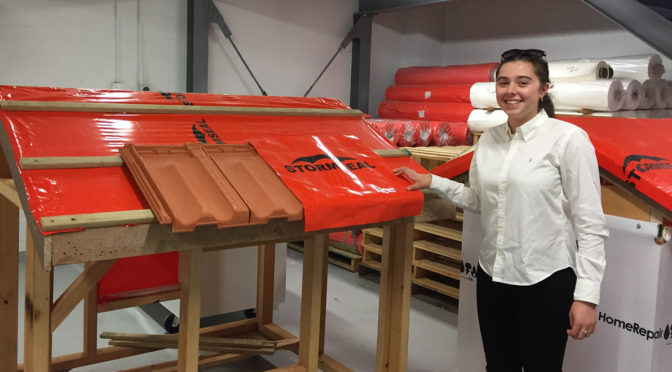
Featured image above: Nat Chapman recently welcomed a year 10 STEM work experience student, Isabella, to gemaker

Think back to your formative years. Was there an experience that inspired you follow the career path you did? Or a person who made a difference in the choices you made?

If we truly want to attract the brightest minds to science and technology, STEM companies have a responsibility to inspire the next generation of innovators.

We have a responsibility to give opportunities to high school and university students in the form of STEM work experience and access to our staff.

And a responsibility to make those opportunities genuine, inspiring experiences – not just something to tick a box.

A week in the life of gemaker

When a work experience student came knocking on gemaker’s door, we had one warning for her – we don’t do boring.

Photocopying was off the cards.

Instead, she spent a busy week meeting researchers, assisting with events, attending client meetings and working on projects that gave her real insight into the world of research, commercialisation and start-up culture.

In a single week, gemaker’s work experience student:

  • attended the AGM of an ASX-listed mining company and spoke to shareholders and directors;
  • watched researchers training in how to pitch to industry;
  • toured a university robotics lab;
  • filmed scientists with a videographer;
  • visited a start-up technology company;
  • went to a business meeting with a potential client;
  • helped create an infographic explaining the commercialisation of research;
  • compiled survey data;
  • wrote an article on her experience for the gemaker website.

Through it all, the student was a delight to take out.

She asked interesting and intelligent questions, and the enthusiasm she showed reminded us why we got into this business in the first place.

Yes, it can be challenging to design a program for a STEM work experience student.

Yes, it might be easier to point them at the lunchroom and the photocopier.

But if a small business like gemaker can do it, imagine the opportunities large, established companies and research organisations might be able to offer.

With a STEM work experience student, you win too

Taking on a work experience student can be exciting and have huge personal rewards for you too. A student can help you revitalise, recharge and remember what you love about your profession. It is inspiring to watch them be inspired.

Students can offer a different viewpoint, new ideas and a two-way learning opportunity that might surprise you. Why not ask a student how they think you could improve your social media presence?

Work experience is pivotal to the choices kids make in upper high school and beyond.

If we want to see more students in STEM, and believe passionately in the value of science and innovation, we have a social responsibility as a STEM organisation to provide genuine opportunities for students.

If we don’t make time for the next generation, we’re losing a massive opportunity to show what researchers can do.

Where to start

If you’re not sure how to go about inviting students into your workplace, here are three steps you can take this week:

  1. Tell staff that STEM work experience opportunities are available if they know students with a keen interest in science.
  2. See what STEM work experience programs are running at your own child’s school, and if you can contribute.
  3. Reach out to your local high school (start with the principal) to offer your services to the school.

You have the power within your hands to totally inspire a student or utterly turn them off.

At gemaker, we don’t have all the answers but we’re doing our bit.

And if each of us contributes, we can inspire the next generation and attract the brightest young minds to science and innovation.

– Natalie Chapman, gemaker

commercialisation

Breast cancer probe detects deadly cells

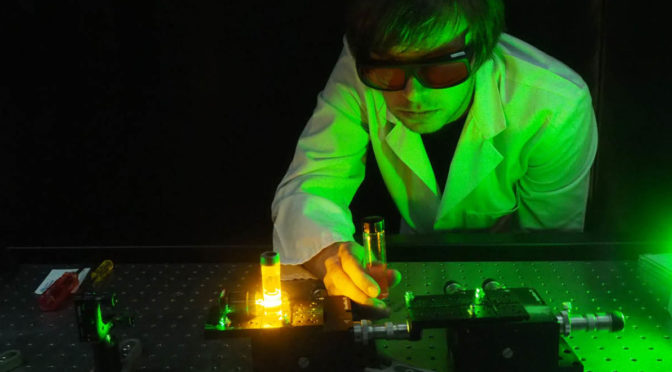
Featured image above: Dr Erik Shartner with the prototype optical fibre sensor, which can detect breast cancer during surgery. Credit: University of Adelaide

An optical fibre probe has been developed to detect breast cancer tissue during surgery.

Working with excised breast cancer tissue, researchers from the University of Adelaide developed the device to differentiate cancerous cells from healthy ones.

Project leader at the Centre of Excellence for Nanoscale BioPhotonics (CNBP) Dr Erik Schartner said the probe could reduce the need for follow-up surgery, which is currently required in up to 20 per cent of breast cancer cases.

“At the moment most of the soft tissue cancers use a similar method during surgery to identify whether they’ve gotten all the cancer out, and that method is very crude,” he says.

“They’ll get some radiology beforehand which tells them where the cancer should be, and the surgeon then will remove it to the best of their ability.

“But the conclusive measurements are done with pathology a couple of days or a couple of weeks after the surgery, so the patient is sown back up, thinks the cancer is removed and then they discover two weeks later with a call from the surgeon that they need to go through this whole traumatic process again.”

The probe allows more accurate measurements be taken during surgery, with the surgeon provided with information via an LED light.

Using a pH probe tip, a prototype sensor was able to distinguish cancerous and healthy cells with 90 per cent accuracy.

The research behind the probe, published today in Cancer Research, found pH was a useful tool to distinguish the two types of tissue because cancerous cells naturally produce more acid during growth.

Currently the probe is aimed for use solely for treating breast cancer, but there is some possibility for it to be used as both a diagnostic tool and during other removal surgeries.

“The method we’re using, which is basically measuring the pH of the tissue, actually looks to be common across virtually all cancer types,” Schartner says.

“We can actually see there’s some scope there for diagnostic application for things like thyroid cancer, or even melanoma, which is something we’re following up.

“The question is more about the application as to how useful it is during surgery, to be able to get this identification, and in some of the other soft tissue cancers it would be useful as well.”

Earlier this year, researchers from CNBP also developed a fibre optic probe,  which could be used to examine the effects of drug use on the brain.

Schartner said both probes were noteworthy because they were far thinner than previously developed models at only a few microns across.

“The neat thing we see about this one is that it’s a lot quicker than some of the other commercial offerings and also the actual sample size you can measure is much smaller, so you get better resolution,” he says.

Researchers on the probe hope to progress to clinical trials in the near future, with a tentative product launch date in the next three years.

Also in Adelaide, researchers at the University of South Australia’s Future Industries Institute are developing tiny sensors that can detect the spread of cancer through the lymphatic system while a patient is having surgery to remove primary tumours, which could also dramatically reduce the need for follow up operations.

– Thomas Luke 

This article was first published by The Lead South Australia on 29 November 2016. Read the original article here.

Disruptors in the digital age and how to be one

What does it take to be a disruptor? Over the last three decades there has been a surge in the number of smaller and nimbler organisations that have successfully unseated larger, more established organisations (including government backed institutions) to offer alternative solutions, features, products, commercial models or entire value chains.

We have all heard the names, but worth repeating (in no particular order) are companies like Microsoft, Google, Facebook, Uber, Airbnb, Alibaba, Amazon, Netflix, Spotify, Tesla, Mahindra, Apple, Xiaomi, IBM, Freelancer, Atlassian, Illumina, Salesforce, Philips, Cochlear, Bristol-Myers Squibb (and the list goes on). All are considered disruptors in their own right because they:

  • Offer new innovative solutions to solve existing unmet needs or problems that have traditionally been considered “too hard to solve” or “not worth solving”. For example, Cochlear (Nucleus Group) developed and commercialised the world’s first multi-channel Cochlear implant and in the process restored hearing to over 400,000 people. Bristol-Myers Squibb developed a drug to combat skin and lung cancer.
  • Offer a different, more compelling and/or commercially attractive alternatives to an existing solution. Xiaomi is beating Apple at its own game by offering technically comparable products at a lower price point, and is also well positioned to sell services directly to their customers or to Salesforce – beating Oracle in the CRM game.
  • Offer new solutions by creating the need (or better articulating the need) and providing engaging and addictive solutions to attract a whole new market. Google, Facebook, Uber and Spotify have all created completely new markets by offering solutions to meet the need for real-time mobile access to information or services, 24/7 connectivity with a social network and cost-effective solutions.

While all three categories above lead to disruption, the last two in particular have been happening more quickly and recently (over the last decade) and are typically attributed to  digital disruption. So then who can lay claim to being a digital disruptor? And is digital disruption a myth or reality?

disruptor

To help understand this let’s start with an attempt at a definition. For me, digital disruption offers a fundamentally better alternative to the present approach for solving a customer problem; in a cheaper, quicker, more convenient and more efficient manner; with technology and data playing key enabling roles to encourage customer participation.

It is not evolutionary change, but radical in the way it changes businesses, markets and societies.

All industries are prone to digital disruption – what differs is the timescale and impact. Some industries, such as music, entertainment and travel, have been impacted overnight.

Others change over a longer period of time, such as transport and healthcare. So if you’re looking to add ‘disruptor’ to your job skills, here are some of the key steps that you may want to consider before proceeding much further.

5 key steps for becoming a disruptor

  1. Get a connected, easy-to-use technology platform – you don’t need to build the next Facebook or Slack, but it sure helps if you have one that customers want to use willingly and can connect seamlessly across their journey of needs.

  2. Use a data processing and insights engine – I was tempted to use big data – but data doesn’t have to be big in order to derive meaningful insights.

  3. Keep the customer at the centre – the customer is a willing, active and vocal participant in the solution, which is designed around them.

  4. Ensure products and services are blended together – this is an area where many organisations falter – recognising when and how to offer products, services or a blended mashup of the two to meet customer needs.

  5. Use business and commercial models that make sense – the final hurdle for most larger companies looking to leverage digital disruption is that they focus on grabbing a bigger piece of the pie to offset their “disruption investment”, or too often pass on the cost to others down the value chain.

Having worked for businesses of different sizes, shapes and scale across the digital disruption spectrum, I have been fortunate enough to observe and actively influence the capacity of an individual, team, business unit or organisation to leverage digital disruption.

How do we leverage digital disruption?

By recognising, managing, mastering and exploiting nine key factors at play.

The following questions are designed to help you better understand your environment in order to be a positive disruptor, and manage the risks and issues it invariably creates.

Let’s start with the external factors

1. Your stakeholders and/or customers – Do you know who they are and are they happy with their current relationship with you; what relationship do they aspire with you; do you/they value that relationship; are you aware of their critical needs; do you give them opportunities to voice their opinions; do you act/respond based on their opinion?

2. Your offering – Is it meeting the critical needs of your stakeholders and customers; is it obvious why your offering makes sense; is it superior to other offerings; is it important/good enough to generate loyalty and advocacy; are the benefits visible and shareable; does it evolve with the customer needs?

3. Business and commercial model – How many intermediaries exist between you and the stakeholder/customer; who creates the most value; who are the primary beneficiaries in this business model; are there commercial incentives for all the players; is the commercial model sustainable?

4. Market Players & Competitors – Who are the main market players; who are the key competitors; how differentiated are their offerings to yours; who are the likely disruptors?

Now let’s investigate the internal factors

5. Clearly articulated sense of purpose (sometimes referred to as vision) – Is the statement of purpose clear; what can you do to contribute to this; is there universal buy-in on this sense of purpose; does it pass the reality test; is there a clear mandate for change?

6. Culture of innovation and experimentation – Is innovation seen as a niche role; how easy is it to experiment on yourselves/stakeholders/customers; do the people, processes and systems support innovation; speed and experimentation; how far can you take an idea before it gets stopped/scrutinised; how high is the risk appetite to disrupt yourselves?

7. Collaboration with partners and experts – Is it easy to collaborate; are there incentives for collaboration; do you have well identified customer champions; do the people, processes and systems support collaboration; do you have access to experts from similar/different industries?

8. Resources and Experience – Do you recruit from outside your industry; do you have a good mix of digital natives and “status quo” folks; is digital seen as a new and exciting capability or as an integral part of your business; is it hard to get funding, resources or sponsorship for new initiatives? 

9. Platform and Data – Have you created a platform for your offerings; is it easy to use; can you plug-in services from other providers; do you have an active plan to manage the data and derive insights from it?

Once you answer these questions you are on your way to joining the ranks of a digital disruptor transforming the marketplace. The often used mantra in the modern business lexicon is “Change is the only constant”. Digital disruption is no exception as it drives and demands significant changes to fundamental assumptions, the status quo, customer expectations, competition, technology, organisational design, complacency and the value chain. In doing so, it creates a new set of risks such as:

  • the potential to disrupt yourself;
  • competition from smaller and more agile players;
  • a whole new level of scrutiny around privacy, security and legal issues;
  • the ability to manage and protect Intellectual Property; 
  • creating inertia driven by uncertainty.

But if you can overcome them the opportunities are significant:

  • opening up new models for value creation;
  • reduce the cost/time for success (or failure);
  • building direct relationship with customers (and build loyalty);
  • being able to compete in a global economy regardless of location;
  • attracting and motivating a high calibre team.

disruptor

In summary, digital disruption is real. A disruptor is no doubt emerging near you and your industry and will result in significant changes to how you interact with your customers and stakeholders.

How can you be a disruptor?

  • Know and build a meaningful relationship with your customer;
  • Accept the blurred lines between product and service;
  • Adopt an ecosystem approach to delivering products and services;
  • Taking a long-term view of success with short term milestones;
  • Be willing to make mistakes and change course;
  • Be prepared to partner and make clear and timely decisions;
  • Build an agile, multi-disciplinary team capable of moving fast;
  • Use data to deliver insights and inform decisions but don’t be a “data-slave”;
  • Stay authentic and relevant in an increasing connected and fragmented world.

The next question is whether or not businesses of today will choose to adapt to this new world or die a slow death by a thousand digital cuts. 

Vishy Narayanan 

Global Digital Transformation Executive

@vaporvish

Read next: Swinburne University’s Beth Webster, Mitchell Adams and Stephen Petrie track the impact of digital disruption on industries that were once considered impervious to technological takeover.

Spread the word: Help Australia become digital savvy nation! Share this piece on digital disruptors using the social media buttons below.

More Thought Leaders: Click here to go back to the Thought Leadership Series homepage, or start reading the Women in STEM Thought Leadership Series here.

Thinking long-term: is innovation all digital?

This piece on is an edited transcript of comments on given by Christine Holgate as part of a discussion panel held by the Committee for Economic Development of Australia (CEDA) titled ‘Thinking long-term: can industry seize the innovation opportunity?’ Read the original text here.

So often when people talk about innovation they think it’s some new product, or new technological advancement. For me, innovation can be very broad ranging. It’s about doing things differently inside your organisation.

Personally, I think the people at the real coal-face of the organisation often have the best ideas. So by talking to your employees, or talking to your customers, you have a much better chance as an industry to really understand what innovation can do.

Intellectual capital doesn’t always pay off

I believe there’s an opportunity to invest more generally in innovation. Investing in intellectual capital is just like investing in anything else – it doesn’t always pay off.

You see, for every great 10 ideas, only one or two are going to get up. You don’t just need a return from that one or two ideas, you have to consider covering the cost of the ones that don’t work. So you need super-returns.

I went to Israel last year and I could have kicked myself that I hadn’t been earlier in my life. What a fabulous country: no natural resources, but abundant intellectual capital. And it’s a really great reminder what brilliant things can happen if intellectual capital is what you invest in.

Growth means looking beyond Australia

Australia has industries like health, food, education, financial services – not even taking into account our resources – where we are known to be the best in the world. We have the highest quality, the highest standards.

I’m extremely passionate about trying to encourage Australian companies to embrace and grow, not just in the Association of Southeast Asian Nations (ASEAN), but in Asia more broadly.

Thirty-five per cent of global growth is coming from China at the moment. Indonesia is forecast to be the third biggest economy in the world by the year 2030. And yet as a country, we’re investing more money in New Zealand in 2015 than we’re investing in Asia. Why would you do that? Why would you do that when the Australian and New Zealand economy only adds up to about 2% of the world’s economy, and when the other 98% is available to be cultivated?

To get super-returns, can I suggest – as much as I love this country – why would we not go just up the road to Asia? We are so lucky. Now is the time to do it. Because the advances in technology are enabling smaller companies in Australia to really go and take it via social media.

Small can make it big with social media

Blackmores ran a social media campaign on WeChat. If you aren’t familiar with WeChat, it’s how the Chinese communicate; they don’t use Facebook, they use WeChat.

We approached Li Na, the world’s number two women’s tennis player, to support a charity event. We were trying to raise awareness of congenital heart disease in China with children, and we asked Li Na to do it.

I believe we just recorded her in our own office, off the back of someone’s own camera. No big expense. We asked people to log on, hook their mobile phones on to our WeChat account, and to track their steps. And for so many steps we’d give money to the charity.

Within days we had five million hashtags, 800,000 people had logged on, and 25 million steps had been tracked. We just could not believe it.

But you see, that is an example of how small Australian companies can really exploit this wonderful opportunity and get their message out. You no longer have to spend millions to do it, so I think, if you do not go and grab hold of ASEAN: beware. Because the Germans are – and I hate saying that because I love Germany too – 23% of capital investment going into Indonesia is coming from Europe.

Not every milestone is financial

One of the learnings that I’ve experienced is that when change happens, or you’re trying to push for something like moving into China, and regulation evolves, it can be seen as risky.

I think what you have to do is try and educate the shareholders in the market – I don’t mean that in a patronising way. But we need to set milestones other than financial, and try and bring our shareholders on the journey. There are many ways to measure success, and they’re not just financial. I’ll give you an example.

I went to Blackmores’ Chairman of the Board Marcus Blackmore and said, “Marcus, I want to spend all this money in Asia, and try to turn it around, even though generally we aren’t making any profits there, and despite the fact we’ve already been there for 35 years. And I’m not sure when you’re going to see your cash back. I just know we need to do it.” That was my business case.

Why? Because we needed to build a natural hedge in the business, because our raw materials came from overseas, we needed to have diversification of risk, and so I talked through the other strategic reasons.

Generally, Marcus says a business plan is out of date the day the board has signed it off. Which is true, isn’t it? It’s like budgets, budgets change the very next day and you’ve got a different view.

So I think we need to think differently about financial hurdles and how we invest in innovation and opportunities. It’s not just financial – there are very many different other ways to think about it.

Are banks right to consider overseas investment risky?

I don’t think Australian business are doing enough to innovate. But it’s not just because the CEOs or the boards don’t want to, it’s because of a set of circumstances.

If you go to the bank and say “I’d like to build a facility down in Adelaide, can you lend me $10 million?” they will say, “Sure”, and just give you whatever your margin rate is over cash.

Conversely, if you say “I’d like to spend $10 million building a business in China,” they are likely to say “Sure, that’s three times your normal rate.”

So to start off with the banks, they generally make it more expensive for overseas investments, they put that hurdle in because they say it’s higher risk. Potentially it is higher risk, but I would suggest it’s higher risk if you don’t do it.

Free trade agreements are just the first step

Saying all that, I think the free trade agreements with the government are a really positive sign and a really good first step, and I’m really encouraged that Federal Minister for Trade, Tourism and Investment, the Hon. Steve Ciobo is going to take on the great work of former Federal Trade Minister, the Hon. Andrew Robb AO and carry on with it.

It’s not really the tariffs that are the issue. They are a big impediment, but they’re not the issue. For us, for example, in food and health, it’s actually the ingredient strategies and the regulation when you go into a country.

For China I really want to see a recognition of our standards here in Australia, which are the highest in the world. And if we have recognition of them we would be able to take more products in.

China is booming because of the free trade zones. But really to serve a world market you need to be in the broader retail market, and that requires another level. The free trade agreements are just the first step. We now need to free up regulatory barriers.

We need to utilise our international student resources 

The Government can do one thing to help – well, they can do lots of things – but they can do one thing in particular. You ask a lot of small Australian businesses, “Why aren’t you embracing ASEAN or Asia?”

They’ll often say “Because there are so many risks” or “We don’t understand” or “We don’t have the skills”. The language barrier puts off a lot of people.

We have hundreds of thousands of students right now living in Australia. What I would love to see is the government changing the rules on the number of hours these Asian students can work in our society.

Legitimately, they’re only allowed to work 10 hours a week, and so what happens is they can’t get meaningful work. So they end up working as waiters and waitresses, and – whether we like this or not – so often not being paid the correct wage, working more than their 10 hours and being employed illegally.

I say this because I have first-hand experience of how great these students are. We took in a foreign student at Blackmores with the help of Sydney University; a young law student from Korea. He helped Blackmores launch in Korea, and he’s now our junior lawyer.

So as you can see, there’s this wonderful resource not being utilised. While students can legally stay on for a year after graduation, this clause is actually not good enough. These students need to go back to their families and they haven’t got the money for that luxury – and if they’re being sponsored in any way then those businesses want them back.

But while they’re here, let’s have them doing meaningful work. It’s good for them, it’s good for their countries, but selfishly, it’s good for our business.

Long-term government support

In terms of waiting on government for policy changes to encourage better regulation, we have a culture of knocking off politicians as soon as they get voted in. Maybe we need to support our politicians and it’s us as voters who are a part of the issue.

We should respect the people that are voted in, respect the people’s choice in voting them in, and get behind them and help them be successful. We need a long-term government.

Christine Holgate

Chief Executive Officer and Managing Director, Blackmores

This speech on intellectual capital and other innovation opportunities was first published by the Committee for Economic Development of Australia (CEDA). Read the original text and more of CEDA’s top 10 speeches on disruption and innovation here

Read next: Dr Eva Balan-Vnuk, Microsoft’s state director for South Australia, considers how the cloud can lead to the democratisation of technology.

Spread the word: Help Australia become digital savvy nation! Share this piece on intellectual capital and other innovation opportunities using the social media buttons below.

More Thought Leaders: Click here to go back to the Thought Leadership Series homepage, or start reading the Women in STEM Thought Leadership Series here.

Luxury watch brand partners with nanotech

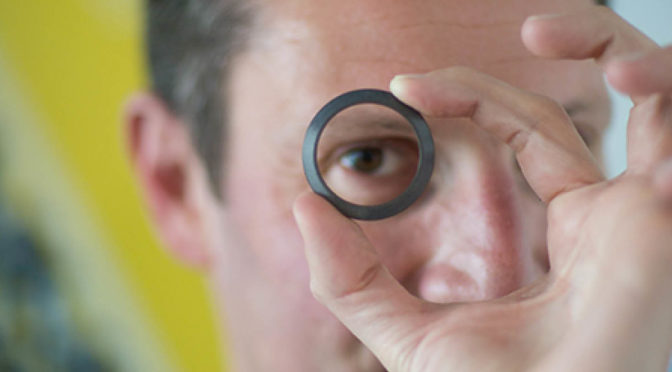
Featured image above: Christophe Hoppe with his new Bauselite luxury watch casing. Credit: Flinders University/Bausele.

In 2015, Bausele became the first Australian luxury watch brand to be invited to Baselworld in Switzerland – the world’s largest and most prestigious luxury watch and jewellery expo. Its success is, in part, thanks to a partnership with nanotechnologists at Flinders University and a unique new material called Bauselite.

Founded by Swiss-born Sydneysider Christophe Hoppe, Bausele Australia bills itself as the first “Swiss-made, Australian-designed” watch company. 

The name is an acronym for Beyond Australian Elements. Each watch has part of the Australian landscape embedded in its crown, or manual winding mechanism, such as red earth from the outback, beach sand or bits of opal.

But what makes the luxury watches unique is an innovative material called Bauselite developed in partnership with Flinders University’s Centre of NanoScale Science and Technology in Adelaide. An advanced ceramic nanotechnology, Bauselite is featured in Bausele’s Terra Australis watch, enabling design elements not found in its competitors.

NanoConnect program fosters industry partnership

Flinders University coordinates NanoConnect, a collaborative research program supported by the South Australian Government, which provides a low-risk pathway for companies to access university equipment and expertise.

It was through this program that Hoppe met nanotechnologist Professor David Lewis, and his colleagues Dr Jonathan Campbell and Dr Andrew Block.

“There were a lot of high IQs around that table, except for me,” jokes Hoppe about their first meeting.

After some preliminary discussions, the Flinders team set about researching the luxury watch industry and identified several areas for innovation. The one they focused on with Hoppe was around the manufacture of casings.

Apart from the face, the case is the most prominent feature on a watch head: it needs to be visually appealing but also lightweight and strong, says Hoppe, who is also Bausele’s chief designer.

The researchers suggested ceramics might be suitable. Conventional ceramics require casting, where a powder slurry is injected into a mould and heated in an oven. The process is suitable for high-volume manufacturing, but the end product is often hampered by small imperfections or deformities. This can cause components to break, resulting in wasted material, time and money. It can also make the material incompatible with complex designs, such as those featured in the Terra Australis.

New material offers ‘competitive edge’

Using a new technique, the Flinders team invented a unique, lightweight ceramic-like material that can be produced in small batches via a non-casting process, which helps eliminate defects found in conventional ceramics. They named the high-performance material Bauselite.

“Bauselite is strong, very light and, because of the way it is made, avoids many of the traps common with conventional ceramics,” explains Lewis.

The new material allows holes to be drilled more precisely, which is an important feature in watchmaking. “It means we can make bolder, more adventurous designs, which can give us a competitive advantage,” Hoppe says.

Bauselite can also be tailored to meet specific colour, shape and texture requirements. “This is a major selling point,” Hoppe says. “Watch cases usually have a shiny, stainless steel-like finish, but the Bauselite looks like a dark textured rock.”

Bauselite made its luxury watch debut in Bausele’s Terra Australis range. The ceramic nanotechnology and the watch captured the attention of several established brands when it was featured at Baselworld.

Advanced manufacturing hub in Australia

Hoppe and the Flinders University team are currently working on the development of new materials and features.

Together they have established a joint venture company called Australian Advanced Manufacturing to manufacture bauselite.  A range of other precision watch components could be in the pipeline.

The team hopes to become a ‘centre of excellence’ for watchmaking in Australia, supplying components to international luxury watchmaking brands.

But the priority is for the advanced manufacturing hub to begin making Bausele watches onshore: “I’ve seen what Europe is good at when it comes to creating luxury goods, and what makes it really special is when people control the whole process from beginning to end,” says Hoppe. “This is what we want to do. We’ll start with one component now, but we’ll begin to manufacture others.”

Hoppe hopes the hub will be a place where students can develop similar, high-performance materials, which could find applications across a range of industries, from aerospace to medicine for bone and joint reconstructions.

– Myles Gough

This article was first published by Australia Unlimited on 10 November 2016. Read the original article here

Prestigious science prizes winners announced

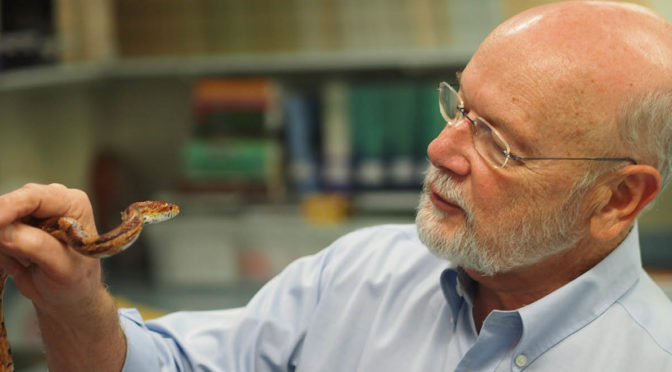
Featured image above: Professor Richard Shine is the winner of the Prime Minister’s Prize for Science. The PM’s prizes for science celebrate excellence in scientific research, innovation and teaching. Credit: Terri Shine

Meet the winners of this year’s Prime Minister’s Prizes for Science, worth a total of $750,000.

Prime Minister’s Prizes for Science

Richard Shine – defending Australia’s snakes and lizards

Prizes

Credit: Prime Minister’s Prizes for Science/WildBear

Prime Minister’s Prize for Science

Northern Australia’s peak predators—snakes and lizards—are more likely to survive the cane-toad invasion thanks to the work of Professor Richard Shine.

Using behavioural conditioning, Shine and his team have successfully protected these native predators against toad invasion in WA.

He has created traps for cane toads, taught quolls and goannas that toads are ‘bad,’ and now plans to release small cane toads ahead of the invasion front, a counterintuitive ‘genetic backburn’ based on ‘old school’ ideas that his hero Charles Darwin would have recognised.

Following in the footsteps of Darwin, Shine loves lizards and snakes.

“Some people love model trains, some people love Picasso; for me, it’s snakes.”

For his work using evolutionary principles to address conservation challenges, Professor Richard Shine from The University of Sydney has been awarded the 2016 Prime Minister’s Prize for Science.

Michael Aitken—fairness underpins efficiency: the profitable innovations saving Australia billions

Prizes

Credit: Prime Minister’s Prizes for Science/WildBear

Prime Minister’s Prize for Innovation

Global stock markets are fairer and more efficient thanks to the work of Professor Michael Aitken. Now he’s applying his information technology and markets know-how to improve health, mortgage, and other markets. He says there are billions of dollars of potential savings in health expenditure in Australia alone, that can go hand in glove with significant improvements in consumers’ health.

Aitken and his team created a service that captures two million trades per second, enabling rapid analysis of markets.

Then he created the SMARTS system to detect fraud. Bought by Nasdaq Inc., it now watches over most of the world’s stock markets.

One of the companies he established to commercialise his innovations was sold for $100 million and the proceeds are supporting a new generation of researchers in the Capital Markets Cooperative Research Centre.

Now his team of IT researchers are taking on health and other markets with a spin-off company and large-scale R&D program that are identifying large-scale inefficiencies and fraud in Australia’s health markets.

A powerful advocate of scientific and technological innovation, Professor Michael Aitken from the Capital Markets Cooperative Research Centre has been awarded the 2016 Prime Minister’s Prize for Innovation for creating and commercialising tools that are making markets fair and efficient.

Colin Hall – creating new manufacturing jobs by replacing glass and metal with plastic

Prizes

Credit: Prime Minister’s Prizes for Science/WildBear

Prize for New Innovators

Dr Colin Hall and his colleagues have created a new manufacturing process that will allow manufacturers to replace components made from traditional materials like glass, in cars, aircraft, spacecraft, and even whitegoods—making them lighter and more efficient.

Their first commercial success is a plastic car wing-mirror. The Ford Motor Company has already purchased more than 1.6 million mirror assemblies for use on their F-Series trucks. The mirrors are made in Adelaide by SMR Automotive and have earned $160 million in exports to date. Other manufacturers are assessing the technology. And it all started with spectacles.

Hall used his experience in the spectacle industry to solve a problem that was holding back the University of South Australia team’s development of their new technology. He developed the magic combination of five layers of materials that will bind to plastic to create a car mirror that performs as well as glass and metal, for a fraction of the weight.

For his contribution to creating a new manufacturing technology, Dr Colin Hall from the University of South Australia receives the inaugural Prize for New Innovators.

Richard Payne – re-engineering nature to fight for global health

Prizes

Credit: Prime Minister’s Prizes for Science/WildBear

Malcolm McIntosh Prize for Physical Scientist of the Year

Richard Payne makes peptides and proteins. He sees an interesting peptide or protein in nature, say in a blood-sucking tick. Then he uses chemistry to recreate and re-engineer the molecule to create powerful new drugs, such as anti-clotting agents needed to treat stroke.

His team is developing new drugs for the global challenges in health including tuberculosis (TB), malaria, and antibiotic-resistant bacterial infections. They’re even developing synthetic cancer vaccines. His underlying technologies are being picked up by researchers and pharmaceutical companies around the world and are the subject of four patent applications.

For his revolutionary drug development technologies, Professor Richard Payne from The University of Sydney has been awarded the 2016 Malcolm McIntosh Prize for Physical Scientist of the Year.

Kerrie Wilson – conservation that works for governments, ecosystems, and people

Prizes

Credit: Prime Minister’s Prizes for Science/WildBear

Frank Fenner Prize for Life Scientist of the Year

What is the value of the services that ecosystems provide—services such as clean air, water, food, and tourism? And what are the most effective ways to protect ecosystems? Where will governments get the best return on their investment in the environment? These questions are central to the work of Associate Professor Kerrie Wilson.

Wilson can put a value on clean air, water, food, tourism, and the other benefits that forests, rivers, oceans and other ecosystems provide. And she can calculate the most effective way to protect and restore these ecosystems. Around the world she is helping governments to make smart investments in conservation.

For example, in Borneo she and her colleagues have shown how the three nations that share the island could retain half the land as forest, provide adequate habitat for the orangutan and Bornean elephant, and achieve an opportunity cost saving of over $50 billion.

In Chile, they are helping to plan national park extensions that will bring recreation and access to nature to many more Chileans, while also enhancing the conservation of native plants and animals.

On the Gold Coast, they are helping to ensure that a multi-million-dollar local government investment in rehabilitation of degraded farmland is spent wisely—in the areas where it will have the biggest impact for the natural ecosystem and local communities.

For optimising the global allocation of scarce conservation resources Associate Professor Kerrie Wilson receives the 2016 Frank Fenner Prize for Life Scientist of the Year.

Suzy Urbaniak – turning students into scientists

Prizes

Credit: Prime Minister’s Prizes for Science/WildBear

Prime Minister’s Prize for Excellence in Science Teaching in Secondary Schools

Geoscientist Suzy Urbaniak combined her two loves—science and education—by becoming a science teacher 30 years after finishing high school. But she couldn’t believe it when she saw how little the teaching styles had changed over the years.

“I decided then that I wanted to make a difference. I wanted to turn the classroom into a room full of young scientists, rather than students learning from textbooks,” Urbaniak says.

Starting out as a geoscientist, Urbaniak found that while she knew all the theory from school and university, she didn’t have any hands-on experience and didn’t feel as though she knew what she was doing.

She realised there needed to be a stronger connection between the classroom and what was happening in the real world, out in the field, and took this philosophy into her teaching career at Kent Street Senior High School.

“The science in my classroom is all about inquiry and investigation, giving the students the freedom to develop their own investigations and find their own solutions. I don’t believe you can really teach science from worksheets and text books.”

For her contributions to science teaching, and inspiring our next generation of scientists, Suzy Urbaniak has been awarded the 2016 Prime Minister’s Prize for Excellence in Science Teaching in Secondary Schools.

Gary Tilley – creating better science teachers

Prizes

Credit: Prime Minister’s Prizes for Science/WildBear

Prime Minister’s Prize for Excellence in Science Teaching in Primary Schools

Gary Tilley is mentoring the next generation of science and maths teachers to improve the way these subjects are taught in the classroom.

“In over 30 years of teaching, I’ve never seen a primary school student who isn’t curious and doesn’t want to be engaged in science. Once they’re switched onto science, it helps their literacy and numeracy skills, and their investigative skills. Science is the key to the whole thing,” Tilley says.

Tilley recognised a long time ago that the way science was taught in primary schools needed to change. So he has taken it upon himself to mentor the younger teachers at his school, and helps train science and maths student teachers at Macquarie University through their Opening Real Science program.

At Seaforth Public School, he and his students have painted almost every wall in their school with murals of dinosaurs and marine reptiles, and created models of stars and planets, to encourage excitement and a love for science. The school is now known by local parents as the ‘Seaforth Natural History Museum’.

“Communicating science, getting children inspired with science, engaging the community and scientists themselves with science to make it a better place for the kids—that’s my passion,” Tilley says.

For his contributions to science teaching, and mentoring the next generation of science teachers, Gary Tilley has been awarded the 2016 Prime Minister’s Prize for Excellence in Science Teaching in Primary Schools.

This information on the 2016 Prime Minister’s Prizes for Science was first shared by Science in Public on 20 October 2016. Read the original article and the full profiles here.

You might also enjoy: 

Eureka Prize Winners of 2016

IP at the root of Australia’s wheat industry

Intellectual property has had a large role to play in moving wheat breeding from being almost entirely publicly funded in the 1990s to being completely funded by the private sector today.

Wheat accounts for more than a quarter of the total value of all crops produced in Australia. In terms of all agricultural commodities produced nationwide, wheat is second only to cattle. In the 2015/16 season, the Australian Bureau of Agricultural and Resource Economics and Sciences forecasted the gross value of wheat to be $7.45 billion, with exports worth $5.8 billion.

Western Australia leads the way in wheat exports, generating half of Australia’s total annual wheat production and sending more than 95 per cent offshore. A major export avenue for Western Australian growers is the wheat used for the production of noodles. One million tonnes of Udon noodle grain is exported to Japan and Korea every year at a value of $350 million.

The Australian wheat industry has gone through significant transformation in the last 20 years and the Australian IP Report 2015 shows innovation in wheat breeding is quite healthy. Over the past decade, Triticum (the scientific genus for wheat) has had the third highest number of plant breeder’s rights (PBR) applications submitted in Australia, behind only Rosa (roses) and Prunus (trees and shrubs).

The Plant Breeder’s Rights Act 1994 (PBR Act) allows an owner of a plant variety the ability to not only sell their variety, but also to collect royalties at any point in its use. This provision led to the introduction of end point royalties (EPR) in the years following the PBR Act’s ratification. For wheat growing, this is a royalty paid on the total grain harvested by the growers of a PBR protected variety.

Kerrie Gleeson of Australian Grains Technologies explains how EPR have invigorated the wheat industry saying, “Prior to the year 2000, 95 per cent of wheat breeding programs were in the public sector, either funded by universities, Grains Research and Development Corporation (GRDC) levies, or state governments.”

Moving ahead to the present day, Australian wheat breeding is now completely funded by the private sector due to the income generated by EPR.

Before EPR, royalties were paid to breeders when they sold their seed to farmers. Tress Walmsley, CEO of InterGrain, estimates that while a new variety of grain costs around $3 million to breed, under the old seed-based royalty system breeders only received around $50 000 per variety. This was a commercially unsustainable system and saw a decline in public investment for developing new varieties.

The EPR system radically changed the commercial value of developing new grain varieties in Australia. By deferring collection of royalties to the time of harvest, the initial cost of purchasing seed is lower.

An example of the EPR system in action is ‘Drysdale’, a wheat variety developed by CSIRO to cope with Australia’s low rainfall. Currently a royalty of $1 is charged to famers for every tonne produced. While this may not seem like much, considering the production of wheat averages around 25 million tonnes per year, the return from EPR really adds up.

Income received from EPR helps support the continuing research into developing new varieties and reduces the reliance on public funding.

The advantage of the EPR system is that plant breeders share the risk with farmers. If a harvest is low, for example during a drought, the farmers will be affected, and as a result the returns to the breeders through the EPR will be down. This gives breeders an incentive to develop varieties that are resilient and high yielding; the more successful the crop is, the bigger the return for both breeders and growers.

THE AUSTRALIAN WHEAT INDUSTRY HAS GONE THROUGH SIGNIFICANT TRANSFORMATION IN THE LAST 20 YEARS.

Wheat breeding in Australia is now a highly competitive industry. The major wheat breeding companies now have access to new technologies and resources through foreign investment and partnerships.

The EPR system in Australia has been dominated by wheat. The first EPR variety was released in 1996. Over 260 EPR varieties are listed for the 2015/16 harvesting season. Of these varieties, over 130 are wheat.

However, implementing the EPR system has seen its share of challenges. “When we first launched back in 1996…we actually had almost two competing systems”, Tress says. “We had one system commence in Western Australia which I was responsible for, and then we also had a company start an end point royalty system on the east coast.”

“Initially each plant breeding company, each state government and each seed company worked independently. We really made the big gains when we came together and worked it out collectively”, she says.

The development of an EPR industry collection system began in 2007 when a number of Australia’s major plant breeding organisations formed the EPR Steering Committee.

“The key component is working with the grain growers and listening to their feedback and making changes to how we collect the EPR so it is actually an easier system for them to utilise”, says Tress. “The industry standard license was one of our first achievements.”

The EPR is ultimately reliant on the honesty of farmers declaring the varieties they are growing. “Our system works in finding ways where the PBR Act gives you the level of protection you need, and you dovetail in contract law where you need some extra assistance”, adds Tress.

The integrity of EPR collection is maintained in various ways, including harvest declaration forms and reports from grain traders and bulk handlers. An industry standard contract has also been developed to simplify the collection process. The competitive nature of the EPR system means farmers are given a choice when deciding on which grain to grow. If they are paying a royalty on seed they are growing, they want to be confident the crop is high yielding, disease resistant and suitable for their region.

Even though research and development into wheat has been growing in recent years, the industry faces ongoing challenges. While Australia has so far avoided the notoriously devastating Ug99, a fungal wheat stem rust which can cause entire crops to be lost, farmers do tackle other varieties of stripe, stem and leaf rusts across the country. Nationwide, 72 per cent of Australia’s wheat growing area is susceptible to at least one rust pathogen.

This highlights the importance of continued investment into the development of new wheat breeds.

“We need the research to create high-yielding, disease and pest resistant agricultural crops,” Professor Philip Pardey says, who was a keynote speaker at the 2015 International Wheat Conference held in Sydney.

The International Year of Pulses aims to raise awareness of the nutritional benefits of pulses as part of sustainable food production. The celebration is an opportunity to encourage connections throughout the food chain – and one Australian team of researchers is ahead of the game.

Murdoch University professor John Howieson is now working on a new licence structure for the upcoming release of lebeckia. This grain, originally from South Africa, is considered the ‘holy grail’ breakthrough to rectify the shortage of summertime feed for livestock.

The new National Innovation and Science Agenda will support further agricultural research both with research funds and through programs that bring together universities, researchers and producers. You can find out more at innovation.gov.au.

This article was originally published by IP Australia in IP – Your Business Edge Issue 1 2016. Read the original article here.

Uber-type services growing in popularity

Despite strong opposition from traditional taxi operators and some governments, Uber and Uber-type ride sharing services, have proven very popular amongst travellers, according to a University of Sydney Business School survey.   

The Transport Opinion Survey (TOPS), conducted by the Business School’s internationally respected, Institute of Transport and Logistics Studies (ITLS), found that nearly a quarter of all Australians have used a ride sharing service while more than 40 per cent would if one was available locally.

“What we are seeing with Uber-styled services is the growing appeal of high quality mobility services that in due course might be a substitute for the taxi and indeed one’s own car,” said the Director of the School’s Institute of Transport and Logistics Studies, Professor David Hensher.

The latest Transport Opinion Survey also found that 7% of those who used an Uber or Uber-type services did so as a substitute for some travel in their own car and 4% substituted all of their own car travel. 10% used a ride-sharing services but did not want to lose the option of their own private car.

TOPS also asked Australians if they would be willing to make their car available to other people for a fee. About 20% said they would share their car with other people either by driving for Uber or similar companies (10%), peer-to-peer car sharing, through organisations such as Car Next Door (4%), or by both (5%). More than half (56%) said that would not be prepared to share their car with anyone outside their immediate friends and family.

“These percentage are relatively low at present but suggest a growing interest in mobility as a service in contrast to having to own a car in order to use a car,” says Hensher. “This will open up in the future with the aid of digital apps and new ways of serving the transport market that are not dependent on ownership.”

The latest TOPS survey also reveals that Australians are regaining confidence in their local transport services. The TOPS Confidence index rose from 44 to 62 over the past year but remains well below the base line of 100 set in September 2010.

As for the future, more people now look to the next 12 months with confidence than did in 2015 (46 to 65) and to the next five years (62 to 78).

TOPS is the only national survey to measure public opinion on transport related issues. The first 2016 report is at: http://sydney.edu.au/business/itls/tops

This article first appeared as a media release from the University of Sydney on 4 October 2016.

FDA approves Duchenne muscular dystrophy drug

Video above: Murdoch University researchers Steve Wilton and Sue Fletcher discuss their new drug for Duchenne muscular dystrophy.

The powerful US Food and Drug Administration (FDA) has given the green light to a drug developed by Western Australia researchers Sue Fletcher and Steve Wilton for treating Duchenne muscular dystrophy.

The Murdoch University scientists developed an innovative treatment to help sufferers of Duchenne muscular dystrophy, a crippling muscle-wasting disease that affects about one in 3500 boys worldwide.

The FDA decision is a huge win for the global pharma company Sarepta Therapeutics, which has developed the drug under the name Eteplirsen.

In their breakthrough research, Fletcher and Wilton had devised a way to bypass the faulty gene responsible for the disease, using a technique called exon skipping.

The FDA’s approval follows an emotional campaign by sufferers, their families, and supporters of Eteplirsen.

Earlier this year, some 40 sufferers in wheelchairs and their families flew to Washington from around the US, and from as far as the UK, to show their faith in the treatment after authorities questioned aspects of the drug’s clinical trial.

Fletcher’s and Wilton’s innovative discovery had already won the 2012 WA Innovator of the Year Award.

In 2013, the researchers, then with UWA, signed a multi-million dollar deal with Sarepta to develop Eteplirsen.

Under the deal, they would get up to US$7.1 million in upfront and milestone payments, as well as royalties on the net sales of all medicines developed and approved.

– Tony Malkovic 

This article was first published by Science Network Western Australia on 21 September 2016. Read the original article here. 

Read next: CtX forges $730 m deal for new cancer drug. A promising new cancer drug, developed in Australia by the Cancer Therapeutics CRC (CTx), has been licensed to US pharmaceutical company Merck in a deal worth $730 million.

Blue technology revolution

Featured image above: Humanoid robots, like Ocean One, may soon replace human divers in carrying out deep or dangerous ocean research and engineering tasks. Credit: Osada/Seguin/DRASSM

An industrial revolution is unfolding under the seas. Rapid progress in the development of robots, artificial intelligence, low-cost sensors, satellite systems, big data and genetics are opening up whole new sectors of ocean use and research. Some of these disruptive marine technologies could mean a cleaner and safer future for our oceans. Others could themselves represent new challenges for ocean health. The following 12 emerging technologies are changing the way we harvest food, energy, minerals and data from our seas.

1. Autonomous ships

Credit: Rolls-Royce

You’ve heard of driverless cars – soon there may be skipperless ships. Ocean shipping is a $380 billion dollar industry. Like traffic on land, ocean traffic is a major source of pollution, can introduce invasive species, and even causes ocean road-kills. For example, over 200 whales were struck by ships in the past decade. Companies like Rolls Royce envision autonomous shipping as a way to make the future of the industry more efficient, clean and cost-effective. Skipperless cargo ships can increase efficiency and reduce emissions by eliminating the need for accommodation for crew, but will require integration of existing sensor technology with improved decision-making algorithms.

2. SCUBA droids

Credit: Osada/Seguin/DRASSM

SCUBA divers working at extreme depths often have less than 15 minutes to complete complicated tasks, and they submit their bodies to 10 times normal pressure. To overcome these challenges, a Stanford robotics team designed Ocean One: a humanoid underwater robot dexterous enough to handle archaeological artefacts that employs force sensors to replicate a sense of touch for its pilot. Highly skilled humanoid robots may soon replace human divers in carrying out deep or dangerous ocean research and engineering tasks.

3. Underwater augmented reality glasses

Credit: US Navy Photo by Richard Manley

Augmented and virtual reality technologies are becoming mainstream and are poised for enormous growth. The marine sector is no exception. US navy engineers have designed augmented vision displays for their divers – a kind of waterproof, supercharged version of Google Glass. This new tech allows commercial divers and search and rescue teams to complete complex tasks with visibility near zero, and integrates data feeds from sonar sensors and intel from surface support teams.

4. Blue revolution

Credit: InnovaSea

The year 2014 was the first in which the world ate more fish from farms than the wild. Explosive growth in underwater farming has been facilitated by the development of new aquaculture tech. Submerged “aquapod” cages, for example, have been deployed in Hawaii, Mexico, and Panama. Innovations like this have moved aquaculture further offshore, which helps mitigate problems of pollution and disease that can plague coastal fish farms.

5. Undersea cloud computing

Credit: Microsoft

Over 95% of internet traffic is transmitted via undersea cables. Soon, data may not only be sent, but also stored underwater. High energy costs of data centres (up to 3% of global energy use) have driven their relocation to places like Iceland, where cold climates increase cooling efficiency. Meanwhile, about 40% of people on the planet live in coastal cities. To simultaneously cope with high real estate costs in these oceanfront growth centres, reduce latency, and overcome the typically high expense of cooling data centres, Microsoft successfully tested a prototype underwater data centre off the coast of California last year. Next-generation underwater cloud pods may be hybridised with their own ocean energy-generating power plants.

6. New waves of ocean energy

Credit: Carnegie Wave Energy

The ocean is an enormous storehouse of energy. Wave energy alone is estimated to have the technical potential of 11,400 terawatt-hours/year (with sustainable output equivalent to over 400 small nuclear power plants). Technological innovation is opening up new possibilities for plugging into the power of waves and tides. A commercial project in Australia, for example, produces both electricity and zero-emission desalinated water. The next hurdles are scaling up and making ocean energy harvest cost-efficient.

7. Ocean thermal energy

Credit: KRISO (Korea Research Institute of Ships & Ocean engineering)

Ocean thermal energy conversion technology, which exploits the temperature difference between shallow tropical waters and the deep sea to generate electricity, was successfully implemented in Hawaii last year at its largest scale yet. Lockheed Martin is now designing a plant with 100 times greater capacity. Drawing cold water in large volumes up from depths of over 1 kilometre requires large flexible pipelines made with new composite materials and manufacturing techniques.

8. Deep sea mining

Credit: Nautilus Minerals

Portions of the seafloor are rich in rare and precious metals like gold, platinum and cobalt. These marine mineral resources have, up until now, lain mostly out of reach. New 300 tonne waterproof mining machines were recently developed that can now travel to some of the deepest parts of the sea to mine these metals. Over a million square kilometres of ocean have been gazetted as mining claims in the Pacific, Atlantic, and Indian oceans, and an ocean gold rush may open up as early as 2018. Mining the seafloor without destroying the fragile ecosystems and ancient species often co-located with these deep sea mineral resources remains an unsolved challenge.

9. Ocean big data

Credit: Windward

Most large oceangoing ships are required to carry safety sensors that transmit their location through open channels to satellites and other ships. Several emerging firms have developed sophisticated algorithms to process this mass influx of ocean big data into usable patterns that detect illegal fishing, promote maritime security, and help build intelligent zoning plans that better balance the needs of fishermen, marine transport and ocean conservation. In addition, new streams of imagery from nanosatellite constellations can be analysed to monitor habitat changes in near-real time.

10. Medicines from the seas

Credit: PharmaSea

The oceans hold vast promise for novel life-saving medications such as cancer treatments and antibiotics. The search for marine-derived pharmaceuticals is increasing in momentum. The European Union, for example, funded a consortium called PharmaSea to collect and screen biological samples using deep sea sampling equipment, genome scanning, chemical informatics and data-mining.

11. Coastal sensors

Image: Smartfin

The proliferation of low-cost, connected sensors is allowing us to monitor coastlines in ways never possible before. This matters in an ocean that is rapidly warming and becoming more acidic as a result of climate change. Surfboard-embedded sensors could crowd-source data on temperature, salinity and pH similar to the way traffic data is being sourced from drivers’ smartphones. To protect the safety of beachgoers, sonar imaging sensors are being developed in Australia to detect sharks close to shore and push out real-time alerts to mobile devices.

12. Biomimetic robots

Credit: Boston Engineering

The field of ocean robotics has begun borrowing blue prints from the world’s best engineering firm: Mother Nature. Robo-tuna cruise the ocean on surveillance missions; sea snake-inspired marine robots inspect pipes on offshore oil rigs; 1,400 pound crab-like robots collect new data on the seafloor; and robo-jellyfish are under development to carry out environmental monitoring. That ocean species are models for ocean problem-solving is no surprise given that these animals are the result of millions of years of trial and error.

Outlook

Our fate is inextricably linked to the fate of the oceans. Technological innovation on land has helped us immeasurably to clean up polluting industries, promote sustainable economic growth, and intelligently watch over changes in terrestrial ecosystems.

We now need ocean tech to do the same under the sea.

As the marine industrial revolution advances, we will need to lean heavily on innovation, ingenuity and disruptive tech to successfully take more from the ocean while simultaneously damaging them less.

– Douglas McCauley and Nishan Degnarain

This article was first published by World Economic Forum on 16 September 2016. Read the original article here.

Degas masterpiece uncovered

Featured image above: (left) False colour reconstruction of Degas’ hidden portrait, created from the X-ray fluorescence microscopy elemental maps produced at the Australian Synchrotron (right) Portrait of a Woman by Edgar Degas (c). 1876–80 . Credit: Australian Synchrotron/National Gallery of Victoria.

An alliance of Australian scientists and conservators have made a quantum leap forward in the analysis of priceless artworks, revealing an earlier painting of a different woman beneath a French Impressionist masterpiece in unprecedented detail, using a technology combination unavailable anywhere else in the world.

Shedding light on a decades-old riddle through a unique technology pipeline, researchers from Australian SynchrotronNational Gallery of Victoria (NGV) and CSIRO published stunning images of what lies beneath Edgar Degas’ Portrait of a Woman (c. 1876-1880) in the journal Scientific Reports overnight, midway through the artwork’s display at NGV International as part of Melbourne Winter Masterpieces exhibition, Degas: A new vision.

Dr Daryl Howard, scientist on the X-ray Fluorescence Microscopy (XFM) beamline at the Australian Synchrotron – the newest addition to the Australian Nuclear Science and Technology Organisation (ANSTO)’s world-class line-up of landmark research infrastructure – says the re-creation of the underpainting was achieved by first producing complex metal maps to highlight minerals in the many paint types.

“‘Paint from Degas’ period was primarily composed of ground-up rocks and early synthetic pigments  – with copper creating green and mercury creating red, for example – and he swirled and mixed different paints from different tubes on his palette at different times, as did the restorers who touched up this painting into the early twentieth century.

“Placing the artwork in the path of the Australian Synchrotron beam, which is a million times brighter than the sun, we measured the exact location of different pigment mixtures in every one millimetre square pixel, and fed the vast volumes of data into a computer to reconstruct both the surface and underlying layers.”

Howard says the technique is an ‘order of magnitude’ improvement for non-intrusive art analysis, crucial when handling priceless artworks.

“Eight years ago, a low resolution three-element image, which revealed a face beneath Vincent Van Gogh’s Patch of Grass 1887, inspired us to refine and advance non-destructive imaging using some of the world’s most advanced scientific technology.

“This analysis takes this “hands-off” approach to the next level, producing enormous 31.6 megapixel images – beyond the resolution of most of today’s best digital cameras – while subjecting each part of the artwork to radiation for only a fraction of a second to ensure it is not damaged.”

CSIRO engineer Robin Kirkham says the powerful light of the Australian Synchrotron combined with a highly sensitive detector devised at CSIRO are behind the revolutionary new technique.

“Developed by CSIRO with US project partner Brookhaven National Laboratory over the past few years, the Maia detector can complete complex elemental imaging a hundred times faster than conventional systems.”

“Coupled with the brilliant synchrotron beam, in 33 hours the detector produced images with around 250 times more pixel definition than the far smaller 2008 Van Gogh images that took about two days to produce.”

It’s not the first time the NGV, Australian Synchrotron and CSIRO have joined forces to solve an art mystery. In 2010 similar techniques were used to find a hidden Arthur Streeton self-portrait buried under layers of lead paint and, in 2015, a major project helped uncover hidden secrets in Frederick McCubbin’s The North wind.

Degas: a new vision is exhibiting at NGV until Sunday 18 September.

This article was first published by Australian Synchrotron on 4 August 2016. Read the original article here.

Women in STEM: the revolution ahead

On September 8, 70 days after the end of the financial year, Australia marked equal pay day. The time gap is significant as it marks the average additional time it takes for women to work to get the same wages as men.

Optimistically, we’d think this day should slowly move back towards June 30. And there are many reasons for optimism, as our panel of thought leaders point out in our online roundtable of industry, research and government leaders.

Yet celebrating a lessening in inequity is a feel-good exercise we cannot afford to over-indulge in.

While we mark achievements towards improving pipelines to leadership roles, work to increase enrolments of girls in STEM subjects at schools and reverse discrimination at many levels of decision making and representation, the reality is that many of these issues are only just being recognised. Many more are in dire need of being addressed more aggressively.

Direct discrimination against women and girls is something I hear about from mentors, friends and colleagues. It is prevalent and wide-reaching. There is much more we can do to address issues of diversity across STEM areas.

Enrolments of women in STEM degrees vary from 16% in computer science and engineering to 45% in science and 56% in medicine. These figures reinforce that we are teaching the next generation with the vestiges of an education system developed largely by men and for boys. There is a unique opportunity to change this.

Interdisciplinary skills are key to innovation. Millennials today will change career paths more frequently; digital technologies will disrupt traditional career areas. By communicating that STEM skills are an essential foundation that can be combined with your interest, goals or another field, we can directly tap into the next generation. We can prepare them to be agile workers across careers, and bring to the table their skills in STEM along with experiences in business, corporates, art, law and other areas. In this utopian future, career breaks are opportunities to learn and to demonstrate skills in new areas. Part-time work isn’t seen as ‘leaning out’.

We have an opportunity to redefine education in STEM subjects, to improve employability for our graduates, to create stronger, clearer paths to leadership roles, and to redefine why and how we study STEM subjects right from early primary through to tertiary levels.

By combining STEM with X, we are opening up the field to the careers that haven’t been invented yet. As career areas shift, we have the opportunity to unleash a vast trained workforce skilled to adapt, to transition across fields, to work flexibly and remotely.

We need to push this STEM + X agenda right to early education, promoting the study of different fields together, and creating an early understanding of the different needs that different areas require.

This is what drives me to communicate science and STEM through publications such as Careers with Science, Engineering and Code. We want to convey that there are exciting career pathways through studying STEM. But we don’t know what those pathways are – that’s up to them.

Just think how many app developers there were ten year ago – how many UX designers. In 10 or even five years, we can’t predict what the rapidly growing career areas will be. But we can create a STEM aware section of the population and by doing so now, we can ensure that the next generation has an edge in creating and redefining the careers of the future.

Heather Catchpole

Founder and Managing Director, Refraction Media

Read next: CEO of Science and Technology Australia, Kylie Walker, smashes all of the stereotypes in her campaign to celebrate Women in STEM.

People and careers: Meet women who’ve paved brilliant careers in STEM here, find further success stories here and explore your own career options at postgradfutures.com.

Spread the word: Help Australian women achieve successful careers in STEM! Share this piece on women combining skills in STEM using the social media buttons below.

More Thought Leaders: Click here to go back to the Thought Leadership Series homepage, or start reading the Graduate Futures Thought Leadership Series here.
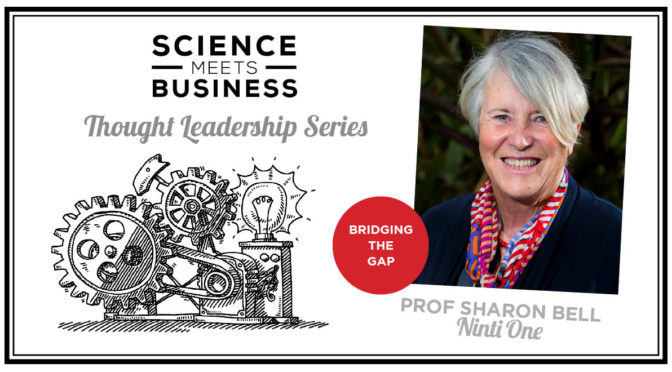
Smashing the glass ceiling

“Science Meets Business” – this is a beautiful thing. It does not get better than that for me, having trained as a scientist and worked for more than 30 years in business, including the past 27 years with Dow, one of the world’s leading science and technology companies.  At Dow we are proud of our mission to combine chemistry, physics and biology to create what is essential for human progress. As our ever growing population faces pressing challenges, we believe that innovation will be the key to addressing the needs of the future.

Implicit in this vision is that graduates in Science, Technology, Engineering and Mathematics (STEM) are readily available to drive innovation and progress humanity and, just as importantly, that the graduate pool reflects the diversity of our society in all its dimensions.

Over recent years, there has been an increasing recognition of the imbalance of women in STEM.  This has culminated in an impressive $13 million of the National Innovation and Science Agenda (NISA) funding being earmarked to support women in STEM careers including support for SAGE, Australia’s Science and Gender Equity initiative to promote gender equity in STEM.

Changing corporate culture

There is a real need for this concerted effort to address gender inequity. According to the Chief Scientist’s March 2016 report, women make up only 16% of Australia’s STEM Workforce.

The good news is that in recent years, a lot has been done to address the gender inequality issues.  We have a strong combination of social awareness, government policy and financial investment, corporate and business buy-in and social consciousness of the issue.

I have recently met a number of female board directors who have openly acknowledged that their appointment is due to the Victorian governments spilling of agency boards and establishing a 50% gender quota requirement. This is one example of real and substantial change.

Across the globe, Dow has over 1,600 employee volunteers, known as STEM Ambassadors, who are helping to bring STEM subjects to life in the classroom, and serving as role models of a diverse STEM workforce.

In partnership with the Women in Business Summit hosted by the American Chamber of Commerce in Japan (ACCJ), Dow has also taken a leadership role to improve STEM career development opportunities for women.  We are progressing slowly, but steadily, with women constituting nearly 60% of new Australian and New Zealand hires at Dow in 2016.

With the $13 million NISA investment and the changing corporate culture, now is the perfect opportunity for young women to seek and develop a career in STEM.

Innovation in general will be the driving force of commercial success, economic growth and national development. A large part of this will come from R&D and innovation in STEM fields.

If the majority of future jobs are yet to be imagined, then women in particular are in a perfect position to seize the opportunity of creating these positions.

The management glass ceiling might exist today, but if the jobs are yet to be invented, then then we have a chance of shattering that ceiling in the future.

Tony Frencham

Managing Director & Regional President, Australia and New Zealand, Dow Chemical Company

Read next: CEO of AECOM Australia and New Zealand Lara Poloni explains why it’s important for women to stay connected with the workplace during a career break.

People and careers: Meet women who’ve paved brilliant careers in STEM here, find further success stories here and explore your own career options at postgradfutures.com.

Spread the word: Help Australian women achieve successful careers in STEM! Share this piece on corporate culture using the social media buttons below.

More Thought Leaders: Click here to go back to the Thought Leadership Series homepage, or start reading the Graduate Futures Thought Leadership Series here.

E-textile helps soldiers plug in

Featured image above: BAE Systems new e-textile could benefit a wide variety of professions, including the military. Credit: BAE Systems

A wireless conductive fabric that allows soldiers to plug electronic devices directly into armour is making a commercial push into Southeast Asia.

BAE Systems has developed the Broadsword Spine garment, which is being distributed throughout the Asia Pacific region by its Australian arm, based in Adelaide.

It was designed using a unique e-textile created by Intelligent Textiles Limited in the United Kingdom and can be inserted inside vests, jackets or belts.

BAE Systems’ wireless connector promises a range of benefits for multiple professions including the emergency services.

Broadsword Spine is on display this week at the Land Forces 2016 event in Adelaide, the capital of South Australia.

Program manager David Wilson said the technology was extremely lightweight and was able to pass power from any source, which made it adaptable to an assortment of devices.

“It’s revolutionary in terms of how it can pass power and data through USB 2.0,” he says.

“It reduces the weight and cognitive burden of the soldier because it is doing a lot of power and data management automatically.

“It also has no cables, which means you’ve got no snag hazard and no issue in terms of the breaking of cables and having to replace them.”

Broadsword Spine has been designed to replace contemporary heavy portable data and power supplies used by the military as well as firefighters, paramedics and rescue personnel.

The lack of cables and additional batteries make the new material 40 per cent lighter than other systems.

The e-textile was also developed to withstand harsh environments and is water, humidity, fire and shock resistant.

The material uses highly developed yarns that act as the electricity and data conductor.

It is able to connect to a central power source to support all electronic devices and is easily recharged in the field using simple batteries or in-vehicle charging points.

There are eight protected data or power ports that are capable of supplying 5A and operate at USB 2.0 speeds.

The management of power and data is automated and is performed by a computer that is embedded into the e-textile loom.

Users also have the option of monitoring and controlling the technology manually using a smartphone app.

Wilson said contemporary models were often heavy could be highly complicated products that required special maintenance.

“It’s unique in that regard in that we don’t sell the whole system, we sell the middle architecture and allow the customer to decide what they want and how to integrate that system,” he says.

“We’ve published the pin-outs and connections so they can create their own integration cables. They don’t have to keep coming back to us and that way they can support it themselves.”

Low rate production of the  Broadsword Spine has begun in the United Kingdom.

Wilson said when production increased, the company would work to distribute the product to the Asia-Pacific region from its Adelaide base next year.

Land Forces is the Southern Hemisphere’s premier defence industry exhibition and has more than 400 participating exhibition companies from about 20 countries as well as about 11,000 trade visitors.

South Australian exhibitors at the event include University of South Australia, which has developed  camouflage cells for tanks, and Supashock, which has unveiled damping technology taken from race cars for use in army trucks.

– Caleb Radford 

This article was first published by The Lead South Australia on 8 September 2016. Read the original article here

Introducing the world’s largest radio telescope

Featured image: A computer generated image of the Square Kilometre Array (SKA) radio telescope dish antennas in South Africa. Credit: SKA Project Office.

What is dark matter? What did the universe look like when the first galaxies formed? Is there other life out there? These are just some of the mysteries that the Square Kilometre Array (SKA) will aim to solve.

Covering an area equivalent to around one million square metres, or one square kilometre, SKA will comprise of hundreds of thousands of radio antennas in the Karoo desert, South Africa and the Murchison region, Western Australia.

The multi-billion dollar array will be 10 times more sensitive and significantly faster at surveying galaxies than any current radio telescope.

The massive flow of data from the telescope will be processed by supercomputing facilities that have one trillion times the computing power of those that landed men on the Moon.

Phase 1 of SKA’s construction will commence in 2018. The construction will be a collaboration of 500 engineers from 20 different countries around the world.

– Gemma Conroy

Commercialisation boost for businesses

The Turnbull Government has announced that twenty businesses across Australia will be offered $11.3 million in Entrepreneurs’ Programme grants to help boost commercialisation and break into new international markets.

A 3-D printed jaw joint replacement, termite-proof building materials and a safer way to store grain outdoors are amongst the diverse products and services that will be fast-tracked.

The grants range from $213,000 to $1 million and are matched dollar-for-dollar by recipients.

So far, the Government has invested $78.1 million since commencement of this initiative – helping 146 Australian businesses to get their products off the ground.

The grants help businesses to undertake development and commercialisation activities like product trials, licensing, and manufacturing scale-up—essential and often challenging steps in taking new products to market.

Projects supported by today’s grant offers will address problems and meet needs in key industries including food and agribusiness, mining, advanced manufacturing and medical technologies.

The 20 projects to receive commercialisation support include:

  • a safer, cheaper and more efficient outdoor grain storage solution for the agricultural industry
  • recycling technology for fats, oils and greases from restaurants that will save money and reduce pollution
  • a lighter, stronger and more flexible concrete product
  • an anti-theft automated security system for the retail fuel industry
  • a cheaper, faster and safer decontamination process for mine drainage
  • smaller, cheaper and more patient-friendly MRI technology used for medical diagnostics
  • a 3-D printed medical device for jaw joint replacements that reduces surgery risk and improves patient quality-of-life
  • insect and termite-proof expansion joint foam for the building industry, combining a two-step process into a single product.

The Entrepreneurs’ Programme commercialisation grants help Australian entrepreneurs, researchers and small and medium businesses find commercialisation solutions.

It aims to:

• accelerate the commercialisation of novel intellectual property in the form of new products, processes and services;
• support new businesses based on novel intellectual property with high growth potential; and
• generate greater commercial and economic returns from both public and private sector research and facilitate investment to drive business growth and competitiveness.

This information was first shared by the Minister for Industry, Innovation and Science on 17 August 2016.

Collaboration platform welcomes universities

The Australian National University and the University of Western Australia have become the first research institutions in Australasia to join IN-PART, a global university-industry collaboration platform.

Researchers at these universities will have access to a growing community of 2000+ R&D professionals from over 600 businesses in Europe, Oceania, the UK, and the USA, who use IN-PART to collaborate with universities in the commercialisation of academic research.

“The potential of the output from world leading research at Australian institutions is huge, but the limited industrial base means that it is essential we partner with corporate world leaders to realise that potential”, said Professor Michael Cardew-Hall, Pro Vice-Chancellor of Innovation at The Australian National University.

“The ANU has strong links with many partner research institutions worldwide and strategic partnerships with major corporations. However, developing new partnerships that are mutually beneficial is a key strategy for the University”.

The Australian National University (ANU) and the University of Western Australia (UWA) will join 70 universities from the UK, USA, Japan, and Europe — including Cambridge, Cornell, and King’s College London — who currently use IN-PART to publish innovation and expertise from academics who are actively looking to interact with industry.

“We’re very excited about being able to profile our projects to targeted people in relevant industries, and to show people that UWA and Australia are the home of some amazing innovations. Just as our researchers rely on collaborating locally and internationally, tech transfer offices need to look further afield for development partners with particular expertise and routes to market”, said Simon Handford, Associate Director of Innovation at the University of Western Australia.

“Hopefully, IN-PART can help us meet future R&D partners and give more projects the chance of being translated into something that can be put to use”.

Launched in January 2014, IN-PART has facilitated the first point of contact for a range of university-industry collaborations that include licensing deals, co-development projects with joint funding, academic secondments, and long-term research partnerships.

This information was first shared by IN-PART on 11 August 2016.

Connecting science with industry