All posts by Karen Taylor-Brown

Advanced technologies underpinning the space race

Wednesday 9 March 2022 12noon AEDT

Space represents a new frontier for science, research and innovation in Australia, as well as the opportunity for significant economic development. Australia is well-placed to capitalise on this growing industry and employment boom. Innovation in space technology can support agriculture, communications, defence, disaster management, the environment and more, while improving the lives of everyday citizens. 

ANSTO has diverse capabilities and expertise in many areas, including advanced materials, radiation detection and dosimetry (the impact of galactic cosmic radiation on human cells), the characterisation of planetary materials and advanced manufacturing, which can support space research and development. 

Meet four space industry experts and hear how researchers, government and industry are collaborating to ensure Australia secures a podium finish in the space race. 

Wednesday 9 March 2022 12noon AEDT

This webinar is FREE to attend and registration is essential. Secure your spot by clicking the button above.

Meet the panel

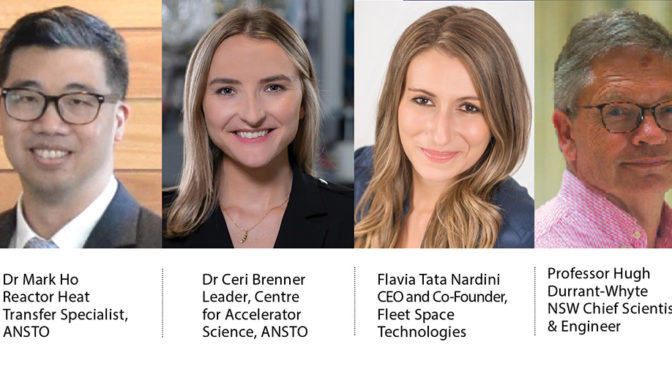
Dr Mark Ho works at ANSTO’s Nuclear Analysis Section, in support of OPAL reactor operations. He holds a Ph.D. from the University of New South Wales in computational fluid dynamics – using high performance computing to simulate boiling phenomenon. Currently, he supervises two doctoral candidates on reactor-related research and keeps a watching brief on nuclear power developments.
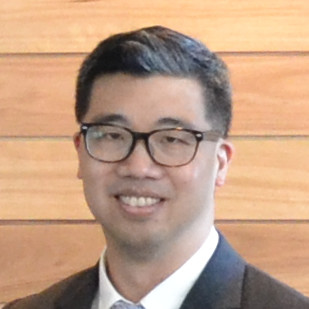
Dr Mark Ho, Reactor Heat Transfer Specialist, ANSTO

Mark is the vice president of the Australian Nuclear Association (ANA), an independent scientific organisation representing members of the profession. The ANA advocates the peaceful use of nuclear technology, engaging with the government, industry and the wider public.

Dr Ceri Brenner leads ANSTO’s Centre for Accelerator Science – an Australian government research infrastructure facility dedicated to applications of megavolt ion beam accelerators.
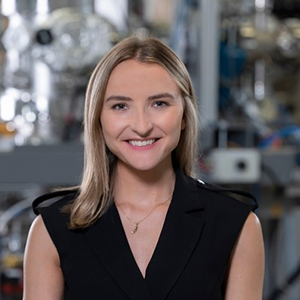
Dr Ceri Brenner, Leader, Centre for Accelerator Science, ANSTO

She oversees a multi-disciplinary team of scientists and engineers who work together with academic and industry users to deliver a suite of ultra-sensitive radioisotope and trace element analysis, and precision irradiation capabilities that further our understanding, drive innovation, and inform policy in areas such as environment, climate and health sciences, space technologies and advanced materials, and cultural heritage.

Flavia Tata Nardini, co-founder and CEO of one of Australia’s most exciting space startups Fleet Space Technologies, along with her growing team, are preparing to launch 140 nanosatellites by 2027, launching their seventh and eighth later this year.

Flavia Tata Nardini, CEO and Co-Founder of Fleet Space Technologies

These nanosats will be used to connect billions of sensors across the globe through low cost, low power remote massive IoT. A real-life rocket scientist, former propulsion test engineer at the European Space Agency and holder of two patents, Flavia has worked across a broad range of innovative space projects, from micropropulsion systems for CubeSats to space debris removal systems, experience that directly informs Fleet’s rapid progress towards their goal. Flavia has recently added Mission Chair of the 7Sisters Moon Mission to her achievements, Australia’s mission of discovery for Earth, the Moon and Mars.

Hugh Durrant-Whyte is the NSW Chief Scientist & Engineer and Natural Resources Commissioner.

Professor Hugh Durrant-Whyte is the NSW Chief Scientist & Engineer

Hugh is a world-leading authority on machine learning and robotics, and applications in areas including cargo handling, mining and defence. He has published over 300 research papers, graduated over 70 PhD students, and has won numerous awards and prizes for his work, including being named 2010 NSW Scientist of the Year and 2008 Engineers Australia NSW Engineer of the Year.

In his career he has worked with many major companies and has co-founded three successful start-up companies. He is particularly well known for his work with Patrick in delivering the automated container terminals in Brisbane and Port Botany, and for his work with Rio Tinto in pioneering and delivering the automated “Mine of the Future”. He is an honorary Fellow of Engineers Australia (HonFIEAus), a Fellow of the IEEE (FIEEE), Fellow of the Royal Academy of Engineering (FREng), Fellow of the Australian Academy of Science (FAA), and a Fellow of the Royal Society of London (FRS).

The ANSTO Innovation Series

The ANSTO Innovation Series is a new virtual meet-up that focuses on the key capacities of ANSTO’s people, partners and facilities and how they are meeting global challenges in sustainable industries, medicine, advanced manufacturing and in accelerating small business.

Delivered as a quarterly webinar, the ANSTO Innovation Series features an expert panel exploring the latest science, industry and start-up opportunities, including innovations in energy storage, nuclear medicine and health, engineering new materials and accelerating deep tech business.

The ANSTO Innovation Series is produced in partnership with STEM-specialist publishers, Refraction Media, publishers of Science Meets Business, and hosted by leading science journalist, Lee Constable.

The Future of Battery Power

About ANSTO

The Australian Nuclear Science and Technology Organisation (ANSTO) is the home of Australia’s most significant national infrastructure for research. Thousands of scientists from industry and academia benefit from gaining access to state-of-the-art instruments every year.

ANSTO researchers work on global science and technology challenges, and operate landmark research infrastructure including one of the world’s most modern nuclear research reactors, OPAL; as well as a comprehensive suite of neutron beam instruments at the Australian Centre for Neutron Scattering; the Australian Synchrotron; the National Imaging Facility Research Cyclotron; and the Centre for Accelerator Science. ANSTO also hosts the nandin innovation centre, one of Australia’s few deep technology hubs facilitating industry engagement and research translation.

Subscribe to our regular innovation and research news updates to get notification of the webinars.

Backing more Australian space companies to soar

Image: Shutterstock

Industrial Sciences Group will receive $442,320 to further develop its Space Mission Analytics Toolkit, which is already earmarked for use by contractors on upcoming NASA lunar missions.

The toolkit includes software that helps space companies simulate missions so they can fine-tune their designs before investing in costly space hardware.

Once a mission launches, the toolkit can also monitor and analyse tracking data to support orbit determination.

It’s one of three projects that will share in more than $1.2 million under round four of the Moon to Mars Supply Chain Capability Improvement Grants Program.

Minister for Science and Technology Melissa Price said the Government was backing small and medium sized businesses as part of the mission to triple the space sector’s size to $12 billion and create up to 20,000 new jobs by 2030.

“This is another example of the incredible space capability that exists in Australia,” Minister Price said.

“We’re supporting the Australian space industry to grow its capacity to compete in a global market and become part of future missions, including NASA’s endeavours to return to the Moon and go on to Mars.

“Space is critical to our everyday lives and is also a growing economic powerhouse,  so by investing in these projects we’re investing in the future of Australia.”

The other two projects receiving a Supply Chain Capability Improvement Grant are:

  • Infinity Avionics (ACT), which has received $456,323 to develop a modular imaging unit for space applications.
  • Blueprint Lab (NSW), which has received $317,844 to transfer its advanced robotic manipulator technology into the space domain.

Head of the Australian Space Agency Enrico Palermo said he’s confident these projects had the potential to leave a mark on the industry.

“I’m consistently impressed by the space technologies being developed here in Australia and know that our businesses and researchers have what it takes to make a real impression on the global stage,” Mr Palermo said.

“We are continuing to build momentum in the local space sector and enhancing our credentials as a serious space nation.”

The $150 million Moon to Mars initiative is part of more than $800 million invested by the Morrison Government into the civil space sector since 2018.

The Moon to Mars Supply Chain Capability Improvement program offers grants of between $250,000 and $1 million, with applications open until 1 May 2023.

To apply for a grant and for more information, visit business.gov.au 

$41.2 million to boost the next generation of women in STEM

Image: CareerswithSTEM.com

The Australian Academy of Technology and Engineering (ATSE) has been named the sole implementing partner for the Australian Government’s 7-year $41.2 million “Boosting the Next Generation of Women in STEM” fund.

The transformational program, named Elevate, will award up to 500 undergraduate and postgraduate scholarships to women in science, technology, engineering and mathematics (STEM).

The program aims to address gender inequities in STEM through fostering more women-led industry-academia collaborations in applied research and business, growing skills of women in STEM and by propelling women into senior leadership.

ATSE and its partners will co-design a high-quality program spanning industry, academia and government to upskill women with STEM qualifications, research, and business expertise, so they can lead and shape a dynamic and impactful Australian STEM sector.

ATSE CEO Kylie Walker said the program will be a game-changer for creating a diverse, inclusive, and vibrant STEM ecosystem that can attract, retain and progress girls and women into STEM education and careers.

“The Australian Academy of Technology and Engineering is delighted to partner with the Australian Government in implementing this game-changing and STEM workforce culture-shaping program.

“Elevate is designed around three pillars – education and impact designed and led by women; skills building, supported by mentoring and networking; and leadership to increase the influence and profile of women in STEM.

“As well as supporting a strong, thriving cohort of future women leaders and role models to enter and excel in Australian STEM jobs, Elevate will nurture a collaborative and innovative economy-building culture between Australian universities and Australian industry.

“Our goal is to immerse these trailblazing scholars in an expansive network of influential and inclusive research and industry leaders who will inspire and cultivate their future careers. We are thrilled to support their journey,” said Walker.

The Elevate program will complement ATSE’s existing three high-profile STEM career pathway initiatives: IMNIS – Industry Mentoring Network in STEM – an award-winning industry engagement, mentoring and internships initiative which will be integrated with the Elevate program; STELR – a schools-based, hands-on STEM education program; and CS in Schools – a world-class digital technology education program linking classrooms with industry.

“The Academy is ideally positioned to implement this transformational program given its track record of nurturing a diverse and inclusive STEM sector and its strong connections between academia, industry and government,” said Walker.

“ATSE was a delivery partner for the Women in STEM Decadal Plan, is the inaugural co-chair of the Diversity and Inclusion (D&I) Committee of the International Council of the Academies of Engineering and Technological Sciences (CAETS), and co-established the Science in Australia Gender Equity (SAGE) initiative.

“We look forward to bringing our extensive experience in championing women’s empowerment and gender equality in STEM together with our robust suite of programs dedicated to shaping the future of Australian STEM careers”, said Walker.

Elevate will be administered and delivered by ATSE as the lead organisation working with a diverse consortium of partners from industry and academia including ATSE’s Industry Mentoring Network in STEM (IMNIS), Australian Technology Network of Universities (ATN), Cooperative Research Australia, Cicada Innovations, FB Rice, DMTC Limited, Gemaker, Women in Leadership Development Program (WILD), Women in STEMM Australia (WiSA) and Science & Technology Australia.

Carbonix selected for five year ANU/RFS bushfire project

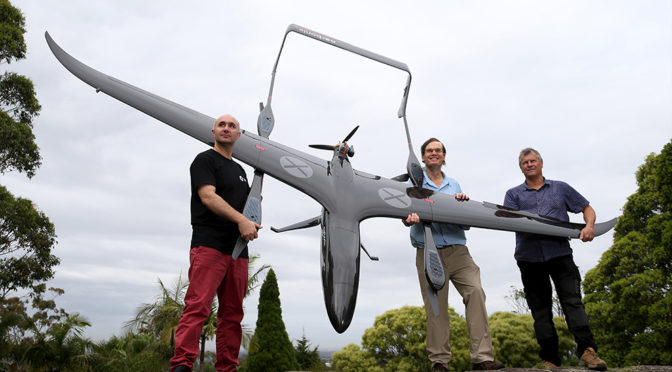
Image: Supplied. (From left to right) Dario Valenza, Founder and CTO, Carbonix; Dr. Andrew Tridgell, ANU; Rowan Watkins, Pilot and Regulatory Specialist

Australian drone manufacturer Carbonix has been selected by the Australian National
University
(ANU), in a competitive tender process, to provide a long endurance vertical take-off and
landing (VTOL) drone solution to be used for a five-year project, in collaboration with the ACT Rural
Fire Service (RFS), on the early detection of bushfires.


ANU will work in partnership with Carbonix to evaluate autonomous scout drones for bushfire ignition
detection and be part of the ANU-Optus Bushfire Research Centre of Excellence, co-funded by Optus
and ANU.


ANU has confirmed an order for a one-year Drone-as-a-Service (DaaS) solution with a Volanti
Intelligence, Surveillance, Reconnaissance (ISR) solution with potential to purchase the longer-range
Domani ISR solution in 2022.

The Volanti will provide ANU a platform for the first phase of the bushfire project where testing of the
communication network, telemetry distance and ISR camera resolution is key.

Upon the successful completion of phase one, the two-hour flight endurance of the Volanti will be
replaced by the six+ hour flight endurance of the Domani which will also see the Extended Visual Line
of Sight operations (E-VLOS) capability upgraded to Beyond Visual Line of Sight (BVLOS) capability.

“We are excited and honoured to work with ANU and the ACT RFS in this multi-year project which will,
hopefully, mitigate bushfire impact on communities and the environment by identifying bushfire
locations at an early stage,” said Carbonix CEO Stephen Pearce.


“We are pleased to provide ANU with our unique DaaS model, which aims at overcoming barriers to
entry by removing pain points associated with adopting aerial data solutions.”


We offer a bundled package on a subscription basis that includes the unmanned aerial vehicle (UAV)
system and payload, training, maintenance and upgrades, compliance, even insurance, thus providing
a turnkey solution to ANU.”


Deputy Director of the ANU-Optus Bushfire Research Centre of Excellence Professor Robert
Mahony said ANU had a national role to take leadership in key challenges facing Australia and help
build sovereign capability to tackle those challenges.


“With the funding provided in the ANU-OPTUS Centre of Excellence we identified the importance of
drone surveillance in addressing catastrophic bushfires in Australia and built a research program to
develop and evaluate the technology and its capabilities,” he said.


“Carbonix was chosen in a competitive tender process to provide the aerial platform for the research
program.


We are proud to support an Australian company and are working in partnership with them to build
sovereign capability in long range commercial drones within Australia.”

ANU follows a cohort of high-profile early-adopters, including Hitachi, Harvard University and NSW
energy provider Ausgrid, which have utilised Carbonix aerial data capture solutions for environmental,
conservational and bushfire prevention missions.

New biosecurity collaboration to protect Australian citrus industry

Image: Shutterstock

Australia’s $900 million citrus industry could face serious production and market access risks if the industry is not adequately prepared to manage future biosecurity threats.

A new five-year national biosecurity program, CitrusWatch, is a collaborative effort that is designed to protect the citrus industry from harmful exotic pests and diseases such as Asian citrus psyllid (Diaphorina citri) and huánglóngbìng (HLB). 

CitrusWatch is funded by Hort Innovation, using the citrus research and development levy, the Plant Health Australia (PHA) biosecurity levy and contributions from the Australian Government.  The Northern Territory Government’s Department of Industry, Tourism and Trade (the department) and research group, Cesar Australia, will provide surveillance, communication and research support. 

Led by PHA, with activities coordinated by Citrus Australia, the program aims to expand surveillance, conduct industry training, lead risk assessment and modelling, and improve governance and collaboration. 

“CitrusWatch is designed to bolster surveillance mechanisms and increase expertise to quickly detect, identify, and address incursions of high priority pests,” said Dr Sharyn Taylor, National Manager Surveillance and Diagnostics at PHA.  

Early detection of an exotic pest means taking early containment or eradication action during an incursion. A strong collaboration of industry, government and the community set a new standard in successfully eradicating citrus canker from the Northern Territory and north-west Western Australia. Australia was declared citrus canker free within three years of first detecting the disease. 

“CitrusWatch will further build and protect this partnership approach,” said Dr Taylor. 

The Northern Territory Government’s Chief Plant Health Officer, Dr Anne Walters, said the department is looking forward to utilising existing relationships across northern Australia to deliver the five-year project. 

“Building on our learnings from the recent citrus canker eradication and odour detection programs will enable us to develop more effective and robust approaches to identify and target high priority pests. We are particularly excited about the opportunity to engage with industry and the community to extend our surveillance network and improve awareness of biosecurity more broadly,” said Dr Walters. 

The Australian citrus industry is a large and vibrant horticultural industry, with over 28,000 hectares of citrus planted by around 1,400 growers. Oranges, mandarins, lemons, limes, grapefruit and tangelos are grown in most states and territories. 

“Australian citrus is a mature export industry with access to most major markets around the world,” said Citrus Australia CEO Nathan Hancock. 


“An exotic pest or disease incursion could shut the industry down overnight. We have a strong focus on staying disease and pest free to maintain access to world markets and support our growers,” he said. 

CitrusWatch’s holistic surveillance approach will not only include commercial production areas, but also, high-density, high-risk, urban and peri-urban regions throughout Australia, to support both an industry and community early detection network.  

As part of the program, the Biosecurity Plan for the Citrus Industry (Version 3, PHA 2015), will be reviewed and updated. Modelling the Asian citrus psyllid risk of entry, spread and establishment based on available biological and climatic data, will also be an important program activity.

Advanced repair technology shows promise for rails in remote locations

Researchers from Monash University and ANSTO collaborated with engineers from the Institute of Railway Technology (IRT)the premier track and vehicle railway research centre in Australia and Hardchrome Engineering,  a sovereign heavy manufacturing company to develop a reliable and efficient laser-based rail repair technology.

Roy at Kowari

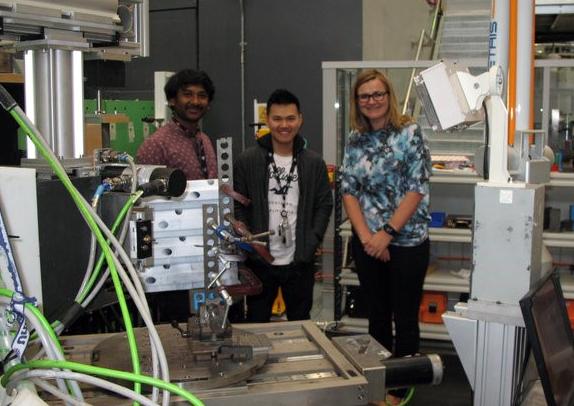
Taposh Roy (left) , and Quan Hoi (centre) with Anna Paradowska at the Kowari instrument

The team used a nuclear technique at ANSTO’s Australian Centre for Neutron Scattering on the Kowari instrument to evaluate a laser cladding repair technique, which is an established method to repair high-value components in other industries on heavy haul rails.

The method could increase the service life of rails and reduce maintenance time and costs, as repairing rails is preferable to replacing them.

Industry partner Hardchrome, an ARC Linkage project partner, have vast experience and expertise in the use of laser cladding technology for manufacturing and repairs in the mining sector.   

Heavy haul rails repairs, however, present significant challenges to the manufactures as they cannot be performed in the controlled environment of the factory but rather need to be done in the remote areas of the Australian outback.

In research published in the Journal of Materials Processing Technology, they conclude that advanced laser technology could be used on heavy haul rails and that detrimental stresses could be reduced or mitigated from critical regions of the repair.

With laser cladding, repairs are made by coating the damaged rail surface with a stainless steel or cobalt-based alloy in single or double layers using a laser technology.

“Laser cladding can deposit these beneficial materials onto damaged areas but can also introduce or re-distribute residual stresses,” explained Taposh Roy, Monash PhD graduate,  currently a Project Engineer Melbourne Metro Trains.

Stresses in heavy haul rails

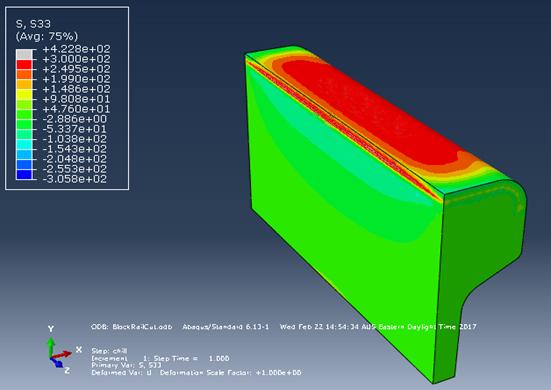
Investigators used neutron scattering on the Kowari strain scanner on a full-scale railhead to measure residual stresses created by the heat generated by the laser during the cladding deposition process (pictured above).

As part of this, the team developed a new procedure to evaluate residual stresses in thick sections of full-scale cladded rails.

“Only neutrons can penetrate through the deep surface of the rail material, and measure full triaxial stress distribution non-destructively with little preparation” said Roy.

To acquire measurements in small gauge volumes on a large path length through the steel, they made blind holes in the sample. Taking measurement at the middle of the two holes,  also avoided a disturbance of local stresses.

“We found that the application of a post cladding heat treatment significantly reduced the residual stresses from the surface and the subsurface of the cladded rails,” said Roy.

The method appears to be superior to conventional arc weld based cladding methods, the most common techniques to repair wear damage in rails.   

“These successful in-house repair trials are very encouraging to explore further the application of this technology as a portable and mobilised unit, that can be deployed to address the rail maintenance problems in remote areas of Australia,” said Prof Anna Paradowska, Industry Engagement Manager, Australian Centre for Neutron Scattering and Conjoint Professor The University of Sydney.

This research was a finalist in ANSTO’s Neutron and Deuteration Impact Awards, demonstrating its relevance to transport, one of Australia’s research priorities.

New tracking and metrics platform to unlock $2 trillion economic opportunity

Image: Supplied

A new circular economy metrics platform has been launched by NSW Circular to help councils, precincts, industry and communities track their transition to zero waste. 

The dashboards, with consistently updated data, provide key performance indicators on the progress of the circular economy in Australia, how much waste we are generating, what types of waste, and where circular economy opportunities may be growing. 

NSW Circular CEO Lisa McLean said: “The circular economy is a $2 trillion opportunity in Australia – these metrics will help government, councils, industry and all of us track how we are progressing to unlock new business opportunities, jobs and investment,” 

“As we enter the resource and carbon-constrained economy, recycling, reusing and designing out waste will provide exciting new circular economic opportunities,” 

“These metrics will help identify areas where waste can be used as a resource, how new emerging circular industries and jobs can be measured and help us all get on with building a strong zero-waste, zero-carbon circular future.” said McLean. 

The two new dashboards from NSW Circular launched today are as follows: 

1. Australian Circularity Benchmarks: A new portal by NSW Circular where business, government and communities can track Australia’s progress to a circular economy.

2. My Circular Community: Bespoke peer benchmarking reports and interactive metrics dashboards for local councils and their community to visualise key waste management and recycling metrics and trends to expand services and solutions. Councils and professionals who work with councils can work with NSW Circular to obtain a specific report for their local government area. 

NSW Circular Chief Circular Economist Dr Kar Mei Tang said: “Measuring our progress towards a circular economy begins with knowing how we are tracking, both historically as well as against our peers.” 

“We hope these metrics will be important tools for councils, government agencies, researchers and companies working to reduce waste and carbon emissions”, said Dr Tang. 

Globally renowned Professor Shizhang Qiao crowned SA Scientist of the Year

Image: Professor Shizhang Qiao from the University of Adelaide. Photographer Randy Larcombe

The prestigious title of 2021 SA Scientist of the Year was awarded to Professor Shizhang Qiao from the University of Adelaide for his transformative work in materials science for energy conversion and storage technologies.

Professor Qiao has earned a strong global reputation, with highly cited work across multiple disciplines (materials engineering, physical chemistry, electrochemistry and quantum chemistry) set to advance the world’s sustainable energy capabilities. 

The news was announced alongside other category winners of the 2021 SA Science Excellence and Innovation Awards, held at Tonsley Innovation District on Friday 26 November.

Minister for Innovation and Skills David Pisoni used the occasion to commend the incredible efforts of all SA Science Excellence and Innovation Award finalists and winners. 

“Everyone recognised in the SA Science Excellence and Innovation Awards program has an incredible body of work behind them,” Minister Pisoni said.  

“This cohort of top scientists, innovators and STEM educators deserves to be publicly acknowledged and celebrated for their contributions to the South Australian economy, community, and—in many cases—the world. 

“A special congratulations to Scientist of the Year Professor Shizhang Qiao and Novatech Innovator of the Year Associate Professor Justin Chalker for taking out the night’s top honours. 

“While the work of these two STEM professionals is very different, they share a passion for research that has the potential to make existing industries cleaner, smarter, and more sustainable.”

Chief Scientist for South Australia Professor Caroline McMillen said the awards showcase achievements of scientists and innovators across the entire research and innovation value chain.

“The work of our finalists and award winners is driving the future of our industry sectors, shaping the future of our health care, ensuring the future of our environment and building our next generation of future scientists and innovators,” Professor McMillen said. 

Winners in each category of the 2021 SA Science Excellence and Innovation Awards are listed below: 

  • Scientist of the Year: Professor Shizhang Qiao
  • Innovator of the Year (Sponsored by Novatech): Associate Professor Justin Chalker
  • STEMM Educator of the Year – Primary or Secondary School (Sponsored by Telstra and the Commonwealth Bank of Australia): Mr Graham Wegner
  • STEMM Educator of the Year – University or RTO (Sponsored by Commonwealth Bank of Australia and Telstra): and the Professor Giselle Rampersad
  • Excellence in Science and Industry Collaboration: Australian Institute for Machine Learning Industry Solutions
  • PhD Research Excellence Award: Dr Alicia Byrne

To learn more about the vital work each winner is conducting, visit  www.scienceawards.sa.gov.au/2021-winners.

Bionic Vision Technologies keeps its eye on the prize

Image: Shutterstock

First, they restored hearing for the deaf. Now, they’re creating functional vision for the blind. 

The people who helped develop the world’s Cochlear implant are now leading the global race to produce the first bionic eye. 

Australian company Bionic Vision Technologies (BVT) expects to begin an international trial in 2023, hoping for approvals to commercialise its product.

Trials of BVT’s first- and second-generation bionic eye systems in 2012 and 2016 delivered positive results with life-changing improvements. 

Participants with near-total blindness, who suffered from inherited retinal diseases, were able to recognise the faces of loved ones in a cafe, recognise traffic signals and signs, and identify boats on the water.

“To lose your sight after suffering from an inherited retinal disease is absolutely devastating,” CEO of BVT, Dr Ash Attia, said. “So, for me, it’s a miracle to be able to give functional vision back.”

Image: Ash Attia CEO of Bionic Vision Technologies (provided)

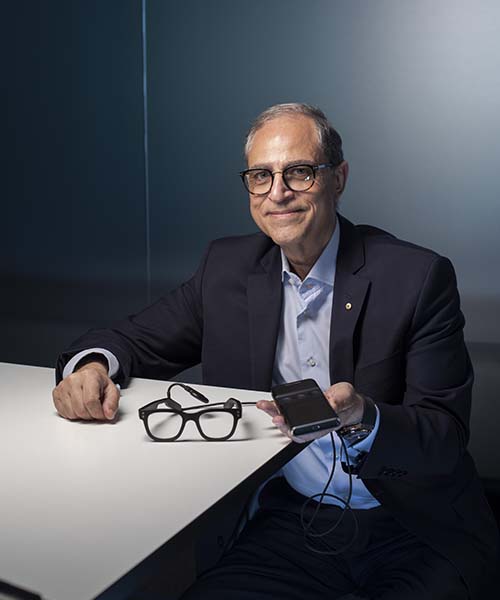
BVT’s Bionic Eye System consists of a pair of high-tech glasses and a surgical implant. Cameras inside the frame of the glasses translate images into electrical signals, which travel through electrodes implanted behind the retina. This delivers visual information to the person’s brain. 

In September this year, US company Cirtec Medical took a strategic stake in BVT to help create the Gen 3 Bionic Eye. Now, BVT is seeking to raise US $30 Million in equity funding to manufacture clinical units and conduct clinical trials in Australia, China, the US and the EU.

“With the extra funding, we can finally conduct the third and final trial, and gain regulatory approval from health authorities,” Dr Attia said. “Then, people who desperately need it will be able to get access to the Bionic Eye.”

Dr Attia was part of the company which brought the implantable defibrillator to the world. His life’s work is bringing much-needed medical technology to those who need it the most.

Globally, inherited retinal disease impacts around 3.9 million people. The Bionic Eye market for people affected specifically by retinitis pigmentosa is around $3.4 billion.

After 12 years in development, BVT hopes to have its Gen 3 Bionic Eye system available for sale in 2025.

For more information: https://bionicvis.com

ANSTO Innovation Series: Nuclear technology underpinning the space race

The space industry is booming, and ANSTO’s cutting-edge nuclear technology used for materials in extreme environments, radiation detection, and advance manufacturing supports space and aerospace research. Find out about ANSTO’s moonshot deep tech initiatives and how ANSTO is working with industry to reach, explore and gain knowledge in space.

Register for the next ANSTO x Science Meets Business Innovation Series to hear how nuclear technology is helping space and aerospace organisations gain a competitive advantage and delivery benefits for all Australians. Wednesday 3 March 2022 at 12noon (AEDT).

This webinar is FREE to attend and registration is essential. Secure your spot by clicking the button above.

The ANSTO Innovation Series

The ANSTO Innovation Series is a new virtual meet-up that focuses on the key capacities of ANSTO’s people, partners and facilities and how they are meeting global challenges in sustainable industries, medicine, advanced manufacturing and in accelerating small business.

Delivered as a quarterly webinar, the ANSTO Innovation Series features an expert panel exploring the latest science, industry and start-up opportunities, including innovations in energy storage, nuclear medicine and health, engineering new materials and accelerating deep tech business.

The ANSTO Innovation Series is produced in partnership with STEM-specialist publishers, Refraction Media, publishers of Science Meets Business, and hosted by leading science journalist, Lee Constable.

About ANSTO

The Australian Nuclear Science and Technology Organisation (ANSTO) is the home of Australia’s most significant national infrastructure for research. Thousands of scientists from industry and academia benefit from gaining access to state-of-the-art instruments every year.

ANSTO researchers work on global science and technology challenges, and operate landmark research infrastructure including one of the world’s most modern nuclear research reactors, OPAL; as well as a comprehensive suite of neutron beam instruments at the Australian Centre for Neutron Scattering; the Australian Synchrotron; the National Imaging Facility Research Cyclotron; and the Centre for Accelerator Science. ANSTO also hosts the nandin innovation centre, one of Australia’s few deep technology hubs facilitating industry engagement and research translation.

Subscribe to our regular innovation and research news updates to get notification of the webinars.

Research and Education Leaders to head Women in STEMM Australia

Image: New Women in STEMM Australia co-chairs, Professor Madhu Bhaskaran and Sarah Chapman will uphold the mission of the organisation which is to connect all women, girls and champions of change in STEMM. Image supplied.

Women in STEMM Australia appoints two exceptional leaders, Professor Madhu Bhaskaran and Sarah Chapman, to replace outgoing co-chair and co-founder, Michelle Gallaher, who has now completed her term.

Professor Bhaskaran is a globally recognised engineer and applied research leader, co-leading the Functional Materials and Microsystems Research Group at RMIT University. Ms Chapman is a science educator and Head of Science at Townsville State High School. They will serve in leadership alongside the current co-chair, Dr Marguerite Evans-Galea AM, who will complete her term next June.

Together, the new leadership team wants to create a broader, more inclusive network for a diverse range of underrepresented students and professionals in science, technology, engineering, mathematics, health and medicine across all professional sectors.

Women in STEMM Australia was founded in 2014 and uses its large digital footprint to share wide-ranging information relevant to women and underrepresented groups in STEMM, amplify STEMM associations and social enterprises whose values and goals are aligned, and shine a light on the gaps in sector, including in policy and best practice.

Professor Bhaskaran and Ms Chapman are both long-standing, highly committed advocates of diversity, inclusion and allyship in STEMM and have each served for years on the Women in STEMM Australia board.

Bhaskaran has received numerous awards for her innovative research, industry collaborations and leadership, such as the Batterham Medal from the Australian Academy of Technology & Engineering, the Frederick White Prize from the Australian Academy of Science, and the Eureka Prize for Outstanding Early Career Researcher.

Chapman is a dynamic STEM educator who has received the Prime Minister’s Prize for Secondary Science Teaching for science teaching excellence and the Barbara Cail Fellowship from Chief Executive Women Australia. She also established the Townsville STEM Hub for North Queensland which brings the community together, and she is a STEM Ambassador with Science & Technology Australia.

Professor Bhaskaran said, “It is an honour to take on this role alongside Sarah and I am excited to see how we can bring our multi-sector experience to this organisation’s leadership. Diversity and inclusion conversations and measures have come a long way since Women in STEMM Australia was first established and I am very proud to have this opportunity to take the organisation forward with a clear lens of intersectionality.”

Sarah Chapman said “I am humbled to continue on the Women in STEMM Australia legacy founded by two very inspirational women, Marguerite and Michelle. This organisation will continue to connect women across the nation and provide a platform of influence, allyship and advocacy. I am moved to have the opportunity to co-lead with Madhu and bring more depth of focus on underrepresented groups within the STEMM ecosystem.”

Ms Chapman said that she was passionate about continuing to build the connections and opportunities for collaboration moving forward. “In the current trials thrust upon us by this pandemic, addressing gaps within the STEMM ecosystem will require the efforts of us all. It is crucial to come together, to amplify the diverse voices around us and embed them into the fabric of each STEMM sector.”

Professor Bhaskaran and Ms Chapman join the new leadership team at a time when Australia’s STEMM ecosystem is experiencing unique, unprecedented challenges in research, education and business.

Dr Evans-Galea said that many organisations, students and professionals have faced a range of different challenges including high-pressure situations to keep business afloat and staff employed, isolation from friends and family, as well as their campuses and workplaces, with many experiencing significant job insecurity or unemployment.

“Rising stars and STEMM leaders in industry, academia, education and business are all finding it hard for different reasons. Students and professionals who are carers have been hardest hit, especially with school and childcare closures, and the health system under pressure”, she said.

“Women in most sectors are completely burnt out and in need of greater support from governments, organisations and leaders, as well as their peers”, she said.

Michelle Gallaher, cofounder, Women in STEMM Australia completes her high impact term as co-chair and public officer [Image: WiSA; Bizzarri Photography]

Outgoing co-chair Michelle Gallaher cofounded Women in STEMM Australia and has served as a volunteer director and co-chair since 2014. She has been applauded and commended by cofounder Evans-Galea and the board for her exceptional leadership and impact. Gallaher is proud of the legacy she has co-created.

“I am delighted to reflect and celebrate the achievements of our diverse community at this important moment, and to pass the baton to the next generation of leaders. The act of passing the leadership on, recognises and models the importance of relinquishing a seat to make way for new voices and ideas,” said Gallaher. “An action that we need to see more of in the STEMM community.”

“Alongside my friend and collaborator Dr Marguerite Evans-Galea, I’m very fortunate and proud to have played my part in creating a catalyst for change, for amplifying the value and voices of Australian STEMM women, for sharing bold ideas and uncomfortable truths, and for an opportunity to learn and unlearn, creating a path for women and allies who come with us and after us”, Ms Gallaher said.

“Women in STEMM Australia is in very good hands, and thankfully so, as there is still much work to be done to close the gap.”

Background

Professor Madhu Bhaskaran co-leads the Functional Materials and Microsystems Research Group at RMIT University. Her work on electronic skin and wearable sensors has been patented and her group now works collaboratively with multiple industry and design partners to commercialise the technology for healthcare and aged care. She has won several awards and fellowships for her research including competitive Australian Research Council Postdoctoral Fellowship (2010-2014) and Australian Research Council DECRA Fellowship (2016-2018). She has also won a Victoria Fellowship and has been named as one of Top 10 Innovators under 35 for Asia (MIT Technology Review 2016).

A staunch advocate for women in science, Professor Bhaskaran is co-founder of the Women Researchers’ Network at RMIT University and has served on the Executive then Board of Directors with Women in STEMM Australia since 2015.

Sarah Chapman is Head of Department at the Department of Education and Training at Townsville State High School (Queensland). She graduated from the James Cook University (JCU) with a Bachelor of Science (Honours Class 1) in 1999 and a Bachelor of Education in 2004. Sarah has been instrumental in the development and implementation of the Australian School Innovation in Science, Technology and Mathematics project which aims to develop specific skills and an interest in science in middle school students. This project has promoted teacher confidence in teaching science and improved school links with the community and JCU, and has facilitated an easier transition for students from primary to secondary school.

Sarah was a Teacher Finalist in the 2013 BHP Billiton Science & Engineering Awards and her work has been recognised with an Australian Award for Teaching Excellence in 2009, and the prestigious 2013 Prime Minister’s Prize for Excellence in Science Teaching in Secondary Schools. Sarah wants to see greater diversity in science and is keen to encourage all of her students, girls and boys, to participate.

About Women in STEMM Australia

Women in STEMM Australia is a non-profit organisation founded in 2014 which has grown into a nationally and internationally recognised association for women in science, technology, engineering, mathematics and medicine (STEMM).

Our core purpose is to advocate for gender equity and equality in Australia’s STEMM sectors, and support initiatives that drive change in the workplace and learning space, engage on gender equity in STEMM, whilst upholding core values such as respect and scientific excellence. Our role is to ensure women in STEMM with the capacity and capability to contribute to the innovation agenda are equally included, recognized and rewarded for their experience and expertise. Our activities welcome and aim to benefit all women in STEMM regardless of their discipline and profession.

Our philosophy is “Pay It Forward” and we uphold the core values of scientific excellence and respect for all. Women in STEMM Australia has created a diverse, inclusive network of STEMM professionals at all levels of academia, industry, education, business and government, and includes all women in STEMM regardless of their discipline and profession.

Defence innovator takes out Advanced Technologies prize

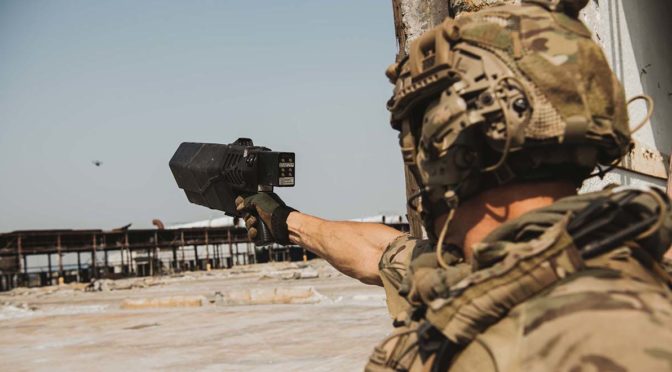
Image: The DroneShield in use by the military. Image: supplied by DroneShield.

Emerging NSW defence and security contractor DroneShield has beaten some of the nation’s leading companies to be crowned the winner of the Advanced Technologies Award at the 59th Australian Export Awards.

This year, the NSW firm has established itself as a global market leader in counter drone protection – while also expanding into radar, sensor fusion and artificial intelligence.

By harnessing these technologies, the firm is creating advanced defence systems which can identify drones by their make and model, determine if they are armed, and knock them out of the sky if necessary to protect airports, civilian population centres and military facilities.

Despite being founded in 2014, DroneShield already has customers in more than 120 countries, including the Australian Army and the US Department of Homeland Security.

Minister Tehan said that he was in awe of all winners this year, who he believed should all be commended for their ability to adapt and excel during a once-in-a-century global pandemic.

“Every business tonight is an exemplar of the Australian spirit, our dedication and ingenuity. Australians never shy away from adversity and their willingness to carry on is an inspiration to us all,” Mr Tehan said.

“Together, these businesses have contributed more than $6.2 billion in export earnings to the Australian economy and employ more than 17,700 people.”

DroneShield CEO Oleg Vornik said the company was thrilled to be recognised as Australia’s top Advanced Technology exporter.

“We’d like to take this chance to thank the Federal and NSW governments for their continued support which has allowed us to rapidly expand our operations around the globe.”

Mr Vornik says the key to the company’s success is their commitment to public safety and working closely with defence and government partners.

“We’re thrilled to be a growing STEM employer who has some of the nation’s brightest minds on our team working together to keep the public safe.” 

The annual Australian Export Awards are presented by the Australian Trade and Investment Commission (Austrade) and the Australian Chamber of Commerce and Industry (ACCI), in collaboration with the states and territories.

The best in humans and machines combine to reimagine intelligence

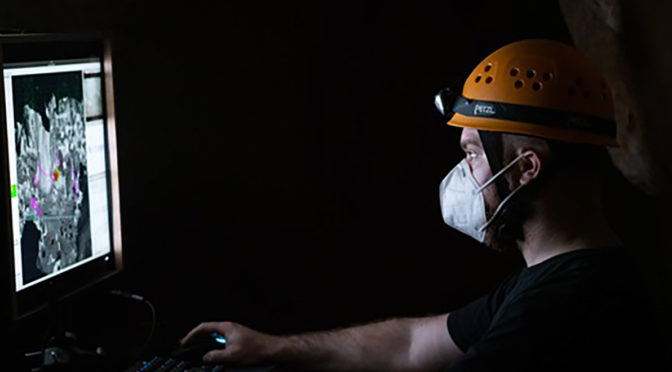
Image: A human operator is providing mission goals and supervision to a team of robots during a Darpa subterranean challenge deployment inside a natural cave system. Image: Katrina Lo Surdo.

Australia’s national science agency, CSIRO, will be part of reinventing the way humans and Artificial Intelligence work together, contributing to global efforts to design a completely new capability called ‘Collaborative Intelligence’.

The newly launched $12 million Collaborative Intelligence (CINTEL) Future Science Platform aims to move beyond machines replacing people or automating their jobs, and instead to create teams that maximise the benefits of both human and machine intelligence. 

One of CINTEL’s first projects will draw on the expertise of CSIRO’s Robotics and Autonomous Systems Group who recently claimed a silver medal in the international DARPA Subterranean Challenge. The challenge, which has been described as the ‘robot Olympics’, involved using teams of robots to explore and locate objects in unmapped underground environments under the supervision of a human operator.  

Above: Dr Cecil Paris is CSIRO’s collaborative Intelligence Leader


CINTEL Leader Dr Cécile Paris said lessons from the challenge could help inform future human/robot teaming. 

“The project will focus on developing a richer, dynamic human-robot collaboration, enabling humans and robots to respond in real time to changes in the environment and make better decisions, together,” Dr Paris said.  

“CINTEL will research dynamic situation awareness and mechanisms to ensure a collaborative dialogue between humans and robots throughout, for example, a rescue mission.  

“Rescue missions are often ill defined and dynamic, and the humans must use their own knowledge and skills, like reasoning, intuition, adaptation and experience, to identify what the robots should be doing. CINTEL will investigate how humans can fully utilise their unique skillset in collaboration with the robots for successful outcomes.” 

Other early CINTEL projects include developing a digital team member to help scientists make sense of the massive amount of information in modern biological collections and supporting cybersecurity analysts with collaborative surveillance. 

The program will be run by CSIRO in collaboration with research and impact partner Saber Astronautics, as well as Emesent, the Queensland AI Hub, TAFE Queensland, Aged Care Industry Technology Council, Global Community Resourcing, the Department of Defence, the Queensland University of Technology, and researchers from Monash University and the University of Sydney.  


Dr Paris said CINTEL program’s goal is to leverage the fundamental differences between human and machine intelligence to ensure the best outcomes. 

“We’re used to hearing about machines competing with humans in games like chess.  

“But what isn’t as well known is that humans collaborating with AI have proven superior to both the best AI systems and human chess players. 

“Human intelligence is creative and adaptable, while machine intelligence is more specific and able to handle vast amounts of data,” Dr Paris said. 

“For many problems, particularly those that involve complex, changeable and difficult-to-define contexts, we are likely to get better results if we design AI systems explicitly to work with human partners, rather than attempting to do the job themselves.  

“This requires a new way of thinking, both about how we design AI systems and how workers across different occupations and industries should work with them,” Dr Paris said. 

Collaborative intelligence moves beyond the idea of machines replacing people or even just ‘keeping people in the loop’, aiming instead to unlock completely new capability by creating teams that maximise the benefits of both types of intelligence. 

“This is the next scientific frontier of digital transformation,” Dr Paris said.  

CINTEL will run for four years and will bring together behavioural and social scientists with computer, robotics and domain experts to develop the general-purpose technology needed to facilitate collaborative human/machine teams.  

The program is part of CSIRO’s Future Science Platforms portfolio, aimed at dedicating research to new and emerging opportunities for Australia.

First published by CSIRO

Strategies for increasing representation of girls in STEM & IT

A new report from Monash University has identified best practices and strategies to overcome barriers that prevent young girls and women from pursuing STEM and IT education. 

The new report, which was led by Monash University’s Faculty of Information Technology (IT), identified best practices for recruitment and retention of young girls and women in STEM and IT education such as reaching out to girls early in schools, recruiting strategically into undergraduate degrees and facilitating positive and inclusive experiences during their education.

Data from UNESCO in 2017 shows that out of the total enrolments of global STEM-related higher education only 35 per cent were women and the numbers are lower in Australia, with enrolment rates of women below 20 per cent of total enrolments in 2019. 

The report looked at US-based and Australian studies that showed persistence of gendered stereotypes, influence of parents, educators and peers, and a lack of exposure to female role models in STEM and IT fields were some of the main factors preventing young girls from pursuing STEM education in schools and universities. 

Study author, Associate Dean (Equity, Diversity and Inclusion) Associate Professor Yolande Strengers, said identifying critical factors that present barriers to women can help to provide valuable insights into how institutions can nurture a more welcoming environment to improve the representation of women in STEM and IT fields. 

“Our report identifies US-based, Australian and other programs around the world that have achieved results through promoting computer sciences to young girls early in schools, introducing women role models and adjusting admission policies to adapt and target recruitment of more women,” Associate Professor Strengers said.

“Programs like ‘Girls on the Go’ from Miami University, the Digital Divas Club in Victoria or the Women in Technology Mentoring program at Monash University are a step in the right direction and we need a lot more initiatives like them to turn the tide.” 

Faculty of IT Interim Dean Professor Ann Nicholson, said the best practices identified through this research will help to guide the expansion of existing initiatives designed to encourage young girls and women through outreach, targeted degrees and cultivation of positive student experiences. 

“As highlighted by the research, there is an urgent need to increase the number of women entering STEM and IT fields,” Professor Nicholson said.

“We cannot look at this unilaterally as being a women’s issue that needs to be worked on only by women. We need to adopt a holistic approach in creating inclusive mindsets, interactions and institutions that move towards a more balanced future.” 

Inspired by the strategies identified in the report, Superbots Industry Immersion, a pilot program to engage young girls in computing, was launched on 22 November by the Monash Tech School in partnership with the Faculty of IT and the Women in Voice ANZ chapter. 

With the goal to provide positive exposure to computing and technology during a crucial decision-making period, during the program Year 9 girls created their own voicebot personalities and received feedback from women within the industry to help explore the history, ethics, and societal influences on voice-assisted software development.

The report and Superbots Industry Immersion program are initiatives of the Equity, Diversity and Inclusion (EDI) Committee formed by the Faculty of IT. 

Going forward, the EDI Committee aims to undertake research and develop further initiatives on supporting the participation of other underrepresented and/or disadvantaged groups in IT and STEM fields, such as people living with disabilities, those from low socio-economic backgrounds and the LGBTQIA+ community. 

To view the full report, please visit https://www.monash.edu/it/edi/insights

Can spare EV battery capacity support the grid?

Image: Shutterstock

The University of Queensland (UQ) has launched a world-first international trial to see if the spare battery capacity in electric vehicles (EV) could be used to support the uptake of renewable energy, support the grid, and even potentially power homes in the future.

In a project co-funded by the iMOVE Cooperative Research and an Advance Queensland Industry Research Fellowship, UQ has partnered with analytics platform Teslascope to recruit Tesla owners internationally to take part in the study which will closely look at driving and charging behaviour across the globe.

Dr Jake Whitehead, E-Mobility Research Fellow at UQ, said while EVs are increasingly coming to market with more than 400km driving range, most are only driven less than 50km a day.

“This provides a unique opportunity to leverage this spare energy capacity to absorb renewable energy generated in the middle of the day and overnight, and potentially even export energy to power homes and support the grid in the future using vehicle-to-grid (V2G) chargers,” Dr Whitehead said.

Dr Whitehead said with increasing numbers of electric vehicles globally, many questions are being asked around how this EV technology cannot only deliver the necessary emissions reductions in transport to reach net zero emissions by 2050, but also how they can provide other energy services.

“We have a unique opportunity through this project to better understand EV driving and charging behaviour in different markets, and what are the opportunities to use EVs to provide energy services and generate extra income for owners in the future,” he said.

iMOVE managing director Ian Christensen said transport accounted for about 24% of direct carbon dioxide emissions from fuel combustion globally, with demand for transport expected to grow significantly in the coming decades.

“Electrification of transport has been identified as one of the major pathways for reducing emissions – and by leveraging EV battery spare capacity and using smart charging technology, excess solar could be absorbed by vehicles parked during the day, and potentially discharged to support the grid during the evening using vehicle-to-grid (V2G) infrastructure,” Mr Christensen said.

“For smart charging infrastructure to deliver these benefits, EV uptake must be significantly increased, and importantly, EV owners must be willing to use their vehicles as ‘batteries-on-wheels’,” he said.

Dr Whitehead said the study aims to initially recruit 500 Tesla owners.

He said the study would use Teslascope’s platform to collect vehicle usage data without any hardware, but by directly pulling data – with owner’s permission – through the vehicle’s API. In exchange for agreeing to participate in study, users will be provided with a free 12-month premium subscription to Teslascope.

Tesla owners can express interest in participating in the trial here: https://teslascope.com/research

For the initial phase of the study, Tesla owners in Australia, the United States, Canada, Norway, Sweden, Germany and the UK are eligible to apply. As more manufacturers integrate API access into their vehicles, the intention is to expand the program to include other vehicle brands.

All user data will be kept secure and confidential.

“With the support and trust of users we will be able to leverage these learnings to influence government policy – including the rollout of public charging infrastructure. We also aim to use the findings of this research address some of the common misconceptions about how EV owners use their vehicles, and highlight how this technology provides far greater benefits, than risks, to the energy sector,” Dr Whitehead said.

Australia and United States partner to build quantum

Image: Shutterstock

Australia and the United States have signed a landmark statement of intent to cooperate and share in the enormous opportunities and benefits that world-leading quantum science and technology advancements present.

The Joint Statement of the United States of America and Australia on Cooperation in Quantum Science and Technology strengthens Australia and the United States’ ability to exchange quantum knowledge and skills.

The statement creates more opportunities to promote research and development, and encourages greater market access for quantum businesses in both nations.

Minister for Science and Technology Melissa Price said signing the joint statement recognises the role quantum will have in helping solve global challenges.

“As a critical technology that will shape our world for years to come, quantum technology offers incredible opportunities for Australia and the United States,” Minister Price said.

“This joint statement with the United States builds on our already strong strategic partnership when it comes to science and technology and will help us build a quantum future together.

“Quantum technologies will help us overcome significant challenges that current computers struggle to solve, will help make our day-to-day lives safer and more convenient, and create more secure communications technologies.

“This is an important step forward for advancing quantum technologies in both Australia and the US, and will create more opportunities for Australian business and researchers to leverage the opportunities this technology will create.”

The President’s Science Advisor and Director of the White House Office of Science and Technology Policy Dr. Eric Lander signed the joint statement in Washington.

“I am delighted to affirm the United States and Australia’s commitment to work together to develop a healthy international marketplace for quantum technologies and grow the workforce for this emerging area,” Dr Lander said.

“Jointly exploring new frontiers in quantum information science will accelerate discoveries and enable revolutionary approaches to computing, sensing, and networking that will benefit all of society.”

Diagnosing jaundice instantly with a digital camera

Image: Shutterstock

Imagine a system that can detect within one second whether a newborn baby has jaundice, a condition affecting 60 per cent of infants, and in severe cases leading to brain damage and hearing loss.

Visualise that system kickstarting a treatment regime immediately and notifying a nurse by text message.

Thanks to researchers from Iraq and Adelaide, all three scenarios are now possible.

Engineers from the University of South Australia and Middle Technical University have designed imaging software that can accurately diagnose jaundice in the blink of an eye, automatically turn on a blue LED light to counteract it and send the diagnosis in an SMS to the carer.

Jaundice is a common condition in newborns, especially premature babies, where there is an overload of an orange-yellow pigment called bilirubin in the bloodstream. It normally resolves quickly when the baby’s liver is mature enough to remove it from the body.

However, in severe cases of jaundice, caused by sickle cell anaemia, blood disorders and lack of certain enzymes, phototherapy is normally used to treat the condition, using fluorescent blue light to break down the bilirubin in the baby’s skin.

UniSA remote sensing engineer Professor Javaan Chahl says jaundice is particularly prevalent in developing countries where there often isn’t the equipment or trained medical staff to effectively treat it.

“Using image processing techniques extracted from data captured by the camera, we can cheaply and accurately screen newborns for jaundice in a non-invasive way, before taking a blood test,” Prof Chahl says.

“When the bilirubin levels reach a certain threshold, a microcontroller triggers blue LED phototherapy and sends details to a mobile phone.

“This can be done in one second, literally, which can make all the difference in severe cases, where brain damage and hearing loss can result if treatment is not administered quickly.”

Researchers tested the system in an intensive care unit in Mosul, Iraq, on 20 newborns diagnosed with jaundice. A second data set captured 16 images of newborns, five of whom were healthy, and the remainder jaundiced. The system was also successfully tested on four other manikins with white and brown skin colours, with and without jaundice pigmentation.

“Previous research using sensors to find a non-invasive way to detect jaundice has fallen short. Methods trialled have been unreliable, costly, inefficient and in some cases caused infections and allergies where sensors needed skin contact,” Prof Chahl says.

“Our system overcomes these obstacles by immediately detecting jaundice based on a novel digital representation of colour which allows high diagnostic accuracy at a relatively low cost. It could be widely used in hospitals worldwide and medical centres where laboratory facilities and trained medical staff are not available.”

The study has been published in engineering journal Designs.

Nominations open for Prime Minister’s Science Prizes

Image: Shutterstock

Peers and colleagues of Australia’s outstanding scientists, research-based innovators and science teachers are urged to nominate them for the 2022 Prime Minister’s Prizes for Science.

Nominations are now open in the seven categories of Australia’s most prestigious science prizes, which award up to a total of $750,000 in prize money.

Minister for Science and Technology Melissa Price said those involved in science and innovation and teachers of science, technology and mathematics can put forward the names of those they wanted to see recognised for their contributions.

“I strongly encourage people to nominate those they know are doing great work in scientific research, research-based innovation, and in science teaching,” Minister Price said.  

“Science, technology and innovation are at the heart of so many of the key opportunities and challenges that lie ahead for Australia. 

“We are working hard to increase the diversity of nominations that are received for the prizes each year – but we need everyone’s help to make this happen. 

“If you know someone who should be recognised, we want to hear from you.

“In 2022 we want to uncover the unsung heroes from all across Australia – people whose work is delivering innovative solutions and creating better ways of working, living and educating in our community.”

The 2022 Prime Minister’s Prizes for Science are: 

  • Prime Minister’s Prize for Science  
  • Prime Minister’s Prize for Innovation  
  • Frank Fenner Prize for Life Scientist of the Year  
  • Malcolm McIntosh Prize for Physical Scientist of the Year  
  • Prize for New Innovators  
  • Prime Minister’s Prize for Excellence in Science Teaching in Primary Schools  
  • Prime Minister’s Prize for Excellence in Science Teaching in Secondary Schools  

The Prime Minister’s Prizes for Science is part of the Inspiring Australia – Science Engagement Program.

Nominations close on 10 February 2022 at 5pm AEDT and can be made at https://business.gov.au/grants-and-programs/prime-ministers-prizes-for-science or https://business.gov.au/grants-and-programs/prime-ministers-prizes-for-science-science-teaching-prizes

Nuclear medicine delivering improvements in diagnosis and treatment of cancer

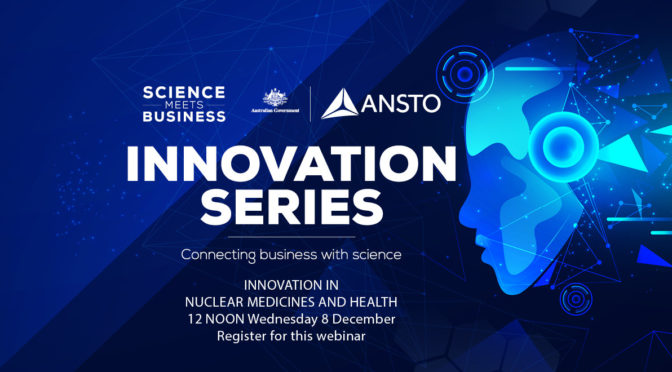
Register for the next ANSTO x Science Meets Business Innovation Series to explore how nuclear medicine is delivering improvements in human health and the treatment and diagnosis of cancer, Wednesday 8 December 2021.

Although many people might know that ANSTO produces nuclear medicines, including the most commonly used diagnostic imaging agent, they may not be aware of the other research and development activities in nuclear medicine that benefit human health.

World-leading nuclear science, combined with expertise of ANSTO staff and collaborators in academia and industry, are at the cutting-edge of investigations into the origin of diseases, like cancer. State-of-the-art nuclear research is finding improved methods to detect, diagnose and monitor the progression of disease and develop therapies to treat disease.

At this free online event you’ll meet experts who are at the forefront of nuclear medicine and research and who are working to save lives.

Meet the Expert Panel

Science broadcaster Lee Constable will host a discussion with:

Rosanne Robinson: Rosanne Robinson is CEO, Detection & Imaging and General Manager, Business Development & Commercialisation at ANSTO. Rosanne is an innovation and research commercialisation professional with broad experience cultivating the interface of science and industry. She has extensive experience in the commercialisation of cutting-edge technology across a range of fields, developing engagement strategies and international commercial partnerships that deliver value to collaborators and customers.

Benjamin Fraser: Ben is a Radiotracer Methods and Organic Chemistry Task Leader, Health Research at ANSTO. He has over 15 years of experience in organic chemistry and radiochemistry and leads the organic chemistry capability and the radiotracer methods research theme in ANSTO LifeSciences.

Ben’s role includes management of the synthetic chemistry laboratories, development of new radiolabeling methods, directing staff on chemical synthesis projects and managing the supply of radiolabelling precursors and standards for the ANSTO radiochemistry team. Ben holds adjunct research appointments at both The University of New South Wales and Monash University.

Professor Geoff Currie, AM: Geoff is a Professor in Nuclear Medicine, Charles Sturt University. Geoff has a bachelor’s degree in pharmacy, a master’s degree in medical radiation science (nuclear medicine), a master’s degree in applied management (health), a master’s degree in business administration (MBA), and a doctor of philosophy (PhD).

Geoff has more than 180 peer-reviewed journal papers, author of two books, author of five book chapters, presented 175 conference presentations, 65 invited speaker presentations, and as a reviewer for 25 international journals. Geoff is an adjunct Professor in Radiology at Baylor College of Medicine in Houston Texas. On Australia Day 2020, Geoff was awarded Member of the Order of Australia (AM) in recognition of his contribution to nuclear medicine and medical radiation science.

Dr Matt Harris: Matt is the founder, former CEO (2010-2019) and currently Chief Scientific Officer at Clarity Pharmaceuticals. Matt has approximately 20 years of combined experience in cancer research, nuclear medicine and business and has a PhD in cancer research from the Australian National University. Matt brings expertise in biotechnology, radiopharmaceuticals, academic research and investment to Clarity and focuses on developing the technology behind Clarity’s products.

Innovation in Nuclear Medicines and Health: 12pm (AEDT) Wednesday 8 Dec 2021 / via Zoom.

This webinar is FREE to attend and registration is essential. Secure your spot by clicking the button above.

The ANSTO Innovation Series

The ANSTO Innovation Series is a new virtual meet-up that focuses on the key capacities of ANSTO’s people, partners and facilities and how they are meeting global challenges in sustainable industries, medicine, advanced manufacturing and in accelerating small business.

Delivered as a quarterly webinar, the ANSTO Innovation Series features an expert panel exploring the latest science, industry and start-up opportunities, including innovations in energy storage, nuclear medicine and health, engineering new materials and accelerating deep tech business.

The ANSTO Innovation Series is produced in partnership with STEM-specialist publishers, Refraction Media, publishers of Science Meets Business, and hosted by leading science journalist, Lee Constable.

About ANSTO

The Australian Nuclear Science and Technology Organisation (ANSTO) is the home of Australia’s most significant national infrastructure for research. Thousands of scientists from industry and academia benefit from gaining access to state-of-the-art instruments every year.

ANSTO researchers work on global science and technology challenges, and operate landmark research infrastructure including one of the world’s most modern nuclear research reactors, OPAL; as well as a comprehensive suite of neutron beam instruments at the Australian Centre for Neutron Scattering; the Australian Synchrotron; the National Imaging Facility Research Cyclotron; and the Centre for Accelerator Science. ANSTO also hosts the nandin innovation centre, one of Australia’s few deep technology hubs facilitating industry engagement and research translation.

Subscribe to our regular innovation and research news updates to get notification of the webinars.
Joint Venture to make GMP theranostic radiopharmaceuticals

Image: ANSTO

Cyclotek and ANSTO have announced the launch of a Joint Venture (JV), to establish Australia’s first GMP (Good Manufacturing Practice) theranostics facility starting in Melbourne, Australia.

The two leading nuclear medicine enterprises have come together to develop, manufacture and supply the next generation of therapeutic radiopharmaceuticals for cancer treatments.

The new company Applied Molecular Therapies Pty Ltd (AMT) will aim to establish a Therapeutic Goods Administration (TGA) approved, GMP manufacturing capability for a range of radiopharmaceutical therapies, initially focused on use of the radionuclide Lutetium-177.

The announcement was made at the National Theranostics Roundtable 2021 – The Future of Precision Oncology in Nuclear Medicine.

Commenting on the JV, the CEO of Cyclotek, Greg Santamaria, said “This new organisation will lead, for Australia, development of a local research and manufacturing base to secure supply of targeted radiopharmaceuticals, with our stated aim of improving cancer patient outcomes with accessible, targeted radiopharmaceuticals.

“This is an exciting development for cancer treatment, enabling the capabilities of both organisations to support TGA/GMP compliant manufacturing of targeted radiopharmaceuticals for the Australian and New Zealand markets.”

Nuclear medicines have been helping cancer patients since the 1940s. The last decade has seen the emergence of new and promising radionuclides primarily for therapeutic applications. Leading the market globally is the use of n.c.a. Lutetium-177 combined with various targeting molecules across a broad range of cancer indications.

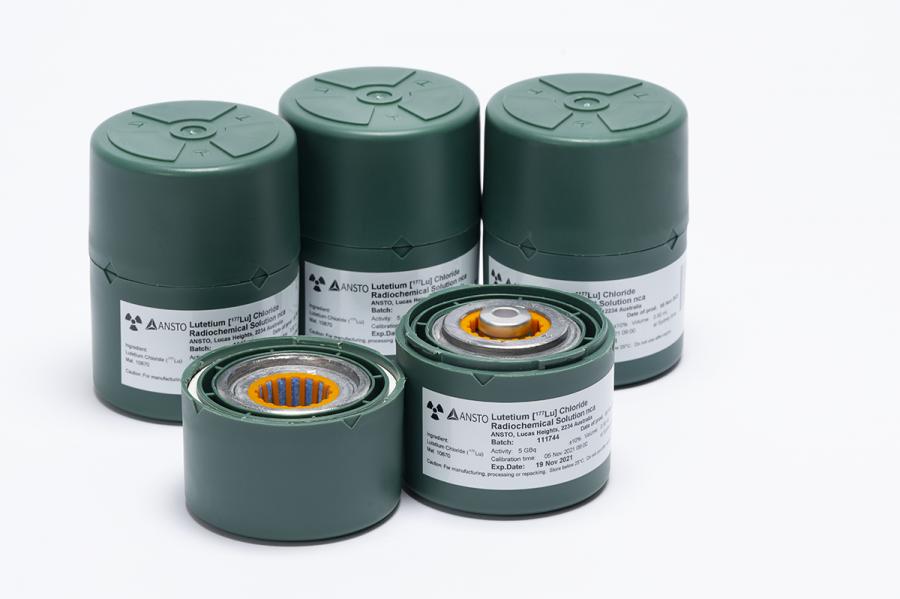
Lutetium Chloride Radiochemical Solution nca

Image: ANSTO

ANSTO has been manufacturing GMP n.c.a. Lutetium-177 radioisotope from their TGA licensed production facility since 2015. Until now, the same level of GMP licensed facilities for the radiopharmaceutical manufacturing has been absent in the Australian market. Globally n.c.a. Lutetium-177 is the preferred radionuclide for clinical development due to its high level of radionuclidic purity and the absence of the metastable Lutetium-177m (160 day half-life) thereby circumventing the cost of clinical disposal management.

“Our aim is for the Lutetium-based radiopharmaceuticals to be fully compliant with Australia’s regulatory frameworks for clinical trials and Special Access Scheme for compassionate use. Patients and clinicians can rest assured that our products will meet all the safety and quality standards expected of a radionuclide therapy,” Mr Santamaria said.

AMT aims to be a radiopharmaceutical Contract Development and Manufacturing Organisation (CDMO) for theranostic radiopharmaceuticals in Australia and New Zealand. Cyclotek executives and senior management will lead and support the business, leveraging their many years of CDMO experience with diagnostic radiopharmaceuticals; with ANSTO providing access to its licensed n.c.a. Lutetium-177 and expertise in research, product development and quality testing. 

ANSTO’s CEO, Shaun Jenkinson, said, “Globally, there is a growing clinical interest in new therapeutic radiopharmaceuticals and AMT will position Australia to participate in this emerging market and to attract global pharmaceutical companies to conduct more clinical trials here.”

“This joint venture will help expand the existing nuclear medicines available to Australia and beyond.”

Tech entrepreneurs and sport scientists unite to drive innovation

Image: Shutterstock

Australian Sports Technologies Network (ASTN) and Exercise & Sports Science Australia (ESSA) announced the signing of a Memorandum of Understanding (MOU), effective from November 2021.

The ASTN-ESSA MOU outlines a collaboration to jointly promote and support industry engagement – helping ‘connect the dots’ by linking startups to the wider sporting community, and facilitating innovation, opportunities, and growth.

As the peak body representing qualified Australian exercise and sports science professionals, academics and researchers, ESSA supports its members, accredited professionals and the community to improve the health and performance of all Australians.

ASTN – the governing body for sports technology and innovation – supports local sportstech entrepreneurs with an opportunity to bring their innovative technology-based product ideas for application in sport to market.

Beyond the joint promotion of events, ASTN and ESSA will drive collaboration between sportstech startups and ESSA’s large member base which includes practitioners like Accredited Exercise Physiologists, Accredited Exercise Scientists, Accredited Sports Scientists and Accredited High Performance Managers.

“This partnership will enable sportstech entrepreneurs to connect with ESSA’s practitioners to get real world feedback – which is critical when validating new technologies as part of the commercialisation process,” said Dr. Martin Schlegel, Director and Board Member, ASTN.

“ESSA’s large member base knowledge is invaluable to our early-stage startups, entrepreneurs, founders, and researchers – it will help facilitate local sportstech startup success and build the future of sport for everyone,” added Schlegel.

“As global leaders in world-class sports technology and innovation, ASTN is a natural fit in helping us provide our members with exposure to the latest technology and cutting-edge ideas. Through this partnership we look forward to driving further innovation and capabilities in the sport sector,” said Ms. Anita Hobson-Powell, CEO of ESSA.

ASTN already has an existing partnership with the Queensland Department of Tourism, Innovation and Sport’s (DTIS) through its flagship program ActiveKIT – which supports innovative solutions within the Active Industry to increase physical activity participation of Queenslanders.

Australian hydrogen company recognised as world leader

Image: CRH renewable hydrogen project offering bus refuelling

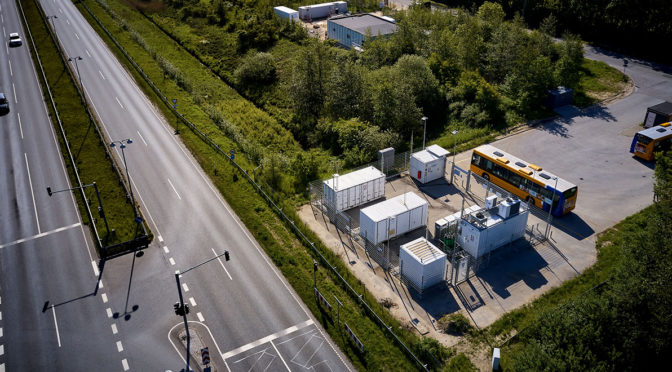
Australian company Countrywide Renewable Hydrogen Limited (CRH) has been awarded “World’s Best Hydrogen Brand” at a global conference in Iceland.

CRH originates and progresses the development of hydrogen projects that use renewable energy resources to produce hydrogen for mobility, the decarbonisation of natural gas and displacing diesel for power generation.

On request, CRH lodged a submission to the Charge Energy Awards and was successful in its category.

CRH Managing Director Geoffrey Drucker said, “We are naturally proud of this achievement being a small Australian company operating in the huge global hydrogen market where there are many large companies investing heavily in hydrogen as the fuel of the future.

“This recognition, in the company of leading organisations like the International Energy Agency, not only made the award substantial, it provided CRH with a platform to participate in the Iceland conference. 

“The timing of the award could not be more opportune now that the Federal Coalition has freshly committed to net zero emissions by 2050. 

“Such a commitment cannot just be in words; action is required to meet such a commitment and the starting points will be the decarbonisation of road transport, natural gas and power generation. In all areas, hydrogen will play a key role.

“Beyond emissions reduction there are other positive outcomes to this commitment. They include investment in hydrogen production, refuelling, education and training to upskill diesel mechanics in maintaining fuel cell vehicles, R&D opportunities for universities, manufacturing and powering remote communities and islands.”

CRH is progressing three renewable hydrogen projects in Australia, one in Tasmania and two in Victoria.  The Tasmanian project will supply hydrogen produced using the state’s abundance of green hydro and wind power to transition road transport to emission-free fuel cell propulsion, blending hydrogen into the state’s natural gas network and replacing diesel for power generation.

The Victorian projects comprise the Melbourne Hydrogen Hub which will supply hydrogen to three bus companies to begin their transition to emission-free transport, and a domestic plus export project at Portland.

CommBank and CSIRO partner to develop climate change insights to boost finance sector resilience

CSIRO, Australia’s national science agency, and Commonwealth Bank of Australia launched a joint public-private sector initiative to investigate potential impacts of climate change to the finance sector. The partnership will develop a roadmap to help financial services companies to manage and reduce the associated risks. 

The project will bring together CSIRO’s deep climate science knowledge with CBA’s understanding of climate risks facing the finance industry to identify the critical factors that could shape future environmental and social policies on climate change.

CBA will provide funding for the research as well as anonymised data and information from across a broad range of industries that are being impacted or are likely to be increasingly affected by climate change, such as manufacturing, infrastructure, and agriculture. 

CSIRO will utilise the data to develop sectoral analysis and different scenarios. CBA will then overlay economic and financial insights to underscore the varying impacts on the Australian economy.

The insights from the project will be publicly available.

CSIRO Chief Executive Dr Larry Marshall said adapting to a changing climate is a competitive advantage for Australia and will build a stronger economy, more jobs, and more resilient communities.

“CSIRO’s unique climate intelligence, supercharged by Australia’s largest data and AI network, and quantitative analytic capabilities can help financial institutions like Commonwealth Bank navigate an uncertain future,” Dr Marshall said.

“Australian businesses can lead our national response, especially when they have access to Australia’s world-class science and insights to guide meaningful, impactful investment in growth opportunities balanced by risk mitigation.

“It sounds impossible, the idea of science predicting the future, but solving the seemingly impossible is what science is for, and giving business the power to get ahead of climate will enable them to build a more resilient and sustainable nation that is globally competitive and prosperous.”

Matt Comyn, Commonwealth Bank CEO, said the partnership with CSIRO would significantly strengthen the efforts being made by financial institutions and their customers and communities to adapt to climate change.

“We believe our collaboration with CSIRO will better inform our approach on how to play a leadership role in supporting Australia’s transition to a more sustainable economy. 

“The best scientific insight, combined with our data and insights, means CSIRO and CBA are well placed working together to help businesses understand what risks they face, how they can adapt and, what opportunities are available to create jobs and investment in a lower carbon economy.”

The project will also capitalise on the significant work already undertaken by CBA to identify the impact of changing climate on the major sectors of the economy and how these risks might be mitigated. 

CSIRO researchers will be focused on filling identified information gaps for the finance sector, such as determining the economic impact of climate change over geographic regions. The independent science-based transition scenarios developed in this project will be used to estimate exposure to climate risks in sectors across the economy.

CSIRO scientist Dr David Newth said insights from the research will be valuable across the finance sector as aspects, such as data for internally consistent climate change scenarios, are likely to be made accessible in the future. 

“Through using models to develop tailored scenarios of how the climate and economy may unfold in Australia and across the world, we can assist businesses like the Commonwealth Bank to understand risks in its portfolio and support its customers and investors to prepare for a changing climate.

“CSIRO will use a coupled economy-wide modelling approach with a focus on agricultural productivity, land use change and other biophysical considerations to understand socio-economic and physical risks posed by climate change on the Australian economy.”

Products developed through this project will become available on a digital platform being developed by the Climate Resilient Enterprise initiative, established through CSIRO’s Mission Program. 

First published by CSIRO

New Australian imaging technology set to provide better insight into aircraft stress

The LTS-640V is a digital imaging machine little bigger than a DSLR camera that provides real time imagery that helps quantify material stress and detect fatigue cracks that could prove dangerous if unchecked.

The LTS-640V is designed to be used during the certification stage before an aircraft is approved for
commercial or military use. The capability it provides will allow for a potentially more streamlined
certification process, and should help eliminate some of the surprises that can occur during testing of
a new aircraft structure.

The technology was developed in collaboration with scientists at the Australian Department of Defence
where a prototype of this technology has helped support sustainment of the F/A-18 Classic Hornet, and
more recently provided Lockheed Martin Aeronautics with valuable new information during structural
certification testing of the F-35 Joint Strike Fighter.

The Australian invention is the first of its kind, providing real time fusion of stress and visible spectrum
imaging – in effect merging the visible with the invisible.

“This inspection approach is based on the ‘thermoelastic effect’; put simply, when you squash something
it heats up, when you stretch something it cools down,” said a spokesperson for the Department of
Defence.

“Think of magic spray which is often used to treat sports injuries – it’s the stretching or expansion of
the gas as it leaves the aerosol can that provides the cooling effect.

“Unlike magic spray however, the temperature changes we’re dealing with are tiny, thousandths of a
degree, but we can still detect them, and quite easily using the advanced algorithms at the core of this
technology,” they said.

This capability has a significant role to play in helping aircraft designers and operators better understand
how an airframe performs under load.

“The technology can improve our ability to quantify stresses, particularly in structurally critical areas
where traditional technologies have very limited capability,” the spokesperson said.

With $275,000 of grant funding, the design team at 1MILLIKELVIN have transformed this groundbreaking
capability into a robust commercial product.

“We are looking to help streamline and improve structural validation processes across the global defence
and aeronautics industries’, says Mr Kheang Khauv, Managing Director of 1 MILLIKELVIN, manufacturer
of the LTS-640V technology.

“This technology has been used to support the Classic Hornet and has demonstrated in the F-35 full
scale durability test program how it can improve the way designers validate modelling of complex
airframe components.

“We are proud our advanced technology is making a contribution to Defence capability,” he said.
Potential applications of the technology extend well beyond aviation, with potential customers including
a wide range of industries both in Australia and around the world.