All posts by Karen Taylor-Brown

Program to accelerate SME growth in space industry

Image: CSIRO researcher working in the CSIRO LAB22 3D-printing facility.

CSIRO, Australia’s national science agency, has opened applications for a new program for small to medium businesses working in the space sector, drawing on its more than 75 years’ space experience to accelerate growth in Australia’s burgeoning space industry. 

Supported by the Australian Space Agency, CSIRO’s ‘Innovate to Grow: Space’ program will support 20-25 small to medium enterprises (SMEs) with mentoring from some of Australia’s leading space experts, including from CSIRO and the Space Agency, access to world-class research facilities and infrastructure, and support to navigate grant application processes.

Innovate to Grow is a free 10-week training program designed to boost the innovation and take-up of research and development (R&D) by Australian small businesses in industries with high innovation potential, like space, agrifood, plastic waste, net zero, and cybersecurity. 

CSIRO Space Research Program Director Dr Kimberley Clayfield said collaboration was key to growing Australia’s space industry. 

“CSIRO works with leading global companies, international space agencies and small-to-medium businesses on a variety of space-related activities,” Dr Clayfield said.

“SMEs have a lot to contribute and when combined with our strong capabilities in Earth observation, robotics, advanced manufacturing and communications, the sky is no limit to what we can achieve together.”

Amanda Falconer, Founder of Bestie Kitchen based in Newcastle, NSW, participated in the Agrifood round of Innovate to Grow.

“Innovate to Grow really made research accessible. Before the program, I thought there was no way that a tiny company like mine could work with CSIRO or a university. Now it has been demystified!” Ms Falconer said.

Following the program, Bestie Kitchen participated in CSIRO’s Kick-Start program, received Federal Government Advanced Manufacturing Growth Centre (AMGC) commercialisation funding, and begun scaled manufacturing from her new factory.

Dr George Feast, CSIRO SME Collaboration Lead said the program built on rich foundations.

“Innovate to Grow: Space is another example of how we’re working to develop innovative technologies and capabilities and support the growth of the Australian space industry,” Dr Feast said.

“With so many incredible opportunities on offer here and globally, we’re committed to helping SMEs understand how to best engage with a R&D partner and understand how to get the most benefit for their needs.”

CSIRO has over 75 years of space-related experience and operates a range of facilities, research programs and industry development activities contributing to the Australian space sector. CSIRO is growing its space capabilities in a wide variety of areas with the aim of generating new innovations that will benefit our nation and help provide new opportunities for the space sector. 

The Australian Space Agency aims to support Australia to significantly grow its domestic sector from around 10,000 jobs and a market size of $3.9 billion to up to another 20,000 jobs and $12 billion by 2030, with further jobs and economy growth from spill over effects.

CSIRO Innovate to Grow is delivered using Practera’s online ed-tech platform and facilitation services.

Applications are open until 22 November. More: www.csiro.au/innovatetogrow

RMIT Electric racing team powered by RS Components

Image: The RMIT Electric Racing Team, sponsored by RS components.

The Formula SAE (Society of Automotive Engineers) competition sees 500 teams of uni students globally compete to design, build and compete in their own Formula-style open-wheeled race car.

Engineering resource and product supplier RS Components are proud sponsors of the RMIT Electric Racing Team.

The vehicles are judged on dynamics, design justifications costing strategies and business presentation and apply rigorous STEM concepts to the build and design process.

RS Components offers a large number of resources for students and educators in the STEM sector, including the latest innovative products & technologies, convenient purchasing options and learning tools to support your classes and curriculum.

“It is thanks to our sponsors like RS Components’ investment and support that we are able to advance the research and development of the team, develop cutting-edge vehicles, and produce high-quality graduates from year to year,” according to RMIT.

“Our partnership with RS demonstrates their active participation in the community and engagement with the next generation workforce allowing students to develop skills they may otherwise not learn at a university level.”

Christopher Carr, Business System Head for RMIT Electric Racing says, “Our project is dependent on the valuable investment by our sponsors who allow us to advance the research and development of the team, develop cutting-edge vehicles as part of the program.”

RMIT Electric Racing formed in 2008 and was the first ever electric vehicle built for the Formula SAE competition. Today, the team includes students across a dozen faculties who demonstrate innovative thinking, initiative and commitment to the real-life commercial project.

Formula SAE graduates are often headhunted for their unique combination of technical skills, strong communication abilities and project management skills.

This article was produced in partnership with RS Components.

Looking for engineering equipment for your lab or classroom? Here are 5 reasons to check out RS.

Image: Shutterstock

Engineers make our lives better and RS Components is committed to inspiring and supporting the future generation of engineers. 

At RS Components, you’ll find an enormous range of electrocomponents and STEM equipment for students and educators. Designed to maximize imagination while honing skills, these innovative products and technologies support students and the curriculum by providing cutting-edge, hands-on opportunities to creatively find solutions to challenging, real-world problems.

Here are just five reasons why you need to check out RS Components:

  1. Give your students the edge with the latest technology. With a huge range of development boards, from affordable microcontroller boards and entry-level development kits to more hands-on sensor and robotic technology, you’ll find some of the best and most exciting brands to bring you the latest innovative technology to your students.
  2. Enormous product range. Explore over 600,000 products from 2,500 suppliers and 60,000 products stocked locally.  Equip your lab with: 
    • 3D printers and materials
    • Safety goggles, gloves, lab coats
    • Batteries and hand tools
    • Soldering stations
    • Bench test and measuring equipment
    • Wires, cables and connectors
    • And much more!
  3. Tap into a deep knowledge reservoir. When you need specialist advice, the RS technical experts are part of your team. They’re there with extensive knowledge of products and specifications to help you make the best choice. RS offers easy access to product support resources online or by phone. You can speak to a live chat member on the website for help in finding products or other technical information. Or take a look at the technical data sheets which are available at product level. This can help save time, allowing you access to technical information 24/7.
  4. Free access to DesignSpark. RS offers FREE access to its DesignSpark suite of specialist software design tools and community. This now includes 3D mechanical design, Electrical design and PCB design. All the tools are free to download, activate and use. Sign up now at www.designspark.com
  5. Fast, flexible delivery options. From same-day to next-working-day to call-off and consolidated delivery, RS Components offer a variety of flexible delivery options to make sure you get your equipment fast and safe.

This article was produced in partnership with RS Components.

COVID-19 vaccine pioneer awarded Prime Minister’s Prize for Science

An evolutionary biologist and virologist who played a transformative role in the global scientific response to COVID-19 has won this year’s Prime Minister’s Prize for Science.

Professor Edward C. Holmes from the University of Sydney received the $250,000 prize for almost 30 years of pioneering research on genome sequencing data, providing invaluable insights into diseases such as HIV, Ebola, SARS and most recently, COVID-19.

Last year Professor Holmes was the first person in the world to publicly share the COVID-19 virus’ genome sequence. This crucial data enabled scientists to start vaccine design within days.

Prime Minister Scott Morrison said Professor Holmes’ research into emerging viruses played a critical role in Australia’s response to COVID-19.

“Science has been at the forefront of our minds for the last 18 months, and Professor Holmes’ contribution to accelerating the development of the COVID-19 vaccine – doses of hope, as I call them – saved countless lives,” the Prime Minister said.

“For over 20 years, the Prizes have recognised remarkable Australians whose dedication to scientific research and innovation has led the way in shaping the future of our country, and Professor Holmes exemplified why we placed our trust in science to effectively respond to COVID-19.

“On behalf of all Australians, congratulations to the scientists, innovators, educators and research organisations being recognised for their dedication to solving the challenges of today and tomorrow.”

The $250,000 Prime Minister’s Prize for Innovation was awarded to Professor Anthony Weiss AM from the University of Sydney for his trailblazing research into accelerating and improving the repair of human tissue. In 2008 he founded Elastagen to commercialise his research and inventions.

Minister for Science and Technology Melissa Price said research-based innovation leading to commercialisation demonstrated the value and importance of the work of Australian scientists.

“I would like to thank this year’s recipients for creating a more productive and more prosperous future for all of us through their research achievements, and for inspiring our next generation of scientists and innovators,” Minister Price said.

“Our Government is committed to ensuring we use science – and the incredible work of our scientists – to continue to improve the lives of all Australians.”

Additional prizes presented on the night were:

  • The $50,000 Prime Minister’s Prize for Excellence in Science Teaching in Secondary Schools was presented to Mr Scott Graham, Head of Agriculture at Barker College (NSW), for changing the way agricultural science is taught by developing unique programs to engage students and emphasise the positive difference agriculture makes to society.
  • The $50,000 Prime Minister’s Prize for Excellence in Science Teaching in Primary Schools was presented to Mrs Megan Hayes, STEM specialist and primary teacher at Mudgeeraba Creek State School (QLD), for her outstanding work in championing the importance of STEM education in her local school community, and at a national level.
  • The $50,000 Frank Fenner Prize for Life Scientist of the Year was presented to Professor Sherene Loi, Medical Oncologist and Head of the Translational Breast Cancer Laboratory at Peter MacCallum Cancer Centre, for her work to translate scientific findings into innovative treatments that can improve the survival of breast cancer patients in Australia and around the world.
  • The $50,000 Malcolm McIntosh Prize for Physical Scientist of the Year was presented to world-leading astronomer and engineer, Dr Keith Bannister, whose work using CSIRO’s Australian Square Kilometre Array Pathfinder (ASKAP) radio telescope to solve the mystery of Fast Radio Burst radio waves is now helping solve several of the big astronomical mysteries of our generation.
  • The $50,000 Prize for New Innovators was presented to Associate Professor Michael Bowen, co-founder and Chief Scientific Officer for Kinoxis Therapeutics and from the University of Sydney’s Brain and Mind Centre, for his work to drive scientific discoveries relating to serious brain disorders (such as opioid use disorder) that lack effective treatments.

The Prime Minister’s Prizes for Science are Australia’s most prestigious awards for outstanding achievements in scientific research, research-based innovation and excellence in science, mathematics or technology teaching.

The 2021 awards presentation was held online, and can be viewed at www.industry.gov.au/pmprizes.

Australian MedTech innovation goes global


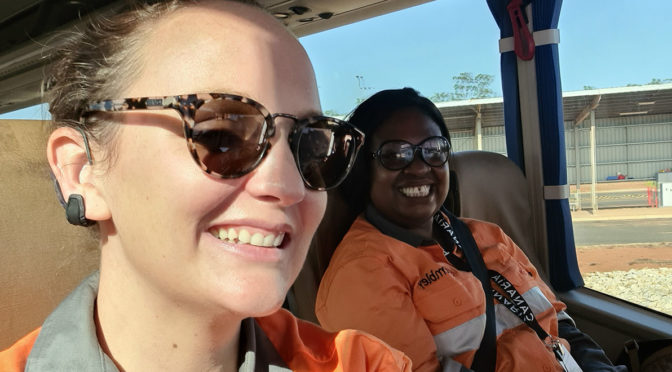
Image: Canaria Technologies Managing Director Theodora Le Souquet and Head of Marketing Sharon Dargaville wearing the earpiece.

The Canaria-V Earpiece — a medical-grade, wearable MedTech device — is set to transform the way people and companies work through real-time health management, saving lives and increasing productivity by predicting serious medical incidents in users before they happen.

In Australia alone, cognitive fatigue currently accounts for two thirds of all industrial accidents and costs the country $61.8 billion in safety-related work injuries. The earpiece works to counteract these risks by using a proprietary, real-time predictive biometric algorithm to measure a series of internal and external variables, alerting both the individual and supervisors to any cognitive fatigue and heat stress-driven risks before they happen, preventing potentially fatal on-site incidents.


Embley Contracting, a Weipa based 100% Aboriginal owned and operated major local mining contractor has partnered with Canaria Technologies to roll out the Canaria-V Earpiece as part of this world-first pilot program at Rio Tinto’s operations in Western Cape York, Far North Queensland this month, with the technology worn by technicians, process plant operators and coach drivers in extreme heat conditions across a five-day period.


Canaria Technologies Managing Director Theodora Le Souquet said the partnership with Embley Contracting was a significant step in the right direction to revolutionising workplace health and safety mandates in the mining industry, and beyond.


“Our partnership with Embley Contracting will assist Canaria Technologies in becoming a recognised leader in predictive biometrics on the global stage, pioneering the next generation of industrial safety and positioning us for international growth with some of world’s largest mining companies,” she said.


“The Canaria-V Earpiece software allows for the constant evolution of protocols and safety management to set a new standard in workplace health and safety mandates which have not seen substantial progression in decades.


“The success of this pilot program in Weipa, as well as a previous project undertaken at Rio Tinto’s joint venture Resolution Copper Mine in Arizona earlier this year, has positioned Canaria Technologies at the forefront of workplace health and safety innovation” she said.


The pilot program included the deployment of prototype predictive biometric devices across underground mine sites to capture data for use in the prediction of heat stress, man down and cognitive fatigue scenarios throughout ordinary rostered shifts.

How it works


The Canaria-V Earpiece works by using a proprietary, real-time predictive biometric algorithm to measure skin temperature, movement, volumetric variations of blood circulation and environmental data, alerting the individual to any cognitive fatigue and heat stress-driven risks before they happen, preventing potentially fatal on-site incidents.


“Our overarching objective is to improve safety for those on the ground while reducing on-site incident frequency, and associated insurance and asset damage costs, as well as optimising incident recovery time for workers affected by heat stress and cognitive fatigue to improve site productivity,” Le Souquet said.
The recent pilot program has also marked a significant move in spearheading Australia’s world-leading predictive biometrics while maintaining onshore design, engineering and manufacturing of the devices, contributing to Australia’s tech-driven economy.


Canaria Technologies’ Australian-designed wearable device will be manufactured onshore by Queensland-based advanced electronic manufacturer Elexon Electronics, which has a track-record in the development of advanced digital technology across the mining, medical, aerospace and defence industries.


Elexon Electronics CEO Frank Faller said the company was excited to empower Canaria Technologies’ talented team of engineers and designers to revolutionise the industry, and put Australia on the map for biometrics technology with the Canaria-V Earpiece.

“Elexon Electronics is a trusted engineering and manufacturing partner to many global companies in the mining, MedTech and defence sector,” he said.


“In the 15 years of operation, we have developed an extensive IP in the area of communication and monitoring
systems for harsh environments, and Canaria’s wearable sensors complement our unique product range.


“Collaboration with start-ups is one of our core beliefs and we are excited about being able to support Canaria by offering our expertise and state-of-the-art electronics manufacturing equipment,” he said.


Canaria Technologies is a market-leader in predictive biometric systems, providing non-invasive medical-grade
wearable devices powered by proprietary biometric algorithms to predict and prevent cognitive fatigue and heat stress.

nandin startup has its moonshot in sight

Deep tech startup Ouranos Systems, supported by the NSW Government funded ANSTO FutureNow Scholarships and ANSTO’s nandin Innovation Centre, has been awarded a “Moon to Mars” grant, sponsored by the Australian Government, to design and construct a self-contained Radioisotope Heating Unit (RHU).

Ouranos Systems co-founder Dr Robert Mardus-Hall said the RHU is basically a ‘space heater’ which ensures critical instruments on Australia’s first ‘Moon probe’ can operate over multiple lunar nights.

“Night-time on the Moon lasts for just over 14 ‘Earth’ days, with temperatures plunging to as low as minus 180-degrees Celsius,” Dr Mardus-Hall said.

“With no solar power at night-time and no room for large, heavy batteries, nuclear technology could be a key to ensure success.”

nandin (meaning look ahead in the local Dharawal language) was created in 2018 to connect industry, deep tech startups, entrepreneurs and graduate students, to create a supportive network for innovation.

Dr Robert Mardus-Hall, and Andrew Pastrello were two ANSTO FutureNow Scholarship recipients, when they signed onto nandin with their concept.

Through nandin and the support from the NSW Government, they were able to develop their vision to the point where Ouranos Systems is now a founding contributor to Australia’s mission to space.

“We came to ANSTO with an idea. Thanks to the resources, support and expertise offered – we’ve been able to see our idea flourish into a company supporting an exciting emerging industry within Australia,” Dr Mardus-Hall said.

“Nuclear technology may be a key component in the future exploration of space, and we are so grateful to have the opportunity to be a part of it,” Dr Mardus-Hall said.

ANSTO Director for Innovation & Commercialisation, Professor Tim Boyle, said as home to Australia’s nuclear expertise, ANSTO can make a mission critical contribution to the space program’s success.

Professor Boyle points to nandin – ANSTO’s innovation centre – as a key to unlocking our space potential, by giving small startups and engineers access to nuclear technology.

“The level of trust and responsibility being placed in Australian innovators shows the faith the government and scientific community has in the partnership model at nandin,” Professor Boyle said.

“Two young graduates came to ANSTO seeking knowledge, now they’ve founded a company that’s developing nuclear technology for the nation’s space program,” said Professor Boyle.

“I can think of no better example of the success of ANSTO’s graduate program or Innovation Centre.”

ANSTO Reactor Heat Transfer Specialist Dr Mark Ho said that the ‘space heater’ will become a key component of many instruments that Australia sends into space.

“In Space Exploration, every component is critical to success, from the space capsule down to the smallest check light – If one thing fails, the entire mission can fail,” Dr Ho said.

Promoting sustainable transport through adventure

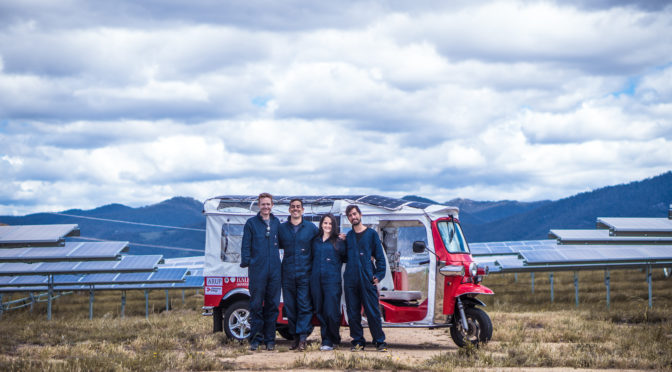
Image:SolarTuk Expedition (Julian O’Shea, Jack Clarke, Hannah Sharp, Mario Gonzalez)

Monash PhD candidate Julian O’Shea is promoting sustainable transport through adventure.

Light passenger and commercial vehicles account for 61% of transport emissions and more than 11% of all Australian greenhouse gas emissions so Julian knows sustainable, smaller vehicles are the way of the future, and is showcasing the benefits through his PhD with Monash Arts, Design and Architecture.

After designing and building a solar powered tuk tuk that he and his team drove from Melbourne to the Great Barrier Reef, Julian realised how novelty could bring attention to eco-vehicles and inspire sustainable lifestyle decisions.

“It was an interesting vehicle with an interesting journey so people were really engaged,” Julian said.

Travelling at just 50km per hour, this zero-emission road trip had dozens of media appearances and directly engaged thousands of students and community members across the country.

The adventure inspired Julian to design a series of sustainable scooters and bikes.

“I realised how deliberately doing something that’s quirky and different can attract attention while showing how sustainable vehicles work.

“These vehicles are a tool to connect with people about things like sustainability and how we move in climate change.”

Julian says people are already starting to engage with new forms of transport.

“You’re not going to replace the car in all forms, for all trips, but I think for many Australians the best second car is a micro-vehicle.”

“We don’t always need a 1 tonne piece of metal to move one 68kg human”

When COVID-19 hit, Julian turned to social media to get his message across, making educational content through short videos on Youtube and TikTok. State Library Victoria recognised the value of this outreach and awarded Julian a $20,000 grant to develop a creative concept that draws on the Library’s vast collection.

Julian is completing his PhD with the Mobility Design Lab in Monash Art, Design and Architecture (MADA). The lab’s deputy director, Dr Robbie Napper, says Julian’s work connects the public to important research.

“It is the perfect accompaniment to transport innovations – in our own lab and across the sector. It gets the message out there, propelling real change.”

Julian is a semi-finalist in the 2021 Asia-Pacific Three Minute Thesis (3MT) Competition. Much like Julian’s work, the global competition challenges participants to showcase complex topics in an engaging way, easily understood by a general audience. 

View Julian’s 3MT presentation, “A Vehicle for Change”, and read his commentary on micro-mobility at Monash Lens.

To find out more about the Three Minute Thesis competition, visit threeminutethesis.uq.edu.au.

CSIRO and partners scope NT Hub to lower emissions and boost investment

CSIRO, Australia’s national science agency, the Northern Territory Government, industry and engineering companies have joined forces to develop a path towards rapid emissions reduction across the energy sector in Northern Australia.

CSIRO will lead the new consortium in the development of a business case to assess the viability of a large-scale low emissions Carbon Capture Utilisation and Storage* (CCUS) Hub outside of Darwin.

The Hub would both significantly reduce emissions, but also catalyse the growth of new sustainable industries that could continue throughout the energy transition. If built, it would be one of the world’s largest facilities of its kind, open to a wide range of different industries.

The hub could create a blueprint for other low emission hubs around Australia

If realised, the Hub would enable the development of an interconnected hydrogen industry and the utilisation of the carbon dioxide captured in other industrial processes, such as production of other non-fossil fuel alternatives for transportation. It could also create a blueprint for future low emissions hubs around Australia. 

The business case will assess the Hub’s viability and outline options to significantly reduce the emissions of the Territory’s gas industry, providing a tangible pathway towards the region’s net zero emissions targets.

CSIRO Chief Executive Dr Larry Marshall, said CSIRO’s expertise across the energy domain, along with its deep connection with industry, meant it was well placed to lead the work.

“As Australia’s national science agency, CSIRO is always looking for ways to bring business and government together to envision and deliver a more sustainable future for some of our largest industries,” Dr Marshall said. 

“The NT Hub could create new jobs and export pathways, and give Australia a global advantage by pushing the boundaries of science and technology to put home-grown innovation into real world demonstration projects, including through our Hydrogen Industry mission.”

With expertise in hydrogen and CCUS, CSIRO will provide impartial scientific advice, coordinate the development of detailed concept designs, build international linkages, and conduct geological research and economic and customer studies. 

The business case will apply best practice learnings from international low emission industrial hub projects. It will also consider all technology solutions and engage with industry and community stakeholder groups as Australia navigates the transition pathway to a low emissions future.    

Industry and engineering companies who have committed to collaborating on the business case include Santos, INPEX, Woodside, Eni, Origin Energy and Xodus. 

First published by CSIRO

Catalysts found to convert carbon dioxide to fuel

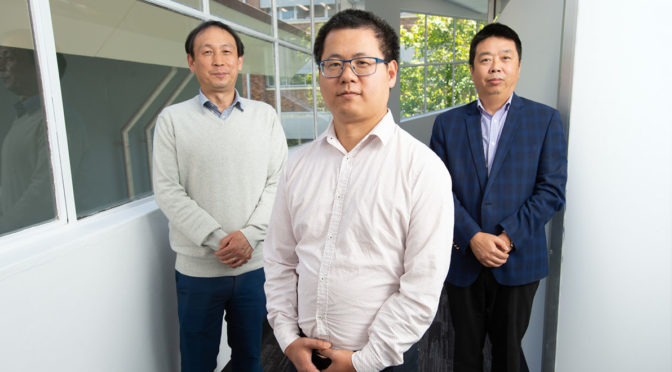
Image: QUT researchers Professor Aijun Du, Professor Yuantong Gu and Dr Lin Ju. QUT

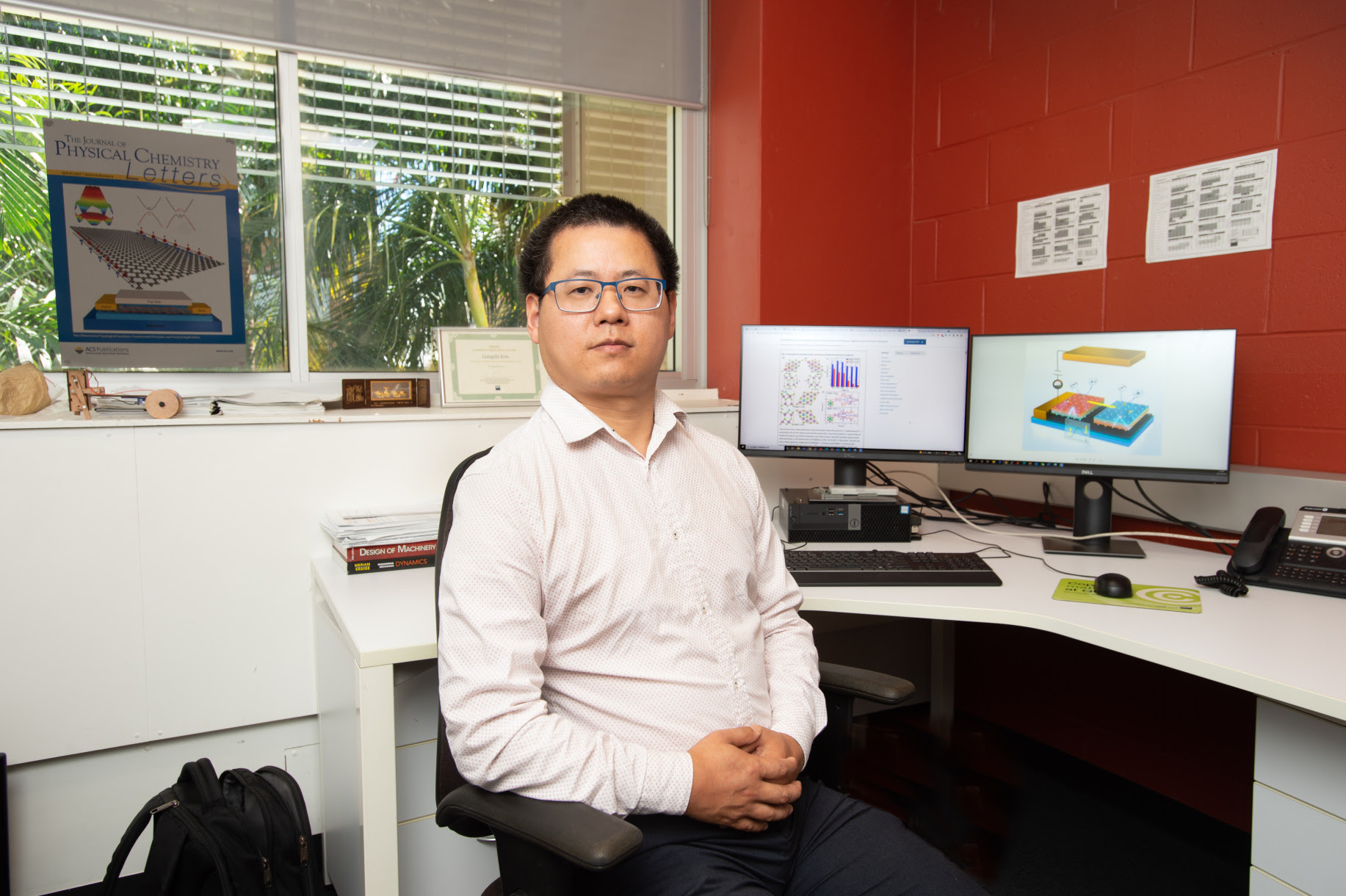
Researchers from QUT’s Centre for Materials Science, led by Associate Professor Liangzhi Kou, were part of an international study that used theoretical modelling to identify six metals (nickel, niobium, palladium, rhenium, rhodium, zirconium) that were found to be effective in a reaction that can convert carbon dioxide into sustainable and clean energy sources.

The study published in Nature Communications involved QUT researchers Professor Aijun Du, Professor Yuantong Gu and Dr Lin Ju.

Professor Kou said the research was conducted by modelling the experiments using the National Computational Infrastructure at the Australian National University, looking at how single atoms of the metals would react with two-dimensional pieces of “ferroelectric” materials.

Ferroelectric materials have a positive charge on one face, and negative charge on another, and this polarization can be reversed when a voltage is applied.

In the theoretical modelling, the researchers found that adding the atom of the catalyst metal to the ferroelectric material resulted in converting the greenhouse gas into a desired chemical fuel.
Once the polarity is reversed, the state will be preserved to act as a catalyst in converting the carbon dioxide.

Professor Kou said while single-atom catalysts to be used in reducing carbon dioxide was proposed a decade ago, this research takes the field forward significantly.

“We have designed a special chemical catalyst, it can convert the greenhouse gas CO2 into the desired chemical fuels. The conversion efficiency can be controlled using a feasible approach,” Professor Kou said.

“It means we for the first time developed the abilities to speed up or slow down, even switch of the chemical reaction.

“Carbon dioxide is the main reason of global warming due to the greenhouse effect, to convert it into the chemical fuels is not only important for our environments, but also helpful to solve the energy crisis.”

Dr Ju, first author on the study, said the research work provided a guidance for the design of novel catalysts which could  produce significant impacts for the chemical industry.

Professor Kou said the long-term goal in this area of research was to find ways to turning carbon dioxide into clean energy sources.

Professor Kou said the results of this study could eventually lead to a way of adding a coating to engines or industrial systems that would convert carbon dioxide instead of releasing more of the gas into the atmosphere.

The QUT researchers are from the School of Mechanical, Medical and Process Engineering, and School of Chemistry and Physics.

Smart microscope slides detect cancer

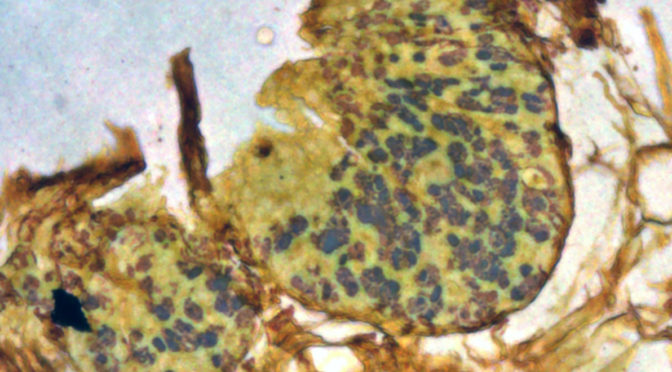
Unstained cancerous tissue viewed using a NanoMslide. Source: La Trobe University

An innovative microscope slide, NanoMslide, developed at La Trobe University is promising to revolutionise medical imaging after researchers demonstrated that it can be used to detect breast cancer cells in patients.

A study published 6 Oct in Nature demonstrates that by modifying the surface of conventional microscope slides at the nanoscale, biological structures and cells take on a striking colour contrast which can be used to instantly detect disease.

Project lead, Professor Brian Abbey has spent the past five years developing the technology at La Trobe University with co-inventor Dr Eugeniu Balaur.

“Current approaches to tissue imaging often rely on staining or labelling cells in order to render them visible under the microscope,” Professor Abbey said.

“Even with staining or labelling, it can be challenging for pathologists to detect cancer cells, with the risk that some samples are misdiagnosed, particularly during the very early stages of disease.

“Recent breakthroughs in nanotechnology have allowed us to manipulate the interaction of light with biological tissue so that abnormal cells appear to have a different colour to healthy ones.

Comparing images from our slides to conventional staining is like watching colour television when all you’ve seen before is black and white.”

In the study, the researchers from the La Trobe Institute of Molecular Science teamed up with co-lead researcher Associate Professor Belinda Parker’s group at the Peter MacCallum Cancer Centre to trial the new technology as an aid to diagnosing very early-stage breast cancer.

The study was conducted in collaboration with colleagues from the Garvan Institute of Medical Research, the Royal Melbourne Hospital, the Olivia Newton‐John Cancer Research Institute, The University of Melbourne and the Australian National University.

Associate Professor Parker said current techniques can mean it is difficult to distinguish early forms of breast cancer from benign lesions, particularly when there are not many abnormally-shaped cells in a complex tissue.  The NanoMslide makes such a diagnosis much easier.

“When I first looked at a tissue under the microscope on the NanoMslide, I was incredibly excited,” said Associate Professor Parker, who is also an adjunct associate professor at La Trobe.

“For the first time I saw cancer cells just popping up at me. They were a different colour from the surrounding tissue, and it was very easy to distinguish them from surrounding cells.”

Associate Professor Parker believes the NanoMslide will complement existing stains currently in use, to allow for more consistent cancer diagnoses.

“Based on our preliminary findings with the NanoMslide, we think this platform could be really useful in early breast cancer diagnosis, but also in other cancers where we’re really just trying to pick up a few cancer cells in a complex tissue or a blood sample.”

Professor Abbey’s group were able to develop their slide technology by harnessing open access equipment and expertise made available by the Melbourne Centre for Nanofabrication, the flagship facility of the Victorian node of the Australian National Fabrication Facility (ANFF-VIC).

The team will work with MCN and the national ANFF network as they start producing their slides in much larger quantities to enter the market and to tackle a wide range of medical as well as non-medical imaging problems.

La Trobe University Vice-Chancellor Professor John Dewar AO said the invention of the NanoMslide and its application in improved cancer diagnostics highlights the vital role universities like La Trobe play in research innovation which has the power to improve lives.

“As this remarkable invention translates from a brilliant concept into what could be a life-saving solution, La Trobe has demonstrated what can be achieved when exceptional research innovation comes together with strong industry partners,” Professor Dewar said.

The NanoMslide was supported through La Trobe’s Strategic Innovation Fund, established to fast-track the translation of research findings into successful business ventures.

La Trobe is now aiming to engage with industry partners, with future plans to commercialise the NanoMslide through a new spin-out company, Allesense.

Angela Merkel’s career shows why we need more scientists in politics

Image: Shutterstock

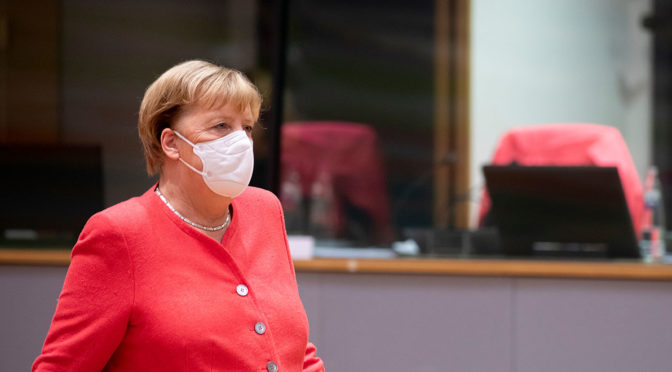
Merkel has outlasted seven Australian prime ministers, and there can be no single explanation for her long stretch of success. However, her career and training as a scientist presents useful insights.

As Merkel declines a fifth term and leaves her office this month, world politics loses another scientist. In Australia we find ourselves wondering, yet again: “Across all our politics – where are the scientists?”

The scientist and the leader

Globally, there have been shining examples of scientists who have entered the world of politics to great success. What are the qualities of scientists that might make them powerful and effective leaders?

Merkel retained many traits that are common among scientists throughout her long political career. She is patient and discerning. She has vision and strategy, and understands the value of planning for the long term. She is rational and empirical. And she builds collaboration and cooperation.

Finally, Merkel is known for drawing a clear boundary around what is known. She does not overstate the facts but, rather, promotes the temporary embrace of uncertainty until the data can be gathered to inform a decision.

Merkel earned her doctorate in the field of quantum chemistry a specialisation within the broad field of quantum mechanics. Widely known for the macabre “Schrödingers cat” thought experiment, quantum mechanics is guiding scientists to discover and manipulate the characteristics of atoms and sub-atomic particles.

For many, Schrödinger’s cat mystifies more than it enlightens, but the counterintuitive nature of quantum mechanics in fact reveals the strength of science. By collecting data and developing theory, by following the trail of irreconcilable observations, scientists develop and test models of the world.

And like the greatest scientific models, quantum mechanics predicts more than we can immediately explain. It is a tool that moves past our human shortcomings, of emotion-driven bias and impulse, and allows us to pry at greater truths.

Amid pandemics of viruses and misinformation, a distrust of authority and erosion of meaning, Australia has never had greater need of the tools of science and the qualities of its scientists.

Where are Australia’s science-trained political leaders?

Just 17 of the 227 members of Australia’s federal parliament have training in scientific, technical, medical or engineering (STEM) fields. That’s only 7%.

Australia faces grave threats from many of the world’s most pressing challenges: climate change, the biodiversity crisis, pandemic variants, cybersecurity and AI challenges, and antibiotic resistance.

To meet these challenges, our national decision-makers need to objectively assess complex information, discern fact from fiction, and build collaboration and approaches that will take years, or decades, to fully come into their own.

We also need just and bold leadership with the confidence to adopt and rapidly deploy new technologies to reduce carbon emissions, build new economic sectors, and keep Australia’s digital assets safe.

What would a science-led Australia look like?

Can you imagine how things might be different if there were more scientists in Australia’s federal parliament? We can.

Australia would have responded to the Intergovernmental Panel on Climate Change “Code Red” report by introducing more ambitious carbon emissions targets, and an infrastructure investment plan to achieve them.

It would have secured Australia’s place as a world-class digital economy, growing jobs and wealth and improving equity of access to work, schools and health care for all citizens.

The government would be taking a strong, bold and evidence-informed approach to building our economy, by strengthening investment in research and development. It would provide incentives for others to do the same, generating strong GDP returns and lifting Australia from the bottom of the OECD rankings for government investment in research and development.

Australia would be rapidly building the manufacturing, energy and data infrastructure to fast-track a transition to an economy that generates no waste.

Scientists of Australia, we need you

That science and politics go “hand-in-lab-glove” is no coincidence. Both seek order in a world of frightening complexity. The challenges of the 21st century – from COVID-19 to global warming – appear to be consuming us from the inside out, our national unity deteriorated by misinformation. How can a scientist make change in politics?

Angela Merkel has said her strategy was to take “many small steps” and avoid extreme reforms.

Progress can be made by invoking the rhythms of science (where decades-long projects are commonplace), by making decisions on the best available evidence, by establishing cause and consequence, and by developing and testing our models time and time again. In this way we can benefit from the steady accumulation of increasingly detailed and reliable knowledge.

In just 16 years Angela Merkel transitioned Germany from a 10% renewable energy mix to the world’s first major renewable energy economy. She established a net zero emission target by 2045 while making the German economy the fourth-largest in the world by GDP. This is one of many evidence-based changes implemented by her chancellorship and one of the many features of her legacy.

Science arose through necessity, as “a candle in the dark” from the dark ages. We have enjoyed the enlightenment in which science played a major role.

And as new shadows encroach on the world, science can help keep the flame alight. Australia’s scientists: we need you.

Written by Emma Johnston, Professor and Dean of Science, UNSW and Kylie Walker, Visiting Fellow, Australian National University

This article is republished from The Conversation under a Creative Commons license. Read the original article.

New technology detects stress and fatigue cracks in aircraft

Image: Shutterstock

The LTS-640V is a digital imaging machine little bigger than a DSLR camera that provides real time imagery that helps quantify material stress and detect fatigue cracks that could prove dangerous if unchecked. 

The LTS-640V is designed to be used during the certification stage before an aircraft is approved for commercial or military use. The capability it provides will allow for a potentially more streamlined certification process, and should help eliminate some of the surprises that can occur during testing of a new aircraft structure. 

The technology was developed in collaboration with scientists at the Australian Department of Defence where a prototype of this technology has helped support sustainment of the F/A-18 Classic Hornet, and more recently provided Lockheed Martin Aeronautics with valuable new information during structural certification testing of the F-35 Joint Strike Fighter. 

The Australian invention is the first of its kind, providing real time fusion of stress and visible spectrum imaging – in effect merging the visible with the invisible. 

‘This inspection approach is based on the ‘thermoelastic effect’; put simply, when you squash something it heats up, when you stretch something it cools down’, says a spokesperson for Defence.  ‘Think of magic spray which is often used to treat sports injuries – it’s the stretching or expansion of the gas as it leaves the aerosol can that provides the cooling effect.’

‘Unlike magic spray however, the temperature changes we’re dealing with are tiny, thousandths of a degree, but we can still detect them, and quite easily using the advanced algorithms at the core of this technology’.

This capability has a significant role to play in helping aircraft designers and operators better understand how an airframe performs under load. ‘The technology can improve our ability to quantify stresses, particularly in structurally critical areas where traditional technologies have very limited capability’ says a Defence spokesperson.

‘We are looking to help streamline and improve structural validation processes across the global defence and aeronautics industries’, says Mr Kheang Khauv of 1MILLIKELVIN. 

‘This technology has been used to support the Classic Hornet and has demonstrated in the F-35 full scale durability test program how it can improve the way designers validate modelling of complex airframe components.’ 

‘We are proud our advanced technology is making a contribution to Defence capability’. 

And the applications of this extend well beyond aviation, with potential customers including industry both at home here in Australia and around the world. 

With $275,000 of grant funding, the design team at 1MILLIKELVIN have transformed this groundbreaking capability into a robust commercial product. Total grants so far are $75,000 from VIC government (Boost your business program), $150,000 from the Advanced Manufacturing Growth Centre and another $50,000 from the Defence Science Institute Defence Science Institute – Defence Science Institute, which is part of the Australian Defence Science and Universities Network Australian Defence Science and Universities Network (ADSUN) | DST

ANSTO Innovation Series: The Future of Battery Power

The ANSTO Innovation Series

The ANSTO Innovation Series is a new virtual meet-up that focuses on the key capacities of ANSTO’s people, partners and facilities and how they are meeting global challenges in sustainable industries, medicine, advanced manufacturing and in accelerating small business.

Delivered as a quarterly webinar, the ANSTO Innovation Series features an expert panel exploring the latest science, industry and start-up opportunities, including innovations in energy storage, nuclear medicine and health, engineering new materials and accelerating deep tech business.

The ANSTO Innovation Series is produced in partnership with STEM-specialist publishers, Refraction Media, publishers of Science Meets Business, and hosted by leading science journalist, Lee Constable.

The Future of Battery Power: 12pm (AEDT) Wed 20 Oct 2021 / via Zoom

To kick off the series, we are deep-diving into the future of battery power.

Three reasons you need to attend this webinar!

  1. It’ll give you a deeper understanding of how sustainable energy is central to a green economy.
  2. You’ll gain insights from a neutron instrument scientist from ANSTO, a mission lead in critical energy metals from CSIRO, and the executive manager of Cobalt Blue.
  3. You’ll get to explore areas such as the efficient and sustainable extraction of minerals for battery-ready products and storage, neutron-level testing to understand and improve on the function of materials central to energy storage and use, finding Australia’s competitive advantage in the growing battery industry, and the opportunity to establish recycling and re-use facilities to meet domestic needs and those of the Asia-Pacific region.
Gain insights from a neutron instrument scientist from ANSTO, a mission lead in critical energy metals from CSIRO, and the executive manager of Cobalt Blue.
  • Professor Vanessa Peterson, Research and Neutron Instrument Scientist at ANSTO, who has pioneered methods to understand and then improve the function of materials central to energy storage and use, including devices such as batteries, fuel cells, and hydrogen systems. 
  • Dr Jerad Ford, Mission Lead, Critical Energy Metals from CSIRO has spent two decades creating innovation-driven strategies and leading new science and technology ventures with two of the world’s leading research institutions.
  • Dr Andrew Tong, Executive Manager at Cobalt Blue who has worked extensively in the battery space and holds several patents for processing minerals containing base and precious metals.
  • Dr Chris Griffith, Senior Process Chemist & Principal Consultant, Minerals at ANSTO who has worked in the organisation’s minerals business unit since 2008. His work spans a number of strategic and technologically important commodities including the extraction of rare earths, lithium, zirconium, and niobium.

This webinar is FREE to attend and registration is essential. Secure your spot by clicking the button below.

About ANSTO

The Australian Nuclear Science and Technology Organisation (ANSTO) is the home of Australia’s most significant national infrastructure for research. Thousands of scientists from industry and academia benefit from gaining access to state-of-the-art instruments every year.

ANSTO researchers work on global science and technology challenges, and operate landmark research infrastructure including one of the world’s most modern nuclear research reactors, OPAL; as well as a comprehensive suite of neutron beam instruments at the Australian Centre for Neutron Scattering; the Australian Synchrotron; the National Imaging Facility Research Cyclotron; and the Centre for Accelerator Science. ANSTO also hosts the nandin innovation centre, one of Australia’s few deep technology hubs facilitating industry engagement and research translation.

Subscribe to our regular innovation and research news updates to get notification of the webinars.

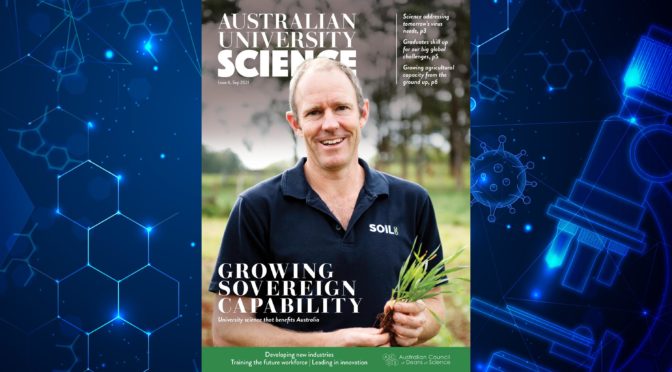
Growing sovereign capability, issue 6, Australian University Science

Australian university science is key to building our sovereign capability in manufacturing, medicines, food and agriculture, communications and defence. Decades of research in chemistry, physics, earth and environmental science and biology has equipped us to quickly adapt to the rapidly changing global challenges of the pandemic, climate change and market uncertainty. University science is also the only way we will ensure we have the skilled people we need to ensure this capability into the future.

This issue of Australian University Science magazine examines key ways in which university science is delivering on advancing Australia’s sovereign capability. Australian university science addresses major global challenges such as tracking sinks and sources of carbon emissions, in equipping us to deal with the evolving pandemic crisis, and in developing our capabilities in defence and battery manufacture.

Australian University Science – exploring the achievement so university science in building Australian’s sovereign capability.

Australia’s strong science and research training is integral to driving new economies. Universities have a critical role as partners in establishing innovation and technological change in industry. As science delivers new insights and tools, new industries are emerging and people with science skills will be essential to these new industries.

Australian University Science magazine highlights these stories, showcasing exceptional science teams and Australian science graduates working in industry. To provide feedback or suggestions, subscribe or order additional copies, visit acds.edu.au/aust/uni/Science.

Four ways university science is building sovereign capability

Image: Quantum microscope, by Aleksandr Kakinen

Australian university science has a long history of co-investing with major international and national organisations to build sovereign capability. Here are just four areas where these partnerships are pushing the limits of innovation.

1. In medical imaging and quantum technologies

We may be all made of star stuff, according to famous American astrophysicist Carl Sagan, but exactly what we are made of and what that looks like led physicists studying the fundamental state of matter to the weird world of quantum physics. Now, Australian scientists have used quantum technologies to create a microscope that can visualise at small scales with 35% more clarity than existing technology. 

This will lead to better medical imaging and improved navigation systems. “We’ve shown it’s possible to go beyond the limits of classical physics, to see things you could not see in a regular microscope,” says lead researcher Professor Warwick Bowen from the University of Queensland.

The research was published in Nature on 9 June, 2021

2. In advanced materials

Twenty years ago, Nobel-prize winning physicist and chemist Dr Richard Smalley discovered Boron Nitride Nanotubes (BNNT), a material 100 times stronger than steel, heat resistant up to 3000 degrees and harder than diamonds. Now, Deakin University have partnered in an Australian startup company Li-S Energy Ltd and used BNNT to create a quantum sulphur battery that could power mobile phones for over a week and electric cars for more than 1000 km. 

The research was undertaken at Deakin’s advanced manufacturing precinct in Geelong, leveraging the expertise of Deakin’s Institute for Frontier Materials and the facilities of Deakin’s ManuFutures scale-up accelerator. 

“These results are the culmination of 10 years of research into the development of lithium sulphur batteries and how that is influenced by advanced nanomaterials. The belief and investment in the research program from Li-S Energy have enabled us to bring our research toward a commercial reality,” say Professor Ying Chen and Dr Baozhi Yu, the project’s lead researchers.

3. In sourcing critical minerals

To get to zero emissions, or even close, requires a revolution in mining to supply critical minerals for batteries, solar panels and other renewable energy tech. The University of Adelaide’s Australian Critical Minerals Research Centre is a collaborative, cross-disciplinary effort to increase Australia’s sovereign supply of critical minerals. 

The Centre’s director, Associate Professor Carl Spandler says the list of critical minerals changes as new technologies emerge, and fundamental geology is needed to understand how and where these minerals are concentrated to ore levels in the Earth’s crust. “Zero emissions by 2050 means we need a lot of these metals in a short period of time,” says Spandler.  At the same time, students will need to be more multi-skilled, including being trained in cultural awareness, and understanding environmental implications even in the exploration stage, he says. “In the research space that’s a big shift because exploration geology has previously been a fairly siloed operation.”

4. In manufacturing and energy research

With colleagues from three Queensland universities (UQ, QUT and James Cook University), Professor Peter Talbot from QUT’s School of Chemistry and Physics developed and patented a process for producing complex nanoscale metal oxides based on decades of fundamental chemistry research. Spinning out two companies, the Very Small Particle Company and ScienceWorks Consultants, the researchers are using this novel  process to produce industrial catalysts for the reduction of greenhouse gases in exhaust flues and advanced battery materials for electric vehicles. 

Talbot now leads a team of QUT researchers that have produced Australia’s first lithium-ion battery after establishing the country’s only facility capable of such manufacturing.

Written by Heather Catchpole

First published in Australian University Science, issue 6

Soil science critical to food production in a climate challenged future

Image: Soil CRC Project Leader, Professor Terry Rose and PhD Student Cameron Copeland, Southern Cross University. Supplied.

Dr Michael Crawford gets a strong sense of a soil just by touching it. 

“When you pick it up, a healthy soil crumbles in your hand; it feels moist; it’s got a certain kind of smell,” he explains. 

But he says it’s thanks to a long — around 100 year — history of Australian soil science that soils can be assessed not just with senses, but with objective measures too. Crawford is CEO of the Cooperative Research Centre for High Performance Soils, or Soil CRC.

“Australia typically ranks in the top five globally in soil science output every year — most of the fundamental research comes from universities, but CSIRO and state governments contribute significantly too,” says Crawford. 

“We’re able to monitor soil chemistry, and markers of physical condition and biology, which viewed together give a measure of soil health.” 

Funded for a period of 10 years, the $167 million Soil CRC commenced operations in 2017. Eight Australian universities are major partners, along with the NSW Department of Primary Industries (DPI), the South Australian Grain Industry Trust and New Zealand’s Manaaki Whenua Landcare Research. 

“The Soil CRC aims to increase agricultural productivity and profitability through connecting the latest in university soil science with industry and farmers,” Crawford says.

Soils are estimated to directly contribute around $63 billion each year to Australia’s economy through agricultural production alone. Soils’ value increases to $930 billion a year when biodiversity and carbon storage are factored in as economic assets.    

Multidisciplinary approach to soil

Historically, Australia’s strengths in soil research tended to align with institutions that had agricultural science capabilities. Now the range of universities involved is much broader, incorporating basic soil science, agronomy, data, analytics, engineering as it relates to sensors, and social sciences such as economics, marketing and business.  

Crawford says the regional location and diverse expertise of university partners means the very latest in soil knowledge can be efficiently translated into action on the ground. 

The University of Newcastle’s Dr Liang Wang is a specialist in sensors for environmental monitoring, and leads a project aimed at creating affordable and rapid field-based soil tests.

“We’re applying sensing technologies to develop lab-on-a-chip technology for real time analysis of soil,” Wang says. 

The chips will measure dissolved organic carbon in soil, nutrients such as nitrate, phosphorus and potassium, and bioactivity linked with bacteria and fungi.

“We want farmers to be able to prepare a simple solution of their soil mixed with water, put a drop in the chip, and then instantly read the carbon or other nutrient concentration,” explains Wang. 

“We hope this capability will allow farmers to collect soil data in a cost-effective, simple way, and help them make decisions – things like what crop to plant, or how much fertiliser to apply.” 

The importance of organic carbon

Dr Lukas Van Zwieten works at the interface of soil science and agricultural practice. A University of Sydney graduate, he is a Soil CRC program leader, a researcher in NSW DPI, and a farmer himself. 

Van Zwieten says although inorganic carbon does exist in soils in mineral form, it’s organic carbon — found in decaying plant matter, soil organisms and microbes — that is vital for healthy soil. 

“The more organic carbon in soil, the better the cycling of nutrients,” he says. “This means your plants are more likely to grow better, you’ll be less reliant on continual fertiliser application, and healthier soil microbes will lessen the chance of plant disease.” 

“Also, you’ll have improved water-holding capacity, better soil structure and more aeration — together all those things improve resilience of the system and drive agricultural productivity,” says Van Zwieten. 

Murdoch University’s Associate Professor Frances Hoyle has a deep understanding of challenges faced by farmers in managing soil organic carbon.  She is the former WA lead for the ​National Soil Carbon Program, and was a communicator in the federal Carbon Farming Futures program. 

Recognising the broader drivers of climate and localised environment, Hoyle likens managing soil carbon to running an active working bank account.

“You make some withdrawals as you support food production systems, but you should make deposits over time too — things like retaining organic residues on land, optimising biomass production, minimising soil disturbance or keeping crop stubble in the ground all help,” she explains.

Hoyle is one of the Directors of SoilsWest, a body that translates fundamental discoveries in soil science and plant nutrition for applied agriculture and growth of farming businesses. SoilsWest started in 2016 as a partnership between the University of Western Australia (UWA) and the WA Department of Primary Industries and Regional Development (DPIRD). 

It’s now centred at Murdoch University, and continues to build collaborations and partners across Murdoch, DPIRD, UWA, Curtin University and CSIRO to support growers find ways to better manage soils.

“SoilsWest aims to enhance productivity and secure our food futures,” Hoyle says. 

How soil responds to stressors

Griffith University’s Dr Mehran Rashti is interested in soil resilience. 

“In Australian conditions, soils are confronted with drought, seasonal changes, compaction, extremes of acidity and alkalinity, and residues from herbicides and pesticides,” Rashti says. 

“While a soil can be healthy in the sense that it delivers good productivity in a single year, a resilient soil will deliver productivity over a long time frame, and despite exposure to stressors.” 

Mehran’s research aims to delineate how organic carbon delivers resilience in different types of soils, in various parts of Australia and for a range of crops. 

“I’m using a range of analytical approaches to distinguish between different forms of organic carbon to better understand their role in regulating soil resilience to stressors,” Rashti says.

Healthy soils are an asset Australia’s soil science capacity is set to grow. As part of a new National Soil Strategy, the May 2021 Budget launched the National Soil Science Challenge, making available new funding to address priority gaps in Australian soils science through a competitive grants program of $20.9 million over four years. 

“Australian soils aren’t easy — they have their challenges and their constraints,” says Crawford.  “Being able to understand and manage our soils into the future is fundamentally important.”

Written by Sarah Keenihan

First published in Australian University Science, issue 6

Profile: Helen Tower, manufacturing vaccines

Image: Helen Tower from theCommonwealth Serum Laboratories (CSL) company, Seqirus

As a validation specialist at the Commonwealth Serum Laboratories (CSL) company Seqirus, Helen Tower is helping the Australian pharmaceutical industry cement its ability to locally manufacture life-saving vaccines.

“I thought it was cool that our bodies have our own little army fighting against the ‘bad guys’ of infection and disease,” says Helen, an immune system enthusiast since high school.

Tower’s passion led her to a Bachelor of Science at the University of Melbourne. 

For her Honours thesis, she collaborated with the Peter MacCallum Cancer Centre to research cancer immunology. Her supervisor, Dr Kara Britt, was Head of the Centre’s Breast Cancer Risk and Prevention Lab. Britt became one of Towers’ most significant mentors.

“Kara’s mentorship provided me with the building blocks to become a competent scientist, and she was a pivotal role model for me as an influential female leader in the science industry,” Tower says.

Tower’s background in pharmacology and immunology landed her a place in the CSL Graduate Program, based at Seqirus, CSL’s vaccine-manufacturing business. After completing the program, she moved into her current role as a validation specialist, helping develop, implement and validate analytical testing methodology for the quality control laboratories.

Tower works on projects related to the testing of Seqirus’ locally manufactured influenza vaccine, Q Fever vaccine and antivenom products. She was also on the project management team for Seqirus’ contract to locally manufacture the AstraZeneca COVID-19 vaccine.

“The COVID-19 pandemic has shone a bright light on the importance of the vaccine manufacturing industry.” 

Tower’s career in the pharmaceutical industry has allowed her to use the skills she gained at university to directly benefit patients. 

“Thinking critically, solving problems and interpreting data are all important skills that have stood out to me in the transition from university to the workplace,” she says. 

The CSL Graduate Program is a two-year program focused on providing career opportunities within CSL Behring and Seqirus global businesses.

The program is a chance to work alongside and learn from a diverse group of professionals who are leaders in their field.

For more information on the CSL Graduate Program visit the website.

Written by Nadine Cranenburgh

Helen’s Career Path

Bachelor of Science (Pharmacology), University of Melbourne

Bachelor of Science (Honours) (Pathology / Immunology), University of Melbourne

Graduate program, CSL

Validation specialist, CSL

First published in Australian University Science, issue 6
Profile: Marco Petasecca, building space capability

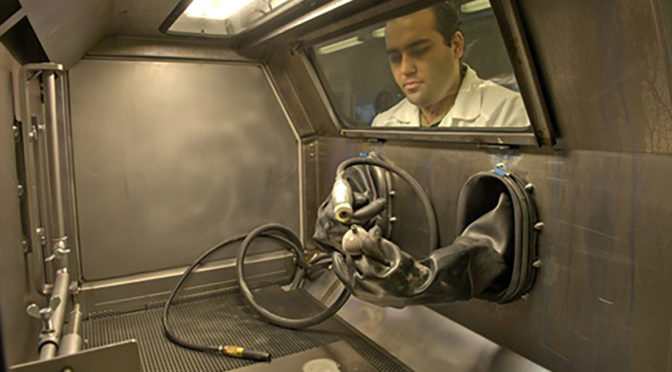
Image: Associate Professor Marco Petasecca, National Space Qualification Network at the University of Wollongong.

Exposed to extreme temperatures and spacecraft vibration, space-bound electronics must also withstand collisions with high-energy particles from solar winds and cosmic rays. This can cause catastrophic radiation damage known as a Single Event Effect (SEE).

Petasecca is the lead for the new National Space Qualification Network (NSQN) at the University of Wollongong (UOW). There, his team will design a laser-based facility to test components’ ability to endure SEE, as part of a six-partner consortium from Australian universities and industry establishing the first sovereign facilities to test and certify space-bound electronics.

“You can approximate the result you get from particles using very intense light,” says Petasecca. This is much cheaper and simpler than using a particle accelerator.

Petasecca pioneered this concept in Italy where he founded a startup currently running testing projects for the European Space Agency. He joined UOW as he was more interested in physics than design, and became a theme leader for UOW’s Centre for Medical Radiation Physics. He also enrolled in a Bachelor of Science at UOW to familiarise himself with Australia’s teaching environment. 

This degree also provided a deep comprehension of modern theoretical physics and quantum mechanics, which will help him understand the processes at play when designing the NQSN facility. Until now, electronic components for space have been tested overseas, however Petasecca stresses the importance of onshore testing facilities for military and space electronics.

“It’s very expensive and needs a level of security that you may not want to give to another country,” he says.

Written by Nadine Cranenburgh

Marco’s career path:

  • Bachelor of Applied Science (Electrical, Electronic and Communications Engineering), University of Perugia, Italy
  • Founder, MAPRad, Italy
  • PhD (Radiation Detection), University of Perugia, Italy
  • Bachelor of Science (Hons), Physics, University of Wollongong, Australia
  • NQSN Project Lead, University of Wollongong, Australia

First published in Australian University Science, issue 6

Preparing for the next pandemic

Image: University of Queensland’s Dr Kirsty Short uses molecular biochemistry to investigate future potential animal-to-human virus transmission.

Basic science informs and drives advances in knowledge that address social needs. Nowhere was this more obvious than the extraordinary ability of scientific research in rapidly helping society respond to the pandemic. As new variants emerge and we face the need to develop new vaccines and policies that can let us learn to live with the SARS-CoV-2 virus, we look at what’s next and the science these advances rely on. 

Building blocks for new vaccines

When the next pandemic virus strikes — as it most certainly will — Professor Bernd Rehm’s team in Brisbane will be ready to launch into action.

The Director of the Centre for Cell Factories and Biopolymers at Griffith University’s Griffith Institute for Drug Discovery (GRIDD) has, with colleagues, developed technology that allows researchers to quickly precision engineer vaccines in response to a novel virus. And it’s the result of years of painstaking science research and development.

“The approach is based on hijacking the assembly pathways of microbial cells to assemble vaccine particles that mimic the virus. We basically take genetic information from the virus and incorporate that into microbial production hosts,” he says. This allows them to create candidate vaccines in the lab that are then available to test in animal trials.

The platform relies on metabolic and protein engineering to create a range of tiny polymer nanostructures — such as micelles and polymersomes — to assemble stable vaccines, which safely deliver antigens of the new virus into the body, provoking the immune system to produce antibodies against it. 

They have already developed two new vaccine candidates to fight the SARS-CoV-2 virus that causes COVID-19. As we’ve seen, the battle against SARS-CoV-2 is far from over: while seven vaccines are currently being deployed worldwide, evolution drives the virus to become more infectious. The more people it infects, the more mutations arise, creating new variants — some of which may sidestep existing vaccines, or make them less effective.

Scientists around the world are racing to try and stay ahead of the mutating virus, developing an arsenal of new vaccine candidates against it. Importantly, the GRIDD technology platform was developed locally, allowing Australian researchers to not only respond to new variants of SARS-CoV-2, but entirely new pathogens. Along with a domestic ability to rapidly design new vaccines, their manufacturing process can be easily upscaled within months to produce millions of doses per week.

Unmasking weaknesses in the new viruses

Where will the next pandemic virus come from? Before SARS-CoV-2 came along, based on decades of research, scientists had expected influenza would be the most likely to cause a global pandemic, and that a new devastating strain would likely come from birds. That hasn’t changed.

In fact, the threat from a pandemic ‘bird flu’ virus has got worse: the most worrying variant of highly pathogenic avian influenza, HPAI Asian H5N1, is now endemic in poultry in Bangladesh, China, Egypt, India, Indonesia and Vietnam. It seems only a matter of time before the virus mutates an ability to jump to humans.

To prepare for this, scientists at the University of Queensland’s School of Chemistry and Molecular Biosciences, led by Dr Kirsty Short, have mapped the genome of the black swan, the bird most susceptible to avian influenza, a disease that can cause severe symptoms and kill the birds within 24 hours. 

By understanding why black swans fall victim to the virus so easily and quickly, scientists hope to understand how the virus attacks, how the bird’s immune system responds, and glean insights into how the pathogen propagates.

“Since 2003, this virus has only infected approximately 800 people worldwide — however, more than 50 per cent of infected individuals have not survived the disease,” says Short. “If the current pandemic teaches us anything, it’s that it is important we know more about potential animal-to-human viruses early.”

Her team has already identified genes that are differently expressed in black swans. “We’re annotating immune genes in the black swan genome and comparing them to genes in the closely related mute swan genome, along with other avian species. We’re also employing computer-driven, large-scale comparisons of these genomes,” says Short. 

It’s the kind of research that may help find chinks in H5N1’s armour in preparation for doing battle in the years ahead.

Airborne transmission

One good thing to come out of COVID-19 has been the acceptance in medical circles of how easily viruses transmit through the air — partly thanks to Professor Lidia Morawska, Director of the International Laboratory for Air Quality and Health at the Queensland University of Technology. In May 2021, the aerosol physicist led a group of 239 scientists from around the world — including physicians, virologists and epidemiologists — to convince the World Health Organisation that airborne spread of SARS-CoV-2 was not only possible, but actually happening.

Mitigating this risk in buildings will require an overhaul of national building codes, adding ‘air quality’ as a top priority for indoor ventilation. But Morawska argues this is needed not just to fight pandemics; poor indoor air quality is increasingly recognised by scientists as a health issue. 

Australians spend 90% of their time indoors — in homes, schools, restaurants, offices, public buildings or inside cars. 

As buildings become better sealed from the outside, pollutants within are being found at high concentrations. The medical cost of indoor air pollutants alone runs at $140 million a year, while its wider burden to the economy may be as high as $12 billion a year. 

“We need building engineering controls that take into account the physics knowledge we already have about airborne infection and transmission,” she says. “But we also need a paradigm change in how buildings are designed, equipped and operated, to minimise all airborne risks — not just infection transmission, but airborne particulate matter emitted by industry, transport, bushfires and dust storms.”

While indoor air quality is a developing science, it’s an issue that is rising to prominence — partly thanks to COVID-19 and the repeated instances of airborne transmission, which have led to large-scale outbreaks and lockdowns with devastating economic impacts. 

While new codes would apply only to new buildings, older buildings should also have ventilation systems retrofitted, Morawska says. This would not only minimise infection transmission in future pandemics, but dramatically reduce the incidence of respiratory disease from indoor air pollutants. “When inhaled, fine particles can damage heart and brain function, circulation, breathing and the immune and endocrine systems,” she says. 

Her centre is developing scientific and engineering solutions to suppress airborne transmission of respiratory viruses, including intelligent building systems, new quantitative methods for assessing a plethora of indoor air risks and practical tools to improve indoor environments. 

COVID-19 has forced us to take the existing science more seriously, which will make our workplaces healthier. And that’s a good thing, she says. 

Written by Wilson da Silva

First published in Australian University Science, issue 6.

Opinion: Expediting science expertise

Image: Supplied

Written by Professor Hugh Bradlow, President, Australian Academy or Technology and Engineering

The Covid-19 pandemic has shown Australia the risks in relying on global supply chains. There’s a growing awareness that Australia needs to achieve a measure of independence (without sacrificing its global outlook) and this will require advanced technological sciences to create local industries in current and emerging fields.

The urgent need to build sovereign capability and competitiveness has accelerated the transition of our manufacturing sector to Industry 4.0. Australian universities have a vital role to play in ensuring that we have sufficient people with the advanced skills needed to run such sophisticated industries.

Emerging industries present an even greater imperative for advanced skills. For example, quantum computing will, over the next decades, start to transform many industries, as it will improve machine learning, financial systems and drug discovery among many other possible uses.

It will also require a whole new skills base: hardware and software engineers, mathematicians and physicists, instrument and material scientists. The key point is that universities have the capabilities to pioneer new technologies and develop the skills to implement them.

Australia is fortunate in that it has a strong research base across all these fields. University research groups, such as that led by Professor Michelle Simmons at UNSW, have been working to make quantum computing a reality for 20 years or more.

To ensure that quantum computing emerges as a successful industry in Australia, the scientists/engineers who develop it will have to look to commercialise their work. This is happening at UNSW through its Silicon Quantum Computing spinoff. 

Australia’s industrial sector will need to look at ways in which it can capitalise on these advanced developments and absorb the skills coming out of university research groups to create new wealth. 

There is also a role for government. Increased investment is needed to build on our leadership in these emerging fields. 

The United States and the United Kingdom have recently agreed to strengthen ties in science and technology to create global leadership in emerging technologies. Their agreement aims to strengthen cooperation in areas such as the resilience and security of critical supply chains, and also realise the full potential of quantum technologies. Australia cannot replicate their financial commitment, but it needs to play its part.

First published in Australian University Science, Issue 6

Fighting fungal infections: Giant leaps for smart nanotech

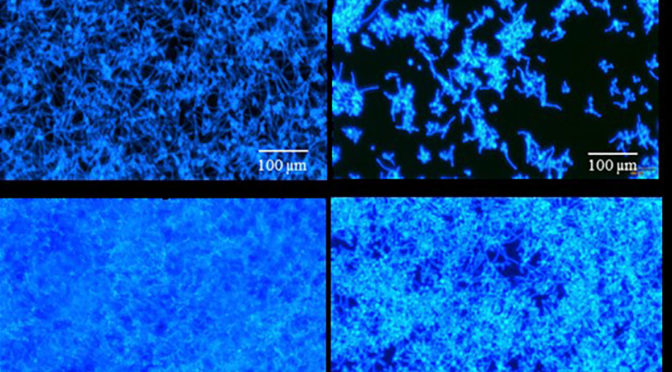
Image: Candida Fungal Biofilms with and without smart micelle treatment. Supplied: Professor Clive Prestidge, University of South Australia

They’re roughly the same size as a coronavirus particle, and 1000 times smaller than a human hair, yet newly engineered nanoparticles developed by scientists at the University of South Australia, are punching well above their weight when it comes to treating drug-resistant fungal infections.

Created in partnership with Monash University, the new nanobiotechnology (called ‘micelles*’), has a remarkable ability to battle one of the most invasive and notoriously resistant fungal infections ­– Candida albicans.

It’s a timely finding, especially given the significant rise of dangerous fungal infections in hospitals with countries overrun by COVID-19.

Candida albicans is an opportunistic pathogenic yeast that is extremely dangerous to people with compromised immune systems, particularly those in a hospital setting. Found on many surfaces, Candida albicans is notorious for its resilience to anti-fungal medicines. It is the most prevalent cause of fungal infections worldwide and can cause serious infections that can affect the blood, heart, brain, eyes, bones, and other parts of the body.

Senior investigator, UniSA’s Professor Clive Prestidge says the new polymer-based micelles could revolutionise current anti-fungal medicines.

“Managing and treating invasive fungal infections is particularly challenging because so many fungal biofilms are resistant to contemporary antifungal drugs,” Prof. Prestidge says.

“Fungal biofilms are surface-loving microbials that thrive on implanted devices such as catheters, prostheses and heart valves, making the presence of these devices a major risk factor for infection.

“In places like India – which has nearly 40,000 new COVID-19 infections every day – hospital resources are severely stretched, leaving healthcare workers are not only battling COVID-19, but also dealing with complacency and fatigue.

“The unfortunate result is that infection control practices have deteriorated, putting patients on mechanical ventilation at greater risk of developing bacterial or fungal infections.
“As fungal biofilms tend to seed recurrent infections, finding ways to break and beat the infection cycle is critical, especially now.

“Our research has identified and developed smart micelles that have the ability to break down single and multi-species biofilms to significantly inhibit the growth of Candida albicans, one of the most virulent fungal species.

“We estimate that the new micelles could improve the efficacy of anti-fungal medicines by 100-fold, potentially saving the lives of millions of people worldwide.”

Dr Nicky Thomas, co-investigator, says the new micelles present a breakthrough for treating invasive fungal infections.

“These micelles have a unique ability to solubilize and entrap a range of important antifungal drugs to significantly improve their performance and efficacy”.

“This is the first time that polymer-based micelles have been created with intrinsic capabilities to prevent fungal biofilm formation.

“As our results already show that the new micelles will remove up to 70 per cent of infection, this could be a real game changer for treating fungal diseases.”

Metal-absorbing plants and a sustainable future for mining

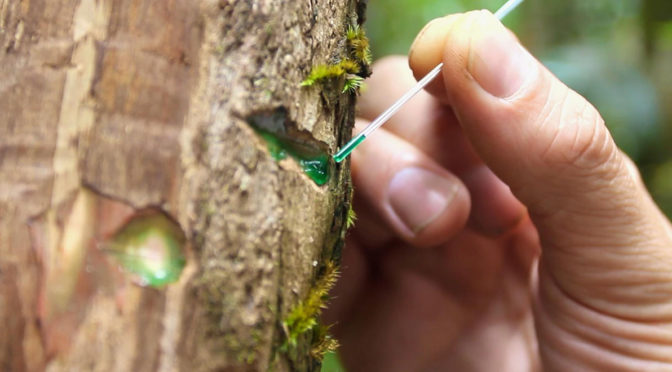
Image: Green phloem sap exuding from Phyllanthus balgooyi in Sabah (Malaysia) containing 20 per cent nickel. Credit: Antony van der Ent, UQ.

Harvesting plants that can absorb metal from the ground may offer a sustainable solution for mining and rehabilitation according to research underway at The University of Queensland.

UQ’s Sustainable Minerals Institute (SMI) has teamed up with the Queensland Government to investigate whether plants can reliably produce metals such as cobalt and zinc through a process known as phytomining, where the plants absorb the metals from the ground.

Associate Professor Peter Erskine said the study is investigating if this process, once implemented at a large scale, could be a sustainable option for mining rare metals and the transition from carbon-fuelled mining.

“We’re currently growing plants using metal-rich soil and tailings from around Queensland,” Professor Erskine said.

“Thanks to a previous study conducted by UQ researchers, we know Queensland is home to native plants that have this ability to absorb metal, which are known as hyperaccumulators.

“UQ’s further phytomining research has the potential to unlock a sustainable stream of critical metals, including from mine wastes and  tailings, that still hold residual metals of interest.

“So, in effect, phytomining could turn waste into new resources.”

The researchers are confident that the phytomining of nickel could quickly proceed to full-scale production and that the phytomining of cobalt, thallium and selenium are on the horizon.

Queensland Minister for Resources Scott Stewart said the joint study had the potential to shape the state’s mining future.

“Rare earth metals are vital to the global economy with the popularity of renewable technology and electric vehicles continuing to grow,” he said.

We already know Queensland has rich deposits of minerals like cobalt, copper and vanadium.

“Research like this will help Queensland emerge as a world-leader in extracting and processing these metals, meaning more jobs and investment for all Queenslanders.”

Professor Rick Valenta said phytomining had the potential to help the mining industry address the expected drop in critical metals supply.

“Lithium, cobalt, copper and nickel are going to be increasingly important for society as renewable energy technologies and electric vehicles become more prevalent,” Professor Valenta said.

“But these critical metals are becoming increasingly difficult for the mining industry to access due to environmental, social, governance and technical factors.

“Without supporting alternative methods of extracting these critical metals, the mining industry may find that is unable to keep up with the growing demand for them.

“Phytomining is uniquely suited for that role because it both introduces an abundance of new resources that can be unlocked with less invasive methods and it allows the sourcing of metals from mine waste.”

Tech heavy-weights combined forces to form new industry association

Image: Shutterstock

Aiming to grow the value of the Australian tech industry to $250 billion over the next decade, 23 Australian leaders in tech have formed the Tech Council of Australia.

The Tech Council comprises the full spectrum of tech companies. It will aim to advise and engage with governments, businesses and the wider community to help support the ongoing creation, development, and adoption of technology across industries.

The council’s board includes Atlassian co-founder Scott Farquhar, Afterpay co-founder Anthony Eisen and Canva co-founder Cliff Obrecht. The board will be overseen by Tesla chair Robyn Denholm, with various other tech leaders involved in the group.

Considering the sector employs an estimated 861,000 Australians, the group aims to grow the industry, support local talent and influence regulatory policy to ensure the sector can continue to thrive.

Currently, the Australian tech sector contributes $167 billion to the Australian economy. It is the third biggest industry by revenue.

The TCA has three roles

  1. Policy: To work closely with the industry and government on policy areas that grow the tech sector and jobs in it, such as supporting talent development; incentivising growth and investment; and ensure regulatory settings across the economy work for the tech-enabled economy. 
  2. Research: To undertake unique, data-driven research into the impact of the tech sector, and key issues impacting it.
  3. Engagement: As the unified voice for the sector, TCA will bring government decision-makers and industry together to engage on the role, value and benefits of the tech sector to Australia.

The full list of board members is:

  • Scott Farquhar, Co-CEO, Atlassian (Director)
  • Anthony Eisen, Co-founder and Co-CEO, Afterpay (Director)
  • Cliff Obrecht, Co-founder and COO, Canva (Director)
  • Mina Radhakrishnan, CEO, :Different (Director)
  • Didier Elzinga, CEO, Culture Amp (Director)
  • Wyatt Roy, Former Federal Minister (Executive Director)
  • Kate Jones, Former Queensland Minister (Executive Director)
  • Alex McCauley, former CEO, StartupAus (Executive Director)
  • Kate Pounder, CEO, Tech Council of Australia

You can view the full list of companies involved on the Tech Council’s website.

Investment in youth environmental education key to addressing climate change

Image: Shutterstock

An international group of researchers from Monash University, Exeter University, University of Southern Queensland (USQ) and Stanford University, have identified that education is a cornerstone in supporting the necessary behavioural changes that are needed to address climate change. 

In a recently published research paper, the researchers argue that environmental education, particularly within the areas of humanities, arts and social sciences, is the only way to gain unified support to promote lasting social and environmental change.

Professor Alan Reid, from the Faculty of Education at Monash University, says environmental and science education helps people to identify fake information and ideologies, and understand and respond appropriately to warnings about the climate emergency.

“The deepening environmental crisis will continue to worsen if there is not significant support and investment in environmental and science education,” Professor Reid said. 

“Governments and other organisations need to direct more funding to education innovation to help young people address the complex, interlinked trends in the deteriorating state of ecosystems, biodiversity and climate, amongst other environmental issues.” 

The experts add that consensus on our current environmental predicaments must also be supported by those in the humanities, arts, and social sciences, and wider society. 

Professor Jo-Anne Ferreira from USQ, says the research identifies the importance of a whole-school approach as opposed to quick curriculum fixes for addressing the climate emergency. 

“We also need to look at investment and innovation in lifelong learning and non school-based provision, alongside examining the focus of current initial teacher education and continuing professional development,” Professor Ferreira said.  

“Global leaders should be discussing how to reimagine, recreate and restore environmental education to reduce the consequences of the environmental crisis. Countries should embed environmental and science education throughout society in ways that make sense locally,” added Professor Justin Dillon from the University of Exeter.

The research paper highlights international surveys that show many governments continue to fail to support and invest enough in environmental and sustainability education across pre-school, school, college and university settings. 

“Ensuring any form of environmental education is relevant, coherent, fit for purpose, funded appropriately, and available to current and future generations within and beyond the curriculum will be crucial to addressing sound and pertinent warnings from scientists,” said Professor Reid. 

The researchers conclude that as a collective we must consider the role of education both critically and creatively in influencing and shaping any of our individual and collective behaviours.

To view the research paper, please visit: https://bit.ly/3wzev0U