The CO2 Utilisation Roadmap explores the opportunities presented by emerging carbon capture and utilisation (CCU) technologies for Australia to support new industries and reduce carbon emissions.
The Roadmap identifies how emerging CCU technologies could be used to support growth opportunities in Australia’s food and beverages industry, the creation of zero or low carbon building products and materials, and position Australia for the export of low emissions chemicals and fuels.
CSIRO Chief Executive Dr Larry Marshall said CCU technologies can help transition Australia towards a lower emissions future while creating economic growth.
“No single technology will take us to net zero – the scale of our challenge in adapting to climate change and decarbonising our industries requires us to draw on every available tool,” Dr Marshall said.
“The development and demonstration of high abatement technologies like CCU has the potential to have a significant impact, as part of our broader efforts to both reduce emissions and lift the competitiveness of our industries.”
Currently, industries such as cement, steel, plastics and heavy transport still rely on fossil fuels or have inherent emissions in their processes and are traditionally ‘hard to abate’.
These industries are unable to rely on renewable technologies alone and account for about a sixth of Australia’s emissions and around a third of global emissions.
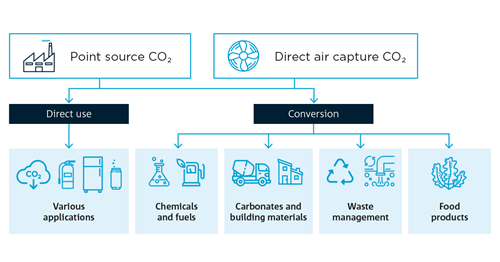
CCU technologies capture CO2 from the waste streams of industrial processes, or directly from the atmosphere, and convert it into useful new products, ranging from synthetic fuels to food and beverages, chemicals, and building materials.
Image: CSIRO
Associate Director of CSIRO Futures Vivek Srinivasan said Australia is well-placed to lead in CCU technologies.
“Our analysis shows that Australia is well positioned to capitalise on the CCU opportunity and become a leader in this emerging area,” Mr Srinivasan said.
“Australia’s advantages include capacity to implement the low-cost, low-emission electricity needed for CCU technologies, a track record for developing internationally competitive export industries, and established international bilateral agreements on low emissions technologies.”
The Roadmap draws on extensive national and international consultation, modelling and analysis to determine the key advantages, barriers, and considerations to support scale-up for identified areas of CCU opportunity for Australia.
By acting as a potential major user of hydrogen and helping to reduce CO2 emissions, CCU complements CSIRO’s investment in Australia’s hydrogen and emissions reduction research through the Hydrogen Industry and Towards Net Zero Emissions Missions.
CSIRO worked with government and industry to develop the CO2 Utilisation Roadmap including the Australian Department of Industry, Science, Energy and Resources, Woodside, Santos, BHP, Wesfarmers Chemicals, Energy & Fertilisers, APA Group, Mineral Carbonation International, the Victorian Government, KBR, Advisian, Australian Trade and Investment Commission and CO2 Value Australia.
Nominations are now open for the 2021 SA Science Excellence and Innovation Awards, celebrating South Australia’s top researchers, industry leaders and educators.
Minister for Innovation and Skills David Pisoni said the awards recognise and reward science, technology, engineering, maths and medicine (STEMM) professionals making outstanding contributions to research, innovation and education, as well as highlighting significant research and development being conducted in South Australia.
“As we continue to face the ongoing challenges of COVID-19, it is important to recognise and celebrate the critical role that science and its translation plays in ensuring our economic recovery and growth,” Minister Pisoni said.
“These awards enable us to pay tribute to our extraordinary science, research and innovation leaders who continue to shape and deliver solutions to some of the most complex challenges facing communities across Australia and the world.
“It’s also an opportunity to celebrate educators who inspire and challenge the next generation to develop the knowledge, skills and creativity to build a better world.”
Chief Scientist for South Australia Professor Caroline McMillen said that the state takes real pride in the achievements and ongoing contributions of the previous recipients of these prestigious awards, which continue to deliver economic, health and environmental impact across the world.
“Importantly we know that in STEMM we need diversity of ideas from talented individuals of different backgrounds, cultures and abilities to generate the diversity of solutions necessary to fuel innovation,” Professor McMillen said.
“I look forward to seeing diversity reflected in the great applications submitted for these important awards.”
Chief Entrepreneur for South Australia Andrew Nunn also said the state’s research, entrepreneurship and innovation ecosystem was home to world-leading and diverse businesses driving economic growth for SA.
“It’s clear that South Australian businesses are recognising the opportunities that come with working with researchers, enabling them to find practical solutions to challenges, develop new products and services and increase their global profile,” Mr Nunn said.
“Sharing our success stories is vital to build our state’s culture of innovation. I encourage all businesses and industry leaders to nominate.”
The South Australian Scientist of the Year and South Australian Innovator of the Year will receive a prize to the value of $25,000. Other award winners will receive a prize to the value of $10,000 to use towards their career development.
Applications close 5pm Wednesday, 11 August 2021. For more information, guidelines and to apply, visit www.scienceawards.sa.gov.au.
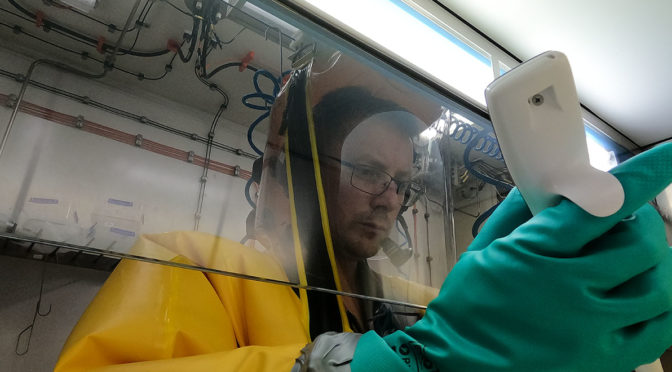
Image: A scientist working under high containment at CSIRO’s Australian Cenetre for Disease Preparedness in Geelong, Victoria.
A ‘warm’ COVID-19 vaccine suitable for remote and resource-limited locations lacking access to cold storage supply chains is one step closer following an international collaboration between scientists from India and Australia.
CSIRO, Australia’s national science agency, played an important role in evaluating heat-tolerant COVID-19 vaccine formulations developed by the Indian Institute of Science (IISc) and biotech start-up Mynvax – against all current SARS-CoV-2 variants of concern.
Published in the peer-reviewed ACS Infectious Diseases journal, researchers showed the vaccine formulations triggered a strong immune response in mice, protected hamsters from the virus, and remained stable at 37°C up to a month and at 100°C for up to 90 minutes.
Most vaccines require refrigeration to remain effective, like Oxford-AstraZeneca which must be kept between 2-8°C and Pfizer which requires specialised cold storage at -70°C.
CSIRO scientists at the Australian Centre for Disease Preparedness in Geelong contributed to the study by assessing vaccinated mice sera (blood samples) for efficacy against key coronavirus variants, including the Delta variant currently spreading globally including in Sydney.
Dr. S.S. Vasan, CSIRO’s COVID-19 project leader and co-author, said the Mynvax-vaccinated mice sera show a strong response to all variants of the live virus.
“Our data shows that all formulations of Mynvax tested result in antibodies capable of consistent and effective neutralisation of the Alpha, Beta, Gamma and Delta SARS-CoV-2 variants of concern,” Dr Vasan said.
CSIRO’s evaluation of the different Mynvax formulations will support selection of the most suitable candidate for planned human clinical trials in India later this year.
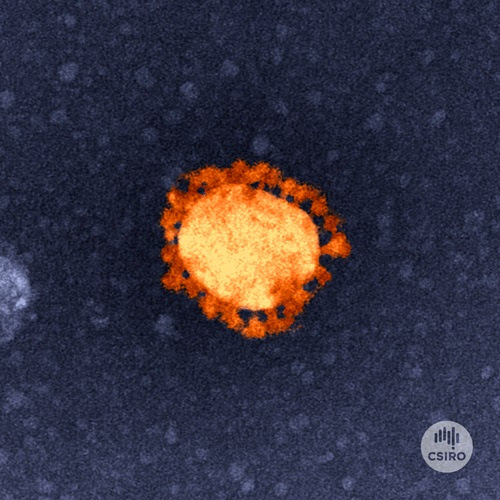
Above: An image of the Coronavirus responsible for causing the disease COVID-19.
CSIRO’s Health and Biosecurity Director, Dr Rob Grenfell, said the pandemic has demonstrated the need for global scientific collaboration to address the urgent demand for multiple cost-effective COVID-19 vaccines and treatments.
“CSIRO has a long history of developing and testing vaccines for humans and animals,” Dr Grenfell said.
“Since the start of the pandemic, CSIRO has played a crucial role in fighting COVID-19 by conducting preclinical evaluation of two COVID-19 vaccines including Oxford-AstraZeneca, tracking emerging variants of concern, and monitoring wastewater to detect hotspots in the community.
“A thermostable or ‘warm vaccine’ is critical for remote or resource-limited locations with extremely hot climates which lack reliable cold storage supply chains, including regional communities in Australia’s outback and the Indo-Pacific region.”
Established in 1916, the Commonwealth Scientific and Industrial Research Organisation (CSIRO) is Australia’s national science agency. It has conducted critical preclinical studies for Oxford-AstraZeneca’s viral vectored vaccine (known as Covishield in India), Inovio Pharmaceuticals’ DNA vaccine, and IISc-Mynvax’s protein subunit vaccine against COVID-19.
Established in 1909, the Indian Institute of Science (IISc), Bangalore, is India’s premier institute for advanced research and education in all branches of science and engineering, and is the world’s top ranked university in the citations per faculty metric of the Quacquarelli Symonds (QS). IISc and its spin-out Mynvax Private Limited have been developing their COVID-19 vaccine with funding from the Gates Foundation and Government of India. Mynvax is also developing improved subunit vaccines for influenza. More: www.iisc.ac.in
A new report launched today by the Australian Academy of Science has found that the impact of COVID-19 on women in the STEM workforce across the Asia-Pacific region has heightened the challenges and barriers they face in progressing their careers. A survey conducted as part of the report found almost half of the women surveyed with caring responsibilities do not have access to flexible work, despite 60% of them saying flexible arrangements could better support their working conditions.
The survey included responses from 1,109 individuals, including 865 women, from 31 Asia-Pacific countries and economies. This survey provides new evidence of the extent and impact that COVID-19 has had on the STEM workforce across the region. The report calls for STEM-related organisations across the Asia-Pacific to embed more flexible workplace cultures and to recognise that for those working in STEM research, flexible measures of work productivity are needed, especially in terms of publication records.
The worsening of gender inequity in the STEM workforce across the region has been brought about by changes in lifestyle and the blurring of boundaries between the spheres of work and home, increased domestic and caring responsibilities.
The report found the pandemic has also impeded work productivity, increased precarious and insecure work arrangements, and reduced access to research facilities and workplaces due to lockdown arrangements. These new conditions have had a significant impact on individual wellbeing, with the survey finding 50% of survey respondents reporting negative mental health impacts in relation to work or home life.
Despite the impacts of the pandemic the survey found personal passion for their work (59%) and work fulfilment (46%) are the main reasons why women are likely to remain in STEM. 72% reported that their short-term career expectations were to remain in the STEM workforce.
Chair of the report’s Steering Committee, Emeritus Professor Cheryl Praeger, said the report has revealed that the pandemic continues to profoundly affect the lives and day-to-day activities of women in the STEM workforce at every level.
“Different parts of the Asia-Pacific region have different capacities to respond to these negative impacts. Regional collaboration, together with supportive workplaces and communities, can minimise gendered impacts of the pandemic on the STEM workforce.
“Solutions are offered in the report for all parts of STEM particularly the need for flexibility in workplaces for all genders, and flexibility in grant applications and delivery,” Emeritus Professor Praeger said.
The report also highlights 20 personal stories from nine Asia-Pacific countries and looks at ways the region can future-proof and enhance a diverse STEM workforce in the Asia-Pacific. This project was funded by the Regional Collaborations Programme, administered by the Australian Government’s Department of Industry, Science, Energy and Resources (DISER).
About the survey
A wide range of STEM disciplines and all career stages were represented in the survey responses. Women in chemistry were the biggest group (13%), followed by women in physics and mathematics (12%), biology (11%), engineering (10%) and medical sciences (9%). More than 80% of all respondents had attained post-graduate qualification. Women aged 35 to 44 years (37%) were the main age group who completed the survey. Just over 25% of the survey respondents were from Australia. The countries of survey respondents are on page 16 of the report.
Researchers from The University of Western Australia have developed tools to identify plant genes resistant to disease-causing fungi and deploy them to create more resistant crops.
It could lead to more productive harvests and reduce the need for farmers to apply fungicide to canola crops, a major export industry for Australia.
Blackleg, a disease-causing fungus that can wipe out crops, is a serious problem for canola growers, with an average of 10 per cent yield loss per year.
The researchers from the UWA Batley Lab set out to investigate the evolution of the resistance genes against blackleg to develop a durable resistance mechanism to the disease for breeders and farmers. Using genome sequencing, the team developed a screening platform that can identify the genes that underlie the resistance against blackleg in canola plants.
The resistance genes can then be deployed in breeding programs to protect canola crops nationwide. Lead author Professor Jacqueline Batley, from UWA’s School of Biological Sciences, said that by better understanding plants’ resistance genes, and identifying how they interact with pathogens, it was possible to improve the crop, the yield and the economic outcomes for farmers.
“There is a global need for sustainable food production and to reduce the use of chemicals on the land with less economic loss,” Professor Batley said.
“We need to make sure that we have sources of resistance across all plant species so that we have enough food on our table in the future as the population grows.”
Professor Batley said the disease resistance research could be expanded to different species.
“Once you can understand the DNA, identify the genes and look at what’s causing certain traits, you can apply this to other species,” Professor Batley said.
This work was undertaken in collaboration with researchers at the University of Melbourne
A memorandum of understanding has been signed to mark the start of a co-operation which is designed to develop Australia’s sovereign space capability. Wolfpack will operate as UNSW’s non-exclusive incubator for the university’s space startups. These are independent entities established by students and/or staff of UNSW but not controlled by UNSW.
Wolfpack will provide the startups with services such as business training, access to funding and customer networks, as well as space readiness capability-building. UNSW will provide the startups with access to equipment at ACSER (Australian Centre for Space Engineering Research), including a thermal vacuum chamber, an anechoic chamber, vibration testing equipment, frictionless air beds and Helmholtz coils.
UNSW Professor Andrew Dempster, Director of ACSER, said: “We’re aiming to develop an ecosystem of Australian startups in the space business.“
He says the space industry is moving away from the “big agency/big satellite” model and is becoming much more commercial. There is a new way of doing space business.
“These businesses will benefit greatly from working together in groups and by collaborating to put together missions and to really develop and grow. That’s why we want to find people with great ideas and convert them into successful businesses. Australia has the fastest growing space startup community in the world. The best time to be doing space in Australia is right now.“
Professor Dempster believes the Wolfpack team is an ideal partner for this endeavour. “Jason Held and I have been developing the space sector for a decade and it is fantastic to formalise that long-standing collaboration.“
“With various government funding schemes starting to recognise Australia’s development in space, many inexperienced outsiders are trying their hand at space but Jason is the real deal – he’s been there since the dark days and with Wolfpack he’s delivering genuine outcomes for businesses developed by UNSW students,” says Professor Dempster.
Examples of previous success stories are Spiral Blue, which develops onboard computers for Earth observation satellites, and Sperospace, which designs robotic arms — both of which were founded by UNSW graduates and received significant space and defence agency funding while in residence at Wolfpack.
Dr Held said: “The Wolfpack Space Hub is an incubator ‘by space people for space people’ and focuses on startups that want to fly. A spaceflight focus allows us to rapidly accelerate startups using national assets such as the Responsive Space Operations Centre at Lot Fourteen in Adelaide. For us, it’s not just about getting startups off the ground and ready for investors. It’s about getting them in the sky and getting customers.”
“We’re really excited to sign this agreement with Professor Dempster and the ACSER team. They have an exceptional track record of supporting space startups already. Working together will have a catalytic effect on their efforts and converting the next generation of researchers into successful off-world space companies.”
The videos were produced in collaboration with the Clean Energy Regulator and tell the story of five different carbon farming methods: soil carbon, vegetation, revegetation, plantation forestry and human-induced regeneration.
John Connor, CEO of the CMI says: “These case studies highlight the significant employment and environmental benefits that come from carbon farming projects, as well as the climate benefits that flow from sequestering carbon through agricultural activities and land management.
“There’s been a decade of successful carbon farming in Australia and these stories are just the tip of the iceberg.”
The case studies, drawn from projects in New South Wales and Victoria, demonstrate that carbon farming works successfully with traditional farming practices, increases productivity and drought tolerance while reducing farm input costs, and provides farmers with new income streams.
“The government’s Emission Reduction Fund has thrown a lifeline to the Carbon Farming Initiative that first began in 2011,” says Mr Connor. “Almost 1000 projects have been developed so far and thousands more can be delivered that will bring real benefits to regional Australia and the global climate.”
The CMI’s 2017 Carbon Farming Industry Roadmap highlights that with the right policies and ambition, carbon farming can support the development of over 20,000 jobs by 2030, and over $20 billion in carbon project revenue, mostly flowing to regional Australia.
Meanwhile, the CMI’s world-first Carbon Industry Code of Conduct, which defines industry best practice for carbon project developers, becomes fully operational on July 1, 2021.
“With the right policies, and a laser-like focus on integrity, our carbon farming industry can become a major exporter of carbon reduction credits and expertise to a world increasingly demanding them,” Mr Connor says.
“It was a pleasure to visit these carbon farming sites firsthand to see the benefits being delivered and I’d encourage others to do so,” Mr Connor says. “I’d like to thank the farmers, their staff and local businesses we spoke to for their enthusiastic participation.”
About the CMI
The Carbon Market Institute is the industry association for business leading the transition to net-zero emissions and has over 100 corporate members including primary producers, carbon project developers, emission intensive companies and legal, banking and advisory service providers.
A DNA test developed by CSIRO, Australia’s national science agency, can improve management of wild fish populations for conservation or harvest by determining the ages of fishes.
Postdoctoral Fellow with CSIRO’s Environomics Future Science Platform Dr Ben Mayne said the new method is a non-lethal alternative to counting growth rings in their otoliths, or ear bones of fish, to reveal their age.
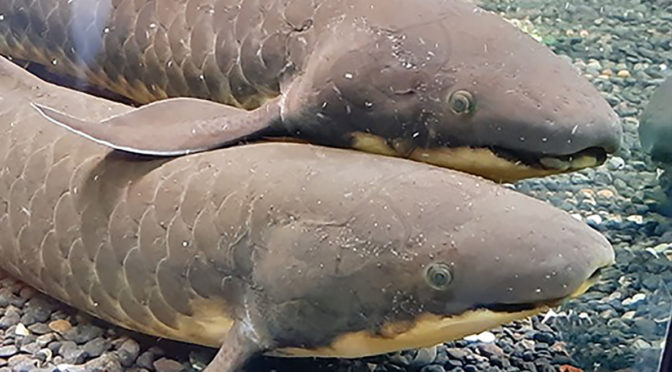
“We developed a fast, cost-effective DNA test for use with three threatened Australian freshwater species, the Australian lungfish, the Murray cod and the Mary River cod, which can also be adapted for other fish species,” Dr Mayne said.
“Knowing the ages of fish in a population is vital for their management, such as setting sustainable harvests or determining whether a species is at risk of extinction as well as understanding growth and reproduction of a species.
“We’re now hoping to share this test with fisheries managers to support conservation projects and sustainable fisheries worldwide.”
Until now, most animals, including fish, didn’t have a practical and non-lethal method to determine age.
Senior Research Scientist at Seqwater Dr David T. Roberts has been conducting research on lungfish for over a decade.
“The search for a method to age Australian lungfish has been costly and technologically challenging,” Dr Roberts said.
“This breakthrough DNA-based ageing method will advance our understanding of lungfish population dynamics, providing a low cost, accurate and simple method that will improve conservation efforts long into the future.”
Tom Espinoza of the Queensland Department of Regional Development, Manufacturing and Water has spent 15 years working on water planning that balances the needs of multiple stakeholders and key aquatic species in Queensland.
“Australian lungfish, Murray cod and Mary River cod are iconic species in Australia due to their economic, scientific and cultural value,” Mr Espinoza said.
“Non-lethal ageing provides an important platform from which to develop this technique across more species and improve management of the fisheries and natural resources that support them.”
To develop their DNA test, Dr Mayne’s team first worked with zebrafish, which have long been used to study fish biology, before calibrating their technique for threatened species using fish of known ages, bomb radiocarbon dating of scales, and ages determined from otoliths.
The result is a rapid and cost-effective method to determine the age of a fish, which is based on methylation of DNA at places in the genome known as CpG sites.
Despite the zebrafish and the Australian lungfish being separated by more than 100 million years of evolution, this system is conserved and works in both species.
This work is part of CSIRO’s ongoing research to develop ways to use DNA to measure and monitor the environment, including estimating the lifespan of vertebrate species using DNA and surveying biodiversity in seawater using eDNA.
“We are continuing to work with lungfish and cod in south east Queensland by ageing historic genetic libraries to provide detailed demographic profiles to help conserve these species,” Dr Mayne said.
The paper “Non-lethal age estimation of three threatened fish species using DNA methylation: Australian lungfish, Murray cod, and Mary River cod” was published today in Molecular Ecology Resources with authors from CSIRO, Seqwater, Queensland Government, NSW Department of Primary Industries, University of Queensland and University of Western Australia. https://onlinelibrary.wiley.com/doi/10.1111/1755-0998.13440
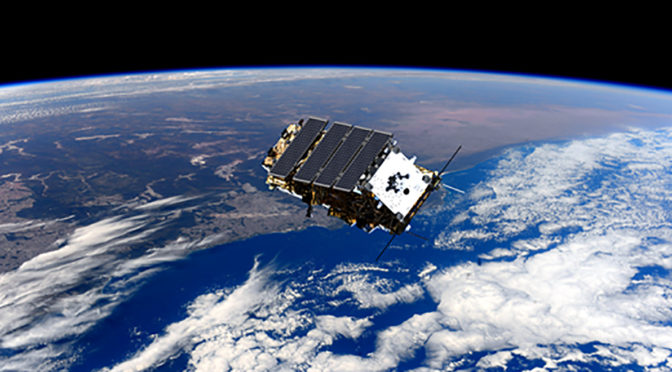
Australian researchers in industries like agriculture and natural disaster management can now apply to direct the Earth observation satellite NovaSAR-1 by accessing Australia’s share of the satellite, managed by CSIRO, Australia’s national science agency.
This will mark the first time Australia has managed its own source of Earth observation data, contributing to the growth of the nation’s space industry.
The satellite can take images of the Earth through all weather conditions, including heavy cloud and smoke, offering a valuable data advantage to the many industries now harnessing the estimated $2.5 billion in economic benefits from the Earth observation sector.
Dave Williams, CSIRO’s Executive Director Digital, National Facilities and Collections said CSIRO would be operating its share of the satellite as a national facility available to Australian researchers.
“CSIRO has a strong track record of hosting world-class national research infrastructure on behalf of the nation, including radio telescopes, a marine research vessel, a high-containment facility for researching infectious diseases, supercomputers, biological collections and digital capability,” Dr Williams said.
“Although Australia is one of the largest users of Earth observation data, until now we have not had direct control over the tasking of an Earth observation satellite, so the opening of our NovaSAR-1 facility represents a step change for Australian research and an important step forward for our space industry.”
Satellite data will be downloaded to a receiving station near Alice Springs owned by the Centre for Appropriate Technology (CfAT), Australia’s first and only Aboriginal-owned-and-operated ground segment service provider.
Peter Renehan, CfAT CEO, said access to NovaSAR-1 has the potential to benefit many Indigenous communities, like Indigenous rangers who look after land and sea and can use imagery from space to help do their jobs.
“It’s important that we can build and own facilities like this right here in central Australia and feel proud that Aboriginal Australians are making such an important contribution to supporting the development of Australia’s sovereign capability in the space industry,” Mr Renehan said.
Dr Amy Parker, CSIRO Satellite Operations and Data Manager, said synthetic aperture radar imagery like that from NovaSAR-1 has not been widely used in Australia before.
“So far, we’ve used the satellite to capture over 1,000 images, all of which are now available to users. NovaSAR-1 is an exciting addition to the country’s Earth observation resources while also helping us to build our capabilities in satellite operations,” Dr Parker said.
Applications to use the NovaSAR-1 national facility will be reviewed by an independent committee and allocated based on the scientific merit of the proposed research.
To access the NovaSAR-1 data or find out more about applying for satellite time, visit CSIRO NovaSAR-1 national facility at www.csiro.au/novasar
About the NovaSAR-1 satellite
The NovaSAR-1 satellite, developed by Surrey Satellite Technology Limited in the UK, utilises S-band synthetic aperture radar (or SAR), providing medium and high-resolution images of Earth from space. In September 2017 Australia’s national science agency, CSIRO, purchased a 10 per cent share of time on the satellite. The agreement allows CSIRO to direct the NovaSAR-1 satellite to collect data through a range of observation modes with priority over the Australian region for the duration of the mission. CSIRO is operating its share of NovaSAR-1 as a national research facility.
About the Centre for Appropriate Technology
The Centre for Appropriate Technology Ltd (CfAT) was established in 1980 to research, design, develop and deliver appropriate technologies and technical training to Indigenous people living in remote communities. CfAT’s wholly-owned subsidiary, CfAT Satellite Enterprises (CfATSE), manages a satellite ground station, which is Australia’s first and only Aboriginal-owned-and-operated ground segment service provider. CfATSE has partnered with global communications company Viasat (Nasdaq: VSAT) to bring affordability and reduce latency to Earth observation and remote sensing applications.
A video detailing ground-breaking work to supply remote communities in Australia with fresh drinking water is a finalist in an international competition aimed at inspiring a new generation of technologists and engineers, by showing the impact engineering has on our lives.
The International Council of Academies of Engineering and Technological Sciences (CAETS) has established two annual Communication Prizes to encourage those in STEM to think more about engaging with the public about the significance of their work, and to inspire students to consider career paths in those fields.
The Australian Academy of Technology and Engineering (ATSE) is a founding member of CAETS and was tasked with judging the Australian entries and choosing a finalist to compete against those from other countries.
The successful Australian video entry about Project Gilghi, submitted by Aurecon CEO William Cox FTSE, details an initiative to supply remote communities with energy-efficient, transportable water purifying treatment plants.
Project Gilghi is a solar-powered water treatment plant that can fit into a shipping container, so it can be easily transported, set up and be operational within just two to three days. The project is guaranteeing long-term water sustainability for remote areas and ensures long-term water security as well as a range of environmental and water resource benefits for Indigenous communities.
ATSE President Hugh Bradlow congratulated Mr Cox, saying it’s a successful engineering story that deserves international recognition.
“Australia’s technologists and engineers are doing incredible, innovative work, but this is sometimes poorly understood because it has not been explained in terms everyone can understand,” he said.
“The Aurecon entry clearly articulated how technology and engineering is making a positive impact on these communities and solving real-world problems.”
Mr Cox expressed excitement over the new milestone Aurecon and Project Gilghi have achieved.
“We are honoured to be representing Australia in the prestigious CAETS Communication Prizes,” he said.
“Beyond an engineering success story, Project Gilghi is a story of renewing hope and uplifting equality for the remote Indigenous community of Gillen Bore by providing them with access to safe, sustainable drinking water. Together with our partner Ampcontrol, our hope for Project Gilghi is to be a catalyst that would bridge the water inequality gap on remote communities not only in Australia, but across the globe.”
Launched in 2019, Project Gilghi is not only providing the community of Gillen Bore in the Northern Territory with clean drinking water, it is also presenting employment opportunities with a training program developed for local Indigenous people to operate and maintain the unit in an ongoing capacity. Ultimately, this has facilitated community ownership over the water supply.
With its significant social impact, Project Gilghi has also been recognised by professional industry organisations in and outside Australia in 2020 such as the Australian Financial Review for Best Social Impact Innovation, Australian Water Association for Infrastructure Project Innovation, Good Design Awards for Social Impact, and Institution of Civil Engineers UK Chris Binnie Award for Sustainable Water Management among others.
Australia must ‘level up’ on our outlays in income-generating R&D and research translation to tackle the vast structural economic, social and budget challenges ahead, the nation’s peak body for science and technology has said.
“A slowing economy, a major productivity challenge, a dropping birth rate, and a long-term COVID hangover sharpen the imperative for clever investments now to put Australia on a path to become a global science and technology superpower,” she said.
“The clear message from this report is that Australia needs to level up its investments in future income-generating R&D and research translation to tackle the challenges ahead. Science and technology are the answer to every one of them.”
“In a world advancing technologically at breakneck speed, the key to future prosperity for Australia will be our ability to be at the forefront of the big advances in science, engineered solutions and the emerging technologies of AI and quantum.”
“Nailing those capabilities will help Australia to solve the big social, economic and budget challenges coming our way – including in health care and aged care.
”Science & Technology Australia’s recent policy vision – Australia as a STEM Superpower – contains many of the answers on how the nation can meet the challenges highlighted in today’s Intergenerational Report.
“An ambitious strategy to level up Australia’s R&D investment should begin with a new $2.4 billion research translation and commercialisation fund and a national R&D target of 3 per cent of GDP to peg ourselves to key global rivals.”
The University of Newcastle, University of Wollongong, UNSW Sydney and Western Sydney University – collectively the NUW Alliance – recently launched its Multiversity program of specialist technology courses, designed and delivered with TAFE NSW and industry, to drive job creation and upskilling at Bradfield. The Alliance welcomed the NSW Government’s generational investment in critical supporting infrastructure at the outer Western Sydney new city centre.
As part of the NSW Budget package, $138.2 million has been designated for Bradfield’s first building, which includes $24.9 million for a ‘high tech facility’ with an additional $22.9 million earmarked to fit-out the facility with state-of-the-art research equipment.
Commenting on the funding announcement, NUW Alliance, Chief Executive Officer, Dr Andy Marks said, “This at-scale commitment from the state government backs in the Multiversity and provides the platform to do something truly transformative in skills and research for the benefit of NSW residents and businesses.”
The NUW Alliance universities and their University of Technology Sydney (UTS) peers, are currently developing an industry-aligned research vision to support the NSW Government’s plans for its coming high tech facility at Bradfield.
Dr Marks added, “This investment comes at a vitally important time for business – large and small, local and international – seeking to leverage the research and development opportunities the new airport and city centre will bring.”
“The combined research expertise of five universities, working collaboratively on focussed job-creating technologies will be of a magnitude and impact unlike anything previously seen in Australia”, Dr Marks said. “We commend the State Government for taking the critical first step in making that a reality”, Dr Marks concluded.
About the NUW Alliance
The NUW Alliance comprises four leading Australian research-intensive universities – the University of Newcastle, UNSW, the University of Wollongong and Western Sydney University.
The NUW Alliance spans a geographic area home to more than 75% of NSW’s population and 25% of Australia’s. The size and scale of our Alliance has not been seen before in Australia – 194,000 students plus 14,500 staff, working across 37 locations including 15 innovation hubs and driving $850 million in research funding.
The mission of the NUW Alliance is to seek out the big collaborations that make a difference, collaborations that unlock new value, impact and benefit for our communities across NSW. About the Multiversity
Backed by both the NSW Government and the Australian Government, the Aerotropolis Multiversity will deliver a new approach to education and training, connecting the future of learning to the jobs of the future. In an Australia-first collaboration, the University of Newcastle, UNSW Sydney, the University of Wollongong, Western Sydney University and TAFE NSW have joined forces to establish the Multiversity – a new education, training and research approach ready for the 22nd century, centred on the Western Sydney Aerotropolis and Western Parkland City.
In December 2020, the Multiversity was successful in gaining $17.09 million in Commonwealth funding through National Priority Places, Innovation Places, and short course places.
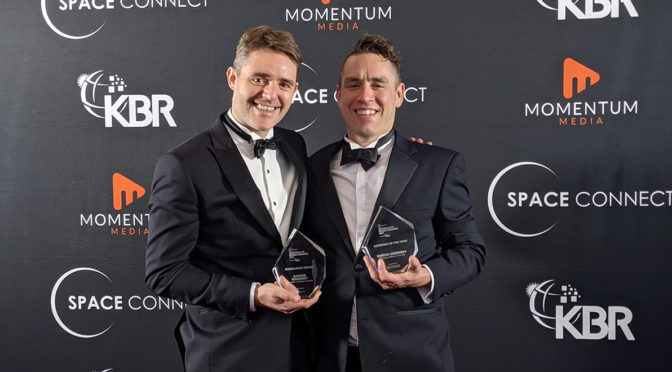
Image: Associate Professor Danail Obreschkow (L) (Australian Research Council Future Fellow) and interim head of the UWA International Space Centre and Astrophysicist Dr Sascha Schediwy (R) from The University of Western Australia and International Centre for Radio Astronomy.
Astrophysicist Dr Sascha Schediwy from The University of Western Australia and International Centre for Radio Astronomy Research (ICRAR) has won Academic of the Year and the overall Excellence award (the top award) in the 2021 Australian Space Awards.
The Australian Space Awards recognise the best and brightest who are driving the development of Australia’s space economy in the Australian space industry.
Dr Schediwy was acknowledged for his outstanding achievements in space research, in particular the use of free-space laser links to send communication and timing signals through the Earth’s turbulent atmosphere – and eventually to outer space. Dr Schediwy and his team currently hold the world record for the most stable transmission of laser signals through Earth’s turbulent atmosphere, as demonstrated on a horizontal test link with the equivalent atmospheric turbulence as a link to space. Their developments could enable better time-scale comparison than even the next generation of optical atomic clocks, leading to the establishment of a global optical time-scale comparison network. Such a network would revolutionise applications ranging from physics, such as tests of the General Theory of
Relativity and dark matter searches, to science of Earth’s geometry, gravity, satellite navigation and timing, and research into light, radio and sound waves.
Dr Schediwy said he was honoured to receive the awards, which were a testament to the hard work and support of his team, colleagues and scientists at UWA and ICRAR.
“I am extremely honoured to have been selected to receive these awards, especially given the esteem of other finalists,” Dr Schediwy said. “I look forward to working with the rest of the Australian space community to advance Australia’s role in space over the next 12 months and beyond.”
Associate Professor Danail Obreschkow (Australian Research Council Future Fellow) and interim head of the UWA International Space Centre said the awards were well-deserved.
“Sascha’s research has set new world records in free-space laser links and his leadership has led to lasting partnerships with the space industry. These awards are also an honour for WA, UWA and the International Space Centre at UWA,” Professor Obreschkow said.
The ATSE Awards 2021 were celebrated with a broadcast showcasing each Awardee and their work, streamed to exclusive viewing parties around Australia.
The ceremony celebrated and recognised applied scientists, technologists, engineers and entrepreneurs from a range of fields including fintech, construction, food and agriculture, and engineering for domestic and international trade across small and large private, government and academic organisations.
New approaches, innovations and practical solutions recognised at the ATSE Awards 2021 included identifying fire risks, managing climate variability impacts on crop and farm management, transporting dangerous goods, and treating cancer by essentially putting cancer cells to sleep.
Much of the work awarded in 2021 is already being successfully applied across a range of industries, and some is well on its way to being available for commercial use.
The winners were announced on 10 June 2021 and the presentation can be watched below. The event was MC-ed by Professor Veena Sahajwalla AM FTSE FAA. ATSE CEO Kylie Walker, and ATSE President Professor Hugh Bradlow FTSE co-hosted the ATSE Awards 2021.
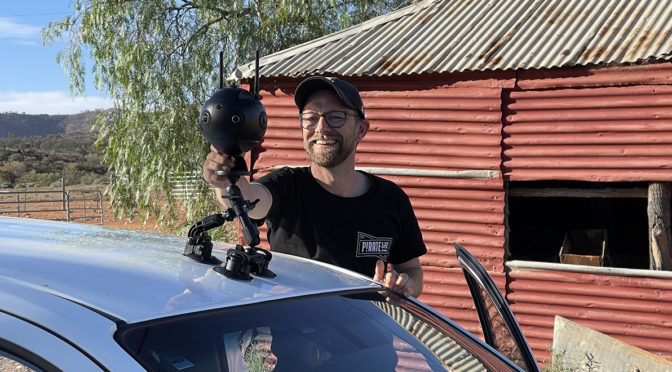
Sir David Attenborough has named it one of his favourite places on earth and the world will soon see why, via an immersive 3D panoramic tour of the ancient Flinders Ranges.
UniSA geologist Tom Raimondo is virtually documenting the geoscientific significance of the 600-million-year-old landscape in support of the State Government’s bid for World Heritage status.
The 360-degree tour will take viewers on a journey through deep geological time, illustrating why this ancient landscape has captured the world’s attention, not only for scientific reasons, but also for its rich Aboriginal and mining heritage.
Associate Professor Raimondo says the virtual tour, to be created as part of UniSA STEM’s Project LIVE initiative, will showcase the remarkable diversity of the Flinders Ranges.
“It’s the best place in the world to witness the rise of animal life on Earth, preserved as the Ediacaran fossils that were first discovered by Reg Sprigg in 1946 and are now our state fossil emblem,” says Assoc Prof Raimondo. “The story of life began in the Flinders Ranges, and its rocks are like the pages of history for us to read.”
The scale and grandeur of this ancient landscape will be revealed by 3D fly-throughs that will allow users to get a birds-eye view of Ikara (Wilpena Pound), discovering how it was formed by massive deforming forces.
“The action doesn’t stop there – we’re going to show users how a giant asteroid slammed into South Australia some 580 million years ago, leaving a crater at Lake Acraman and depositing debris over 300 kilometres away in Bunyeroo Gorge.
“Then from fire to ice we’ll reveal the how the Earth went into a deep freeze and glaciers began slowly and inexorably shaping the hills and valleys, leaving behind unmistakeable evidence of their journey across the landscape,” Assoc Prof Raimondo says.
A separate theme will document the fossil geothermal site at Arkaroola, perhaps the longest active geothermal region anywhere on Earth, where users will explore Paralana Hot Springs and Mount Gee.
The region’s mining history will also be featured, with users taken on a journey deep underground at the Blinman Heritage Mine, discovering the harsh realities of mining life for many early settlers, but also the economic boom that copper brought to South Australia for the best part of a century.
“We’re keen to show how the early exploration for copper mineralisation pioneered in the Flinders Ranges ultimately led to uncovering one of the largest copper, uranium, gold and rare earth element deposits in the world at Olympic Dam,” says Assoc Prof Raimondo.
The virtual reality project is in its initial phase and will take two years to complete, meeting the deadline that UNESCO has given the SA Government to support its claim for the Flinders Ranges to be listed as a World Heritage site.
In April it was given tentative status, bringing it one step closer to joining global icons such as Yosemite National Park and the Galapagos Islands on the World Heritage register.
The Flinders Ranges project is the latest virtual tour developed by UniSA’s Project LIVE, following in the wake of Beyond the Ice, a gamified geological expedition of Hallett Cove, which became an international hit, accessed by users from 57 countries.
Phase 1 of the project has been funded by generous private donations, and the Project LIVE team is actively seeking further support to expand to Phase 2 and engage stakeholders from across the environmental, mining, tourism and heritage sectors.
“UniSA’s expertise in the virtual and augmented reality space allows us to capture such iconic, world-class field sites in a really engaging, entertaining and educational way,” says Assoc Prof Raimondo.
“We see this virtual tour as the perfect vehicle to bring the Flinders Ranges to a global audience, show everyone what a special place we live in, and in doing so, maximise the benefits and economic opportunities available to this region by celebrating its truly world-class geology and palaeontology.”
View the a teaser of the 360 degree tour of the Flinders Ranges, focusing on the mining heritage theme.
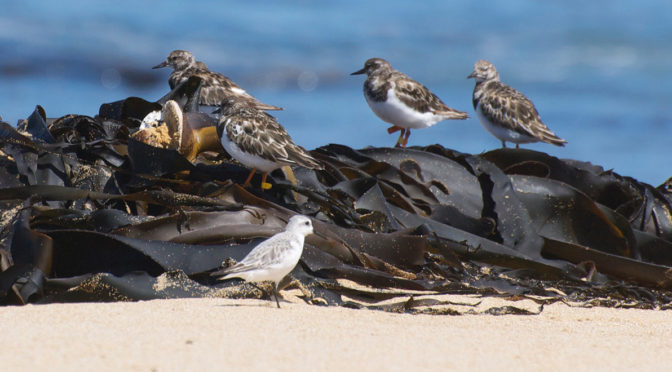
While tidal seaweed (or sea wrack) may seem unsightly – especially at beach-side tourist destinations – new research from the University of South Australia shows that it plays a vital role for many migratory seabirds and should be protected.
In the first study of its kind, UniSA researchers show that beach-cast seaweed provides shelter, and a range of microclimates, in addition to food, that ensure the survival of many shore-bird species.
Specifically, sea wrack acts like a reverse-cycle air conditioner creating cooler conditions when the weather is hot and warmer conditions when it is cold, helping seabirds regulate their body temperatures.
UniSA researchers, Tim Davis and Associate Professor Gunnar Keppel, say that councils, residents and tourists must be educated about the ecological role of sea wrack and how removing it from beaches can have a significant impact on the environment and the survival of bird species.
“Australian beaches are renowned for stretches of golden sand – it’s one of the main drawcards for tourists – so it’s not altogether surprising that beachside destinations tend to favour a seaweed-free coastline,” Davis says.
“The challenge is, however, that while people may see beach-cast sea wrack as an eye-sore, it actually has an ecological role to fulfill, particularly for migratory shorebirds.
“Our research shows that sea wrack provides important microclimates to help seabirds regulate their body temperatures – they mostly forage, rest and roost in the older, dryer wrack, which is warm throughout most of the day. However, they also seek refuge among fresh wrack in the early mornings when it is the warmest habitat available.
“Shore birds move between the different wrack types depending on the prevalent weather conditions. This helps them conserve and build sufficient energy stores for successful migration and reproduction in overseas breeding grounds.
“When sea wrack is removed, then so too are the habitats of these sea birds, and this can have a devastating impact on their populations.”
Globally, beach-cast wrack is removed from many beaches worldwide, either for aesthetic reasons to increase tourism, for fertilisers, or to extract alginate for applications in the food and beverage industry, and the biomedical and bioengineering fields.
Currently, Australian has no guidelines for harvesting wrack.
“Sustainable management of all aspects of coastal environments is essential if we are to conserve the livelihoods of the species that rely upon them,” Davis says.
“Until a code of practice is established, our coastal ecosystems will remain under threat.”
This study was undertaken at Danger Point in South Australia, an important non-breeding ground for migratory shorebirds such as the Double-banded Plover (which migrates to New Zealand) and the Red-necked Stint (which migrates to Siberia).
Leaders in precision gut microbiome science Microba Life Sciences has united with Illumina, Inc., the global leader in DNA sequencing and array-based technologies to advance understanding of the human gut microbiome in human health and disease.
The partnership will bring together Microba’s high-quality proprietary gut microbiome analysis platform with Illumina’s revolutionising Next Generation Sequencing tools to generate the accurate metagenomic data researchers require to make new discoveries.
Focusing activities in Asia Pacific and Japan, the duo will work together to enable research studies that reveal connections between the microbiome and human health from mental health and Parkinson’s disease to nutrition and sleep.
Such projects wouldn’t be possible without access to the accurate and high-resolution data that Illumina’s methodology enables, combined with Microba’s analysis.
Microba CEO Mr Blake Wills said the partnership would further accelerate the adoption of gut microbiome profiling for research into human disease.
“There remains huge potential for research to enhance our understanding of the role the gut microbiome plays in health and disease states,” he said.
“Combining Microba’s deep analysis capability with Illumina’s advanced technology, this potential is being realised.”
Illumina Vice President and General Manager of Asia Pacific and Japan, Ms Gretchen Weightman, explained that by working together the companies could rapidly deliver insights and the accessibility of gut microbiome analysis.
“With genomic sequencing at the forefront of understanding human health, the partnership will aim to explore and demonstrate potential applications of gut microbiome profiling by combining Illumina’s established credibility and global reach in NGS with Microba’s progressive analytical services,” she said.
With current projects including The University of Queensland exploring treatments for Parkinson’s disease and the value of faecal microbiome transplants (FMT) to treat depression with the Food and Mood Centre, it’s expected that the partnership will increase the uptake of high-quality microbiome research to enable new discoveries.
The approach being developed by researchers at The University of Western Australia could allow for more accurate diagnosis and faster reporting across all aspects of healthcare, improving the quality and consistency of patient care.
The UWA team of experts in cardiac imaging and artificial intelligence was awarded more than $896,606 through a Medical Research Future Fund Frontiers grant to develop a tool to predict the risk of coronary heart disease from heart computed tomography (CT) scans.
Coronary artery disease resulting from the build-up of plaque affects more than 1.2 million Australians; however traditional methods using CT imaging of the heart are cumbersome, time-consuming and may have limited accuracy.
Led by Professor Girish Dwivedi, the UWA Wesfarmers Chair in Cardiology, the team, including Professor Mohammed Bennamoun, Professor Farid Boussaid, Dr Frank Sanfilippo and Dr Abdul Ihdayhid, together with medical technology company Artrya Ltd, will create an artificial intelligence-based risk assessment tool that will better detect plaque on heart CT scans.
Image: Professor Girish Dwivedi, UWA
The tool could determine if plaque build-up has narrowed the coronary arteries and would identify patients most at risk of adverse cardiovascular events, ultimately reducing the number of heart attacks and deaths.
Professor Dwivedi said the bridging of disruptive technologies towards medical imaging and risk prevention could accelerate new technological advances in health care.
“Our artificial intelligence-based risk prediction system will be able to define groups based on heart CT scans and will identify patients at risk of heart attack and also those who would most benefit from treatment,” Professor Dwivedi said.
“Preventing, reducing or even delaying the onset of heart attack will drive massive savings in public health budgets.
“Partnering with Artrya shows that academics and industry can jointly innovate and create solutions using advanced technology such as artificial intelligence to improve the health of Australians.”
November 2 marks 20 years since the first residents arrived on the International Space Station (ISS). The orbiting habitat has been continuously occupied ever since.
Twenty straight years of life in space makes the ISS the ideal “natural laboratory” to understand how societies function beyond Earth.
The ISS is a collaboration between 25 space agencies and organisations. It has hosted 241 crew and a few tourists from 19 countries. This is 43% of all the people who have ever travelled in space.
As future missions to the Moon and Mars are planned, it’s important to know what people need to thrive in remote, dangerous and enclosed environments, where there is no easy way back home.
A brief history of orbital habitats
The fictional ‘Brick Moon’ was constructed from bricks because they are heat-resistant. NASA
The first fictional space station was Edward Everett Hale’s 1869 “Brick Moon”. Inside were 13 spherical living chambers.
In 1929, Hermann Noordung theorised a wheel-shaped space station that would spin to create “artificial” gravity. The spinning wheel was championed by rocket scientist Wernher von Braun in the 1950s and featured in the classic 1968 film 2001: A Space Odyssey.
Instead of spheres or wheels, real space stations turned out to be cylinders.
The first space station was the USSR’s Salyut 1 in 1971, followed by another six stations in the Salyut programme over the next decade. The USA launched its first space station, Skylab, in 1973. All of these were tube-shaped structures. https://www.youtube.com/embed/q3oHmVhviO8?wmode=transparent&start=0 In Stanley Kubrick’s 1968 film 2001: A Space Odyssey, a spinning wheel-like space station creates gravity using centripetal force.
The Soviet station Mir, launched in 1986, was the first to be built with a core to which other modules were added later. Mir was still in orbit when the first modules of the International Space Station were launched in 1998.
Mir was brought down in 2001, and broke up as it plummeted through the atmosphere. What survived likely ended up under 5000 meters of water at the bottom of the Pacific Ocean.
The ISS now consists of 16 modules: four Russian, nine US, two Japanese, and one European. It’s the size of a five-bedroom house on the inside, with six regular crew serving for six months at a time.
The fully assembled International Space Station. Roscosomos/NASA
Adapting to space
Yuri Gagarin’s voyage around Earth in 1961 proved humans could survive in space. Actually living in space was another matter.
Contemporary space stations don’t spin to provide gravity. There is no up or down. If you let go of an object, it will float away. Everyday activities like drinking or washing require planning.
Spots of “gravity” occur throughout the space station, in the form of hand or footholds, straps, clips, and Velcro dots to secure people and objects.
In the Russian modules, surfaces facing towards Earth (“down”) are coloured olive-green while walls and surfaces facing away from Earth (“up”) are beige. This helps crew to orient themselves.
Colour is important in other ways, too. Skylab, for example, was so lacking in colour that astronauts broke the monotony by staring at the coloured cards used to calibrate their video cameras.
In movies, space stations are often sleek and clean. The reality is vastly different.
The ISS is smelly, noisy, messy, and awash in shed skin cells and crumbs. It’s like a terrible share house, except you can’t leave, you have to work all the time and no-one gets a good night’s sleep.
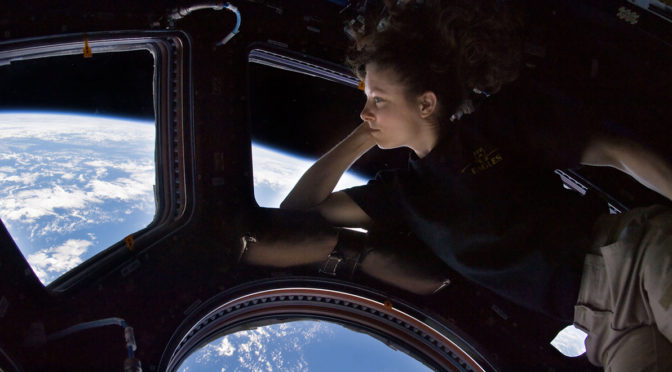
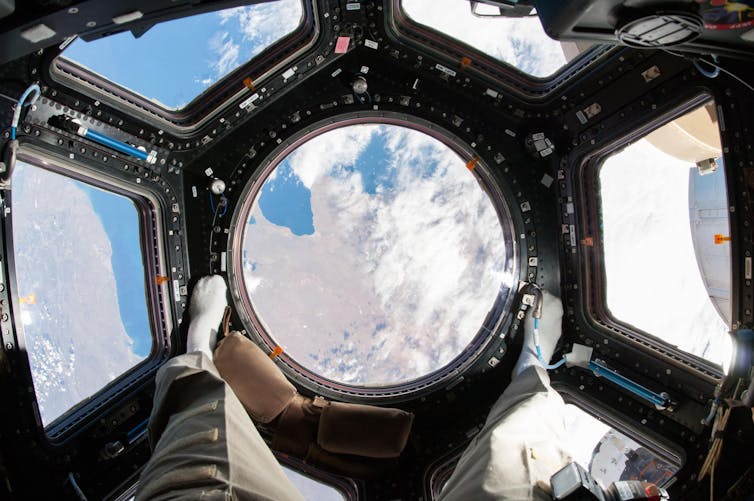
There are some perks, however. The Cupola module offers perhaps the best view available to humans anywhere: a 180-degree panorama of Earth passing by below.
Astronaut Rick Mastracchio looks towards Earth from the Cupola in 2016. NASA
‘A microsociety in a miniworld’
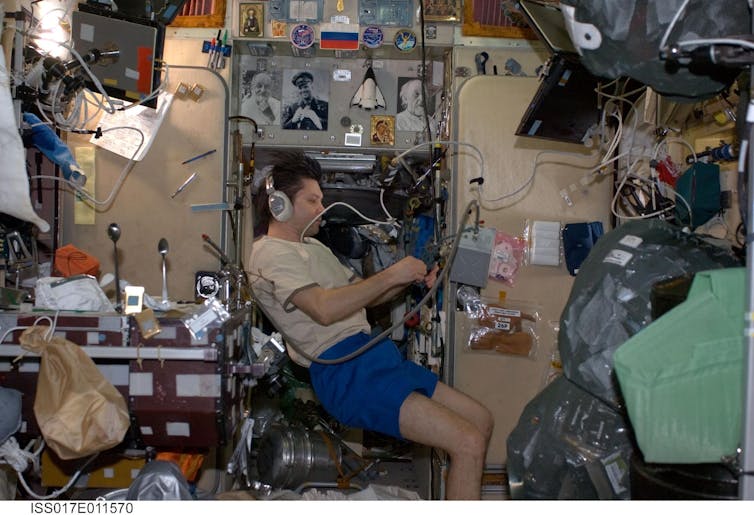
The crew use all kinds of objects to express their identities in this miniworld, as space habitats were called in a 1972 report. Unused wall space becomes like your refrigerator door, covered with items of personal and group significance.
Oleg Kononenko in the Zvezda module in 2008, showing icons and space heroes pinned on the wall in the background. NASA
Food plays a huge role in bonding. Rituals of sharing food, celebrating holidays and birthdays, help form camaraderie between crew of different national and cultural backgrounds.
It’s not all plain sailing. In 2009, toilets briefly became a source of international conflict when decisions on the ground meant Russian crew were forbidden to use the US toilets and exercise equipment.
In this “microsociety”, technology isn’t only about function. It plays a role in social cohesion.
The future of living in space
The ISS is massively expensive to run. NASA’s costs alone are US$3-4 billion a year, and many argue it’s not worth it. Without more commercial investment, ISS may be de-orbited in 2028 and sent to the ocean floor to join Mir.
The next stage in space-station life is likely to occur in orbit around the Moon. The Lunar Gateway project, planned by a group of space agencies led by NASA, will be smaller than the ISS. Crews will live on board for up to a month at a time.
Its modules, based on the design of the ISS, are due to be launched into lunar orbit in the next decade.
One preliminary habitat design for the Lunar Gateway has four expandable crew cabins, to give people a little more space. But the sleeping, exercise, latrine, and eating areas are all much closer together.
Since ISS crews like to create improvised visual displays, we might suggest including spaces reserved for such displays in next-generation habitats.
In popular culture, the ISS has become Santa’s sleigh. In recent years, parents around the world have taken their children outside on Christmas Eve to spot the ISS passing overhead.
The ISS has shaped the space culture of the 20th and 21st centuries, symbolising international cooperation after the Cold War. It still has much to teach us about how to live in space.
Image: Technicians working with the high-density microarray patch in the Vaxxas cleanroom. Credit – Vaxxas.
A needle-free COVID-19 vaccination could be possible, with University of Queensland scientists successfully protecting mice from the virus by administering a US-developed vaccine candidate with a ‘patch’.
The University of Texas Hexapro vaccine candidate – delivered via the UQ-developed and Vaxxas-commercialised high-density microarray patch (HD-MAP) – provided protection against COVID-19 disease with a single, pain-free ‘click’ from a pocket-sized applicator.
“When the Hexapro vaccine is delivered via HD-MAP applicator – rather than a needle – it produces better and faster immune responses,” Dr Muller said.
“It also neutralises multiple variants, including the UK and South Africa variants.
“And it’s much more user-friendly than a needle – you simply ‘click’ an applicator on the skin, and 5000 microscopic projections almost-imperceptibly deliver vaccine into the skin.”
Dr Muller said the UQ team, together with Vaxxas, hoped to take the technology to the world and are looking for funding opportunities to accelerate to clinical trials as soon as possible.”
“Hexapro, delivered by the high-density microarray patch, could dramatically assist global vaccine rollout effort, particularly for billions of vulnerable people in low- and middle-income countries.
“We’ve shown this vaccine, when dry-coated on a patch, is stable for at least 30 days at 25 degrees Celsius and one week at 40 degrees, so it doesn’t have the cold chain requirements of some of the current options.”
President and CEO of Vaxxas, David L. Hoey, said he was extremely excited about the findings.
“These results are extremely clear – vaccination by HD-MAP produces much stronger and more protective immune responses against COVID-19 in model systems than via needle or syringe,” he said.
“We thank and recognise our incredible research collaborators at UQ for these important findings.
“The prospect of having a single-dose vaccine, that could be easily distributed and self-administered, would greatly improve global pandemic vaccination capabilities.”
The research is currently in peer review and has been published in BioRxiv (DOI: 10.1101/2021.05.30.446357).
From: The University of Queensland, First published by SciMex
PLEASE NOTE: The Hexapro vaccine candidate is not associated with the molecular clamp vaccine candidate previously being developed at UQ.
Image: Professor Paul Dastoor from the Centre for Organic Electronics at the University of Newcastle.
1. Featherweight printed solar cells could power walls, roofs and windows
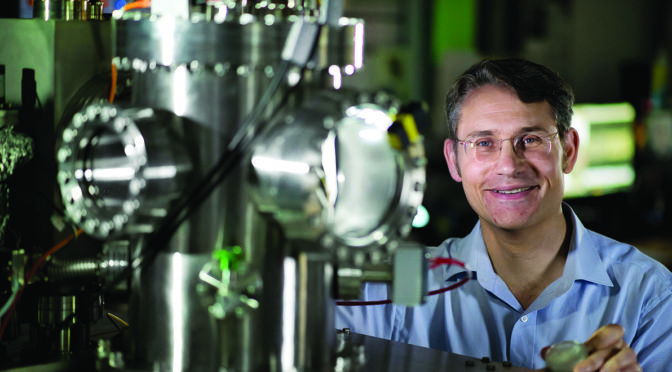
The new field of organic electronics emerged in the 1970s with the Nobel Prize winning discovery of polymer materials that could conduct electricity. Fast-forward three decades and Professor Paul Dastoor established the Centre for Organic Electronics at the University of Newcastle in 2007. It is here where he has developed thin films, surface coatings and cheap, lightweight printable solar cells within recyclable plastic sheets.
Recently, just five workers installed a 200 square-metre solar fixture on a Newcastle factory roof using these sheets, in just one day. “Our vision is a world in which every building in every city in every country has printed solar cells generating low-cost sustainable energy for everyone,” says Dastoor. “This latest installation has brought the goal of solar roofs, walls and windows a step closer.”
2. Meat substitute teams with food science in alt-protein startup
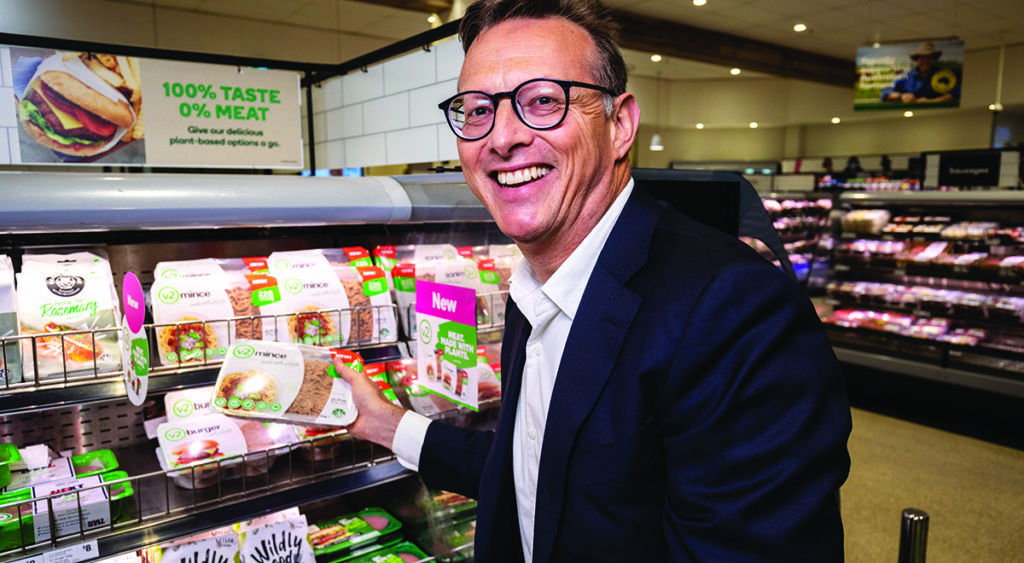
Microbiologist and food scientist Professor Martin Cole — who heads the University of Adelaide’s School of Agriculture, Food and Wine — has teamed up with plant-based meat substitute startup v2food as its chief scientific advisor. Cole’s research includes using yeast to predict food shelf-life, and grain and legume breeding. “As a nation, we are globally competitive on grain and meat exports, however we could be delivering far greater value out of the raw commodities we produce,” he says. The company’s founder, Nick Hazell, says innovative research has helped v2food create an affordable alternative to meat, and flavour chemistry and agricultural science is important to its success.
3. Environmental DNA in seawater protects endangered species
Environmental impact statements which influence decisions about where to locate large infrastructure projects are usually conducted by small specialist agencies. Their reporting requirements can be onerous, particularly when it comes to biological surveys to locate endangered animals and understand ecosystem interactions. Curtin University’s Trace and Environmental DNA (TrEnD) Laboratory in the School of Molecular and Life Sciences has developed a test that can locate rare marine and aquatic species by testing water for fragments of mitochondrial DNA. “Detection of rare or cryptic species in their environment can be challenging at the best of times and our results show eDNA [environmental DNA] can offer conservation agencies an additional monitoring tool to augment existing approaches,” says Curtin University Research Fellow Dr Nicole White.
Associate Professor Guozhen Liu completed her chemistry PhD at the University of NSW, and she has developed smart biosensing platforms that can detect tiny traces of certain materials in the body — such as insulin, glucose, cytokines, microRNA and nucleic acid — to aid diagnosis of various conditions. In 2018, she teamed up with entrepreneur Kaiji Wang to launch Bio-Sens Tech, a startup that produces a low-cost smart paper test strip which allows at-home diabetes diagnosis and insulin monitoring using saliva and a smartphone app. This non-invasive, accurate detection of insulin levels is very low cost for consumers.
New Australian company 2D Fluidics, based in Nedlands, Western Australia, sells a device to let industrial chemists ‘slice’ carbon nanotubes so research teams can work with single cells and small molecules to process advanced materials. The device is based on technology from Flinders University chemistry Professor Colin Raston, who invented the Vortex Fluidic Device which can rapidly create a range of chemicals in water and other non-toxic liquids, reducing the cost and environmental harm in a range of chemical processes.
Ellume was founded by Dr Sean Parsons, a science and medical graduate from the University of Queensland (UQ)
In February 2021, Queensland-based digital diagnostics company Ellume signed a $302 million contract with the US Government to produce millions of COVID-19 rapid home test kits.
Ellume was founded by Dr Sean Parsons, a science and medical graduate from the University of Queensland (UQ). He says his ability to imagine and develop a nanoparticle-based testing system came partly from the skills developed in his dual major degree in physiology and biomedical science.
“My science degree was crucial in giving me the building blocks to be able to look at the issue I had identified and forge ahead to create a solution,” says Parsons.
During his time as a hospital clinician during Australia’s 2009–2010 H1N1 (swine flu) pandemic, as he treated worried patients queuing for tests in packed waiting rooms and potentially spreading the virus, Parsons saw the need for fast, simple and accurate diagnostic tools.
He began a side project to develop a self-diagnosis test so people could isolate themselves while testing, with results forwarded to doctors or hospitals for treatment.
Within three years, his hobby project had become a promising biomedical startup. Ellume now employs around 350 Australians across its three Brisbane offices and production facility, with immediate plans to expand into the US and Europe.
In 2019, Ellume partnered with pharma giant GlaxoSmithKline to create a smartphone-linked home
flu test. At this time, its rapid tuberculosis test was already underway, and the company was in a prime position to develop and produce rapid testing for COVID-19 when the global pandemic hit.
By January 2021, single-use test kits were in production.
Users take their own nasal swab, insert it into a small tube containing a solution, which is inserted into a Bluetooth-linked test stick which can detect viral particles within 15 minutes and send the data to the user’s smartphone. Results can then be transmitted through a secure cloud connection.
Sean’s career path:
> Bachelor of Science (Hons), UQ
> Bachelor of Medicine, UQ
> Emergency and Intensive Care Clinician, Royal Brisbane and Women’s Hospital, and Caboolture Hospital
“Our research could have a big impact on many different types of surgical procedures, ranging from cartilage repair to prosthesis and even wound healing,” says Khansari.
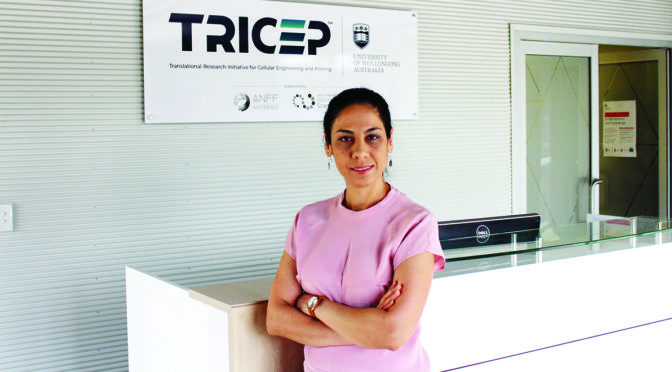
She is part of a collaboration between the University of Wollongong’s TRICEP (Translational Research Initiative for Cell Engineering and Printing) centre and Australian seaweed producer Venus Shell. She’s currently working on seaweed bio-inks, which can be used with a form of 3D printing to mimic the molecular composition and structure of human skin.
“Seaweed is a rich source of natural substances and biologically active polysaccharides, making it an ideal candidate for medical implants and tissue engineering,” explains Khansari, adding that certain substances extracted from seaweed have mechanical and biological properties compatible with a range of human tissue.
It’s cutting-edge science such as this project that drew Dr Khansari from her native Iran eight years ago, when she enrolled in a PhD in Inorganic Chemistry at the University of Wollongong.
“The university is a great platform for this type of work as it supports the knowledge transfer from research to clinic,” she says. “The combination of world-class facilities and a focus on translation allows for great things to happen.”
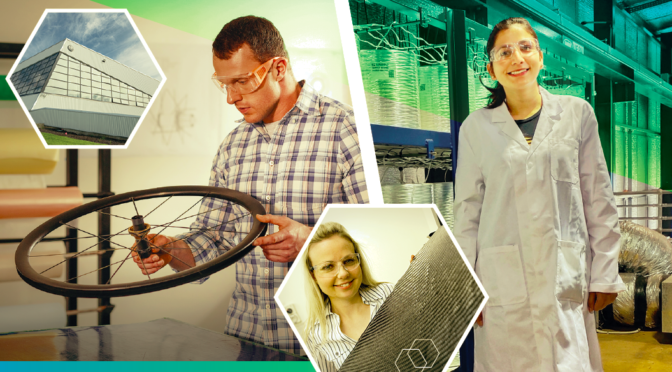
Right: Deakin’s Jon Partington founded Partington Advanced Engineering. Inset: Mandy de Souza. Far right: Salumeh Issazadeh.
The Geelong Future Economy Precinct is creating jobs through innovative business startups based on novel materials developed at Deakin University’s science faculty.
Home to advanced manufacturing organisations ISSRI, Carbon Nexus, Carbon Revolution and ManuFutures, the businesses in this precinct have created 2000 ‘knowledge’ jobs. The $11.5 million site, co-funded by the Victorian Government and Federal Government, will host a further 1000 knowledge economy jobs when completed in 2022.
Much of the precinct’s focus is on manufacturing carbon fibre, a super strong material found in everything from aeroplanes to racing cars and high-end tennis racquets. This manufactured metal substitute is highly prized for being lightweight as well as its strength, rigidity and durability.
Deakin University’s Professor Russell Varley’s core expertise is in polymer science, and he says university chemistry is fundamental to advanced manufacturing.
“Everything we do here to create low-cost carbon fibre for next generation applications — whether it’s automotive, wind or aerospace — the solutions to all the challenges will be solved by further understanding the chemistry and how it relates to the structures of carbon fibre,” he says.
Working together
Co-locating in the precinct gives the university “seamless access to business for the translation of research”, says Dr Ben Spincer, executive director of Deakin Research Innovations. He says the arrangement also benefits businesses, which get greater access to students and to researchers.
Basic science research remains an important part of innovation.
“There is still that critical role research plays in looking at things at a more fundamental level,” says Spincer.
“Blue sky, aspirational research is still really important, but equally important and relevant is the ability to translate that experience and know-how into impactful world-ready opportunities.”
These opportunities include slicing the cost of carbon fibre and improving its stability.
Driving business, reducing costs
Technology developed by Deakin University researchers with Carbon Nexus — a purpose-built facility to research the manufacturing of carbon fibre — has reduced the energy used in production by 75 per cent, reduced production process times by a factor of five, and uses machinery costing less than half that of previous equipment.
Reducing costs will extend the market for this unique material. Deakin scientists also consider end-of-life disposal for carbon fibre materials as part of the development cycle.
“Recyclability and sustainability only comes from understanding the chemistry and developing new polymer systems that can truly be recycled and reused,” says Varley. “Our goal is to develop new polymers that last longer so they are more resource efficient, and can be recycled and reused again and again.”
Carbon Nexus is driving much of the business growth.
“Our mission at Carbon Nexus is to develop low-cost carbon fibre, and create a carbon fibre and composites industry for Australia,” says Varley, who is also on the Carbon Nexus Management Committee. “Around that has sprung a network of composite companies.”
Adjacent carbon fibre success stories include Carbon Revolution (producing high-performance wheels for the automotive industry) and Quickstep (manufacturer of composite aerospace components). Deakin University researchers help both organisations to resolve challenges, which range from improving paint resin quality to lowering production costs.
Improving thermal stability
Salumeh Issazadeh, a materials science PhD at Deakin University, is using her organic chemistry expertise to synthesise and design new materials that are inherently fire-retardant in their applications.
Her work addresses a common challenge in many advanced materials: the resins and polymers used in their construction are not thermally stable and, when heated, can emit potentially toxic smoke.
Issazadeh has used different additives and new chemical formulations to create flame-retardant resins.
She says Deakin’s Institute for Frontier Materials hosts dozens of researchers in chemistry and materials science, with the university environment facilitating collaboration and knowledge sharing.
“Chemistry covers a very broad area; we have resin development, synthesis of carbon fibres, improving textile structures and water membranes – and we can all help each other,” says Issazadeh, adding that she has been able to advise colleagues in textile materials about improving thermal stability.
Dr Mandy de Souza (above) is a Senior Research Fellow at Deakin’s Institute for Frontier Materials, and has worked on these challenges for more than a decade. “My work looks at developing carbon fibre composites for automotive body panels, which — once painted — last for the life of the vehicle,” she says.
She is continuing to work on the challenges of how composites age, and the complex interactions with surface finishes.
Varley says the success of the Institute for Frontier Materials is due to its range of disciplines and specialist expertise.
“The Institute sits at the interface between chemistry, materials chemistry, polymer science, fibre science and engineering, and applying these different specialties is what delivers materials with next-generation performance,” he says.
— Fran Molloy
Sustainable carbon futures
Synthetic materials are frequently used in the making of carbon fibre, however it can be made using anything from cellulose, including cotton, bamboo and wood fibres.
Joint Deakin University and CSIRO chemistry PhD student Huma Khan says the composition of the ‘precursor fibre’ used to create carbon fibre materials is a closely guarded secret and, until now, Australia has imported these raw materials.
Khan’s PhD research includes formulating the first Australian co-extruded wet spun precursor fibre, using Australian sugarcane waste provided by QUT. This is then converted into carbon fibre through a complex series of chemical processes. She is also using this approach to create hollow carbon fibres using similar lower-cost raw materials.
“These structures could potentially be filled with substances such as an electrolyte for inbuilt electrical storage so the body of a vehicle could be used to store energy, working as a structural battery without adding extra burden to the car engine,” says Khan.