Tag Archives: technology

Test on chemo drugs predict side effects

A chemosensitivity test hopes to identify which chemo drugs will provide benefit and which may cause unwanted side effects for sarcoma cancer patients.

University of Western Australia’s School of Surgery researchers are currently comparing three methods to identify the most effective and reliable method to grow a patient’s tumour cells.

Co-lead researcher Dr Nicholas Calvert says sarcoma is a group of rare cancers arising from bone, muscle and cartilage.

“While they are rare, they can be very aggressive and early detection is vital to successful treatment, which can involve chemotherapy, radiotherapy, and surgical treatment,” he says.

Calvert says it is difficult to predict tumour responsiveness to chemotherapy because there are over 70 different types of sarcoma with significant variation in the genetic profile of cells within each type.

Chemotherapy in this area is generally guided by research on chemotherapy efficacy on a specific tumour type or those that are similar.

“So successfully predicting whether a patient’s tumour will be similar to another patient’s tumour of the same type is very difficult,” says Calvert.

“Especially given there are only around 1200 new cases per year which does not provide a large enough trial to test different chemotherapy regimens.”


Gene library and cell cultures methods considered

One of the methods under review involves researchers analysing DNA from tumour cells and comparing them to an international library of genes to identify whether they have any mutations that will help or prevent a chemotherapy drug from working.

Another method involves growing tumour cells in the lab and then exposing them to different chemotherapy drugs to see which kill the cells and at what dose.

Finally, mouse xenograft will be considered where tumour cells are grown in lab mice which are then subjected to different chemotherapy drugs to see which kill the cells and at what dose.

Calvert says once this pilot study is completed they will expand it to a national trial to identify which of these tests is effective and reliable to select chemotherapy drugs.

“If we can identify a test that will allow us to take a sample of tumour, and identify how it will respond to chemotherapy it will have significant benefit for not only those with sarcoma but also other cancers,” says Calvert.

He says this ‘personalised medicine’ approach aims to confirm a tumour will respond to an agent before it is even given, and avoid the significant and sometimes life-threatening side effects of some the chemotherapy agents.

Sarcoma has approximately 1200 new cases diagnosed each year in Australia and accounts for approximately 1% of all adult malignancies and 15% of paediatric malignancies.

– Teresa Belcher

This article was originally published on Science Network Western Australia. Read the original article here.


Pig and poultry welfare research receives $1 million grant

A $1 million grant from the South Australian government will go towards expanding the animal welfare research facilities at the University of Adelaide’s Roseworthy campus.

Roseworthy is home to one of Australia’s leading free-range pig and poultry research facilities, as well as the headquarters of the Pork Cooperative Research Centre.

The grant comes during renewed scrutiny in to pig farming practices, including the use of sow stalls or ‘gestation crates’. The practice is being banned in certain states and consumer demand is driving better welfare practices for farmed animals.

The money will be used to develop a remote animal behaviour monitoring system, an improved climate control system, and upgrades of the free-range poultry facility.

Professor Wayne Hein, Dean of Roseworthy campus, welcomed the grant.

“We have an outstanding collaborative hub at Roseworthy with some of the best animal science researchers in the country working at this site,” says Hein.

“Roseworthy is also the headquarters of the Pork Cooperative Research Centre. The strong alignment with the CRC on campus means that industry engagement in the research undertaken on the campus is seamless and beneficial to all parties.

“This funding will help establish the highest standards of animal welfare in animal production systems.”

This article was first published on The Lead on 30 July 2015. Read the original article here.

Curtin University in NASA’s Orbit with new SSERVI deal

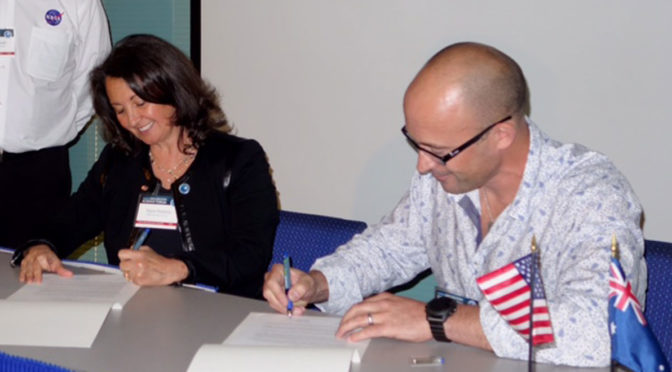
Greg Schmidt, Deputy Director of SSERVI and Director of international partnerships (left) and Yvonne Pendleton, Director of NASA’s Solar System Exploration Research Virtual Institute (SSERVI) (middle), join Professor Phil Bland, Principal Investigator at Curtin University in Perth, Australia (right), in signing an international agreement to share scientific and technological expertise in exploration science. Photo Credit: D. Morrison/NASA

NASA and Curtin University, located in Perth, Western Australia, have signed an Affiliate Member statement with NASA’s Solar System Exploration Research Virtual Institute (SSERVI). With the establishment of a NASA SSERVI Australia node, Australia’s planetary science community will participate in SSERVI programs on a no-exchange-of-funds basis.

“Australia’s impressive proposal to SSERVI offers scientific and technological expertise in understanding Solar System origins and evolution, lunar science, meteoritics and small bodies, asteroid differentiation, planetary mission science and technology, regolith processes on asteroids and the Moon, advanced analytical techniques, fireball observations and orbital dynamics, and links with the exoplanet and stellar evolution astrophysical communities. We are eager to see the collaborative scientific discoveries that result from this partnership,” says Yvonne Pendleton, Director of SSERVI.

The proposal submitted by Principal InvestigatorProfessor Phil Bland (Curtin University in Perth) and Deputy Director Dr Marc Norman (Australian National University in Canberra) included colleagues from a number of institutions across the country and represented a wide breadth of expertise from Australia’s planetary science community. The proposal was selected for Affiliate Membership after it was determined that complementary research activities will help NASA achieve its goals for human exploration of the solar system.

“This is a special moment for Australia,” says  Bland, from the Department of Applied Geology at the Curtin WA School of Mines.

“We are confident that this partnership will result in more great scientific discoveries in planetary science for both our our nations, as well as furthering the SSERVI goal of advancing basic and applied lunar and planetary science research and advancing human exploration of the solar system through scientific discovery.”

Curtin University Vice-Chancellor Professor Deborah Terry says the link with NASA was a fantastic opportunity for Curtin’s staff and students to engage with the global leader for space exploration.

“Given Curtin’s existing expertise in radio astronomy and involvement in the ground-breaking international Square Kilometre Array project, the partnership with NASA is a covetable attachment with many benefits,” says Terry.

“Our Australian partners have put together a compelling proposal that outlines multiple topics for potential collaborative research. We look forward to fruitful scientific collaborations, which will include the study of future potential mission concepts. This partnership will be important to NASA and its international partners successfully conducting the ambitious activities of exploring the solar system with robots and humans, and we look forward to a long and close partnership between our respective countries,” says Greg Schmidt, Deputy Director of SSERVI, who also directs international partnerships for the Institute.

“We look forward to fruitful scientific collaborations, which will include the study of future potential mission concepts. This partnership will be important to NASA and its international partners successfully conducting the ambitious activities of exploring the solar system with robots and humans, and we look forward to a long and close partnership between our respective countries.”

This article was first published by Curtin University on 30 July 2015. Read the article here.

Based and managed at NASA’s Ames Research Center in Moffett Field, California, SSERVI is a virtual institute that, together with international partnerships, brings researchers together in a collaborative virtual setting. The virtual institute model enables cross-team and interdisciplinary research that pushes forward the boundaries of science and exploration. SSERVI is funded by the Science Mission Directorate and Human Exploration and Operations Mission Directorate at NASA Headquarters in Washington.

Find more information about SSERVI and selected member teams here.

New web-based ram selection app wows sheep breeders

The web-based app was launched today by the Cooperative Research Centre for Sheep Industry Innovation (Sheep CRC). The Sheep CRC developed the tool in conjunction with Telstra, Australia’s leading telecommunications provider, and leading software development company Pivotal Labs in San Francisco.

The NSW Department of Primary Industries has also been extensively involved throughout the development of the app, providing expertise from the initial concept to the final product.

During the final test runs before launch, approximately 20 sheep breeders, commercial producers and advisers previewed the system, which they say will dramatically simplify the ranking and purchase of rams, based on Australian Sheep Breeding Values (ASBVs).

Leading farm adviser Craig Wilson, of Craig Wilson & Associates, NSW, says RamSelect.com.au will take the hard work out of using ASBVs when searching for the right genetics to improve flock productivity. “RamSelect.com.au will be a game changer,” Wilson says. “We have known for a long time that ASBVs allow us to compare animals on genetic merit, without the effect of feeding or environment. The RamSelect app makes it quick and easy to rank animals against individual breeding objectives.

“For a lot of commercial producers, sifting through long lists of objective data was time consuming and difficult work – they can now find the genetics they need in a matter of seconds, and know that the recommendations are supported by objective data from Sheep Genetics.”

Sheep CRC chief executive James Rowe said RamSelect.com.au would also be an important marketing tool for breeders assisting clients to select ram teams.

“More and more commercial breeders are demanding objective ASBV data when shopping for rams,” says Rowe. “RamSelect.com.au ensures ram buyers can quickly check rams on offer against their breeding objective and prepare a ranked list prior to sale day. On sale day the buyer only needs to check the visual traits before making their purchase decisions.”

RamSelect.com.au is accessible on a computer, tablet or phone. It will search the Sheep Genetics databases – MERINOSELECT, LAMBPLAN and DOHNE MERINO – to quickly identify and rank rams for a defined breeding objective.

This article was first published on 23 July 2015 by the Sheep CRC. Read the original article here.

Buy Vision, Give Sight

Eyewear brand Revo and U2 lead singer Bono are joining forces with the Brien Holden Vision Institute to eliminate avoidable blindness and vision impairment.

“Eye tests and eye examinations are at the front line of eye care. But for millions of people without access, the simplest problems go untreated. It’s unnecessary and avoidable,” says Kovin Naidoo, Global Director of Programs, Brien Holden Vision Institute.

When consumers purchases Revo sunglasses, $10 from the sale of every pair will be donated by Revo to the “Buy Vision, Give Sight” initiative. To execute the initiative, Revo and Bono are partnering with the Brien Holden Vision Institute to provide sustainable solutions for eye care and end avoidable blindness and vision impairment in under-resourced communities.

Bono, who has a long track record in global health, particularly as an activist in the fight against HIV/AIDS, was diagnosed with glaucoma 20 years ago. His experience with glaucoma, for which he has received excellent treatment, has made him determined to find a way to increase access to frontline eye health services for others.

bono_vision

“The ‘Buy Vision, Give Sight’ campaign is a very personal one for me,” says Bono.

“Thanks to good medical care my eyes are okay, but tens of millions of people around the world with sight problems don’t have access to glasses, or even a basic eye test. Poor eyesight may not be life-threatening, but it dramatically affects your life and your livelihood if you aren’t able to fix it.  When we met with experts, they said the number one problem is untreated poor vision, which prevents a child from learning in school, or an adult from performing their job. Sight is a human right and the ‘Buy Vision, Give Sight’ initiative will help ensure millions of people have access to the eye exams and glasses they need to see.”

Untitled-1


“With Brien Holden, we found a partner doing remarkable work, hand-in-hand with local communities.  It’s mind-expanding what they are achieving; we’re very excited to work in partnership with them and Revo,” says Bono.

Yehuda Shmidman, Sequential Brands Group CEO, commented, “We are very excited about this partnership. Revo’s pioneering lens technology has always put eye-health central to Revo products and we believe Revo buyers will embrace the idea that their purchase is helping someone else. We’re very proud to support Bono and the Brien Holden Vision Institute in their efforts to bring basic eye care services to millions of people around the world.”

Professor Brien Holden, CEO, Brien Holden Vision Institute says,”It is extremely helpful that Revo and Bono recognise the impact that uncorrected vision impairment has on the lives of the 625 million people globally who do not have access to a simple eye examination or pair of glasses.  Revo and Bono’s commitment to our programs will have a lasting impact on millions of lives globally.”

The funds donated by Revo will help pay for basic eye care services, particularly eye tests and prescription glasses, and also build stronger eye care services in target communities for the longer term by training local people to provide eye care and detect eye diseases.

During U2’s Innocence + Experience World Tour, Bono will exclusively wear Revo sunglasses. He has designed a capsule collection of sunglasses for the brand, available in the North American fall, which will include lenses outfitted with Revo’s LMSTM technology. As with all Revo sunglasses, $10 dollars from each pair of the Bono for Revo collection will go to the Brien Holden Vision Institute.

This article was published by the Brien Holden Vision Institute on 25 July 2015. Read the original article here.

Robot automates bacteria screening in wine samples

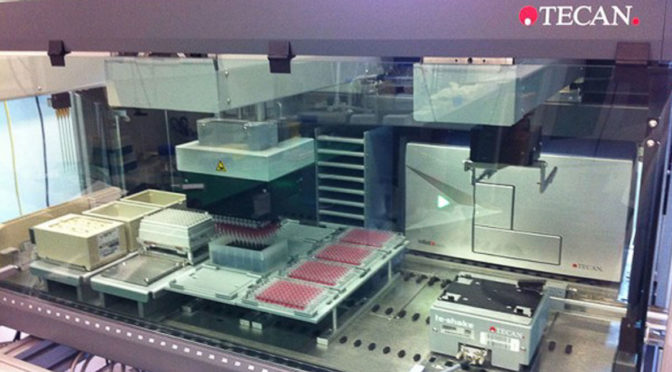
A robotic liquid handling system at the Australian Wine Research Institute (AWRI) is automating the screening of large numbers of malolactic bacteria strains.

Using miniaturised wine fermentations in 96-well microplates, the Tecan EVO 150 robotic system is screening bacteria for MLF efficiency and response to wine stress factors such as alcohol and low pH.

The bacteria are sourced from the AWRI’s wine microorganism culture collection in South Australia and elsewhere.

The robot can prepare and inoculate multiple combinations of bacteria strains and stress factors in red or white test wine, and then analyse malic acid in thousands of samples over the course of the fermentation.

In one batch, for example, 40 bacteria strains can be screened for MLF efficiency and response to alcohol and pH stress in red wine, with over 6000 individual L-malic acid analyses performed.

The AWRI says that this high-throughput approach provides a quantum leap in screening capabilities compared to conventional MLF testing methods and can be applied to a range of other research applications.

Additionally, the phenotypic data obtained from this research is being further analysed with genomic information, which will identify potential genetic markers for the stress tolerances of malolactic strains.

First published at foodprocessing.com.au on 22 July. Read the original article here.

This article was also published by The Lead on 22 July 2015. Read the article here.

Two microbes hold key to superior feed crops

Scientists have identified two microbes that build bigger and more resilient feed crops, potentially boosting farmers’ bottom lines by millions of dollars.

The biotechnology research conducted at Flinders University in South Australia identified two strains of microbes that dramatically increase the ability of lucerne to fix atmospheric nitrogen, boosting the feed crop’s early growth and resilience, and ultimately its yield.

Research by medical biotechnology PhD student Hoang Xuyen Le drew on the hundreds of strains of endophytic actinobacteria, which grow naturally within legume roots. His research isolated and identified two strains of microbes that in laboratory and glasshouse trials were shown to promote growth in the shoots of the legume plants.

The research was supervised by Professor Chris Franco from Flinders and Ross Ballard from South Australian Research and Development Institute (SARDI). A patent has been lodged in relation to the two strains.

Nitrogen is absorbed by the plants through the formation of external nodules by symbiotic rhizobium bacteria that grow in the nodules. Franco says that following the inoculation of the lucerne seeds with spores of the actinobacteria, the nodules grew significantly larger, fixing greater amounts of nitrogen.

“Up to 50 or even 70 per cent more nitrogen was fixed,” says Franco.

The effect was to substantially improve the establishment of the lucerne, increase its resilience in drought conditions and also boost its yield.

“We found that our two main strains gave us a crop yield increase of 40 to 50 per cent in the glasshouse, and we would look for at least a 20 per cent improvement in the field,” says Franco.

He says as much as 25 per cent of the higher levels of nitrogen persisted in the soil, improving the growing conditions for subsequent crops.

The Flinders biotechnologists will now expand their trials on lucerne in the field, and will also look for similar effects in other legume crops, including peas, chick peas and faba and soya beans.

Further research is required to understand the underlying mechanism of the bugs: while it is likely that their natural propensity to produce bioactive compounds is partly responsible for increasing the general robustness of the inoculated lucerne by reducing disease, they may also be encouraging the growth of rhizobium bacteria in the soil.

Franco says that actinobacteria offer an environmentally friendly way of controlling disease, especially fungal root diseases such as Rhizoctonia, reducing the need for fossil-derived pesticides and fertiliser.

The potential to capture atmospheric nitrogen offers a major environmental benefit.

The legume seed crop, based in the South East of South Australia, is the basis of a national feed industry worth close to $100 million a year.

“This is very good news all round,” says Franco.

This article was first published by The Lead on 22 July 2015. Read the original article here.

Driverless car trials in South Australia

A major European carmaker will conduct the first on-road trials of driverless cars in the Southern Hemisphere in South Australia in November.

The testing by Volvo will be held in conjunction with an international conference on driverless cars in Adelaide.

Volvo will test the same vehicle being used in their “Drive Me” project in Sweden.

South Australia legalized the use of driverless cars on its roads earlier this year.

The testing is part of independent road research agency ARRB’s Australian Driverless Vehicle Initiative.

ARRB Managing Director Gerard Walton said that automated vehicles are a short-term reality that Australia needs to be prepared for.

“The South Australian Government has been quick to recognise this,” he said.

“ARRB will establish how driverless technology needs to be manufactured and introduced for uniquely Australian driving behaviour, our climate and road conditions, including what this means for Australia’s national road infrastructure, markings, surfaces and roadside signage,” said Waldon.

Volvo’s testing will be undertaken in conjunction with Flinders University, Carnegie Mellon University, the RAA and Cohda Wireless.

The Premier of South Australia, Jay Weatherill said the technology promises to not only improve safety, reduce congestion and lower emissions, but also to provide a real opportunity for South Australia to become a key player in the emerging driverless vehicle industry.

“This trial presents a fantastic opportunity for South Australia to take a lead nationally and internationally in the development of this new technology and open up new opportunities for our economy,” he said.

The driverless car trials will take place on an expressway south of the capital city of Adelaide on 7–8 November 2015.

Multiple vehicles will conduct manoeuvres such as overtaking, lane changing, emergency braking and the use of on and off ramps.

The International Driverless Cars Conference will be hosted at the Adelaide Convention Centre and Tonsley precinct on 5–6 November 2015.

This article was first published by The Lead on 21 July 2015. Read the original article here.

Shark detection

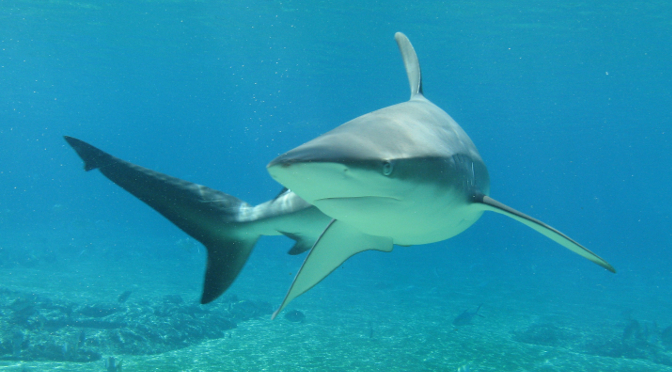
Sharks have an incredible sense of smell, but it is their sense of hearing that could be one of the keys to protecting people at beaches, says a team of researchers led by Dr Christine Erbe from Curtin University’s Centre for Marine Science and Technology.

“We had this idea of trying to figure out what acoustic signatures humans make, whether the sharks can hear them, and, if appropriate, whether we can somehow interrupt that,” says Erbe. These interruptions could then potentially be used to ‘hide’ or ‘mask’ the noises people make in the water from the sharks.

Western Australia is a pertinent place to work on this project, given the debate over baited drum lines to cull sharks, and the project has been funded by Western Australia’s Department of Commerce.

Initial recordings have been made of people in a pool swimming and snorkelling past a hydrophone – a microphone designed to record or listen to underwater sound. Erbe’s team records people swimming and surfing at beaches to see how far their noises travel. These sounds can then be played to sharks in enclosures at Ocean Park Aquarium in Shark Bay to check for any responses.

“If we see responses from the sharks, the next step is to figure out if we can mask the sounds of people in the water using artificial signals,” says Erbe. These artificial signals are band-limited white noise, created digitally. “We can see which frequencies, or part of the human sound signature, could be detected by the sharks and calculate the range limits at which that might occur. We can then design masking signals that fill in around them so those frequencies can’t be detected,” she says. The team will test these masking signals by playing them back to the sharks at Ocean Park Aquarium.

The outline of a shark shows clearly on a scanner used by the Curtin team.

The outline of a shark shows clearly on a scanner used by the Curtin team.

This masking technique is different to other approaches where loud sounds are played at beaches to scare sharks away. The problem with the loud sound approach, says Erbe, is that it potentially interferes with an entire underwater ecosystem. The masking approach, on the other hand, is targeted at frequencies and levels that only sharks can hear in the surf zone. “We’re not looking at scaring the sharks away, we’re just limiting them from detecting humans,” she says.

According to Erbe, a multidisciplinary approach is crucial to solving problems such as shark mitigation, and her team ranges from physicists to acousticians, engineers and marine biologists.

Team member Dr Miles Parsons is leading another project on the sonar detection of sharks with the aim of building an early warning system. “The solution will have to be a combination of detecting sharks and preventing them detecting us,” says Erbe.

Ruth Beran

cmst.curtin.edu.au

Dragonfly eyes inspire machine vision

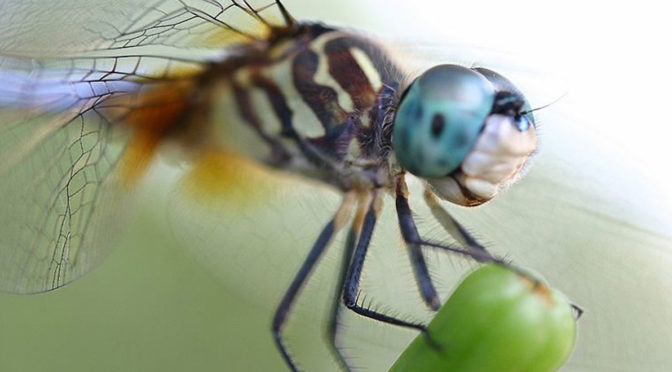
Mechanical Engineering PhD Student Zahra Bagheri at the University of Adelaide in South Australia says that despite having low visual acuity and brains no bigger than a grain of rice, dragonflies are remarkably good at tracking prey.

“They’re not like mammals which have developed very good brains, and they have very low resolution eyes compared to other animals, but they can catch their prey more than 97 per cent of the time while they’re moving at very high speeds in very cluttered environments,” Bagheri says.

“That means they have adopted very efficient methods for target tracking.”

Bagheri is part of a team of engineers and neuroscientists that have used those methods to develop a machine vision algorithm that can be applied in a virtual reality simulation, allowing an artificial intelligence system to ‘pursue’ an object.

Her project is a combination of neuroscience, mechanical engineering and computer science, building on years of research in to insect vision already undertaken at the University of Adelaide.

Zahra Bagheri and Benjamin Cazzolato with the robot that will use the newly developed machine vision algorithm.

Zahra Bagheri and Benjamin Cazzolato with the robot that will use the newly developed machine vision algorithm.

“Detecting and tracking small objects against complex backgrounds is a highly challenging task. Consider a cricket or baseball player trying to take a match-winning catch in the outfield,” Bagheri explains.

“They have seconds or less to spot the ball, track it and predict its path as it comes down against the brightly coloured backdrop of excited fans in the crowd – all while running or even diving towards the point where they predict it will fall!”

This is known as selective attention. Dr Steve Wiederman is leading the dragonfly project, and conducted the original research recording the responses of neurons in the dragonfly brain.

“Selective attention is fundamental to humans’ ability to select and respond to one sensory stimulus in the presence of distractions,” Dr Wiederman says.

“Precisely how this works in biological brains remains poorly understood, and this has been a hot topic in neuroscience in recent years,” he says.

“The dragonfly hunts for other insects, and these might be part of a swarm – they’re all tiny moving objects. Once the dragonfly has selected a target, its neuron activity filters out all other potential prey.”

“It has diverse applications. It can be used in surveillance, wildlife monitoring, smart cars and even bionic vision.”

The team has emulated that ability with their algorithm. Rather than trying to perfectly centre the target in its field of view, Bagheri says the system locks on to the background and lets the target move against it.

“This reduces distractions from the background and gives time for underlying brain-like motion processing to work. It then makes small movements of its gaze and rotates towards the target to keep the target roughly frontal,” Bagheri says.

Because the algorithm is based on a dragonfly’s small brain and limited vision, it can rival insects’ abilities as well as those of more elaborate machine vision systems – all with relatively low complexity.

“It’s shown that we can do it with very low resolution cameras and very limited computational resources. It doesn’t need high-performance computers or anything like that.”

This bio-inspired “active vision” system has been tested in virtual reality worlds composed of various natural scenes. The Adelaide team has found that it performs just as robustly as the state-of-the-art engineering target tracking algorithms, while running up to 20 times faster.

“We are hoping to test it on a robot – we’re working on that right now. It has diverse applications. It can be used in surveillance, wildlife monitoring, smart cars and even bionic vision.”

Bagheri is lead author of the paper, titled Properties of Neuronal Facilitation that Improve Target Tracking in Natural Pursuit Simulations, which was published this week in the Journal of The Royal Society Interface.

This article was published on The Lead on the 11th June 2015. Read the original article.

Australia’s energy future

Australia’s renewable resources include wind, solar, wave and geothermal energy, and there’s significant research happening to improve generation and storage technologies to overcome the inherent disadvantage of intermittent flow.

The Australian Renewable Energy Agency (ARENA) has completed 32 projects and is managing more than 200 others, including several large-scale solar photovoltaic (PV) plants and wind farms, which are considered the most advanced technologies in terms of making a short-term impact on our renewable electricity generation.

Australia’s CRC for Renewable Energy (ACRE), which operated 1996–2004, developed a state-of-the-art facility for testing grid-connected renewable energy systems, as well as small-capacity wind turbines for remote generation.

Australian scientists at the CRC for Polymers (CRC-P) have made big strides in the development of flexible, lightweight solar cells, which CEO Dr Ian Dagley describes as the “antithesis” of rigid rooftop solar cells. These lightweight cells offer intriguing possibilities: their flexibility means they can be placed on a variety of surfaces, from walls to windows, and they can operate indoors to help charge electrical devices.

They’re also attractive because they’re considerably cheaper to manufacture than silicon solar cells. Dagley says his CRC-P team has been working on refining the manufacturing technique, which uses low-cost components and reel-to-reel printers. One of the goals is to increase the lifespan of the cells, which is about five years, whereas rigid cells last roughly 30 years.

Meanwhile, the CRC for Low Carbon Living (CRCLCL) is looking at ways to dramatically reduce greenhouse gas emissions by developing smarter, more energy efficient buildings and cities. CEO Dr Deo Prasad says lower carbon buildings can be realised by optimising design to ensure maximum energy efficiency, through integration of next-generation technologies, such as solar PV cladding and heat and electricity capture systems for on-site energy offsets, and by using more sustainable building materials that need less energy to extract, process and manufacture. At the suburb and city scale, Prasad says decentralised renewable energy generation, reliable storage and smart grids, linked with information and communications technology-based intelligence, will lower carbon impacts.

“We recognise there is not going to be a silver bullet solution to carbon reductions,” says Prasad. “The approach needs to be holistic and driven by industry and governments.”

There are challenges associated with increased renewable energy levels, but Australia’s National Electricity Market seems to be handling integration well so far, says Dr Iain MacGill, joint director of the UNSW Centre for Energy and Environmental Markets. Studies by the Australian Energy Market Operator show it’s possible to operate the national grid with 100% renewables. “It won’t be cheap – just a lot cheaper than unchecked climate change,” MacGill says.

Russell Marsh, director of policy for the Clean Energy Council, emphasises the importance of commitment. “Investors need long-term certainty to ensure a rate of return,” says Marsh. “The Federal Government needs to lock in a firm, long-term target.”

MacGill agrees that the right policies can incentivise investment, but adds that it requires leadership and social consensus. “Australia is contradictory on clean energy. We have an early history and remarkable success in renewable energy deployment, and fantastic renewable resources. But we are also among the world’s largest coal and gas exporters,” he says.

“Will we take a leadership role, or do all we can to keep our international coal and gas customers buying from us?”

energy5


Remodelling energy

While coal and gas continue to be our dominant energy sources, the once-burgeoning renewables industry has been hindered by the Federal Government’s recent review of the Renewable Energy Target (RET). The review recommended scrapping the 20% target for renewable electricity generation by 2020, resulting in political deadlock and investor uncertainty across the renewable energy sector.

Bloomberg New Energy Finance’s Australian head, Kobad Bhavnagri, says the review was especially damaging because it came “very close to making retroactive changes to a policy”.

“Whenever retroactive changes are made to policy it becomes, essentially, Ebola for investors,” he says. “When governments act unpredictably and destroy the value of existing assets, it scares people – for a long time.”

Australia generates more carbon emissions per person than any other OECD country. One-third are generated by the electricity sector, in which coal and natural gas account for roughly 85% of generating capacity. Renewables, mostly from hydropower, account for about 15%.

Reaching the 20% target during the next five years will not be cheap. At the time of the review it was estimated that another $18 billion of investment would be required to reach the target.

But the costs associated with increased generating capacity are yet to be weighed against the costs of potentially catastrophic climate change. Scientists have warned a 2°C increase in overall average temperatures from pre-industrial levels is the limit our planet can withstand before the effects of climate change become irreversible.

In December 2014, following the release by the International Energy Agency (IEA) of its report World Energy Outlook 2015, the agency’s chief economist and director of global energy economics, Dr Fatih Birol, told Bloomberg’s Business Week that global investment in renewable energy needs to quadruple to a yearly average of $1.6 trillion until at least 2040, to stay below that warming threshold.

Some of the world’s biggest economies have taken note. Estimates by the Climate Interactive indicate the US-China emissions deal, if implemented in full, could keep some 580 billion tonnes of CO2 out of the atmosphere between now and 2030 – more than all global fossil fuel emissions from 1990 to 2013.

In 2014 – while China spent US$64 billion on large-scale clean energy projects, increasing its 2013 total by about US$10 billion – the USA spent nearly US$13 billion on utility-scale renewables and continued to expand production of its almost carbon-neutral shale gas reserves (see here for Australia’s progress).

Research by Bloomberg New Energy Finance found Australian investment in large-scale renewable energy in 2014 was US$223 million – the lowest in more than a decade. 2014 saw Australia nose-dive from 11th largest investor in commercial clean energy projects to 39th, behind developing nations such as Honduras and Myanmar.


The 2040 outlook

If Australia is serious about boosting its capacity for renewable energy, 2040 is a good deadline, says Iain MacGill, joint director (engineering) for the Centre for Energy and Environmental Markets at UNSW Australia – by then we’ll need “a major infrastructure transition”.

Russell Marsh is Director of Policy for the Clean Energy Council, the peak body representing Australia’s clean energy sector. “With the right level of support we could see the deployment of renewable energy at least double between 2020–2040,” he says. “But if the target is not extended beyond 2020, it is unlikely that we will see further growth.”

This view is backed by the Australian government’s Bureau of Resources and Energy Economics (BREE). In a November 2014 report looking towards mid-century electricity production, it reported “In the absence of potential new policy initiatives, the relative shares of fossil fuels and renewables in electricity generation are not likely to change significantly”.

In fact, BREE’s projections show renewable generating capacity remaining stable, meeting 20% of Australia’s total demand from 2020–2050. In this scenario, coal-fired power would still account for 65% of electricity by mid-century.

There are concerns that the current policy uncertainty is reaching a tipping point, which could see companies exiting Australia or going into distress.

Policy uncertainty  is taking a toll on  the business end of renewable energy.

Policy uncertainty is taking a toll on the business end of renewable energy.

In July 2014, RenewEconomy reported that Recurrent Energy, a US solar power plant developer being acquired by Canadian Solar, was planning to cease its Australian operations, citing concerns over policy uncertainty. Several other large international renewable energy companies, including Spain’s Acciona and US-based First Solar, have warned of possible exits, should the Renewable Energy Target be amended.

MacGill says exits are inevitable. “Why would an internationally focused renewable energy company stay if there is no prospect for their projects to go forward?

“They can, should and will depart at some point,” he says. “And with their departure, we will lose institutional capacity – such as people, money and industrial knowhow – which will inevitably
slow our ability to deploy clean energy, and increase its costs.”

Marsh agrees the risk to the industry is significant. “Every day, week and month that goes by with a cloud hanging over support for the renewable energy industry are days, weeks and months when our international competitors are racing ahead of us – and reaping billions of dollars in investment in this global growth market.”

Dr Deo Prasad, CEO of the CRC for Low Carbon Living, says that while the effects aren’t as dramatic, policy uncertainty also impacts the research community, especially “end-user driven projects where collaboration is essential”.

“Many a research direction and focus has had to change over the years, for the worse, due to policy uncertainty,” he adds.

Myles Gough

CRC for Low Carbon Living

CRC for Polymers (CRC-P)

Armour forged through collaboration

Forged from plough parts, heated in a makeshift iron forge and moulded into shape over a Stringybark log, the homemade armour worn by Ned Kelly and his gang is almost as famous as the man himself. Although the suit of armour deflected many bullets, it weighed in at just over 44kg, and left his hands and legs unprotected.

Now, the winner of the Cooperative Research Centres Association (CRC) Award for Excellence in Innovation 2015, the Defence Materials Technology Centre (DMTC), have developed a unique manufacturing process that produces armour with the same level of protection as traditional combat body armour, but is far lighter.

The DMTC developed a cutting edge manufacturing process for shaping ceramic boron carbide armour. Very difficult to manufacture, one of the key issues for the team was maintaining quality control as the material expanded and compressed in response to the heat of the production process.

“Up until recently, body armour design has been relatively simple, durable but so heavy you can’t move quickly…Think: the Ned Kelly suit,” says DMTC CEO Dr Mark Hodge. “Having optimal equipment enhances survivability. Mobility is a significant contributor to personnel protection and with less weight and more mobility, soldiers are able to get out of trouble more quickly,” he says.

Body armour designs trade off protection against weight and bulk reduction with highly protective systems often proving heavy and restrictive. Successive models have been designed to offer more comprehensive levels of protection, with vests made from industrial strength fibres to deform bullets upon impact, and plated metal inserts to provide extra protection to vital areas. Although significantly lighter than Kelly’s original armour, today’s combat body armour remains heavy and unwieldy, a troubling fact as soldiers carry up to 58kg of gear in certain situations.

Untitled-4

As one of the hardest substances known to man, boron carbide is frequently used in the manufacturing of body armour. However up until now it was very difficult to bend boron carbide into a variety of different forms to be used for specific body shapes. As a result, heavier materials had to be used.

With this new near-net shaping technology developed by the DMTC, body armour made purely from boron carbide will allow for manufacturing of lighter armour panels such as helmet inserts and customised ballistic panels for combat vehicles.

The development of the specialised process will yield many benefits for the Australian defence industry, says Hodge. Rather than having to outsource research and development from another country, it is being done right at home. Allowing the defence industry to make adjustments and improvements at any time to accommodate the needs of defence personnel.

Contributions included academic support from The University of Melbourne and Swinburne University of Technology, advice from the DSTO, the Army’s Diggerworks Program, Australian Defence Apparel, and research and manufacturing expertise from BMT, CSIRO, and VCAMM. The collaboration allowed for strides in industrial design capability as well as guidance from the defence department as to what threats the armour should be designed to withstand.

“It would have been impossible to find all the expertise needed for the project under one roof,” Hodge says. “In order to source the appropriate equipment and variety of expertise, we needed a collaborative team that shared a common sense of purpose,” he says.

In the next 25 years Hodge says the integration of the unique net shaping process will be applied broadly to the defence industry due to the extensive use of boron carbide in combat body armour. However, this does not mean that work stops for Hodge.

“Bullets are made to defeat body armour, so we must learn the limits of the material so that we can continue to improve and offer the next level of protection.”

Kara Norton

Defence Materials Technology Centre (DMTC)

Cooperative Research Centres Association (CRC)

Award-winning app boosts mental health help for youth

You are 16 years old and have a secret, which you’ve been carrying around for what feels like your whole life. You feel trapped so you turn to marijuana and alcohol to numb the pain. Your grades begin to slip and your parents are worried so they send you to a psychologist. During your first visit, the clinician in the waiting room starts asking questions, and all you can hear is your heartbeat ringing in your ears.

When it comes to receiving effective mental health treatment, early diagnosis and non-judgmental support are essential. In order to assess what types of treatment options are available, many clinicians start with a verbal assessment. However this verbal assessment is a barrier for many young people, preventing treatment. Psychologist and PhD candidate Sally Bradford recognised that young people between the ages of 12­­–25 could benefit from a different kind of assessment.

“They’re going into an environment where they’re expected to verbally relay everything that is going on in their lives – to tell their deepest, darkest secrets that they may have never said out loud before,” Bradford says. “It can take a long time for them to find the words – especially if the clinician doesn’t ask the right questions,” she says.

As part of her PhD focusing on the use of technology in face-to-face mental health care with young people, Bradford created the electronic psychosocial assessment app called “myAssessment” that helps clinicians evaluate young people quickly and easily. Speaking to the National Mental Health Commission’s review of Australia’s mental health system, this new screening process underscored the need to improve health services and support through innovative technologies.

“The app could be beneficial in any field where you’re needing groups of people to be truthful, and give answers in a way that they do not feel judged,” Bradford says.

Based on the strides Bradford made in youth mental health with the invention of myAssessment, she was awarded the $5000 top prize at the CRC Association Early Career Research Showcase at the CRCA’s Excellence in Innovation Awards Dinner in Canberra.
240615_mentalhealth7

The app was developed in close conjunction with the Young & Well CRC, youth focus groups and clinicians, and subsequently trialled at a headspace Centre in Canberra over nine months in 2014.

“The app was designed with significant input from young people and clinicians, and puts their needs and requirements first. For clinicians, it follows an evidence-based format and doesn’t require changes to the way they currently provide services. For young people, it’s interactive, engaging, and easy to use,” Bradford says.

240615_mentalhealth3

The way it works is a patient arrives for their appointment. Prior to seeing a clinician, patients complete myAssessment on an iPad in the waiting room. The app is a simple survey, but with a range of different response options. Topics include alcohol and drug habits, sexual preference, eating habits and anxiety and depression. Questions include screening and probing questions. Screening questions can be a yes or a no answer that prompts further questioning: Do you drink? Smoke? Have you tried or used drugs? What have you tried?

A probing question allows for a more comprehensive understanding of the issue, such as, how do you (and your friends) take them? (drugs). After answering and submitting these questions, a personalised ‘Clinician Summary’ details the patient’s risks and strengths, providing the clinician with a foundation for the first interview.

240615_mentalhealth5

Bradford’s trials proved to be particularly enlightening, with an 87% response rate, and ¾ of patients reporting that myAssessment provided them with an “accurate” representation of themselves. The results also showed that young people were up to 10 times more likely to open up about drug and alcohol use, sexuality, and self-harm when the application was used, in comparison to a verbal assessment with the same questions.

“There was a wealth of data generated over the course of the trial, which could be particularly useful for policy reform in the future,” Bradford says.

Kara Norton

Young & Well CRC 

Help to combat pest animals is only a click away

The toolkit is a one-stop shop of practical knowledge to arm farmers and land managers with the information and connections they need to combat pest animals.

IA CRC digital communications manager Keryn Lapidge said, “We are pleased to have the Minister for Agriculture, Barnaby Joyce, officially launch PestSmart Connect today, recognising this as an important knowledge hub for tackling pest animal problems such as wild dogs, which have become a really big economic and social issue for Australian farmers.”

The website also links to the FeralScan website and app which provides people with the capability to map pest animal sightings and damage and then to use this information to track and control the problem.

“This website is really strong on connecting people and communities. A feature is the ‘connect’ portal which aims to provide contact details of agencies, organisations and groups that are active in pest animal management and can provide people with services, useful advice or assistance – at a practical on-ground level, but also at a policy level,” she said.

The PestSmart Connect website features pest animal species that are a having a major impact on biodiversity and agriculture in Australia including wild dogs, foxes, feral cats, rabbits and carp. There are handy glovebox guides, videos about trapping and baiting, case studies and links to assistance.

“We hope this will be a useful knowledge hub for farmers and land managers and we plan to continue to improve the resource over time,” Lapidge said.

The PestSmart Connect website www.pestsmart.org.au is the culmination of ten years of information gathering and research by the IA CRC – Australia’s largest integrated pest animal management research organisation.

Minister for Agriculture, Barnaby Joyce, launches the PestSmart Connect website - a handy toolkit of pest animal management information for farmers and land managers.

Minister for Agriculture, Barnaby Joyce, launches the PestSmart Connect website – a handy toolkit of pest animal management information for farmers and land managers.


This article was first published by the Invasive Animals CRC on 16 June, 2015.

Taking medical device from design to life saver

When paramedics or emergency personnel discover a patient who has suffered massive facial or airway trauma, often in situations like a car crash, they may have to perform a cricothyrotomy, which involves stabbing a tube into the patient’s throat so they can breath.

It’s a procedure you want them to get right.

But in these life-threatening situations a paramedic or doctor may have only ever performed the procedure on a training device. It’s therefore doubly important that this device teaches them the correct technique in an accurate and realistic way it’s life or death.

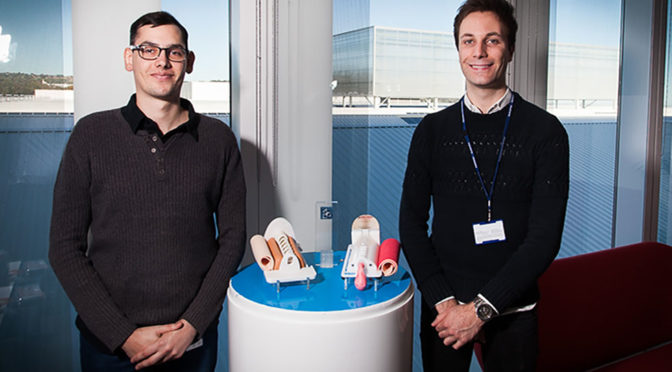
Many doctors will now be training for complicated cricothyrotomies on a German-built Crico Trainer called ‘ADELAIDE’ designed by Robert White and Daniel Weiss in South Australia.

“The procedure, it’s not something that most doctors will have to use,” says White, one half of the WHITE + WEISS design team.

“No one really wants to stick a tube through your throat, but if you need it, they need to know how to do it properly, to prevent you from dying.”

A cricothyrotomy involves sticking a needle and cannula through the Adam’s apple, inserting a guide wire through the cannula in to the windpipe, removing the cannula, making a small incision at the base of the guide wire, threading a Melker Crico kit (an airway catheter and curved dilator) on to the wire, and finally removing the wire  thus clearing the patient’s airway.

Medical students practice the procedure on any number of trainers, simulators and manikins, but as Daniel Weiss says, they are not all very realistic.

“Beyond just the student learning it, it’s about muscle memory,” says Weiss. “In an emergency when you don’t have time to think, you need your muscle memory to work.”

The realistic Crico Trainer ADELAIDE was conceived by White and Weiss during their Masters of Industrial Design at the University of South Australia in 2012. It’s a practical course with real clients who have real design problems.

“This particular project started with the University of Adelaide medical school. They teach their students all sorts of procedures on all sorts of medical trainers. They found that there’s a number of these trainers they weren’t happy with,” White explains.

White and Weiss both decided to tackle the cricothyrotomy device, although they were working separately at the time. They were put in touch with Dr Chris Acott, the Southern Hemisphere’s foremost throat and neck expert.

The two designers attended Dr Acott’s workshops at the Royal Adelaide Hospital, training with doctors, seeing how they use the simulators and using them themselves. They had access to Dr Acott’s collection of Crico Trainers, many of which they realised were “pretty average”.

“The existing trainers were pretty basic,” says White. “There was a basic neck shape with an Adam’s apple and a skin that stretches over the top. They were missing obvious stuff  like a chin  which seems like a really basic thing.”

As they watched some doctors insert a tube and the designers realised they were coming in at an angle that would be impossible on a real person because the chin would be in the way.

“Dr Acott would catch it and remind them that they’d have to come in at an angle,” says White. “But if an instructor missed that, they student is going to learn that procedure incorrectly.”

After eight weeks of designing their individual versions of an improved Crico Trainer, White and Weiss took their prototypes to Dr Acott. He liked aspects of both, and suggested they combine the two.

In 2013 the men decided to continue the project outside of their Masters course, receiving a grant from ITEK, the University of South Australia’s commercialisation arm, to develop a prototype.

They worked through eight prototypes with Dr Acott before arriving at a model everyone was happy with.

It was a significant improvement on the available devices. The chin was an obvious addition, but many other smart touches also improved the usability and accuracy of the trainer.

“It was very cumbersome to put the skin on the old devices,” says White. “Ours is slotted where it can slip through and pull taut. You can use it again and again. We also added multiple layers of skin to add more realism.”

Crico Trainer ADELAIDE

Feel is an important part of the procedure – doctors have to find the Adam’s apple quickly and accurately to perform a cricothyrotomy. The team also added additional layers of skin and a squishy adhesive layer to enhance the feel.

“A lot of simulators are designed to simulate the perfect case scenario,” Weiss says. “But you’re not going to be looking at the perfect 30 year old male every time  there might be damage or irregularities. That’s something we tried to incorporate, making the throat adjustable.”

Once the device was finished, ITEK started to shop the idea around to medical simulation companies. German company VBM Medizintechnik GmbH took an interest.

A licensing agreement was written up, and VBM redeveloped their Crico Trainer from the ground up based on White and Weiss’ design. With a nod to the simulator’s South Australian origins, they named the trainer ADELAIDE, after the capital city of the state, and attached a label crediting White + Weiss and the University of South Australia for the design.

The team also won a number of awards for their design. They received a Gold Student Award from the Design Institute of Australia, a Premier’s Award from the Premier of South Australia, Jay Weatherill, and were national finalists in the James Dyson awards last year.

White + Weiss are working together again, this time employed by the University of South Australia as industrial designers at the Hills Innovation Centre at the industry cluster Tonsley.

Their current project is a nurse call device for aged care residents living with arthritis. Current devices are ill suited for elderly people with dexterity issues.

“They can use this type of device ten to thirty times a day. Most have small, fiddly buttons. They can have a lot of difficulty pressing it,” White says.

Their device doesn’t have a traditional button but rather a soft, flexible silicon bulb with an air pressure switch. Residents can squeeze it with minimal dexterity, use their whole hand or press it against an object. It’s an attractively designed device that lights up when activated – the result of nearly a year’s work.

“It’s currently making its way towards production. It should be underway in the next couple of months, once the tooling is ordered and underway. It should be in production and on the market later this year.”

– Jack Baldwin

This article was first published on The Lead South Australia on 4 June, 2015.

Open your mind

Back in 1990, the internet was just a twinkle in the eye of a few scientists at The European Organization for Nuclear Research (CERN). Mobile phones were awkward bricks wielded by showy stockbrokers. Personal computers had not yet made the transition from the office to the home.

Fast forward 25 years, and more people have access to mobile phones than working toilets. Technology has revolutionised global communications, culture and business. Video chat software Skype has more than 300 million active users.

While three billion of us already have internet access, Google plans to supply the rest using high-altitude balloons (Project Loon) and solar powered drones (Project Titan) to beam wi-fi across developing nations.

Even language is no longer the barrier it used to be, with the advent
of real-time translation technologies enabling communication without a human translator. As of January 2015, we are using Google Translate to make one billion translations per day.

So what do the next 25 years have in store? “The general trend is that technology is becoming more and more a part of everyday life,” says Professor Rafael Calvo, a software engineer at the University of Sydney. While some are questioning how technology may be affecting us adversely, Calvo is researching how computers may
be able to contribute positively to our mental health. “Positive computing is changing the design of technologies to take into account the wellbeing and happiness of people,” he says.

For example, games have been designed to encourage ‘pro-social’ behaviours. In one study at Stanford, researchers built a game where players were either given the power to fly like Superman or take a virtual helicopter ride. After playing, the participants who had the superpower were more likely to help someone in need.

Though computers are traditionally seen to have a blindspot for emotions, recent advances are paving the way for computers to notice and adapt to our moods – a phenomenon called affective computing. “Some new cameras have a setting where they only take a photo when you smile,” says Calvo.

Calvo’s team has developed software to assist moderators of Australia’s leading online youth mental health service, ReachOut.com. It can detect when someone is depressed, and possibly at risk of suicide, and alert a human moderator. His group has also teamed up with the Young and Well CRC to build an online hub where young people can download apps to help improve their wellbeing.

For Calvo, this technology represents a transformation in how software is being made – aiming to improve wellbeing, not just productivity. “Our work is centred on influencing how people develop software. Australia leads the world in this field.”

New technologies could also change the way we learn, says Professor Judy Kay from the University of Sydney. Kay and her team are exploring the use of touchscreen tabletops in the classroom as tools for students to work together. They can also help teachers monitor each group’s work. “This technology can distinguish the actions and speech of each person in a group to determine how well the group is progressing and how well they collaborate,” she says.

The movie Her presents a future in which we will have intelligent virtual personal assistants to help organise our lives. We can already tell Siri to “Call Mum” or ask Google if we need an umbrella today. But this is only the beginning.

Meet Anna Cares. She’s a friendly brunette who lives inside your tablet or smartphone as an intelligent virtual agent. Developed by Clevertar (a spin-out from the computer science labs at Flinders University), Anna is being developed for the aged care space. She can already remind you to take your medication and give timely advice based on the weather.

Dr Martin Luerssen is an artificial intelligence specialist from Flinders who works on the project. He says intelligent assistant technology has been enabled by the convergence of several advances over the past 10 years, including astonishing progress in computational and sensing capabilities, as well as speech and language technologies. Meanwhile, affective computing approaches are bringing improvements to understanding human gestures and expressions.
“This enables us to create very natural, human-like interactions,” says Luerssen.

“By 2040, we expect that there will be more Australians retired than working – we cannot afford not to have this kind of technology,” adds Professor David Powers from Flinders.

We already use voice-operated technology, but now an app called Focus, developed by the Smart Services CRC, enables you to interact hands-free with a smartphone using eye movement alone – for example, you can increase font size with the blink of an eye.

“Australia leads the world in this field.”

By 2040, it is plausible we will be able to control computers with our minds using brain-computer interfaces (BCI), such as a cap covered in electrodes that can transmit brainwaves to a computer via electroencephalogram (EEG). In 2006, technology by BrainGate enabled patients with total ‘locked-in’ syndrome (where a patient is aware but cannot move or communicate verbally due to paralysis) to move a computer cursor just by thinking, thereby giving them a way to communicate. In 2010, Australian entrepreneur Tan Le unveiled a commercially available EEG headset, enabling anyone with careful concentration to give their computer simple instructions with their thoughts.

But the process is slow. “At the moment, typing with BCI can take seconds per character,” says Powers. Flinders University researchers are working on new technologies where users can type by thinking of words rather than just characters, speeding up the process.

In a field where the sudden emergence of a new technology can change the entire landscape in just a year or two, who knows how we will be communicating in 2040?

“One thing I can say with confidence is that we are very bad at predicting the future!” says Kay.

– Cathal O’Connell

youngandwellcrc.org.au

smartservicescrc.com.au

Science Australia’s business heart

The outcome is loud and clear, the government wants to use CRCs to put science at the heart of Australian business.

CRCs will remain a feature of the Australian innovation landscape. The government only wants to support CRCs that are highly industry focused and only for a single term of up to 10 years. The application process is going to simplified to make it easier and more attractive for business to bid for a CRC.

In a bold and exciting move, they’ll be a new stream in the CRC Program called CRC-Projects (CRC-P). These will again address highly focussed industry issues but at a smaller, more nimble level than a full CRC (which are generally 7 year enterprises of maybe $100 million of activity). CRC-Ps will be up to three years, up to $3.0 million of government support and will be open for application three times a year. This is a huge development to open the CRC Program up more readily to smaller businesses and more specific projects.

Reviewer David Miles recommendations are aimed to discourage CRCs going on for very long terms. While this is a big concern for those addressing long-term innovation issues, the intent is to make the CRC concentrate on solving the problem at hand and exiting, leaving the industry players better off. This is a particularly interesting approach from Mr Miles because, prior to the commencement of his review, there was one train of thought that success in a CRC meant an ongoing body. The previous Parliamentary Secretary, Bob Baldwin, had publicly asked why more CRCs don’t continue as self-sufficient organisations beyond their government funding period?

Miles downplays the importance of an ongoing organisation in his review, making it clear that the real benefits from a CRC come when the industry players involved implement the research.

Miles also sees the industry training role of CRCs as very effective and important, encouraging more of them to do more in training postgraduates for industry roles.

CRCs that are not specifically aimed at solving industry issues are the potential losers in this Review. Time and again, the review says industry should be “front and centre” of the CRC program, arguing that when the Program tries to do everything, it achieves less. But Miles holds out a possible future for “non-industry” CRCs, encouraging other Government departments to directly fund CRCs through the Department of Industry and Science, Miles points out that this happens already (the Department of Defence funds the Defence Materials Technology Centre through the CRC Program). He points out that the CRC model works and is effective, but the Industry Department shouldn’t have to front for the cost of CRCs outside its portfolio area.

So while it is disappointing that some important areas of research may not qualify for CRCs anymore, the government is leaving the door open for other government departments to participate in the CRC Program.

For Australian business, the CRC Program should become more flexible and simpler for them to get involved in.

Dr. Tony Peacock

Chief Executive

Cooperative Research Centres Association


Drone used to drop beneficial bugs on corn crop

Photograph courtesy of Ausveg and Vegetables Australia

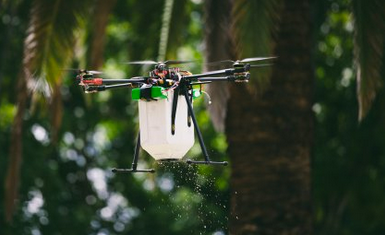
During his Summer Science Scholarship at UQ, Mr Godfrey investigated if drones could be used to spread the beneficial Californicus mite, a predatory mite which feeds on pest leaf eating mites onto crops infected with two spotted mites.

Godfrey said two spotted mites ate chlorophyll in leaves, reducing plant vigour and crop yield.

“As corn grows, it is very difficult to walk between the crop to spread beneficial bugs,” he said.

“A drone flying over the crop and distributing the insects from above is a much more efficient and cost-effective method.”

Godfrey began his project at the Agriculture and Remote Sensing Laboratory at UQ’s Gatton Campus, learning how drones function, before spending time at Rugby Farms to gain insight into potential uses for drones.

“I built a specific drone for the project, tailoring the number of propellers, stand, and size of the motor to suit the drone’s application,” he said.

“My initial concept for the ‘Bug Drone’ came from a seed spreader, and in the end I built an attachment to the drone that can be used to spread the mites over the crop from the air.”

2015-04-29_1605Initial designs using a cylinder-shaped container to hold the mites weren’t practical as it couldn’t hold enough of the predatory mites to make the process efficient.

“I used corflute material to make a large enough storage device for the mites,” Mr Godfrey said.

“The seed spreader then acts as the distributer as it has a small motor powering it.”

The device is controlled remotely from the ground.

“We’ve tested the product at Rugby Farms and I’ve successfully proved the concept that drones can be used to spread beneficial bugs,” Mr Godfrey said.

“There is still a lot of work to be done, but the most difficult part is to work out how to control the volume of bugs being distributed at the one time.

“The next step is to monitor the crops and to see what happens after the bugs have been dropped.

“Remote sensing with precision agriculture is an interesting field, and it has opened my eyes to the career opportunities in this field,” he said.

Students can study precision agriculture at The University of Queensland Gatton in a course run by Associate Professor Kim Bryceson who also manages the Agriculture and Remote Sensing Laboratory.

Eyes on the ground

Dog ‘Facebook’ to manage Aussie pest problem

Facial recognition technology is  being used by the Invasive Animals CRC  to identify, track and control  wild dog populations, which cause  significant damage to Australian farms.

Facial recognition technology is being used by the Invasive Animals CRC to identify, track and control wild dog populations, which cause significant damage to Australian farms.

It’s estimated that wild dogs cost Australian farmers more than $65 million each year – a small part of the estimated $1 billion annual price of animal pests to agriculture. Pest monitoring is an important part of ensuring control strategies are effective, and automated technologies that promise more efficient and detailed monitoring are under investigation.

Southern Downs Regional Council in Queensland is working with Australian agricultural tech company Ninox Robotics to spot wild dogs and other pests in their region. The project involves using unmanned aerial vehicles (drones) equipped with thermal imaging cameras, which can map dozens of square kilometres of countryside in a few hours.

The Invasive Animals CRC (IA CRC), NSW Department of Primary Industries and CRC partners have developed camera trap technology with facial recognition software – similar to that used by Facebook to tag your friends – to identify individual dogs and help combat the wild dog problem. Initial tests in northern NSW were able to pinpoint individual dogs with 87% accuracy. The researchers are seeking further funding to turn the technology into user-friendly software for widespread use.

Future versions could monitor other pests including feral cats, and threatened species, says IA CRC researcher Paul Meek. “Technology is providing us with new opportunities to carry out research and management,” says Meek. “And it’s already changing the way we do things.”


Drones streamline cattle musters

iStock_000035347982_LargeMustering cattle on large Australian stations is a time consuming, expensive and sometimes dangerous operation. Before mustering can begin, graziers need to locate livestock using helicopters, horses, quadbikes and motorbikes, sometimes setting up remote camps.

By mapping the cattle’s location, drone technology under development by the CSIRO could potentially halve mustering costs, says project leader and farming systems specialist Dr Dave Henry. Using an off-the-shelf drone and thermal camera, the researchers accurately located cattle on the Lansdown Research Station near Townsville in 2013, and they are seeking funding for large-scale trials – the next step towards a marketable product.

“Technology is providing us with new opportunities to carry out research and management.”

Using sensors, drones could also monitor feed in paddocks, optimising animal production and minimising environmental impact. “Ultimately, graziers and land managers could manage cattle and their environment, and their whole farm business, in a more precise, timely and informed manner,” says Henry.


Satellites drive precision tractors

Precision agriculture uses sensing technologies, from satellites to drones, to help automate tasks like sowing and harvesting. The benefits of satellite positioning in agriculture are substantial, with an analysis by Allen Consulting predicting it will pump up to $28 billion into the Australian economy by 2030.

Improved satellite positioning in agriculture will yield greater navigational accuracy for unmanned farming vehicles such as drones and automated tractors.

Improved satellite positioning in agriculture will yield greater navigational accuracy for unmanned farming vehicles such as drones and automated tractors.

A collaboration including the CRC for Spatial Information (CRCSI) and the Japan Aerospace Exploration Agency has developed positioning technology for a driverless tractor using GPS and the Japanese Quasi-Zenith Satellite System (QZSS). In summer trials in the Riverina, NSW, the tractor navigated rows of crops to an accuracy of 5 cm.

Existing technologies rely on mobile phone coverage and a costly, dense network of ground-based antennas called reference stations. These improve the accuracy of the machinery’s satellite-derived position from several metres to a few centimetres.

But mobile coverage and expensive antennas “are barriers to adoption in remote Australia,” says Dr Phil Collier, CRCSI research director. The researchers’ alternative requires fewer reference stations, instead transmitting position corrections to the tractor via a satellite communication channel unique to QZSS. This approach promises multiple benefits for farmers in remote areas.
Traversing the same ground each time, the tractors use less fuel and reduce erosion. The day may even come where fleets of robotic tractors work overnight, says Collier.


Managing bushfire threat

Automation can also play a major role in predicting and managing the threat of bushfires. Typically, emergency services and researchers rely upon observations by satellites, from aircraft and on the ground.

Drones could provide valuable extra data, says Dr Thomas Duff, a Bushfire & Natural Hazards CRC researcher at the University of Melbourne who specialises in simulations that predict fire behaviour. In contrast to helicopters, unmanned vehicles eliminate risks to pilots, and are cheaper and more manoeuvrable, enabling more detailed observations.

With Country Fire Authority Victoria, researchers at the CSIRO
are using drones to make observations of controlled fires for use in bushfire simulations. The RISER (Resilient Information Systems for Emergency Response) collaboration based at the University of Melbourne is monitoring grasslands to better understand how they dry out each year. Duff says this research is critical to more accurate predictions of fire behaviour.

invasiveanimals.com

crcsi.com.au

bnhcrc.com.au

The data deluge

WHEN A POWERFUL magnitude 7 earthquake devastated the Republic of Haiti on 12 January 2010, more than 200,000 people were killed. Around 3 million people were affected by the earthquake and its aftershocks, which destroyed 250,000 homes and 30,000 commercial buildings.

Around 630,000 people left the chaos of Haiti’s capital, Port-au-Prince, in search of shelter, water and sanitation. Many of these people used Haiti’s four main mobile phone providers, via its 6 million mobile phone lines, to call friends or relatives in rural areas. Those calls enabled Swedish medical researchers at the Karolinska Institutet in Stockholm to track their movements and to identify areas at risk of potential cholera outbreaks.

The researchers worked with Haiti’s largest mobile phone operator, Digicel, to analyse the call history of 2 million mobile phone users, before and after the earthquake. The results, published in PLoS Medicine and Proceedings of the National Academy of Sciences in 2011 and 2012 respectively, found that “people seemed to have travelled to where they had significant social bonds and support”. More specifically, most Haitians fleeing Port-au-Prince went to the same locations where they had spent Christmas and New Year. The study showed that large-scale movements after earthquakes and other disasters are not chaotic, but often highly predictable, and could be used to improve the efficiency of aid distribution.

The Haiti research is an example of how big data analysis can be used for humanitarian purposes or ‘data philanthropy’ in developing countries. A May 2014 report by the Bill and Melinda Gates Foundation suggests that mobile phone data is “one of the only large-scale, digital data sources that touch large portions of low-income populations,” and if analysed “under proper protections and anonymisation protocols, it can be used to enhance the lives of poor people around the world”.

Victims survive in the aftermath of historic earthquake in Port-Au-Prince, Haiti January, 2010

A study of Haitian phone records showed that people’s movements after a disaster are often highly predictable.

MOBILE PHONES ARE just one source of big data in a world where global satellite navigation, online transactions, sensors, digital closed-circuit cameras, radar monitoring and aerial surveys using pre-programmed drones generate hundreds of exabytes (billions of gigabytes) of data a year. In 2010, The Economist published a series of features on ‘the data deluge’, warning that keeping up with this flood was difficult enough, but “analysing it, to spot patterns and extract useful information, is harder still”. A 2011 report by the McKinsey Global Institute estimated that the volume of global data was predicted to grow by 40% a year, but global spending on data information management was growing at just 5% annually. Technology researcher Gartner estimated that big data analytics drove US$28 billion of global IT spending in 2012, and predict expenditure will exceed US$230 billion in 2016.

In Australia, the Data to Decisions Cooperative Research Centre (D2D CRC) has received $25 million from the federal government and $62.5 million from industry and research participants to address big data challenges. It follows a review of the data analytics and management capacity of Australia’s public service, including defence and federal law enforcement agencies.

Based in Adelaide, the D2D CRC will focus on three research areas: data storage and management, analytics and decision support, and law and policy for big data analysis including issues such as privacy. Participants include Deakin University, the Australian Federal Police, the Attorney-General’s Department, the Department of Defence, the University of South Australia, the University of Adelaide, UNSW Australia, BAE Systems and SAS. The CRC will also develop research links with leading US universities and data analysts.

“We’re dealing with vast volumes of raw, unstructured data. For defence and national security, it’s like looking for the proverbial needle in a haystack.”

DR SANJAY MAZUMDAR, the CRC’s chief executive, says the bid to establish the $88 million research venture arose from discussions about future challenges to Australia’s national security and a shortage of skills in data intelligence applications and analytics. Australia urgently needs to build a skilled workforce to manage, extract and analyse data. The CRC aims to produce 48 PhD students across areas that include health care, IT, government services, law, manufacturing and defence intelligence systems. It will also train 1000 data scientists through its Education and Training Program, and work with universities to build on existing degrees in business and data analytics.

Australia’s defence and national security sectors face “the most imminent and complex” challenges from the global data deluge, Mazumdar says. British mathematician and global data analytics expert Clive Humby has described data as “the new oil”, but Mazumdar points out that, like oil, data needs to be processed to extract maximum benefit.

“We’re dealing with vast volumes of raw, unstructured data. For defence and national security agencies, it’s like looking for the proverbial needle in a haystack. In a time-critical situation, you need to be able to extract actionable intelligence from that data, and to do that, you need advanced data analysis programs that can process and filter that data quickly, accurately and efficiently,” he says.

Even when massive datasets have been processed and analysed, there’s still a need to cross-reference and present findings as visualisations – tables, charts, graphs, keywords and heat maps – that condense the data to manageable and easily assimilated information. Otherwise, Mazumdar says, we may be “drowning in data but starved for information”.

He explains that it’s not only defence and national security agencies that will benefit from expanding Australia’s skills in data analytics. “In mining, for example, the biggest costs are around exploratory drilling to obtain samples for analysis. There’s a possibility that geophysical data from satellite images could be used to pinpoint where deposits are likely to occur, and that could be immensely cost-saving.”

Mazumdar says the CRC will provide a variety of big data users – from government departments and utilities to universities and private industry – with the “tools, techniques and workforce to unlock the value of their data to make more informed and efficient decisions”.

Advanced machine learning and data retrieval systems are critical research areas for big data management. Mazumdar uses the example of image extraction during an attempted terrorist attack, when police and defence intelligence may need to analyse hours, days or even weeks of footage from closed-circuit cameras.

“If you can teach a computer to look for certain combinations of things in that high-volume data stream, you will get a faster result that will inform real-time decisions a lot more quickly,” he says.

The CRC will develop next-generation data storage and large-scale processing software from commercial open-source data management systems, such as Hadoop. Mazumdar says new systems of data mining and machine learning could reduce the time required to analyse high-volume data streams, including satellite imagery. It’s not a question of automating decisions via a machine, but of using data analytics to strip out non-essentials and collate relevant material.

“The human eye and brain are very good at processing complex information from images, but they wouldn’t cope with such a high volume of material. If we can teach a computer to look for certain combinations of things, like the shape of an aircraft, for example, the machine can sort the images in the data pipeline into a smaller, more manageable dataset.”

020215_data_img

THE RIGHT TO privacy and debate over who owns data generated by social media, mobile phones, ATMs and iPad apps, is a hotly-contested topic.

A data management issues paper was developed by the Australian Government Information Management Office (AGIMO) to identify and discuss privacy and security implications around the use of government agency data. The AGIMO estimates that 90% of data in the world today was generated over the past two years alone, and that this amount of data will be 44 times greater by 2020. But who should have right to use such data and under what circumstances, and what controls are appropriate to place on its use?

The AGIMO argues that private companies such as banks, online retailers, insurance companies and social media sites, including Twitter and Facebook, harvest huge volumes of customer data, which is analysed and used to create new client services. Government departments and agencies could also use data analytics to improve services, but they’re bound by a range of legislative controls relating to privacy, security and public trust. In Australia, they must obtain and use information according to the Privacy Act, the Telecommunications Act, Freedom of Information laws and others.
The Gates Foundation report gives an example of mobile phone data use that generated controversy. When health researchers at Harvard University obtained Kenyan mobile records to track the spread of malaria in 2012, it provoked a storm of protest from people who had unknowingly contributed to the study. The researchers had obtained anonymised records for every call and text message sent by 15 million Kenyan mobile phone subscribers over a year, and used the data to identify regions where malaria infection had originated to target medical aid more effectively.

Despite the humanitarian nature of the research and reassurances that callers could not be identified from data provided, Kenyan media claimed the study had breached privacy. The Gates Foundation report says the incident shows that “even with the best of intentions and adherence to rules”, researchers need to consider privacy issues when collecting data.

Professor Louis De Koker, of Deakin University’s School of Law, was founding director of the Centre for the Study of Economic Crime at the University of Johannesburg in South Africa. He will lead the D2D CRC’s Law and Policy program, which combines senior law and socio-legal researchers from the Deakin School of Law and UNSW Australia Law.

“Big data analysis challenges existing privacy principles because our current framework is built around the notion that you own your data and anyone who wants to use it needs your consent to do so,” he says. “It also assumes that data can be effectively de-identified, whereas data analytics can now enable re-identification.”

Social network and mobile media concept“In many cases, the data you generate from, for example, activity on social media sites or Google searches, may be analysed and produce more data and a deeper understanding about you or about communities of which you are a member. In addition, that data would often be stored in another country. What are the laws that apply to that secondary data, and how do you enforce any breaches of rights that you may have in relation to that data? How do we harness such data to improve national security while protecting Australians from abuse of their data? Those are the kinds of policy questions that need to be looked at.”

He says privacy concerns reflect a substantial increase in the volume of data being collected and social concerns and fears around being spied on.
“Unlike the days when you filled in a form and physically handed it to someone, people often don’t know what kind of data is being collected, how and when it’s being collected, who is using it to draw conclusions about you or which decisions by government or private companies relating to you are affected,” he says.

“These days, we take the presence of surveillance cameras very much for granted because they’re everywhere – they’re in shops, airports and at ATMs. But what are the implications when we combine these data sources with sophisticated data analysis? How can we harness the benefits of such data and protect society against abuse?”

In 2013, Shoalhaven City Council installed CCTV cameras in the NSW South Coast town of Nowra as part of a crime prevention program. The surveillance cameras were installed in public places, including shops, parking lots and parks. But a resident challenged their use and argued before the Administrative Decisions Tribunal that it was not the council’s role to collect evidence for the purpose of prosecuting crime. The tribunal upheld the resident’s complaint, ruling that council signage near the camera did not adequately inform people about privacy implications. It also ruled that the council had not established that filming people was “reasonably necessary” to prevent crime.

De Koker says there’s also debate around the adequacy of the protection afforded by giving people notice and gaining their consent to collect and use data, for example when customers sign online agreements relating to social media, software downloads and apps. A report to President Barack Obama in May 2014 on big data and privacy by the President’s Council of Advisors on Science and Technology stated that “each individual app, program or web service” is legally required to ask people to give consent for data collection practices. “Only in some fantasy world do users actually read these notices and understand their implications before clicking to indicate their consent,” the report says.

Mazumdar and De Koker say the D2D CRC will explore opportunities and challenges posed by high-volume data harvesting and analytics in consultation with legal and national security experts.

“All governments are grappling with this issue…There is a lot of good that can come from big data analysis, but we need to balance our expectations and concerns,” De Koker says.

“In the modern world, one of the biggest threats to both national security and personal privacy is a person sitting in a room with a laptop.”

THE ADVISORY COUNCIL’S report to President Obama suggests future generations, who will have grown up with digital technologies, “may see little threat in scenarios that individuals today would find threatening”. It describes a future in which “digital assistants”, in the form of data collection cameras, film a woman packing her suitcase for a business trip. The bag is placed outside for pick-up, with her digital assistants sending the delivery instructions. The suitcase won’t be stolen because a streetlight camera is watching it and every item inside it has a tiny electronic tag that can be tracked and found within minutes.

Her world possibly “seems creepy to us”, but she has “accepted a different balance among the public goods of convenience, privacy and security than most people would today,” the report says.

“In the modern world, one of the biggest threats to both national security and personal privacy is a person sitting in a room with a laptop,” says Mazumdar. “That threat will only grow as the world becomes increasingly reliant on digital technology. We’re already detecting sophisticated ways to hide data and connections online. We need to improve our national capacity to detect and respond to that hidden information, but also to ensure control of that capacity, to respect and protect the rights of users online.”

www.d2dcrc.com.au

iSee: Education’s future

Known as iSee, the technology merges videoconferencing with interactive, virtual environments. It’s been built by University of Wollongong (UOW) researchers in partnership with the Smart Services CRC and now through the spin-off company, iSee VC. iSee operates by immersing dozens of users in a game-like setting where they appear as ‘mevatars’.

Like avatars in online gaming, ‘mevatars’ represent the user in a virtual space. However, while avatars are typically an alter ego or fantasy character, mevatars are created by streaming the user’s webcam into an immersive setting in real time, enabling authentic face-to-face interactions.
The technology can stream more than 50 webcams in a virtual space where users can move around, form groups, converse and share content. It employs point sensitive hearing, where multiple users occupying the space and engaging in multiple conversations will only hear what is within earshot – just as they would in the real world.

Farzad Safaei, Jessica Sullivan and Graeme Booker are all playing a role in making iSee software a reality for schools and beyond.

Farzad Safaei, Jessica Sullivan and Graeme Booker are all playing a role in making iSee software a reality for schools and beyond.

iSee is designed to mimic natural conversations and the real life act of mingling, explained Chief Technical Officer Professor Farzad Safaei, from UOW’s ICT Research Institute.

“You can have multiple, simultaneous conversations going on in the setting between different groups,” Safaei said. “Importantly, the user – not the system – chooses who to focus on. From an education and training perspective, this makes it easier for students to interact with their peers, which is one of the key elements missing from online education tools.”

The NSW Department of Education and Communities is already trialling the iSee program to connect secondary students and teachers from a large metropolitan high school with staff and students from a small regional high school.

Colin Wood, who leads the department’s Virtual Learning Environment team, said the technology is helping students overcome regional isolation.
“It eliminates the need to travel long distances to experience natural social interaction and access specialist education, training and professional development,” he said. Wood agreed that a major benefit is that users can interact as they would in a physical space, such as a classroom.

Teachers have the ability, for example, to post slides and content on virtual whiteboards, break students into groups and then circulate, listen to the chat and provide feedback. Meanwhile, students can meet, interact, share ideas and collaborate with each other.

Safaei said iSee requires at least 70% less bandwidth to operate than other videoconferencing systems. This is because to any given user, it only transmits the audio and video from people who are visible or within earshot inside the virtual setting.

“You could have 20–25 users in the environment, but one user on average is only downloading three to four videos,” he said.
Although commercialisation has been initially focused on education and training, iSee’s Client Business Innovation Leader Jessica Sullivan said the technology is set to have wide-ranging applications for organisations interested in humanising the web.
Myles Gough

www.isee-meetings.com