Tag Archives: technology

Growth factor

The Jack Hills are part of an ancient landscape of scorched red earth in the Pilbara region of Western Australia. But it wasn’t until 2001, when a rock from the hills was brought 800 km south to Curtin University’s John De Laeter Centre for Isotope Research (JDLC), that scientists discovered just how ancient this landscape really is. The Curtin scientists dated zircon crystals in the sample at 4.4 billion years, making it the oldest known Earth rock.

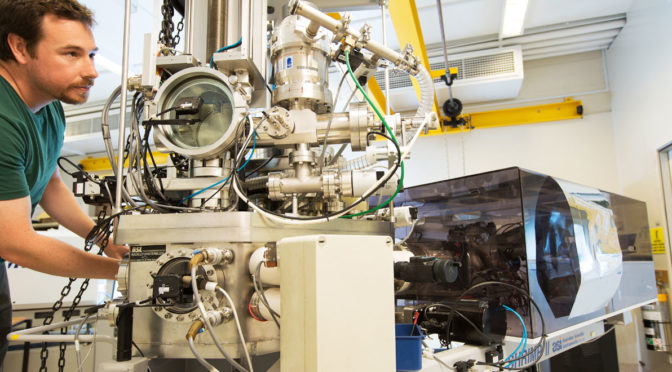
This groundbreaking research required a sophisticated measurement of trace elements in the crystal, and there are very few facilities in the world where this could have taken place. Zircon traps uranium in its crystal structure when it is formed. In principle, the radioactive decay of uranium into lead is like a ticking clock. If you can accurately measure how much lead has been created and how much uranium remains in a particular sample, you can work out when the crystal was formed. To do this, and to arrive at an age with an uncertainty of just 0.2%, Curtin researchers called upon the $4 million Sensitive High Resolution Ion Micro Probe (SHRIMP), the flagship technology of the JDLC. There are fewer than 20 SHRIMPs in the world, and Curtin is home to two of them.

“Zircon is like diamond – it’s forever,” explains JDLC Director, Professor Brent McInnes. Being a very hard and chemically inert material, zircon lasts for billions of years. The JDLC has world-renowned expertise in dating rocks by analysing the uranium-lead decay process in zircon.

The JDLC is also regularly put to more practical uses, such as aiding resource exploration in Western Australia. The SHRIMPs are the centrepieces of a suite of equipment worth $25 million, including scanning electron microscopes, transmission electron microscopes, ion beam milling instruments, laser probes and mass spectrometers.

“We are an open access lab,” explains McInnes. “These instruments can run 24 hours a day, seven days a week.” The JDLC collaborates with research groups around the world and also assists the Geological Survey of Western Australia to make maps used to attract investment in mining and petroleum exploration. Chinese Academy of Geological Sciences researchers use the instruments to do similar work in China, controlling the Perth-based SHRIMPs remotely from Beijing.

The JDLC facilities have also been used to solve practical problems for industry partners. When exploration company Independence Group NL found tin in a gravel bed at the base of a WA river, they turned to the JDLC to help identify the origins of the ore. Was it from a local source or had it been transported from elsewhere and deposited in the riverbed? Using SHRIMP, the JDLC team measured the quantities of trace uranium and lead elements in the tin ore cassiterite and calculated its age. When they performed similar measurements on zircon from local granite, they found its age was the same. This showed the tin was local, and helped the Independence Group pinpoint the precise locations to drill exploratory holes. “We have an incredible set of research tools that can be deployed to help industry reduce the risks and costs of exploration,” says McInnes.

“Recognising the gap, Curtin has set up a dedicated funding program, called Kickstart, to help translate lab research into commercial ventures.”


Collaborating with industry is a commonplace activity for John Curtin Distinguished Professor and Deputy Pro Vice Chancellor – Faculty of Science and Engineering, Moses Tadé. Industry possesses considerable experts, he says, yet still tends to approach academics when looking at something more fundamental. Tadé’s group brings a range of skills to the table, including expertise in multi-scale modelling, computational flow dynamics, reaction engineering and optimisation modelling. Collaboration is highly beneficial for both sides, he says.

Ongoing projects include the development of solid oxide fuel cells with a Melbourne-based fuel cell company, and a project in partnership with a petroleum industry multinational to remove mercury from oil and gas.     In recent years, sponsorship from leading minerals and exploration companies Chevron Australia and Woodside Energy has supported the growth of the Curtin Corrosion Engineering Industry Centre, of which Tadé is Director. The Centre looks to develop practical solutions to the problem of corrosion in gas pipelines, which can lead to costly leaks and dangerous explosions.

In another project, led by chemical engineer Professor Vishnu Pareek, Curtin has teamed up with Woodside to develop a more efficient way to regasify liquefied natural gas. Currently, natural gas from Australia is liquified so it can be transported efficiently by ship to overseas markets, particularly China. But once it gets there, the regasification process can burn up to 2% of the product. A new process being developed at Curtin uses the energy in the ambient air to aid regasification – a more efficient solution that will both increase profits and reduce CO2 emissions. “It’s very exciting,” says Tadé. “A big thing for the environment.”

Curtin has become a busy hub of innovation, with a spate of spin-off companies being created to translate the research. “We have a focused effort on commercialisation and research outcomes,” explains Rohan McDougall, Director of IP Commercialisation at Curtin.

Public funding of science and engineering research can often only take new technology to a certain level of development such as ‘proof-of-concept’. Securing funds from investors to turn pre-commercial work into a real-world product is tough as investors are wary at this early high-risk stage. “The gap is traditionally known as the ‘valley of death’,” says McDougall. Recognising this gap, Curtin has set up a dedicated funding program, called Kickstart, to help translate lab research into commercial ventures.

in-text1

The John De Laeter Centre for Isotope Research, led by Professor Brent McInnes (left) – which has a team of scientists, including Associate Professor Noreen Evans (right), and a $25 million suite of equipment – assists resource exploration in Western Australia.

The John De Laeter Centre for Isotope Research, led by Professor Brent McInnes (above top) – which has a team of scientists, including Associate Professor Noreen Evans (above bottom), and a $25 million suite of equipment – assists resource exploration in Western Australia.

As well as the extra funding, commercialisation is aided at Curtin by strong links with the venture capital community and industry, which advise on commercialisation routes and intellectual property. The university also encourages an innovation environment by running contests in which staff and students describe technologies they     are working on and that may have commercial applications.

This commercialisation focus has reaped dividends in terms of successful spin-off companies. In the medical space, Neuromonics sells a device for the treatment of the auditory condition tinnitus. In digital technology, iCetana has developed a video analytics technology for security applications. Skrydata, a data analytics company, provides a service for extracting patterns from big data. Sensear has developed sophisticated hearing equipment technology for high-noise environments such as oil and gas facilities.

One of the biggest recent success stories has been Scanalyse, which in 2013 won the prestigious Australian Museum Rio Tinto Eureka Prize for Commercialisation of Innovation. Scanalyse grew out of a collaboration between Curtin and Alcoa, one of the world’s largest aluminium producers. Alcoa called on Curtin’s experts to find a way to analyse the grinders used in their mills. Every time a grinder wore out, it was costing ~$100,000/hour in downtime. It was crucial to monitor the condition of these machines, but this required someone to climb inside and take measurements. Through their 2005 collaboration with Alcoa, spatial scientists at Curtin developed a laser scanning system capable of measuring 10 million points in just 30 minutes.

“At the same time, they developed a software tool that could be applied more generally,” explains McDougall. “So the business was established to look at the application of that technology to mills and other mine site equipment.”

Scanalyse has since found customers in more than 20 countries and is making an impact worldwide. In 2013, it was bought by Finnish engineering giant Outotec.

Cathal O’Connell

Partnering for research impact

The Cooperative Research Centres Program (CRC) links research, education and end users, creating a synergy that fosters innovation. Now in its 24th year, the program has led to the development of beneficial new technologies in areas as diverse as contact lenses, financial markets and advanced composite materials.

Defence is just one beneficiary of the CRC Program. For example, lifesaving improvements have been made to body armour and vehicle protection as a result of research into advanced materials and manufacturing techniques.

Safeguarding Australia will depend on our ability to use science and technology to increase the effectiveness of our people and systems. No single research organisation can meet all of Australia’s future needs – collaboration is key. The CRC Program has enabled participants – universities, publicly-funded research organisations and industry – to significantly increase the impact of their science and technology through teamwork.

“No single research organisation can meet all of Australia’s future needs – collaboration is key.”

The Defence Science and Technology Organisation (DSTO) is supporting the new Data to Decisions CRC. This CRC will focus on creating the tools, techniques and workforce to unlock big data. Specific areas include tracking and sensor fusion techniques, visual analytics, cyber data, elastic search tools, speech and text processing, and detecting objects of interest in large imagery datasets.

Through the CRC Program, DSTO will continue to work with industry and publicly-funded agencies to create a vibrant culture of innovation, nurture the next generation of scientists and ensure that research has real impact.

– Dr Alex Zelinsky

Small scale, big consequences

The nanoscale is so tiny it’s almost beyond comprehension. Too small for detection by the human eye, and not even discernible by most laboratory microscopes, it refers to measurements in the range of 1–100 billionths of a metre. The nanoscale is the level at which atoms and molecules come together to form structured materials.

The Nanochemistry Research Institute — NRI — conducts fundamental and applied research to understand, model and tailor materials at the nanoscale. It brings together scientists – with expertise in chemistry, engineering, computer simulations, materials and polymers – and external collaborators to generate practical applications in health, energy, environmental management, industry and exploration. These include new tests for cancer, and safer approaches to oil and gas transportation. Research ranges from government-funded exploratory science to confidential industry projects.


The NRI hosts research groups with specialist expertise in the chemical formation of minerals and other materials. “To understand minerals, it’s often important to know what is going on at the level of atoms,” explains Julian Gale, John Curtin Distinguished Professor in Computational Chemistry and former Acting Director of the NRI. “To do this, we use virtual observation – watching how atoms interact at the nanoscale – and modelling, where we simulate the behaviour of atoms on a computer.”

The mineral calcium carbonate is produced through biomineralisation by some marine invertebrates. “If we understand the chemistry that leads to the formation of carbonates in the environment, then we can look at how factors such as ocean temperature and pH can lead to the loss of minerals that are a vital component of coral reefs,” says Gale.

This approach could be used to build an understanding of how minerals are produced biologically, potentially leading to medical and technological benefits, including applications in bone growth and healing, or even kidney stone prevention and treatment.

Gale anticipates that a better understanding of mineral geochemistry may also shed light on how and where metals are distributed. “If you understand the chemistry of gold in solution and how deposits form, you might have a better idea where to look for the next gold mine,” he explains.

There are also environmental implications. “Formation of carbonate minerals, especially magnesium carbonate and its hydrates, has been proposed as a means of trapping atmospheric carbon in a stable solid state through a process known as geosequestration. We work with colleagues in the USA to understand how such carbonates form,” says Gale.

Minerals science is also relevant in industrial settings. Calcium carbonate scaling reduces flow rates in pipes and other structures in contact with water. “As an example, the membranes used for reverse osmosis in water desalination – a water purification technology that uses a semipermeable membrane to remove salt and other minerals from saline water – can trigger the formation of calcium carbonate,” explains Gale. “This results in partial blockage of water flow through the membrane, and reduced efficiency of the desalination process.”

A long-term aim of research in this area is to design water membranes that prevent these blockages. There are also potential applications in the oil industry, where barium sulphate (barite) build-up reduces the flow in pipes, and traps dangerous radioactive elements such as radium.

Another problem for exploration companies is the formation of hydrates of methane and other low molecular weight hydrocarbon molecules. These can block pipelines and processing equipment during oil and gas transportation and operations, which results in serious safety and flow assurance issues. Materials chemist Associate Professor Xia Lou leads a large research group in the Department of Chemical Engineering that is developing low-dose gas hydrates inhibitors to prevent hydrate formation. “We also develop nanomaterials for the removal of organic contaminants in water, and nanosensors to detect or extract heavy metals,” she says.

“To understand minerals, it’s often important to know what is going on at the level of the atom.”


The capacity to control how molecules come together and then disassociate offers tantalising opportunities for product development, particularly in food science, drug delivery and cosmetics. In the Department of Chemistry, Professor Mark Ogden conducts nanoscale research looking at hydrogels, or networks of polymeric materials suspended in water.

“We study the 3D structure of hydrogels using the Institute’s scanning probe microscope,” says Ogden. “The technique involves running a sharp tip over the surface of the material. It provides an image of the topography of the surface, but we can also measure how hard, soft or sticky the surface is.” Ogden is developing methods for watching hydrogels grow and fall apart through heating and cooling. “We have the capability to do that sort of imaging now, and this in situ approach is quite rare around the world,” he says.

Ogden also conducts chemical research with a group of metals known as lanthanoids, which are rare-earth elements. His recent work, in collaboration with the Australian Nuclear Science and Technology Organisation (ANSTO), discovered unique elongated nanoscale structures.

“We’ve identified lanthanoid clusters that can emit UV light and have magnetic properties,” explains Ogden. “Some of these can form single molecule magnets. A key outcome will be to link cluster size and shape to these functional properties.” This may facilitate guided production of magnetic and light-emitting materials for use in sensing and imaging technologies.

“If you understand the chemistry of gold … then you might have a better idea of where to start looking for the next gold mine.”


The NRI is working across several areas of chemistry and engineering to develop nanoscale tools for detecting and treating health conditions. Professor Damien Arrigan applies a nanoscale electrochemical approach to detecting biological molecules, also known as biosensing. He and his Department of Chemistry colleagues work at the precise junction between layered oil and water.

“We make oil/water interfaces using membranes with nanopores, some as small as 15 nanometres,” he says. “This scale delivers the degree of sensitivity we’re after.” The scientists measure the passage of electrical currents across the tiny interfaces and detect protein, which absorbs at the boundary between the two liquids. “As long as we know a protein’s isoelectric point – that is, the pH at which it carries no electrical charge – we can measure its concentration,” he explains.

The technique enables the scientists to detect proteins at nanomolar (10−6 mol/m3) concentrations, but they hope to shift the sensitivity to the picomolar (10−9 mol/m3) range – a level of detection a thousand times more sensitive and not possible with many existing protein assessments. Further refinement may also incorporate markers to select for proteins of interest. “What we’d like to do one day is measure specific proteins in biological fluids like saliva, tears or serum,” says Arrigan.

The team’s long-term vision is to develop highly sensitive point-of-need measurements to guide treatments – for example, testing kits for paramedics to detect markers released after a heart attack so that appropriate treatment can be immediately applied.

Also in the Department of Chemistry, Dr Max Massi is developing biosensing tools to look at the health of living tissues. His approach relies on tracking the location and luminescence of constructed molecules in cells. “We synthesise new compounds based on heavy metals that have luminescent properties,” explains Massi. “Then we feed the compounds to cells, and look to see where they accumulate and how they glow.”

The team synthesises libraries of designer chemicals for their trials. “We know what properties we’re after – luminescence, biological compatibility and the ability to go to the part of the cell we want,” says Massi.

For example, compounds can be designed to accumulate in lysosomes – the tiny compartments in a cell that are involved in functions such as waste processing. With appropriate illumination, images of lysosomes can then be reconstructed and viewed in 3D using a technique known as confocal microscopy, enabling scientists to assess lysosome function. Similar approaches are in development for disease states such as obesity and cancer.

Beyond detection, this technique also has potential for therapeutic applications. Massi has performed in vitro studies with healthy and cancerous cells, suggesting that a switch from detection to treatment may be possible by varying the amount of light used to illuminate the cells.

“A bit of light allows you to visualise. A lot of light will allow you to kill the cells,” explains Massi. His approach is on track for product development, with intellectual property protection filed in relation to using phosphorescent compounds to determine the health status of cells.

Improving approaches to cancer treatment is also an ongoing research activity for materials chemist Dr Xia Lou, who designs, constructs and tests nanoparticles for targeted photodynamic therapy, which aims to selectively kill tumours using light-induced reactive oxygen species.

“We construct hybrid nanoparticles with high photodynamic effectiveness and a tumour-targeting agent, and then test them in vitro in our collaborators’ laboratories,” she says. “Our primary interest is in the treatment of skin cancer. The technology has also extended applications in the treatment of other diseases.” Lou has successfully filed patents for cancer diagnosis and treatment that support the potential of this approach.


Spheres and other 3D shapes constructed at the nanoscale offer potential for many applications centred on miniaturised storage and release of molecules and reactivity with target materials. Dr Jian Liu in the Department of Chemical Engineering develops new synthesis strategies for silica or carbon spheres, or ‘yolk-shell’-structured particles. “Our main focus is the design, synthesis and application of colloidal nanoparticles including metal, metal oxides, silica and carbon,” says Liu.

Most of these colloidal particles are nanoporous – that is, they have a lattice-like structure with pores throughout. The applications of such nanoparticles include catalysis, energy storage and conversion, drug delivery and gene therapy.

“The most practical outcome of our research would be the development of new catalysts for the production of synthetic gases, or syngas,” he says. “It may also lead to new electrodes for lithium-ion batteries.” Once developed, nanoscale components for this type of rechargeable battery are expected to bring improved safety and durability, and lower costs.


Atomic Modelling matters in research

Professor Julian Gale leads a world-class research group in computational materials chemistry at the NRI. “We work at the atomic level, looking at fundamental processes by which materials form,” he says. “We can simulate up to a million atoms or more, and then test how the properties and behaviour of the atoms change in response to different experimental conditions.” Such research is made possible through accessing a petascale computer at WA’s Pawsey Centre – built primarily to support Square Kilometre Array pathfinder research.

The capacity to model the nanoscale behaviour of atoms is a powerful tool in nanochemistry research, and can give direction to experimental work. The calcium carbonate mineral vaterite is a case in point. “Our theoretical work on calcium carbonate led to the proposal that the mineral vaterite was actually composed of at least three different forms,” Gale explains. “An international team found experimental evidence which supported this idea.”

NRI Director Professor Andrew Lowe regards this capacity as an asset. “Access to this kind of atomic modelling means that our scientists can work within a hypothetical framework to test whether a new idea is likely to work or not before they commit time and money to it,” he explains.

Scientists at Curtin’s Nanochemistry Research Institute investigate minerals at an atomic level, which can, for example, build an understanding of mineral loss in coral reefs.

Scientists at Curtin’s Nanochemistry Research Institute investigate minerals at an atomic level, which can, for example, build an understanding of mineral loss in coral reefs.


New direction

Formally established in 2001, the Nanochemistry Research Institute began a new era in 2015 through the appointment of Professor Andrew Lowe as Director. Working under his guidance are academic staff and postdoctoral fellows, as well as PhD, Honours and undergraduate science students.

An expert in polymer chemistry, Lowe’s research background adds a new layer to the existing strong multidisciplinary nature of the Institute. “Polymers have the potential to impact on every aspect of fundamental research,” he says. “This will add a new string to the bow of Curtin University science and engineering, and open new and exciting areas of research and collaboration.”

Polymers are a diverse group of materials composed of multiple repeated structural units connected by chemical bonds. “My background is in water-soluble polymers and smart polymers,” explains Lowe. “These materials change the way they behave in response to their external environment – for example, a change in temperature, salt concentrations, pH or the presence of other molecules including biomolecules. Because the characteristics of the polymeric molecules can be altered in a reversible manner, they offer potential to be used in an array of applications, including drug delivery, catalysis and surface modification.”

Lowe has particular expertise in RAFT dispersion polymerisation, a technique facilitating molecular self-assembly to produce capsule-like polymers in solution. “This approach allows us to make micelles, worms and vesicles directly,” he says, describing the different physical forms the molecules can take. “It’s a novel and specialised technique that creates high concentrations of uniformly-shaped polymeric particles at the nanoscale.” Such polymers are candidates for drug delivery and product encapsulation.

Sarah Keenihan

Science beats sport at the 2015 Publish Awards

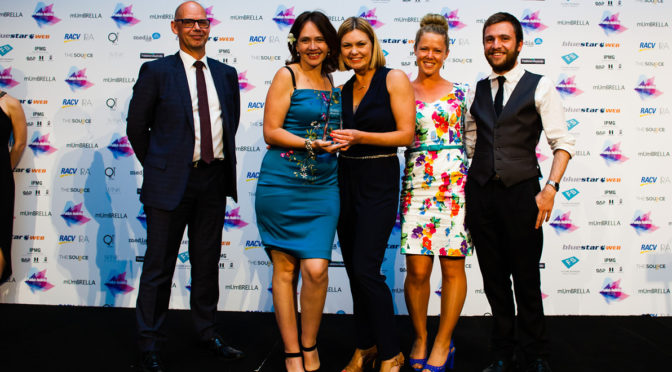
Photo from left: Refraction founders Heather Catchpole and Karen Taylor-Brown, with Production Manager Heather Curry and Publishing Co-ordinator Jesse Hawley.

Refraction Media, a Sydney-based publishing start-up, was announced Australia’s Best Small Publisher at the 2015 Publish Awards. Specialising in STEM (science, technology, engineering and maths), Refraction Media came out on top in a category that included sport, luxury and lifestyle at the industry’s night-of-nights.

The jurors at the 2015 Publish Awards said:

“Refraction Media outclassed the other entrants. For a start up operation that’s only two years old, the company has managed to capitalise on an untapped market with incredible skill and with many clever, innovative and successful media streams.”

Publishing’s leaders, representing titles such as Vogue, the Australian Women’s Weekly and Gourmet Traveller, competed for accolades at the 2015 Publish Awards alongside youth disrupters such as Junkee, Vice and Pedestrian.tv while business and industry like In the Black and Australian Pharmacist brought their A-game.

Amongst the glitz and glamour at the 2015 Publish Awards, science valiantly flew its flag with New Scientist‘s Australasia reporter Michael Slezak a finalist for Journalist of the Year (Consumer/Custom) and COSMOS magazine’s Editor-in-Chief, Dr Elizabeth Finkel, a finalist for Single Article of the year for her piece ‘The buzz around brain stimulation‘.

With a strong presence on the main stage and by sharing the language and aesthetics of mass publishers, science publishers are taking science out of a niche audience and placing it firmly at the centre of a dynamic industry of interactivity, sharing and scrolling.

As science, technology, engineering and maths (STEM) becomes more visual, accessible and dynamic, especially to Australia’s youth, engagement and participation rates will climb. This future STEM-skilled workforce is critical to Australia’s future prosperity. STEM graduates will facilitate innovation and collaboration.

Refraction Media fills a unique niche in the market that connects science and technology with the general public. Since its launch in 2013, Refraction has printed over half a million magazines across eight titles, shared 16 in-depth science study guides with schools, produced 13 3D animations, edited 17 scientific white papers, developed two e-learning platforms and created the worldwide, one-and-only virtual tour of a nuclear reactor.

Refraction produce two websites, for news at the nexus of research and industry, www.sciencemeetsbusiness.com.au; and careerswithcode.com.au, which aims to inspire high school students to combine their passion – whether it’s music, arts, business, sports or the environment – with STEM skills to create the careers of the future.

Refraction Media has demonstrated that rather than being ‘niche’, specialising in science uncovers a world of opportunity and discovery.


Saving grains

Each year, the fungal disease tan spot costs the Australian economy more than half a billion dollars. Tan spot, also known as yellow spot, is the most damaging disease to our wheat crops, annually causing an estimated $212 million in lost production and requiring about $463 million worth of control measures. Fungal disease also causes huge damage to barley, Australia’s second biggest cereal crop export after wheat. It should come as no surprise, then, that the nation’s newest major agricultural research facility, Curtin University’s Centre for Crop and Disease Management (CCDM), is focusing heavily on the fungal pathogens of wheat and barley.

Launched in early 2014, with the announcement of an inaugural bilateral research agreement between Curtin and the Australian Government’s Grains Research and Development Corporation (GRDC), the CCDM already has a team of about 40 scientists, with that number expected to double by 2016.

“We are examining the interactions of plants and fungal pathogens, and ways and means of predicting how the pathogen species are going to evolve so that we might be better prepared,” says CCDM Director, Professor Mark Gibberd.

An important point of difference for the centre is that, along with a strongly relevant R&D agenda, its researchers will be working directly with growers to advise on farm practices. Influencing the development and use of faster-acting and more effective treatments is part of the CCDM’s big-picture approach, says Gibberd. This encompasses both agronomy (in-field activities and practices) and agribusiness (the commercial side of operations).

“We want to know more about the issues that challenge farmers on a day-to-day basis,” explains Curtin Business School’s John Noonan, who is overseeing the extension of the CCDM’s R&D programs and their engagement with the public. The CCDM, he explains, is also focused on showing impact and return on investment in a broader context.

Two initiatives already making a significant impact on growers’ pockets include the tan spot and Septoria nodorum blotch programs. Tan spot, Australia’s most economically significant wheat disease, is caused by the fungus Pyrenophora tritici-repentis. Septoria nodorum blotch is a similar fungal infection and Western Australia’s second most significant wheat disease.

Curtin University researchers were 2014 finalists in the Australian Museum Eureka Prize for Sustainable Agriculture for their work on wheat disease. Their research included the development of a test that enables plant breeders to screen germinated seeds for resistance to these pathogens and subsequently breed disease-resistant varieties. It’s a two-week test that replaces three years of field-testing and reduces both yield loss and fungicide use.

When fungi infect plants, they secrete toxins to kill the leaves so they can feed on the dead tissue (toxins: ToxA for tan spot, and ToxA, Tox1 and Tox3 for Septoria nodorum blotch). The test for plant sensitivity involves injecting a purified form of these toxins – 30,000 doses of which the CCDM is supplying to Australian wheat breeders annually.

“We have seen the average tan spot disease resistance rating increase over the last year or so,” says Dr Caroline Moffat, tan spot program leader. This means the impact of the disease is being reduced. “Yet there are no wheat varieties in Australia that are totally resistant to tan spot.”

“The development of fungicide resistance is one of the greatest threats to our food biosecurity, comparable to water shortage and climate change.”

Worldwide, there are eight variants of the tan spot pathogen P. tritici-repentis. Only half of them produce ToxA, suggesting there are other factors that enable the pathogen to infiltrate a plant’s defences and take hold. To investigate this, Moffat and her colleagues have deleted the ToxA gene in samples of P. tritici-repentis and are studying how it affects the plant-pathogen interaction.

During the winter wheat-cropping season, Moffat embarks on field trips across Australia to sample for P. tritici-repentis to get a ‘snapshot’ of the pathogen’s genetic diversity and how this is changing over time. Growers also send her team samples as part of a national ‘Stop the Spot’ campaign, which was launched in June 2014 and runs in collaboration with the GRDC. Of particular interest is whether the pathogen is becoming more virulent, which could mean the decimation of popular commercial wheat varieties.


Wheat fungal diseases can regularly cause a yield loss of about 15–20%. But for legumes – such as field pea, chickpea, lentil and faba bean – fungal infections can be even more devastating. The fungal disease ascochyta blight, for example, readily causes yield losses of about 75% in pulses. It makes growing pulses inherently risky, explains ascochyta blight program leader, Dr Judith Lichtenzveig.

In 1999, Western Australia’s chickpea industry was almost wiped out by the disease and has never fully recovered. With yield reliability and confidence in pulses still low, few growers include them in their crop rotations – to the detriment of soil health.

Pulse crops provide significant benefit to subsequent cereals and oilseeds in the rotation, says Lichtenzveig, because they add nitrogen and reduce the impact of soil and stubble-borne diseases. The benefits are seen immediately in the first year after the pulse is planted. The chickpea situation highlights the need to develop new profitable varieties with traits desired by growers and that suit the Australian climate.

The CCDM also runs two programs concerned with barley, both headed by Dr Simon Ellwood. His research group is looking to develop crops with genetic resistance to two diseases that account for more than half of all yield losses in this important Australian crop – net blotch and powdery mildew.

Details of the barley genome were published in the journal Nature in 2012. The grain contains about 32,000 genes, including ‘dominant R-genes’ that provide mildew resistance. The dominant R-genes allow barley plants to recognise corresponding avirulence (Avr) genes in mildew; if there’s a match between a plant R-gene and pathogen Avr genes, the plant mounts a defence response and the pathogen is unable to establish an infection. It’s relatively commonplace, however, for the mildew to alter its Avr gene so that it’s no longer recognised by the plant R-gene.

“This is highly likely when a particular barley variety with a given R-gene is grown over a wide area where mildew is prevalent, as there is a high selection pressure on mutations to the Avr gene,” explains Ellwood. This means the mildew may become a form that is unrecognised by the barley.

Many of the malting barley varieties grown in Western Australia, with the exception of Buloke, are susceptible to mildew. This contrasts with spring barley varieties being planted in Europe and the USA that have been bred to contain a gene called mlo, which provides resistance to all forms of powdery mildew.

Resistance to net blotch also occurs on two levels in barley. “As with mildew, on the first level, barley can recognise net blotch Avr genes early on through the interaction with dominant R-genes. But again, because resistance is based on a single dominant gene interaction, it can be readily lost,” says Ellwood. “If the net blotch goes unrecognised, it secretes toxins that allow the disease to take hold.”

On the second level, these toxins interact with certain gene products so that the plant cells become hypersensitised and die. By selecting for barley lines without the sections of genes that make these products, the crop will have a durable form of resistance. Indeed, Ellwood says his team has found barley lines with these characteristics. The next step is to determine how many genes control this durable resistance. “Breeding for host resistance is cheaper and more environmentally friendly than applying fungicides,” Ellwood adds.

“This is a massive achievement, and we have already shown that the use of more expensive chemicals can be justified on the basis of an increase in crop yield.”


Numerous fungicides are used to prevent and control fungal pathogens, and they can be costly. Some have a common mode of action, and history tells us there’s a good chance they’ll become less effective the more they’re used. “The development of fungicide resistance is one of the greatest threats to our food biosecurity ahead of water shortage and climate change,” says Gibberd. “It’s a very real and current problem for us.”

Fungicides are to grain growers what antibiotics are to doctors, explains Dr Fran Lopez-Ruiz, head of the CCDM’s fungicide resistance program. “The broad-spectrum fungicides are effective when used properly, but if the pathogens they are meant to control start to develop resistance, their value is lost.” Of the three main types of leaf-based fungicides used for cereal crops, demethylation inhibitors (DMIs) are the oldest, cheapest and most commonly used.

Lopez-Ruiz says that to minimise the chance of fungi becoming resistant, sprays should not be used year-in, year-out without a break. The message hasn’t completely penetrated the farming community and DMI-resistance is spreading in Australia. A major aim within Lopez-Ruiz’s program is to produce a geographical map of fungicide resistance. “Not every disease has developed resistance to the available fungicides yet, which is a good thing,” says Lopez-Ruiz.

DMIs target an enzyme called CYP51, which makes a cholesterol-like compound called ergosterol that is essential for fungal cell survival. Resistance develops when the pathogens accumulate several mutations in their DNA that change the structure of CYP51 so it’s not affected by DMIs.

In the barley disease powdery mildew in WA, a completely new set of mutations has evolved, resulting in the emergence of fungicide-resistant populations. The first of these mutations has just been identified in powdery mildew in Australia’s eastern states, making it essential that growers change their management tactics to prevent the development of full-blown resistance. Critical messages such as these are significant components of John Noonan’s communications programs.

tan spot

tan spot

tan spot

The CCDM is researching solutions to plant diseases such as powdery mildew in barley (above top), and Septoria nodorum blotch (above middle) in wheat, with Dr Caroline Moffat (above bottom) leading a program to tackle the wheat tan spot fungus.


Resistance to another group of fungicides, Qols, began to appear within two years of their availability here. They are, however, still widely used in a mixed treatment, which hinders the development of resistance. Lopez-Ruiz says it’s important we don’t end up in a situation where there’s no solution: “It’s not easy to develop new compounds every time we need them, and it’s expensive – more than $200 million to get it to the growers”.

The high cost of testing and registering products can deter companies from offering their products to Australian growers – particularly if, as in the case of legumes, the market is small.

To help convince the Australian Pesticides and Veterinary Medicines Authority that it should support the import and use of chemicals that are already being safely used overseas, the CCDM team runs a fungicide-testing project for companies to trial their products at sites where disease pressures differ – for example, because of climate. This scheme helps provide infrastructure and data to fast-track chemical registrations.

“This is a massive achievement, and we have already shown that the use of more expensive chemicals can be justified on the basis of an increase in crop yield.”


A global problem

More than half of Australia’s land area is used for agriculture – 8% of this is used for cropping, and much of the rest for activities such as forestry and livestock farming. Although Australia’s agricultural land area has decreased by 15% during the past decade, from about 470 million to 397 million ha, it’s more than enough to meet current local demand and contribute to international markets.

Nevertheless, the world’s population continues to grow at a rapid rate, increasing demands for staple food crops and exacerbating food shortages. Australia is committed to contributing to global need and ensuring the sustained viability of agriculture. To this end, Professor Richard Oliver, Chief Scientist of Curtin’s Centre for Crop and Disease Management (CCDM), has established formal relationships with overseas institutions sharing common goals (see page 26). This helps CCDM researchers access a wider range of relevant biological resources and keep open international funding opportunities, particularly in Europe.

“The major grant bodies have a very good policy around cereal research where the results are freely available,” says Oliver. “There’s also the possibility to conduct large experiments requiring lots of space – either within glasshouses or in-field – which would be restricted or impossible in Australia.” It’s a win-win situation.

Branwen Morgan


Four things to protect yourself from cyberattack

It’s easy to get lost in a sea of information when looking at cybersecurity issues – hearing about hacks and cyberattacks as they happen is a surefire way to feel helpless and totally disempowered.

What follows is a sort of future shock, where we become fatalistic about the problem. After all, 86% of organisations from around the world surveyed by PwC reported exploits of some aspect of their systems within a one year period. That represented an increase of 38% on the previous year.

However, once the situation comes into focus, the problem becomes much more manageable. There are a range of things that can we can easily implement to reduce the risk of an incident dramatically.

For example, Telstra estimates that 45% of security incidents are the result of staff clicking on malicious attachments or links within emails. Yet that is something that could be fairly easily fixed.

Confidence gap

There is currently a gap between our confidence in what we can do about security and the amount we can actually do about it. That gap is best filled by awareness.

Many organisations, such as the Australian Centre for Cyber Security, American Express and Distil Networks provide basic advice to help us cope with future shock and start thinking proactively about cybersecurity.

The Australia Signals Directorate (ASD) – one of our government intelligence agencies – also estimates that adhering to its Top Four Mitigation Strategies would prevent at least 85% of targeted cyberattacks.

So here are some of the top things you can do to protect yourself from cyberattack:

1 Managed risk

First up, we need to acknowledge that there is no such thing as perfect security. That message might sound hopeless but it is true of all risk management; some risks simply cannot be completely mitigated.

However, there are prudent treatments that can make risk manageable. Viewing cybersecurity as a natural extension of traditional risk management is the basis of all other thinking on the subject, and a report by CERT Australia states that 61% of organisations do not have cybersecurity incidents in their risk register.

ASD also estimates that the vast majority of attacks are not very sophisticated and can be prevented by simple strategies. As such, think about cybersecurity as something that can managed, rather than cured.

2 Patching is vital

Patching is so important that ASD mentions it twice on its top four list. Cybersecurity journalist Brian Krebs say it three times: “update, update, update”.

Update your software, phone and computer. As a rule, don’t use Windows XP, as Microsoft is no longer providing security updates.

Updating ensures that known vulnerabilities are fixed and software companies employ highly qualified professionals to develop their patches. It is one of the few ways you can easily leverage the cybersecurity expertise of experts in the field.

3 Restricting access means restricting vulnerabilities

The simple rule to protect yourself from cyberattack is: don’t have one gateway for everything. If all it takes to get into the core of a system is one password, then all it takes is one mistake for the gate to be opened.

Build administrator privileges into your system so that people can only use what they are meant to. For home businesses it could mean something as simple as having separate computers for home and work, or not giving administrator privileges to your default account.

It could also be as simple as having a content filter on employee internet access so they don’t open the door when they accidentally click on malware.

4 Build permissions from the bottom up

Application whitelisting might sound complicated, but what it really means is “deny by default”: it defines, in advance, what is allowed to run and ensures that nothing else will.

Most people think of computer security as restricting access, but whitelisting frames things in opposite terms and is therefore much more secure. Most operating systems contain whitelisting tools that are relatively easy to use. When used in conjunction with good advice, the result is a powerful tool to protect a network.

The Australian Signals Directorate released a video in 2012 with an overview of cyber threats.

Protect yourself from cyberattack: Simple things first

Following these basic rules covers the same ground as ASD’s top four mitigation strategies and substantially lowers vulnerability to protect yourself from cyberattack. If you want to delve deeper, there are more tips on the ASD site.

There are many debates that will follow on from this, such as: developing a national cybersecurity strategy; deciding if people should have to report an incident; the sort of insurance that should be available; what constitutes a proportionate response to an attack; and a whole range of others.

Each of those debates is underpinned by a basic set of information that needs to be implemented first. Future shock is something that can be overcome in this space, and there are relatively simple measures that can be put into place in order to make us more secure. Before embarking on anything complicated, you should at least get these things right to protect yourself from cyberattack.

This article was first published by The Conversation on 16 October 2015. Read the original article here.

Continents collide

Collecting rock samples at 5200 m on a recent trip to the Tibetan Plateau, Professor Simon Wilde, from the Department of Applied Geology at Curtin University, was pleased to have avoided the symptoms of altitude sickness. The last time he conducted fieldwork in a similar environment had been about 20 years before in Kyrgyzstan, Central Asia, and he’d managed then to also avoid altitude headaches. Nonetheless, he says, Tibet was tough. Due to the atmospheric conditions, the Sun was intensely strong and hot but the ground was frozen. “It’s a strange environment,” he says.

Wilde was invited by scientists at the Guangzhou Institute of Geochemistry, part of the Chinese Academy of Sciences, to collect volcanic rock samples at the Tibetan site. The region is geologically significant because it is where the Indian tectonic plate is currently “driving itself under the Eurasian plate”, he explains. During their recent field trip, Wilde and his Chinese colleagues collected about 100 kg of rocks, which were couriered back to Guangzhou and Curtin for study. The researchers will be drawing on a variety of geochemistry techniques to analyse the material as they try to paint a picture of what happens when two continents collide, gaining insight into the evolution of Earth’s crust.

“We’re trying to unravel a mystery in a sense,” says Wilde. “We don’t have the full information, so we’re trying to use everything we can to build up the most likely story.”

The Guangzhou geochemists will be analysing trace elements in the rock samples to uncover information about their origins and formation. Back at Curtin, Wilde is working on determining the age of zircon crystals collected from the site, using a technique called isotopic analysis. This involves measuring the ratios of atoms of certain elements with different numbers of neutrons (isotopes) to reveal the age of crystals based on known rates of radioactive decay.

It’s work that’s providing a clearer picture of Earth’s early crustal development and is an area in which Wilde is internationally renowned (see profile, p18).

Gaining an idea of the past distribution of Earth’s continental crust has implications for the resources sector, Wilde explains. “It’s important for people working in metallogeny [the study of mineral deposits] to see where pieces of the crust have perhaps broken off and been redistributed,” he says. “There could be continuation of a mineral belt totally removed and on another continent.”


Continents collide: Copper in demand

Professor Brent McInnes, Director of the John De Laeter Centre for Isotope Research, is also interested in the collision of tectonic plates – to help supply China’s increasing demand for domestic copper. “The rapid urbanisation of China since the 1990s has created a significant demand for a strategic supply of domestic copper, used in air conditioners, electrical motors and in building construction,” explains McInnes. Most of the world’s supply of copper comes from a specific mineral deposit type known as porphyry systems, which are the exposed roots of volcanoes formed during tectonic plate collisions.

McInnes’ research involves taking samples from drill cores, rock outcrops and mine exposures in mountainous regions around the world to be studied back in the lab. Specifically, he and his research team are able to elucidate information about the depth, erosion and uplift rate of copper deposits using a technique called thermochronology – a form of dating that takes into account the ‘closure temperature’, or temperature below which an isotope is locked into a mineral. Using this information, scientists can reveal the temperature of an ore body at a given time in its geological history. This, in turn, provides information with important implications for copper exploration, such as the timing and duration of the mineralisation process, as well as the rate of exposure and erosion.

“Institutions such as the Chinese Academy of Sciences have been awarded large research grants to investigate porphyry copper deposits in mountainous terrains in southern and western China, and have sought to form collaborations with world-leading researchers in the field,” says McInnes.

“We’re trying to unravel a mystery, in a sense. We don’t have the full information, so we’re trying to use everything we can to build up the most likely story.”


Continents collide: Interpreting species loss

Professor Kliti Grice, founding Director of the WA-Organic and Isotope Geochemistry Centre, researches mass extinctions. As an organic and isotope geochemist, Grice (see profile, p12) studies molecular fossils in rock sediments from 2.3 billion years ago through to the present day, also known as biomarkers. These contain carbon, oxygen, hydrogen, nitrogen, or sulphur – unlike the rocks, minerals and trace elements studied by inorganic geochemists Wilde and McInnes.

Grice uses tools such as tandem mass spectrometry, which enables the separation and analysis of ratios of naturally occurring stable isotopes to reconstruct ancient environments. For example, carbon has two stable isotopes – carbon-12 and carbon-13 – and one radioactive isotope, carbon-14. The latter is commonly used for dating ancient artefacts based on its rate of decay. A change in carbon-12 to carbon-13 ratios in plant molecules, however – along with a change in hydrogen – can reveal a shift in past photosynthetic activity.

Grice has uncovered the environmental conditions during Earth’s five mass extinction events and has found there were similar conditions in the three biggest extinctions – the end-Permian at 252 million years ago (Ma), end-Triassic at 201 Ma and end-Devonian at 374 Ma. Among other things, there were toxic levels of hydrogen sulphide in the oceans. Grice discovered this by studying molecules from photosynthetic bacteria, which were found to be using toxic hydrogen sulphide instead of water as an electron donor when performing photosynthesis, thereby producing sulphur instead of oxygen.

“The end-Permian and end-Triassic events were almost identical in that they are both associated with massive volcanism, rising sea levels and increased run-off from land, leading to eutrophication,” Grice explains. Eutrophication occurs when introduced nutrients in water cause excessive algal growth, reducing oxygen levels in the environment. “There were no polar ice caps at these times, and the oceans had sluggish circulations,” she adds.

In 2013, Grice co-authored a paper in Nature Scientific Reports documenting that fossils in the Kimberley showed that hydrogen sulphide plays a pivotal role in soft tissue preservation. This modern day insight is valuable for the resources sector because these ancient environments provided the conditions for many major mineral and petroleum systems. “When you have these major extinction events associated with low oxygen allowing the organic matter to be preserved – along with certain temperature and pressure conditions over time – the materials break down to produce oil and gas,” Grice says.

For example, the Permian-Triassic extinction event – during which up to 95% of marine and 70% of terrestrial species disappeared – produced several major petroleum reserves. That includes deposits in Western Australia’s Perth Basin, says Grice, “and probably intervals in the WA North West Shelf yet to be discovered.”

Gemma Chilton

Australian-designed SkinSuit worn on Space Station

It’s a long way from Melbourne to outer space, but that’s how far a SkinSuit invented at RMIT for astronauts has travelled as it undergoes trials that are – quite simply – out of this world.

The brainchild of aerospace engineer, RMIT alumnus and senior research associate Dr James Waldie, the SkinSuit has been worn by an astronaut inside the International Space Station (ISS) for the first time.

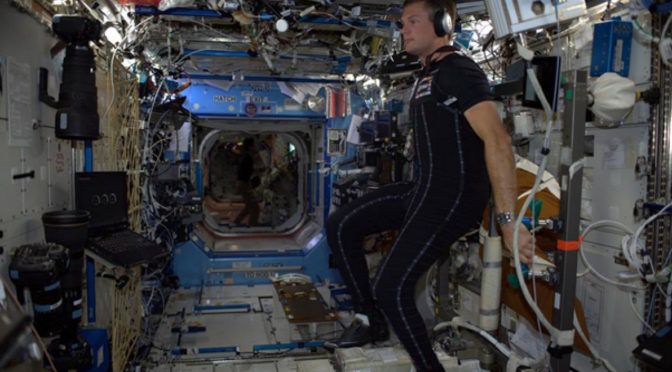
Denmark’s first astronaut, Andreas Mogensen, spent 10 days in the ISS last month and pulled on the SkinSuit to test its effectiveness in the weightless conditions.

Inspired by the striking bodysuit worn by Cathy Freeman at the 2000 Sydney Olympics, Waldie and his collaborators have spent more than 15 years getting the suit into space.

“Seeing live video of Andreas wearing SkinSuit on board the ISS was thrilling – I felt an enormous sense of achievement that my concept was finally in orbit,” Waldie said.

Skin-tight and made of bi-directional elastics, SkinSuit has been designed to mimic the impact of gravity on the body to reduce the debilitating physical effects space flights have on astronauts’ bodies.

In the weightless conditions in space, astronauts can lose up to 2% bone mass per month.  Their spines can also stretch by up to 7cms, with most suffering mild to debilitating pain.  Following flight, astronauts have four times the risk of herniated discs as the general population.

It was while watching the Sydney Olympics, and seeing Freeman in her distinctive, skin-tight running suit that Waldie first wondered if such an outfit could help mimic the conditions on the ground for astronauts in orbit.

“Given the impact of atrophy on astronauts in space, I wondered if a suit like the one worn by Freeman could fool the body into thinking it was on the ground rather than in space, and therefore stay healthy,” he said.

The special design of the suit means it can impose a gradual increase in vertical load from the wearer’s shoulders to their feet, simulating the loading regime normally imposed by bodyweight standing on earth.

For the ISS flight, the European Space Agency wanted to explore if the suit could counteract the effects of spaceflight on the spine.

“We believe if we can reduce spinal elongation in space, we can reduce the stress on the intervertebral discs,” Waldie said.

“This should help with pain in-flight, and the chances of slipped discs post-flight.”

The suit has undergone rigorous ground and parabolic flight trials before being selected for the ISS mission.  It also had to pass a spaceflight qualification programme.

As the inventor and a Principal Investigator, Waldie flew to the European Astronaut Centre in Cologne, Germany, for the first on-orbit trial and was elated to see SkinSuit had finally been tested in space.

“It was really exciting but also very humbling, as there are so many people that have dedicated so much effort to this success. To share their passion, and see it all come to fruition, has been amazing.”

SkinSuit has been developed in collaboration with scientists from the Massachusetts Institute of Technology, Kings College London and the European Space Agency.  The suit was manufactured by Italian firm Dainese, best known for producing motorbike leathers for racing.

Enjoying his first space flight, European Space Agency astronaut Mogensen tested SkinSuit over two days as part of an operational and technical evaluation.

He took frequent height measurements, comfort and mobility surveys, skin swabs for hygiene assessments, and also exercised with the suit on the station’s bicycle ergometer.

Mogensen has since returned to Earth but is yet to publicly report his findings as he undergoes extensive debriefing.

Waldie spent more time at ESA in Germany with his collaborators, workshopping further design, sizing and manufacturing refinements for SkinSuit with his RMIT colleagues Arun Vijayan and Associate Professor Lijing Wang from the School of Fashion and Textiles.

This article was first published by RMIT University. Read the original article here.

Featured photo by European Space Agency. European Space Agency astronaut Andreas Mogensen wearing the SkinSuit on board the International Space Station. 

Facing the future

As the world becomes more urbanised, with 70% of people now living in cities, “there is an urgent need to make them more sustainable, more energy efficient, safer and cleaner,” says Dr Marlene Kanga, iOmniscient’s director. “Our products enable this to be done intelligently using video data from different sources to complement text and numerical data.”

The company’s technology can analyse images from anywhere – TV, YouTube, security cameras and personal and public sources – and from that provide real-time responses in complex and crowded environments. The technology can be employed wherever there are cameras.

It pinpoints faces in a crowd, counts people, manages crowds, detects abandoned objects, recognises license plates, and matches drivers to their vehicles. The technology works in more than 120 languages, including Arabic scripts and numerals and can operate indoors or outdoors, even in the harshest climates. It also accepts inputs from audio and chemical sensors.

The system has already been installed in oil and gas plants from Azerbaijan to Mexico, in airports, on railway systems including China’s High Speed Rail network, on campuses such as the University of San Francisco, and in Iraq’s Karbala mosque. As Rustom Kanga, CEO of iOmniscient puts it: “We can do everything that any video analysis supplier can do and do it better – and many things that no one else can do.”

Using mobile devices, iOmniscient’s software can also “monitor garbage and vandalism, understand traffic congestion, assess riots and commotions and provide inputs for big data systems analysing information relevant to a city,’’ adds Kanga. “The technology has its own ‘smarts’, with the ability to minimise nuisance alarms, diagnose itself, and determine whether all cameras are working effectively.”

Dr Marlene Kanga

Dr Marlene Kanga

The starting point for this remarkable technology was a single patent acquired in 2001 from the CRC for Sensor Signal and Information Processing. Founders Marlene and Rustom Kanga and Ivy Li then invested extensively in the company to expand its scope and product range. Today, it has 26 patents covering multiple technologies. Sales are mainly made through major systems integrators such as Siemens and Motorola. They also partner with other major technology providers like Microsoft, EMC and Oracle.

The company is working on improving its technology through four engineering centres in Sydney, Toronto, Chennai and Singapore, where they continue to develop robust in-house technology, train postgraduates, and maintain a strong lead in the ownership of its intellectual property.


FAST FORWARD

Name: iOmniscient

HQ: Sydney

R&D: 26 patents covering multiple technologies

Reach: Azerbaijan, Canada, China, India, Iraq, Mexico, USA, Singapore

At a glance: Established in 2001, iOmniscient is one of Australia’s great software export success stories. 95% of sales are overseas and it has offices in Canada, Singapore, India and more.

– Paul Hendy

Reading vision

Digital reading software for vision-impaired people costs around $400 and can only verbalise text. Senior Lecturer Dr Iain Murray and PhD student Azadeh Nazemi of Curtin University’s Department of Electrical and Computer Engineering have designed a new system that enables vision-impaired people to also access information from images – for $100.

The device is 3 cm thick and about the size of an iPad, with built-in speakers and navigation buttons. Nazemi says it was a challenge to combine several existing technologies into one system that could recognise patterns, segment them into pieces of interest, interpret information and describe it in an audio format.

“In a line graph, for example, the machine has to work out where the axes are, conduct optical character recognition on the labels and legends, match it all together and calculate, in human terms, what the lines mean: Are they heading up? Is there a change at a certain point?” Nazemi says.

The device can read any electronic document via a USB memory stick and can also download books from the library. In addition, its voice-activation feature works in more than 120 languages.

“Our system is easily operated by people of all ages and abilities, and it is open source so anyone can use and modify the software,” Murray says.

With more than 20,000 people in Western Australia alone who are legally blind, and at least 285 million vision-impaired people worldwide, a user-friendly system that can interpret complex visual information will have a profound impact.

“We believe the biggest difference will be in countries such as Africa, India and China because demand is high and our devices are affordable,” says Murray.

Branwen Morgan

Fuelling the future

The complex engineering that drives renewable energy innovation, global satellite navigation, and the emerging science of industrial ecology is among Curtin University’s acknowledged strengths. Advanced engineering is crucial to meeting the challenges of climate change and sustainability. Curtin is addressing these issues in several key research centres.

Bioenergy, fuel cells and large energy storage systems are a focus for the university’s Fuels and Energy Technology Institute (FETI), launched in February 2012. The institute brings together a network of more than 50 researchers across Australia, China, Japan, Korea, Denmark and the USA, and has an array of advanced engineering facilities and analytic instruments. It also hosts the Australia-China Joint Research Centre for Energy, established in 2013 to address energy security and emissions reduction targets for both countries. 

Curtin’s Sustainable Engineering Group (SEG) has been a global pioneer in industrial ecology, an emerging science which tracks the flow of resources and energy in industrial areas, measures their impact on the environment and works out ways to create a “circular economy” to reduce carbon emissions and toxic waste.

And in renewable energy research, Curtin is developing new materials for high temperature fuel cell membranes, and is working with an award-winning bioenergy technology that will use agricultural crop waste to produce biofuels and generate electricity.


Solar’s big shot

Curtin’s hydrogen storage scientists are involved in one of the world’s biggest research programs to drive down the cost of solar power and make it competitive with other forms of electricity generation such as coal and gas. They are contributing to the United States SunShot Initiative – a US$2 billion R&D effort jointly funded by the US Department of Energy and private industry partners to fast track technologies that will cut the cost of solar power, including manufacturing for solar infrastructure and components.

SunShot was launched in 2011 as a key component of President Obama’s Climate Action Plan, which aims to double the amount of renewable energy available through the grid and reduce the cost of large-scale solar electricity by 75%.

Professor Craig Buckley, Dean of Research and Professor of Physics at Curtin’s Faculty of Science and Engineering, is the lead investigator on an Australian Research Council Linkage Project on energy storage for Concentrating Solar Power (CSP), and a chief investigator with the SunShot CSP program. His team at Curtin’s Hydrogen Storage Research Group is using metal hydrides to develop a low cost hydrogen storage technology for CSP thermal energy plants such as solar power towers.

CSP systems store energy in a material called molten salts – a mixture of sodium nitrate and potassium nitrate, which are common ingredients in plant fertilisers. These salts are heated to 565°C, pumped into an insulated storage tank and used to produce steam to power a turbine to generate electricity. But it’s an expensive process. The 195 m tall Crescent Dunes solar power tower in Nevada – one of the world’s largest and most advanced solar thermal plants – uses 32,000 tonnes of molten salt to extend operating hours by storing thermal energy for 10 hours after sunset.

Metal hydrides – compounds formed by bonding hydrogen with a material such as calcium, magnesium or sodium – could replace molten salts and greatly reduce the costs of building and operating solar thermal power plants. Certain hydrides operate at higher temperatures and require smaller storage tanks than molten salts. They can also be reused for up to 25 years.

At the Nevada plant, molten salt storage costs an estimated $150 million, – around 10–15% of operation costs, says Buckley. “With metal hydrides replacing molten salts, we think we can reduce that to around $50–$60 million, resulting in significantly lower operation costs for solar thermal plants,” he says. “We already have a patent on one process, so we’re in the final stages of testing the properties of the process for future scale-up. We are confident that metal hydrides will replace molten salts as the next generation thermal storage system for CSP.”


From biomass to fuel

John Curtin Distinguished Professor Chun-Zhu Li is lead researcher on a FETI project that was awarded a grant of $5.2 million by the Australian Renewable Energy Agency in 2015 to build a pilot plant to test and commercialise a new biofuel technology. The plant will produce energy from agricultural waste such as wheat straw and mallee eucalypts from wheatbelt farm forestry plantations in Western Australia.

“These bioenergy technologies will have great social, economic and environmental benefits,” says Li. “It will contribute to the electricity supply mix and also realise the commercial value of mallee plantations for wheatbelt farmers. It will make those plantations an economically viable way of combating the huge environmental problem of dryland salinity in WA.”

Li estimates that WA’s farms produce several million tonnes of wheat straw per year, which is discarded as agricultural waste. Biomass gasification is a thermochemical process converting biomass feedstock into synthesis gas (syngas) to generate electricity using gas engines or other devices.

One of the innovations of the biomass gasification technology developed at FETI is the destruction of tar by char or char-supported catalysts produced from the biomass itself. Other biomass gasification systems need water-scrubbing to remove tar, which also generates a liquid waste stream requiring expensive treatment, but the technology developed by Li’s team removes the tar without the generation of any wastes requiring disposal. This reduces construction and operation costs and makes it an ideal system for small-scale power generation plants in rural and remote areas.

Li’s team is also developing a novel technology to convert the same type of biomass into liquid fuels and biochar. The combined benefits of these bioenergy/biofuel technologies could double the current economic GDP of WA’s agricultural regions, Li adds. future scale-up. We are confident that metal hydrides will replace molten salts as the next generation thermal storage system for CSP.”


Keeping renewables on grid

Professor Syed Islam is a John Curtin Distinguished Professor with Curtin’s School of Electrical Engineering and Computing. It’s the highest honour awarded by the university to its academic staff and recognises outstanding contributions to research and the wider community. Islam has published widely on grid integration of renewable energy sources and grid connection challenges. In 2011, he was awarded the John Madsen Medal by Engineers Australia for his research to improve the prospect of wind energy generation developing grid code enabled power conditioning techniques.

Islam explains that all power generators connected to an electricity network must comply with strict grid codes for the network to operate safely and efficiently. “The Australian Grid Code specifically states that wind turbines must be capable of uninterrupted operation, and if electrical faults are not immediately overridden, the turbines will be disconnected from the grid,” he says.

“Wind energy is a very cost effective renewable technology. But disturbances and interruptions to power generation mean that often wind farms fall below grid code requirements, even when the best wind energy conversion technology is being used.”

Islam has led research to develop a system that allows a faster response by wind farm voltage control technologies to electrical faults and voltage surges. It has helped wind turbine manufacturers meet grid regulations, and will also help Australia meet its target to source 20% of electricity from renewable energy by 2020.

Islam says micro-grid technology will also provide next-generation manufacturing opportunities for businesses in Australia. “There will be new jobs in battery technology, in building and operating micro-grids and in engineering generally,” he says.

“By replacing the need for platinum catalysts, we can make fuel cells much cheaper and more efficient, and reduce dependence on environmentally damaging fossil fuels.”


Cutting fuel cell costs

Professor San Ping Jiang from FETI and his co-researcher Professor Roland De Marco at University of the Sunshine Coast in Queensland recently received an Australian Research Council grant of $375,000 to develop a new proton exchange membrane that can operate in high-temperature fuel cells. It’s a materials engineering breakthrough that will cut the production costs of fuel cells, and allow more sustainable and less polluting fuels such as ethanol to be used in fuel cells.

Jiang, who is based at Curtin’s School of Chemical and Petroleum Engineering, has developed a silica membrane that can potentially operate at temperatures of up to 500°C. Fuel cells directly convert chemical energy of fuels suchas hydrogen, methanol and ethanol into electricity and provide a lightweight alternative to batteries, but they are currently limited in their application because conventional polymer-based proton exchange membranes perform most efficiently at temperatures below 80°C. Jiang has developed a membrane that can operate at 500°C using heteropoly acid functionalised mesoporous silica – a composite that combines high proton conductivity and high structural stability to conduct protons in fuel cells. His innovation also minimises the use of precious metal catalysts such as platinum in fuel cells, reducing the cost.

“The cost of platinum is a major barrier to the wider application of fuel cell technologies,” Jiang says. “We think we can reduce the cost significantly, possibly by up to 90%, by replacing the need for platinum catalysts. It will make fuel cells much cheaper and more efficient, and reduce dependence on environmentally damaging fossil fuels.”

He says the high temperature proton exchange membrane fuel cells can be used in devices such as smartphones and computers, and in cars, mining equipment and communications in remote areas.


Doing more with less

The SEG at Curtin University has been involved in energy efficiency and industrial analysis for just over 15 years. It’s been a global leader in an emerging area of sustainability assessment known as industrial ecology, which looks at industrial areas as ‘ecosystems’ that can develop productive exchanges of resources.

Associate Professor Michele Rosano is SEG’s Director and a resource economist who has written extensively on sustainability metrics, charting the life cycles of industrial components, carbon emission reduction and industrial waste management. They’re part of a process known as industrial symbiosis – the development of a system for neighbouring industries to share resources, energies and by-products. “It’s all about designing better industrial systems, and doing more with less,” Rosano says.

Curtin and SEG have been involved in research supported by the Australian’s Government’s Cooperative Research Centres Program to develop sustainable technologies and systems for the mineral processing industry at the Kwinana Industrial Area, an 8 km coastal industrial strip about 40 km south of Perth. The biggest concentration of heavy industries in Western Australia, Kwinana includes oil, alumina and nickel refineries, cement manufacturing, chemical and fertiliser plants, water treatment utilities and a power station that uses coal, oil and natural gas.

Rosano says two decades of research undertaken by Curtin at Kwinana is now recognised as one of the world’s largest and most successful industrial ecology projects. It has created 49 industrial symbiosis projects, ranging from shared use of energy and water to recovery and reuse of previously discarded by-products.

“These are huge and complex projects which have produced substantial environmental and economic benefits,” she says. “Kwinana is now seen as a global benchmark for the way in which industries can work together to reduce their footprint.”

An example of industrial synergies is waste hydrochloric acid from minerals processing being reprocessed by a neighbouring chemical plant for reuse in rutile quartz processing. The industrial ecology researchers looked at ways to reuse a stockpile of more than 1.3 million tonnes of gypsum, which is a waste product from the manufacture of phosphate fertiliser and livestock feeds. The gypsum waste is used by Alcoa’s alumina refinery at Kwinana to improve soil stability and plant growth in its residue areas.

The BP oil refinery at Kwinana also provides hydrogen to fuel Perth’s hydrogen fuel-cell buses. The hydrogen is produced by BP as a by-product from its oil refinery and is piped to an industrial gas facility that separates, cleans and pressurises it. The hydrogen is then trucked to the bus depot’s refuelling station in Perth.

Rosano says 21st century industries “are serious about sustainability” because of looming future shortages of many raw materials, and also because research has demonstrated there are social, economic and environmental benefits to reducing greenhouse emissions.

“There is a critical need for industrial ecology, and that’s why we choose to focus on it,” she says. “It’s critical research that will be needed to save and protect many areas of the global economy in future decades.”


in text

Planning for the future

Research by Professor Peter Teunissen and Dr Dennis Odijk at Curtin’s Department of Spatial Sciences was the first study in Australia to integrate next generation satellite navigation systems with the commonly used and well-established Global Positioning System (GPS) launched by the United States in the 1990s.

Odijk says a number of new systems are being developed in China, Russia, Europe, Japan, and India, and it’s essential they can interact successfully. These new Global Navigation Satellite Systems (GNSS) will improve the accuracy and availability of location data, which will in turn improve land surveying for locating mining operations and renewable energy plants.

“The new systems have an extended operational range, higher power and better modulation. They are more robust and better able to deal with challenging situations like providing real-time data to respond to bushfires and other emergencies,” says Odijk.

“When these GNSS systems begin operating over the next couple of years, they will use a more diverse system of satellites than the traditional GPS system. The challenge will be to ensure all these systems can link together.”

Integrating these systems will increase the availability of data, “particularly when the signals from one system might be blocked in places like open-pit mines or urban canyons – narrow city streets with high buildings on both sides.”

Teunissen and Odijk’s research on integrating the GNSS involves dealing with the complex challenges of comparing estimated positions from various satellites, as well as inter-system biases, and developing algorithms. The project is funded by the Cooperative Research Centre for Spatial Information, and includes China’s BeiDou Navigation Satellite System, which is now operating across the Asia-Pacific region.

Rosslyn Beeby

The role of science and innovation in a 21st century government

Australia’s new prime minister, Malcolm Turnbull, has announced what he calls a “21st-century government”. This article is part of The Conversation’s series focusing on what such a government should look like.

Change is in the air. According to our new Prime Minister Malcolm Turnbull, his will be a 21st century government. But what does this entail? And what is the role of science and innovation in such a government?

The challenge for a genuinely 21st century Australian government is how to wrap its arms around the future in such a way that it improves Australia’s ability to capitalise on its research capacity and create new jobs, industries and opportunities for the coming century.


A 21st century ministry

The expanded Industry, Innovation and Science portfolio will now encompass digital technology and engineering, which together comprise the engine that has driven explosive growth in Silicon Valley, Israel and other forward-looking places.

We need to invest broadly in science research to feed the technology and engineering engine. But how do we bridge the funding “valley of death” between research and industry, and convert our excellent research outcomes into proven technologies?

We have companies aplenty that can pick up and commercialise proven technologies, but they are rightly cautious about licensing the rights to research outcomes. To address this problem, the US government directly invests nearly ten times more than we do as a percentage of GDP to fund business feasibility studies intended to convert research outcomes into proven technologies.

To drive our innovation agenda harder, a 21st century government could consider grants and development contracts specifically to support the translation of research outcomes into proven technologies.

Private sector investment into Australian start-up companies is lacking. In the US and Israel, more than 10% of GDP derives from venture-capital backed companies. In Australia it is 0.2%.

If we could increase the contribution to the economy by these companies from 0.2% to, say, 2%, then the benefits would be significant. To do so we will need to encourage new domestic and international sources of private funding, teach skills in technology assessment, and give further consideration to the rules around employee stock options and crowd-sourced funding.


Thinking big

At the same time, the fresh line-up of political leaders can help advance the national psyche beyond a state of gloom. They can acknowledge the fantastic benefits innovation has already brought to established industries.

Banking and resources, for example, have invested heavily in innovation to improve efficiency, and the largest iron mining companies in Australia continue to operate with positive operating margins despite depressed international prices.

Science and technology advances operate across broad sectors of the economy, contributing to accelerated growth in major export industries such as agriculture. Improvements to farm machinery and practices will make our farming more efficient, while adoption of digital technology to track our goods from field to retail outlet will provide the proof of origin that will allow our exporters to charge premium prices.

To the extent that the government will invest in new programs to support innovation, they should be carefully conceived, long term and national in scope, and large in scale. At the same time, existing programs could be consolidated to focus on those that have the most impact.


Sink or swim

I sometimes hear criticism of the Australian workforce, but I strongly disagree with that criticism. I have employed many engineers and scientists in the US and in Australia, and the Australian staff have been every bit as talented and dedicated as their US counterparts.

Unfortunately, unlike in the US, a substantial fraction of our creative workforce is locked out of commercial development activities because of the lack of mobility between university and industry jobs.

A 21st century government could help by adopting ratings systems that measure and reward engagement between universities and industry, and value time spent by research staff working in industry as much as they value publications and citations.

Of course, like footballers, innovators thrive when the rules of the game are clear and consistently applied. Industry is as one with government in recognising the importance of strong regulations. What is needed in most industries is a lead regulator to coordinate the regulatory oversight.

This approach does not replace the expertise of the various regulators, it just coordinates them. The key is for regulations to enable rather than stifle innovation while ensuring that community concerns and safety requirements are properly addressed.

We are already operating in an era of digital disruption. Science and technology will further dominate our future as we build a world ever more like those imagined by science fiction. In this world, machines offer their services to each other, buy and sell products and exchange information in real time. Manufacturing and service provision will be highly flexible and products will be individualised to customer needs.

Our industries must be agile and ready to transform, so that they will add value in a complex global supply chain, thereby creating new wealth that will be invested in services, health and other industries, with net creation of jobs.

The only thing we know for sure is that the next ten years will change more rapidly than the past ten years. I am confident that as the newly appointed Minister for Industry, Innovation and Science, Christopher Pyne, recognises the urgency to embrace these changes and will introduce policies and practices to capture the opportunities in what is proving to be a sink or swim world. The latter is preferable.

– , Chancellor, Monash University

This article was first published by The Conversation US on 27 September 2015. Read the original article here.

Across the skies

Today NASA announced the paradigm shifting discovery of flowing water on Mars. This extraterrestrial salty water bodes well for a water cycle on Mars, and potential hosting of Martian life. What mysteries lie on Mars, we may find out soon – but for the infinite mysteries that lie beyond – we have the Earth’s largest radio telescope, the Square Kilometre Array (SKA), manned by the Curtin Institute of Radio Astronomy.

The engineering challenges behind building the world’s biggest radio telescope are vast, but bring rewards beyond a better understanding of the universe.

Since its inception, the Curtin Institute of Radio Astronomy has established itself as an essential hub for astronomy research in Australia. Known as CIRA, the organisation brings together engineering and science expertise in one of Australia’s core research strengths: radio astronomy.

Through CIRA’s research node, Curtin is an equal partner in the International Centre for Radio Astronomy Research (ICRAR) with the University of Western Australia. Curtin also contributes staff to the Australian Research Council Centre of Excellence for All-sky Astrophysics. One of the core strengths of CIRA is the construction of next generation telescopes. These include work on one of the world’s biggest scientific endeavours and the SKA.

CIRA’s Co-Directors, Professors Steven Tingay and Peter Hall, were on the team who pitched Australia’s successful bid to host part of the SKA – a radio telescope that will stretch across Australia and Africa. The SKA’s two hosting nations were announced in May 2012 and the project forms the main focus of research at CIRA. And for good reason: the SKA-low – a low-frequency aperture array consisting of a quarter of a million individual antennas in its first phase – will be built in Western Australia at the Murchison Radio-astronomy Observatory (MRO), about 800 km north of Perth.

The near-flat terrain and lack of radio noise from electronics and broadcast media in this remote region allow for great sky access and ease of construction. At Phase 1, SKA-low will cover the project’s lowest-frequency band, from 50 MHz up to 350 MHz – with antennas covering approximately 2 km at the core, stretching out to 50 km along three spiral arms.

“Out of 10 organisations in a similar number of countries, CIRA is the largest single contributor to the low frequency array consortium,” says Hall, the Director responsible for engineering at CIRA.

Far from a traditional white dish radio telescope, which mechanically focuses beams, the SKA-low will be a huge array of electronic antennas with no moving parts. Its programmable signal processors will be able to focus on multiple fields of view and perform several different processes simultaneously. “You can point at as many directions as you want with full sensitivity – that’s the beauty of the electronic approach,” says Senior Research Fellow Dr Randall Wayth, an astronomer and signal processing specialist at CIRA.


One of the major scientific goals of SKA-low is to help illuminate the events of the early universe, particularly the stage of its formation known as the ‘epoch of reionisation’. Around 13 billion years ago, all matter in the early universe was ionised by radiation emitted from the earliest stars. The record of this reionisation carries with it telltale radio signatures that reveal how those early stars formed and turned into galaxies. Observing this directly for the first time will allow astronomers to unlock fundamental new physics.

“To see what’s going on there at the limits of where we can see in time and space, you have to have telescopes that are sensitive to wide-field, diffuse structures, and that are exquisitely calibrated. You have to be able to reject the foreground universe and local radio frequency interference,” says Hall. This sensitivity to diffuse structures will make SKA-low and its precursor, the Murchison Widefield Array (MWA), essential instruments in studying the epoch of reionisation.

The SKA-low will also be important in studying time domain astronomy, which consists of phenomena occurring over a vast range of timescales. One example is the field of pulsar study. Pulsars are incredibly dense rotating stars that, much like a lantern in a lighthouse, emit a beam of radiation at extremely regular intervals. This regularity makes pulsars useful tools for a variety of scientific applications, including accurate timekeeping.

By the time the radio signal from a distant pulsar travels across space and reaches Earth, it is dispersed. But with the right telescope, you can calibrate against this dispersion, and trace back the original regular signal.

“One of the great things you can do with a low frequency telescope such as the SKA-low is get a very good look at the pulsar signal,” says Hall. “As well as stand-alone SKA-low pulsar studies, the measurement of hour-to-hour dispersion changes can be fed to telescopes at higher frequencies, vastly improving their ability to do precision pulsar timing.”

“It’s a big advantage having the critical mass of people in this building to make things happen.”


It’s not just astronomy research that is benefiting from the construction of the SKA-low and its precursors (two precursor telescopes are in place at the MRO: the MWA and the Australian Square Kilometre Array Precursor telescope, ASKAP). In order to make the most out of the aperture array telescopes, some fundamental engineering challenges need to be solved. Challenges such as how to characterise the antennas to ensure that they meet design specifications, or how to design a photovoltaic system to power the SKA without producing too many unwanted emissions. Solving these problems requires both a deep understanding of the fundamental physics involved as well as knowledge of how to engineer solutions around those physics.

The projected construction timeframe for SKA-low is 2018–2023, but there is already infrastructure in place to begin testing its design and operation. Consisting of 2048 fixed dual-polarisation dipole antennas arranged in 128 ‘tiles’, the MWA boasts a wide field of view of several hundred square degrees at a resolution of arcminutes. It has provided insight into the challenges that will arise during the full deployment of SKA-low, not the least of which is managing the volume of data resulting from the measurements.

“The MWA already has a formidable data rate. We transmit 400 megabits per second down to Perth, and processing that is a substantial challenge,” says Wayth. The challenge is a necessary one, as the stream of data that comes from a fully operational SKA-low will be orders of magnitude larger.

“While doing groundbreaking science, the MWA is just manageable for us at the moment in terms of data rate. It teaches us what we have to do to handle the data.”

Continued CIRA developments at the MRO have included the construction of an independently commissioned prototype system, the Aperture Array Verification System 0.5 (AAVS0.5). The results from testing it in conjunction with the MWA surprised the engineers and scientists. “Engineers know that building even a tiny prototype teaches you a lot,” says Hall.

In their case, some carefully-matched cables turned out to be mismatched in their electrical delay lengths. Using the AAVS0.5, they have already been able to improve the MWA calibration. “We were able to feedback that engineering science into the MWA astronomy calibration model, and we now have a better model to calibrate and clean the images from the MWA,” says Hall.

Following the success of AAVS0.5, over the next two years CIRA will be leading the construction of the much larger AAVS1, designed to mimic a full SKA-low station.


Developing the SKA-low and its precursors is an huge effort, demanding the best in astrophysics, engineering and data processing. CIRA is uniquely positioned to accomplish this feat, with a large research staff, fully equipped engineering laboratory and access to the nearby Pawsey Supercomputing Centre for data processing. “CIRA has astronomers and engineers, as well as people who do both. We have all the skills to do these things in-house,” says Hall.

“It’s a big advantage having the critical mass of people in this building to make things happen,” says Wayth. “It’s a rare case where the sum of the parts really is greater than the whole.”

Opportunities for students and early-career researchers to engage in the project are already underway. Dozens of postgraduate research projects commencing in 2015 will involve the MWA, AAVS and ASKAP directly. Topics range from detecting the radio signature of fireballs to investigating the molecular chemistry of star formation. As well as producing novel scientific outcomes, these projects will feed valuable test data into the major scientific investigations slated for the SKA as it becomes operational.


The Pawsey Supercomputing Centre will manage the enormous volume of data collected by SKA-low.

The Pawsey Supercomputing Centre will manage the enormous volume of data collected by SKA-low.

A Supercomputer in the backyard

The scale of SKA, and the resultant flood of data, requires the rapid development of methods to process data. The Pawsey Supercomputing Centre – a purpose-built powerhouse named after pioneering Australian radio astronomer Dr Joe Pawsey and run by the Interactive Virtual Environments Centre (iVEC) – includes a supercomputer called Galaxy, dedicated to radio astronomy research. A key data challenge is finding ways in which the signal processing method can be split up and processed simultaneously, or ‘parallelised’, so that the full force of the supercomputing power can be used. The proximity of the signal processing experts at CIRA to iVEC means that researchers can continually prototype new ways of parallelising the data, with the goal being to achieve real-time analysis of data streaming in from the SKA.

Phillip English

Celebrating Australian succcess

Success lay with the University of Melbourne, which won Best Commercial Deal for the largest biotech start-up in 2014; the Melbourne office of the Defence Science and Technology Group, which won Best Creative Engagement Strategy for its ‘reducing red tape’ framework; and Swinburne University for the People’s Choice Award.

“These awards recognise research organisations’ success in creatively transferring knowledge and research outcomes into the broader community,” said KCA Executive Officer, Melissa Geue.

“They also help raise the profile of research organisations’ contribution to the development of new products and services which benefit wider society and sometimes even enable companies to grow new industries in Australia.”

Details of the winners are as follows:

The Best Commercial deal is for any form of commercialisation in its approach, provides value-add to the research institution and has significant long term social and economic impact:

University of Melbourne – Largest bio tech start-up for 2014

This was for Australia’s largest biotechnology deal in 2014 which was Shire Plc’s purchase of Fibrotech Therapeutics P/L – a University of Melbourne start-up – for US$75 million upfront and up to US$472m in following payments. Fibrotech develops novel drugs to treat scarring prevalent in chronic conditions like diabetic kidney disease and chronic kidney disease. This is based on research by Professor Darren Kelly (Department of Medicine St. Vincent’s Hospital).

Shire are progressing Fibrotech’s lead technology through to clinical stages for Focal segmental glomerulosclerosis, which is known to affect children and teenagers with kidney disease. The original Fibrotech team continues to develop the unlicensed IP for eye indications in a new start-up OccuRx P/L.

Best Creative Engagement Strategy showcases some of the creative strategies research organisations are using to engage with industry partner/s to share and create new knowledge:

Defence Science and Technology Group –Defence Science Partnerships (DSP) reducing red tape with a standardised framework

The DSP has reduced transaction times from months to weeks with over 300 agreements signed totalling over $16m in 2014-15. The DSP is a partnering framework between the Defence Science Technology Group of the Department of Defence and more than 65% of Australian universities. The framework includes standard agreement templates for collaborative research, sharing of infrastructure, scholarships and staff exchanges, simplified Intellectual Property regimes and a common framework for costing research. The DSP was developed with the university sector in a novel collaborative consultative approach.

The People’s Choice Awards is open to the wider public to vote on which commercial deal or creative engagement strategy project deserves to win. The winner this year, who also nabbed last years’ award is:

Swinburne University of Technology – Optical data storage breakthrough leads the way to next generation DVD technology – see DVDs are the new cool tech

Using nanotechnology, Swinburne Laureate Fellowship project researchers Professor Min Gu, Dr Xiangping Li and Dr Yaoyu Cao achieved a breakthrough in data storage technology and increased the capacity of a DVD from a measly 4.7 GB to 1,000 TB. This discovery established the cornerstone of a patent pending technique providing solutions to the big data era. In 2014, start-up company, Optical Archive Inc. licensed this technology. In May 2015, Sony Corporation of America purchased the start-up, with knowledge of them not having any public customers or a final product in the market. This achievement was due to the people, the current state of development and the intellectual property within the company.

This article was shared by Knowledge Commercialisation Australia on 11 September 2015. 

New biosecurity centre to stop fruit flies

Upgraded bio-security measures to combat fruit fly will be introduced in Australia, bringing added confidence to international trade markets.

South Australia is the only mainland state in Australia that is free from fruit flies – a critical component of the horticultural industries’ successful and expanding international export market.

A new national Sterile Insect Technology facility in Port Augusta, located in the north of South Australia, will produce billions of sterile male fruit flies – at the rate of 50 million a week – to help prevent the threat of fruit fly invading the state.

The new measures will help secure producers’ access to important citrus and almond export markets including the United States, New Zealand and Japan, worth more than $800 million this year.

The Sterile Insect Technique (SIT) introduces sterile flies into the environment that then mate with the wild population, ensuring offspring are not produced.

Macquarie University Associate Professor Phil Taylor says the fly, know as Qfly because they come from Queensland, presents the most difficult and costly biosecurity challenge to market access for most Australian fruit producers.

“Fruit flies, especially the Queensland fruity fly, present a truly monumental challenge to horticultural production in Australia,” he says.

“For generations, Australia has relied on synthetic insecticides to protect crops, but these are now banned for many uses. Environmentally benign alternatives are needed urgently – this is our goal.

The impetus behind this initiative is to secure and improve trade access both internationally and nationally for South Australia.

It will increase the confidence of overseas buyers in the Australian product and make Australia a more reliable supplier. Uncertainty or variation of quality of produce would obviously be a concern for our trading partners.”

South Australia’s Agriculture Minister Leon Bignell says the $3.8 million centre would produce up to 50 million sterile male Qflies each week.

“The State Government has invested $3 million and Horticulture Innovation Australia Ltd (HIA) has contributed $800,000 in this project and construction is expected to take 10 months,” Bignell says.

“While fruit fly is a major problem with horticultural crops in Australia’s other mainland states, South Australia remains fruit fly free, but we are still at risk of outbreak.”

“Producing male-only sterile Qflies has never been done before on this scale and this facility will have an enormous impact on the way in which we deal with outbreaks.”

Fruit fly management protects the commercial production of fruit and vegetables, including wine grapes and almonds, with an estimated farm-gate value of $851 million.

South Australia is also the only mainland state which has a moratorium on growing GM food crops and is one of the few places in the world free of the vine-destroying pest phylloxera.

“Because of these attributes, South Australian products stand out in the competitive global market, which is increasingly seeking clean and safe food and wine,” Bignell says.

The research partner consortium, SITplus, intends to invest about $50 million during the next five years to support the national fruit fly management program.

The consortium is a research group with experts from Macquarie University, Primary Industries and Regions SA’s Biosecurity SA and South Australian Research and Development Institute divisions, HIA, the CSIRO Health and Biosecurity Flagship, Plant & Food Research Australia, and the NSW Department of Primary Industries.

– John Merriman

This article was first published by The Lead South Australia on 2 September 2015. Read the original article here.

Southern stars: the decade ahead for Australian astronomy

Extremely large optical telescopes, including the Giant Magellan Telescope (GMT), which is due to be built in Chile in 2021, will allow studies of stars and galaxies at the dawn of the universe, and will peer at planets similar to ours around distant stars.

The Square Kilometer Array (SKA), which will be constructed in Australia and South Africa over the next several years, will observe the transformation in the young universe that followed the formation of the first generation of stars and test Einstein’s theory of relativity.

Large-scale surveys of stars and galaxies will help us discover how elements are produced and recycled through galaxies to enrich the universe. The revolutionary sensitivity of the GMT will also be used to understand the properties of ancient stars born at the dawn of the universe.

In the coming decade, astronomers will also learn how galaxies evolve across cosmic time through new coordinated Australian-led surveys using the Australian SKA Pathfinder, the Australian Astronomical Observatory and next-generation optical telescopes.

On the largest scales, dark matter and dark energy comprise more than 95% of the universe, and yet their nature is still unknown. Australian astronomers will use next-generation optical telescopes to measure the growth of the universe and probe the unknown nature of dark matter and dark energy.

The long-anticipated detection of gravitational waves will also open a window into the most extreme environments in the universe. The hope is that gravitational waves generated by the collision of black holes will help us better understand the behavior of matter and gravity at extreme densities.

Closer to home, the processes by which interstellar gas is turned into stars and solar systems are core to understanding our very existence. By combining theoretical simulations with observations from the Australia Telescope Compact Array and the GMT, Australian astronomers will discover how stars and planets form.

And this far-reaching knowledge will inform new theoretical models to achieve an unprecedented understanding of the universe around us.


Australia’s role

These are some of the exciting projects highlighted in the latest decadal plan for Australian astronomy, which was launched at Parliament House on Wednesday August 12.

Over the past decade, Australian astronomers have achieved a range of major breakthroughs in optical and radio astronomy and in theoretical astrophysics.

Star trails above one of Australia’s great telescopes at Siding Spring Observatory. Australian Astronomical Observatory/David Malin

Star trails above one of Australia’s great telescopes at Siding Spring Observatory. Australian Astronomical Observatory/David Malin

Australian astronomers have precisely measured the properties of stars, galaxies and of the universe, significantly advancing our understanding of the cosmos. The mass, geometry, and expansion of the universe have been measured to exquisite accuracy using giant surveys of galaxies and exploding stars. Planetary astronomy has undergone a revolution, with the number of planets discovered around other stars now counted in the thousands.

In forming a strategy for the future, Australia in the Era of Global Astronomy assesses these and other scientific successes, as well as the evolution of Australian astronomy including it’s broader societal roles.

Astronomy is traditionally a vehicle for attracting students into science, technology, engineering and mathematics (STEM). The report also highlights expanding the use of astronomy to help improve the standard of science education in schools through teacher-training programs.

Training aimed at improving the “transferrable” skills of graduate and postgraduate astronomy students will also help Australia improve its capacity for innovation.


Look far

The Australian astronomy community has greatly increased its capacity in training of higher-degree students and early-career researchers. However, Australian astronomy must address the low level of female participation among its workforce, which has remained at 20% over the past decade.

The past decade has seen a large rise in Australian scientific impact from international facilities. This move represents a watershed in Australian astronomical history and must be strategically managed to maintain Australia’s pre-eminent role as an astronomical nation.

The engagement of industry will become increasingly important in the coming decade as the focus of the scientific community moves from Australian-based facilities, which have often been designed and built domestically, towards new global mega-projects such as the SKA.

While a decade is an appropriate timescale on which to revisit strategic planning across the community, the vision outlined in the plan looked beyond the past decade, recommending far-reaching investments in multi-decade global projects such as the GMT and the SKA.

These recent long-term investments will come to fruition in the coming decade, positioning Australia to continue as a global astronomy leader in the future.

This article was first published by The Conversation on 24 August 2015. Read the original article here.

Building power by concentrating light

South Australian company HeliostatSA has partnered with Indian company Global Wind Power Limited to develop a portfolio of projects in India and Australia over the next four years. It will begin with an initial 150 megawatts in Concentrated Solar Powered (CSP) electricity in Rajashtan, Indian using a solar array.

The projects are valued at $2.5 billion and will further cement HeliostatSA as a leader in the global renewable energy sector.

Heliostat CEO Jason May says India had made a commitment to reaching an investment target of USD $100 billion of renewable energy by 2019 and has already secured $20 billion.

“India is looking for credible, renewable energy partners for utility scale projects,’’ says May.

“We bring everything to the table that they require such as size, project development experience, capital funding, field design capability, the latest technology, precision manufacturing and expertise.’’

Each solar array is made of thousands of heliostats, which are mirrors that track and reflect the suns thermal energy on to a central receiver. The energy is then converted into electricity. Each HeliostatSA mirror is 3.21 x 2.22 metres with optical efficiency believed to be the most accurate in the world. This reduces the number of mirrors required, reducing the overall cost of CSP while still delivering the same 24-hour electricity outputs.

The heliostats and their high tech components are fabricated using laser mapping and steel cutting technology.

The mirrors are slightly parabolic and components need to be cut and measured to exact requirements to achieve the strict operational performance.

“There is strong global interest in CSP with thermal storage for 24-hour power. At the moment large-scale batteries which also store electricity are very expensive. Constant advances in CSP storage technology over the next 10 years will only add to the competitive advantage,’’ says May.

– John Merriman

This article was first published by The Lead South Australia on 25 August 2015. Read the original article here.

From science fiction to reality: the dawn of the biofabricator


“We can rebuild him. We have the technology.”
– The Six Million Dollar Man, 1973

Science is catching up to science fiction. Last year a paralysed man walked again after cell treatment bridged a gap in his spinal cord. Dozens of people have had bionic eyes implanted, and it may also be possible to augment them to see into the infra-red or ultra-violet. Amputees can control bionic limb implant with thoughts alone.

Meanwhile, we are well on the road to printing body parts.

We are witnessing a reshaping of the clinical landscape wrought by the tools of technology. The transition is giving rise to a new breed of engineer, one trained to bridge the gap between engineering on one side and biology on the other.

Enter the “biofabricator”. This is a role that melds technical skills in materials, mechatronics and biology with the clinical sciences.


21st century career

If you need a new body part, it’s the role of the biofabricator to build it for you. The concepts are new, the technology is groundbreaking. And the job description? It’s still being written.

It is a vocation that’s already taking off in the US though. In 2012, Forbes rated biomedical engineering (equivalent to biofabricator) number one on its list of the 15 most valuable college majors. The following year, CNN and payscale.com called it the “best job in America”.

These conclusions were based on things like salary, job satisfaction and job prospects, with the US Bureau of Labour Statistics projecting a massive growth in the number of biomedical engineering jobs over the next ten years.

Meanwhile, Australia is blazing its own trail. As the birthplace of the multi-channel Cochlear implant, Australia already boasts a worldwide reputation in biomedical implants. Recent clinical breakthroughs with an implanted titanium heel and jawbone reinforce Australia’s status as a leader in the field.

The Cochlear implant has brought hearing to many people. Dick Sijtsma/Flickr, CC BY-NC

The Cochlear implant has brought hearing to many people. Dick Sijtsma/Flickr, CC BY-NC

I’ve recently helped establish the world’s first international Masters courses for biofabrication, ready to arm the next generation of biofabricators with the diverse array of skills needed to 3D print parts for bodies.

These skills go beyond the technical; the job also requires the ability to communicate with regulators and work alongside clinicians. The emerging industry is challenging existing business models.


Life as a biofabricator

Day to day, the biofabricator is a vital cog in the research machine. They work with clinicians to create a solution to clinical needs, and with biologists, materials and mechatronic engineers to deliver them.

Biofabricators are naturally versatile. They are able to discuss clinical needs pre-dawn, device physics with an electrical engineer in the morning, stem cell differentiation with a biologist in the afternoon and a potential financier in the evening. Not to mention remaining conscious of regulatory matters and social engagement.

Our research at the ARC Centre of Excellence for Electromaterials Science (ACES) is only made possible through the work of a talented team of biofabricators. They help with the conduits we are building to regrow severed nerves, to the electrical implant designed to sense an imminent epileptic seizure and stop it before it occurs, to the 3D printed cartilage and bone implants fashioned to be a perfect fit at the site of injury.

As the interdisciplinary network takes shape, we see more applications every week. Researchers have only scratched the surface of what is possible for wearable or implanted sensors to keep tabs on an outpatient’s vitals and beam them back to the doctor.

Meanwhile, stem cell technology is developing rapidly. Developing the cells into tissues and organs will require prearrangement of cells in appropriate 3D environments and custom designed bioreactors mimicking the dynamic environment inside the body.

Imagine the ability to arrange stem cells in 3D surrounded by other supporting cells and with growth factors distributed with exquisite precision throughout the structure, and to systematically probe the effect of those arrangements on biological processes. Well, it can already be done.

Those versed in 3D bioprinting will enable these fundamental explorations.


Future visions

Besides academic research, biofabricators will also be invaluable to medical device companies in designing new products and treatments. Those engineers with an entrepreneurial spark will look to start spin-out companies of their own. The more traditional manufacturing business model will not cut it.

As 3D printing evolves, it is becoming obvious that we will require dedicated printing systems for particular clinical applications. The printer in the surgery for cartilage regeneration will be specifically engineered for the task at hand, with only critical variables built into a robust and reliable machine.

The 1970s TV show, Six Million Dollar Man, excited imaginations, but science is rapidly catching up to science fiction. Joe Haupt/Flickr, CC BY-SA

The 1970s TV show, Six Million Dollar Man, excited imaginations, but science is rapidly catching up to science fiction. Joe Haupt/Flickr, CC BY-SA

Appropriately trained individuals will also find roles in the public service, ideally in regulatory bodies or community engagement.

For this job of tomorrow, we must train today and new opportunities are emerging biofab-masters-degree. We must cut across the traditional academic boundaries that slow down such advances. We must engage with the community of traditional manufacturers that have skills that can be built upon for next generation industries.

Australia is also well placed to capitalise on these emerging industries. We have a traditional manufacturing sector that is currently in flux, an extensive advanced materials knowledge base built over decades, a dynamic additive fabrication skills base and a growing alternative business model environment.

– Gordon Wallace & Cathal D. O’Connell

This article was first published by The Conversation on 31 August 2015. Read the original article here.

Making mineral exploration easy

LANDTEM, an Australian invention that creates a 3D map of underground ore bodies has uncovered deposits worth A$4 billion in Australia and A$10 billion globally. The technology development was led by CSIRO scientist Dr Cathy Foley and is a great example of the commercial application of scientific research.

In some ways it was a stroke of good fortune that set Dr Cathy Foley and her colleagues on the path to inventing LANDTEM, a device that has revolutionised the way mining companies detect ore underground and uncovered deposits worth billions of dollars around the world.

The invention won Foley, the deputy director and science director of manufacturing in Australia’s national science agency, the Commonwealth Scientific and Industrial Research Organisation (CSIRO), the prestigious Clunies Ross award for innovation and commercialisation.

Dr Cathy Foley

Dr Cathy Foley

The story of the invention begins in the mid-1980s, when the discovery of high temperature superconductors opened the way for superconductivity to be used in everyday applications instead of only at extremely low temperatures.

The discovery provoked huge excitement around the world among scientists and engineers who set about seeking practical applications, no less so in Australia.


The CSIRO pulled together a team to collaborate on potential applications with industry: with Amalgamated Wireless Australasia (AWA) on electronics and communications; Nucleus Network and now Cochlear on medical devices; and BHP Billiton on improving the quality of steel fabrication by measuring extremely subtle magnetic fields.

BHP Billiton held an internal meeting about the technology and it was there that some of the company’s geologists said that measuring subtle magnetic fields would be very valuable to them, providing the spark of the idea for LANDTEM.

Foley describes the moment as “serendipitous”, but says it’s also a reflection of the way CSIRO interacts with industry.

“Quite often when you’ve got something which is a platform technology that can be used in a lot of different ways, you start off thinking in a very diverse way or very open ended way so you’re not really sure where you’re going. And that’s why one of the things that differentiates the CSIRO from any other research organisations and particularly universities: we talk to industry a lot and get guidance from them,” she says.

“We might come up with the original science but then we engage with industry to say, ‘we’ve got this great idea, we think it could be useful there’. And they’ll say, ‘well, actually no, we think it could be useful over here’.”


LANDTEM consists of a big coil of wire placed on the ground above a potential ore deposit. It pulses a large changing current through the wire to create a magnetic field, and this in turn creates what’s known as an Eddy current in any conducting material nearby, such as an ore body underground.

intext2

Then the current is turned off, but an ore body’s current lingers for a tiny fraction of a second longer and by measuring this, LANDTEM can determine if there is an ore body and where it is. Crucially, it  can discriminate between an actual ore body and the conducting soil that is so prevalent in Australia and that in the past would have led to muddled results.
Foley says the invention has helped mining companies find things they wouldn’t have found otherwise and find deeper ore bodies. It can also tell them whether it is worth the expense of putting a bore hole down to analyse the quality of the ore and where to put it.

Not all ore bodies are conducting, so LANDTEM is mainly used for finding silver, nickel and gold.
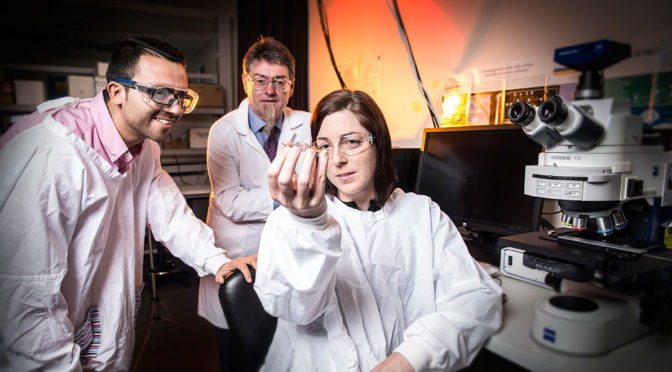

It’s one of a series of tools geologists use to find an ore body, and Foley says it has allowed many mining companies to cut out several of the steps needed in mineral exploration.

For instance, in Canada, Xstrata Nickel has bought three LANDTEM systems and is so confident about the technology that once it has located an ore body they don’t do much drilling at all and move straight on to mining instead.

When recognising the work of Foley and her colleague CSIRO engineer Keith Leslie at the Clunies Ross awards, the chair of the awards’ organising committee Professor Mike Hood said: “Their story demonstrates the importance of unwavering dedication in bringing a scientific discovery to market. Over the coming years LANDTEM will continue to play a major role in the worldwide discovery of new mineral deposits.”


Foley studied physics and education at Sydney’s Macquarie University with the intention of becoming a high school science teacher. “But I fell in love with research and I did my PhD in nitride semiconductors and did a smidgen of the early work that led to the white LED,” she says.

Having decided to pursue a career in research, Foley joined CSIRO as a post-doctoral fellow working in magnetics and was asked to join the team working on applications for the new high temperature superconductors.

Along with taking the new technology to industry to see how it could be used, another factor in the successful development and commercialisation of the LANDTEM is CSIRO’s ability to pull together a multidisciplinary team when an opportunity arises, in this case researchers in mineral resources, electrical engineering, devices, materials and cryogenics, and finally at the end, lawyers and business people.

“In order to be a survivor and also to really be profitable and commercially successful, you’ve got to recognise just how the world is changing and that you’ve got to be innovative, not just in your products but also in your business model and how you see yourself getting into the manufacturing world,” she says.

“Australia is at a really interesting point where the current Government has recognised this and I think got a whole lot of things in place.”


Foley says the Federal Government’s recently-announced Industry Growth Centres, which aim to forge better links between industry and Australia’s top researchers, are a promising start.

She sees potential in agile manufacturing, where the manufacturers make small numbers of specialised and customised products and can quickly re-conform to make another product.

“Instead of being a manufacturer who has a big factory, you actually buy time in a factory to do a certain thing, part of it, and then you might even ship it to somewhere else to get another bit done where there’s a specialist and so you end up with products which are done more in smaller batches rather than mass market because they’re more customised,” she says. “These days successful societies have to keep reinventing themselves and recognising where you can you use intellectual approaches rather than just brute labour.”

As a senior CSIRO executive, Foley is less involved in hands-on research than she used to be, but still finds it an exciting environment.

“It’s pretty exciting to think that the work you do actually has an enormous impact and can make a difference. And I think if you ask people I work with, they all say that’s what they love about working at CSIRO. We  do things that actually change the world and I think that’s a nice thing to do,” she says.

– Christopher Niesche

This article was first published by Australia Unlimited on 20 August 2015. Read the original article here.

Design innovations are blowing in the wind

RMIT researchers are using state-of-the-art modelling techniques to study the effects of wind on cities, paving the way for design innovations in building, energy harvesting and drone technology.

The turbulence modelling studies will allow engineers to optimise the shape of buildings, as well as identify areas of rapid airflow within cities that could be used to harvest energy.

Researchers also hope to use the airflow studies to develop more energy efficient drones that use the power of updrafts during flight.

Dr Abdulghani Mohamed, from RMIT’s Unmanned Aircraft Systems research group, said simulations developed by the research team can visualise the shape of updrafts as they developed over buildings and show their variation over time.

“By analysing the interaction of wind with buildings, our research opens new possibilities for improving designs to take better advantage of nature,” he says.

“Buildings can be built to enhance airflow at street level and ventilation, while wind turbines can be precisely positioned in high-speed airflow areas for urban energy harvesting – providing free power for low-energy electronics.

“The airflow simulations will also help us further our work on energy harvesting for micro-sized drones, developing technology that can help them use updrafts to gain height quicker and fly for longer, without using extra energy.”

Scientists and engineers have traditionally relied on building small-scale city replicas and testing them in wind tunnels to make detailed airflow predictions.

This time-consuming and expensive process is being gradually replaced with numerical flow simulations, also known as Computational Fluid Dynamics (CFD).

The researchers – Mohamed, Professor Simon Watkins (RMIT), Dr Robert Carrese (LEAP Australia) and Professor David Fletcher (University of Sydney) – created a CFD model to accurately predict the highly complex and dynamic airflow field around buildings at RMIT’s Bundoora campus west, in Melbourne’s north.

The simulation was validated using a series of full and model-scale experiments, with the results published in the prestigious Journal of Wind Engineering and Industrial Aerodynamics.

The next stage in the research will involve an extensive flight test campaign to further prove the feasibility of the concept of long endurance micro-sized drones, for use in a number of industries including structural monitoring, land surveying, mobile temporary networks and pollution tracking.

This article was first published by RMIT University on 9 August 2015. Read the original article here.

Why DVDs are the new cool tech

In this era of big data, storage capacity is everything. To store the vast amount of data being generated requires an increasing number of large data centres. Some of which are industrial scale operations, consuming as much electricity as a small town.

In the quest for greater storage capacity technology, researchers at Swinburne University have achieved a technological breakthrough by increasing the storage capacity of DVDs from a meagre 4.7 gigabytes to a staggering 1000 terabytes. This is the equivalent of storing 50,000 high-definition movies.

Rapid commercialisation of the research has positioned it as a finalist under the best commercial deal category for the 2015 .

“Our first motivations were scientific curiosity: could we increase the storage capacity of the disc?” says the lead researcher Professor Min Gu. “The storage capacity of optical discs is determined by the number of dots that can be burned in to the disc, which in turn is determined by the wavelength of the laser used to burn the dots.”

“To put more dots on the disc beyond conventional DVDs, we had to address a physical limit. Our approach overcame the minimum dot size determined by the law to produce an extremely tiny spot of light.” Each dot on the disc is a binary digit, or bit, representing 0 or 1.

Optical discs have significant advantages over other data storage technologies – such as hard disk drives, USB flash drives and SD cards – in terms of cost, longevity and reliability. However, their low storage capacity has been their major limiting factor.

hf

Professor Min Gu, lead researcher at Swinburne University demonstrates the technology used to massively increase the storage capacity of DVDs.

Using nanotechnology, Gu and his colleagues Dr Xiangping Li and Dr Yaoyu Cao have developed a technique using two laser beams, instead of the conventional single beam, with different colours for recording onto the disc.

One beam, referred to as the ‘writing beam’ records the information, while the second beam inhibits the writing beam, essentially playing an anti-recording function. This produces a spot of light nine nanometres in effective diameter – around one ten thousandth the width of a human hair.

“One data centre at the moment can be the size of a football stadium. We can reduce the size to one box of discs,” explains Gu. The impact of this technology, however, goes beyond just storage capacity, and has significant implications for energy consumption.

“Big data storage already consumes 3% of electricity. If we record all the information produced by Australia in 2011, we have to use all the electricity consumed for domestic use that year. Optical discs are what we call ‘cool technology’ they don’t require cooling systems, and they also have along life times of around 20-30 years.”

Gu describes how the technology has progressed from publication of the research (co-first authored by Dr Zongsong Gan) in Nature Communications in 2013, to commercialisation.

“Two weeks after we published the results we received a call from the investment advisor for Optical Archive Inc. saying that ‘your technology will be very useful for big data.’”

Optical Archive Inc, which licensed the technology,  was purchased by Sony Corporation of America in May 2015.

Gu believes that the first prototype of the technology will be available in around three years’ time.

Carl Williams

Australia could lead in cybersecurity research

This article is part of The Conversation’s series on the Science and Research Priorities recently announced by the Federal Government. You can read the introduction to the series by Australia’s Chief Scientist, Ian Chubb, here.


Alex Zelinsky

Chief Defence Scientist, Defence Science and Technology

The national science and research priorities have been developed with the goal of maximising the national benefit from research expenditure, while strengthening our capacity to excel in science and technology.

Cybersecurity has been identified as a research priority due to Australia’s increasing dependence on cyberspace for national well-being and security. Cyberspace underpins both commercial and government business; it is globally accessible, has no national boundaries and is vulnerable to malicious exploitation by individuals, organised groups and state actors.

Cybersecurity requires application of research to anticipate vulnerabilities, strengthen cyber systems to ward off attacks, and enhance national capability to respond to, recover from, and continue to operate in the face of a cyber-attack.

Cyberspace is a complex, rapidly changing environment that is progressed and shaped by technology and by how the global community adopts, adapts and uses this technology. Success in cyberspace will depend upon our ability to “stay ahead of the curve”.

Research will support the development of new capability to strengthen the information and communications systems in our utilities, business and government agencies against attack or damage. Investment will deliver cybersecurity enhancements, infrastructure for prototype assessment and a technologically skilled workforce.

Accordingly, priority should be given to research that will lead to:

  1. Highly secure and resilient communications and data acquisition, storage, retention and analysis for government, defence, business, transport systems, emergency and health services
  2. Secure, trustworthy and fault-tolerant technologies for software applications, mobile devices, cloud computing and critical infrastructure
  3. New technologies for detection and monitoring of vulnerabilities and intrusions in cyber infrastructure, and for managing recovery from failure. Alex Zelinsky is Chief Defence Scientist at Defence Science and Technology Organisation.
Cybersecurity is becoming an increasingly important area for research in Australia.

Cybersecurity is becoming an increasingly important area for research in Australia.


Andrew Goldsmith
Director of the Centre for Crime Policy and Research, Flinders University

Sensible science and research on cybersecurity must be premised upon informed, rather than speculative, “what if”, analysis. Researchers should not be beholden to institutional self-interest from whichever sector: government; business; universities; or security/defence agencies.

We need to be clear about what the cybersecurity threat landscape looks like. It is a variable terrain. Terms such as “cyber-terrorism” tend to get used loosely and given meanings as diverse as the Stuxnet attack and the use of the internet by disenchanted converts to learn how to build a pipe bomb.

We need to ask and answer the question: who has the interest and the capability to attack us and why?

References to “warfare” can be misleading. A lot of what we face is not “war” but espionage, crime and political protest. More than two decades into the lifecycle of the internet, we have not yet had an electronic Pearl Harbour event.

Cybersecurity depends upon human and social factors, not just technical defences. We need to know our “enemies” as well as ourselves better, in addition to addressing technical vulnerabilities.

We should be sceptical about magic bullet solutions of any kind. Good defences and secure environments depend upon cooperation across units, a degree of decentralisation, and built-in redundancy.

Andrew Goldsmith is Strategic Professor of Criminology at Flinders University.


Jodi Steel
Director, Security Business Team at NICTA

Cybersecurity is an essential underpinning to success in our modern economies.

It’s a complex area and there are no magic bullet solutions: success requires a range of approaches. The national research priorities for cybersecurity highlight key areas of need and opportunity.

The technologies we depend on in cyberspace are often not worthy of our trust. Securing them appropriately is complex and often creates friction for users and processes. Creation of secure, trustworthy and fault-tolerant technologies – security by design – can remove or reduce security friction, improving overall security posture.

Australia has some key capabilities in this area, including cross-disciplinary efforts.

The ability to detect and monitor vulnerabilities and intrusions and to recover from failure is critical, yet industry reports indicate that the average time to detect malicious or criminal attack is around six months. New approaches are needed, including improved technological approaches as well as collaboration and information sharing.

Success in translating research outcomes to application – for local needs and for export – will be greater if we are also able to create an ecosystem of collaboration and information sharing, especially in the fast-moving cybersecurity landscape.

Jodi Steel is Director, Security Business Team at NICTA.


Vijay Varadharajan
Director, Advanced Cyber Security Research Centre at Macquarie University

Cyberspace is transforming the way we live and do business. Securing cyberspace from attacks has become a critical need in the 21st century to enable people, enterprises and governments to interact and conduct their business. Cybersecurity is a key enabling technology affecting every part of the information-based society and economy.

The key technological challenges in cybersecurity arise from increased security attacks and threat velocity, securing large scale distributed systems, especially “systems of systems”, large scale secure and trusted data driven decision making, secure ubiquitous computing and pervasive networking and global participation.

In particular, numerous challenges and opportunities exist in the emerging areas of cloud computing, Internet of Things and Big Data. New services and technologies of the future are emerging and likely to emerge in the future in the intersection of these areas. Security, privacy and trust are critical for these new technologies and services.

For Australia to be a leader, it is in these strategic areas of cybersecurity that it needs to invest in research and development leading to new secure, trusted and dependable technologies and services as well as building capacity and skills and thought leadership in cybersecurity of the future.

Vijay Varadharajan is Director: Advanced Cyber Security Research Centre at Macquarie University.

Cybercrime is a growing problem, and it'll take concerted efforts to prevent it escalating further. Brian Klug/Flickr, CC-BY NC

Cybercrime is a growing problem, and it’ll take concerted efforts to prevent it escalating further. Brian Klug/Flickr, CC-BY NC


Craig Valli
Director of Security Research Institute at Edith Cowan University

ICT is in every supply chain or critical infrastructure we now run for our existence on the planet. The removal or sustained disruption of ICT as a result of lax cybersecurity is something we can no longer overlook or ignore.

The edge between cyberspace and our physical world is blurring with destructive attacks on physical infrastructure already occurring. The notion of the nation state, and its powers and its abilities to cope with these disruptions, are also significantly being challenged.

The ransacking of countries’ intellectual property by cyber-enabled actors is continuing unabated, robbing us of our collective futures. These are some of the strong indicators that currently we are getting it largely wrong in addressing cybersecurity issues. We cannot persist in developing linear solutions to network/neural security issues presented to us by cyberspace. We need change.

The asymmetry of cyberspace allows a relatively small nation state to have significant advantage in cybersecurity, Israel being one strong example. Australia could be the next nation, but not without significant, serious, long-term, collaborative investments by government, industry, academy and community in growing the necessary human capital. This initiative is hopefully the epoch of that journey.

Craig Valli is Director of Security Research Institute at Edith Cowan University.


Liz Sonenberg
Professor of Computing and Information Systems, and Pro Vice-Chancellor (Research Collaboration and Infrastructure) at University of Melbourne

There are more than two million actively trading businesses in Australia and more than 95% have fewer than 20 employees. Such businesses surely have no need for full-time cybersecurity workers, but all must have someone responsible to make decisions about which IT and security products and services to acquire.

At least historically, new technologies have been developed and deployed without sufficient attention to the security implications. So bad actors have found ways to exploit the resulting vulnerabilities.

More research into software design and development from a security perspective, and research into better tools for security alerts and detection is essential. But such techniques will never be perfect. Research is also needed into ways of better supporting human cyberanalysts – those who work with massive data flows to identify anomalies and intrusions.

New techniques are needed to enable the separation of relevant from irrelevant data about seemingly unconnected events, and to integrate perspectives from multiple experts. Improving technological assistance for humans requires a deep understanding of human cognition in the complex, mutable and ephemeral environment of cyberspace.

The cybersecurity research agenda is thus only partly a technical matter: disciplines such as decision sciences, organisational behaviour and international law all must play a part.

Liz Sonenberg is Professor, Computing and Information Systems, and Pro Vice-Chancellor (Research Collaboration and Infrastructure) at University of Melbourne.


Sven Rogge
Professor of Physics and Program Manager at the Centre for Quantum Computation & Communication Technology at UNSW

Cybersecurity is essential for our future in a society that needs to safeguard information as much as possible for secure banking, safe transportation, and protected power grids.

Quantum information technology will transform data communication and processing. Here, quantum physics is exploited for new technologies to protect, transmit and process information. Classical cryptography relies on mathematically hard problems such as factoring which are so difficult to solve that classical computers can take decades. Quantum information technology allows for an alternative approach to this problem that will lead to a solution on a meaningful timescale, such as minutes in contrast to years. Quantum information technology allows for secure encoding and decoding governed by fundamental physics which is inherently unbreakable, not just hard to break.

Internationally, quantum information is taking off rapidly underlined by large government initiatives. At the same time there are commercial investments from companies such as Google, IBM, Microsoft and Lockheed Martin.

Due to long term strategic investments in leading academic groups Australia remains at the forefront globally and enjoys a national competitive advantage in quantum computing and cybersecurity. We should utilise the fact that Australia is a world leader and global player in quantum information science to provide many new high technology industries for its future.

Sven Rogge is Professor of Physics at UNSW Australia.

This article was originally published on The Conversation and shared by Edith Cowan University on 10 July 2015. Read the original article here.


Read more in The Conversation Science and Research Priorities series.

The future of manufacturing in Australia is smart, agile and green

On the road: research can improve transport across Australia

Research priority: make Australia’s health system efficient, equitable and integratedThe Conversation

Brain teaser: 3D-printed ’tissue’ to help combat disease

The brain is amazingly complex, with around 86 billion nerve cells. The challenge for researchers to create bench-top brain tissue from which they can learn about how the brain functions, is an extremely difficult one.

Researchers at the ARC Centre of Excellence for Electromaterials Science (ACES), based at UOW’s Innovation Campus, have taken a step closer to meeting this challenge, by developing a 3D-printed layered structure incorporating neural cells, that mimics the structure of brain tissue.

The value of bench-top brain tissue is huge. Pharmaceutical companies spend millions of dollars testing therapeutic drugs on animals, only to discover in human trials that the drug has an altogether different level of effectiveness. We’re not sure why, but the human brain differs distinctly from that of an animal.

A bench-top brain that accurately reflects actual brain tissue would be significant for researching not only the effect of drugs, but brain disorders like schizophrenia, and degenerative brain disease.

ACES Director and research author Professor Gordon Wallace (pictured above with Rodrigo Lozano and Elise Stewart) said that the breakthrough is significant progress in the quest to create a bench-top brain that will enable important insights into brain function, in addition to providing an experimental test bed for new drugs and electroceuticals.

“We are still a long way from printing a brain but the ability to arrange cells so as they form neuronal networks is a significant step forward,” says Wallace.

To create their six-layered structure, researchers developed a custom bio-ink containing naturally occurring carbohydrate materials. The custom materials have properties that allow accurate cell dispersion throughout the structure, whilst providing a rare level of protection to the cells.

The bio-ink is then optimised for 3D-printing, and developed for use in a standard cell culturing facility without the need for expensive bio-printing equipment.

The result is a layered structure like brain tissue, in which cells are accurately placed and remain in their designated layer.

“This study highlights the importance of integrating advances in 3D-printing, with those in materials science, to realise a biological outcome,” says Wallace.

“This paves the way for the use of more sophisticated printers to create structures with much finer resolution.”

The research, funded through Wallace’s Australian Laureate Fellowship, is published in Biomaterials

This article was first published on 3 August 2015 by the University of Wollongong. Read the original article here.

World champions of RoboCup soccer return to Sydney

A team of Australian roboticists, who smashed their way to victory at the RoboCup world soccer championship in China for a second year running, return home on Monday and will be holding a media conference at UNSW.

The triumphant team of Australian roboticists who smashed their way to victory at the RoboCup world soccer championship in China – snatching the trophy for the second year in a row – return home on Monday and will be holding a media conference at UNSW.

The four-member UNSW team (and their four humanoid robots), who beat an elite German squad by 3-1 in a tense grand final, will be available to take questions at the media conference.

They will afterwards provide demonstrations of the robots in action in a special soccer pitch where the robots train. Also available will be video and high-resolution images of the robots and team members, as well as the team’s victorious finals match in Hefei, west of Shanghai in China, on 22 July. (Most of the team have been travelling on holidays since then.)

Event details 

RoboCup is an international competition of 300 teams from 47 counties that fosters innovation in robotics and artificial intelligence. The premier category is the Standard Platform League, in which squads compete on an indoor soccer court with robots operating entirely autonomously – with no control by humans or computers during the game. This year’s tournament was fought between Naos, 58 cm-tall humanoid robots that whose artificial intelligence and tactics were developed by young software designers and engineers.

RoboCup was founded in 1997 with the goal of developing a robot team good enough to beat the human champions of the FIFA World Cup by 2050.

You can download a map to the venue for the media conference here.

Wilson Da Silva

This article was first published by UNSW Australia on 5 August 2015. Read the original article here.