What happens when you ask OpenAI to write an article for you? It’s actually quite good, as you’ll see below.
In his address to the National Press Club today, Minister for Industry, Science, and Technology, Ed Husic, outlined the Australian government’s plans for building a strong and resilient economy for the future.
Speaking to a packed audience, Husic emphasized the importance of investing in science, technology, and innovation as key drivers of economic growth and job creation. He outlined a number of initiatives the government is pursuing in these areas, including increased funding for research and development, support for small and medium-sized enterprises, and a renewed focus on skills training and education.
Husic also highlighted the importance of a strong and diversified manufacturing sector, which he said is crucial to the country’s economic stability and long-term prosperity. He pointed to the government’s recent decision to provide $1.3 billion in funding to the sector as evidence of its commitment to supporting the industry.
In addition to these measures, Husic spoke about the need to address the challenges posed by digital disruption and the rise of automation. He acknowledged that while these changes bring opportunities, they also present risks, particularly for workers in industries that are vulnerable to automation.
To address this, Husic announced a new program called “Future Jobs Fund” that will provide support and training for workers in industries that are likely to be impacted by automation, helping them to transition to new and emerging jobs. The program will be supported by a $100 million investment from the government.
Husic also emphasized the importance of collaboration and partnerships in driving economic growth and innovation. He pointed to the government’s partnership with the private sector, academia, and the research community as key to driving innovation and developing new technologies.
In conclusion, Husic said that the government is committed to building a strong and resilient economy that is capable of meeting the challenges of the future. He outlined a number of initiatives and investments that are aimed at supporting science, technology, and innovation, as well as addressing the challenges posed by digital disruption and automation.
Overall, Husic’s address highlighted the government’s focus on building a strong and diversified economy that is capable of supporting growth and job creation in the long term. It is clear that the government sees investment in science, technology, and innovation as key to achieving this goal.
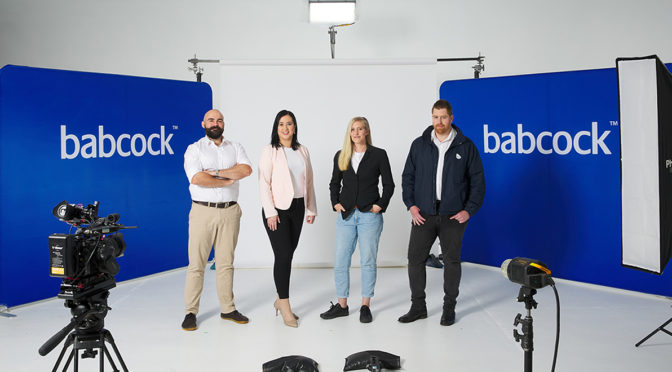
Image: Left to right, Jack Gracie – Program Engineering Manager, Karen Trezise – Chief Technologist, Natasha Dikstaal – NZ Senior Asset Engineer, Daniel Hooper – Engineering Team Lead – Hunter. Supplied
The new engineers will join a diverse selection of defence programs throughout Australia and New Zealand including warship sustainment, submarine weaponry, counter-chemical, biological, radiological, nuclear and explosives (C-CBRNE), ground support equipment and high frequency communications defence capability as well as exciting roles across its aviation and critical services divisions.
Job opportunities extend across the spectrum of engineering, from systems and software engineering to mechanical and electrical engineering, naval architecture and more.
Babcock’s Acting Executive Director, Engineering, Technology & Program Management, Glenn Logan said there was never a better time to be an engineer, and never a better time to work in defence.
“Babcock is a global company, with global opportunities expanding throughout Australasia,” Mr Logan said.
“To help fuel that growth we are recruiting engineers to work on some of the most innovative and challenging projects which contribute to the safety and security of the region.
“We’re after graduates right through to experienced engineers, and Babcock’s agile working practices enable many of these recruits to work anywhere in the region”
Program Engineering Manager, Jack Gracie’s journey is an example of how broad and exciting a career at Babcock can be.
Jack started working with Babcock as an engineer on the Collins-Class submarines in 2017. He was then provided the opportunity to be seconded to the UK to work on the Attack-Class submarines. He is now Program Engineer Manager leading Babcock’s C-CBRNE program based in Adelaide.
“Babcock have created a unique resourcing model designed to work for its people. The approach is focussed on creating more opportunities for our people throughout Babcock’s global reach of diverse and innovative programs,” said Mr Gracie.
“It’s also a really great opportunity for graduates as they are exposed to the many varied roles here at Babcock. If they don’t love their chosen field straight away Babcock will support them in choosing another path they might be more interested in.”
Chief Technologist, Karen Trezise is responsible for supporting Babcock’s commitment to innovative research developments and technologies.
“There’s always new challenges and problems to solve, but it’s knowing that what you develop goes into the hands of those that help defend our country – that’s what makes our job so rewarding.”
“I get real satisfaction working at Babcock when I see a naval ship sailing or an aircraft flying and think, wow, I’ve had a hand in developing that capability.
“And, with Babcock’s agile approach to working, I work closely with teams across the region, and globally, often from the comfort from my own home in Melbourne,” said Ms Trezise.
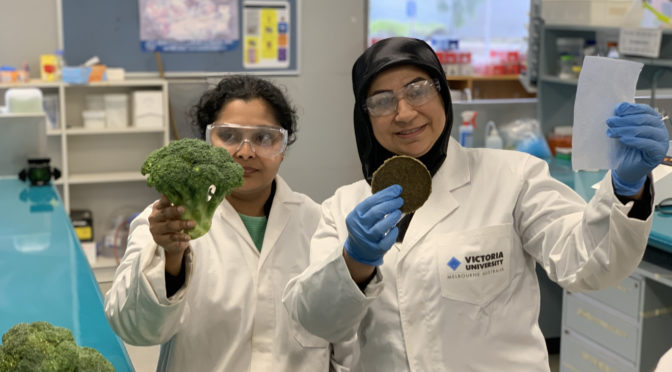
Image: Ghosalya Mahendrarajah (left) and Ghofran al-Nasir (right). Supplied
With an Australian Government target for all packaging to be reusable, recyclable or compostable by 2025, Victoria University (VU) researchers have been looking at how agricultural waste from vegetables such as zucchini, broccoli, celery and lettuce could be used to create affordable and easily compostable packaging.
Known as ‘biopackaging,’ the global environment-friendly food packaging market is expected to reach about $184 billion by 2026, according to Modor Intelligence, as increasing bans on plastic and growing consumer awareness affect markets worldwide.
As a solution, polymer expert Dr Marlene Cran and her team have been working in the research labs at VU’s Werribee Campus with the unusable produce provided by a nearby Werribee South market-farm. Leaves, stems and rejected produce is normally used as animal feed, composted, or can be sent to landfill where it decomposes and produces methane gas.
Instead, the team has created a range of food packaging products using the waste vegetables.
VU Sustainable Packaging researchers found celery’s high cellulose content makes ideal food trays, whereas zucchini, broccoli and lettuce can be processed into thick films that could be suitable as a tray insert or produce separator. Mycelium – the root structure of mushrooms – can be grown on the partially dried waste materials to make good replacement for styrofoam boxes.
The team’s goal is to use minimal interventions such as intensive drying or the use of excessive additives so that the processes are as natural and inexpensive as possible, and easier to scale-up in the future.
PEA STARCH HAS STARRING ROLE IN FILM-MAKING
Away from the farm, the team is using starch waste material left over from the extraction of proteins from yellow peas to create a flexible film that could become the new plastic in a true circular economy.
“In future there could be protein powders or dried peas sold in a bag made from the leftover starch sourced from the vegetables inside the bag,” said Dr Cran. “That’s the dream.”
Despite the lack of industry-grade testing facilities and the expense to test alternative packaging – meaning a possible long road ahead – Dr Cran says it just makes sense to replace throw-away packaging with sustainable natural products.
“Designing something that can compete on price and effectiveness with plastic and foam is the work of decades. But the investment needs to start now.”
An esteemed group of early career Australian researchers will be at the forefront of innovation at the 2023 World Parkinson Congress in Barcelona, Spain thanks to travel grants from the Shake It Up Australia Foundation.
First held in 2006, the inclusive World Parkinson Congress (WPC) brings together a diverse range of people researching, treating and living with Parkinson’s disease to present and debate the latest scientific discoveries and medical care practices.
The 2023 forum will take place on July 4-7 as attendees from around the globe disseminate their knowledge and breakthrough discoveries through a cross-pollination of ideas and experiences. Shake It Up Australia Foundation will fund travel to Barcelona for 25 Australian Honours, undergraduates, MD and PhD students and early-career researchers with $3000 grants plus complementary WPC registration.
To apply, researchers must:
Submit an abstract to the WPC Congress for consideration before January 13
Have at least one abstract accepted for consideration of the travel support
Be under the age of 40 at the opening of the Congress in July 2023 or have just launched their research career (details required)
Travel grant awardees will be chosen on the quality of their abstracts and relevance to Parkinson’s disease.
Dr Richard Gordon, a leading Parkinson’s researcher at the University of Queensland who is the Australian Science Ambassador for the WPC, says the Congress will help further the cause of urgently-needed treatments for Parkinson’s.
“The triennial WPC meeting is a unique opportunity for Australian researchers to showcase their discoveries on a global stage, network with world-leading experts, and most importantly, to learn directly from people living with PD everyday” Gordon said.
“Since its inception in 2006, the WPC has proven to be a one-of-a-kind forum – open to anybody impacted by Parkinson’s – through which essential progress has been made.”
Founded as a not-for-profit organisation in 2011 by Clyde Campbell, Shake It Up Australia’s mission is to fund research into finding more effective treatments and, ultimately, a cure for Parkinson’s. Together with The Michael J. Foundation for Parkinson’s Research (MJFF), Shake It Up Australia has invested more than $22 million across 63 Parkinson’s research projects and 19 Australian research institutes.
“I didn’t want to wait for the world to find a Parkinson’s cure – I wanted to get involved,” said Shake It Up Chairman Campbell, who was appointed a Member of the Order of Australia in 2021.
“Funding research into Parkinson’s, in conjunction with the MJFF, was the best avenue to help myself and more than 100,000 other Australians living with the disease.
“Shake It Up Australia is proud to be providing travel support for a select group of junior researchers to attend the 2023 WPC in the ultimate pursuit of a cure.”
Apply for a World Parkinson Congress Travel Grant here.
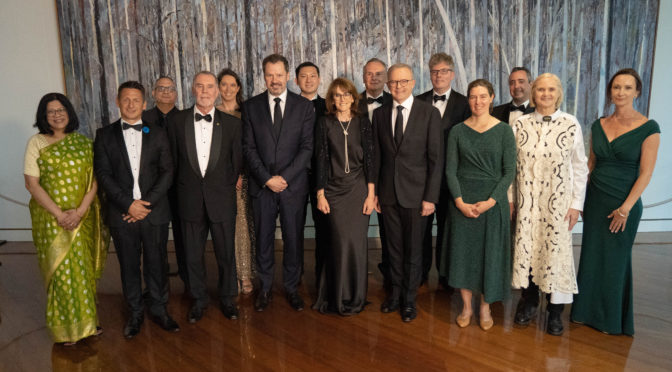
The 2022 Prime Minister’s Prizes for Science were announced at a presentation dinner at Parliament House in Canberra earlier this week and celebrated by Anthony Albanese MP, Prime Minister of Australia and the Hon Ed Husic MP, Minister for Industry and Science.
“Over the last 23 years, these Prizes have recognised extraordinary Australians whose scientific research and innovation has broken new ground,” says the Prime Minister. “Our prize recipients demonstrate why science is key to Australia’s future.”
Honoured for their outstanding achievements in science teaching, the recipients of the awards were joined on stage by Australia’s science teachers too.
“Science and research at its best can change lives and make Australia a more sustainable, prosperous place,” explains Minister for Industry and Science Ed Husic.
“The Australian Government is committed to supporting science and will continue to back research and innovation that boosts our industries and our livelihoods.”
The achievements of the full line-up of 2022 prize recipients can be found here.
CSIRO, Australia’s national science agency, is developing partnerships with more than 100 businesses and universities to fund up to 195 university student scholarships for the Next Generation Graduates programs.
Students will be tackling 14 artificial intelligence (AI) and emerging technology challenges from a wide range of industries including health and aged care, critical infrastructure, clean energy, quantum technology, finance and sports science.
CSIRO’s Data61 Director, Prof Jon Whittle, said not only is there a broad range of industries represented, but he’s also thrilled to see universities from all over Australia involved in the program.
“We want to ensure Australia’s next wave of technology experts are drawn from rich and diverse communities across the country,” Prof Whittle said.
$14m from CSIRO’s Next Generation programs, with additional contribution from participating businesses, will fund the Honours, Masters and PhD scholarships.
The 14 new challenges are in addition to the 12 challenges announced by the program earlier this year, bringing the total number of scholarships on offer up to 360.
The multi-disciplinary nature of the Next Generation Graduates programs sets students up to have real-world impact.
“This unique program is important because multi-disciplinary teams will drive innovation into future,” Prof Whittle said.
CSIRO has estimated that Australian industry will need up to 161,000 new AI specialist and AI savvy workers by 2030.
The program will build a pipeline of home-grown, job-ready graduates to unlock the immense economic opportunity offered by artificial intelligence and emerging technologies.
A full list of awarded programs is available on the CSIRO website.
Researchers from Murdoch University and associated collaborators are using ANSTO’s unique nuclear capabilities to gain detailed information about how wheat crops take in administered micronutrients to maximise their efficient use.
The goal is to find the best time and method to give micronutrients to the crops.
Dr Sanchez-Palacios was at ANSTO for the wheat experiments in the Lucas Heights greenhouse, part of ANSTO’s Vivarium capability, with Dr Tom Cresswell, Nick Howell, Sarah Beard, Dr Melanie Ferlazzo and ANSTO Graduate, Alexandra Boyd.
“Our study is about improving the delivery of zinc to grains, applied directly onto leaves, for wheat crops in Australia. Here, the soil conditions are challenging for farmers, they really need to put a lot of fertilisers in crops to achieve high yield potential across the grain industry in Australia,” added Dr Sanchez-Palacios.
Using zinc radioisotopes produced at ANSTO’s OPAL research reactor, the investigators apply them to the plant and then trace their biodistribution using a radiographic technique.
The technique reveals the amount of zinc absorbed and precisely where the zinc, if it has moved from the site of application, has been transported in the plant body including the grain.
While the application of zinc as a micronutrient improves the quality of the edible parts of the plant – the grains, it can be costly to farmers to apply to wheat. Therefore, knowing when and how much zinc to apply is critical for this technique to be adopted in agricultural systems
“The work builds on previous work that we did in 2018 tracing zinc in wheat with collaborators at the University of South Australia. In that research, we administered the zinc at the post-seedling stage,” explained Dr Tom Cresswell, an isotope ecologist at ANSTO.
Now investigators are looking at different formulations of zinc and different ways of applying it to the leaf, known as foliar applications.
“The challenge around agriculture in Australia and the purpose of agricultural research generally is finding ways to make the most out of the available land and the available resources that we have,” said Dr Cresswell.
“Anything that we can do to maximise the quality, minimise the costs and improve the yield for farmers and the quality of the crops for consumers is crucial.”
Crop scientists are assisting by developing novel formulations that they can apply to maintain the mineral nutrition status of high-yielding plants and overall improve the production of crops while increasing the nutritional value of Australian-grown grains.
Part of this the GRDC project is building connections with facilities such as ANSTO to test new approaches that can be beneficial to Australian farmers and the industry within the next five years.
Fertilisers provide a balance of the required nutrients to maintain high-yielding potential. However, with the increasing cost of fertilisers globally, there is a risk of reducing crop production. GRDC is interested in optimising fertiliser application methods to remain competitive in international markets.
“As well as using element mapping techniques at the Australian Synchrotron, we also needed nuclear techniques. They give us a very sensitive way of determining the mechanisms at work in our novel foliar formulations tested on wheat plants,” said Dr Sanchez-Palacios.
“Having access to a radioactive form of zinc and being able to apply it to the plants in a safe environment is very important.”
Dr Cresswell explained that when the plant is imaged using autoradioagraphy, the area where the zinc appears as a bright spot.
“It allows us to assess the uptake of micronutrients when administered in different applications.
“We want the nutrient to reach the edible part of the plants, where it is most beneficial to the person or animal consuming the grain.”
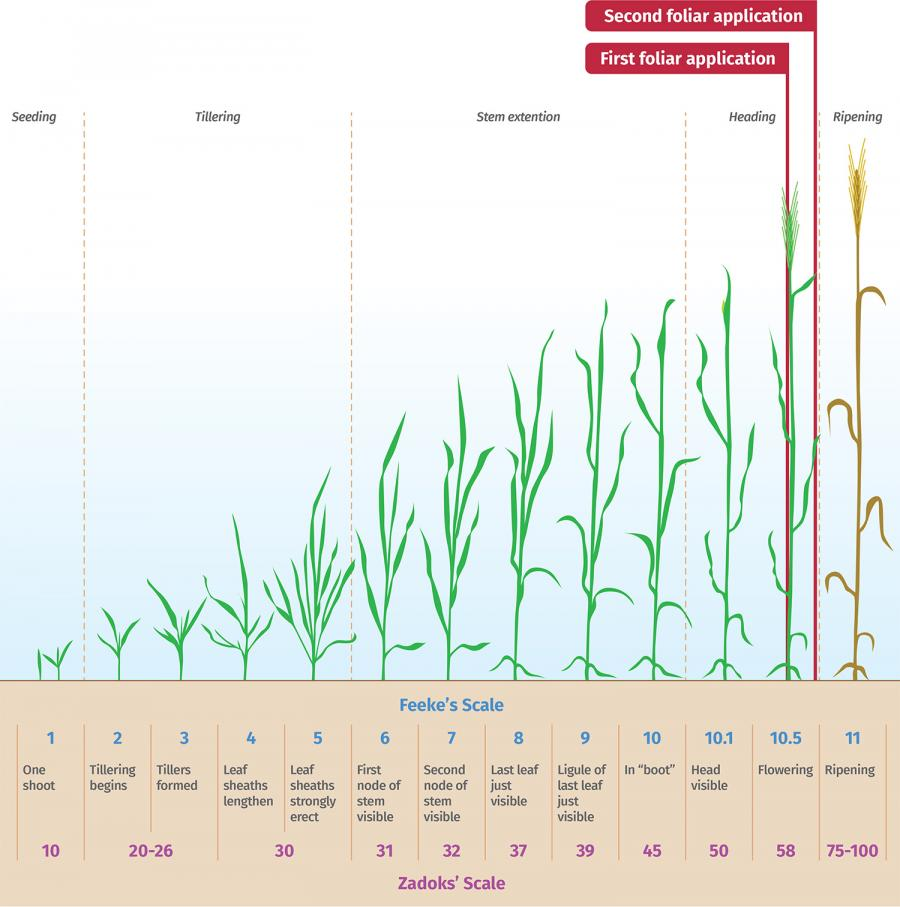
In the experiments, the zinc formulation was administered at the flowering stage.
Image provided by ANSTO.
Preliminary indications suggest the scientists are gaining the information they wanted.
Twenty-four hours after they applied the different zinc treatments to the leaf, the plants are autoradiographed in a dark cupboard away from light.
A phosphor plate absorbs the beta radiation from zinc-65 while it is still on the plant, revealing the site of the radioactive zinc.
The team is working with three different formulations of zinc, three different ways of delivering the same concentrations of zinc to the plant at two different times.
“We are using a soluble form of zinc, zinc chloride; zinc-ionophores, which is a lipid-soluble molecule that binds the zinc and moves it across plant cellular boundaries; and zinc with mesoporous silica nanoparticles that encapsulate the zinc.
After 24 hours, there is a difference between those different applications in the imaging.“ confirmed Dr Cresswell.
“It is very qualitative but definitive information about how quickly it is being moved from the site of application.
“So far, the silica nanoparticles seem to be helping translocate the zinc more rapidly than the other two forms of Zn, which is fascinating.“
Project work will continue using the X-ray fluorescence microscopy beamline at the Australian Synchrotron.
This technique reveals the spatial distribution of the foliar applied zinc on a single leaf in vivo and produces highly detailed images of agronomically biofortified grains produced in Western Australia wheat fields.
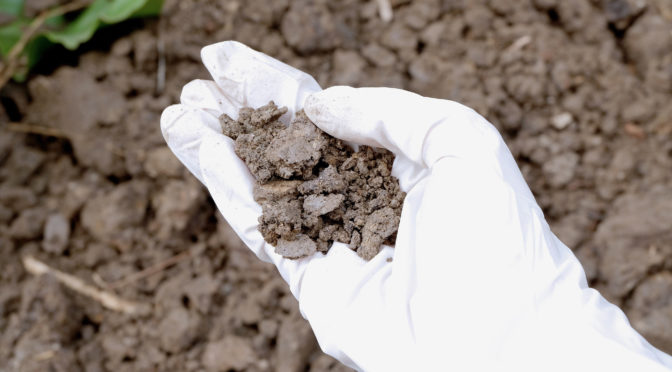
A recent report by the UN’s Food and Agriculture Organization identifies soil pollution as a major threat to the global production of safe and sufficient food, and notes that removing pollutants from soil is currently “a technically complex and costly undertaking, [with costs] ranging from tens of thousands to hundreds of millions of USD per year”.
“Plants naturally draw mineral components out of the soil when they move water from their roots into their stems, leaves and flowers, where those mineral components are trapped,” Dr Owens says.
“This means plants can be used to extract contaminants from soil, but the process is very, very slow, often taking multiple growing seasons, particularly in heavily contaminated situations, where the soil toxicity means the plants struggle to grow and often die.
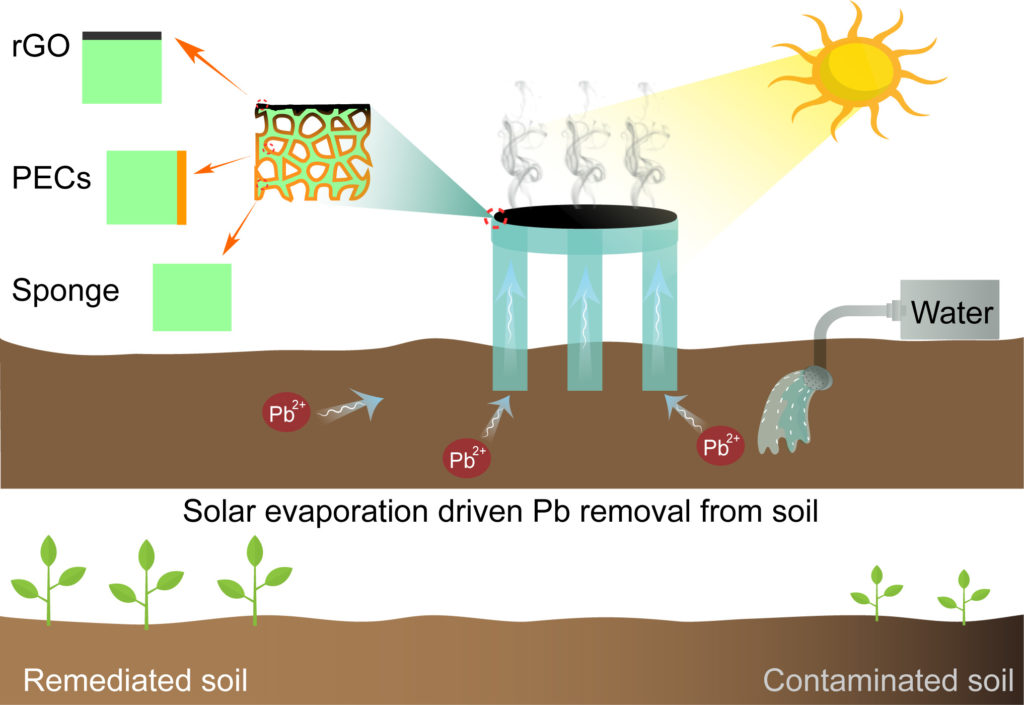
“We have created a system that mimics this process – a form of biomimetic plant – but one that does so at a much faster rate and without any of the problems caused by toxicity.”
The new system can remove such contaminants in as little as two weeks by using a super-efficient solar evaporation surface to rapidly draw water and contaminants from the soil into the biomimetic plant body.
Image: UniSA
“The solar evaporator used in this system is a variation of technology we are developing for many purposes, including desalination and wastewater purification,” Assoc Prof Xu says.
“We are achieving world-leading evaporation rates with this technology in many other areas, and as far as we know, this is the first time this approach has been applied to soil remediation.
“It is a very exciting adaptation of solar evaporation techniques, with huge potential for addressing a growing global problem.”
Both the evaporator and the contaminant-capture component are made from cheap, abundantly available materials with extremely long operational lives, and the system requires very little maintenance, with minimal setup and running costs.
“Installing this system is about as easy as driving some stakes into the ground,” Assoc Prof Xu says, “and unlike some existing soil washing techniques, it doesn’t disturb or destroy the soil composition.
“Also, the water that is added to the soil could be captured from the evaporator and recycled, meaning this could operate as a closed system, with almost no running costs.”
Further adding value to the technique, Dr Owens says it is a relatively simple process to remove the captured contaminants from the biomimetic plant body.
“This means those materials can be harvested for reuse, and the adsorption material, which has a very high saturation point, can be reused over and over again,” he says.
The remediation technique has currently been successfully tested on a range of heavy metals including lead, chromium, cadmium and zinc, and the research team believes it will also prove a viable approach to removing other major soil contaminants.
“By adjusting the properties of the adsorption material, we could use this to remove antibiotics or PFAS from soil, and to reduce soil salinity,” Assoc Prof Xu says.
“As it is so simple and adaptable, this really could be a complete game changer – a paradigm shift – for soil remediation,” Dr Owens says.
“And that could have a massive impact on millions of people around the world.”
Each year, as the festive season arrives, we must also keep an eye out for potential scammers trying to ruin the fun. This is because scammers become more active during the holidays, targeting us while we have our guard down.
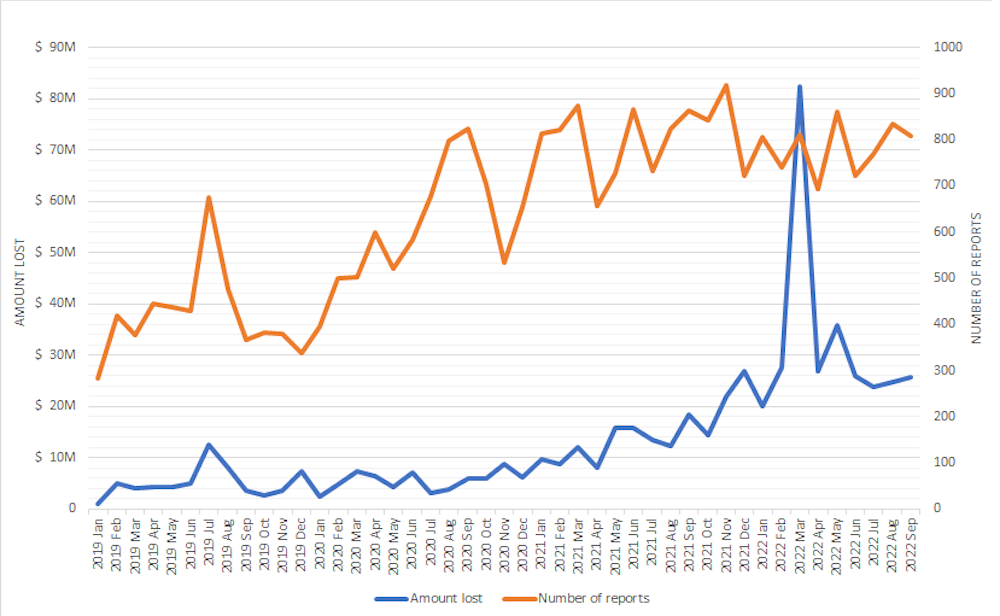
So far in 2022, Australians have lost around half a billion dollars to scams, which is already significantly more than had been lost by this time last year. The majority of these losses – around $300 million – have involved investment or cryptocurrency scams.
I was shocked and could not accept that this happened to me although I was very careful […] I was numb for a couple of minutes as it was a large amount of money. – (26-year-old female office manager from South Australia)
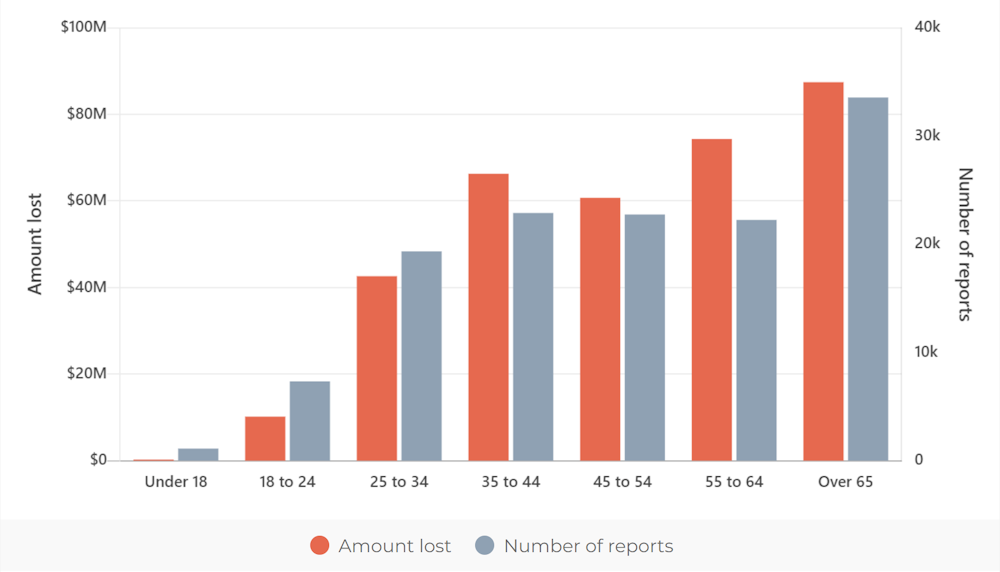
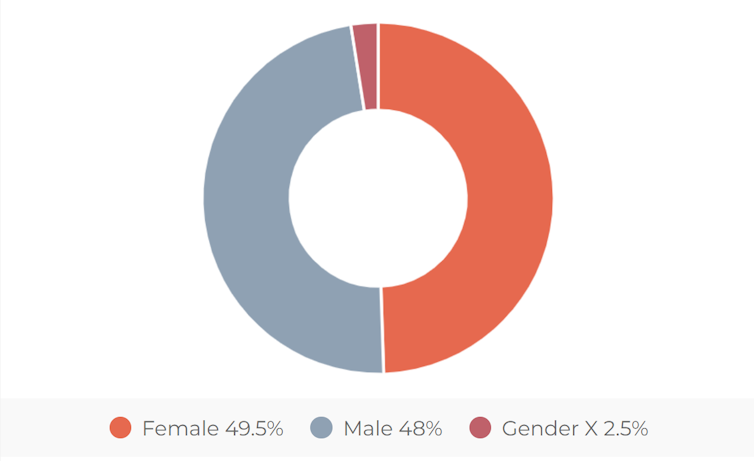
These scams have become highly sophisticated and criminals have become less discriminating about whom they target. This is reflected in recent victim demographics, showing a wide variety of backgrounds, a more even distribution across several age groups, and an almost even split on gender.
Age groups of scam victims. scamwatch.gov.auGender distribution for reported scams. scamwatch.gov.au
So, how can you spot these scams and where can you get help if you have fallen victim?
If it sounds too good to be true, it might just be a scam
I was dumbfounded, to say that ground shattered under my feet would be an understatement, it will take me a very long time to recover from it, financially and mentally. – (36-year-old female, legal practitioner from Victoria)
Most crypto scams involve getting the victim to buy and send cryptocurrency to the perpetrator’s account for what appears to be a legitimate investment opportunity.
Cryptocurrency is the currency of choice for this type of crime, because it’s unregulated, untraceable and transactions cannot be reversed.
Victims of such scams are targeted using a number of different methods, which include:
Investment scams: scammers pretend to be investment managers claiming high returns on crypto investments. They get the victim to transfer over funds and escape with them.
“Pump and dump”: scammers usually hype up a new cryptocurrency or an NFT project and artificially increase its value. Once enough victims invest, the scammers sell their stake, leaving the victims with worthless cryptocurrency or NFT.
Romance scams: involves scammers using dating platforms, social media or direct messaging to engage with you, gain your trust and pitch an amazing investment opportunity promising high returns, or ask for cryptocurrency to cover medical or travel expenses.
Phishing scams: an old but still effective scam involving malicious emails or messages with links to fake websites promising huge returns on investment or just outright stealing credentials to access users’ digital currency wallets.
Ponzi schemes: a type of investment scam where the scammers use cryptocurrency gathered from multiple victims to repay high interest to some of them; when victims invest more funds, the scammers escape with all the investments.
Mining scams: scammers try and convince victims to buy cryptocurrency to use in mining more of it, while in reality there is no mining happening – the scammers just make transfers that look like returns on the investment. Over time, the victim invests more, and the scammers keep taking it all.
Although methods evolve and change, the telltale signs of a potential scam remain relatively similar:
very high returns with promises of little or no risk
proprietary or secretive strategies to gain an advantage
lack of liquidity, requiring a minimum accumulation amount before funds are released.
Where to seek help if you’ve been scammed
I felt helpless, I didn’t know what to do, who to reach out to, I was too embarrassed and just kept blaming myself. – (72-year-old male, accountant from Victoria)
If you think you have fallen victim to one of these scams, here is what you need to do next:
Dr Neelam Shah, who is the Vaccines Medical Affairs Associate at GSK Australia. She made the transition from academia to industry early this year, and penned her experience.
While studying and working in academia during my PhD, it became clear to me that there was a gap from “bench to bedside”.
As someone who is motivated by contributing to improving health outcomes for patients, it has been important for me to align my work with this purpose. My focus on improving the lives of patients made me eager to gain insights into the pharmaceutical industry.
However, the reality is that defining and exploring career pathways beyond academia can be a challenge – in part due to the lack of industry job opportunities for those of us with an academic research background.
Something’s missing
My passion for research was what energised me to move to Australia in 2014 to pursue my PhD in Structural Biology at Monash University. This was a big leap, especially as a mum of a two-year-old boy at the time. I vividly remember juggling extensive research hours with childcare amidst a variety of experiments in the lab.
As I continued my studies, my academic research profile grew rapidly with publications in peer-reviewed journals, presentations at national and international conferences, and research collaborations. I taught undergraduate students of Biochemistry and Medicine part- time as a Teaching Associate which further added to my academic skillset.
However, there was something missing. I was always coming back to the gap between “bench-to-bedside” but wasn’t any clearer on my career goals post-PhD.
I had a desire to transition into industry, but the thought of applying for an industry role was stifled by the extensive time commitment and evolving – often challenging – needs of my research commitments.
Overcoming challenges
In 2017, the third year of my PhD, I was fortunate to participate in the IMNIS (Industry Mentoring Network in STEM) MedTech-Pharma program, an industry-led initiative providing mentoring to PhD students. This was a wonderful opportunity to engage with stakeholders in industry to learn more about clinical research.
I had casually applied for a few Clinical Research Associate positions, but the selection criteria were near impossible to fulfil as purely a science researcher.
I consider myself a successful scientist who is deeply invested in her research, guided by a strong passion for science. Which is why, post-PhD, I continued in academia as a Postdoctoral Research Fellow for a period of three years. However, academia has always been somewhat volatile regardless, with research jobs so heavily dependent on grants and government funding systems.
As an early career researcher, it leaves you in a perpetual state of uncertainty and frustration. I understood why academic researchers felt isolated from cross-functional collaboration and the combined pressures of potentially expiring contracts each year and job security.
In early 2020, I returned to work after six months of maternity leave with a clearer goal of what was next in my career. However, the COVID-19 pandemic made for an uncertain job market. There didn’t seem to be many industry opportunities or, at least, I was unaware of any potential roles for early career researchers wanting to pivot into an industry role.
A new opportunity
I then came across the GSK Australia Graduate Researcher Program, part of MTPConnect’s Research Exchange and Development within Industry (REDI) initiative. I applied and was delighted to be one of six successful early career researchers.
This was the industry opportunity I was looking for – one where I could get my foot in the door to build a deeper understanding of the pharmaceutical industry as well as the development and commercialisation of medicines and vaccines, all whilst making contributions to improve outcomes for patients.
The program gives early career researchers, like me, a chance to build new industry capabilities while leveraging our scientific expertise in a diverse and collaborative environment.
As a Vaccines Medical Affairs Associate at GSK Australia, I have had the privilege of:
Building my professional skillset
Working across different medical portfolios (like Meningococcal and Shingles) and pipeline assets for RSV
Engaging and liaising with diverse, cross-functional stakeholders
Planning and implementing medical educational projects for healthcare professionals
Conducting systemic literature research for evidence synthesis relevant to exciting pipeline assets
Leading GSK Australia’s dossier submission for ATAGI (Australian Technical Advisory Group on Immunisation) Industry Day 2022. This was a monumental achievement in my first six months with GSK.
Leading GSK-led Vaccine Virtual Days 2022 in Australia
Presenting to the GSK Australia Leadership Team, alongside fellow Graduate Researcher Dr Anushi Rajapaksa. We shared perspectives about industry on behalf our program cohort, and how industry could leverage the scientific expertise of early career researchers through stronger collaboration between academia and industry.
My journey into industry has been anything but linear. However, the GSK Australia Graduate Researcher Program has offered me the chance to close that “bench-to-bedside” gap that, at times, felt impossible for an early career researcher to traverse.
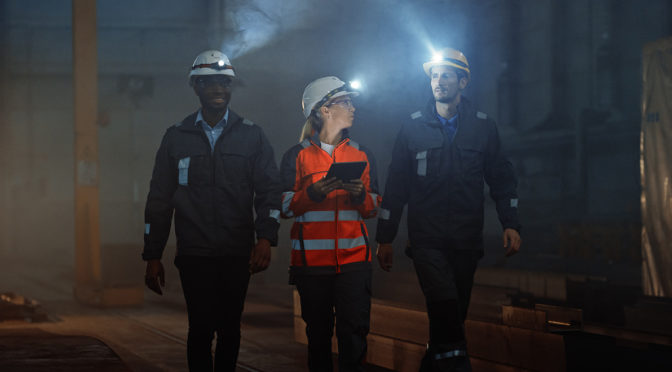
Closing the gender gap in mining is not only a matter of equity, it also makes business sense, according to five Australian experts who will be addressing the International Mining and Resources Conference (IMARC) in Sydney in November.
As a whole, the mining industry is trying to address the under-representation of women in mining.
Statistics highlighted by WIMnet (Women in Mining) NSW shows that women only make up less than 20% of the mining workforce. Unfortunately, at an executive level it gets worse with only 6.7% of mining CEOs being female, compared to the national average of 19.4%.
IMARC will shine a light on the incredible contribution women bring to the mining industry, hosting a Gala Dinner with a full female panel at the three-day event that will feature 111 female speakers.
Reflecting on the gender transformation sweeping the industry, Chair of WIMnet NSW Lucy McClean believes opening the door to more women represents an enormous opportunity for the industry to capitialise on the proven benefits of a diverse and inclusive workforce.
“The statistics are very clear, and they tell us that workplace diversity creates more inclusive supporting work environments, enhances teamwork, makes us more effective in-service delivery as well as increasing productivity,” she says.
MinterEllison Partner and Head of Perth’s Workplace Law team Kathy Reid says: “We need to increase the presence of women in mining, but the industry is facing significant challenges and there’s not one easy answer. Improving mining for women will require significant and consistent cultural shifts across the industry but getting there will be difficult.”
Ms. Reid refers to this issue as the chicken and the egg conundrum. “You can’t really make women feel more comfortable in the mining industry until you’ve got greater numbers, but you can’t get greater numbers unless you make them feel more comfortable.”
METS Ignited General Manager Kylah Morrison agrees some great strides have been made to make mining more appealing to women, highlighting the power of leveraging tech and innovation.
“Equipment manufacturers are leading the way by breaking down barriers to entry, from simple things like hi-vis gear that is made for women, to major capital investments in heavy equipment.
“Rather than the traditional burly bloke on the frontline, maybe it’s a remotely managed machine, which adds even more to the potential inclusiveness of mining.“
“Inclusivity is important and that’s where innovation and technology is really exciting because it does make it more of an even playing field.”
AusIMM Independent Consultant Giulia Savio says it is clear the mining industry recognises the need to make the workplace more inviting for women, not just by moving away from a “male-only” culture, but by using innovation to create new opportunities in rewarding, highly paid and long-term careers.
However, Ms. Savio says the trend within the industry is positive, and applauds the fact that IMARC 2022 is taking a strong focus on the development of female leadership in the sector, and will feature record numbers of female delegates, speakers, and panellists.
“We’re not there yet. To have true diversity and to realise the value of that diversity, you need inclusivity. In order to improve the industry, leaders need to look at making the sector more friendly and inviting for all. This might mean greater diversity in teams, equipment that can be used by someone with a disability, or more opportunities for flexibility in office based or site-based roles,” say Ms. Savio.
Agnico Eagle Vice President of Corporate Affairs in Australia John Landmark echoes this sentiment, outlining the need to tap into a far broader spectrum of talent to shift the idea of the industry being male dominated to being an industry that is in touch with society’s expectations.
“We’ve got to change this, and we’ve got to get this right. We must make the workplace more attractive for women and society as a whole.”
“I am so excited that these challenges are such a major focus at IMARC and gives us an opportunity to improve the industry for everyone. The ideal workplace is where everyone can be themselves and contribute to the team environment – people of all diverse backgrounds and makeups.”
“Frankly, if you make the industry more attractive to women, you improve the industry for all.”
IMARC is the most significant in-person gathering of Australian and international mining and resources representatives in almost three years and is a key forum to addressing the most challenging issues facing the industry.
The conference will be held 2-4 November at the Sydney International Convention Centre and will feature over 450 speakers across six concurrent conferences covering the energy transition, rising costs, skills shortages, diversity within the resources sector and more.
The number of women enrolled in STEM degrees jumped by 24% between 2015 and 2020, bringing 17,000 more women into STEM study and lifting women’s share of STEM enrolments at universities from 34% to 37%, new data confirms.
But while the pipeline of women in STEM degrees has grown strongly, women remain vastly under-represented at the top levels of Australia’s STEM workforce – with just 23% of senior managers and 8% of CEO roles in STEM held by women – and a 18% gender pay gap remains.
The 2022 STEM Equity Monitor from the Department of Industry, Science & Resources reveals the pipeline of women coming into STEM study at universities has grown strongly since 2015.
Science & Technology Australia Chief Executive Officer Misha Schubert said the latest snapshot highlighted the twin tasks of further widening the pipeline of women into STEM and supporting women to thrive and progress into leadership roles in the STEM workforce.
“After a decade of concerted effort to encourage more girls and young women to study STEM, we’re starting to see real progress now with many more women doing STEM degrees.”
“That’s hugely important to help transform who sees themselves pursuing a career in STEM, and in changing parental expectations that young women would choose science, maths, engineering and technology degrees.”
“The next urgent challenge is for deeper efforts to tackle the gender pay gap for women in STEM and to propel many more women into senior management and leadership roles in the STEM workforce. STEM employers have a powerful responsibility here.”
Science & Technology Australia is a champion of gender equity and diversity in STEM. We are proud to partner with the Australian Government to deliver the game-changing Superstars of STEM program to advance gender equity by creating diverse STEM role models in the media.
“The jump in women enrolling in university STEM courses by 24% is a brilliant result and shows that more young women and non-male youth are seeing the relevance of fast-growing STEM careers and aligning them to their own interests. There are so many careers in STEM that might not be what young people think – and they can include technologists in fashion, engineers in agriculture and food, scientists in industry and mathematicians working in big data in retail and consulting, to name a few,” said Careers with STEM‘s head of content, Heather Catchpole.
“But so much more needs to be done to support young people from underrepresented groups in STEM throughout their study and early career journeys, and to progress more people who identify as female, neurodiverse people, people from rural areas and minority groups, including First Nations peoples, into leadership roles in STEM.”
Meg Panozzo is an infrastructure advisory consultant with a background in engineering working for professional services firm RPS. She is part of Science & Technology Australia’s STA STEM Ambassador program, which pairs a STEM expert with their local Federal MP or Senator to provide ongoing STEM advice and insights. Ms Panozzo is STEM Ambassador to Independent Member for Wentworth, Allegra Spender.
“The STEM Equity Monitor data shows we need to focus on both attraction and retention. We need to think about the whole cycle of a career from early education all the way through to senior leadership. We can all play a part in supporting and empowering women to grow in their STEM careers, particularly into senior leadership positions,” she said.
“The stats confirm we need to keep pushing for change. But we need to talk about the positives as well – we need to showcase STEM in its whole breadth of possibility. STEM is an exciting way to make a difference, to creatively solve the world’s crises, and to satisfy our curiosity to be life-long learners.”
“This is how we can attract a diversity of people to take up STEM careers, and make the industry a place that fosters growth, innovation and career fulfillment. You can’t be what you can’t see.”
The start-up, Lunaria One, is led by QUT researcher Lauren Fell, from QUT School of Information Systems, in collaboration with RMIT in Melbourne, the ANU in Canberra, and Israeli organisation SpaceIL whose spacecraft Beresheet 2 will carry Lunaria One’s plant capsule to the moon.
Ms Fell said the payload proposed by Lunaria One would be the first in a series of experiments to investigate if plants could survive and thrive on the lunar surface.
“We have an expert team of biologists, engineers and educators in our team as we will invite citizen scientists from around the world to participate in solving the unique challenges in this project,” Ms Fell said.
“The cameras and sensors in the container will provide data on plant growth and health that we can compare with our control experiments here on Earth and make available on our website along with data from participating schools and universities.”
Ms Fell said the project was the first step towards the goal of growing plants for food, medicine, oxygen production, for future astronauts living on the moon and beyond, as well as learn new ways to maximise sustainable food production here on Earth.
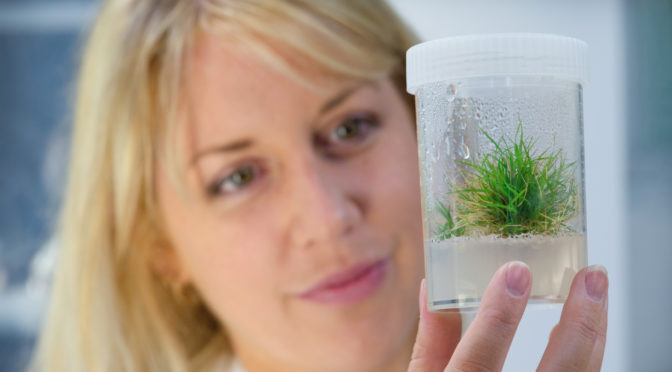
QUT plant biologist Dr Brett Williams, from QUT School of Biology and Environmental Science, said Tripogon loliiformis, one of the species considered for the payload, is an Australian native resurrection grass that survives for months without water in harsh conditions and revives as soon as it receives water.
“Even after losing more than 95 per cent of its relative water content, the dead-looking grass remains alive and pre-existing tissues flourish when provided with water,” Dr Williams said.
“The seeds and resurrection plants can survive in a dehydrated dormant state and will be carried in a hermetically sealed chamber on the lunar lander and, we hope, germinate and reactivate upon watering.”
QUT agricultural biotechnologist expert Professor Sagadevan Mundree, director of QUT’s Centre for Agriculture and the Bioeconomy, said the resurrection plant suppresses flowering when drying out.
“Once it is watered and has rehydrated itself the plant ‘makes hay while the sunshines’ and quickly seeds and flowers so we will gain important information about plants’ ability to survive and thrive from this experiment.”
The projects science advisor Associate Professor Caitlin Byrt from ANU said plant propagation was critical for food security on Earth and in space.
“Space is an exceptional testing ground for how to propagate plants in the most extreme of environments,” she said.
“Our planet is facing extreme conditions from climate change which present challenges for how we manage future food security. We need to be creative and pioneering in how we manage to propagate plants to prosper.”
Thursday 24 to Friday 25 November 2022 in Sydney and online
The Australian Council of Deans of Science (ACDS) is holding a national forum to showcase emerging organisations and cultures engaged in collaboration between university researchers and companies. The forum will hear from organisations and from industry and university personnel involved; their collaborations, their shared goals, how they work, what sustains their collaboration, and the nature of their innovations.
Focus for the 2022 forum:
In this forum, the first of what is intended as an annual event, the ACDS will explore collaborative organisational initiatives occurring at a different scale from institutions like Co-operative Research Centres, CSIRO and Rural R&D corporations. Of particular interest are the ARC funded Research Hubs and Training Centres, some NCRIS nodes and university research centres, which tend to engage more with SME’s.
The 2022 forum will provide an opportunity to explore the breadth of goals, aspirations and operating models and outcomes that are contributing to the translation of science, stronger industry-university engagement and more adventurous innovation.
Among its outcomes the ACDS expects that the forum will provide some practical insights into how companies approach university science and draw on it to come up with novel and more adventurous innovations; and in turn how this affects the views and aspirations of university researchers.
What you will take away from the forum
Gain insights about models of collaboration and research translation
The considerable preponderance of SME’s in Australian industry has long been considered both a distinguishing feature and a challenge for Australian innovation, as has the organisation and career structures of universities.
The forum will showcase the approaches taken by these new organisations and how they are meeting these challenges.
Get inspired by the emerging talent from science and industry working together
Doctoral research students and early career researchers provide a substantial interface between university science and industry. They provide a backbone for exchange of knowledge and techniques, and an interface between the cultures of university and industry.
The forum will provide an opportunity to see how their role is evolving, and what changes are occurring in their goals and aspirations in regard to both industry and university careers.
Hear the experience and views of speakers from industry and university about their collaboration
Get inspired by a program featuring keynote speakers, industry trailblazers and early career researchers. The forum will also include thought-provoking panels that will lead discussion around how organisations such as ITRHs and ITTCs are contributing to the advancement of science and what is unique in the way they are making a difference for building Australian sovereign capability.
There will also be roundtable discussions and networking opportunities to discuss what changing/transforming in the national innovation landscape.
Date and location
The Forum will be held on Thursday 24th November and Friday 25th November 2022 in Sydney, New South Wales, Australia. The forum will be a hybrid event with direct streaming allowing for participants to join online.
The heightened demand for critical minerals has pushed up the price of raw materials, potentially reversing the progress of clean energy technologies. The acute supply shortage has major implications on the financing needs across the world.
Global management consultancy, Partners in Performance, believes however, that Australia could play a key role in stabilising the global markets and supply chain for these critical minerals.
Australia clinched the top spot globally for mining investment with its attractive policy and mineral potential. The Fraser Institute’s 2021 Investment Attractiveness Index has revealed that Western Australia has come in first place (from being fourth in 2020), while South Australia is ranked in the top ten globally.
According to Michael Huggins, Director and Head of Australia and New Zealand at Partners in Performance: “Australia can attest to sourcing for minerals in environmentally and socially responsible ways with its strong and efficient regulatory environment. Workers involved in the sector are also protected. This sets Australia apart from its competitors that may operate at a lower cost, but at the expense of the environment or its workforce.” The Government reiterates this by working closely with states and territories in developing a national ethical certification scheme for critical minerals.
Huggins also acknowledged that Australia is home to the world’s largest supply of four critical minerals — nickel, rutile, tantalum and zircon — and among top five in the world for its supply of cobalt, lithium, copper, antimony, niobium and vanadium, positioning the nation as the main contender in the critical minerals sector on a global scale. As the term ‘critical minerals’ suggests, these minerals are critical in the long-term goal toward cleaner energy in the manufacture of batteries, electric vehicles, solar panels, turbines to harness wind energy and consumer electronics.
The Australian Government’s 2022 Critical Minerals Strategy will set the stage for Australia to develop a thriving and durable Australian critical minerals sector through a lens of sustainability, to meet global market demand. As part of this initiative, the mining sector must look at the application of clean technologies while adhering to ESG standards.
“As Australia positions itself in becoming the critical minerals powerhouse supporting clean energy technologies, the growth and expansion of downstream processing is expected to be phenomenal with the creation of about 52,000 jobs in regional areas,” added Huggins. “Apart from boosting the economy, it will breed a new generation of high-skill, high-tech jobs.”
The Government clearly recognises the potential that Australia holds in the critical minerals mining sector. However, more investments, especially from smaller and mid-tier mining and exploration companies, to increase production and meet global supply chain demands will help Australia lead the way in critical minerals supply by 2030. The AUD $2 billion that has been set aside for this will give small and medium-sized mining companies access to increasing domestic production.
“Incentivising programs and encouraging mining companies to install or repurpose existing equipment or facilities to produce critical minerals, and, increasing the budget for research and development in the sector, would enhance Australia’s role in stabilising the critical mineral supply chain market,” said Huggins. He continued: “These factors, riding on the backbone of Australia’s reputation for environmentally and socially responsible governance, would propel Australia into being at the forefront of the critical minerals mining sector.”
The commitment of local mining companies to greener production of critical minerals is evident in two recent projects involving Partners in Performance. These include an old mining site that has since transitioned to harnessing solar and wind energy, that now powers 70 per cent of its total energy needs, as well as a greenfield mining project that will be carbon net-zero when built.
Solutions such as these are crucial at a time when a growing number of organisations are considering alternative energy sources across all industries. Boards of Directors and CEOs, including those within the mining sector, acknowledge climate change as a source of material risk and a major corporate challenge.
Administered by The University of Queensland, the collaborative research initiative aims to develop tools to improve plant productivity and resiliency.
Deputy Centre Director (Research) Professor Mark Cooper said the next generation of plant scientists was urgently needed to tackle the growing threats of climate change and global food security.
“Agricultural industries are facing some ‘super wicked’ problems,” Professor Cooper said.
“The plant scientists of the future will have to consider sustainable solutions to help agricultural systems evolve, and develop concepts for biodiversity and regenerating the environment.
Centre Director Professor Christine Beveridge said scientists will also have to work in multidisciplinary teams to research and tap into opportunities.
“Problems like global food security are so huge that you need people like mathematicians, applying maths as a common language to transfer the biology across to the plant breeders,” Professor Beveridge said.
“We’re trying to answer the whole problem, not just a little part of it, and this is where the Centre comes in.”
PhD candidate Samuel Barton is working across mathematics and biology to help improve plant performance. Image: Supplied
Professor Beveridge said Dr Maddie James and PhD candidate Samuel Barton are two young researchers who embodied the spirit of the Centre for Plant Success.
Dr James is a Postdoctoral Researcher and recent SSE President’s Award winner investigating how plants adapt to harsh environmental conditions.
She said the growing global population, changing climate and decline in arable land called for strategies to feed the world in a more sustainable fashion.
“The research we’re undertaking will help develop ways to increase plant yield and survival across diverse environments,” Dr James said.
“For instance, generating new plant varieties that are more resilient to heat and drought stress.”
PhD candidate Samuel Barton is applying mathematical ideas and methods to plant genetics.
His work, across both mathematics and biology, is set to play a vital role in predicting and improving plant performance.
“Experts from various disciplines are all striving towards a shared goal of improved environmental sustainability,” Mr Barton said.
“The Centre for Plant Success brings them together to identify breakthrough opportunities and tackle the difficult research problems we’re facing.”
The Centre is a partnership with The University of Queensland, Queensland University of Technology, The University of Tasmania, Western Sydney University and Monash University.
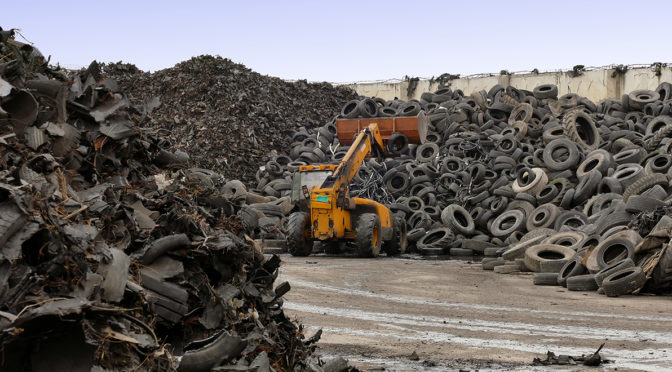
Engineers in Melbourne have discovered a way to replace 100% of conventional aggregates in concrete – such as gravel and crushed rock – with rubber from discarded tyres that meets building codes, promising a boost for the circular economy.
The team from RMIT University says the new greener and lighter concrete also promises to reduce manufacturing and transportation costs significantly.
Small amounts of rubber particles from tyres are already used to replace these concrete aggregates, but efforts to replace all of the aggregates with rubber have produced weak concretes that failed to meet the required standards – until now.
The study published in the Resources, Conservation & Recyclingjournal reveals a manufacturing process for structural lightweight concrete where the traditional coarse aggregates in the mix were completely replaced by rubber from used car tyres.
Lead author and PhD researcher from RMIT University’s School of Engineering, Mohammad Momeen Ul Islam, said the findings debunked a popular theory on what could be achieved with recycled rubber particles in concrete.
“We have demonstrated with our precise casting method that this decades-old perceived limitation on using large amounts of coarse rubber particles in concrete can now be overcome,” Islam said.
“The technique involves using newly designed casting moulds to compress the coarse rubber aggregate in fresh concrete that enhances the building material’s performance.”
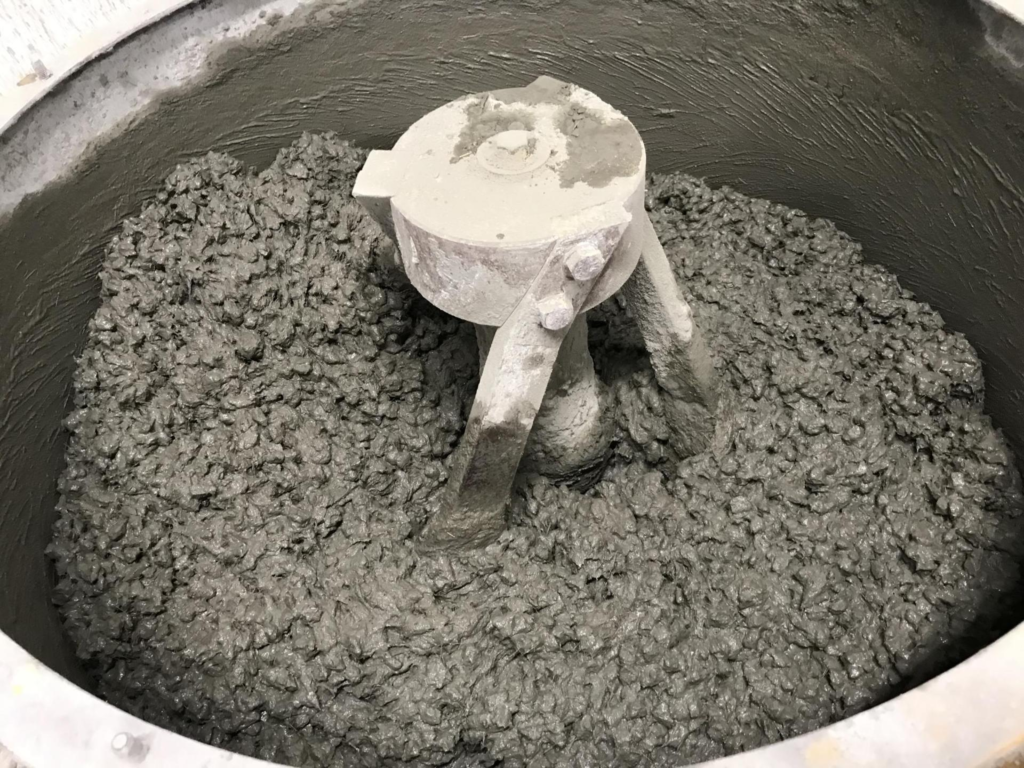
Concrete mixing using recycled tyre rubber particles for the complete replacement of traditional coarse aggregates. Credit: Mohammad Islam, RMIT
Greener, cheaper and lighter building materials
Study co-author and team leader, Professor Jie Li, said this manufacturing process will unlock environmental and economic benefits.
“As a major portion of typical concrete is coarse aggregate, replacing all of this with used tyre rubber can significantly reduce the consumption of natural resources and also address the major environmental challenge of what to do with used tyres,” he said.
Used tyres in Australia cannot be exported, making new methods for recycling and reprocessing them locally increasingly important. About 1.2 billion waste tyres will be disposed of annually worldwide by 2030.
The greener and lighter concrete could also greatly reduce manufacturing and transportation costs, Li said.
“This would benefit a range of developments including low-cost housing projects in rural and remote parts of Australia and other countries around the world.”
The RMIT team’s new casting technique generates structural lightweight concrete from used tyre rubber. Credit: Mohammad Islam, RMIT
Next steps
The team’s manufacturing process could be scaled up cost effectively within a precast concrete industrial setting in Australia and overseas, Islam said.
Following successful testing in the workshop, the team is now looking into reinforcing the concrete to see how it can work in structural elements.
The RMIT research team also includes Professor Yu-Fei Wu, Dr Rajeev Roychand and Dr Mohammad Saberian.
A breakthrough by Deakin University researchers could help address a major obstacle in the development of environmentally friendly, cost effective, polymer-based batteries.
Researchers at Deakin’s Institute for Frontier Materials (IFM) used computer modelling and simulations to design a new type of solid-state polymer electrolyte, showing its potential use in various types of polymer-based solid-state batteries, particularly sodium and potassium batteries.
Polymer-based batteries can support high-energy density metals in an all-solid-state battery.
By using polymer as the ion conductor rather than the flammable organic liquid solvents in current lithium-ion batteries, the energy storage is greener, safer, and is also less expensive.
Lead researcher Dr Fangfang Chen said the team used a cost-effective, computer-to-lab material design strategy, applying modelling and simulations to find the the best compositions for polymer electrolytes.
“This work has been devoted to developing new polymer electrolyte chemistries that can be used with high-energy metals that are more abundant and less expensive than lithium, such as sodium and potassium.
The new materials can contribute to a more sustainable, greener future battery technology, as well as providing society with safer, high-performance energy storage devices,” Dr Chen said.
Alfred Deakin Professor Maria Forsyth said the work expands upon current knowledge of these new electrolyte systems.
“Lithium-based technology is expensive, in-demand and increasingly scarce, so breakthroughs that provide alternative, inexpensive, and safe energy storage options are of major significance.
We can now offer an alternative path to realising polymer-based solid-state batteries. This is a significant milestone, and this process will act as a design criterion for further development in this field of research,” said Professor Forsyth.
The research is the second significant finding published by IFM researchers in the prestigious journal Nature Materials.
In July, a team led by Dr Xiaoen Wang and Professor Forsyth developed a solid polymer electrolyte material that can replace the flammable liquid solvents currently used in sodium batteries.
The newest breakthrough demonstrates how computer-to-lab research is a cost-effective way to drive new discovery for advanced batteries, which are much needed for energy-hungry applications.
Professor Forsyth said the back-to-back discoveries have designed two effective, efficient polymer electrolytes from ‘different angles’.
“This reflects IFM’s leading position in the field of polymer electrolytes,” she said.
Deakin is currently establishing a $9.5 million facility at Melbourne’s Burwood campus, which will expand already extensive research into sodium and lithium batteries.
The Battery Technology Research and Innovation Hub (BatTRI-Hub) upgrade will include a testing lab and pilot production line to research and manufacture advanced lithium and sodium batteries.
The expansion project includes a $5.2 million contribution from the Victorian Government via the Victorian Higher Education State Investment Fund (VHESIF).
Studying or researching health, radiopharmaceuticals, defence, space, environment, nuclear fuel cycle or nuclear technologies? You should apply for ANSTO’s FutureNow Scholarship
Get excited because Australia’s knowledge centre for nuclear science and technology, ANSTO, is encouraging the best and brightest minds in Australia to apply for their share in $200,000 worth of scholarships.
Applications for the FutureNow Scholarships 2023 are now open, and recipients can receive up to $35,000 to fund their research.
These scholarships, which are supported by the NSW Government, are for graduates or early- career researchers working on industry-focused research projects in health, radiopharmaceuticals, defence, space, environment, nuclear fuel cycle or nuclear technologies.
ANSTO’s Head of Research, Dr Suzanne Hollins, says the scholarships provide opportunities to benefit both graduates and industry. “This funding provides an opportunity for the next generation to build on Australia’s legacy of cutting-edge scientific discoveries. The support we can provide today in terms of money and access could become the significant scientific breakthroughs of tomorrow.”
Meet previous recipients
Joshua Noiney and Vienna Wong are 2022 FutureNow scholars who are doing incredible things with their funding.
Joshua, who’s also a UNSW student, is researching how nuclear technology could improve nutrition and production in tilapia hatcheries in Papua New Guinea.
“My project allows me to pursue my passion as well as potentially improve the lives and health of my people. Fish farming creates self-employment income for families while also addressing malnutrition issues which are prevalent in rural parts of the country,” he says.
“By applying nuclear technology, we can ensure local farmers have access to up-to-date information that not only enhances their practice but find solutions for the fish hatchery industry as a whole to minimise production costs and boost yields.”
The approach taken in this project will continue to build a nuclear-based technique that has already assisted with improvement of feed for Pacific oysters in NSW hatcheries, and could open up new opportunities for applications in Australia.
And Vienna? She’s using her FutureNow Scholarship to research ultra-high temperature ceramics, which are emerging materials for extreme environments. “The aim is to use these ceramics for next generation energy, space and defence applications, by increasing performance and safety – and reducing energy usage and costs.”
She says the funding, plus the access to ANSTO’s team of experts, was helping to build her project and future career.
Get your application in
Graduates can apply for a scholarship here and join the more than 120 early career researchers currently at ANSTO.
The scholarships are being delivered in partnership with University of NSW, University of Wollongong, Sydney University and Macquarie University, and Industry Partners such as Woodside Energy, Cobalt Blue, Santos and Southeast Local Land Services, with support of the NSW Government.
Entries close Sunday 27 November 2022 at 5pm EST.
This post is brought to you in partnership with ANSTO. Find out more about the FutureNow Scholarship here.
Cobalt is a critical mineral often associated with its bright blue colour. It has historically been used in relatively small quantities to produce lightweight but durable alloys like those used in aircraft. It’s a potential boom mineral, with uses in satellite and space travel projects, and in
high-performance batteries where rapid charge and discharge is key — think top-end car batteries.
Cobalt Blue and the University of Queensland are working together to investigate and rehabilitate old copper mines where the tailings contain cobalt.
2. University of Queensland + EQ Resources
TECH: Circuits and cooling for electronic devices
MINERAL: Tungsten
Tungsten is a rare mineral used to make alloys that are extremely durable against both heat and wear. Tungsten alloys are some of the hardest metals around, almost as hard as diamond, making them good for things such as heavy cutting blades, armaments and aeronautics. But tungsten is also used in many electronic components, for filaments, electrodes and heat sinks.
In January 2022, EQ Resources received a co-investment from the Advanced Manufacturing Growth Centre to re-mine waste product at the Mt Carbine tungsten mine site, supported by the Sustainable Minerals Institute at UQ.
3. PARTNERSHIP: University of Tasmania + Group 6 Metals
MINERAL: Tungsten
Tungsten is also a critical part of much modern circuitry as a heat sink: essentially a piece of metal that sits inside your phone, laptop or other electronic device that transfers heat away from the processor so that the delicate circuitry stays cool and doesn’t overheat or melt. China is currently the dominant global producer for tungsten, which brings with it some environmental and social governance concerns. Australia has tungsten deposits in Western Australia, the Northern Territory and along the eastern seaboard, presenting an opportunity for Australia to step up its tungsten production and deliver a more ethically produced metal in this space. The partnership between the University of Tasmania and Group 6 is built around research into ecologically sustainable production of tungsten at King Island.
4.QUT + Lava Blue
TECH: Batteries
MINERAL: Alumina, magnesium, vanadium
High Purity Alumina is a product used in the energy-efficient lights of today — LEDs — as well as for separators for lithium-ion batteries. QUT Associate Professor Sara Couperthwaite’s research alongside industry partner Lava Blue has shown this valuable mineral — as well as critical minerals magnesium and vanadium — can be found in kaolin clay.
In April 2022, the collaborative project received $12 million in funding to scale-up operations at Redlands Research Park in south-east Brisbane.
“This investment is helping Queensland become not just a mining state but a high-tech developer of the future energy needs for the world,” says QUT Vice-Chancellor Prof Margaret Sheil.
5. Curtin University + Draslovka
TECH: Electrical conduction
MINERAL: Gold
More than just a luxury metal used in jewellery, gold, while not a critical mineral, is a key element in many electronic devices important to the renewable energy economy. Its high conductivity makes electroplating in gold an important part of circuit boards. Curtin University scientists have developed technology that uses amino acids such as glycine to leach gold and other minerals from ore, including waste tailings. The method removes the need to use cyanide in the extraction of gold, making it a much more environmentally friendly process. The Curtin Uni-developed technology was commercialised when Czech multinational chemical supplier Draslovka purchased it in May this year.
Renewable energy, better batteries, internet connected devices and space exploration are all made possible by technologies that are in higher demand than ever before and rely on critical minerals.
In the latest issue of Australian University Science, Critical Minerals, produced by Refraction Media on behalf of the Australian Council of Deans of Science, we explore how uncovering, processing and extracting these minerals relies on continuous and evolving chemical, geological and physical research, alongside skilled people trained in science. This innovation in knowledge and technology that can only be delivered by Australian University Science.
As we transition to Industry 4.0, we look to the research expertise that’s leading us into the future in critical minerals research, development and commercialisation.
Discover the rise of critical minerals and the role of isotope geochemistry, innovation in re-mining old deposits, accelerating Australia’s green energy transition, and the importance of science communication skills in ensuring Australia understands its national mineral inventory.
Dr Melanie Finch hopes to accelerate Australia’s green energy transition.
As a child, Finch was fascinated by the macroscopic questions of geoscience: “how mountains were made, what made volcanoes erupt”.
Her PhD at Monash University focussed on shear zones: “‘conveyor belts’ that can stack rocks kilometres thick”. As crystals shift and deform, water seeps through, dissolving then depositing critical minerals. Shear zones, Finch says, are “water superhighways and can move quantities of fluid a couple of hundred times the volume of Sydney Harbour”.
But the process is poorly understood; and Australia’s substantial critical mineral deposits have hitherto been uncovered largely by chance.
“If we can figure out how these critical mineral deposits form in shear zones, we can find more of them, making the switch to green energy technology quicker and cheaper,” says Finch.
At James Cook University, she’s part of the Economic Geology Research Unit, working closely with mining companies to better understand ore deposits and aid companies in their current exploration efforts. “Research we are doing today could impact the discovery of critical mineral deposits within the next five to 10 years.”
Finch says we have the technology to produce enough green energy for the domestic and export markets.
“The next step is to build the infrastructure. This investment will have to come from industry, but it can be incentivised by the government.
“Now is the time for visionary leadership. The pay-off will be huge for Australian jobs, the economy and for our planet.”
— Alison Ratcliffe
[PATH]
Bachelor of Science, Monash University
Human factors scientist, DSTO
PhD, Monash University
Lecturer, JCU, President, Women in Earth and Environmental Sciences
Allison Britt unlocked the synergy of her science and communication skills at university.
You could say that, in the 1990s, Allison was a step ahead of her time. She took an interest in the confluence of geoscience and environmentalism at a moment when the possibility that the two could, or indeed should, coexist was a bit of a novelty.
“I studied at ANU under some of Australia’s leading geologists,” she says. “The program was academically rigorous, and the thought at the time was that ANU geology students would have a solid grounding in all the major science subjects that could then be applied to whatever career path they chose.
“That kind of thinking and the scientific thought processes — these just get passed down the generations.”
As she was leaving, ANU established the School of Resource and Environmental Management, making Britt’s area of interest the crest of an environmental land management wave we’re still surfing today.
“As I was leaving university, jobs were just becoming available in the mining industry for environmental management,” she recalls. “Some of my university colleagues went into that career path. We were right on the cusp of that shift.”
Britt herself joined the CSIRO, where she worked as a science communicator changing public conception of the mining industry as environmentally irresponsible and destructive. That revelation was not received so warmly by some of the old blokes in industry, she says, but her managers at the CSIRO supported her and that understanding has driven the rest of her career.
She spent several years overseas, and returned to Australia in 2008, when she joined the government body Geoscience Australia.
“My most satisfying job is helping to ensure that Australia understands its own national minerals inventory,” she says. “It is now my great privilege as the director of mineral resources, advice and promotion to be helping lead Australia’s critical minerals program.”
– Rachael Bolton
[PATH]
Bachelor of Science, ANU
Research Scientist, CSIRO
Commodity Specialist, Geoscience Australia
Director of Mineral Resources, Advice and Promotion, Geoscience Australia
Supplying the world with critical minerals is going to require innovation in re-mining old deposits.
As the world focuses on critical minerals supply, Australian university scientists are working with industry to ‘re-mine’ deposits previously passed over as difficult or expensive to extract. Mining these deposits ethically and sustainably will open the pathway to a sovereign supply of minerals, and potentially a mine-to-factory process that could transform our manufacturing capability.
It’s a tricky path to manoeuvre, however, one that requires investment at all stages, as well as collaboration between science and industry.
Dr Andrew Tong is a metallurgist and executive manager at Cobalt Blue, which aims to be one of the world’s largest ethical suppliers of cobalt, a critical mineral used in batteries. A University of Sydney science graduate with a PhD in chemistry, Tong holds several patents in mineral extraction methods that separate precious metals from pyrite and simultaneously create a stable, elemental sulphur that can be used in farming.
He says collaboration among the university sector, research institutions, government and private enterprise has never been more important if we want to build a viable renewable tech and battery industry.
“My own personal background includes a PhD at the University of Sydney. So, most of my industry career has had some links back to a university at some point. They’re a great source of graduates, training and facilities.”
Something old, something blue
New processes to extract minerals from waste sites are highly patentable. There are several examples of these patents being licensed and/or commercialised, such as a recent agreement between Curtin University and the international mining company Draslovka.
Researchers from the University of Queensland (UQ) have come up with a method for extracting cobalt from the acidic mine tailings left over at the Old Tailings Dam at Savage River, Tasmania. The process involves using bacteria to separate cobalt from the pyrite that was discarded when the open cut mine was originally exploited for its iron ore.
Dr Laura Jackson is part of the team at UQ that came up with the extraction method. She explains that as a native Tasmanian, this kind of rehabilitation work is close to her heart.
The team was trying to work out how to clean up the old site when investigations discovered a high concentration of cobalt in the tailings.
“That led to a set of studies as to how much cobalt, and how you could extract it,” she says. The team is working towards patenting the process. This kind of rehabilitation or remediation is often referred to as ‘re-mining’. It serves a dual purpose. Firstly, it removes and/or stabilises the sulphur commonly left over in waste products that poisons surrounding groundwater. Secondly, it opens up new, ethical sources of minerals — from cobalt to tungsten and high-purity alumina.
Going critical
Critical mineral extraction and advanced manufacturing have been big-ticket items on the agendas of successive federal governments in recent years and university science is front-and-centre of these efforts at innovation. For example, the ARC Centre of Excellence for Enabling Eco-Efficient Beneficiation of Minerals, based at the University of Newcastle, boasts 16 participating partner unis, including eight in Australia, and four industry partners.
Presently, most of the world’s critical minerals processing happens in China. Increasing our critical mineral extraction and processing capacity is both an economic opportunity and an environmental, social, and governance (ESG) opportunity.
In pursuit of those goals, Tong says Australia has an advantage in the quality of its university research and partnerships.
He says situational and compositional differences between mine locations can have a big influence on the type of process you might need to find or invent to exploit specific resources of mine sites. For that reason, innovation in this sector is both necessary and highly collaborative.
This position is echoed by Allison Britt, director of mineral resources advice and promotion for Geoscience Australia. GA is part of the National Critical Minerals R&D Centre with the CSIRO and ANSTO. It is performing a stocktake of critical minerals research in Australia across all sectors — commercial, government and university research.
“We want to work out who’s doing what, who has done what…and where our capability gaps are, because there’s further opportunity there to concentrate our efforts,” Britt explains.
“One of the critical minerals activities that’s close to my heart is the national mine waste assessment, which Goescience Australia is doing in collaboration with UQ, RMIT and the geological surveys of Queensland and NSW.”
These programs highlight the importance of university research in every step of the re-mining process, from mapping to investigating mine waste sites for possible sources of valuable metals, and developing new technologies to extract those minerals.
Ensuring ethical supply chains
On a global scale, the demand for environmentally responsible and ethical human labour practices has never been higher. This is a trend that affects all production and manufacturing industries and mining is no exception.
Companies will need to ensure the raw materials needed for modern tech are being sourced in a manner that is sustainable and avoids inhumane working conditions. Recent changes to the EU’s battery standards also mean that more battery components will have to come from renewable and recycled sources — which is a challenge, as the demand for new batteries is expected to outstrip the retirement of old batteries.
These regulatory changes present an opportunity for Australian university science and industry partners. As a country with some of the most stringent standards for occupational health and safety and the environment, Australia is a safe place for companies to source their raw materials, from an ESG standpoint. By providing green sources for critical minerals, research partnerships play a vital role in filling the recycling gap.