Tag Archives: science magazines online

Southern stars: the decade ahead for Australian astronomy

Extremely large optical telescopes, including the Giant Magellan Telescope (GMT), which is due to be built in Chile in 2021, will allow studies of stars and galaxies at the dawn of the universe, and will peer at planets similar to ours around distant stars.

The Square Kilometer Array (SKA), which will be constructed in Australia and South Africa over the next several years, will observe the transformation in the young universe that followed the formation of the first generation of stars and test Einstein’s theory of relativity.

Large-scale surveys of stars and galaxies will help us discover how elements are produced and recycled through galaxies to enrich the universe. The revolutionary sensitivity of the GMT will also be used to understand the properties of ancient stars born at the dawn of the universe.

In the coming decade, astronomers will also learn how galaxies evolve across cosmic time through new coordinated Australian-led surveys using the Australian SKA Pathfinder, the Australian Astronomical Observatory and next-generation optical telescopes.

On the largest scales, dark matter and dark energy comprise more than 95% of the universe, and yet their nature is still unknown. Australian astronomers will use next-generation optical telescopes to measure the growth of the universe and probe the unknown nature of dark matter and dark energy.

The long-anticipated detection of gravitational waves will also open a window into the most extreme environments in the universe. The hope is that gravitational waves generated by the collision of black holes will help us better understand the behavior of matter and gravity at extreme densities.

Closer to home, the processes by which interstellar gas is turned into stars and solar systems are core to understanding our very existence. By combining theoretical simulations with observations from the Australia Telescope Compact Array and the GMT, Australian astronomers will discover how stars and planets form.

And this far-reaching knowledge will inform new theoretical models to achieve an unprecedented understanding of the universe around us.


Australia’s role

These are some of the exciting projects highlighted in the latest decadal plan for Australian astronomy, which was launched at Parliament House on Wednesday August 12.

Over the past decade, Australian astronomers have achieved a range of major breakthroughs in optical and radio astronomy and in theoretical astrophysics.

Star trails above one of Australia’s great telescopes at Siding Spring Observatory. Australian Astronomical Observatory/David Malin

Star trails above one of Australia’s great telescopes at Siding Spring Observatory. Australian Astronomical Observatory/David Malin

Australian astronomers have precisely measured the properties of stars, galaxies and of the universe, significantly advancing our understanding of the cosmos. The mass, geometry, and expansion of the universe have been measured to exquisite accuracy using giant surveys of galaxies and exploding stars. Planetary astronomy has undergone a revolution, with the number of planets discovered around other stars now counted in the thousands.

In forming a strategy for the future, Australia in the Era of Global Astronomy assesses these and other scientific successes, as well as the evolution of Australian astronomy including it’s broader societal roles.

Astronomy is traditionally a vehicle for attracting students into science, technology, engineering and mathematics (STEM). The report also highlights expanding the use of astronomy to help improve the standard of science education in schools through teacher-training programs.

Training aimed at improving the “transferrable” skills of graduate and postgraduate astronomy students will also help Australia improve its capacity for innovation.


Look far

The Australian astronomy community has greatly increased its capacity in training of higher-degree students and early-career researchers. However, Australian astronomy must address the low level of female participation among its workforce, which has remained at 20% over the past decade.

The past decade has seen a large rise in Australian scientific impact from international facilities. This move represents a watershed in Australian astronomical history and must be strategically managed to maintain Australia’s pre-eminent role as an astronomical nation.

The engagement of industry will become increasingly important in the coming decade as the focus of the scientific community moves from Australian-based facilities, which have often been designed and built domestically, towards new global mega-projects such as the SKA.

While a decade is an appropriate timescale on which to revisit strategic planning across the community, the vision outlined in the plan looked beyond the past decade, recommending far-reaching investments in multi-decade global projects such as the GMT and the SKA.

These recent long-term investments will come to fruition in the coming decade, positioning Australia to continue as a global astronomy leader in the future.

This article was first published by The Conversation on 24 August 2015. Read the original article here.

Building power by concentrating light

South Australian company HeliostatSA has partnered with Indian company Global Wind Power Limited to develop a portfolio of projects in India and Australia over the next four years. It will begin with an initial 150 megawatts in Concentrated Solar Powered (CSP) electricity in Rajashtan, Indian using a solar array.

The projects are valued at $2.5 billion and will further cement HeliostatSA as a leader in the global renewable energy sector.

Heliostat CEO Jason May says India had made a commitment to reaching an investment target of USD $100 billion of renewable energy by 2019 and has already secured $20 billion.

“India is looking for credible, renewable energy partners for utility scale projects,’’ says May.

“We bring everything to the table that they require such as size, project development experience, capital funding, field design capability, the latest technology, precision manufacturing and expertise.’’

Each solar array is made of thousands of heliostats, which are mirrors that track and reflect the suns thermal energy on to a central receiver. The energy is then converted into electricity. Each HeliostatSA mirror is 3.21 x 2.22 metres with optical efficiency believed to be the most accurate in the world. This reduces the number of mirrors required, reducing the overall cost of CSP while still delivering the same 24-hour electricity outputs.

The heliostats and their high tech components are fabricated using laser mapping and steel cutting technology.

The mirrors are slightly parabolic and components need to be cut and measured to exact requirements to achieve the strict operational performance.

“There is strong global interest in CSP with thermal storage for 24-hour power. At the moment large-scale batteries which also store electricity are very expensive. Constant advances in CSP storage technology over the next 10 years will only add to the competitive advantage,’’ says May.

– John Merriman

This article was first published by The Lead South Australia on 25 August 2015. Read the original article here.

Work on barren soil may bear fruit

Australian and Chinese scientists have made significant progress in determining what causes soil acidification – a discovery that could assist in turning back the clock on degraded croplands.

James Cook University’s Associate Professor Paul Nelson says the Chinese Academy of Sciences sought out the Australian researchers because of work they had done in Australia and Papua New Guinea on the relationship between soil pH levels and the management practices that cause acidification.

Professor Paul Nelson at work.

Professor Paul Nelson at work.

Building on the JCU work, scientists examined a massive 3600 km transect of land in China, stretching from the country’s sub-arctic north to its central deserts. The work yielded a new advance that describes the mechanisms involved in soils becoming acidified.

Nelson says soil degradation is a critical problem confronting humanity, particularly in parts of the world such as the tropics where land use pressure is increasing and the climate is changing. “We can now quantify the effect of, for instance, shutting down a factory that contributes to the production of acid rain,” he says.

Nelson says the research found different drivers of soil acidification processes in different types of soil across northern China. “This information is vital for designing strategies that prevent or reverse soil acidification and to help land managers tailor their practices to maintain or improve soil quality,” he says.

The Patron of Soil Science Australia, former Australian Ambassador to the United Nations and for the Environment, The Honourable Penny Wensley AC, welcomed news of the advance.

“With 2015 designated by the United Nations as the International Year of Soils, this is a very important year for soil scientists around the world. We need to promote greater awareness of the importance of soils and soil health and the role soil science has to play in addressing national and global challenges.”

In the context of the International Year of Soils, Wensley says: “We want to encourage greater cooperation and exchanges between soil scientists, to accelerate progress in research and achieve outcomes that will deliver practical benefits to farmers and land managers, working in diverse environments.

“This research project, drawing on the shared expertise of soil scientists from Australia’s James Cook University and the Chinese Academy of Sciences, is an exciting illustration of what can be achieved through greater collaboration,” she says.

Acidification is one of the main soil degradation issues worldwide, accelerated by water leaching through the soil. It is related mostly to climate, and the overuse of nitrogen-based fertiliser.

“The greater understanding of soil acidification causes this study has delivered could help improve soil management practices, not only in Australia and China, but around the world,” says Wensley.

The study has been published in the journal, Biogeosciences.

This article was first published by James Cook University on 19 August 2015. Read the original article here.

From science fiction to reality: the dawn of the biofabricator


“We can rebuild him. We have the technology.”
– The Six Million Dollar Man, 1973

Science is catching up to science fiction. Last year a paralysed man walked again after cell treatment bridged a gap in his spinal cord. Dozens of people have had bionic eyes implanted, and it may also be possible to augment them to see into the infra-red or ultra-violet. Amputees can control bionic limb implant with thoughts alone.

Meanwhile, we are well on the road to printing body parts.

We are witnessing a reshaping of the clinical landscape wrought by the tools of technology. The transition is giving rise to a new breed of engineer, one trained to bridge the gap between engineering on one side and biology on the other.

Enter the “biofabricator”. This is a role that melds technical skills in materials, mechatronics and biology with the clinical sciences.


21st century career

If you need a new body part, it’s the role of the biofabricator to build it for you. The concepts are new, the technology is groundbreaking. And the job description? It’s still being written.

It is a vocation that’s already taking off in the US though. In 2012, Forbes rated biomedical engineering (equivalent to biofabricator) number one on its list of the 15 most valuable college majors. The following year, CNN and payscale.com called it the “best job in America”.

These conclusions were based on things like salary, job satisfaction and job prospects, with the US Bureau of Labour Statistics projecting a massive growth in the number of biomedical engineering jobs over the next ten years.

Meanwhile, Australia is blazing its own trail. As the birthplace of the multi-channel Cochlear implant, Australia already boasts a worldwide reputation in biomedical implants. Recent clinical breakthroughs with an implanted titanium heel and jawbone reinforce Australia’s status as a leader in the field.

The Cochlear implant has brought hearing to many people. Dick Sijtsma/Flickr, CC BY-NC

The Cochlear implant has brought hearing to many people. Dick Sijtsma/Flickr, CC BY-NC

I’ve recently helped establish the world’s first international Masters courses for biofabrication, ready to arm the next generation of biofabricators with the diverse array of skills needed to 3D print parts for bodies.

These skills go beyond the technical; the job also requires the ability to communicate with regulators and work alongside clinicians. The emerging industry is challenging existing business models.


Life as a biofabricator

Day to day, the biofabricator is a vital cog in the research machine. They work with clinicians to create a solution to clinical needs, and with biologists, materials and mechatronic engineers to deliver them.

Biofabricators are naturally versatile. They are able to discuss clinical needs pre-dawn, device physics with an electrical engineer in the morning, stem cell differentiation with a biologist in the afternoon and a potential financier in the evening. Not to mention remaining conscious of regulatory matters and social engagement.

Our research at the ARC Centre of Excellence for Electromaterials Science (ACES) is only made possible through the work of a talented team of biofabricators. They help with the conduits we are building to regrow severed nerves, to the electrical implant designed to sense an imminent epileptic seizure and stop it before it occurs, to the 3D printed cartilage and bone implants fashioned to be a perfect fit at the site of injury.

As the interdisciplinary network takes shape, we see more applications every week. Researchers have only scratched the surface of what is possible for wearable or implanted sensors to keep tabs on an outpatient’s vitals and beam them back to the doctor.

Meanwhile, stem cell technology is developing rapidly. Developing the cells into tissues and organs will require prearrangement of cells in appropriate 3D environments and custom designed bioreactors mimicking the dynamic environment inside the body.

Imagine the ability to arrange stem cells in 3D surrounded by other supporting cells and with growth factors distributed with exquisite precision throughout the structure, and to systematically probe the effect of those arrangements on biological processes. Well, it can already be done.

Those versed in 3D bioprinting will enable these fundamental explorations.


Future visions

Besides academic research, biofabricators will also be invaluable to medical device companies in designing new products and treatments. Those engineers with an entrepreneurial spark will look to start spin-out companies of their own. The more traditional manufacturing business model will not cut it.

As 3D printing evolves, it is becoming obvious that we will require dedicated printing systems for particular clinical applications. The printer in the surgery for cartilage regeneration will be specifically engineered for the task at hand, with only critical variables built into a robust and reliable machine.

The 1970s TV show, Six Million Dollar Man, excited imaginations, but science is rapidly catching up to science fiction. Joe Haupt/Flickr, CC BY-SA

The 1970s TV show, Six Million Dollar Man, excited imaginations, but science is rapidly catching up to science fiction. Joe Haupt/Flickr, CC BY-SA

Appropriately trained individuals will also find roles in the public service, ideally in regulatory bodies or community engagement.

For this job of tomorrow, we must train today and new opportunities are emerging biofab-masters-degree. We must cut across the traditional academic boundaries that slow down such advances. We must engage with the community of traditional manufacturers that have skills that can be built upon for next generation industries.

Australia is also well placed to capitalise on these emerging industries. We have a traditional manufacturing sector that is currently in flux, an extensive advanced materials knowledge base built over decades, a dynamic additive fabrication skills base and a growing alternative business model environment.

– Gordon Wallace & Cathal D. O’Connell

This article was first published by The Conversation on 31 August 2015. Read the original article here.

Making mineral exploration easy

LANDTEM, an Australian invention that creates a 3D map of underground ore bodies has uncovered deposits worth A$4 billion in Australia and A$10 billion globally. The technology development was led by CSIRO scientist Dr Cathy Foley and is a great example of the commercial application of scientific research.

In some ways it was a stroke of good fortune that set Dr Cathy Foley and her colleagues on the path to inventing LANDTEM, a device that has revolutionised the way mining companies detect ore underground and uncovered deposits worth billions of dollars around the world.

The invention won Foley, the deputy director and science director of manufacturing in Australia’s national science agency, the Commonwealth Scientific and Industrial Research Organisation (CSIRO), the prestigious Clunies Ross award for innovation and commercialisation.

Dr Cathy Foley

Dr Cathy Foley

The story of the invention begins in the mid-1980s, when the discovery of high temperature superconductors opened the way for superconductivity to be used in everyday applications instead of only at extremely low temperatures.

The discovery provoked huge excitement around the world among scientists and engineers who set about seeking practical applications, no less so in Australia.


The CSIRO pulled together a team to collaborate on potential applications with industry: with Amalgamated Wireless Australasia (AWA) on electronics and communications; Nucleus Network and now Cochlear on medical devices; and BHP Billiton on improving the quality of steel fabrication by measuring extremely subtle magnetic fields.

BHP Billiton held an internal meeting about the technology and it was there that some of the company’s geologists said that measuring subtle magnetic fields would be very valuable to them, providing the spark of the idea for LANDTEM.

Foley describes the moment as “serendipitous”, but says it’s also a reflection of the way CSIRO interacts with industry.

“Quite often when you’ve got something which is a platform technology that can be used in a lot of different ways, you start off thinking in a very diverse way or very open ended way so you’re not really sure where you’re going. And that’s why one of the things that differentiates the CSIRO from any other research organisations and particularly universities: we talk to industry a lot and get guidance from them,” she says.

“We might come up with the original science but then we engage with industry to say, ‘we’ve got this great idea, we think it could be useful there’. And they’ll say, ‘well, actually no, we think it could be useful over here’.”


LANDTEM consists of a big coil of wire placed on the ground above a potential ore deposit. It pulses a large changing current through the wire to create a magnetic field, and this in turn creates what’s known as an Eddy current in any conducting material nearby, such as an ore body underground.

intext2

Then the current is turned off, but an ore body’s current lingers for a tiny fraction of a second longer and by measuring this, LANDTEM can determine if there is an ore body and where it is. Crucially, it  can discriminate between an actual ore body and the conducting soil that is so prevalent in Australia and that in the past would have led to muddled results.
Foley says the invention has helped mining companies find things they wouldn’t have found otherwise and find deeper ore bodies. It can also tell them whether it is worth the expense of putting a bore hole down to analyse the quality of the ore and where to put it.

Not all ore bodies are conducting, so LANDTEM is mainly used for finding silver, nickel and gold.

It’s one of a series of tools geologists use to find an ore body, and Foley says it has allowed many mining companies to cut out several of the steps needed in mineral exploration.

For instance, in Canada, Xstrata Nickel has bought three LANDTEM systems and is so confident about the technology that once it has located an ore body they don’t do much drilling at all and move straight on to mining instead.

When recognising the work of Foley and her colleague CSIRO engineer Keith Leslie at the Clunies Ross awards, the chair of the awards’ organising committee Professor Mike Hood said: “Their story demonstrates the importance of unwavering dedication in bringing a scientific discovery to market. Over the coming years LANDTEM will continue to play a major role in the worldwide discovery of new mineral deposits.”


Foley studied physics and education at Sydney’s Macquarie University with the intention of becoming a high school science teacher. “But I fell in love with research and I did my PhD in nitride semiconductors and did a smidgen of the early work that led to the white LED,” she says.

Having decided to pursue a career in research, Foley joined CSIRO as a post-doctoral fellow working in magnetics and was asked to join the team working on applications for the new high temperature superconductors.

Along with taking the new technology to industry to see how it could be used, another factor in the successful development and commercialisation of the LANDTEM is CSIRO’s ability to pull together a multidisciplinary team when an opportunity arises, in this case researchers in mineral resources, electrical engineering, devices, materials and cryogenics, and finally at the end, lawyers and business people.

“In order to be a survivor and also to really be profitable and commercially successful, you’ve got to recognise just how the world is changing and that you’ve got to be innovative, not just in your products but also in your business model and how you see yourself getting into the manufacturing world,” she says.

“Australia is at a really interesting point where the current Government has recognised this and I think got a whole lot of things in place.”


Foley says the Federal Government’s recently-announced Industry Growth Centres, which aim to forge better links between industry and Australia’s top researchers, are a promising start.

She sees potential in agile manufacturing, where the manufacturers make small numbers of specialised and customised products and can quickly re-conform to make another product.

“Instead of being a manufacturer who has a big factory, you actually buy time in a factory to do a certain thing, part of it, and then you might even ship it to somewhere else to get another bit done where there’s a specialist and so you end up with products which are done more in smaller batches rather than mass market because they’re more customised,” she says. “These days successful societies have to keep reinventing themselves and recognising where you can you use intellectual approaches rather than just brute labour.”

As a senior CSIRO executive, Foley is less involved in hands-on research than she used to be, but still finds it an exciting environment.

“It’s pretty exciting to think that the work you do actually has an enormous impact and can make a difference. And I think if you ask people I work with, they all say that’s what they love about working at CSIRO. We  do things that actually change the world and I think that’s a nice thing to do,” she says.

– Christopher Niesche

This article was first published by Australia Unlimited on 20 August 2015. Read the original article here.

Design innovations are blowing in the wind

RMIT researchers are using state-of-the-art modelling techniques to study the effects of wind on cities, paving the way for design innovations in building, energy harvesting and drone technology.

The turbulence modelling studies will allow engineers to optimise the shape of buildings, as well as identify areas of rapid airflow within cities that could be used to harvest energy.

Researchers also hope to use the airflow studies to develop more energy efficient drones that use the power of updrafts during flight.

Dr Abdulghani Mohamed, from RMIT’s Unmanned Aircraft Systems research group, said simulations developed by the research team can visualise the shape of updrafts as they developed over buildings and show their variation over time.

“By analysing the interaction of wind with buildings, our research opens new possibilities for improving designs to take better advantage of nature,” he says.

“Buildings can be built to enhance airflow at street level and ventilation, while wind turbines can be precisely positioned in high-speed airflow areas for urban energy harvesting – providing free power for low-energy electronics.

“The airflow simulations will also help us further our work on energy harvesting for micro-sized drones, developing technology that can help them use updrafts to gain height quicker and fly for longer, without using extra energy.”

Scientists and engineers have traditionally relied on building small-scale city replicas and testing them in wind tunnels to make detailed airflow predictions.

This time-consuming and expensive process is being gradually replaced with numerical flow simulations, also known as Computational Fluid Dynamics (CFD).

The researchers – Mohamed, Professor Simon Watkins (RMIT), Dr Robert Carrese (LEAP Australia) and Professor David Fletcher (University of Sydney) – created a CFD model to accurately predict the highly complex and dynamic airflow field around buildings at RMIT’s Bundoora campus west, in Melbourne’s north.

The simulation was validated using a series of full and model-scale experiments, with the results published in the prestigious Journal of Wind Engineering and Industrial Aerodynamics.

The next stage in the research will involve an extensive flight test campaign to further prove the feasibility of the concept of long endurance micro-sized drones, for use in a number of industries including structural monitoring, land surveying, mobile temporary networks and pollution tracking.

This article was first published by RMIT University on 9 August 2015. Read the original article here.

Australia could lead in cybersecurity research

This article is part of The Conversation’s series on the Science and Research Priorities recently announced by the Federal Government. You can read the introduction to the series by Australia’s Chief Scientist, Ian Chubb, here.


Alex Zelinsky

Chief Defence Scientist, Defence Science and Technology

The national science and research priorities have been developed with the goal of maximising the national benefit from research expenditure, while strengthening our capacity to excel in science and technology.

Cybersecurity has been identified as a research priority due to Australia’s increasing dependence on cyberspace for national well-being and security. Cyberspace underpins both commercial and government business; it is globally accessible, has no national boundaries and is vulnerable to malicious exploitation by individuals, organised groups and state actors.

Cybersecurity requires application of research to anticipate vulnerabilities, strengthen cyber systems to ward off attacks, and enhance national capability to respond to, recover from, and continue to operate in the face of a cyber-attack.

Cyberspace is a complex, rapidly changing environment that is progressed and shaped by technology and by how the global community adopts, adapts and uses this technology. Success in cyberspace will depend upon our ability to “stay ahead of the curve”.

Research will support the development of new capability to strengthen the information and communications systems in our utilities, business and government agencies against attack or damage. Investment will deliver cybersecurity enhancements, infrastructure for prototype assessment and a technologically skilled workforce.

Accordingly, priority should be given to research that will lead to:

  1. Highly secure and resilient communications and data acquisition, storage, retention and analysis for government, defence, business, transport systems, emergency and health services
  2. Secure, trustworthy and fault-tolerant technologies for software applications, mobile devices, cloud computing and critical infrastructure
  3. New technologies for detection and monitoring of vulnerabilities and intrusions in cyber infrastructure, and for managing recovery from failure. Alex Zelinsky is Chief Defence Scientist at Defence Science and Technology Organisation.
Cybersecurity is becoming an increasingly important area for research in Australia.

Cybersecurity is becoming an increasingly important area for research in Australia.


Andrew Goldsmith
Director of the Centre for Crime Policy and Research, Flinders University

Sensible science and research on cybersecurity must be premised upon informed, rather than speculative, “what if”, analysis. Researchers should not be beholden to institutional self-interest from whichever sector: government; business; universities; or security/defence agencies.

We need to be clear about what the cybersecurity threat landscape looks like. It is a variable terrain. Terms such as “cyber-terrorism” tend to get used loosely and given meanings as diverse as the Stuxnet attack and the use of the internet by disenchanted converts to learn how to build a pipe bomb.

We need to ask and answer the question: who has the interest and the capability to attack us and why?

References to “warfare” can be misleading. A lot of what we face is not “war” but espionage, crime and political protest. More than two decades into the lifecycle of the internet, we have not yet had an electronic Pearl Harbour event.

Cybersecurity depends upon human and social factors, not just technical defences. We need to know our “enemies” as well as ourselves better, in addition to addressing technical vulnerabilities.

We should be sceptical about magic bullet solutions of any kind. Good defences and secure environments depend upon cooperation across units, a degree of decentralisation, and built-in redundancy.

Andrew Goldsmith is Strategic Professor of Criminology at Flinders University.


Jodi Steel
Director, Security Business Team at NICTA

Cybersecurity is an essential underpinning to success in our modern economies.

It’s a complex area and there are no magic bullet solutions: success requires a range of approaches. The national research priorities for cybersecurity highlight key areas of need and opportunity.

The technologies we depend on in cyberspace are often not worthy of our trust. Securing them appropriately is complex and often creates friction for users and processes. Creation of secure, trustworthy and fault-tolerant technologies – security by design – can remove or reduce security friction, improving overall security posture.

Australia has some key capabilities in this area, including cross-disciplinary efforts.

The ability to detect and monitor vulnerabilities and intrusions and to recover from failure is critical, yet industry reports indicate that the average time to detect malicious or criminal attack is around six months. New approaches are needed, including improved technological approaches as well as collaboration and information sharing.

Success in translating research outcomes to application – for local needs and for export – will be greater if we are also able to create an ecosystem of collaboration and information sharing, especially in the fast-moving cybersecurity landscape.

Jodi Steel is Director, Security Business Team at NICTA.


Vijay Varadharajan
Director, Advanced Cyber Security Research Centre at Macquarie University

Cyberspace is transforming the way we live and do business. Securing cyberspace from attacks has become a critical need in the 21st century to enable people, enterprises and governments to interact and conduct their business. Cybersecurity is a key enabling technology affecting every part of the information-based society and economy.

The key technological challenges in cybersecurity arise from increased security attacks and threat velocity, securing large scale distributed systems, especially “systems of systems”, large scale secure and trusted data driven decision making, secure ubiquitous computing and pervasive networking and global participation.

In particular, numerous challenges and opportunities exist in the emerging areas of cloud computing, Internet of Things and Big Data. New services and technologies of the future are emerging and likely to emerge in the future in the intersection of these areas. Security, privacy and trust are critical for these new technologies and services.

For Australia to be a leader, it is in these strategic areas of cybersecurity that it needs to invest in research and development leading to new secure, trusted and dependable technologies and services as well as building capacity and skills and thought leadership in cybersecurity of the future.

Vijay Varadharajan is Director: Advanced Cyber Security Research Centre at Macquarie University.

Cybercrime is a growing problem, and it'll take concerted efforts to prevent it escalating further. Brian Klug/Flickr, CC-BY NC

Cybercrime is a growing problem, and it’ll take concerted efforts to prevent it escalating further. Brian Klug/Flickr, CC-BY NC


Craig Valli
Director of Security Research Institute at Edith Cowan University

ICT is in every supply chain or critical infrastructure we now run for our existence on the planet. The removal or sustained disruption of ICT as a result of lax cybersecurity is something we can no longer overlook or ignore.

The edge between cyberspace and our physical world is blurring with destructive attacks on physical infrastructure already occurring. The notion of the nation state, and its powers and its abilities to cope with these disruptions, are also significantly being challenged.

The ransacking of countries’ intellectual property by cyber-enabled actors is continuing unabated, robbing us of our collective futures. These are some of the strong indicators that currently we are getting it largely wrong in addressing cybersecurity issues. We cannot persist in developing linear solutions to network/neural security issues presented to us by cyberspace. We need change.

The asymmetry of cyberspace allows a relatively small nation state to have significant advantage in cybersecurity, Israel being one strong example. Australia could be the next nation, but not without significant, serious, long-term, collaborative investments by government, industry, academy and community in growing the necessary human capital. This initiative is hopefully the epoch of that journey.

Craig Valli is Director of Security Research Institute at Edith Cowan University.


Liz Sonenberg
Professor of Computing and Information Systems, and Pro Vice-Chancellor (Research Collaboration and Infrastructure) at University of Melbourne

There are more than two million actively trading businesses in Australia and more than 95% have fewer than 20 employees. Such businesses surely have no need for full-time cybersecurity workers, but all must have someone responsible to make decisions about which IT and security products and services to acquire.

At least historically, new technologies have been developed and deployed without sufficient attention to the security implications. So bad actors have found ways to exploit the resulting vulnerabilities.

More research into software design and development from a security perspective, and research into better tools for security alerts and detection is essential. But such techniques will never be perfect. Research is also needed into ways of better supporting human cyberanalysts – those who work with massive data flows to identify anomalies and intrusions.

New techniques are needed to enable the separation of relevant from irrelevant data about seemingly unconnected events, and to integrate perspectives from multiple experts. Improving technological assistance for humans requires a deep understanding of human cognition in the complex, mutable and ephemeral environment of cyberspace.

The cybersecurity research agenda is thus only partly a technical matter: disciplines such as decision sciences, organisational behaviour and international law all must play a part.

Liz Sonenberg is Professor, Computing and Information Systems, and Pro Vice-Chancellor (Research Collaboration and Infrastructure) at University of Melbourne.


Sven Rogge
Professor of Physics and Program Manager at the Centre for Quantum Computation & Communication Technology at UNSW

Cybersecurity is essential for our future in a society that needs to safeguard information as much as possible for secure banking, safe transportation, and protected power grids.

Quantum information technology will transform data communication and processing. Here, quantum physics is exploited for new technologies to protect, transmit and process information. Classical cryptography relies on mathematically hard problems such as factoring which are so difficult to solve that classical computers can take decades. Quantum information technology allows for an alternative approach to this problem that will lead to a solution on a meaningful timescale, such as minutes in contrast to years. Quantum information technology allows for secure encoding and decoding governed by fundamental physics which is inherently unbreakable, not just hard to break.

Internationally, quantum information is taking off rapidly underlined by large government initiatives. At the same time there are commercial investments from companies such as Google, IBM, Microsoft and Lockheed Martin.

Due to long term strategic investments in leading academic groups Australia remains at the forefront globally and enjoys a national competitive advantage in quantum computing and cybersecurity. We should utilise the fact that Australia is a world leader and global player in quantum information science to provide many new high technology industries for its future.

Sven Rogge is Professor of Physics at UNSW Australia.

This article was originally published on The Conversation and shared by Edith Cowan University on 10 July 2015. Read the original article here.


Read more in The Conversation Science and Research Priorities series.

The future of manufacturing in Australia is smart, agile and green

On the road: research can improve transport across Australia

Research priority: make Australia’s health system efficient, equitable and integratedThe Conversation

Baby immunisation: One in 10 infants at risk

Almost one in 10 Australian infants are at risk of severe infections because they are not up-to-date with their immunisations.

According to new research at the University of Adelaide in South Australia, conducted in conjunction with University College London, children with socio-economically disadvantaged parents, not just parents who disagree with baby immunisation, were more likely to not be fully immunised.

The study examined barriers to childhood immunisations experienced by parents in Australia. Overall researchers found 91% of infants were up-to-date with immunisations.

Associate Professor Helen Marshall, from the University of Adelaide’s Robinson Research Institute, and Director of Vaccinology and Immunology Research Trials Unit at the Women’s and Children’s Hospital, said this is the first Australia-wide study to show that factors associated with social disadvantage impact on immunisation uptake – more than unwillingness to have children immunised.

“In this study we looked at the most current individual-level data available of more than 5000 Australian children, aged 3–19 months,” she says.

She found that 9.3% of children were found to be partially immunised or not immunised at all, and of these only one in six children had parents who disagreed with immunisations.

“So the majority of infants who were incompletely immunised had parents who do not object to immunisation – something else is getting in the way,” she says.

Marshall says the primary barriers to immunisation included minimal contact with, and access to services, being a single parent and children living in a large household.

“Socio-economic disadvantage was an important reason why parents had children who were either partially immunised or not immunised at all,” she says.

“Children with chronic medical conditions were also more likely not to be up-to-date with immunisations. This is possibly due to parents and health care providers having a lack of knowledge about additional vaccines that are recommended for children with certain medical conditions or concerns vaccines may have adverse effects in these children,” she says.

Marshall says these findings can inform programs to increase the uptake of immunisations.

“Reminders and rescheduling of cancelled appointments, and offering immunisation in different settings may help achieve better protection for children and the community,” says Marshall.

“This research found that the majority of parents with partially immunised children are in favour of vaccinations, so we need to look at how we can remove the barriers experienced by these families.”

The research was published in the journal Vaccine.

This article was first published on 6 August 2015 by The Lead Australia. Read the original article here.

Brain teaser: 3D-printed ’tissue’ to help combat disease

The brain is amazingly complex, with around 86 billion nerve cells. The challenge for researchers to create bench-top brain tissue from which they can learn about how the brain functions, is an extremely difficult one.

Researchers at the ARC Centre of Excellence for Electromaterials Science (ACES), based at UOW’s Innovation Campus, have taken a step closer to meeting this challenge, by developing a 3D-printed layered structure incorporating neural cells, that mimics the structure of brain tissue.

The value of bench-top brain tissue is huge. Pharmaceutical companies spend millions of dollars testing therapeutic drugs on animals, only to discover in human trials that the drug has an altogether different level of effectiveness. We’re not sure why, but the human brain differs distinctly from that of an animal.

A bench-top brain that accurately reflects actual brain tissue would be significant for researching not only the effect of drugs, but brain disorders like schizophrenia, and degenerative brain disease.

ACES Director and research author Professor Gordon Wallace (pictured above with Rodrigo Lozano and Elise Stewart) said that the breakthrough is significant progress in the quest to create a bench-top brain that will enable important insights into brain function, in addition to providing an experimental test bed for new drugs and electroceuticals.

“We are still a long way from printing a brain but the ability to arrange cells so as they form neuronal networks is a significant step forward,” says Wallace.

To create their six-layered structure, researchers developed a custom bio-ink containing naturally occurring carbohydrate materials. The custom materials have properties that allow accurate cell dispersion throughout the structure, whilst providing a rare level of protection to the cells.

The bio-ink is then optimised for 3D-printing, and developed for use in a standard cell culturing facility without the need for expensive bio-printing equipment.

The result is a layered structure like brain tissue, in which cells are accurately placed and remain in their designated layer.

“This study highlights the importance of integrating advances in 3D-printing, with those in materials science, to realise a biological outcome,” says Wallace.

“This paves the way for the use of more sophisticated printers to create structures with much finer resolution.”

The research, funded through Wallace’s Australian Laureate Fellowship, is published in Biomaterials

This article was first published on 3 August 2015 by the University of Wollongong. Read the original article here.

World champions of RoboCup soccer return to Sydney

A team of Australian roboticists, who smashed their way to victory at the RoboCup world soccer championship in China for a second year running, return home on Monday and will be holding a media conference at UNSW.

The triumphant team of Australian roboticists who smashed their way to victory at the RoboCup world soccer championship in China – snatching the trophy for the second year in a row – return home on Monday and will be holding a media conference at UNSW.

The four-member UNSW team (and their four humanoid robots), who beat an elite German squad by 3-1 in a tense grand final, will be available to take questions at the media conference.

They will afterwards provide demonstrations of the robots in action in a special soccer pitch where the robots train. Also available will be video and high-resolution images of the robots and team members, as well as the team’s victorious finals match in Hefei, west of Shanghai in China, on 22 July. (Most of the team have been travelling on holidays since then.)

Event details 

RoboCup is an international competition of 300 teams from 47 counties that fosters innovation in robotics and artificial intelligence. The premier category is the Standard Platform League, in which squads compete on an indoor soccer court with robots operating entirely autonomously – with no control by humans or computers during the game. This year’s tournament was fought between Naos, 58 cm-tall humanoid robots that whose artificial intelligence and tactics were developed by young software designers and engineers.

RoboCup was founded in 1997 with the goal of developing a robot team good enough to beat the human champions of the FIFA World Cup by 2050.

You can download a map to the venue for the media conference here.

Wilson Da Silva

This article was first published by UNSW Australia on 5 August 2015. Read the original article here.

Test on chemo drugs predict side effects

A chemosensitivity test hopes to identify which chemo drugs will provide benefit and which may cause unwanted side effects for sarcoma cancer patients.

University of Western Australia’s School of Surgery researchers are currently comparing three methods to identify the most effective and reliable method to grow a patient’s tumour cells.

Co-lead researcher Dr Nicholas Calvert says sarcoma is a group of rare cancers arising from bone, muscle and cartilage.

“While they are rare, they can be very aggressive and early detection is vital to successful treatment, which can involve chemotherapy, radiotherapy, and surgical treatment,” he says.

Calvert says it is difficult to predict tumour responsiveness to chemotherapy because there are over 70 different types of sarcoma with significant variation in the genetic profile of cells within each type.

Chemotherapy in this area is generally guided by research on chemotherapy efficacy on a specific tumour type or those that are similar.

“So successfully predicting whether a patient’s tumour will be similar to another patient’s tumour of the same type is very difficult,” says Calvert.

“Especially given there are only around 1200 new cases per year which does not provide a large enough trial to test different chemotherapy regimens.”


Gene library and cell cultures methods considered

One of the methods under review involves researchers analysing DNA from tumour cells and comparing them to an international library of genes to identify whether they have any mutations that will help or prevent a chemotherapy drug from working.

Another method involves growing tumour cells in the lab and then exposing them to different chemotherapy drugs to see which kill the cells and at what dose.

Finally, mouse xenograft will be considered where tumour cells are grown in lab mice which are then subjected to different chemotherapy drugs to see which kill the cells and at what dose.

Calvert says once this pilot study is completed they will expand it to a national trial to identify which of these tests is effective and reliable to select chemotherapy drugs.

“If we can identify a test that will allow us to take a sample of tumour, and identify how it will respond to chemotherapy it will have significant benefit for not only those with sarcoma but also other cancers,” says Calvert.

He says this ‘personalised medicine’ approach aims to confirm a tumour will respond to an agent before it is even given, and avoid the significant and sometimes life-threatening side effects of some the chemotherapy agents.

Sarcoma has approximately 1200 new cases diagnosed each year in Australia and accounts for approximately 1% of all adult malignancies and 15% of paediatric malignancies.

– Teresa Belcher

This article was originally published on Science Network Western Australia. Read the original article here.


Pig and poultry welfare research receives $1 million grant

A $1 million grant from the South Australian government will go towards expanding the animal welfare research facilities at the University of Adelaide’s Roseworthy campus.

Roseworthy is home to one of Australia’s leading free-range pig and poultry research facilities, as well as the headquarters of the Pork Cooperative Research Centre.

The grant comes during renewed scrutiny in to pig farming practices, including the use of sow stalls or ‘gestation crates’. The practice is being banned in certain states and consumer demand is driving better welfare practices for farmed animals.

The money will be used to develop a remote animal behaviour monitoring system, an improved climate control system, and upgrades of the free-range poultry facility.

Professor Wayne Hein, Dean of Roseworthy campus, welcomed the grant.

“We have an outstanding collaborative hub at Roseworthy with some of the best animal science researchers in the country working at this site,” says Hein.

“Roseworthy is also the headquarters of the Pork Cooperative Research Centre. The strong alignment with the CRC on campus means that industry engagement in the research undertaken on the campus is seamless and beneficial to all parties.

“This funding will help establish the highest standards of animal welfare in animal production systems.”

This article was first published on The Lead on 30 July 2015. Read the original article here.

A new sunscreen made from fish slime and algae

Researchers have developed a new UV blocking material out of naturally occurring molecules found in algae and fish slime that can be used to make more effective sunscreen, bandages and contact lenses.

Organisms like algae and cyanobacteria have evolved to synthesise their own UV screening compounds, such as mycosporine-like amino acids (MAAs).

MAAs are commonly found in the creatures that eat algae and cyanobacteria as well – tropical fish like those found on the Great Barrier Reef accrue the material in their slime and eyes to protect themselves from harmful UV radiation.

“Mycosporines are present a little bit everywhere, in many types of organisms,” says Professor Vincent Bulone, co-author of the research paper and Director of the ARC Centre of Excellence in Plant Cell Walls at the University of Adelaide.

“We have attached these small UV absorbing molecules in a non-reversible manner to a polymer called chitosan, that you can extract from the shells of shrimp or crabs.”

The result is an all-natural UVA and UVB screening material. Thanks to the versatility of chitosan, it can be used in a cream for topical application, a transparent film for use in materials like bandages, or coated on objects like textiles and outdoor furniture to protect them from UV damage.

Current sunscreen formulas use a combination of materials in order to screen both UVA and UVB radiation, including some that can have a negative effect on health in the long-term, such as titanium dioxide.

“It outperforms some of the compounds that are already used on the market in terms of the UV absorption capacity. The good thing is that it’s completely natural. We’ve also tested them on cell cultures and know they are not toxic,”says Bulone.

“We know, under laboratory conditions, the MAAs have no harmful effects. So they can be used for wound healing dressings for instance. You don’t need to change that dressing as often and it facilitates the healing of the skin.”

The compound is also highly stable, even under high temperatures.

While chitosan is already widely used for many applications and easily extracted from crustacean waste products such as prawn shells, MAAs are more difficult to produce.

“Extracting it from algae would be a very expensive process, but it is possible to produce them by engineering bacteria. This has been since the early 90s. It’s not a cheap process, but it can be done.”

Bulone was recently installed as Director of the ARC Centre of Excellence in Plant Cell Walls at the University of Adelaide in South Australia.

“I’ve only started recently in South Australia. This work was done in my lab in Sweden. I still split my time, 70% in Adelaide and 30% in Sweden.”

Published in ACS Applied Materials & Interfaces, the research was undertaken with colleagues at Sweden’s Royal Institute of Technology. It also involved close collaboration with partners in Spain.

Bulone is actively developing new collaborations within Australia and internationally to develop new concepts leading to increased crop production and quality for nutrition as well as protection of crops against devastating fungal pathogens. These developments rely on his long-standing expertise in the biochemistry of carbohydrates from plant and fungal cell walls.

This article was first published by The Lead on 29 July 2015. Read the original article here.

Curtin University in NASA’s Orbit with new SSERVI deal

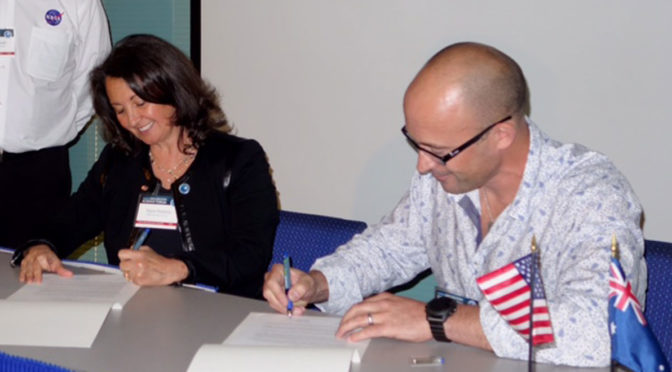
Greg Schmidt, Deputy Director of SSERVI and Director of international partnerships (left) and Yvonne Pendleton, Director of NASA’s Solar System Exploration Research Virtual Institute (SSERVI) (middle), join Professor Phil Bland, Principal Investigator at Curtin University in Perth, Australia (right), in signing an international agreement to share scientific and technological expertise in exploration science. Photo Credit: D. Morrison/NASA

NASA and Curtin University, located in Perth, Western Australia, have signed an Affiliate Member statement with NASA’s Solar System Exploration Research Virtual Institute (SSERVI). With the establishment of a NASA SSERVI Australia node, Australia’s planetary science community will participate in SSERVI programs on a no-exchange-of-funds basis.

“Australia’s impressive proposal to SSERVI offers scientific and technological expertise in understanding Solar System origins and evolution, lunar science, meteoritics and small bodies, asteroid differentiation, planetary mission science and technology, regolith processes on asteroids and the Moon, advanced analytical techniques, fireball observations and orbital dynamics, and links with the exoplanet and stellar evolution astrophysical communities. We are eager to see the collaborative scientific discoveries that result from this partnership,” says Yvonne Pendleton, Director of SSERVI.

The proposal submitted by Principal InvestigatorProfessor Phil Bland (Curtin University in Perth) and Deputy Director Dr Marc Norman (Australian National University in Canberra) included colleagues from a number of institutions across the country and represented a wide breadth of expertise from Australia’s planetary science community. The proposal was selected for Affiliate Membership after it was determined that complementary research activities will help NASA achieve its goals for human exploration of the solar system.

“This is a special moment for Australia,” says  Bland, from the Department of Applied Geology at the Curtin WA School of Mines.

“We are confident that this partnership will result in more great scientific discoveries in planetary science for both our our nations, as well as furthering the SSERVI goal of advancing basic and applied lunar and planetary science research and advancing human exploration of the solar system through scientific discovery.”

Curtin University Vice-Chancellor Professor Deborah Terry says the link with NASA was a fantastic opportunity for Curtin’s staff and students to engage with the global leader for space exploration.

“Given Curtin’s existing expertise in radio astronomy and involvement in the ground-breaking international Square Kilometre Array project, the partnership with NASA is a covetable attachment with many benefits,” says Terry.

“Our Australian partners have put together a compelling proposal that outlines multiple topics for potential collaborative research. We look forward to fruitful scientific collaborations, which will include the study of future potential mission concepts. This partnership will be important to NASA and its international partners successfully conducting the ambitious activities of exploring the solar system with robots and humans, and we look forward to a long and close partnership between our respective countries,” says Greg Schmidt, Deputy Director of SSERVI, who also directs international partnerships for the Institute.

“We look forward to fruitful scientific collaborations, which will include the study of future potential mission concepts. This partnership will be important to NASA and its international partners successfully conducting the ambitious activities of exploring the solar system with robots and humans, and we look forward to a long and close partnership between our respective countries.”

This article was first published by Curtin University on 30 July 2015. Read the article here.

Based and managed at NASA’s Ames Research Center in Moffett Field, California, SSERVI is a virtual institute that, together with international partnerships, brings researchers together in a collaborative virtual setting. The virtual institute model enables cross-team and interdisciplinary research that pushes forward the boundaries of science and exploration. SSERVI is funded by the Science Mission Directorate and Human Exploration and Operations Mission Directorate at NASA Headquarters in Washington.

Find more information about SSERVI and selected member teams here.

Growth Centre gets tick of approval

The Minister for Industry and Science, Ian Macfarlane, has approved the Food and Agribusiness Growth Centre which is part of the $225 million Industry Growth Centre Initiative. The Growth Centre headquarters will be located at the CSIRO’s Food Innovation Centre in Werribee, Victoria.

The four main areas the Growth Centre will be focusing on will be reducing regulatory burden, commercialising new products and services, engaging with global markets and supply chains, and improving workforce skills. Food Innovation Australia Ltd (FIAL) will receive $15.4 million from the Australian Government for the first four years of its operation as a Growth Centre, and look to increase this investment from industry and other sources.

The new Growth Centre board met for the first time on 29 June 2015, and various strategic issues relating to the food and agribusiness sector were discussed. Details about the forthcoming sectoral strategy that will be used to align the Growth Centre activities will be shared over the coming year.

This information was shared by the CRC Association Newsletter on 29 July 2015. Read the newsletter here.

New web-based ram selection app wows sheep breeders

The web-based app was launched today by the Cooperative Research Centre for Sheep Industry Innovation (Sheep CRC). The Sheep CRC developed the tool in conjunction with Telstra, Australia’s leading telecommunications provider, and leading software development company Pivotal Labs in San Francisco.

The NSW Department of Primary Industries has also been extensively involved throughout the development of the app, providing expertise from the initial concept to the final product.

During the final test runs before launch, approximately 20 sheep breeders, commercial producers and advisers previewed the system, which they say will dramatically simplify the ranking and purchase of rams, based on Australian Sheep Breeding Values (ASBVs).

Leading farm adviser Craig Wilson, of Craig Wilson & Associates, NSW, says RamSelect.com.au will take the hard work out of using ASBVs when searching for the right genetics to improve flock productivity. “RamSelect.com.au will be a game changer,” Wilson says. “We have known for a long time that ASBVs allow us to compare animals on genetic merit, without the effect of feeding or environment. The RamSelect app makes it quick and easy to rank animals against individual breeding objectives.

“For a lot of commercial producers, sifting through long lists of objective data was time consuming and difficult work – they can now find the genetics they need in a matter of seconds, and know that the recommendations are supported by objective data from Sheep Genetics.”

Sheep CRC chief executive James Rowe said RamSelect.com.au would also be an important marketing tool for breeders assisting clients to select ram teams.

“More and more commercial breeders are demanding objective ASBV data when shopping for rams,” says Rowe. “RamSelect.com.au ensures ram buyers can quickly check rams on offer against their breeding objective and prepare a ranked list prior to sale day. On sale day the buyer only needs to check the visual traits before making their purchase decisions.”

RamSelect.com.au is accessible on a computer, tablet or phone. It will search the Sheep Genetics databases – MERINOSELECT, LAMBPLAN and DOHNE MERINO – to quickly identify and rank rams for a defined breeding objective.

This article was first published on 23 July 2015 by the Sheep CRC. Read the original article here.

Buy Vision, Give Sight

Eyewear brand Revo and U2 lead singer Bono are joining forces with the Brien Holden Vision Institute to eliminate avoidable blindness and vision impairment.

“Eye tests and eye examinations are at the front line of eye care. But for millions of people without access, the simplest problems go untreated. It’s unnecessary and avoidable,” says Kovin Naidoo, Global Director of Programs, Brien Holden Vision Institute.

When consumers purchases Revo sunglasses, $10 from the sale of every pair will be donated by Revo to the “Buy Vision, Give Sight” initiative. To execute the initiative, Revo and Bono are partnering with the Brien Holden Vision Institute to provide sustainable solutions for eye care and end avoidable blindness and vision impairment in under-resourced communities.

Bono, who has a long track record in global health, particularly as an activist in the fight against HIV/AIDS, was diagnosed with glaucoma 20 years ago. His experience with glaucoma, for which he has received excellent treatment, has made him determined to find a way to increase access to frontline eye health services for others.

bono_vision

“The ‘Buy Vision, Give Sight’ campaign is a very personal one for me,” says Bono.

“Thanks to good medical care my eyes are okay, but tens of millions of people around the world with sight problems don’t have access to glasses, or even a basic eye test. Poor eyesight may not be life-threatening, but it dramatically affects your life and your livelihood if you aren’t able to fix it.  When we met with experts, they said the number one problem is untreated poor vision, which prevents a child from learning in school, or an adult from performing their job. Sight is a human right and the ‘Buy Vision, Give Sight’ initiative will help ensure millions of people have access to the eye exams and glasses they need to see.”

Untitled-1


“With Brien Holden, we found a partner doing remarkable work, hand-in-hand with local communities.  It’s mind-expanding what they are achieving; we’re very excited to work in partnership with them and Revo,” says Bono.

Yehuda Shmidman, Sequential Brands Group CEO, commented, “We are very excited about this partnership. Revo’s pioneering lens technology has always put eye-health central to Revo products and we believe Revo buyers will embrace the idea that their purchase is helping someone else. We’re very proud to support Bono and the Brien Holden Vision Institute in their efforts to bring basic eye care services to millions of people around the world.”

Professor Brien Holden, CEO, Brien Holden Vision Institute says,”It is extremely helpful that Revo and Bono recognise the impact that uncorrected vision impairment has on the lives of the 625 million people globally who do not have access to a simple eye examination or pair of glasses.  Revo and Bono’s commitment to our programs will have a lasting impact on millions of lives globally.”

The funds donated by Revo will help pay for basic eye care services, particularly eye tests and prescription glasses, and also build stronger eye care services in target communities for the longer term by training local people to provide eye care and detect eye diseases.

During U2’s Innocence + Experience World Tour, Bono will exclusively wear Revo sunglasses. He has designed a capsule collection of sunglasses for the brand, available in the North American fall, which will include lenses outfitted with Revo’s LMSTM technology. As with all Revo sunglasses, $10 dollars from each pair of the Bono for Revo collection will go to the Brien Holden Vision Institute.

This article was published by the Brien Holden Vision Institute on 25 July 2015. Read the original article here.

Robot automates bacteria screening in wine samples

A robotic liquid handling system at the Australian Wine Research Institute (AWRI) is automating the screening of large numbers of malolactic bacteria strains.

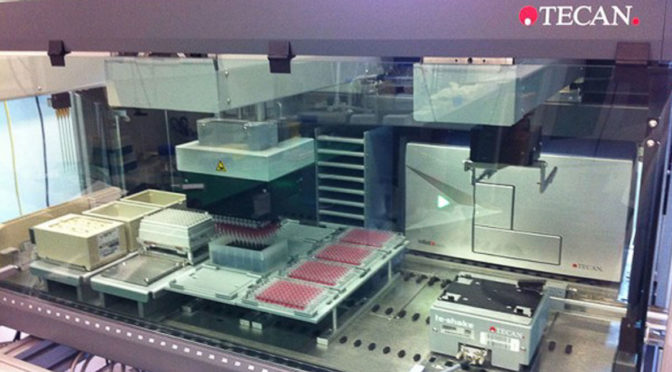
Using miniaturised wine fermentations in 96-well microplates, the Tecan EVO 150 robotic system is screening bacteria for MLF efficiency and response to wine stress factors such as alcohol and low pH.

The bacteria are sourced from the AWRI’s wine microorganism culture collection in South Australia and elsewhere.

The robot can prepare and inoculate multiple combinations of bacteria strains and stress factors in red or white test wine, and then analyse malic acid in thousands of samples over the course of the fermentation.

In one batch, for example, 40 bacteria strains can be screened for MLF efficiency and response to alcohol and pH stress in red wine, with over 6000 individual L-malic acid analyses performed.

The AWRI says that this high-throughput approach provides a quantum leap in screening capabilities compared to conventional MLF testing methods and can be applied to a range of other research applications.

Additionally, the phenotypic data obtained from this research is being further analysed with genomic information, which will identify potential genetic markers for the stress tolerances of malolactic strains.

First published at foodprocessing.com.au on 22 July. Read the original article here.

This article was also published by The Lead on 22 July 2015. Read the article here.

Two microbes hold key to superior feed crops

Scientists have identified two microbes that build bigger and more resilient feed crops, potentially boosting farmers’ bottom lines by millions of dollars.

The biotechnology research conducted at Flinders University in South Australia identified two strains of microbes that dramatically increase the ability of lucerne to fix atmospheric nitrogen, boosting the feed crop’s early growth and resilience, and ultimately its yield.

Research by medical biotechnology PhD student Hoang Xuyen Le drew on the hundreds of strains of endophytic actinobacteria, which grow naturally within legume roots. His research isolated and identified two strains of microbes that in laboratory and glasshouse trials were shown to promote growth in the shoots of the legume plants.

The research was supervised by Professor Chris Franco from Flinders and Ross Ballard from South Australian Research and Development Institute (SARDI). A patent has been lodged in relation to the two strains.

Nitrogen is absorbed by the plants through the formation of external nodules by symbiotic rhizobium bacteria that grow in the nodules. Franco says that following the inoculation of the lucerne seeds with spores of the actinobacteria, the nodules grew significantly larger, fixing greater amounts of nitrogen.

“Up to 50 or even 70 per cent more nitrogen was fixed,” says Franco.

The effect was to substantially improve the establishment of the lucerne, increase its resilience in drought conditions and also boost its yield.

“We found that our two main strains gave us a crop yield increase of 40 to 50 per cent in the glasshouse, and we would look for at least a 20 per cent improvement in the field,” says Franco.

He says as much as 25 per cent of the higher levels of nitrogen persisted in the soil, improving the growing conditions for subsequent crops.

The Flinders biotechnologists will now expand their trials on lucerne in the field, and will also look for similar effects in other legume crops, including peas, chick peas and faba and soya beans.

Further research is required to understand the underlying mechanism of the bugs: while it is likely that their natural propensity to produce bioactive compounds is partly responsible for increasing the general robustness of the inoculated lucerne by reducing disease, they may also be encouraging the growth of rhizobium bacteria in the soil.

Franco says that actinobacteria offer an environmentally friendly way of controlling disease, especially fungal root diseases such as Rhizoctonia, reducing the need for fossil-derived pesticides and fertiliser.

The potential to capture atmospheric nitrogen offers a major environmental benefit.

The legume seed crop, based in the South East of South Australia, is the basis of a national feed industry worth close to $100 million a year.

“This is very good news all round,” says Franco.

This article was first published by The Lead on 22 July 2015. Read the original article here.

Frog researchers help kids make great leaps in literacy

Researchers from the Far North Queensland university worked with children’s author, Emma Homes, to create a kids’ book, The Vanishing Frogs of Cascade Creek – now shortlisted for a Wilderness Society fiction prize.

“I was interested in the idea of using fictional characters to raise awareness of science. I think people remember more when you tell them a story,” said Homes.

Wildlife diseases such as chytrid fungus, which is killing frogs worldwide, can devastate animal populations, but are often not well publicised or understood by the general public.

That’s where JCU experts Dr Lee Berger and Dr Lee Skerratt came in, to help answer questions about chytrid fungus, and explain how a sick frog might be examined in the laboratory.

“Lee Berger told me about a suitable frog species to cover in the book – the waterfall frog – and its habitat in the rainforest of Northern Queensland. We went for a trip to the Daintree Rainforest together, which was helpful for the writing process,” said Homes.

Berger thinks the books are a fantastic way to educate the general public. “It’s great that these books raise awareness of wildlife disease – a neglected conservation issue.  Similar to weeds and feral animals, introduced diseases can have catastrophic effects but often go under the radar.”

The Vanishing Frogs of Cascade Creek has recently been shortlisted for the Wilderness Society’s Environment Award for Children’s Literature in the fiction category.

 Home’s second book in the ‘Ruthie’ series, Saving Wombats, is informed by Skerrat’s PhD and tackles the disease sarcoptic mange, which can affect wombats and other mammals.

This article was published by James Cook University on 20 July 2015.

JCU_Frogs_210715


Driverless car trials in South Australia

A major European carmaker will conduct the first on-road trials of driverless cars in the Southern Hemisphere in South Australia in November.

The testing by Volvo will be held in conjunction with an international conference on driverless cars in Adelaide.

Volvo will test the same vehicle being used in their “Drive Me” project in Sweden.

South Australia legalized the use of driverless cars on its roads earlier this year.

The testing is part of independent road research agency ARRB’s Australian Driverless Vehicle Initiative.

ARRB Managing Director Gerard Walton said that automated vehicles are a short-term reality that Australia needs to be prepared for.

“The South Australian Government has been quick to recognise this,” he said.

“ARRB will establish how driverless technology needs to be manufactured and introduced for uniquely Australian driving behaviour, our climate and road conditions, including what this means for Australia’s national road infrastructure, markings, surfaces and roadside signage,” said Waldon.

Volvo’s testing will be undertaken in conjunction with Flinders University, Carnegie Mellon University, the RAA and Cohda Wireless.

The Premier of South Australia, Jay Weatherill said the technology promises to not only improve safety, reduce congestion and lower emissions, but also to provide a real opportunity for South Australia to become a key player in the emerging driverless vehicle industry.

“This trial presents a fantastic opportunity for South Australia to take a lead nationally and internationally in the development of this new technology and open up new opportunities for our economy,” he said.

The driverless car trials will take place on an expressway south of the capital city of Adelaide on 7–8 November 2015.

Multiple vehicles will conduct manoeuvres such as overtaking, lane changing, emergency braking and the use of on and off ramps.

The International Driverless Cars Conference will be hosted at the Adelaide Convention Centre and Tonsley precinct on 5–6 November 2015.

This article was first published by The Lead on 21 July 2015. Read the original article here.

Closing the gap

Romlie Mokak, CEO of the Lowitja Institute for Aboriginal and Torres Strait Islander Health Research, is a man with a vision.

“We’ve got a clear agenda for the future and it’s for just 15 years ahead: 2030. This agenda has been agreed upon by governments and Aboriginal and Torres Strait Islander leadership as part of the ‘Close the Gap’ campaign,” said Mokak.

The aim is to eliminate the difference in life expectancy between Aboriginal and Torres Strait Islander people and other Australians by 2030. It’s a big ambition that will take a lot of work.

“It’s essential that solutions in Aboriginal and Torres Strait Islander health and wellbeing come from the people themselves,” he said. A vital step is explicit recognition of Indigenous people in the Australian Constitution, supported by the Recognise Health coalition launched by the Lowitja Institute in March 2015.

“If we hit the target, then by 2040 we will have had 10 years with no gap. We will have a high quality, accessible health system that is culturally appropriate for Aboriginal and Torres Strait Islander people.”

Since 1997, the Lowitja Institute and its predecessor CRCs have led a substantial reform agenda in Aboriginal and Torres Strait Islander health research by working with communities, researchers and policymakers. In partnership with 21 participants, the CRC is poised to make a substantial contribution to the goals for 2030 and towards a 2040 that sees Aboriginal and Torres Strait Islander participation and leadership in all walks of Australian life.

— Clare Pain

lowitja.org.au

Feature image: Smoking ceremony conducted by Wurunjeri Elder Aunty Joy Wandin Murphy at the Lowitja Institute CRC launch in October 2014.


Shark detection

Sharks have an incredible sense of smell, but it is their sense of hearing that could be one of the keys to protecting people at beaches, says a team of researchers led by Dr Christine Erbe from Curtin University’s Centre for Marine Science and Technology.

“We had this idea of trying to figure out what acoustic signatures humans make, whether the sharks can hear them, and, if appropriate, whether we can somehow interrupt that,” says Erbe. These interruptions could then potentially be used to ‘hide’ or ‘mask’ the noises people make in the water from the sharks.

Western Australia is a pertinent place to work on this project, given the debate over baited drum lines to cull sharks, and the project has been funded by Western Australia’s Department of Commerce.

Initial recordings have been made of people in a pool swimming and snorkelling past a hydrophone – a microphone designed to record or listen to underwater sound. Erbe’s team records people swimming and surfing at beaches to see how far their noises travel. These sounds can then be played to sharks in enclosures at Ocean Park Aquarium in Shark Bay to check for any responses.

“If we see responses from the sharks, the next step is to figure out if we can mask the sounds of people in the water using artificial signals,” says Erbe. These artificial signals are band-limited white noise, created digitally. “We can see which frequencies, or part of the human sound signature, could be detected by the sharks and calculate the range limits at which that might occur. We can then design masking signals that fill in around them so those frequencies can’t be detected,” she says. The team will test these masking signals by playing them back to the sharks at Ocean Park Aquarium.

The outline of a shark shows clearly on a scanner used by the Curtin team.

The outline of a shark shows clearly on a scanner used by the Curtin team.

This masking technique is different to other approaches where loud sounds are played at beaches to scare sharks away. The problem with the loud sound approach, says Erbe, is that it potentially interferes with an entire underwater ecosystem. The masking approach, on the other hand, is targeted at frequencies and levels that only sharks can hear in the surf zone. “We’re not looking at scaring the sharks away, we’re just limiting them from detecting humans,” she says.

According to Erbe, a multidisciplinary approach is crucial to solving problems such as shark mitigation, and her team ranges from physicists to acousticians, engineers and marine biologists.

Team member Dr Miles Parsons is leading another project on the sonar detection of sharks with the aim of building an early warning system. “The solution will have to be a combination of detecting sharks and preventing them detecting us,” says Erbe.

Ruth Beran

cmst.curtin.edu.au

Multi-million-dollar deal brings UQ pain drug closer to reality

A chronic pain treatment discovered at The University of Queensland is a step closer to clinical use, with a global pharmaceutical giant acquiring the Australian-founded company developing the drug.

Spinifex Pharmaceuticals has been acquired by Novartis International AG for an upfront cash payment of $US200 million (about $A260 million), plus undisclosed clinical development and regulatory milestone payments.

Spinifex is a biopharmaceutical company founded by UQ commercialisation arm UniQuest.

UQ Vice-Chancellor and President Professor Peter Høj welcomed the acquisition and congratulated those involved.

“This is one of the largest Australian biotech deals in history, and is a stunning outcome for the company, the researchers and the investors,” Professor Høj said.

“Spinifex builds on the unprecedented commercial translation achievements of UQ, which includes the world’s first cancer vaccine, Gardasil.

“It is a shining example of UQ’s determination to take research from excellence to what I call ‘excellence plus’, developing a product that has potential to improve the lives of people around the world.”

Spinifex is developing the drug candidate EMA401, an oral treatment for chronic pain, particularly neuropathic pain (a type of nerve pain), without central nervous system side effects.

The technology is based on a discovery by UQ’s Professor Maree Smith.

Professor Smith said the acquisition brought EMA401 a step closer to the people who needed it most.

“Chronic pain can be a debilitating condition, most commonly associated with cancer chemotherapy, post-herpetic neuralgia (a painful condition that can follow shingles), diabetes, peripheral nerve injury and osteoarthritis.

“It’s wonderful to see this deal eventuate, bringing a much-needed treatment option a little closer to reality for the millions of pain sufferers around the world,” Professor Smith said.

UQ pain researcher Professor Maree Smith

UQ pain researcher Professor Maree Smith

UniQuest CEO Dr Dean Moss said Dr Smith’s work was at the cutting edge of pain research.

“Her achievements and expertise have contributed to the formation of the recently-launched Queensland Emory Drug Discovery Initiative (QEDDI),” Dr Moss said.

QEDDI, a collaboration between UQ and Emory University in the US, will see the development of drugs to combat health issues including cancer, diabetes, inflammatory disorders and infectious diseases.

EMA401 is a novel angiotensin II type 2 (AT2) receptor antagonist being developed as a potential first-in-class oral treatment.

Professor Smith and UQ’s Dr Bruce Wyse’s research identified AT2 receptor antagonists as inhibitors of neuropathic and inflammatory pain in preclinical models.

Spinifex is supported by a syndicate of investors, including UniQuest, NovoVentures (Novo A/S), Canaan Partners, GBS Venture Partners, Brandon Capital Partners and UniSeed (a venture fund operating at the Universities of Melbourne, Queensland and New South Wales).