All posts by Karen Taylor-Brown

Honeybee health: a #dataimpact story

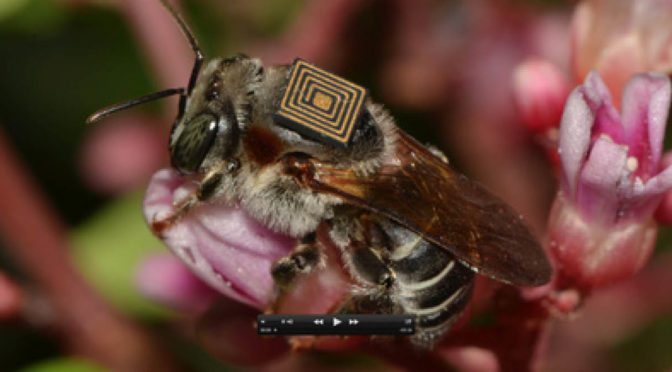
Featured image above: Environmental stressors which alter bee pollination, like extreme weather and pesticides, are assessed using large data sets generated by bees from all over the world via fitted micro-sensor ‘backpacks’. Credit: Giorgio Venturieri

Bee colonies are dying out worldwide and nobody is exactly sure why. The most obvious culprit is the Varroa mite which feeds on bees and bee larvae, while also spreading disease. The only country without the Varroa mite is Australia. However, experts believe that there are many factors affecting bee health.

To unravel this, CSIRO is leading the Global Initiative of Honeybee Health (GIHH) in gathering large sets of data on bee hives from all over the world. High-tech micro-sensor ’backpacks’ are fitted to bees to log their movements, similar to an e-tag. The data from individual bees is sent back to a small computer at the hive.

Researchers are able to analyse this data to assess which stressors – such as extreme weather, pesticides or water contamination – affect the movements and pollination of bees.

Maintaining honey bee populations is essential for food security as well securing economic returns from crops. Bee crop pollination is estimated to be worth up to $6 billion to Australian agriculture alone.

Currently 50,000 bees have been tagged and there may be close to one million by the end of 2017. Researchers aim to not only improve the health of honey bees but to increase crop sustainability and productivity through pollination management.

This article was first published by the Australian National Data Service on 10 October 2016. Read the original article here.

You might also enjoy:

Birth defects: a data discovery


Uber-type services growing in popularity

Despite strong opposition from traditional taxi operators and some governments, Uber and Uber-type ride sharing services, have proven very popular amongst travellers, according to a University of Sydney Business School survey.   

The Transport Opinion Survey (TOPS), conducted by the Business School’s internationally respected, Institute of Transport and Logistics Studies (ITLS), found that nearly a quarter of all Australians have used a ride sharing service while more than 40 per cent would if one was available locally.

“What we are seeing with Uber-styled services is the growing appeal of high quality mobility services that in due course might be a substitute for the taxi and indeed one’s own car,” said the Director of the School’s Institute of Transport and Logistics Studies, Professor David Hensher.

The latest Transport Opinion Survey also found that 7% of those who used an Uber or Uber-type services did so as a substitute for some travel in their own car and 4% substituted all of their own car travel. 10% used a ride-sharing services but did not want to lose the option of their own private car.

TOPS also asked Australians if they would be willing to make their car available to other people for a fee. About 20% said they would share their car with other people either by driving for Uber or similar companies (10%), peer-to-peer car sharing, through organisations such as Car Next Door (4%), or by both (5%). More than half (56%) said that would not be prepared to share their car with anyone outside their immediate friends and family.

“These percentage are relatively low at present but suggest a growing interest in mobility as a service in contrast to having to own a car in order to use a car,” says Hensher. “This will open up in the future with the aid of digital apps and new ways of serving the transport market that are not dependent on ownership.”

The latest TOPS survey also reveals that Australians are regaining confidence in their local transport services. The TOPS Confidence index rose from 44 to 62 over the past year but remains well below the base line of 100 set in September 2010.

As for the future, more people now look to the next 12 months with confidence than did in 2015 (46 to 65) and to the next five years (62 to 78).

TOPS is the only national survey to measure public opinion on transport related issues. The first 2016 report is at: http://sydney.edu.au/business/itls/tops

This article first appeared as a media release from the University of Sydney on 4 October 2016.

FDA approves Duchenne muscular dystrophy drug

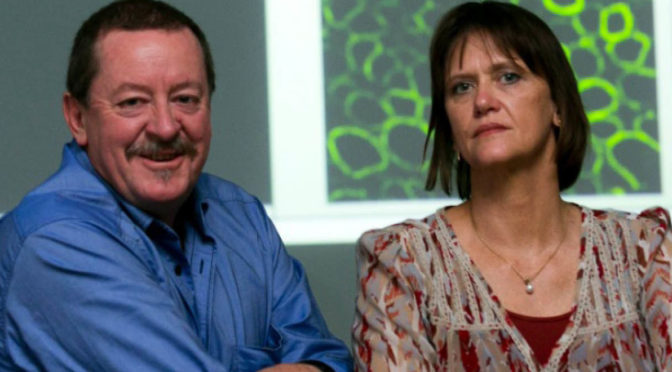
Video above: Murdoch University researchers Steve Wilton and Sue Fletcher discuss their new drug for Duchenne muscular dystrophy.

The powerful US Food and Drug Administration (FDA) has given the green light to a drug developed by Western Australia researchers Sue Fletcher and Steve Wilton for treating Duchenne muscular dystrophy.

The Murdoch University scientists developed an innovative treatment to help sufferers of Duchenne muscular dystrophy, a crippling muscle-wasting disease that affects about one in 3500 boys worldwide.

The FDA decision is a huge win for the global pharma company Sarepta Therapeutics, which has developed the drug under the name Eteplirsen.

In their breakthrough research, Fletcher and Wilton had devised a way to bypass the faulty gene responsible for the disease, using a technique called exon skipping.

The FDA’s approval follows an emotional campaign by sufferers, their families, and supporters of Eteplirsen.

Earlier this year, some 40 sufferers in wheelchairs and their families flew to Washington from around the US, and from as far as the UK, to show their faith in the treatment after authorities questioned aspects of the drug’s clinical trial.

Fletcher’s and Wilton’s innovative discovery had already won the 2012 WA Innovator of the Year Award.

In 2013, the researchers, then with UWA, signed a multi-million dollar deal with Sarepta to develop Eteplirsen.

Under the deal, they would get up to US$7.1 million in upfront and milestone payments, as well as royalties on the net sales of all medicines developed and approved.

– Tony Malkovic 

This article was first published by Science Network Western Australia on 21 September 2016. Read the original article here. 

Read next: CtX forges $730 m deal for new cancer drug. A promising new cancer drug, developed in Australia by the Cancer Therapeutics CRC (CTx), has been licensed to US pharmaceutical company Merck in a deal worth $730 million.

Blue technology revolution

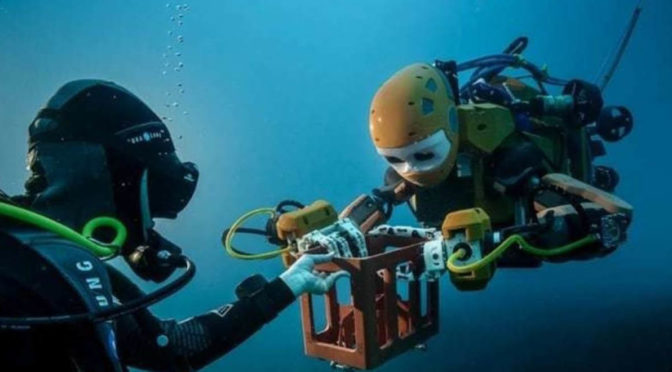
Featured image above: Humanoid robots, like Ocean One, may soon replace human divers in carrying out deep or dangerous ocean research and engineering tasks. Credit: Osada/Seguin/DRASSM

An industrial revolution is unfolding under the seas. Rapid progress in the development of robots, artificial intelligence, low-cost sensors, satellite systems, big data and genetics are opening up whole new sectors of ocean use and research. Some of these disruptive marine technologies could mean a cleaner and safer future for our oceans. Others could themselves represent new challenges for ocean health. The following 12 emerging technologies are changing the way we harvest food, energy, minerals and data from our seas.

1. Autonomous ships

Credit: Rolls-Royce

You’ve heard of driverless cars – soon there may be skipperless ships. Ocean shipping is a $380 billion dollar industry. Like traffic on land, ocean traffic is a major source of pollution, can introduce invasive species, and even causes ocean road-kills. For example, over 200 whales were struck by ships in the past decade. Companies like Rolls Royce envision autonomous shipping as a way to make the future of the industry more efficient, clean and cost-effective. Skipperless cargo ships can increase efficiency and reduce emissions by eliminating the need for accommodation for crew, but will require integration of existing sensor technology with improved decision-making algorithms.

2. SCUBA droids

Credit: Osada/Seguin/DRASSM

SCUBA divers working at extreme depths often have less than 15 minutes to complete complicated tasks, and they submit their bodies to 10 times normal pressure. To overcome these challenges, a Stanford robotics team designed Ocean One: a humanoid underwater robot dexterous enough to handle archaeological artefacts that employs force sensors to replicate a sense of touch for its pilot. Highly skilled humanoid robots may soon replace human divers in carrying out deep or dangerous ocean research and engineering tasks.

3. Underwater augmented reality glasses

Credit: US Navy Photo by Richard Manley

Augmented and virtual reality technologies are becoming mainstream and are poised for enormous growth. The marine sector is no exception. US navy engineers have designed augmented vision displays for their divers – a kind of waterproof, supercharged version of Google Glass. This new tech allows commercial divers and search and rescue teams to complete complex tasks with visibility near zero, and integrates data feeds from sonar sensors and intel from surface support teams.

4. Blue revolution

Credit: InnovaSea

The year 2014 was the first in which the world ate more fish from farms than the wild. Explosive growth in underwater farming has been facilitated by the development of new aquaculture tech. Submerged “aquapod” cages, for example, have been deployed in Hawaii, Mexico, and Panama. Innovations like this have moved aquaculture further offshore, which helps mitigate problems of pollution and disease that can plague coastal fish farms.

5. Undersea cloud computing

Credit: Microsoft

Over 95% of internet traffic is transmitted via undersea cables. Soon, data may not only be sent, but also stored underwater. High energy costs of data centres (up to 3% of global energy use) have driven their relocation to places like Iceland, where cold climates increase cooling efficiency. Meanwhile, about 40% of people on the planet live in coastal cities. To simultaneously cope with high real estate costs in these oceanfront growth centres, reduce latency, and overcome the typically high expense of cooling data centres, Microsoft successfully tested a prototype underwater data centre off the coast of California last year. Next-generation underwater cloud pods may be hybridised with their own ocean energy-generating power plants.

6. New waves of ocean energy

Credit: Carnegie Wave Energy

The ocean is an enormous storehouse of energy. Wave energy alone is estimated to have the technical potential of 11,400 terawatt-hours/year (with sustainable output equivalent to over 400 small nuclear power plants). Technological innovation is opening up new possibilities for plugging into the power of waves and tides. A commercial project in Australia, for example, produces both electricity and zero-emission desalinated water. The next hurdles are scaling up and making ocean energy harvest cost-efficient.

7. Ocean thermal energy

Credit: KRISO (Korea Research Institute of Ships & Ocean engineering)

Ocean thermal energy conversion technology, which exploits the temperature difference between shallow tropical waters and the deep sea to generate electricity, was successfully implemented in Hawaii last year at its largest scale yet. Lockheed Martin is now designing a plant with 100 times greater capacity. Drawing cold water in large volumes up from depths of over 1 kilometre requires large flexible pipelines made with new composite materials and manufacturing techniques.

8. Deep sea mining

Credit: Nautilus Minerals

Portions of the seafloor are rich in rare and precious metals like gold, platinum and cobalt. These marine mineral resources have, up until now, lain mostly out of reach. New 300 tonne waterproof mining machines were recently developed that can now travel to some of the deepest parts of the sea to mine these metals. Over a million square kilometres of ocean have been gazetted as mining claims in the Pacific, Atlantic, and Indian oceans, and an ocean gold rush may open up as early as 2018. Mining the seafloor without destroying the fragile ecosystems and ancient species often co-located with these deep sea mineral resources remains an unsolved challenge.

9. Ocean big data

Credit: Windward

Most large oceangoing ships are required to carry safety sensors that transmit their location through open channels to satellites and other ships. Several emerging firms have developed sophisticated algorithms to process this mass influx of ocean big data into usable patterns that detect illegal fishing, promote maritime security, and help build intelligent zoning plans that better balance the needs of fishermen, marine transport and ocean conservation. In addition, new streams of imagery from nanosatellite constellations can be analysed to monitor habitat changes in near-real time.

10. Medicines from the seas

Credit: PharmaSea

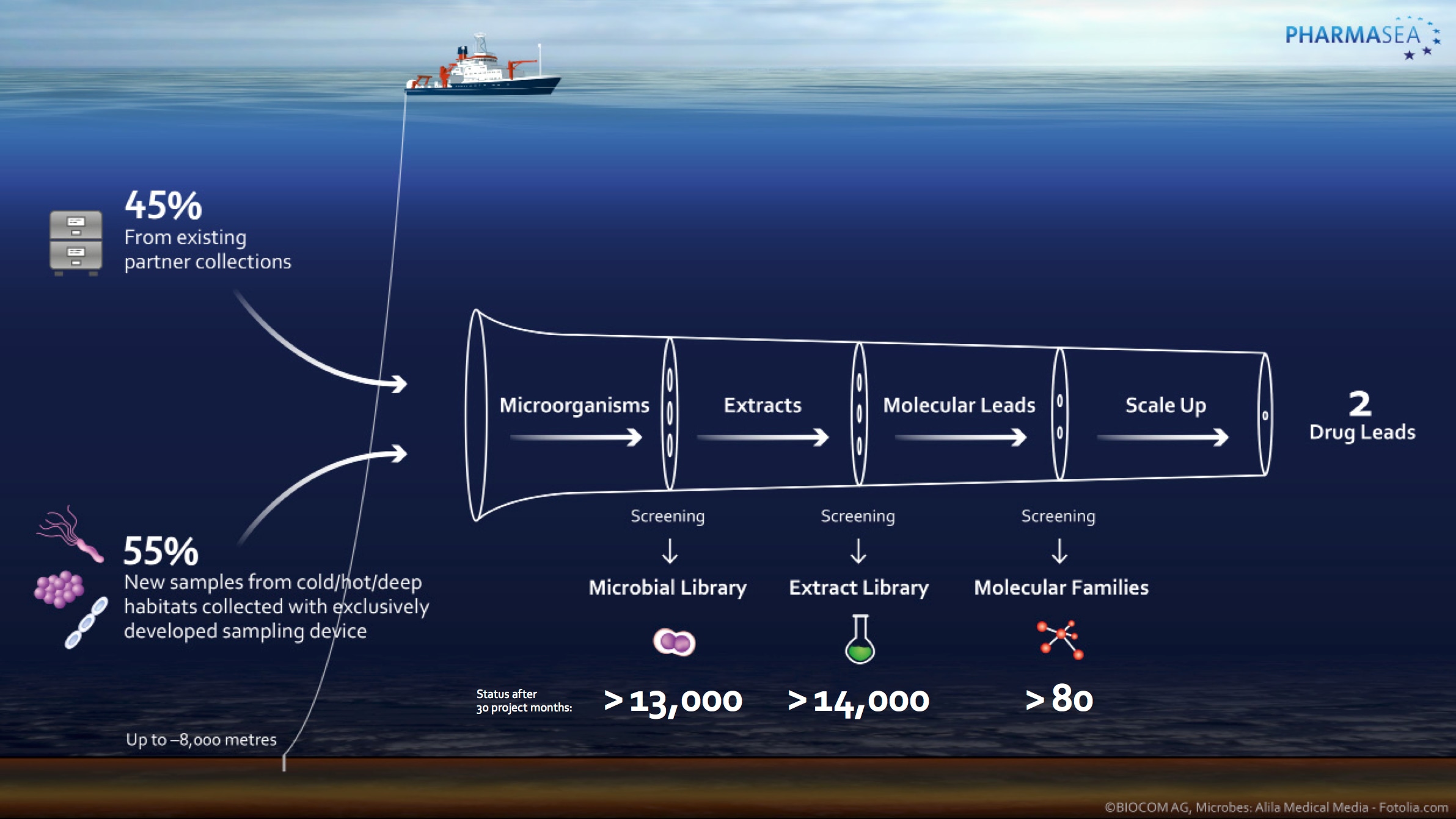
The oceans hold vast promise for novel life-saving medications such as cancer treatments and antibiotics. The search for marine-derived pharmaceuticals is increasing in momentum. The European Union, for example, funded a consortium called PharmaSea to collect and screen biological samples using deep sea sampling equipment, genome scanning, chemical informatics and data-mining.

11. Coastal sensors

Image: Smartfin

The proliferation of low-cost, connected sensors is allowing us to monitor coastlines in ways never possible before. This matters in an ocean that is rapidly warming and becoming more acidic as a result of climate change. Surfboard-embedded sensors could crowd-source data on temperature, salinity and pH similar to the way traffic data is being sourced from drivers’ smartphones. To protect the safety of beachgoers, sonar imaging sensors are being developed in Australia to detect sharks close to shore and push out real-time alerts to mobile devices.

12. Biomimetic robots

Credit: Boston Engineering

The field of ocean robotics has begun borrowing blue prints from the world’s best engineering firm: Mother Nature. Robo-tuna cruise the ocean on surveillance missions; sea snake-inspired marine robots inspect pipes on offshore oil rigs; 1,400 pound crab-like robots collect new data on the seafloor; and robo-jellyfish are under development to carry out environmental monitoring. That ocean species are models for ocean problem-solving is no surprise given that these animals are the result of millions of years of trial and error.

Outlook

Our fate is inextricably linked to the fate of the oceans. Technological innovation on land has helped us immeasurably to clean up polluting industries, promote sustainable economic growth, and intelligently watch over changes in terrestrial ecosystems.

We now need ocean tech to do the same under the sea.

As the marine industrial revolution advances, we will need to lean heavily on innovation, ingenuity and disruptive tech to successfully take more from the ocean while simultaneously damaging them less.

– Douglas McCauley and Nishan Degnarain

This article was first published by World Economic Forum on 16 September 2016. Read the original article here.

Degas masterpiece uncovered

Featured image above: (left) False colour reconstruction of Degas’ hidden portrait, created from the X-ray fluorescence microscopy elemental maps produced at the Australian Synchrotron (right) Portrait of a Woman by Edgar Degas (c). 1876–80 . Credit: Australian Synchrotron/National Gallery of Victoria.

An alliance of Australian scientists and conservators have made a quantum leap forward in the analysis of priceless artworks, revealing an earlier painting of a different woman beneath a French Impressionist masterpiece in unprecedented detail, using a technology combination unavailable anywhere else in the world.

Shedding light on a decades-old riddle through a unique technology pipeline, researchers from Australian SynchrotronNational Gallery of Victoria (NGV) and CSIRO published stunning images of what lies beneath Edgar Degas’ Portrait of a Woman (c. 1876-1880) in the journal Scientific Reports overnight, midway through the artwork’s display at NGV International as part of Melbourne Winter Masterpieces exhibition, Degas: A new vision.

Dr Daryl Howard, scientist on the X-ray Fluorescence Microscopy (XFM) beamline at the Australian Synchrotron – the newest addition to the Australian Nuclear Science and Technology Organisation (ANSTO)’s world-class line-up of landmark research infrastructure – says the re-creation of the underpainting was achieved by first producing complex metal maps to highlight minerals in the many paint types.

“‘Paint from Degas’ period was primarily composed of ground-up rocks and early synthetic pigments  – with copper creating green and mercury creating red, for example – and he swirled and mixed different paints from different tubes on his palette at different times, as did the restorers who touched up this painting into the early twentieth century.

“Placing the artwork in the path of the Australian Synchrotron beam, which is a million times brighter than the sun, we measured the exact location of different pigment mixtures in every one millimetre square pixel, and fed the vast volumes of data into a computer to reconstruct both the surface and underlying layers.”

Howard says the technique is an ‘order of magnitude’ improvement for non-intrusive art analysis, crucial when handling priceless artworks.

“Eight years ago, a low resolution three-element image, which revealed a face beneath Vincent Van Gogh’s Patch of Grass 1887, inspired us to refine and advance non-destructive imaging using some of the world’s most advanced scientific technology.

“This analysis takes this “hands-off” approach to the next level, producing enormous 31.6 megapixel images – beyond the resolution of most of today’s best digital cameras – while subjecting each part of the artwork to radiation for only a fraction of a second to ensure it is not damaged.”

CSIRO engineer Robin Kirkham says the powerful light of the Australian Synchrotron combined with a highly sensitive detector devised at CSIRO are behind the revolutionary new technique.

“Developed by CSIRO with US project partner Brookhaven National Laboratory over the past few years, the Maia detector can complete complex elemental imaging a hundred times faster than conventional systems.”

“Coupled with the brilliant synchrotron beam, in 33 hours the detector produced images with around 250 times more pixel definition than the far smaller 2008 Van Gogh images that took about two days to produce.”

It’s not the first time the NGV, Australian Synchrotron and CSIRO have joined forces to solve an art mystery. In 2010 similar techniques were used to find a hidden Arthur Streeton self-portrait buried under layers of lead paint and, in 2015, a major project helped uncover hidden secrets in Frederick McCubbin’s The North wind.

Degas: a new vision is exhibiting at NGV until Sunday 18 September.

This article was first published by Australian Synchrotron on 4 August 2016. Read the original article here.

Birth defects: a data discovery

Professor Fiona Stanley is well known for her work in using biostatistics to research the causes and prevention of birth defects, including establishing the WA Maternal and Child Health Research Database in 1977.

In 1989 Professor Stanley and colleague Professor Carol Bower used another database, the WA birth defects register, to source subjects for a study of neural tube defects (NTDs). The neural tube is what forms the brain and spine in a baby. Development issues can lead to common but incurable birth defects  such as spina bifida where the backbone does not close over the spinal cord properly.

The researchers measured the folate intake of 308 mothers of children born with NTDs, other defects, and no defects. They discovered that mothers who take the vitamin folate during pregnancy are less likely to have babies with NTDs. Their data contributed to worldwide research that found folate can reduce the likelihood of NTDs by 70%.

After the discovery Professor Stanley established the Telethon Kids Institute where she continued to research this topic alongside Professor Bower. Together they worked on education campaigns to encourage pregnant women to take folate supplements.

Their great success came in 2009 when the Australian government implemented mandatory folic acid fortification of flour. The need for such legislation is now recognised by the World Health Organisation.

A 2016 review conducted by the Australian Institute of Health and Welfare found that since the flour fortification program’s introduction, levels of NTDs have dropped by 14.4%.

– Cherese Sonkkila

This article was first published by the Australian National Data Service on 12 September 2016. Read the original article here.

Read next: Big data, big business.  Whether it’s using pigeons to help monitor air quality in London or designing umbrellas that can predict if it will rain, information is becoming a must-have asset for innovative businesses.

Manifesting conscious connection

For many of us staying connected is almost as important as breathing. Using a smartphone or tablet to check in with the office or family and friends is a given in our increasingly fast-paced technological society.

Having the right tools do this provides comfort and keeps our networks strong.

For women tackling satisfying but competitive STEM careers, staying connected when taking a career break is a key concern.

I was visiting a regional AECOM office recently, and I was chatting with a female staff member who had come into the office while on maternity leave to watch my presentation.

Our conversation covered a lot of ground, but it was her relief at being provided with a laptop while on leave that struck me. She wanted to stay connected and looped in with work while looking after her growing family.

Providing tools like a laptop or a work mobile is a very simple way of making sure that women remain plugged into the workplace when they aren’t physically there. While they may not want to connect every day, it does mean that they can continue a conversation around how their career will evolve when they come back into the workforce.

Not only this, it also allows women to be involved with what’s going on in the office, maintain control over their career planning, including performance and salary discussions.

We do need to get better at supporting women as life transitions take them on different pathways, and such initiatives have important implications for retaining women as they move through their STEM career.

While some women have communicated to me that they want to progress in terms of their own merit (and I am very confident that we do that), we also need to consciously intervene with strategies and solutions.  After all, it is still not a level playing field – the numbers tell us that.

Recently a lot of the conversation has centred around ways of attracting more women into the STEM sector (and AECOM is committed to this, recently achieving a 50/50 gender intake in our graduate program), retaining them is also a key focus of our efforts.

All too often we see women drop out of the workforce because the framework isn’t there to support them, this is where mentoring comes in.

When women are at that critical juncture where it may seem too difficult to continue, connecting with other women who have had similar experiences and with whom they can share their concerns and benefit from their perspective is extremely important.

Personally, mentoring has shown me that many of the concerns of women undertaking STEM careers revolve around practical things like how to ask for a promotion or a salary increase, or how they can work more flexibly.

For me this is an important connection to have, as it gives me a perspective on how women are feeling, and I can bring that to the table at wider industry discussions, as a board member at Infrastructure Partnerships Australia or as a champion of change with Consult Australia.

On a more practical level, at AECOM we are equipping our managers with the skills to have conversations about career and flexible work – we are being very conscious in terms of planning for the future compositions of our teams.

By doing this we are increasing our connectivity, and supplementing it with technology and open conversations to help both our female and male staff as they move through different life stages. For women working in STEM, my advice is to take charge of your own career. You’ve got to treat it like a project, communicate your needs and back yourself.

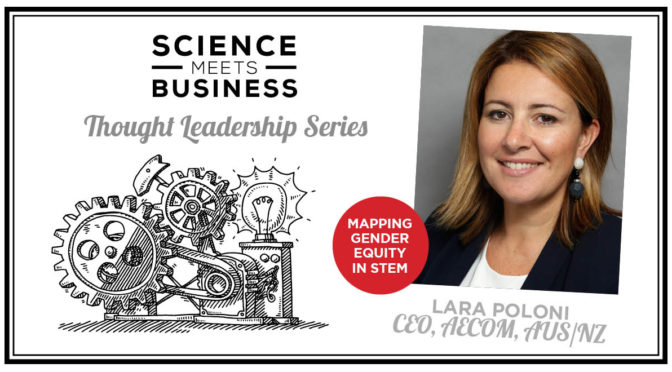
Lara Poloni 

Chief Executive Officer, AECOM, Australia and New Zealand 

Read next: Innovating Australia – Australia’s top thinkers describe their vision for the future of innovation.

People and careers: Meet women who’ve paved brilliant careers in STEM here, find further success stories here and explore your own career options at postgradfutures.com.

Spread the word: Help Australian women achieve successful careers in STEM! Share this piece on corporate culture using the social media buttons below.

More Thought Leaders: Click here to go back to the Thought Leadership Series homepage, or start reading the Graduate Futures Thought Leadership Series here.

Renewable energy is getting cheaper

The stars are aligning for Australia to transition to 100% renewable energy. Our fossil fuel infrastructure is ageing, which means we will soon need to invest in new power generators. New technologies such as battery storage could revolutionise long-standing business models. With care, the transitions away from fossil fuels could offer greater job opportunities.

Our latest research, which corroborates previous work, shows the technology already exists to solve many of the remaining questions around technological capability. For instance, the fact that wind and solar don’t generate electricity when the wind isn’t blowing and the sun isn’t shining can be dealt with by installing a network of diverse generators across a wide area, or by increasing our use of energy storage.

One of the biggest remaining barriers to transition is cost. But this is also rapidly changing. Much work is going into reducing the cost of renewable energy, including the latest funding announcement from the Australian Renewable Energy Agency (ARENA) of A$92 million for 12 solar projects.

The cost of building renewable energy

The cost of renewable energy is highly variable across the world and even within Australia. The picture is not simple, but it does help to start by looking at the big picture.

Average capital costs of constructing new wind, solar PV and ocean/tidal generators are already lower than equivalent coal generation infrastructure.

Research suggests that, overall, the cost of moving to 100% renewable energy is not significantly higher than the cost of hitting a lower target.

The capital cost of investment in renewable energy generation technologies is also falling rapidly. In its 2014 report on global renewable power generation costs, the International Renewable Energy Agency (IRENA) showed that the total cost of installation and operation over a lifetime of small-scale residential PV systems in Australia has fallen from US$0.35 to US$0.17 per kilowatt-hour between 2010 and 2014.

In part this has been because of reduced installation costs, together with our exceptional abundance of sunshine.

As a result, Australian new residential solar installation has soared to the fifth highest in the world. Installed capacity accounts for 9% of national electricity generation capacity and 2.8% of electrical energy generation.

The historical reductions in installation costs for wind energy are similar globally and in Australia. Recent 2016 reverse auctions in the Australian Capital Territory have received Australia’s lowest known contract price for renewables with bids at A$77 per megawatt-hour.

Beyond building

But the capital cost of building generation infrastructure is not the whole story. Once the generator is built, operations and maintenance costs also become important. For most renewables (biomass excluded) the fuel costs are zero because nature itself provides the fuel for free.

Other costs that we must consider are variable and fixed costs. Fixed costs, such as annual preventative maintenance or insurance, don’t change with the amount of electricity produced. Variable costs, such as casual labour or generator repairs, may increase when more electricity is produced.

The variable costs for some renewables (biomass, hydropower and large-scale solar PV) are lower than coal. For other renewable technologies they are only slightly higher. Fixed costs for almost all renewable technologies are lower than for coal.

We also need to think about costs beyond individual generators. The vastness of our Australian continent is a bonus and a challenge for building 100% renewable energy.

It can be used strategically to give a 100% renewables supply reliability by using an interconnected network of generators. For instance, it may be very sunny or windy in one region. Excess electricity produced in this region can fill a gap in electricity demand in less sunny or windy places elsewhere.

But this also poses challenges. To take advantage of the reliability that a highly distributed renewable electricity system can provide, we must also consider the costs associated with expanding the transmission network.

For example, in our research we investigated one possible 100% renewables electricity scenario. This was conservatively based on current technology and demand (conservative because technology is likely to change, and electricity demand has been unexpectedly falling). The scenario required a transmission grid two-and-a-half times larger than our current grid, including new cross-continental linkages between Western Australia and the Northern Territory, which currently stand alone from the well-integrated eastern Australian networks.

The challenges of transitioning to a renewable electricity sector are no doubt great, but our ageing generator infrastructure means that an overhaul will soon be due. Even though the price of electricity from old coal power plants is currently cheaper than that from many new renewable plants (because the former are already paid off), cost reductions mean a strong business case now exists for renewable technologies investment.

In a recent article on The Conversation, John Hewson wrote that “renewable energy is one of our most ‘shovel ready’ business opportunities”.

Now is the time to pre-empt the looming deadline for infrastructure overhaul to ensure future economic resilience for Australia.

– Bonnie McBain

This article was first published by The Conversation on September 8 2016. Read the original article here.

E-textile helps soldiers plug in

Featured image above: BAE Systems new e-textile could benefit a wide variety of professions, including the military. Credit: BAE Systems

A wireless conductive fabric that allows soldiers to plug electronic devices directly into armour is making a commercial push into Southeast Asia.

BAE Systems has developed the Broadsword Spine garment, which is being distributed throughout the Asia Pacific region by its Australian arm, based in Adelaide.

It was designed using a unique e-textile created by Intelligent Textiles Limited in the United Kingdom and can be inserted inside vests, jackets or belts.

BAE Systems’ wireless connector promises a range of benefits for multiple professions including the emergency services.

Broadsword Spine is on display this week at the Land Forces 2016 event in Adelaide, the capital of South Australia.

Program manager David Wilson said the technology was extremely lightweight and was able to pass power from any source, which made it adaptable to an assortment of devices.

“It’s revolutionary in terms of how it can pass power and data through USB 2.0,” he says.

“It reduces the weight and cognitive burden of the soldier because it is doing a lot of power and data management automatically.

“It also has no cables, which means you’ve got no snag hazard and no issue in terms of the breaking of cables and having to replace them.”

Broadsword Spine has been designed to replace contemporary heavy portable data and power supplies used by the military as well as firefighters, paramedics and rescue personnel.

The lack of cables and additional batteries make the new material 40 per cent lighter than other systems.

The e-textile was also developed to withstand harsh environments and is water, humidity, fire and shock resistant.

The material uses highly developed yarns that act as the electricity and data conductor.

It is able to connect to a central power source to support all electronic devices and is easily recharged in the field using simple batteries or in-vehicle charging points.

There are eight protected data or power ports that are capable of supplying 5A and operate at USB 2.0 speeds.

The management of power and data is automated and is performed by a computer that is embedded into the e-textile loom.

Users also have the option of monitoring and controlling the technology manually using a smartphone app.

Wilson said contemporary models were often heavy could be highly complicated products that required special maintenance.

“It’s unique in that regard in that we don’t sell the whole system, we sell the middle architecture and allow the customer to decide what they want and how to integrate that system,” he says.

“We’ve published the pin-outs and connections so they can create their own integration cables. They don’t have to keep coming back to us and that way they can support it themselves.”

Low rate production of the  Broadsword Spine has begun in the United Kingdom.

Wilson said when production increased, the company would work to distribute the product to the Asia-Pacific region from its Adelaide base next year.

Land Forces is the Southern Hemisphere’s premier defence industry exhibition and has more than 400 participating exhibition companies from about 20 countries as well as about 11,000 trade visitors.

South Australian exhibitors at the event include University of South Australia, which has developed  camouflage cells for tanks, and Supashock, which has unveiled damping technology taken from race cars for use in army trucks.

– Caleb Radford 

This article was first published by The Lead South Australia on 8 September 2016. Read the original article here

Peanut genome key to non-allergenic products

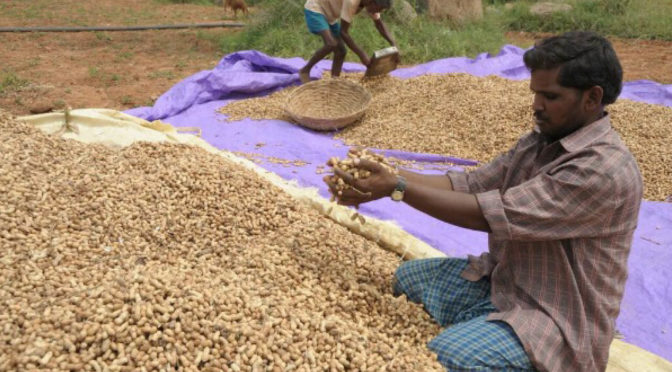
Featured image above: The peanut (Arachis hypogaea L.) is an important global food source and a staple crop grown in more than 100 countries, with approximately 42 million tonnes produced every year. Credit: ICRISAT

In a world first, under the leadership of University of Western Australia Winthrop Professor Rajeev Varshney, a global team sequenced and identified 50,324 genes in an ancestor of the cultivated peanut, Arachis duranensis.

They decoded the peanut DNA to gain an insight into the legume’s evolution and identify opportunities for using its genetic variability.

Importantly, the researchers have isolated 21 allergen genes, that, when altered, may be able to prevent an allergic response in humans.

The last decade has seen an alarming rise in peanut allergies with almost three in every 100 Australian children suffering, and only 20 per cent growing out of the allergy.

The allergic reaction of peanuts is caused by specific proteins in its seeds, according to Varshney who is also the Research Program Director at International Crops Research Institute for the Semi-Arid Tropics (ICRISAT).

“These 21 characterised genes will be useful in breeding to select the superior varieties in the laboratory such as ones that are non-allergenic,” Varshney says.

They also identified additional genes that would help increase crop productivity and improve peanut nutritional value by altering oil biosynthesis and protein content.

Peanuts or groundnuts (Arachis hypogaea L.) are an important global food source and are a staple crop grown in more than 100 countries, with approximately 42 million tonnes produced every year.

Originating in South America, humans have cultivated peanuts for more than 7,600 years.

With a very high seed oil content of 45–56 per cent, peanut oil contains nearly half of the 13 essential vitamins and 35 per cent of the essential minerals.

Peanuts are also associated with several human health benefits, and have been found to improve cardiovascular health, reduce the risk of certain cancers, and control blood sugar levels.

“This genome sequence has helped to identify genes related to resistance to different diseases, tolerance to abiotic stresses and yield-related traits,” Varshney says.

“By using this ’molecular breeding’ approach, we can also accelerate the breeding process, and generate superior varieties in 3–5 years compared to traditional breeding that takes 6–10 years.”

Varshney says genomics-assisted breeding is a non-GMO or ‘non-transgenic’ approach.

“This is basically a simple breeding process that uses the molecular markers/genes to select the lines in the breeding, and farmers have been growing such varieties for many crops all around the world,” Varshney says.

– Teresa Belcher

This article was first published by Science Network Western Australia  on 25 August 2016. Read the original article here.

Plant researcher wins Scientist of the Year

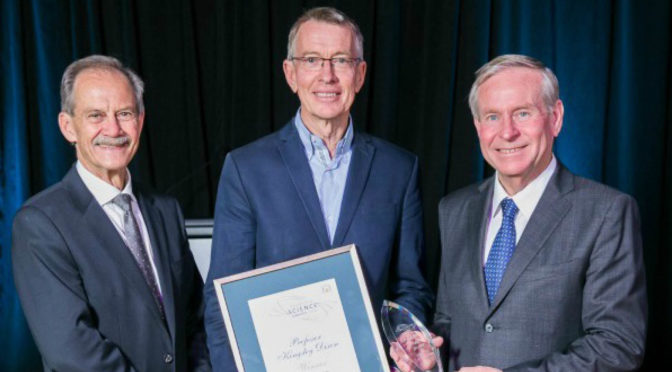
Featured image above: 2016 WA Scientist of the Year, plant researcher Professor Kingsley Dixon (centre), with Premier Colin Barnett (right) and WA Chief Scientist, Professor Peter Klinken (left). Credit: Office of Science/The Scene Team 

Professor Kingsley Dixon has been the Curtin University Professor at Kings Park and Botanic Garden since 2015, but his career in plant research stretches back decades.

He was the Director of Science at Kings Park for 32 years, leading its research efforts and building a team of more than 50 scientists and research students.

With his trademark approach of turning ‘science into practice’ he discovered that bushfire smoke triggers the germination of plants in Australia, as well as other parts of the world.

He later led an 11-year research project with the University of Western Australia and Murdoch University colleagues that isolated the secret ingredient that triggered the germination.

“This discovery has led to new horticultural products, and the improved restoration and conservation of many rare and threatened Australian plants that are unable to be conserved or propagated by other means,” the Premier and Science Minister Colin Barnett says.

In accepting the award, Dixon paid tribute to his colleagues over the years.

“The incredible verve and enthusiasm of all the young people who came through the Kings Park labs over the years just inspired me in the belief that WA is a great place, it’s the greatest place on earth to do the sort of science that we do,” he says.

Scores of WA’s top scientists and researchers attended the awards ceremony at the Kieran McNamara Conservation Science Centre in Kensington.

The late Professor Ian Ritchie AO was inducted into the WA Science Hall of Fame for his lifelong dedication to science.

Professor Ritchie was instrumental in setting up ChemCentre, as well as establishing the AJ Parker Cooperative Research Centre for Hydrometallurgy (extracting metals from their ores).

Other award winners

Woodside Early Career Scientist of the Year

Dr Scott Draper, a renewable energy engineer investigating wave and tidal energy, based at the School of Civil, Environmental and Mining Engineering (CEME) at UWA.

ExxonMobil Student Scientist of the Year

Christopher Brennan-Jones, a PhD candidate at UWA’s Ear Sciences Centre who led an international consortium assessing the reliability of automated hearing tests.

Chevron Science Engagement Initiative of the Year

Curtin University’s Fireballs in the Sky project, a citizen science initiative which uses digital cameras in the outback to track the fireballs created by meteorites to better understand the solar system.

You’ll find more details on the finalists in each of the four categories here.

– Tony Malkovic 

This article was first published by Science Network Western Australia on 19 August 2016. Read the original article here.

Cochlear implant electrodes improve hearing

Promising results have been reported from a world-first study of cochlear implant electrodes designed to stimulate hearing nerves and slowly release drugs into the inner ear.

HEARing Cooperative Research Centre (HEARing CRC) CEO Professor Robert Cowan said research using a cochlear implant electrode array that slowly releases anti-inflammatory drugs into the cochlear following implantation could lead to new benefits for cochlear implant users.

“The beauty of this approach is that it is based on use of the standard cochlear implant electrode array inserted into the inner ear that delivers sound sensations to the brain via the electrical stimulation of hearing nerve cells,” says Cowan. 

“The cochlear implant electrode array used in the research study was modified to slowly release a cortico-steroid after implantation.  This drug is intended to reduce inflammation and the growth of fibrous tissue around the electrode array triggered by the body’s immune response.”

After completing extensive biosafety studies, HEARing CRC researchers progressed to a study of the experimental electrode in ten adult patients, eight at the Royal Victorian Eye and Ear Hospital in Melbourne (RVEEH) and two at the Royal Institute for Deaf and Blind Children – Sydney Cochlear Implant Clinic (SCIC). 

 ENT surgeons Professor Rob Briggs and Professor Catherine Birman reported no compromise in surgical insertion characteristics with the experimental array.

Initial results confirm lower electrical impedance levels for the drug-eluting array patients, as compared with control groups from both clinics.  Impedance levels continue to remain lower 12 months post-implantation. 

“The suppression of the inflammatory reaction in the cochlear following electrode insertion is likely responsible for these lower impedance levels and may potentially contribute to preservation of an implant user’s residual hearing abilities when combined with slimmer electrode designs and newer surgical techniques,” Cowan explains. 

“Hearing preservation is important, as many candidates for cochlear implants have significant residual acoustic hearing, and want to be assured that they can use their residual acoustic hearing together with their cochlear implants.”

“Our hope is that this breakthrough will result in more people now considering cochlear implants as a viable way to manage their hearing loss”.

This drug-eluting electrode research has been made possible through the collaboration of Cochlear, RVEEH, and RIDBC-SCIC as members of the HEARing CRC, supported through the Commonwealth Governments CRC Programme.

“The HEARing CRC collaboration has contributed to commercial cochlear implant technologies that are now in world-wide use, as well as fitting technologies for both cochlear implants and hearing aids, helping to maintain Australia’s preeminent international standing in hearing research and service delivery,”  says Cowan. 

This article first appeared as a media release from the HEARing Cooperative Research Centre on 24 August 2016.

Introducing the world’s largest radio telescope

Featured image: A computer generated image of the Square Kilometre Array (SKA) radio telescope dish antennas in South Africa. Credit: SKA Project Office.

What is dark matter? What did the universe look like when the first galaxies formed? Is there other life out there? These are just some of the mysteries that the Square Kilometre Array (SKA) will aim to solve.

Covering an area equivalent to around one million square metres, or one square kilometre, SKA will comprise of hundreds of thousands of radio antennas in the Karoo desert, South Africa and the Murchison region, Western Australia.

The multi-billion dollar array will be 10 times more sensitive and significantly faster at surveying galaxies than any current radio telescope.

The massive flow of data from the telescope will be processed by supercomputing facilities that have one trillion times the computing power of those that landed men on the Moon.

Phase 1 of SKA’s construction will commence in 2018. The construction will be a collaboration of 500 engineers from 20 different countries around the world.

– Gemma Conroy

Commercialisation boost for businesses

The Turnbull Government has announced that twenty businesses across Australia will be offered $11.3 million in Entrepreneurs’ Programme grants to help boost commercialisation and break into new international markets.

A 3-D printed jaw joint replacement, termite-proof building materials and a safer way to store grain outdoors are amongst the diverse products and services that will be fast-tracked.

The grants range from $213,000 to $1 million and are matched dollar-for-dollar by recipients.

So far, the Government has invested $78.1 million since commencement of this initiative – helping 146 Australian businesses to get their products off the ground.

The grants help businesses to undertake development and commercialisation activities like product trials, licensing, and manufacturing scale-up—essential and often challenging steps in taking new products to market.

Projects supported by today’s grant offers will address problems and meet needs in key industries including food and agribusiness, mining, advanced manufacturing and medical technologies.

The 20 projects to receive commercialisation support include:

  • a safer, cheaper and more efficient outdoor grain storage solution for the agricultural industry
  • recycling technology for fats, oils and greases from restaurants that will save money and reduce pollution
  • a lighter, stronger and more flexible concrete product
  • an anti-theft automated security system for the retail fuel industry
  • a cheaper, faster and safer decontamination process for mine drainage
  • smaller, cheaper and more patient-friendly MRI technology used for medical diagnostics
  • a 3-D printed medical device for jaw joint replacements that reduces surgery risk and improves patient quality-of-life
  • insect and termite-proof expansion joint foam for the building industry, combining a two-step process into a single product.

The Entrepreneurs’ Programme commercialisation grants help Australian entrepreneurs, researchers and small and medium businesses find commercialisation solutions.

It aims to:

• accelerate the commercialisation of novel intellectual property in the form of new products, processes and services;
• support new businesses based on novel intellectual property with high growth potential; and
• generate greater commercial and economic returns from both public and private sector research and facilitate investment to drive business growth and competitiveness.

This information was first shared by the Minister for Industry, Innovation and Science on 17 August 2016.

Great Barrier Reef cleanup

In 2015, the Australian and Queensland governments agreed on targets to greatly reduce the sediment and nutrient pollutants flowing onto the Great Barrier Reef.

What we do on land has a real impact out on the reef: sediments can smother the corals, while high nutrient levels help to trigger more regular and larger outbreaks of crown-of-thorns starfish. This damage leaves the Great Barrier Reef even more vulnerable to climate change, storms, cyclones and other impacts.

Dealing with water quality alone isn’t enough to protect the reef, as many others have pointed out before. But it is an essential ingredient in making it more resilient.

The water quality targets call for sediment runoff to be reduced by up to 50% below 2009 levels by 2025, and for nitrogen levels to be cut by up to 80% over the same period. But so far, detailed information about the costs of achieving these targets has not been available.

Both the Australian and Queensland governments have committed more funding to improve water quality on the reef. In addition, the Queensland government established the Great Barrier Reef Water Science Taskforce, a panel of 21 experts from science, industry, conservation and government, led by Queensland Chief Scientist Geoff Garrett and funded by Queensland’s Department of Environment and Heritage Protection.

New work commissioned by the taskforce now gives us an idea of the likely cost of meeting those reef water quality targets.

This groundbreaking study, which drew on the expertise of water quality researchers, economists and “paddock to reef” modellers, has found that investing A$8.2 billion would get us to those targets by the 2025 deadline, albeit with a little more to be done in the Wet Tropics.

That A$8.2 billion cost is half the size of the estimates of between A$16 billion and A$17 billion discussed in a draft-for-comment report produced in May 2016, which were reported by the ABC and other media.

Those draft figures did not take into account the reductions in pollution already achieved between 2009 and 2013. They also included full steps of measures that then exceeded the targets. A full review process identified these, and now this modelling gives a more accurate estimate of what it would cost to deliver the targets using the knowledge and technology available today.

A future for farming

Importantly, the research confirms that a well-managed agricultural sector can continue to coexist with a healthy reef through improvements to land management practices.

Even more heartening is the report’s finding that we can get halfway to the nitrogen and sediment targets by spending around A$600 million in the most cost-effective areas. This is very important because prioritising these areas enables significant improvement while allowing time to focus on finding solutions that will more cost-effectively close the remaining gap.

Among those priority solutions are improving land and farm management practices, such as adopting best management practices among cane growers to reduce fertiliser loss, and in grazing to reduce soil loss.

While these actions have been the focus of many water quality programs to date, much more can be done. For example, we can have a significant impact on pollutants in the Great Barrier Reef water catchments by achieving much higher levels of adoption and larger improvements to practices such as maintaining grass cover in grazing areas and reducing and better targeting fertiliser use in cane and other cropping settings. These activities will be a focus of the two major integrated projects that will result from the taskforce’s recommendations.

A new agenda

The new study, produced by environmental consultancy Alluvium and a range of other researchers (and for which I was one of the external peer reviewers), is significant because nothing on this scale involving the Great Barrier Reef and policy costings has been done before.

Guidelines already released by the taskforce tell us a lot about what we need to do to protect the reef. Each of its ten recommendations now has formal government agreement and implementation has begun.

Alluvium’s consultants and other experts who contributed to the study – including researchers from CQ University and James Cook University – were asked to investigate how much could be achieved, and at what price, by action in the following seven areas:

  1. Land management practice change for cane and grazing
  2. Improved irrigation practices
  3. Gully remediation
  4. Streambank repair
  5. Wetland construction
  6. Changes to land use
  7. Urban stormwater management

Those seven areas for potential action were chosen on the basis of modelling data and expert opinion as the most feasible to achieve the level of change required to achieve the targets. By modelling the cost of delivering these areas and the change to nutrient and sediments entering the reef, the consultants were able to identify which activities were cheapest through to the most expensive across five catchment areas (Wet Tropics, Burdekin, Mackay-Whitsunday, Fitzroy and Burnett Mary).

Alluvium’s study confirmed the water science taskforce’s recommendation that investing in some catchments and activities along the Great Barrier Reef is likely to prove more valuable than in others, in both an environmental and economic sense.

Some actions have much lower costs and are more certain; these should be implemented first. Other actions are much more expensive. Of the total A$8.2 billion cost of meeting the targets, two-thirds (A$5.59 billion) could be spent on addressing gully remediation in just one water catchment (the Fitzroy region). Projects with such high costs are impractical and highly unlikely to be implemented at the scale required.

The Alluvium study suggests we would be wise not to invest too heavily in some costly repair measures such as wetland construction for nutrient removal just yet – at least until we have exhausted all of the cheaper options, tried to find other cost-effective ways of reaching the targets, and encouraged innovative landholders and other entrepreneurs to try their hand at finding ways to reduce costs.

The value of a healthier Great Barrier Reef

The A$8.2 billion funding requirement between now and 2025 is large, but let’s look at it in context. It’s still significantly less than the A$13 billion that the Australian government is investing in the Murray-Darling Basin.

It would also be an important investment in protecting the more than A$5 billion a year that the reef generates for the Australian economy and for Queensland communities.

The immediate focus should be on better allocating available funds and looking for more effective solutions to meet the targets to protect the reef. More work is still needed to ensure we do so.

If we start by targeting the most cost-effective A$1 billion-worth of measures, that should get us more than halfway towards achieving the 2025 targets. The challenge now is to develop new ideas and solutions to deliver those expensive last steps in improving water quality. The Alluvium report provides a valuable tool long-term to ensure the most cost-effective interventions are chosen to protect the Great Barrier Reef.

– John Rolfe

This article was first published by The Conversation on 12 April 2016. Read the original article here

Virtual diving with David Attenborough

Award-winning naturalist David Attenborough has brought some of the world’s most remote environments into our living rooms with documentaries like Planet Earth and Life.

But now you can be side-by-side with Attenborough as you are immersed in a prehistoric ocean and the Great Barrier Reef in two virtual reality films screening at the Australian Museum.

The virtual reality experiences were created by innovative UK-based studio Alchemy VR and are presented at the museum in partnership with Samsung.

In First Life, viewers travel back 540 million years and come face-to-face with ancient sea creatures such as giant shrimp-like predator Anomalocaris and the spine-covered Hallucigenia. While Attenborough guides you through the seamlessly animated ocean, you can explore all 360 degrees of the visuals.

But in Great Barrier Reef Dive things get even more real. Filmed at the museum’s own Lizard Island Research Station as part of David Attenborough’s Great Barrier Reef  TV series, viewers explore the world’s largest reef system in a bubble-like submarine. Turn to your right, and David is seated next to you gazing at the multitudes of fish, sharks and coral surrounding the submarine. The real-world footage also gives viewers a glimpse at the devastating effects of coral bleaching.

While virtual reality is still seen as a novelty by many, Kim McKay, CEO of the Australian Museum, says the technology is a game-changer for engaging the public in museum experiences.

“Virtual reality is a powerful new way of transporting us to the most extraordinary places on our planet, and David Attenborough is the perfect guide,” says Kim McKay, CEO of the Australian Museum. “It revolutionises the way people experience museums.”

The virtual reality films are also setting a new benchmark for educating viewers about the natural world in a compelling way.

“VR is opening up new frontiers for how Australians create, consume and interact with content,” says Phillip Newton, Corporate Vice President and Chief Marketing Officer at Samsung Electronics. “What better way to be fully immersed in our innovative technology than through these experiences?”

The two films are showing at the Australian Museum until 9th October 2016.

– Gemma Conroy

Featured image credit: Alchemy

Water sensitivity can be achieved in Australia

Featured image above: Achieving greater water sensitivity in Australia is possible if the community is engaged in water management strategies, says a recent report.

Has pursuit of the Australian dream – house and garden on the quarter-acre block – led to unsustainable water consumption? While our population grows and climate change renders rainfall less reliable, millions of backyards in our sprawling cities continue to drink thirstily from increasingly scarce water resources.

But it is possible to adapt our suburbs to become more water sensitive, argues Associate Professor Seamus O’Hanlon, co-author of ‘Water, history and the Australian city: Urbanism, suburbanism and water in a dry continent, 1788–2015’. This new report by the Cooperative Research Centre (CRC) for Water Sensitive Cities is part of research output for Understanding social processes to achieve water sensitive futures (Project A2.1).

The engaging historical account of white settlement and water management in Brisbane, Melbourne, and Perth suggests how such adaptation might be achieved. Arguing that good public policy must be historically informed so that lessons of the past influence practice in the future, the report demonstrates the effectiveness of simple and relatively inexpensive strategies to reduce cities’ water consumption, and makes recommendations for how these measures may be employed as part of an overall strategy toward a more water sensitive future.

Historical context crucial to creating water sensitivity

So can the Aussie dream survive in a water sensitive age? In fact, we have no choice, argues Seamus. “We simply cannot go back to year zero and start again. Rather, we must work with suburban communities to adapt to hydrological constraints.”

A central concept in the report is “path-dependency”, meaning that decisions made in the past constrain contemporary practices and policy options. For example, since the early nineteenth century, Australians have displayed a preference for low-density detached housing with gardens, despite the high per-capita cost of supplying services and infrastructure. That, argues Seamus, is not likely to change significantly.

Traditionally, water shortages in Australian cities have been overcome by increasing supply. Governments and water managers have focused on big engineering solutions, such as more and bigger dams (and, more recently, desalination plants) to “drought-proof” growing cities. Increasing water security during the post-war decades encouraged Australians to develop profligate water-use habits, such as frequent showering, growing lush gardens, and hosing driveways.

It was not until the 1980s that thinking began to turn from increasing supply to fostering more efficient usage. In some cities, residential water use had not even been monitored; and charging residents for its use was unthinkable.

Pricing and public education

The report shows that, while Australians have been extravagant with water, they have always shown a remarkable willingness to adapt water habits and usage (notably for gardens) during times of crisis. In practice, two important but administratively simple and cheap policy changes have had enormous impact on residential water use: water pricing and public education campaigns.

This offers a valuable clue about how we can make our thirsty cities more water sensitive. Our adaptability to changed water conditions demonstrates how attitudes – of both government and the public – can change significantly towards.

“Trusting in people to modify behaviour and having a price mechanism are big, big ways of making changes.”

However, the report points out how quickly lessons of water sensitivity are let go in times of plenty. It argues that we can no longer afford to forget: “In a climate-change influenced, water-constrained future, public education campaigns about the importance of water sensitivity should become a permanent component of public policy.”

Working with people

Working with people is pivotal, Seamus insists. “We need behaviour change, but we have to accept that people want to live in a certain way. So let’s adapt our policies to address that – the obvious one is rainwater tanks. The detached house allows you to capture water, which is not so easy to do in multi-storey blocks and apartments.”

Jean Brennan, Coordinator Water and Catchments at Sydney’s Inner West Council, has had considerable success in delivering water sensitive outcomes through sub-catchment programs in Marrickville that work at the neighbourhood level and involve extensive engagement with local communities and stakeholders. “Every activity we do – from involving whole communities, to individuals and local government staff – is, in effect, public education,” she says.

“This report is a fascinating read and particularly useful for advancing the third pillar of water sensitive cities: cities comprising water sensitive communities,” says Jean. “It brings to light the importance of water professionals needing to understand the full history and context before embarking on plans and decisions around water management.”

Decision makers with historical understanding and support for community participation will develop appropriate, context-specific plans that are broadly supported and likely to be implemented, Jean argues. “This report will support practitioners to do that,” she says.

– Nicola Dunnicliff-Wells

This article was first published by Cooperative Research Centre for Water Sensitive Cities on 26 July 2016. Read the original article here.

Is it possible to reverse ageing?

Featured image above: reverse ageing.

Since successful genome sequencing was first announced in 2000 by geneticists Craig Venter and Francis Collins, the cost of mapping DNA’s roughly three billion base pairs has fallen exponentially. Venter’s effort to sequence his genome cost a reported US$100 million and took nine months. In March, Veritas Genetics announced pre-orders for whole genome sequencing, plus interpretation and counselling, for US$999.

Another genetics-based start-up, Human Longevity Inc (HLI), believes abundant, relatively affordable sequencing and collecting other biological data will revolutionise healthcare delivery. Founded by Venter, stem cell specialist Robert Hariri and entrepreneur Peter Diamandis, it claims to have sequenced more human genomes than the rest of the world combined, with 20,000 last year, a goal of reaching 100,000 this year and over a million by 2020.

HLI offers to “fully digitise” a patient’s body – including genotypic and phenotypic data collection, and MRI, brain vascular system scans – under its US$25,000 Health Nucleus service. Large-scale machine learning is applied to genomes and phenotypic data, following the efforts at what Venter has called “digitising biology”.

The claim is that artificial intelligence (AI) can predict maladies before they emerge, with “many” successes in saving lives seen in the first year alone. The company’s business includes an FDA-approved stem cell therapy line and individualised medicines. The slogan “make 100 the new 60” is sometimes mentioned in interviews with founders. Their optimism is not isolated. Venture capitalist Peter Thiel admits he takes human growth hormone to maintain muscle mass, confident the heightened risk of cancer will be dealt with completely by a cancer cure, and plans to live to 120.


“We understand what the surgeon needs and we embed that in an algorithm so it’s full automated.”


Bill Maris, CEO of GV (formerly Google Ventures), provocatively said last year that he thinks it’s possible to live to 500. An anit-ageing crusader, biological gerontologist Dr Aubrey de Grey, co-founder and chief science officer of Strategies for Engineered Negligible Senescence (SENS, whose backers include Thiel), has claimed that people alive today might live to 1000.

Longevity expectations are constantly being updated. Consider that, in 1928, American demographer Louis Dublin put the upper limit of the average human lifespan at 64.8. How long a life might possibly last is a complex topic and there’s “some debate”, says Professor of Actuarial Studies at UNSW Michael Sherris.

He says there have been studies examining how long a life could be extended if certain types of mortality, such as cancer, were eliminated, points out Sherris.

“However, humans will still die of something else,” he adds. “The reality is that the oldest person lived to 122.”

Will we see a 1000-year-old human? It isn’t known. What is clear, though, is that efforts to extend health and improve lives have gotten increasingly sophisticated.

The definition of bioengineering has also grown and changed over the years. Now concerning fields including biomaterials, bioinformatics and computational biology, it has expanded with the ability to apply engineering principles at the cellular and molecular level.


Reverse ageing

A team led by Professor Jason Cooper-White at the University of Queensland’s Australian Institute for Biotechnology and Nanotechnology (AIBN) recently published research showing a novel stem cell screening method, a “lab on a chip”, almost. The credit card-sized device looks a boon for productivity. According to AIBN, it is able to run “8,100 experiments at one time”, deliver a five- to ten-fold increase in stem cell differentiation, and decrease the cost of this by 100 to 1,000 by reducing cell media culture used. The Cooper-White Lab focusses on “cardiac and vascular development, disease and regeneration”. Among many awards, Professor Cooper-White last year picked up the Aon Risk Solutions Regenerative Medicine Award. Credit: AIBN


Editing out problems to reverse ageing

What if, further than reading and comprehending the code life is written in, it could also be rewritten as desired? A technique enabling this with better productivity and accuracy than any before it, has gotten many excited about this possibility.

“In terms of speed, it’s probably 10 times as quick as the old technology and is five to 10 times as cheap,” says Professor Robert Brink, Chief Scientist at the Garvan Institute of Medical Research’s MEGA Genome Engineering Facility.

The facility uses the CRISPR/Cas9 process to make genetically-engineered mice for academic and research institute clients. Like many labs, Brink’s facility has embraced CRISPR/Cas9, which has made editing plant and animal DNA so accessible even amateurs are dabbling.

First described in a June 2012 paper in Science, CRISPR/Cas9 is an adaptation of bacteria’s defences against viruses. Using a guide RNA matching a target’s DNA, the Cas9 in the title is an endonuclease that makes a precise cut at the site matching the RNA guide. Used against a virus, the cut degrades and kills it. The triumphant bacteria cell then keeps a piece of viral DNA for later use and identification (described sometimes as like an immunisation card). This is assimilated at a locus in a chromosome known as CRISPR (short for clustered regularly spaced short palindromic repeats).

In DNA more complicated than a virus’s, the cut DNA is able to repair itself, and incorporates specific bits of the new material into its sequence before joining the cut back up. Though ‘off-target’ gene edits are an issue being addressed, the technique has grabbed lots of attention. Some claim it could earn a Nobel prize this year. There is hope it can be used to eventually address gene disorders, such as Beta thalassemias and Huntington’s disease.

“Probably the obvious ones are gene therapy, for humans, and agricultural applications in plants and animals,” says Dr George Church of Harvard Medical School.

Among numerous appointments, Church is Professor of Genetics at Harvard Medical School and founding core faculty member at the Wyss Institute for Biologically Inspired Engineering. Last year, a team led by Dr Church used CRISPR to remove one of the major barriers to pig-human organ transplants – retroviral DNA – in pig embryos.


You can have what are called, ‘universal donors’. That’s being used, for example, in making cells that fight cancer.


“We’re now at the point where it used to be that you would have to have a perfect match between donor and recipient of human cells, but that was because you couldn’t engineer either one of them genetically,” he says. “You can engineer the donor so that it doesn’t cause an immune reaction. Now, you can have what are called, ‘universal donors’. That’s being used, for example, in making T cells that fight cancer – what some of us call CAR-T cells. You can use CRISPR to engineer them so that they’re not only effective against your cancer, but they don’t cause immune complications.”

Uncertainty exists in a number of areas regarding CRISPR (including patent disputes, as well as ethical concerns). However, there is no doubt it has promise.

“I think it will eventually have a great impact on medicine,” believes Brink. “It’s come so far, so quickly already that it’s almost hard to predict… Being able to do things and also being able to ensure everyone it’s safe is another thing, but that will happen.”

And as far as acceptance by the general public? Everything that works to overcome nature seems, well, unnatural, at least at first. Then it’s easier to accept once the benefits of are apparent. Church – who believes we could reverse ageing in five or six years – is hopeful about the future. He also feels the world needs people leery about progress, and who might even throw up a “playing God” argument or two.

“I mean it’s good to have people who don’t drive cars and don’t wear clothes and things like that, [and] it’s good to have people who are anti-technology because they give us an alternative way of thinking about things,” he says.

“[Genetic modification] is now broadly accepted in the sense that in many countries people eat genetically-modified foods and almost all countries, they use genetically-modified bacteria to make drugs like Insulin. I think there are very few people who would refuse to take Insulin just because it’s made in bacteria.”


Reverse ageing

The Australian Centre of Excellence in Electromaterials Science (ACES) at the University of Wollongong, is a leader in biological 3D printing. Alongside three other universities, it offers the world’s first masters degree in biofabrication. The highly-interdisciplinary role of biofabricator “melds technical skills in materials, mechatronics and biology with the clinical sciences” says ACES Director, Professor Gordon Wallace. One of its projects is “layered brain-like structures”. Using layered bio-ink made of carbohydrates and neurons, the work adds to progress on a “bench-top brain”. Such a brain would be hugely useful for new drugs and electroceuticals. Professor Wallace, recently in the news for the BioPen stem cell printer, believes, in the coming years and with regulatory approval, cartilage for preventing arthritis, islet cells to treat diabetes, and stem cells will all be biofabricated treatments. Credit: ACES


A complete mindshift

Extended, healthier lives are all well and good. However, humans are constrained by the upper limits of what our cells are capable of, believes Dr Randal Koene.

For that and other reasons, the Dutch neuroscientist and founder of Carbon Copies is advancing the goal of Substrate Independent Minds (SIM). The most conservative form (relatively speaking) of SIM is Whole Brain Emulation, a reverse-engineering of our grey matter.

“In system identification, you pick something as your black box, a piece of the puzzle small enough to describe by using the information you can glean about signals going in and signals going out,” he explains, adding that the approach is that of mainstream neuroscience. “The system identification approach is used in neuroscience explicitly both in brain-machine interfaces, and in the work on prostheses.”

No brain much more complicated than a roundworm’s has been emulated yet. Its 302 neurons are a fraction of the human brain’s roughly 100 billion.

Koene believes that a drosophila fly, with a connectome of 100,000 or so neurons, could be emulated within the next decade. He is reluctant to predict when this might be achieved for people.

There’s reason for hope, though, with research at University of Southern California’s Center for Neural Engineering pointing the way.

 “The people from the [Theodore] Berger lab at USC, they’ve had some really good results using the system identification approach to make a neural prosthesis,” Koene says.

Koene counts being able to replace the function of part of a brain as the “smallest precursor” to whole brain emulation, with the end goal a mind that can operate without a body.


reverse ageing

Professor Milan Brandt, Technical Director of RMIT’s $25 million Advanced Manufacturing Precinct, has led the university in numerous collaborative projects. These include an Australian-first 3D printed spinal replacement with Anatomics, a vertebral cage for a patient with a deformity and excruciating back pain.  Other endeavours include the university’s provisionally patented Just-In-Time patient-specific bone implant method. To be useful away from its creators, the process – which creates implants with lattice-like mesh structures that emulate the weight and flex of bone – needs to be usable by surgeons with no prior experience with 3D printing. “We understand what the surgeon needs and we embed that in an algorithm so that it’s fully automated,” Dr Martin Leary tells create. Credit: RMIT


 – Simon Lawrence

This article was originally published in the July 2016 issue of create – Engineers Australia‘s member magazine. Read the original article here.

How to balance gender in STEM

Sobering statistics on gender disparity were released by the Office of the Chief Scientist in early 2016 as part of a report on STEM-based employment. These followed the federal government’s National Innovation and Science Agenda (NISA) announcement of a $13 million investment to encourage women to choose and stick with STEM careers. So, what are the issues for men and women entering STEM graduate pathways today and how can you change the game?

The rate of increase in female STEM-qualified graduates is outstripping that of males by 6 per cent. Overall, however, women make up just 16% of STEM-qualified people, according to the Chief Scientist’s March 2016 report, Australia’s STEM Workforce.

Recognising that more needs to be done, a cohort of exceptional female and male leaders in academia and industry is developing two strategic approaches that will receive the bulk of the new NISA funding. These are the industry-led Male Champions of Change initiative, and the Science in Australia Gender Equity (SAGE) pilot, run the Australian Academy of Science and the Australian Academy of Technological Sciences and Engineering.

SAGE was founded by Professors Nalini Joshi and Brian Schmidt (a Nobel laureate) with a view to creating an Australian pilot of UK program the Athena SWAN Charter. Established in 2005, Athena SWAN was described by the British House of Commons as the “most comprehensive and practical scheme to improve academics’ careers by addressing gender inequity”.

Since September 2015, 32 organisations have signed up for Australia’s SAGE pilot, which takes a data analysis approach to affect change. Organisations gather information such as the number of women and men hired, trained and promoted across various employment categories. They then analyse these figures to uncover any underlying gender inequality issues, explains Dr Susan Pond, a SAGE program leader and adjunct professor in engineering and information technologies at the University of Sydney. Finally, participating organisations develop a sustainable four-year action plan to resolve the diversity issues that emerge from the analyses.

Women occupy fewer than one in five senior researcher positions in Australian universities and institutes, and there are almost three times as many male than female STEM graduates in the highest income bracket ($104K and above). The Australia’s STEM Workforce report found this wealth gap is not accounted for by the percentage of women with children, or by the higher proportion of females working part-time.

There are, however, some opportunities revealed by the report. While only 13% of engineering graduates are female, 35% of employees with engineering degrees are female, so a larger proportion of women engineers are finding jobs. Across all sectors, however, employment prospects for STEM-qualified women are worse than for non-STEM qualified women – a situation that’s reversed for men.

Part of the problem is that graduates view academic careers as the only outcome of a STEM degree – they aren’t being exposed to careers in industry and the corporate sector, says Dr Marguerite Evans-Galea, a senior research leader at the Murdoch Childrens Research Institute and co-founder of Women in Science Australia.

“There are so many compounding issues in the academic environment: it’s hypercompetitive, you have to be an elite athlete throughout your entire career,” she says. “This impacts women more because they are often the primary caregivers.”

An increased focus on diversity in STEM skills taught at schools, however, is changing the way women relate to careers in the field, Marguerite says.

“There are opportunities for women because, with diversified training, we can realise there is a broad spectrum of careers. A PhD is an opportunity to hone your skills towards these careers.”

In the workforce, more flexible work arrangements and greater technical connectivity are improving conditions for women at the early-career level but, as Marguerite points out, there is still a bottleneck at the top.

“I’m still justifying my career breaks to this day,” she says. “It’s something that travels throughout your entire career – and this needs to change.”

Part of the issue is the way we measure success, as well as gender disparity, on career and grant application review panels – and this won’t change overnight.

“How we define merit may be different if there are more women in the room,” Marguerite adds. “There will be a more diverse range of ideas. Collaborations and engagement with the public may be valued more, as well as your ability to be an advocate and be a role model to other women in STEM. Paired with essential high-quality research, it could provide a broader lens.”

-Heather Catchpole

This article was first published on Postgraduate Futures on 29 May 2016. Read the original article here.
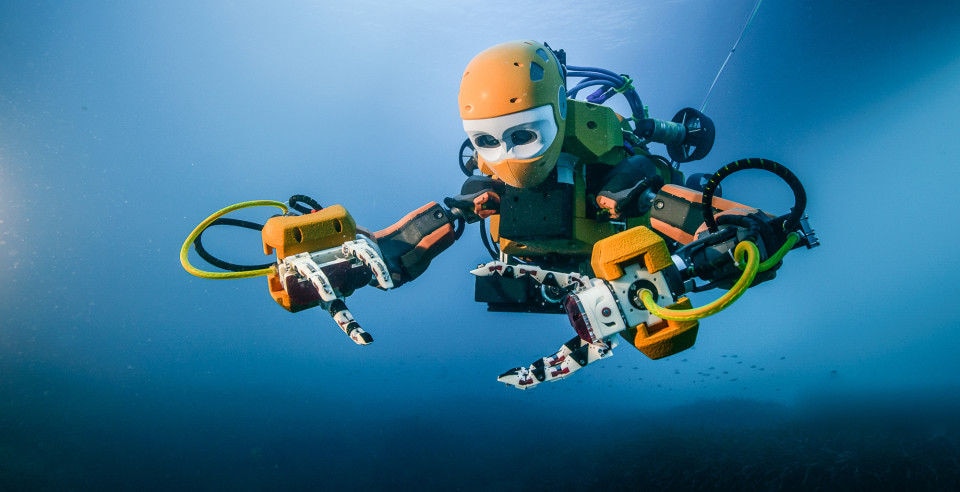
Tiny gemstones advance nanoscale imaging

Featured image above: Nanomaterials composed of tiny diamonds and rubies can be used to light up and image a long chain of proteins. Credit: Carlo Bradac

A research team at the ARC Centre of Excellence for Nanoscale BioPhotonics (CNBP) – led by Dr Philipp Reineck from RMIT University’s School of Science – tested the ruby and diamond particles, more than a thousand times smaller than the diameter of a hair, alongside other nanoparticles for use in biological imaging, and found that they have a higher degree of stability, critical to achieving imaging success.

“Fluorescing nanoparticles can be used as ‘tiny lamps’ that when placed in the body, are able to light up cells and their internal processes.”

“We shine light at the biological sample of interest in a very controlled way and the nanomaterials send light back, helping us to see very specifically what is happening, right down to a molecule and protein level.”

“This is the area we’re focused on, exploring how the ‘very small’ can help us in answering some of the very big questions in biology.”

In the study published in the journal Advanced Optical Materials, the team compared seven types of fluorescent nanomaterials – organic dyes, semiconductor quantum dots, fluorescent beads, carbon dots and gold nanoclusters, as well as the nano sized diamonds and rubies.

Characteristics tested for included levels of fluorescence brightness and photostability (resistance to change under the influence of light), as well as how efficiently these new materials can be imaged using standard microscopes used in biology.

“Nanomaterials have widely differing characteristics and we need to determine which materials will work best in which imaging application,” Reineck said.

“What our study clearly shows is that nanodiamonds and nanorubies are excellent materials for long-term biological imaging.

“These two materials provide acceptable levels of brightness and the best photostability by far, when compared to the other materials that were tested.”

In other study findings, Reineck noted clear trade-offs in many of the nanomaterials examined.

“We found that ideal levels of photostability generally mean a sacrifice in brightness and vice versa,” he said.

“For example, during testing, the organic dyes and carbon dots were much brighter than the rubies and the diamonds – but photobleaching (or fading) was a major issue, impacting their practical imaging use.”

Reineck’s next step will be to work closely with biologists and medical researchers within the CNBP to develop selected nanomaterials so that they can be used with the needed precision and reliability to light-up real-world biological environments.

Future application of the materials will relate to fertility, chronic pain and heart disease research, key focus areas for the CNBP.

“The real treasure isn’t the rubies or the diamonds,” concluded Reineck.

“It will be the way in which we use these materials to shed new light on the incredibly complex processes taking place in the living body, helping us understand a whole host of matters relating to health, wellbeing and disease.”

The Centre for Nanoscale BioPhotonics (CNBP) is an Australian Research Council Centre of Excellence, with research focussed nodes at the University of Adelaide, Macquarie University and RMIT University.

A $40 million initiative, the CNBP is focused on developing new light-based imaging and sensing tools, that can measure the inner workings of cells, in the living body.

– Petra van Nieuwenhoven

This article was first published by RMIT University on 20 July 2016. Read the original article here.

Engineering music video inspires girls

Featured video above: NERVO’s engineering music video aims to get girls switched onto careers in engineering. 

Eight top universities – led by the University of New South Wales – have launched a song and music video by Australia’s twin-sister DJ duo NERVO to highlight engineering as an attractive career for young women.

NERVO, made up of 29-year-old singer-songwriters and sound engineers Miriam Nervo and Olivia Nervo, launched the video clip for People Grinnin’ worldwide on Friday 15 July.

In the futuristic video clip, a group of female engineers create android versions of NERVO in a high-tech lab, using glass touchscreens and a range of other technologies that rely on engineering, highlighting how it is embedded in every facet of modern life.

The song and video clip are part of Made By Me, a national collaboration between UNSW, the University of Wollongong, the University of Western Australia, the University of Queensland, Monash University, the University of Melbourne, the Australian National University and the University of Adelaide together with Engineers Australia, which launched on the same day across the country.

It aims to challenge stereotypes and shows how engineering is relevant to many aspects of our lives, in an effort to to change the way young people, particularly girls, see engineering. Although a rewarding and varied discipline, it has for decades suffered gender disparity and chronic skills shortage.

NERVO, the Melbourne-born electronic dance music duo, pack dancefloors from Ibiza to India and, according to Forbes,  are one of the world’s highest-earning acts in the male-dominated genre. They said the Made by Me project immediately appealed to them.

“When we did engineering, we were the only girls in the class. So when we were approached to get behind this project it just made sense,” they said.

“We loved the chance to show the world that there is engineering in every aspect of our lives,” they said. “We’re sound engineers, but our whole show is only made possible through expert engineering:  the makeup we wear, the lights and the stage we perform on.”

“Engineering makes it all possible, including the music that we make.”

Alexandra Bannigan, UNSW Women in Engineering Manager and Made By Me spokesperson, said the project highlights the varied careers of engineers, and the ways in which engineers can make a real difference in the world. 

“When people think engineering, they often picture construction sites and hard hats, and that perception puts a lot of people off,” she said. “Engineering is more than  that, and this campaign shows how engineering is actually a really diverse and creative career option that offers strong employment prospects in an otherwise tough job market.”

She noted that the partner universities, which often compete for the best students, see the issue as important enough to work together.

“We normally compete for students with rival universities, but this is such an important issue that we’re working together to break down those perceptions,” she said.

Made By Me includes online advertising across desktop and mobiles, a strong social media push, a website telling engineering stories behind the video, links to career sites, as well as the song and video, to be released by Sony globally on the same day. Developed by advertising agency Whybin/TBWA, the campaign endeavours to change the way young people, particularly girls, see engineering.

“We needed to find a way to meet teenagers on home turf and surprise them with an insight into engineering that would open their minds to its possibilities,” said Mark Hoffman, UNSW’s Dean of Engineering. “This is what led to the idea of producing an interactive music video, sprinkled with gems of information to pique the audience’s interest in engineering.”

UNSW has recently accelerated efforts to attract more women into engineering, more than tripling attendance at its annual Women in Engineering Camp, in which 90 bright young women in Years 11 and 12 came to UNSW from around Australia for a week this year to explore engineering as a career and visiting major companies like Google, Resmed and Sydney Water. It has also tripled the number of Women in Engineering scholarships to 15, valued at more than $150,000 annually.

Hoffman, who became Dean of Engineering in 2015, has set a goal to raise female representation among students, staff and researchers to 30% by 2020. Currently, 23% of UNSW engineering students are female (versus the Australian average of 17%), which is up from 21% in 2015. In industry, only about 13% of engineers are female, a ratio that has been growing slowly for decades.

“Engineering has one of the highest starting salaries, and the average starting salary for engineering graduates has been actually higher for women than for men,” said Hoffman. “Name another profession where that’s happening.”

Australia is frantically short of engineers: for more than a decade, the country has annually imported more than double the number who graduate from Australian universities.

Some 18,000 engineering positions need to be filled annually, and almost 6,000 come from engineering students who graduate from universities in Australia, of whom the largest proportion come from UNSW in Sydney, which has by far the country’s biggest engineering faculty. The other 12,000 engineers arrive in Australia to take up jobs – 25% on temporary work visas to alleviate chronic job shortages.

“Demand from industry has completely outstripped supply, and that demand doubled in the past decade,” said Hoffman. “In a knowledge driven economy, the best innovation comes from diverse teams who bring together different perspectives. This isn’t just about plugging the chronic skills gap – it’s also a social good to bring diversity to our technical workforce, which will help stimulate more innovation. We can’t win at the innovation game if half of our potential engineers are not taking part in the race.”

UNSW has also created a new national award, the Ada Lovelace Medal for an Outstanding Woman Engineer, to highlight the significant contributions to Australia made by female engineers.

This information was first shared by the University of New South Wales on 14 July 2016. Read the original article here.

Rethinking Australia’s innovation sector

Tony Peacock takes a closer look at Australia’s innovation sector compared to the rest of the world. 

Innovation and Science Australia, the new body created in last December’s National Innovation and Science Agenda, has not sat idle during the election period. The Office of Innovation and Science Australia wound up a series of strategic workshops in Canberra yesterday, developing a 15-year Strategic Plan for Australia’s innovation sector. The plan will develop over the next year and will be a vitally important guiding document in setting direction for Australia’s innovation sector to 2030.

As is the case with many workshops, the facilitator asked each participant to make an opening observation, and mine surprised the person next to me. I was surprised at her surprise. It was basically that even the depiction in graphics of innovation as a linear process that moves from knowledge creation to knowledge transfer through to knowledge application can be fraught. It can over emphasise the expectations on universities in our innovation system. Our system is relatively highly reliant on universities already and we have to be very careful not to expect them keep doing more and more. The primary role of universities is to teach and their biggest impact in the innovation system is to develop talent. All universities also conduct research, but in Australia, we rely on university research much more heavily than most countries.

To illustrate, I’ve pulled out the OECD figures on who performed R&D in four countries in 2013 (the latest year with information for Australia, the USA, Germany and Israel). I chose these particular countries because we often hear comparisons between their systems and ours. Relative to other countries, Australia is roughly twice as reliant on universities to perform our total national research effort. Business in Australia performs relatively less research than business in the other countries but it is important when framing strategic directions to remember that in Australia, businesses still do double the research of our universities. Business is absolutely not sitting at the end of a knowledge generation process waiting to be fed.

This is not at all a criticism of universities. Australian universities are an unmitigated success. They do a brilliant job of teaching Australian and international students at both undergraduate and graduate levels. They do brilliant research. There is no doubt they can do better at engaging with industry, but most have lifted very significantly in that space already. How much more can we genuinely expect? Many universities are expressing concerns that they are cross-subsidising research with teaching dollars already (a fraught argument itself because students are attracted to high reputation universities, who largely drive reputation through their research profile). But they are probably leveraged about as far as possible.

Surely the key strategic issue in Australia’s innovation sector is to drive more business innovation? Relative to the rest of the world, our businesses do less research, but they are still the largest part of the innovation system as a whole. We need to think of business as the main player it is in performing R&D and how we can encourage yet more business research to enhance national prosperity. The people at the Office of Innovation and Science Australia are on to it and they acknowledge that there is “no simple way to fully describe its (Australia’s innovation sector) components or dynamics”. Perhaps that’s because in many ways it is not a “system” at all, which makes the task of strategic planning that much more difficult. It is certainly a task worth supporting.

This article was first published by the Cooperative Research Centre Association on 13 July 2016. Read the original article here.

Cancer research investment boost

Featured image above: Cancer research at the Cancer Therapeutics Cooperative Research Centre has received a funding boost. Credit: CTx

The Chief Executive of the Cancer Therapeutics Cooperative Research Centre (CTx), Dr Warwick Tong, announced last week that a majority of its current partners have chosen to reinvest their share of the recent cash distribution from CTx back into the organisation.

In January 2016 CTx licensed its PRMT5 Project to MSD (known as Merck in the US and Canada) in a landmark deal and received over $14 million dollars as its share of the signature payment. Novel drugs arising from the project will be developed and commercialised by Merck. Potential future milestone payments and royalties will also be shared within the partnership.

“Our 2013 application to the Department of Industry CRC Programme outlined the intent to actively secure reinvestment of funds from any commercialisation success back into our cancer drug development activities”, said Tong. “To have this commitment from our partners is the validation and support we wanted.

“The more than seven million dollars will boost our ability to deliver new cancer drugs for adults and children”.

“CTx has made great use of its partnership network to deliver this project,” said Professor Grant McArthur Chair of the CTx Scientific Advisory Board. “The reinvestment is a very positive recognition by the partners that CTx will continue to provide benefits for patients and strengthen translational cancer research in Australia”.

This article was first published by the Cancer Therapeutics Cooperative Research Centre on 29 June 2016. Read the original article here.
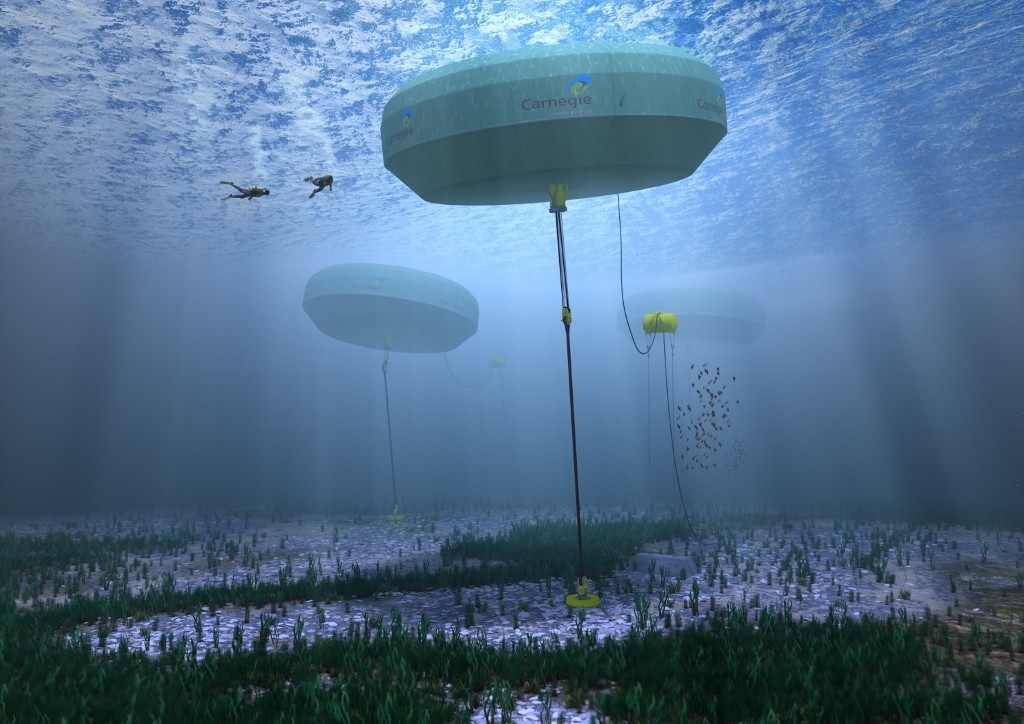
To read more articles on research funding, visit:

$22.6 million research funding – A round of applications is expected to open in August for 11 newly funded Cooperative Research Centre (CRC) projects.

Australian research funding infographic – The latest OECD figures reveal how Australia’s science and research funding compares with other countries.

Australian research funding infographic

Featured image above: CSIRO has received significant budget cuts in recent years. Credit: David McClenaghan

The election is rapidly approaching, and all major parties – Liberal, Labor and Greens – have now made announcements about their policies to support science and research.

But how are we doing so far? Here we look at the state of science and research funding in Australia so you can better appreciate the policies each party has announced.

The latest OECD figures show that Australia does not fare well compared with other OECD countries on federal government funding research and development.

As a percentage of GDP, the government only spends 0.4% on research and development. This is less than comparable nations.

CC BY-ND

But looking at total country spending on research and development, including funding by state governments and the private sector, the picture is not so bleak: here Australia sits in the middle among OECD countries.

CC BY-ND

Over the years, there have been hundreds of announcements and new initiatives but this graph indicates that, in general, it has been a matter of rearranging the deck chairs rather than committing to strategic investments in research.

The Paul Keating Labor government made some investments. During the John Howard Liberal government’s years, there were ups and downs. The Kevin Rudd/Julia Gillard Labor governments were mostly up. And in Tony Abbott’s Liberal government, the graph suggests that it was mostly down with science.

CC BY-ND

Over the past decade, there have been some minor changes in funding to various areas, although energy has received the greatest proportional increase.

CC BY-SA

This pie chart reminds us that the higher education sector is a major provider of research and is highly dependent on government funding. It also tells us that business also conducts a great deal of research.

CC BY-ND

The timeline below shows that the government does listen and respond when issues arise. It has recognised the importance of the National Collaborative Research Infrastructure Scheme (NCRIS), the Australian Synchrotron and sustainable medical research funding by different initiatives.

But, sadly, one must remember that funding is effectively being shifted from one domain to another, and it has seldom been the case that significantly new commitments are made. The balance of red and blue shows how one hand gives while the other takes funding away.

CC BY-SA

This useful graph highlights the fact that Australian Research Council (ARC) funding now amounts to little more than the National Health and Medical Research Council’s funding.

This is remarkable, given that the ARC funds all disciplines, including sciences, humanities and social sciences, while the NHMRC essentially focuses on human biology and health.

CC BY-SA

This graphic also highlights the lack of any sustained funding strategy. The only clear trend is that the investment in the ARC has gradually declined and the NHMRC has grown.

This, in part, reflects the undeniable importance of health research. But it is also indicative of effective and coherent organisation and communication by health researchers. This has been more difficult to achieve in the ARC space with researchers coming from a vast array of disciplines.

– Merlin Crossley, Deputy Vice-Chancellor Education and Professor of Molecular Biology, UNSW Australia
– Les Field, Secretary for Science Policy at the Australian Academy of Science, and Senior Deputy Vice-Chancellor, UNSW Australia
This article was first published by The Conversation on June 22 2016. Read the original article here.

Connecting science with industry