All posts by Heather Catchpole

New tools in the fight against fish ferals

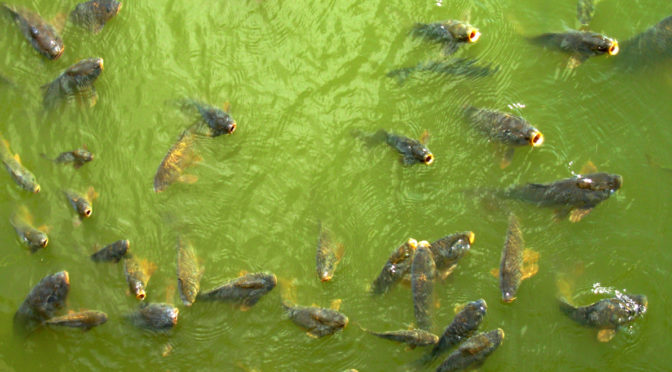
They’re known as the rabbits of Queensland’s rivers. Tilapia were introduced into Australia in the 1970s through the aquarium trade, and these African exotics are now one of the country’s most destructive pest fish.

“They’re like little bulldozers in a river,’’ says aquatic ecosystems biologist Dr Dean Gilligan. “They dig around in the bottom of rivers, pull out vegetation, stir up mud and generally trash the habitat for native species. They’re also bullies. They’re extremely aggressive toward native fish – and, unfortunately, can breed up into a very large biomass, just like carp.”

Gilligan is a senior fisheries research scientist with the NSW Department of Primary Industries, and leads the CRC’s inland water pests research program, whose focus is to develop new technologies to detect and better control pest fish.

With researchers at the University of Notre Dame in Illinois, US, scientists from the Queensland Department of Agriculture, Fisheries and Forestry and James Cook University have been working to develop a DNA surveillance technique to detect the presence of tilapia in creeks and other waterways.

The spread of tilapia has so far been confined to Queensland, where their range includes one of the state’s biggest river systems – the Burdekin. Several outbreaks in West Australian rivers near Geraldton were controlled thanks to early detection. Preventing the spread of the fish, particularly to the Murray-Darling Basin, is a key concern of the CRC.

Tilapia can thrive in polluted and degraded waterways, and are fast, prolific breeders. Several were added to an ornamental pond at a hotel golf course in Port Douglas, near Cairns. Two years later, an eradication program removed 16 tonnes of tilapia from the pond.

Gilligan says the DNA surveillance technique being developed by the Invasive Animals CRC will enable fisheries officers to more efficiently detect pest fish, even in low numbers.

“Instead of sending a whole team of people out with a boat, nets and a pile of equipment for several days, we can send one person, with a bucket, to collect around nine to 10 litres of water from a river,’’ Gilligan says.

“They dig around in the bottom of rivers, pull out vegetation, stir up mud and generally trash the habitat for native species. They’re also bullies.”

Dr Dean Gilligan leads the Invasive Animals CRC’s inland water pest program.

Dr Dean Gilligan leads the Invasive Animals CRC’s inland water pest program.

The water is filtered, using fine filter paper, and when filtration is complete, the paper is analysed using a standard polymerase chain reaction laboratory test to detect DNA fragments.

“It’s not instantaneous. It takes a couple of days to filter the water and run the test, but it’s a much faster, more reliable [method] of measuring pest fish incursions in a river than using nets, lines and boats. Once the test result is back, we can run a risk assessment and move on to developing an eradication program.”

The DNA surveillance technique was originally developed in the US to detect carp, which are now among Australia’s most destructive environmental pests. The CRC is also evaluating a naturally occurring virus found overseas as a biological control agent to reduce carp impact. Dr Ken McColl, a veterinary virologist at the CSIRO Australian Animal Health Laboratory in Geelong, is leading the research.

McColl is conducting tests to confirm the findings that this carp herpes virus is effective and that it is safe for release into Australia’s waterways to control carp without affecting humans or native species. If successful, the strategic control program will open up new areas of research.

“We’d see unprecedented massive fish kills of carp in rivers, so we need to look at ways to manage collection and disposal of thousands of dead carp,” says Gilligan. “Do they go to council tips as landfill, or could they be ploughed into paddocks as fertiliser? That’s all part of the challenge of developing an eradication technique.”

– Rosslyn Beeby

www.invasiveanimals.com

Water smart cities

Work at the Cooperative Research Centre for Water Sensitive Cities will play a vital role in safeguarding the water supplies of our cities, managing our waste as a resource and protecting cities from floods – making them water smart cities.


Vertical gardens

A space-saving way to beautify buildings, vertical gardens increase urban biodiversity and improve local microclimates. With water supplies under increasing demand, the gardens must be able to flourish using sustainable watering practices. Perth landscaping firm Deep Green and CRC partner, the City of Subiaco, designed a vertical garden for a local library. Tailored to the local climate and using native plants that require minimal water, it is the first vertical garden in WA and it thrived in its first summer. CRC researchers are developing technologies that will enable the gardens to treat greywater from the buildings for reuse in landscape watering and to flush toilets in the same buildings. In Australia, this could save up to 50% of typical household water usage.


Water smart cities: urban wetlands

“Cities in Australia and the world are all facing significant challenges related to growing populations, water being one of them. Liveability within the city is very much dependent on how we manage water,” says Professor Wong. Artificial wetlands constructed in our cities are one of the most promising technologies for a sustainable, water-sensitive future, providing a way to process stormwater run-off while creating public amenities. The bodies of water act as holding reservoirs, trapping sediments and pollutants, while vegetation provides a biofilter that removes and, in some cases, converts pollutants into harmless substances. The CRC for Water Sensitive Cities is working to improve the technology and adapt it to treat not only stormwater during wet spells, but also wastewater and polluted groundwater during dry periods.


Water smart cities: hidden treasure in our sewers

Eliminating nitrogen, phosphorus and potassium from wastewater is an energy-intensive process necessary to avoid toxic algal blooms in our waterways. But in the right formulation, these elements can be used to make a precious resource: agricultural fertiliser. Led by Dr Damien Batstone, researchers from the Advanced Water Management Centre at the University of Queensland are developing a technique that uses bacteria to extract the nutrients, transforming the waste into fertiliser. Initial testing on farms has been successful and, in an added benefit, the approach generates methane, which can be burnt to generate electricity, improving energy efficiency.

– Jude Dineley

watersensitivecities.org.au

Reading vision

Digital reading software for vision-impaired people costs around $400 and can only verbalise text. Senior Lecturer Dr Iain Murray and PhD student Azadeh Nazemi of Curtin University’s Department of Electrical and Computer Engineering have designed a new system that enables vision-impaired people to also access information from images – for $100.

The device is 3 cm thick and about the size of an iPad, with built-in speakers and navigation buttons. Nazemi says it was a challenge to combine several existing technologies into one system that could recognise patterns, segment them into pieces of interest, interpret information and describe it in an audio format.

“In a line graph, for example, the machine has to work out where the axes are, conduct optical character recognition on the labels and legends, match it all together and calculate, in human terms, what the lines mean: Are they heading up? Is there a change at a certain point?” Nazemi says.

The device can read any electronic document via a USB memory stick and can also download books from the library. In addition, its voice-activation feature works in more than 120 languages.

“Our system is easily operated by people of all ages and abilities, and it is open source so anyone can use and modify the software,” Murray says.

With more than 20,000 people in Western Australia alone who are legally blind, and at least 285 million vision-impaired people worldwide, a user-friendly system that can interpret complex visual information will have a profound impact.

“We believe the biggest difference will be in countries such as Africa, India and China because demand is high and our devices are affordable,” says Murray.

Branwen Morgan

Fuelling the future

The complex engineering that drives renewable energy innovation, global satellite navigation, and the emerging science of industrial ecology is among Curtin University’s acknowledged strengths. Advanced engineering is crucial to meeting the challenges of climate change and sustainability. Curtin is addressing these issues in several key research centres.

Bioenergy, fuel cells and large energy storage systems are a focus for the university’s Fuels and Energy Technology Institute (FETI), launched in February 2012. The institute brings together a network of more than 50 researchers across Australia, China, Japan, Korea, Denmark and the USA, and has an array of advanced engineering facilities and analytic instruments. It also hosts the Australia-China Joint Research Centre for Energy, established in 2013 to address energy security and emissions reduction targets for both countries. 

Curtin’s Sustainable Engineering Group (SEG) has been a global pioneer in industrial ecology, an emerging science which tracks the flow of resources and energy in industrial areas, measures their impact on the environment and works out ways to create a “circular economy” to reduce carbon emissions and toxic waste.

And in renewable energy research, Curtin is developing new materials for high temperature fuel cell membranes, and is working with an award-winning bioenergy technology that will use agricultural crop waste to produce biofuels and generate electricity.


Solar’s big shot

Curtin’s hydrogen storage scientists are involved in one of the world’s biggest research programs to drive down the cost of solar power and make it competitive with other forms of electricity generation such as coal and gas. They are contributing to the United States SunShot Initiative – a US$2 billion R&D effort jointly funded by the US Department of Energy and private industry partners to fast track technologies that will cut the cost of solar power, including manufacturing for solar infrastructure and components.

SunShot was launched in 2011 as a key component of President Obama’s Climate Action Plan, which aims to double the amount of renewable energy available through the grid and reduce the cost of large-scale solar electricity by 75%.

Professor Craig Buckley, Dean of Research and Professor of Physics at Curtin’s Faculty of Science and Engineering, is the lead investigator on an Australian Research Council Linkage Project on energy storage for Concentrating Solar Power (CSP), and a chief investigator with the SunShot CSP program. His team at Curtin’s Hydrogen Storage Research Group is using metal hydrides to develop a low cost hydrogen storage technology for CSP thermal energy plants such as solar power towers.

CSP systems store energy in a material called molten salts – a mixture of sodium nitrate and potassium nitrate, which are common ingredients in plant fertilisers. These salts are heated to 565°C, pumped into an insulated storage tank and used to produce steam to power a turbine to generate electricity. But it’s an expensive process. The 195 m tall Crescent Dunes solar power tower in Nevada – one of the world’s largest and most advanced solar thermal plants – uses 32,000 tonnes of molten salt to extend operating hours by storing thermal energy for 10 hours after sunset.

Metal hydrides – compounds formed by bonding hydrogen with a material such as calcium, magnesium or sodium – could replace molten salts and greatly reduce the costs of building and operating solar thermal power plants. Certain hydrides operate at higher temperatures and require smaller storage tanks than molten salts. They can also be reused for up to 25 years.

At the Nevada plant, molten salt storage costs an estimated $150 million, – around 10–15% of operation costs, says Buckley. “With metal hydrides replacing molten salts, we think we can reduce that to around $50–$60 million, resulting in significantly lower operation costs for solar thermal plants,” he says. “We already have a patent on one process, so we’re in the final stages of testing the properties of the process for future scale-up. We are confident that metal hydrides will replace molten salts as the next generation thermal storage system for CSP.”


From biomass to fuel

John Curtin Distinguished Professor Chun-Zhu Li is lead researcher on a FETI project that was awarded a grant of $5.2 million by the Australian Renewable Energy Agency in 2015 to build a pilot plant to test and commercialise a new biofuel technology. The plant will produce energy from agricultural waste such as wheat straw and mallee eucalypts from wheatbelt farm forestry plantations in Western Australia.

“These bioenergy technologies will have great social, economic and environmental benefits,” says Li. “It will contribute to the electricity supply mix and also realise the commercial value of mallee plantations for wheatbelt farmers. It will make those plantations an economically viable way of combating the huge environmental problem of dryland salinity in WA.”

Li estimates that WA’s farms produce several million tonnes of wheat straw per year, which is discarded as agricultural waste. Biomass gasification is a thermochemical process converting biomass feedstock into synthesis gas (syngas) to generate electricity using gas engines or other devices.

One of the innovations of the biomass gasification technology developed at FETI is the destruction of tar by char or char-supported catalysts produced from the biomass itself. Other biomass gasification systems need water-scrubbing to remove tar, which also generates a liquid waste stream requiring expensive treatment, but the technology developed by Li’s team removes the tar without the generation of any wastes requiring disposal. This reduces construction and operation costs and makes it an ideal system for small-scale power generation plants in rural and remote areas.

Li’s team is also developing a novel technology to convert the same type of biomass into liquid fuels and biochar. The combined benefits of these bioenergy/biofuel technologies could double the current economic GDP of WA’s agricultural regions, Li adds. future scale-up. We are confident that metal hydrides will replace molten salts as the next generation thermal storage system for CSP.”


Keeping renewables on grid

Professor Syed Islam is a John Curtin Distinguished Professor with Curtin’s School of Electrical Engineering and Computing. It’s the highest honour awarded by the university to its academic staff and recognises outstanding contributions to research and the wider community. Islam has published widely on grid integration of renewable energy sources and grid connection challenges. In 2011, he was awarded the John Madsen Medal by Engineers Australia for his research to improve the prospect of wind energy generation developing grid code enabled power conditioning techniques.

Islam explains that all power generators connected to an electricity network must comply with strict grid codes for the network to operate safely and efficiently. “The Australian Grid Code specifically states that wind turbines must be capable of uninterrupted operation, and if electrical faults are not immediately overridden, the turbines will be disconnected from the grid,” he says.

“Wind energy is a very cost effective renewable technology. But disturbances and interruptions to power generation mean that often wind farms fall below grid code requirements, even when the best wind energy conversion technology is being used.”

Islam has led research to develop a system that allows a faster response by wind farm voltage control technologies to electrical faults and voltage surges. It has helped wind turbine manufacturers meet grid regulations, and will also help Australia meet its target to source 20% of electricity from renewable energy by 2020.

Islam says micro-grid technology will also provide next-generation manufacturing opportunities for businesses in Australia. “There will be new jobs in battery technology, in building and operating micro-grids and in engineering generally,” he says.

“By replacing the need for platinum catalysts, we can make fuel cells much cheaper and more efficient, and reduce dependence on environmentally damaging fossil fuels.”


Cutting fuel cell costs

Professor San Ping Jiang from FETI and his co-researcher Professor Roland De Marco at University of the Sunshine Coast in Queensland recently received an Australian Research Council grant of $375,000 to develop a new proton exchange membrane that can operate in high-temperature fuel cells. It’s a materials engineering breakthrough that will cut the production costs of fuel cells, and allow more sustainable and less polluting fuels such as ethanol to be used in fuel cells.

Jiang, who is based at Curtin’s School of Chemical and Petroleum Engineering, has developed a silica membrane that can potentially operate at temperatures of up to 500°C. Fuel cells directly convert chemical energy of fuels suchas hydrogen, methanol and ethanol into electricity and provide a lightweight alternative to batteries, but they are currently limited in their application because conventional polymer-based proton exchange membranes perform most efficiently at temperatures below 80°C. Jiang has developed a membrane that can operate at 500°C using heteropoly acid functionalised mesoporous silica – a composite that combines high proton conductivity and high structural stability to conduct protons in fuel cells. His innovation also minimises the use of precious metal catalysts such as platinum in fuel cells, reducing the cost.

“The cost of platinum is a major barrier to the wider application of fuel cell technologies,” Jiang says. “We think we can reduce the cost significantly, possibly by up to 90%, by replacing the need for platinum catalysts. It will make fuel cells much cheaper and more efficient, and reduce dependence on environmentally damaging fossil fuels.”

He says the high temperature proton exchange membrane fuel cells can be used in devices such as smartphones and computers, and in cars, mining equipment and communications in remote areas.


Doing more with less

The SEG at Curtin University has been involved in energy efficiency and industrial analysis for just over 15 years. It’s been a global leader in an emerging area of sustainability assessment known as industrial ecology, which looks at industrial areas as ‘ecosystems’ that can develop productive exchanges of resources.

Associate Professor Michele Rosano is SEG’s Director and a resource economist who has written extensively on sustainability metrics, charting the life cycles of industrial components, carbon emission reduction and industrial waste management. They’re part of a process known as industrial symbiosis – the development of a system for neighbouring industries to share resources, energies and by-products. “It’s all about designing better industrial systems, and doing more with less,” Rosano says.

Curtin and SEG have been involved in research supported by the Australian’s Government’s Cooperative Research Centres Program to develop sustainable technologies and systems for the mineral processing industry at the Kwinana Industrial Area, an 8 km coastal industrial strip about 40 km south of Perth. The biggest concentration of heavy industries in Western Australia, Kwinana includes oil, alumina and nickel refineries, cement manufacturing, chemical and fertiliser plants, water treatment utilities and a power station that uses coal, oil and natural gas.

Rosano says two decades of research undertaken by Curtin at Kwinana is now recognised as one of the world’s largest and most successful industrial ecology projects. It has created 49 industrial symbiosis projects, ranging from shared use of energy and water to recovery and reuse of previously discarded by-products.

“These are huge and complex projects which have produced substantial environmental and economic benefits,” she says. “Kwinana is now seen as a global benchmark for the way in which industries can work together to reduce their footprint.”

An example of industrial synergies is waste hydrochloric acid from minerals processing being reprocessed by a neighbouring chemical plant for reuse in rutile quartz processing. The industrial ecology researchers looked at ways to reuse a stockpile of more than 1.3 million tonnes of gypsum, which is a waste product from the manufacture of phosphate fertiliser and livestock feeds. The gypsum waste is used by Alcoa’s alumina refinery at Kwinana to improve soil stability and plant growth in its residue areas.

The BP oil refinery at Kwinana also provides hydrogen to fuel Perth’s hydrogen fuel-cell buses. The hydrogen is produced by BP as a by-product from its oil refinery and is piped to an industrial gas facility that separates, cleans and pressurises it. The hydrogen is then trucked to the bus depot’s refuelling station in Perth.

Rosano says 21st century industries “are serious about sustainability” because of looming future shortages of many raw materials, and also because research has demonstrated there are social, economic and environmental benefits to reducing greenhouse emissions.

“There is a critical need for industrial ecology, and that’s why we choose to focus on it,” she says. “It’s critical research that will be needed to save and protect many areas of the global economy in future decades.”


in text

Planning for the future

Research by Professor Peter Teunissen and Dr Dennis Odijk at Curtin’s Department of Spatial Sciences was the first study in Australia to integrate next generation satellite navigation systems with the commonly used and well-established Global Positioning System (GPS) launched by the United States in the 1990s.

Odijk says a number of new systems are being developed in China, Russia, Europe, Japan, and India, and it’s essential they can interact successfully. These new Global Navigation Satellite Systems (GNSS) will improve the accuracy and availability of location data, which will in turn improve land surveying for locating mining operations and renewable energy plants.

“The new systems have an extended operational range, higher power and better modulation. They are more robust and better able to deal with challenging situations like providing real-time data to respond to bushfires and other emergencies,” says Odijk.

“When these GNSS systems begin operating over the next couple of years, they will use a more diverse system of satellites than the traditional GPS system. The challenge will be to ensure all these systems can link together.”

Integrating these systems will increase the availability of data, “particularly when the signals from one system might be blocked in places like open-pit mines or urban canyons – narrow city streets with high buildings on both sides.”

Teunissen and Odijk’s research on integrating the GNSS involves dealing with the complex challenges of comparing estimated positions from various satellites, as well as inter-system biases, and developing algorithms. The project is funded by the Cooperative Research Centre for Spatial Information, and includes China’s BeiDou Navigation Satellite System, which is now operating across the Asia-Pacific region.

Rosslyn Beeby

Data discoveries

In the environment, big data can be used to discover new resources, and monitor the health of the resources we rely on, such as clean water and air. The Australian Nuclear Science and Technology Organisation (ANSTO) is at the forefront of big data analysis and precision modelling in environmental studies at both national and international scales.

Particle accelerators are used to analyse samples at a molecular level with extremely high precision. At ANSTO, they have been integral to identifying a potential water source in the Pilbara area in northern WA, as well as measuring air quality in Australian and Asian cities.

Despite its remoteness, the Pilbara contains major export centres, such as Port Hedland, which rely heavily on sustainable use of water. In March 2014, ANSTO’s Isotopes for Water project released the results of their investigation into water quality, sustainability and the age of groundwater in the arid Pilbara region, to determine its viability as a future water resource to support the growth of the area.

“A large, potentially sustainable resource was verified by using nuclear techniques,” explains Dr Karina Meredith of ANSTO, who leads the project investigating water sources. “The outcome of this seven-year study provides a greater degree of certainty of water supply for the Pilbara.”

By calculating the age of water, ANSTO researchers can determine whether it can be drawn off sustainably, and where replacement (known as ‘recharging’) will be sufficient to maintain reservoir levels. Levels of carbon-14 in groundwater decay naturally over time, and by measuring minute traces of this radiocarbon in the groundwater with ANSTO’s STAR accelerator, scientists like Meredith can tell how old the water is. “We’ve found it’s about 5000 years old, and what was really interesting is that one of the areas had waters that were approximately 40,000 years old,” says Meredith.

Her calculations show it will be OK to drink the 5000-year-old water, as the reservoir is sufficiently recharged by water from cyclones. The 40,000-year-old vintage won’t be flowing through kitchen taps, however, as this region isn’t recharged fast enough, she says.

“A large, potentially sustainable, resource was verified by using nuclear techniques.”

For more than a decade, Dr David Cohen of ANSTO has used the same accelerators to track down the sources of fine particle air pollution in Australian and Asian cities. Air pollution particles come in different sizes, but fine particles are the most damaging to human health – they penetrate deep into the lungs and have been linked to cardiovascular disease.

Cohen is the data coordinator of an international study of fine particle air pollution that takes samples in cities across 15 countries in Asia and Australasia. Combining the fingerprints detected using STAR with wind back trajectories, he’s shown that the air in Hanoi, for example, can contain dust from the Gobi Desert in Mongolia and pollution from Chinese coal-fired power stations some 500–1500 km away.

In addition, to reveal the sources of air pollution nationally, Cohen’s team has recently completed a study of the Upper Hunter region of NSW, which found significant fingerprints from domestic wood burning.

“In winter, up to 80% of the fine particles were coming from wood,” says Cohen. “So the most effective way to reduce winter air pollution would be to regulate burning wood.”

– Clare Pain

www.ansto.gov.au

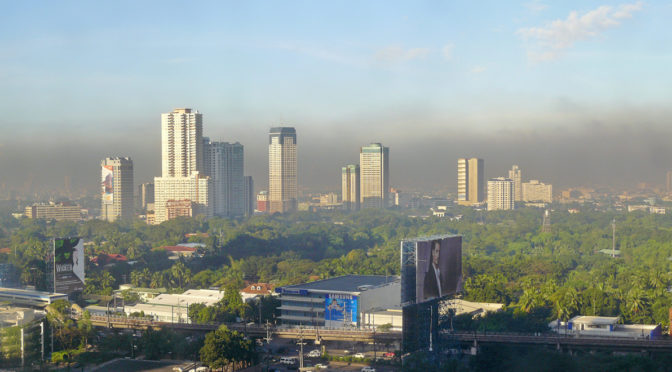
[Feature image above:  ANSTO’s particle accelerators are being used to analyse air pollution in cities such as Manila in the Philippines.]


The role of science and innovation in a 21st century government

Australia’s new prime minister, Malcolm Turnbull, has announced what he calls a “21st-century government”. This article is part of The Conversation’s series focusing on what such a government should look like.

Change is in the air. According to our new Prime Minister Malcolm Turnbull, his will be a 21st century government. But what does this entail? And what is the role of science and innovation in such a government?

The challenge for a genuinely 21st century Australian government is how to wrap its arms around the future in such a way that it improves Australia’s ability to capitalise on its research capacity and create new jobs, industries and opportunities for the coming century.


A 21st century ministry

The expanded Industry, Innovation and Science portfolio will now encompass digital technology and engineering, which together comprise the engine that has driven explosive growth in Silicon Valley, Israel and other forward-looking places.

We need to invest broadly in science research to feed the technology and engineering engine. But how do we bridge the funding “valley of death” between research and industry, and convert our excellent research outcomes into proven technologies?

We have companies aplenty that can pick up and commercialise proven technologies, but they are rightly cautious about licensing the rights to research outcomes. To address this problem, the US government directly invests nearly ten times more than we do as a percentage of GDP to fund business feasibility studies intended to convert research outcomes into proven technologies.

To drive our innovation agenda harder, a 21st century government could consider grants and development contracts specifically to support the translation of research outcomes into proven technologies.

Private sector investment into Australian start-up companies is lacking. In the US and Israel, more than 10% of GDP derives from venture-capital backed companies. In Australia it is 0.2%.

If we could increase the contribution to the economy by these companies from 0.2% to, say, 2%, then the benefits would be significant. To do so we will need to encourage new domestic and international sources of private funding, teach skills in technology assessment, and give further consideration to the rules around employee stock options and crowd-sourced funding.


Thinking big

At the same time, the fresh line-up of political leaders can help advance the national psyche beyond a state of gloom. They can acknowledge the fantastic benefits innovation has already brought to established industries.

Banking and resources, for example, have invested heavily in innovation to improve efficiency, and the largest iron mining companies in Australia continue to operate with positive operating margins despite depressed international prices.

Science and technology advances operate across broad sectors of the economy, contributing to accelerated growth in major export industries such as agriculture. Improvements to farm machinery and practices will make our farming more efficient, while adoption of digital technology to track our goods from field to retail outlet will provide the proof of origin that will allow our exporters to charge premium prices.

To the extent that the government will invest in new programs to support innovation, they should be carefully conceived, long term and national in scope, and large in scale. At the same time, existing programs could be consolidated to focus on those that have the most impact.


Sink or swim

I sometimes hear criticism of the Australian workforce, but I strongly disagree with that criticism. I have employed many engineers and scientists in the US and in Australia, and the Australian staff have been every bit as talented and dedicated as their US counterparts.

Unfortunately, unlike in the US, a substantial fraction of our creative workforce is locked out of commercial development activities because of the lack of mobility between university and industry jobs.

A 21st century government could help by adopting ratings systems that measure and reward engagement between universities and industry, and value time spent by research staff working in industry as much as they value publications and citations.

Of course, like footballers, innovators thrive when the rules of the game are clear and consistently applied. Industry is as one with government in recognising the importance of strong regulations. What is needed in most industries is a lead regulator to coordinate the regulatory oversight.

This approach does not replace the expertise of the various regulators, it just coordinates them. The key is for regulations to enable rather than stifle innovation while ensuring that community concerns and safety requirements are properly addressed.

We are already operating in an era of digital disruption. Science and technology will further dominate our future as we build a world ever more like those imagined by science fiction. In this world, machines offer their services to each other, buy and sell products and exchange information in real time. Manufacturing and service provision will be highly flexible and products will be individualised to customer needs.

Our industries must be agile and ready to transform, so that they will add value in a complex global supply chain, thereby creating new wealth that will be invested in services, health and other industries, with net creation of jobs.
The only thing we know for sure is that the next ten years will change more rapidly than the past ten years. I am confident that as the newly appointed Minister for Industry, Innovation and Science, Christopher Pyne, recognises the urgency to embrace these changes and will introduce policies and practices to capture the opportunities in what is proving to be a sink or swim world. The latter is preferable.

– , Chancellor, Monash University

This article was first published by The Conversation US on 27 September 2015. Read the original article here.

Immense Vision

In any given week, Tingay might be discussing a galaxy census, monitoring solar flares for the US Air Force or investigating the beginning of the universe.

Tingay is the Director of the Curtin Institute of Radio Astronomy at Curtin University, Deputy Director of the International Centre for Radio Astronomy Research and Director of the Murchison Widefield Array (MWA). Still less than two years old, the MWA has already entered uncharted territory, collecting data that will uncover the birth of stars and galaxies in the very early universe and produce an unprecedented galaxy catalogue of half a million objects in the sky. The MWA could also one day provide early warning of destructive solar flares that can knock out the satellite communications we rely on.

“To date, we’ve collected upwards of four petabytes of data and all the science results are starting to roll out in earnest now,” he says.

“It’s an amazing feeling for the team to have pulled together, delivered the instrument, and to do things that no one ever expected we could do when we did the planning.”

The project sees Curtin University lead a prestigious group of partners, including Harvard University and MIT, in four countries. And while the MWA is a powerful telescope in its own right, it paves the way for what is arguably the biggest science project on the planet – the Square Kilometre Array (SKA).

The promise of this multi-billion dollar telescope, which will be built across Western Australia and South Africa, drove Tingay to move to Perth seven years ago. “I like to be close to the action, building and operating telescopes, and using them to do interesting experiments that no one else has done before – in close physical proximity.”

His team of 55 researchers at Curtin University are working on the astrophysics, engineering and ICT challenges of the SKA.

“Curtin is an amazing place to work,” he says. “It’s focused on a few very high-impact developments and making sure that they’re properly funded and resourced.

“Periodically, I sit down and think: ‘Where else in the world would I rather be?’ and every time I conclude that for radio astronomy Curtin University in Perth is the best place to be.”

Michelle Wheeler

Across the skies

Today NASA announced the paradigm shifting discovery of flowing water on Mars. This extraterrestrial salty water bodes well for a water cycle on Mars, and potential hosting of Martian life. What mysteries lie on Mars, we may find out soon – but for the infinite mysteries that lie beyond – we have the Earth’s largest radio telescope, the Square Kilometre Array (SKA), manned by the Curtin Institute of Radio Astronomy.

The engineering challenges behind building the world’s biggest radio telescope are vast, but bring rewards beyond a better understanding of the universe.

Since its inception, the Curtin Institute of Radio Astronomy has established itself as an essential hub for astronomy research in Australia. Known as CIRA, the organisation brings together engineering and science expertise in one of Australia’s core research strengths: radio astronomy.

Through CIRA’s research node, Curtin is an equal partner in the International Centre for Radio Astronomy Research (ICRAR) with the University of Western Australia. Curtin also contributes staff to the Australian Research Council Centre of Excellence for All-sky Astrophysics. One of the core strengths of CIRA is the construction of next generation telescopes. These include work on one of the world’s biggest scientific endeavours and the SKA.

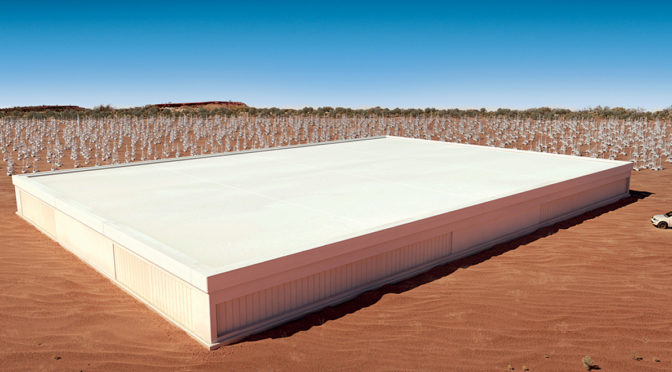
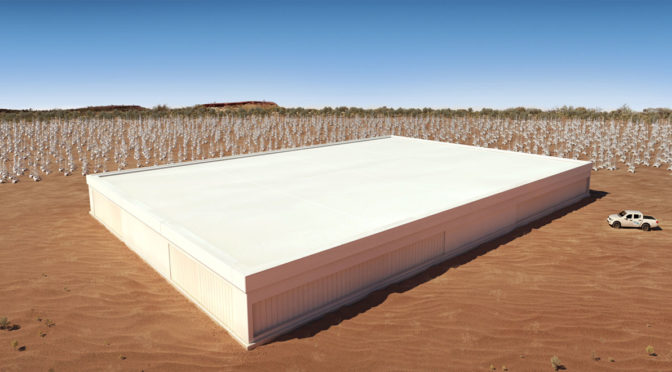
CIRA’s Co-Directors, Professors Steven Tingay and Peter Hall, were on the team who pitched Australia’s successful bid to host part of the SKA – a radio telescope that will stretch across Australia and Africa. The SKA’s two hosting nations were announced in May 2012 and the project forms the main focus of research at CIRA. And for good reason: the SKA-low – a low-frequency aperture array consisting of a quarter of a million individual antennas in its first phase – will be built in Western Australia at the Murchison Radio-astronomy Observatory (MRO), about 800 km north of Perth.

The near-flat terrain and lack of radio noise from electronics and broadcast media in this remote region allow for great sky access and ease of construction. At Phase 1, SKA-low will cover the project’s lowest-frequency band, from 50 MHz up to 350 MHz – with antennas covering approximately 2 km at the core, stretching out to 50 km along three spiral arms.

“Out of 10 organisations in a similar number of countries, CIRA is the largest single contributor to the low frequency array consortium,” says Hall, the Director responsible for engineering at CIRA.

Far from a traditional white dish radio telescope, which mechanically focuses beams, the SKA-low will be a huge array of electronic antennas with no moving parts. Its programmable signal processors will be able to focus on multiple fields of view and perform several different processes simultaneously. “You can point at as many directions as you want with full sensitivity – that’s the beauty of the electronic approach,” says Senior Research Fellow Dr Randall Wayth, an astronomer and signal processing specialist at CIRA.


One of the major scientific goals of SKA-low is to help illuminate the events of the early universe, particularly the stage of its formation known as the ‘epoch of reionisation’. Around 13 billion years ago, all matter in the early universe was ionised by radiation emitted from the earliest stars. The record of this reionisation carries with it telltale radio signatures that reveal how those early stars formed and turned into galaxies. Observing this directly for the first time will allow astronomers to unlock fundamental new physics.

“To see what’s going on there at the limits of where we can see in time and space, you have to have telescopes that are sensitive to wide-field, diffuse structures, and that are exquisitely calibrated. You have to be able to reject the foreground universe and local radio frequency interference,” says Hall. This sensitivity to diffuse structures will make SKA-low and its precursor, the Murchison Widefield Array (MWA), essential instruments in studying the epoch of reionisation.

The SKA-low will also be important in studying time domain astronomy, which consists of phenomena occurring over a vast range of timescales. One example is the field of pulsar study. Pulsars are incredibly dense rotating stars that, much like a lantern in a lighthouse, emit a beam of radiation at extremely regular intervals. This regularity makes pulsars useful tools for a variety of scientific applications, including accurate timekeeping.

By the time the radio signal from a distant pulsar travels across space and reaches Earth, it is dispersed. But with the right telescope, you can calibrate against this dispersion, and trace back the original regular signal.

“One of the great things you can do with a low frequency telescope such as the SKA-low is get a very good look at the pulsar signal,” says Hall. “As well as stand-alone SKA-low pulsar studies, the measurement of hour-to-hour dispersion changes can be fed to telescopes at higher frequencies, vastly improving their ability to do precision pulsar timing.”

“It’s a big advantage having the critical mass of people in this building to make things happen.”


It’s not just astronomy research that is benefiting from the construction of the SKA-low and its precursors (two precursor telescopes are in place at the MRO: the MWA and the Australian Square Kilometre Array Precursor telescope, ASKAP). In order to make the most out of the aperture array telescopes, some fundamental engineering challenges need to be solved. Challenges such as how to characterise the antennas to ensure that they meet design specifications, or how to design a photovoltaic system to power the SKA without producing too many unwanted emissions. Solving these problems requires both a deep understanding of the fundamental physics involved as well as knowledge of how to engineer solutions around those physics.

The projected construction timeframe for SKA-low is 2018–2023, but there is already infrastructure in place to begin testing its design and operation. Consisting of 2048 fixed dual-polarisation dipole antennas arranged in 128 ‘tiles’, the MWA boasts a wide field of view of several hundred square degrees at a resolution of arcminutes. It has provided insight into the challenges that will arise during the full deployment of SKA-low, not the least of which is managing the volume of data resulting from the measurements.

“The MWA already has a formidable data rate. We transmit 400 megabits per second down to Perth, and processing that is a substantial challenge,” says Wayth. The challenge is a necessary one, as the stream of data that comes from a fully operational SKA-low will be orders of magnitude larger.

“While doing groundbreaking science, the MWA is just manageable for us at the moment in terms of data rate. It teaches us what we have to do to handle the data.”

Continued CIRA developments at the MRO have included the construction of an independently commissioned prototype system, the Aperture Array Verification System 0.5 (AAVS0.5). The results from testing it in conjunction with the MWA surprised the engineers and scientists. “Engineers know that building even a tiny prototype teaches you a lot,” says Hall.

In their case, some carefully-matched cables turned out to be mismatched in their electrical delay lengths. Using the AAVS0.5, they have already been able to improve the MWA calibration. “We were able to feedback that engineering science into the MWA astronomy calibration model, and we now have a better model to calibrate and clean the images from the MWA,” says Hall.

Following the success of AAVS0.5, over the next two years CIRA will be leading the construction of the much larger AAVS1, designed to mimic a full SKA-low station.


Developing the SKA-low and its precursors is an huge effort, demanding the best in astrophysics, engineering and data processing. CIRA is uniquely positioned to accomplish this feat, with a large research staff, fully equipped engineering laboratory and access to the nearby Pawsey Supercomputing Centre for data processing. “CIRA has astronomers and engineers, as well as people who do both. We have all the skills to do these things in-house,” says Hall.

“It’s a big advantage having the critical mass of people in this building to make things happen,” says Wayth. “It’s a rare case where the sum of the parts really is greater than the whole.”

Opportunities for students and early-career researchers to engage in the project are already underway. Dozens of postgraduate research projects commencing in 2015 will involve the MWA, AAVS and ASKAP directly. Topics range from detecting the radio signature of fireballs to investigating the molecular chemistry of star formation. As well as producing novel scientific outcomes, these projects will feed valuable test data into the major scientific investigations slated for the SKA as it becomes operational.


The Pawsey Supercomputing Centre will manage the enormous volume of data collected by SKA-low.

The Pawsey Supercomputing Centre will manage the enormous volume of data collected by SKA-low.

A Supercomputer in the backyard

The scale of SKA, and the resultant flood of data, requires the rapid development of methods to process data. The Pawsey Supercomputing Centre – a purpose-built powerhouse named after pioneering Australian radio astronomer Dr Joe Pawsey and run by the Interactive Virtual Environments Centre (iVEC) – includes a supercomputer called Galaxy, dedicated to radio astronomy research. A key data challenge is finding ways in which the signal processing method can be split up and processed simultaneously, or ‘parallelised’, so that the full force of the supercomputing power can be used. The proximity of the signal processing experts at CIRA to iVEC means that researchers can continually prototype new ways of parallelising the data, with the goal being to achieve real-time analysis of data streaming in from the SKA.

Phillip English

Asia alliance key to the SKA telescope

A mammoth telescope comprising millions of antennas across Western Australia and Africa, the Square Kilometre Array (SKA) will help astronomers tackle some of the big unanswered questions of the universe.

The complex ‘brain’ behind it all is “a system of systems”, says Kevin Vinsen, a University of Western Australia specialist in astroinformatics at the International Centre for Radio Astronomy Research (ICRAR) in Perth.

Vast quantities of data from the telescope, due for completion in 2024, will necessitate heavy-duty computing infrastructure. The output from the Australian part alone, located at the Murchison Radio-astronomy Observatory 800 km north of Perth, will exceed a day’s Australian Internet traffic in less than 20 minutes. 

The ‘brain’, called the Science Data Processor (SDP), will manage the capture of raw data at the Pawsey Supercomputing Centre in Perth and the processing and archiving of this data into a form that astronomers around the world can access.

“The main goal of the SDP is to bridge the gap between the telescope and the science,” says Vinsen’s colleague, ICRAR engineer Associate Professor Chen Wu.

ICRAR is part of the international collaboration designing the SDP – itself a multifaceted collection of hardware and software. Split into 10 work packages, the huge project is managed by 21 partners in 18 time zones with a total budget of $48.3 million. ICRAR is leading the Data Layer Work Package that will develop systems to manage the flow and storage of the telescope data.

Industrial joint-funders, such as IBM, Cisco and NVIDIA, have been involved since the project’s conception. Commercialisation of SKA technology is expected to flow naturally from the arrangement.

“There will be a significant return to industry, come what may,” says ICRAR director Professor Peter Quinn.

Embed) another ASKAP dish

The SDP project, and Data Layer in particular, involves collaboration with a Chinese collective of universities, research institutes and a company. Two such partners are Tsinghua University in Beijing, who are working on data storage, and Inspur in Guangzhou, a contractor for Tianhe-2, the world’s most powerful supercomputer.

Collaboration on the SDP is part of wider investment by China in the SKA and radio astronomy in general. In a separate project, nestled in a natural bowl of limestone in the Guizhou Province in southern China, the largest single-dish telescope in the world is under construction. The Five hundred-metre Aperture Spherical Telescope (FAST) is due for completion in 2016.

The FAST design was an SKA candidate that missed out, but still promises to be a powerful telescope. ICRAR is working with the Chinese institutions involved in FAST to learn from their experiences.

“We are particularly interested in working with the Chinese on FAST because of its enormous scientific potential, but also as a precursor to the SKA technology,” says Quinn.

www.icrar.org

[Feature image caption] Dave Pallot, Professor Andreas Wicenec and Associate Professor Chen Wu are on ICRAR’s data archiving team.

 — Jude Dineley

Far-sighted treatment for myopia

Short-sightedness (myopia) is a health problem that threatens to sweep the world, but it’s one Associate Professor Padmaja Sankaridurg believes she and her colleagues can play an important role in controlling.

Myopia affects 27% of the world’s population. Research suggests these numbers will rise dramatically as people spend more time indoors and at their computer screens, taking the world’s current number of myopes from 1.45 billion to 2.5 billion by 2020.

“Take any country in the world, there seems to be something about the urban environment that contributes to myopia,” says Sankaridurg, Vision CRC’s program leader on the condition.

Myopia often occurs when children start school and can severely effect their education. At its worst, it also increases risks of developing more serious vision problems, such as retinal detachment and glaucoma, which can lead to blindness.

Hence, Vision CRC’s goal is to develop a new generation of optical products that can control myopia’s progression in children – a move that would consolidate Australia’s position as a global centre of excellence in understanding the condition.

Associate Professor Padmaja Sankaridurg and Vision CRC are working to slow the progress of myopia.

Vision CRC: Sydney

R&D: $22 million, 5-year extension granted in 2010

Reach: More than 50 countries, including China

At a glance: Vision CRC was established in 2003 as part of the Cooperative Research Centres program with a grant of $32 million, which was followed up in 2010 with a further $22 million to carry out leading research in the areas of myopia, new biomaterials for vision correction, ocular comfort and vision care delivery. Vision CRC partners with 31 organisations.

In 2007, Adelaide-based Carl Zeiss Vision Australia was selected to produce spectacles for controlling myopia, after four years of R&D by Sankaridurg and her team at Vision CRC, who collaborated with researchers at the Brien Holden Vision Institute.

They had been testing the theory that if lenses could directly focus onto the periphery of the retina – not just the central portion – then myopia progression would be slowed in young children and perhaps also in adults.

The first-generation prototypes and second-generation lenses were produced and evaluated with another vital CRC partner, Zhongshan Ophthalmic Center (ZOC) at Sun Yat-sen University, Guangzhou, between 2007 and 2009.

ZOC is China’s leading ophthalmic trial centre, says Sankaridurg. Importantly, ZOC can give access to the most vulnerable myope population – children.

Through these key partnerships, the design evaluation at ZOC demonstrated an ability to slow the progression of myopia by 30% in children aged 6–12 years old.

So far, Sankaridurg has overseen results from over 600 children, with trial proposals underway for another 500.

In 2010, Carl Zeiss Vision Australia launched the cutting-edge technology under the MyoVision brand name into the Asian market, while the international collaboration reported on 12 months of results in a paper in the journal Optometry & Vision Science.

“Communication is the key for good collaboration and for ensuring success,” Sankaridurg adds.

 — Paul Hendy

Award for medical researcher’s global impact

Associate Professor Kevin Pfleger is Head of Molecular Endocrinology and Pharmacology at the Harry Perkins Institute of Medical Research and his team studies how hormones and medicines act in the body.

Perkins Director Professor Peter Leedman said that the Mid-Career Research Award was well-deserved.

“Associate Professor Pfleger is an outstanding mid-career researcher who has an impressive history of innovation,” he said.

“He and his team are recognised worldwide for their technology development and application to understanding disease mechanisms at the molecular level. His primary focus is currently a treatment for chronic kidney disease, but he is also studying mechanisms underlying cardiovascular disease and cancer, as well as rare diseases”.

Associate Professor Pfleger holds patents for both technological innovations and a novel therapy for chronic kidney disease. These are being commercialised by spin-out company Dimerix Bioscience Limited that has recently been acquired by ASX-listed Sun Biomedical Limited.

Sun Biomedical has just announced that the first patient has been enrolled in a Phase II clinical trial of the innovative new treatment for chronic kidney disease, DMX-200.

Professor Leedman said the Vice Chancellor’s award was also a recognition of Associate Professor Pfleger’s contributions to the broader scientific community, including his extensive advocacy, mentoring and transdisciplinary activities.

Originally published by the Harry Perkins Institute of Medical Research on 16 September 2015

Microtechnology manufacturing success

This is an article in our nine-part series on Australia Asia innovation.

Swinburne University physicist Professor Erol Harvey was told he was making a serious mistake by starting a commercial company without patents or intellectual property in 2002.

But he and his business partner, Michael Wilkinson, persevered. Today, that company, MiniFAB, is a testimony to the foresight of their approach.

They have more than 200 clients on their books covering the USA, Europe and the Asia-Pacific region and have completed more than 900 projects, including sensor diagnostic tests for cancer and eye disease.

Consider the TearLab card: roughly the size of a thumbnail, it analyses tear fluid and allows doctors to diagnose dry eye disease in their consulting rooms.

Every year, MiniFAB produces millions of these tiny smart cards for their client, TearLab Inc in San Diego. Other MiniFAB projects include disposable miniature cards and cartridges that can detect pathogens in saliva or read DNA from blood. These microfluidic lab-on-a-chip devices are “the heart of what we do”, says Harvey.

Square profe Erol Harvey

MiniFAB, run by Professor Erol Harvey, produces tiny smart cards that can make rapid detections in chemical samples.

MiniFAB HQ: Melbourne

R&D: 900+ projects

Reach: Asia-Pacific, Europe, USA

At a glance: Set up in 2002, the company now has more than 70 staff in multidisciplinary teams whose specialities include physics, chemistry, biology, engineering, manufacturing, and material sciences and who develop and manufacture custom, disposable, micro-engineered products for clients.

MiniFAB has also created small diagnostic sensors to monitor stresses and fatigue during Airbus A380 flight tests. The company is involved in the design and fabrication for Monash Vision Group’s breakthrough bionic eye.

This chip, which contains a tiny wireless receiver, is to be implanted in patients in 2015, with the aim of directly stimulating their visual cortex with image data.

“Our clients include Fortune 500 multinationals in the health and
medical field. Their own product development teams recognise and
use our specialist knowhow and
micro-engineering capabilities to turn their intellectual property into products,” says Harvey.

“Effectively, we have built a service company for clients globally, with satellite offices in the US and Europe.”

Clients – who come from medical, food packaging and aerospace industries, among others – receive a full service, from concept design to prototyping, right through to manufacturing.

The ability to manufacture goods from the molecular to the macroscopic scale arose out of links with the CRC for microTechnology (which ran from 1999 to 2006), which Harvey says was the perfect vehicle to bring together universities with user-focused partners like Cochlear, Bosch and the Australian Institute of Sport.

Since starting from scratch in 2002, MiniFAB’s contract revenue has increased an average of 20% each year, adds Harvey.

“This is the sort of clever design and manufacturing the nation is capable of and must pursue.”

— Paul Hendy

Next: Smart waste solutions with algae and more

Smart waste solutions with algae and more

This is an article in our nine-part series on Australia Asia innovation.

Every year, huge blankets of algae – some larger than Sydney Harbour – spread along the Shandong coast between Shanghai and Beijing – the by-products of fish farms.

Although not toxic, the blooms block sunlight and suffocate marine life. It costs the Chinese government around $250 million every year to clear its seas using chemicals to break down the blooms.

Chinese officials then visited MBD Energy’s works at Pacific Reef Fisheries, Ayr, in Queensland, where scientists are using biological processes to clean up wastewater from prawn farms.

The delegation asked MBD Energy to develop a technique to harvest the Shandong algae and to turn it into biochar – a soil conditioner – which could fertilise the ground in the region naturally. The process would reduce use of synthetic fertilisers, cut costs and reduce water pollution.

A demonstration plant to remediate algae in a ceremonial lake is now scheduled to open in April and will be followed by large-scale projects along the China Shandong coast.

MBD Energy founder Andrew Lawson – who trained as a civil engineer – says entry into the Chinese market was helped by high-level political support.

MBD Energy, founded by Andrew Lawson, is developing techniques to harvest algae and turn it into plant fertiliser.

MBD Energy HQ: Melbourne

R&D: >$1 million/years

Reach: China, Thailand, Canada

At a glance: MBD Energy is a private start-up company established in Melbourne in 2006 that uses biological processes to deal with industrial waste. The company has 70 staff (including 50 based at its R&D centre in Townsville) and links with James Cook University and the AMCRC.


In addition to its marine work, the company is developing techniques for using algal biomass to capture and sequester carbon dioxide from coal- and gas-fired power stations (a process known as Bio-CCS) in Australia, Thailand, Canada and now China.

Lawson attributes much of the company’s success to its early commitment to establishing its world-leading algae R&D centre at Townsville with the Advanced Manufacturing Cooperative Research Centre (AMCRC), and drawing on the expertise of James Cook University (JCU) algae researchers, Associate Professor Kirsten Heimann and Professor Rocky de Nys.

“AMCRC has profoundly increased our project research and demonstration capacity,” Lawson says, “and having access to JCU’s knowledge has allowed us to expand our horizons well beyond our early aspirations.

“It makes sense to partner with the best and brightest in each area and that’s what these relationships have enabled us to do.”

At Townsville, large prototype devices are tested under commercial conditions to clean up wastewater, carbon dioxide, methane and other industry waste.

In the process, the system produces tonnes of algal oils, nutrients for animal feed and other valuable by-products, including plastics and potential new pharmaceuticals. In addition to this work, Lawson has overseen the construction of a 50,000 tonne/year biodiesel plant.

“The remediation of industrial wastewater alone is a multi-billion dollar industry and market,” adds Lawson. “And we are more optimistic than ever about the role algae will play in helping to meet growing demand for energy, food and clean water.”

— Paul Hendy

Celebrating Australian succcess

Success lay with the University of Melbourne, which won Best Commercial Deal for the largest biotech start-up in 2014; the Melbourne office of the Defence Science and Technology Group, which won Best Creative Engagement Strategy for its ‘reducing red tape’ framework; and Swinburne University for the People’s Choice Award.

“These awards recognise research organisations’ success in creatively transferring knowledge and research outcomes into the broader community,” said KCA Executive Officer, Melissa Geue.

“They also help raise the profile of research organisations’ contribution to the development of new products and services which benefit wider society and sometimes even enable companies to grow new industries in Australia.”

Details of the winners are as follows:

The Best Commercial deal is for any form of commercialisation in its approach, provides value-add to the research institution and has significant long term social and economic impact:

University of Melbourne – Largest bio tech start-up for 2014

This was for Australia’s largest biotechnology deal in 2014 which was Shire Plc’s purchase of Fibrotech Therapeutics P/L – a University of Melbourne start-up – for US$75 million upfront and up to US$472m in following payments. Fibrotech develops novel drugs to treat scarring prevalent in chronic conditions like diabetic kidney disease and chronic kidney disease. This is based on research by Professor Darren Kelly (Department of Medicine St. Vincent’s Hospital).

Shire are progressing Fibrotech’s lead technology through to clinical stages for Focal segmental glomerulosclerosis, which is known to affect children and teenagers with kidney disease. The original Fibrotech team continues to develop the unlicensed IP for eye indications in a new start-up OccuRx P/L.

Best Creative Engagement Strategy showcases some of the creative strategies research organisations are using to engage with industry partner/s to share and create new knowledge:

Defence Science and Technology Group –Defence Science Partnerships (DSP) reducing red tape with a standardised framework

The DSP has reduced transaction times from months to weeks with over 300 agreements signed totalling over $16m in 2014-15. The DSP is a partnering framework between the Defence Science Technology Group of the Department of Defence and more than 65% of Australian universities. The framework includes standard agreement templates for collaborative research, sharing of infrastructure, scholarships and staff exchanges, simplified Intellectual Property regimes and a common framework for costing research. The DSP was developed with the university sector in a novel collaborative consultative approach.

The People’s Choice Awards is open to the wider public to vote on which commercial deal or creative engagement strategy project deserves to win. The winner this year, who also nabbed last years’ award is:

Swinburne University of Technology – Optical data storage breakthrough leads the way to next generation DVD technology – see DVDs are the new cool tech

Using nanotechnology, Swinburne Laureate Fellowship project researchers Professor Min Gu, Dr Xiangping Li and Dr Yaoyu Cao achieved a breakthrough in data storage technology and increased the capacity of a DVD from a measly 4.7 GB to 1,000 TB. This discovery established the cornerstone of a patent pending technique providing solutions to the big data era. In 2014, start-up company, Optical Archive Inc. licensed this technology. In May 2015, Sony Corporation of America purchased the start-up, with knowledge of them not having any public customers or a final product in the market. This achievement was due to the people, the current state of development and the intellectual property within the company.

This article was shared by Knowledge Commercialisation Australia on 11 September 2015. 

Forest decline is slowing

Forests worldwide are declining but the rate of decline is slowing due to improved forest management, according to the most comprehensive long-term forest survey ever completed.

The review of 25 years of forest management in 234 countries was conducted by Dr Sean Sloan and Dr Jeff Sayer of James Cook University, in conjunction with dozens of international researchers and the Food and Agricultural Organization of the United Nations.

The study found that the global deforestation rate since 2010 – 3.3 million hectares per year – is less than half that during the 1990s (7.2 million hectares per year).

This global slowdown is due to better management of tropical forests. Since 2010 the tropics lost 5.5 million hectares of forest per year, compared to 9.5 million hectares per year during the 1990s.

Sub-tropical, temperate, and boreal climatic regions had relatively stable forest areas.

Logging operation in Sumatra.

Logging operation in Sumatra.

Satellite data showed tropical forests degraded (damaged but not cleared) since 2000 are six times as extensive as all tropical deforestation since 1990, far more than in other climatic regions.

“While some of this tropical degradation reflects the temporary impacts of logging, the real fear is that much is the leading edge of gradual forest conversion,” Sloan says.

High rates of tropical deforestation and degradation mean that tropical forests were a net emitter of carbon to the atmosphere, unlike forests of other climatic regions.

“But tropical forests are emitting only slightly more carbon than they are absorbing from the atmosphere due to regrowth, so with slightly better management they could become a net carbon sink and contribute to fighting climate change,” Sloan says.

Despite growing demand for forest products, rates of plantation afforestation have fallen since the 2000s and are less than required to stop natural forest exploitation. Demand for industrial wood and wood fuel increased 35% in the tropics since 1990.

“The planting of forests for harvest is not increasing as rapidly as demand, so natural forests have to take the burden,” Sloan says.

Northern, richer countries had steady or increasing forest areas since 1990. Their forests are increasingly characterised by plantations meant for harvest.

While natural forests expanded in some high-income countries, collectively they declined by 13.5 million hectares since 1990, compared to a gain of 40 million hectares for planted forests.

Sloan says that investment in forest management in poorer tropical countries where management and deforestation were worst may herald significant environmental gains.

“But attention must extend beyond the forest sector to agricultural and economic growth, which is rapid in many low-income and tropical countries and which effect forests greatly,” Sayer says.


Background to Study

The Food and Agricultural Organization (FAO) released the Global Forest Resources Assessment 2015 (FRA 2015) on September 7 2015. The FAO began publishing FRA reports in 1948 to assess the global state of forest resources, given concerns over shortages of forest products. The FAO has published FRA reports at regular intervals since on the basis of individual reports from countries, numbering 234 for the FRA 2015. FRA reports now survey a wide array of forest ecological functions, designations, and conditions in addition to forest areas for each country.

For the first time, the FRA 2015 report was realised by dozens of international experts who undertook independent analyses of FRA data, resulting in 13 scholarly articles published in a special issue of the journal Forest Ecology and Management (2015 volume 352).

The data and trends highlighted in these articles are a significant advance for the global scientific and conservation communities. This article constitutes one of 13 published in Forest Ecology and Management and integrates their major findings.


This article was first published by James Cook University on 8 September 2015. Read the original article here.

New biosecurity centre to stop fruit flies

Upgraded bio-security measures to combat fruit fly will be introduced in Australia, bringing added confidence to international trade markets.

South Australia is the only mainland state in Australia that is free from fruit flies – a critical component of the horticultural industries’ successful and expanding international export market.

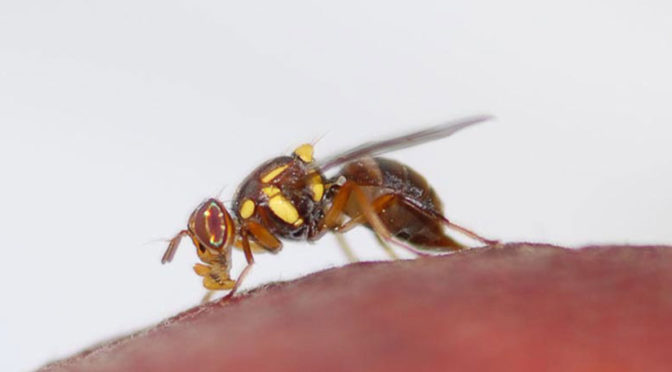
A new national Sterile Insect Technology facility in Port Augusta, located in the north of South Australia, will produce billions of sterile male fruit flies – at the rate of 50 million a week – to help prevent the threat of fruit fly invading the state.

The new measures will help secure producers’ access to important citrus and almond export markets including the United States, New Zealand and Japan, worth more than $800 million this year.

The Sterile Insect Technique (SIT) introduces sterile flies into the environment that then mate with the wild population, ensuring offspring are not produced.

Macquarie University Associate Professor Phil Taylor says the fly, know as Qfly because they come from Queensland, presents the most difficult and costly biosecurity challenge to market access for most Australian fruit producers.

“Fruit flies, especially the Queensland fruity fly, present a truly monumental challenge to horticultural production in Australia,” he says.

“For generations, Australia has relied on synthetic insecticides to protect crops, but these are now banned for many uses. Environmentally benign alternatives are needed urgently – this is our goal.

The impetus behind this initiative is to secure and improve trade access both internationally and nationally for South Australia.

It will increase the confidence of overseas buyers in the Australian product and make Australia a more reliable supplier. Uncertainty or variation of quality of produce would obviously be a concern for our trading partners.”

South Australia’s Agriculture Minister Leon Bignell says the $3.8 million centre would produce up to 50 million sterile male Qflies each week.

“The State Government has invested $3 million and Horticulture Innovation Australia Ltd (HIA) has contributed $800,000 in this project and construction is expected to take 10 months,” Bignell says.

“While fruit fly is a major problem with horticultural crops in Australia’s other mainland states, South Australia remains fruit fly free, but we are still at risk of outbreak.”

“Producing male-only sterile Qflies has never been done before on this scale and this facility will have an enormous impact on the way in which we deal with outbreaks.”

Fruit fly management protects the commercial production of fruit and vegetables, including wine grapes and almonds, with an estimated farm-gate value of $851 million.

South Australia is also the only mainland state which has a moratorium on growing GM food crops and is one of the few places in the world free of the vine-destroying pest phylloxera.

“Because of these attributes, South Australian products stand out in the competitive global market, which is increasingly seeking clean and safe food and wine,” Bignell says.

The research partner consortium, SITplus, intends to invest about $50 million during the next five years to support the national fruit fly management program.

The consortium is a research group with experts from Macquarie University, Primary Industries and Regions SA’s Biosecurity SA and South Australian Research and Development Institute divisions, HIA, the CSIRO Health and Biosecurity Flagship, Plant & Food Research Australia, and the NSW Department of Primary Industries.

– John Merriman

This article was first published by The Lead South Australia on 2 September 2015. Read the original article here.

L’Oreal-UNESCO for Women in Science Fellow 2015

A passion for fish and sharks, and a desire to better understand how climate change will have an impact on marine species has seen Townsville-based scientist, Dr Jodie Rummer win one of the prestigious Australia L’Oreal-UNESCO For Women in Science Fellowships for 2015.

Dr Rummer, a marine biologist with the ARC Centre of Excellence for Coral Reef Studies at James Cook University, is one of four scientists from Australia and New Zealand to be recognised with the highly competitive award.

Dr Jodie Rummer examines an epaulette shark. Photo: Richard Davis, JCU Media.

Dr Jodie Rummer examines an epaulette shark. Photo: Richard Davis, JCU Media.

The Fellowship provides $25,000 to support recipients with their research and foster the careers of female scientists.

Rummer says she is honoured to receive the award, which will help support her work on predicting how sharks and other fish will cope with rapidly changing oceans.

“Fish have been evolutionary winners, but we don’t know how they will adapt with the rapid changes taking place in the oceans now.

Some will be winners, some will be losers as the climate changes, and that’s a problem not just for the oceans, but also for the communities that depend on fish for protein.

Fish have been on the planet for hundreds of millions of years. It’s up to us to ensure they’re here for the next 100 million years.”

Rummer’s research examines how ‘oxygen transport’ works in fish and how it is affected by stress and their ability to adapt to their habitats.

To get a better understanding of the capacity of fish to adapt, Rummer is working with sharks on the Great Barrier Reef, in Papua New Guinea, and in French Polynesia.

Her L’Oréal-UNESCO For Women in Science Fellowship will help expand her work in the world’s largest shark sanctuary in Moorea, French Polynesia.

There she will study sicklefin lemon and black-tip reef sharks, which may be less able to adapt to future ocean conditions.

“In the long term, understanding how sharks will respond to future ocean conditions will help us make wise decisions needed to protect and conserve the world’s fish populations in general,” Rummer says.

Rummer’s work has attracted global scientific and media attention. She is also a strong advocate for improving the status of women in science.

Rummer is a Research Fellow at the ARC Centre of Excellence for Coral Reef Studies at James Cook University, where she holds an Australian Research Council Discovery Early Career Research Award (ARC DECRA).


A hot future for sharks

Dr Jodie Rummer, marine biologist, James Cook University, Townsville

Dr Jodie Rummer is fascinated by fish and their ability to deliver oxygen to their muscles 20 to 50 times more efficiently than we can. Her global research into salmon, mackerel, hagfish, and now sharks explains why fish dominate the oceans, and has given her the opportunity to swim with sharks in the world’ largest shark sanctuary, in French Polynesia.


This article was first published by James Cook University on 8 September 2015. Read the original article here.


Southern stars: the decade ahead for Australian astronomy

Extremely large optical telescopes, including the Giant Magellan Telescope (GMT), which is due to be built in Chile in 2021, will allow studies of stars and galaxies at the dawn of the universe, and will peer at planets similar to ours around distant stars.

The Square Kilometer Array (SKA), which will be constructed in Australia and South Africa over the next several years, will observe the transformation in the young universe that followed the formation of the first generation of stars and test Einstein’s theory of relativity.

Large-scale surveys of stars and galaxies will help us discover how elements are produced and recycled through galaxies to enrich the universe. The revolutionary sensitivity of the GMT will also be used to understand the properties of ancient stars born at the dawn of the universe.

In the coming decade, astronomers will also learn how galaxies evolve across cosmic time through new coordinated Australian-led surveys using the Australian SKA Pathfinder, the Australian Astronomical Observatory and next-generation optical telescopes.

On the largest scales, dark matter and dark energy comprise more than 95% of the universe, and yet their nature is still unknown. Australian astronomers will use next-generation optical telescopes to measure the growth of the universe and probe the unknown nature of dark matter and dark energy.

The long-anticipated detection of gravitational waves will also open a window into the most extreme environments in the universe. The hope is that gravitational waves generated by the collision of black holes will help us better understand the behavior of matter and gravity at extreme densities.

Closer to home, the processes by which interstellar gas is turned into stars and solar systems are core to understanding our very existence. By combining theoretical simulations with observations from the Australia Telescope Compact Array and the GMT, Australian astronomers will discover how stars and planets form.

And this far-reaching knowledge will inform new theoretical models to achieve an unprecedented understanding of the universe around us.


Australia’s role

These are some of the exciting projects highlighted in the latest decadal plan for Australian astronomy, which was launched at Parliament House on Wednesday August 12.

Over the past decade, Australian astronomers have achieved a range of major breakthroughs in optical and radio astronomy and in theoretical astrophysics.

Star trails above one of Australia’s great telescopes at Siding Spring Observatory. Australian Astronomical Observatory/David Malin

Star trails above one of Australia’s great telescopes at Siding Spring Observatory. Australian Astronomical Observatory/David Malin

Australian astronomers have precisely measured the properties of stars, galaxies and of the universe, significantly advancing our understanding of the cosmos. The mass, geometry, and expansion of the universe have been measured to exquisite accuracy using giant surveys of galaxies and exploding stars. Planetary astronomy has undergone a revolution, with the number of planets discovered around other stars now counted in the thousands.

In forming a strategy for the future, Australia in the Era of Global Astronomy assesses these and other scientific successes, as well as the evolution of Australian astronomy including it’s broader societal roles.

Astronomy is traditionally a vehicle for attracting students into science, technology, engineering and mathematics (STEM). The report also highlights expanding the use of astronomy to help improve the standard of science education in schools through teacher-training programs.

Training aimed at improving the “transferrable” skills of graduate and postgraduate astronomy students will also help Australia improve its capacity for innovation.


Look far

The Australian astronomy community has greatly increased its capacity in training of higher-degree students and early-career researchers. However, Australian astronomy must address the low level of female participation among its workforce, which has remained at 20% over the past decade.

The past decade has seen a large rise in Australian scientific impact from international facilities. This move represents a watershed in Australian astronomical history and must be strategically managed to maintain Australia’s pre-eminent role as an astronomical nation.

The engagement of industry will become increasingly important in the coming decade as the focus of the scientific community moves from Australian-based facilities, which have often been designed and built domestically, towards new global mega-projects such as the SKA.

While a decade is an appropriate timescale on which to revisit strategic planning across the community, the vision outlined in the plan looked beyond the past decade, recommending far-reaching investments in multi-decade global projects such as the GMT and the SKA.

These recent long-term investments will come to fruition in the coming decade, positioning Australia to continue as a global astronomy leader in the future.

This article was first published by The Conversation on 24 August 2015. Read the original article here.

Building power by concentrating light

South Australian company HeliostatSA has partnered with Indian company Global Wind Power Limited to develop a portfolio of projects in India and Australia over the next four years. It will begin with an initial 150 megawatts in Concentrated Solar Powered (CSP) electricity in Rajashtan, Indian using a solar array.

The projects are valued at $2.5 billion and will further cement HeliostatSA as a leader in the global renewable energy sector.

Heliostat CEO Jason May says India had made a commitment to reaching an investment target of USD $100 billion of renewable energy by 2019 and has already secured $20 billion.

“India is looking for credible, renewable energy partners for utility scale projects,’’ says May.

“We bring everything to the table that they require such as size, project development experience, capital funding, field design capability, the latest technology, precision manufacturing and expertise.’’

Each solar array is made of thousands of heliostats, which are mirrors that track and reflect the suns thermal energy on to a central receiver. The energy is then converted into electricity. Each HeliostatSA mirror is 3.21 x 2.22 metres with optical efficiency believed to be the most accurate in the world. This reduces the number of mirrors required, reducing the overall cost of CSP while still delivering the same 24-hour electricity outputs.

The heliostats and their high tech components are fabricated using laser mapping and steel cutting technology.

The mirrors are slightly parabolic and components need to be cut and measured to exact requirements to achieve the strict operational performance.

“There is strong global interest in CSP with thermal storage for 24-hour power. At the moment large-scale batteries which also store electricity are very expensive. Constant advances in CSP storage technology over the next 10 years will only add to the competitive advantage,’’ says May.

– John Merriman

This article was first published by The Lead South Australia on 25 August 2015. Read the original article here.

Work on barren soil may bear fruit

Australian and Chinese scientists have made significant progress in determining what causes soil acidification – a discovery that could assist in turning back the clock on degraded croplands.

James Cook University’s Associate Professor Paul Nelson says the Chinese Academy of Sciences sought out the Australian researchers because of work they had done in Australia and Papua New Guinea on the relationship between soil pH levels and the management practices that cause acidification.

Professor Paul Nelson at work.

Professor Paul Nelson at work.

Building on the JCU work, scientists examined a massive 3600 km transect of land in China, stretching from the country’s sub-arctic north to its central deserts. The work yielded a new advance that describes the mechanisms involved in soils becoming acidified.

Nelson says soil degradation is a critical problem confronting humanity, particularly in parts of the world such as the tropics where land use pressure is increasing and the climate is changing. “We can now quantify the effect of, for instance, shutting down a factory that contributes to the production of acid rain,” he says.

Nelson says the research found different drivers of soil acidification processes in different types of soil across northern China. “This information is vital for designing strategies that prevent or reverse soil acidification and to help land managers tailor their practices to maintain or improve soil quality,” he says.

The Patron of Soil Science Australia, former Australian Ambassador to the United Nations and for the Environment, The Honourable Penny Wensley AC, welcomed news of the advance.

“With 2015 designated by the United Nations as the International Year of Soils, this is a very important year for soil scientists around the world. We need to promote greater awareness of the importance of soils and soil health and the role soil science has to play in addressing national and global challenges.”

In the context of the International Year of Soils, Wensley says: “We want to encourage greater cooperation and exchanges between soil scientists, to accelerate progress in research and achieve outcomes that will deliver practical benefits to farmers and land managers, working in diverse environments.

“This research project, drawing on the shared expertise of soil scientists from Australia’s James Cook University and the Chinese Academy of Sciences, is an exciting illustration of what can be achieved through greater collaboration,” she says.

Acidification is one of the main soil degradation issues worldwide, accelerated by water leaching through the soil. It is related mostly to climate, and the overuse of nitrogen-based fertiliser.

“The greater understanding of soil acidification causes this study has delivered could help improve soil management practices, not only in Australia and China, but around the world,” says Wensley.

The study has been published in the journal, Biogeosciences.

This article was first published by James Cook University on 19 August 2015. Read the original article here.

From science fiction to reality: the dawn of the biofabricator


“We can rebuild him. We have the technology.”
– The Six Million Dollar Man, 1973

Science is catching up to science fiction. Last year a paralysed man walked again after cell treatment bridged a gap in his spinal cord. Dozens of people have had bionic eyes implanted, and it may also be possible to augment them to see into the infra-red or ultra-violet. Amputees can control bionic limb implant with thoughts alone.

Meanwhile, we are well on the road to printing body parts.

We are witnessing a reshaping of the clinical landscape wrought by the tools of technology. The transition is giving rise to a new breed of engineer, one trained to bridge the gap between engineering on one side and biology on the other.

Enter the “biofabricator”. This is a role that melds technical skills in materials, mechatronics and biology with the clinical sciences.


21st century career

If you need a new body part, it’s the role of the biofabricator to build it for you. The concepts are new, the technology is groundbreaking. And the job description? It’s still being written.

It is a vocation that’s already taking off in the US though. In 2012, Forbes rated biomedical engineering (equivalent to biofabricator) number one on its list of the 15 most valuable college majors. The following year, CNN and payscale.com called it the “best job in America”.

These conclusions were based on things like salary, job satisfaction and job prospects, with the US Bureau of Labour Statistics projecting a massive growth in the number of biomedical engineering jobs over the next ten years.

Meanwhile, Australia is blazing its own trail. As the birthplace of the multi-channel Cochlear implant, Australia already boasts a worldwide reputation in biomedical implants. Recent clinical breakthroughs with an implanted titanium heel and jawbone reinforce Australia’s status as a leader in the field.

The Cochlear implant has brought hearing to many people. Dick Sijtsma/Flickr, CC BY-NC

The Cochlear implant has brought hearing to many people. Dick Sijtsma/Flickr, CC BY-NC

I’ve recently helped establish the world’s first international Masters courses for biofabrication, ready to arm the next generation of biofabricators with the diverse array of skills needed to 3D print parts for bodies.

These skills go beyond the technical; the job also requires the ability to communicate with regulators and work alongside clinicians. The emerging industry is challenging existing business models.


Life as a biofabricator

Day to day, the biofabricator is a vital cog in the research machine. They work with clinicians to create a solution to clinical needs, and with biologists, materials and mechatronic engineers to deliver them.

Biofabricators are naturally versatile. They are able to discuss clinical needs pre-dawn, device physics with an electrical engineer in the morning, stem cell differentiation with a biologist in the afternoon and a potential financier in the evening. Not to mention remaining conscious of regulatory matters and social engagement.

Our research at the ARC Centre of Excellence for Electromaterials Science (ACES) is only made possible through the work of a talented team of biofabricators. They help with the conduits we are building to regrow severed nerves, to the electrical implant designed to sense an imminent epileptic seizure and stop it before it occurs, to the 3D printed cartilage and bone implants fashioned to be a perfect fit at the site of injury.

As the interdisciplinary network takes shape, we see more applications every week. Researchers have only scratched the surface of what is possible for wearable or implanted sensors to keep tabs on an outpatient’s vitals and beam them back to the doctor.

Meanwhile, stem cell technology is developing rapidly. Developing the cells into tissues and organs will require prearrangement of cells in appropriate 3D environments and custom designed bioreactors mimicking the dynamic environment inside the body.

Imagine the ability to arrange stem cells in 3D surrounded by other supporting cells and with growth factors distributed with exquisite precision throughout the structure, and to systematically probe the effect of those arrangements on biological processes. Well, it can already be done.

Those versed in 3D bioprinting will enable these fundamental explorations.


Future visions

Besides academic research, biofabricators will also be invaluable to medical device companies in designing new products and treatments. Those engineers with an entrepreneurial spark will look to start spin-out companies of their own. The more traditional manufacturing business model will not cut it.

As 3D printing evolves, it is becoming obvious that we will require dedicated printing systems for particular clinical applications. The printer in the surgery for cartilage regeneration will be specifically engineered for the task at hand, with only critical variables built into a robust and reliable machine.

The 1970s TV show, Six Million Dollar Man, excited imaginations, but science is rapidly catching up to science fiction. Joe Haupt/Flickr, CC BY-SA

The 1970s TV show, Six Million Dollar Man, excited imaginations, but science is rapidly catching up to science fiction. Joe Haupt/Flickr, CC BY-SA

Appropriately trained individuals will also find roles in the public service, ideally in regulatory bodies or community engagement.

For this job of tomorrow, we must train today and new opportunities are emerging biofab-masters-degree. We must cut across the traditional academic boundaries that slow down such advances. We must engage with the community of traditional manufacturers that have skills that can be built upon for next generation industries.

Australia is also well placed to capitalise on these emerging industries. We have a traditional manufacturing sector that is currently in flux, an extensive advanced materials knowledge base built over decades, a dynamic additive fabrication skills base and a growing alternative business model environment.

– Gordon Wallace & Cathal D. O’Connell

This article was first published by The Conversation on 31 August 2015. Read the original article here.

New Devils research

The findings that will be published in the journal Proceedings B indicate that future research efforts to fight the DFTD decimating the Tasmanian Devil population will need to focus on the tumour and its ability to change, as well as on the devils and their genetics.

The work was carried out by scientists from the University of Tasmania, the Tasmanian Department of Primary Industries, Parks, Water and Environment and the University of Cambridge, UK.

The research was carried out on a population of devils in north western Tasmania that have been monitored for a decade, with the research team regularly taking tumour and blood samples every three months.

It is the only site where the researchers have a long-term genetic and immunological data set of devils and tumours from the beginning of the DFTD epidemic outbreak.

Lead author Dr Rodrigo Hamede, University of Tasmania School of Biological Sciences, said this research is the first solid evidence that tumour lineages are competing and having an effect on transmission and population effects.

“The tumour is subject to changes – for its own benefit rather than the devil’s benefit. The tumour is a living organism and wants to do whatever is best for itself.”

Dr Hamede said previous research (three years ago) found that the devil population the team was regularly sampling had not declined, the disease prevalence was very low, and animals were surviving for quite a long time and dying from old age, not from DFTD. So the team was very keen on finding out what was happening.

“We were looking at the devils from different angles but we couldn’t associate the reduced effects of DFTD with devils’ genotypes or immune responses in this population.

“Then we started looking at the tumour and we realised that the tumour in this population was tetraploid. That means it has four copies of chromosomes rather than two. (Two is normal.) So it was an unusual tumour strain.”

In the years following this, the team found that the tumour strain had changed again, becoming diploid; a more normal and stable tumour carrier type. That coincided sharply with a large and rapid population decline, higher infection rates and devils dying younger.

“We began seeing basically the same patterns in that population that happened everywhere else; our unique population was not unique anymore, because the tumour had changed.

“The tumour used to allow devils to survive longer and the population to sustain itself. Then the diploid strain arrived and out-competed the more benign tumour strain, and has caused a severe population decline. The diploid tumour at this site is the older and most common tumour type which is spread over most of Tasmania.

“This is the first evidence since we’ve been studying this disease that the tumour strain can have an effect in the epidemic outcome and population impacts in devils.

 “Through our collaborations we have managed to understand the epidemic patterns and find out that it is actually related to the tumour genetics.

 “The main message from this research is that we need to take into account tumour genetic variability into our population viability analysis; into how we manage DFTD; and especially into how we see the evolution of DFTD and how it compromises co-existence between devils.

 “We need to be very thorough, not just looking at devils, but putting the same amount of funding and research rigour into looking closely at the tumours.”

This article was first published by the University of Tasmania on 2 September 2015.

Image: David Burke/CC/Flickr

Making mineral exploration easy

LANDTEM, an Australian invention that creates a 3D map of underground ore bodies has uncovered deposits worth A$4 billion in Australia and A$10 billion globally. The technology development was led by CSIRO scientist Dr Cathy Foley and is a great example of the commercial application of scientific research.

In some ways it was a stroke of good fortune that set Dr Cathy Foley and her colleagues on the path to inventing LANDTEM, a device that has revolutionised the way mining companies detect ore underground and uncovered deposits worth billions of dollars around the world.

The invention won Foley, the deputy director and science director of manufacturing in Australia’s national science agency, the Commonwealth Scientific and Industrial Research Organisation (CSIRO), the prestigious Clunies Ross award for innovation and commercialisation.

Dr Cathy Foley

Dr Cathy Foley

The story of the invention begins in the mid-1980s, when the discovery of high temperature superconductors opened the way for superconductivity to be used in everyday applications instead of only at extremely low temperatures.

The discovery provoked huge excitement around the world among scientists and engineers who set about seeking practical applications, no less so in Australia.


The CSIRO pulled together a team to collaborate on potential applications with industry: with Amalgamated Wireless Australasia (AWA) on electronics and communications; Nucleus Network and now Cochlear on medical devices; and BHP Billiton on improving the quality of steel fabrication by measuring extremely subtle magnetic fields.

BHP Billiton held an internal meeting about the technology and it was there that some of the company’s geologists said that measuring subtle magnetic fields would be very valuable to them, providing the spark of the idea for LANDTEM.

Foley describes the moment as “serendipitous”, but says it’s also a reflection of the way CSIRO interacts with industry.

“Quite often when you’ve got something which is a platform technology that can be used in a lot of different ways, you start off thinking in a very diverse way or very open ended way so you’re not really sure where you’re going. And that’s why one of the things that differentiates the CSIRO from any other research organisations and particularly universities: we talk to industry a lot and get guidance from them,” she says.

“We might come up with the original science but then we engage with industry to say, ‘we’ve got this great idea, we think it could be useful there’. And they’ll say, ‘well, actually no, we think it could be useful over here’.”


LANDTEM consists of a big coil of wire placed on the ground above a potential ore deposit. It pulses a large changing current through the wire to create a magnetic field, and this in turn creates what’s known as an Eddy current in any conducting material nearby, such as an ore body underground.

intext2

Then the current is turned off, but an ore body’s current lingers for a tiny fraction of a second longer and by measuring this, LANDTEM can determine if there is an ore body and where it is. Crucially, it  can discriminate between an actual ore body and the conducting soil that is so prevalent in Australia and that in the past would have led to muddled results.
Foley says the invention has helped mining companies find things they wouldn’t have found otherwise and find deeper ore bodies. It can also tell them whether it is worth the expense of putting a bore hole down to analyse the quality of the ore and where to put it.

Not all ore bodies are conducting, so LANDTEM is mainly used for finding silver, nickel and gold.

It’s one of a series of tools geologists use to find an ore body, and Foley says it has allowed many mining companies to cut out several of the steps needed in mineral exploration.

For instance, in Canada, Xstrata Nickel has bought three LANDTEM systems and is so confident about the technology that once it has located an ore body they don’t do much drilling at all and move straight on to mining instead.

When recognising the work of Foley and her colleague CSIRO engineer Keith Leslie at the Clunies Ross awards, the chair of the awards’ organising committee Professor Mike Hood said: “Their story demonstrates the importance of unwavering dedication in bringing a scientific discovery to market. Over the coming years LANDTEM will continue to play a major role in the worldwide discovery of new mineral deposits.”


Foley studied physics and education at Sydney’s Macquarie University with the intention of becoming a high school science teacher. “But I fell in love with research and I did my PhD in nitride semiconductors and did a smidgen of the early work that led to the white LED,” she says.

Having decided to pursue a career in research, Foley joined CSIRO as a post-doctoral fellow working in magnetics and was asked to join the team working on applications for the new high temperature superconductors.

Along with taking the new technology to industry to see how it could be used, another factor in the successful development and commercialisation of the LANDTEM is CSIRO’s ability to pull together a multidisciplinary team when an opportunity arises, in this case researchers in mineral resources, electrical engineering, devices, materials and cryogenics, and finally at the end, lawyers and business people.

“In order to be a survivor and also to really be profitable and commercially successful, you’ve got to recognise just how the world is changing and that you’ve got to be innovative, not just in your products but also in your business model and how you see yourself getting into the manufacturing world,” she says.

“Australia is at a really interesting point where the current Government has recognised this and I think got a whole lot of things in place.”


Foley says the Federal Government’s recently-announced Industry Growth Centres, which aim to forge better links between industry and Australia’s top researchers, are a promising start.

She sees potential in agile manufacturing, where the manufacturers make small numbers of specialised and customised products and can quickly re-conform to make another product.

“Instead of being a manufacturer who has a big factory, you actually buy time in a factory to do a certain thing, part of it, and then you might even ship it to somewhere else to get another bit done where there’s a specialist and so you end up with products which are done more in smaller batches rather than mass market because they’re more customised,” she says. “These days successful societies have to keep reinventing themselves and recognising where you can you use intellectual approaches rather than just brute labour.”

As a senior CSIRO executive, Foley is less involved in hands-on research than she used to be, but still finds it an exciting environment.

“It’s pretty exciting to think that the work you do actually has an enormous impact and can make a difference. And I think if you ask people I work with, they all say that’s what they love about working at CSIRO. We  do things that actually change the world and I think that’s a nice thing to do,” she says.

– Christopher Niesche

This article was first published by Australia Unlimited on 20 August 2015. Read the original article here.

Design innovations are blowing in the wind

RMIT researchers are using state-of-the-art modelling techniques to study the effects of wind on cities, paving the way for design innovations in building, energy harvesting and drone technology.

The turbulence modelling studies will allow engineers to optimise the shape of buildings, as well as identify areas of rapid airflow within cities that could be used to harvest energy.

Researchers also hope to use the airflow studies to develop more energy efficient drones that use the power of updrafts during flight.

Dr Abdulghani Mohamed, from RMIT’s Unmanned Aircraft Systems research group, said simulations developed by the research team can visualise the shape of updrafts as they developed over buildings and show their variation over time.

“By analysing the interaction of wind with buildings, our research opens new possibilities for improving designs to take better advantage of nature,” he says.

“Buildings can be built to enhance airflow at street level and ventilation, while wind turbines can be precisely positioned in high-speed airflow areas for urban energy harvesting – providing free power for low-energy electronics.

“The airflow simulations will also help us further our work on energy harvesting for micro-sized drones, developing technology that can help them use updrafts to gain height quicker and fly for longer, without using extra energy.”

Scientists and engineers have traditionally relied on building small-scale city replicas and testing them in wind tunnels to make detailed airflow predictions.

This time-consuming and expensive process is being gradually replaced with numerical flow simulations, also known as Computational Fluid Dynamics (CFD).

The researchers – Mohamed, Professor Simon Watkins (RMIT), Dr Robert Carrese (LEAP Australia) and Professor David Fletcher (University of Sydney) – created a CFD model to accurately predict the highly complex and dynamic airflow field around buildings at RMIT’s Bundoora campus west, in Melbourne’s north.

The simulation was validated using a series of full and model-scale experiments, with the results published in the prestigious Journal of Wind Engineering and Industrial Aerodynamics.

The next stage in the research will involve an extensive flight test campaign to further prove the feasibility of the concept of long endurance micro-sized drones, for use in a number of industries including structural monitoring, land surveying, mobile temporary networks and pollution tracking.

This article was first published by RMIT University on 9 August 2015. Read the original article here.