
Image: Supplied
Science in Australian universities has been a steady engine of progress for as long as I can remember – a place where curiosity meets impact, churning out both groundbreaking research and the sharp minds we need for the future. I’ve had a front-row seat to its evolution over the past 30 years, and it’s been a remarkable journey.
Back in the day, teaching and research were funded as one; now, they’re split into distinct streams, pushing universities to chase grants and forge industry ties. Universities have also leaned into partnerships, establishing research hubs that blend academic rigour with industry needs, targeting areas like sustainability, health, and technology – proof of how universities are stepping up to solve big problems. Pursuing global research ambitions isn’t cheap, but the rewards are clear: research output has skyrocketed, and Australian science consistently punches above its weight.
One feature in the latest issue of Australian University Science (Issue 13) that celebrates 30 years of the Australian Council of Deans of Science (ACDS), ‘The rise of big data in science’ (page 10), captures one of the brightest threads in that story. It unpacks how massive datasets are reshaping university research – powering climate models, sharpening agricultural practices with geospatial data, and leaning on maths breakthroughs that birthed AI.
It’s a vivid example of how university science doesn’t just ponder the world; it changes it. I love how it ties back to why this all matters: fundamental research paired with graduates who can think critically and adapt.
Since 1995, when John Rice (Flinders University) kicked off the ACDS, the Council has been a tireless voice – pushing for quality teaching through initiatives like the Science Threshold Learning Outcomes and advocating for research that matters. It’s helped ensure our science graduates aren’t just job-ready but future-ready.
In a shaky geopolitical climate its work fostering collaboration across universities, government, and industry feels more crucial than ever. The challenges are real, but the successes keep this engine of progress humming – that’s why it’s vital the ACDS keep roaring towards their next milestone.
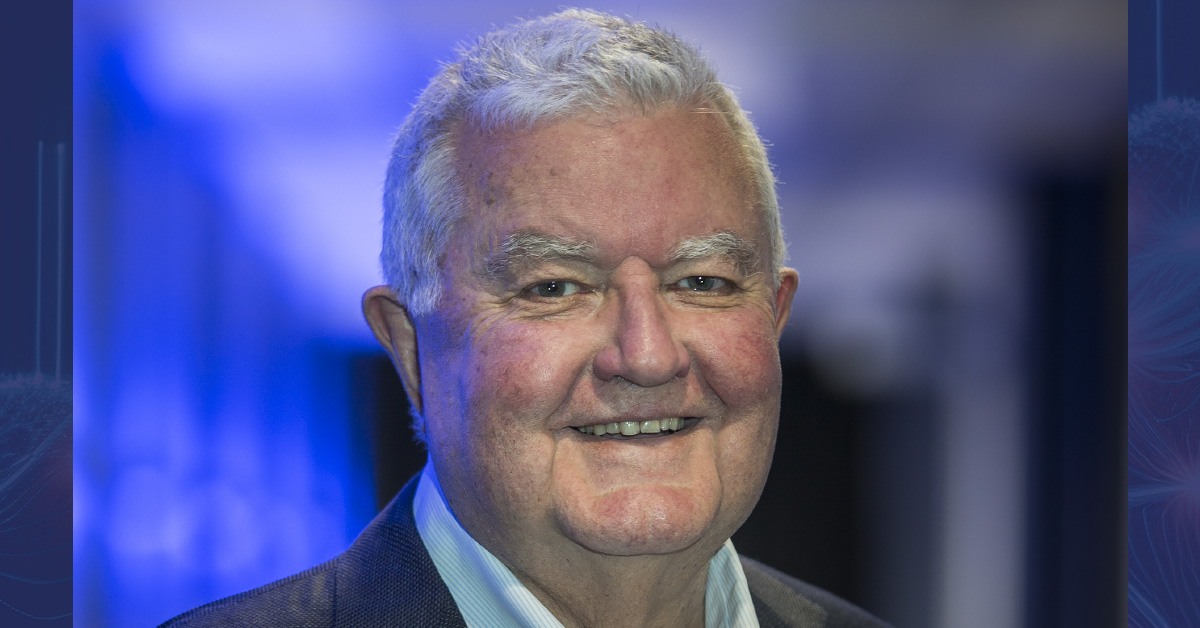
Written by Professor Ian Chubb AC, FAA FTSE FACE FRSN