Tag Archives: health

Small scale, big consequences

The nanoscale is so tiny it’s almost beyond comprehension. Too small for detection by the human eye, and not even discernible by most laboratory microscopes, it refers to measurements in the range of 1–100 billionths of a metre. The nanoscale is the level at which atoms and molecules come together to form structured materials.

The Nanochemistry Research Institute — NRI — conducts fundamental and applied research to understand, model and tailor materials at the nanoscale. It brings together scientists – with expertise in chemistry, engineering, computer simulations, materials and polymers – and external collaborators to generate practical applications in health, energy, environmental management, industry and exploration. These include new tests for cancer, and safer approaches to oil and gas transportation. Research ranges from government-funded exploratory science to confidential industry projects.


The NRI hosts research groups with specialist expertise in the chemical formation of minerals and other materials. “To understand minerals, it’s often important to know what is going on at the level of atoms,” explains Julian Gale, John Curtin Distinguished Professor in Computational Chemistry and former Acting Director of the NRI. “To do this, we use virtual observation – watching how atoms interact at the nanoscale – and modelling, where we simulate the behaviour of atoms on a computer.”

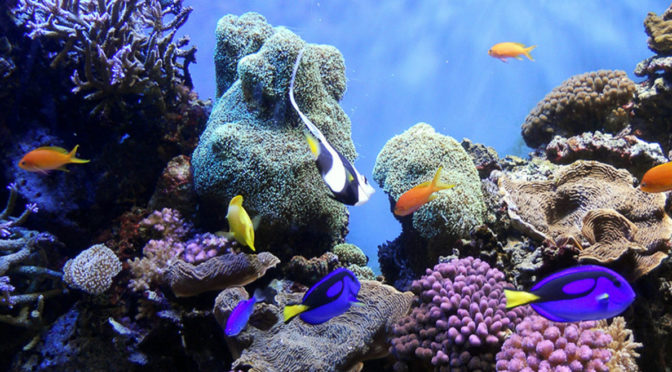
The mineral calcium carbonate is produced through biomineralisation by some marine invertebrates. “If we understand the chemistry that leads to the formation of carbonates in the environment, then we can look at how factors such as ocean temperature and pH can lead to the loss of minerals that are a vital component of coral reefs,” says Gale.

This approach could be used to build an understanding of how minerals are produced biologically, potentially leading to medical and technological benefits, including applications in bone growth and healing, or even kidney stone prevention and treatment.

Gale anticipates that a better understanding of mineral geochemistry may also shed light on how and where metals are distributed. “If you understand the chemistry of gold in solution and how deposits form, you might have a better idea where to look for the next gold mine,” he explains.

There are also environmental implications. “Formation of carbonate minerals, especially magnesium carbonate and its hydrates, has been proposed as a means of trapping atmospheric carbon in a stable solid state through a process known as geosequestration. We work with colleagues in the USA to understand how such carbonates form,” says Gale.

Minerals science is also relevant in industrial settings. Calcium carbonate scaling reduces flow rates in pipes and other structures in contact with water. “As an example, the membranes used for reverse osmosis in water desalination – a water purification technology that uses a semipermeable membrane to remove salt and other minerals from saline water – can trigger the formation of calcium carbonate,” explains Gale. “This results in partial blockage of water flow through the membrane, and reduced efficiency of the desalination process.”

A long-term aim of research in this area is to design water membranes that prevent these blockages. There are also potential applications in the oil industry, where barium sulphate (barite) build-up reduces the flow in pipes, and traps dangerous radioactive elements such as radium.

Another problem for exploration companies is the formation of hydrates of methane and other low molecular weight hydrocarbon molecules. These can block pipelines and processing equipment during oil and gas transportation and operations, which results in serious safety and flow assurance issues. Materials chemist Associate Professor Xia Lou leads a large research group in the Department of Chemical Engineering that is developing low-dose gas hydrates inhibitors to prevent hydrate formation. “We also develop nanomaterials for the removal of organic contaminants in water, and nanosensors to detect or extract heavy metals,” she says.

“To understand minerals, it’s often important to know what is going on at the level of the atom.”


The capacity to control how molecules come together and then disassociate offers tantalising opportunities for product development, particularly in food science, drug delivery and cosmetics. In the Department of Chemistry, Professor Mark Ogden conducts nanoscale research looking at hydrogels, or networks of polymeric materials suspended in water.

“We study the 3D structure of hydrogels using the Institute’s scanning probe microscope,” says Ogden. “The technique involves running a sharp tip over the surface of the material. It provides an image of the topography of the surface, but we can also measure how hard, soft or sticky the surface is.” Ogden is developing methods for watching hydrogels grow and fall apart through heating and cooling. “We have the capability to do that sort of imaging now, and this in situ approach is quite rare around the world,” he says.

Ogden also conducts chemical research with a group of metals known as lanthanoids, which are rare-earth elements. His recent work, in collaboration with the Australian Nuclear Science and Technology Organisation (ANSTO), discovered unique elongated nanoscale structures.

“We’ve identified lanthanoid clusters that can emit UV light and have magnetic properties,” explains Ogden. “Some of these can form single molecule magnets. A key outcome will be to link cluster size and shape to these functional properties.” This may facilitate guided production of magnetic and light-emitting materials for use in sensing and imaging technologies.

“If you understand the chemistry of gold … then you might have a better idea of where to start looking for the next gold mine.”


The NRI is working across several areas of chemistry and engineering to develop nanoscale tools for detecting and treating health conditions. Professor Damien Arrigan applies a nanoscale electrochemical approach to detecting biological molecules, also known as biosensing. He and his Department of Chemistry colleagues work at the precise junction between layered oil and water.

“We make oil/water interfaces using membranes with nanopores, some as small as 15 nanometres,” he says. “This scale delivers the degree of sensitivity we’re after.” The scientists measure the passage of electrical currents across the tiny interfaces and detect protein, which absorbs at the boundary between the two liquids. “As long as we know a protein’s isoelectric point – that is, the pH at which it carries no electrical charge – we can measure its concentration,” he explains.

The technique enables the scientists to detect proteins at nanomolar (10−6 mol/m3) concentrations, but they hope to shift the sensitivity to the picomolar (10−9 mol/m3) range – a level of detection a thousand times more sensitive and not possible with many existing protein assessments. Further refinement may also incorporate markers to select for proteins of interest. “What we’d like to do one day is measure specific proteins in biological fluids like saliva, tears or serum,” says Arrigan.

The team’s long-term vision is to develop highly sensitive point-of-need measurements to guide treatments – for example, testing kits for paramedics to detect markers released after a heart attack so that appropriate treatment can be immediately applied.

Also in the Department of Chemistry, Dr Max Massi is developing biosensing tools to look at the health of living tissues. His approach relies on tracking the location and luminescence of constructed molecules in cells. “We synthesise new compounds based on heavy metals that have luminescent properties,” explains Massi. “Then we feed the compounds to cells, and look to see where they accumulate and how they glow.”

The team synthesises libraries of designer chemicals for their trials. “We know what properties we’re after – luminescence, biological compatibility and the ability to go to the part of the cell we want,” says Massi.

For example, compounds can be designed to accumulate in lysosomes – the tiny compartments in a cell that are involved in functions such as waste processing. With appropriate illumination, images of lysosomes can then be reconstructed and viewed in 3D using a technique known as confocal microscopy, enabling scientists to assess lysosome function. Similar approaches are in development for disease states such as obesity and cancer.

Beyond detection, this technique also has potential for therapeutic applications. Massi has performed in vitro studies with healthy and cancerous cells, suggesting that a switch from detection to treatment may be possible by varying the amount of light used to illuminate the cells.

“A bit of light allows you to visualise. A lot of light will allow you to kill the cells,” explains Massi. His approach is on track for product development, with intellectual property protection filed in relation to using phosphorescent compounds to determine the health status of cells.

Improving approaches to cancer treatment is also an ongoing research activity for materials chemist Dr Xia Lou, who designs, constructs and tests nanoparticles for targeted photodynamic therapy, which aims to selectively kill tumours using light-induced reactive oxygen species.

“We construct hybrid nanoparticles with high photodynamic effectiveness and a tumour-targeting agent, and then test them in vitro in our collaborators’ laboratories,” she says. “Our primary interest is in the treatment of skin cancer. The technology has also extended applications in the treatment of other diseases.” Lou has successfully filed patents for cancer diagnosis and treatment that support the potential of this approach.


Spheres and other 3D shapes constructed at the nanoscale offer potential for many applications centred on miniaturised storage and release of molecules and reactivity with target materials. Dr Jian Liu in the Department of Chemical Engineering develops new synthesis strategies for silica or carbon spheres, or ‘yolk-shell’-structured particles. “Our main focus is the design, synthesis and application of colloidal nanoparticles including metal, metal oxides, silica and carbon,” says Liu.

Most of these colloidal particles are nanoporous – that is, they have a lattice-like structure with pores throughout. The applications of such nanoparticles include catalysis, energy storage and conversion, drug delivery and gene therapy.

“The most practical outcome of our research would be the development of new catalysts for the production of synthetic gases, or syngas,” he says. “It may also lead to new electrodes for lithium-ion batteries.” Once developed, nanoscale components for this type of rechargeable battery are expected to bring improved safety and durability, and lower costs.


Atomic Modelling matters in research

Professor Julian Gale leads a world-class research group in computational materials chemistry at the NRI. “We work at the atomic level, looking at fundamental processes by which materials form,” he says. “We can simulate up to a million atoms or more, and then test how the properties and behaviour of the atoms change in response to different experimental conditions.” Such research is made possible through accessing a petascale computer at WA’s Pawsey Centre – built primarily to support Square Kilometre Array pathfinder research.

The capacity to model the nanoscale behaviour of atoms is a powerful tool in nanochemistry research, and can give direction to experimental work. The calcium carbonate mineral vaterite is a case in point. “Our theoretical work on calcium carbonate led to the proposal that the mineral vaterite was actually composed of at least three different forms,” Gale explains. “An international team found experimental evidence which supported this idea.”

NRI Director Professor Andrew Lowe regards this capacity as an asset. “Access to this kind of atomic modelling means that our scientists can work within a hypothetical framework to test whether a new idea is likely to work or not before they commit time and money to it,” he explains.

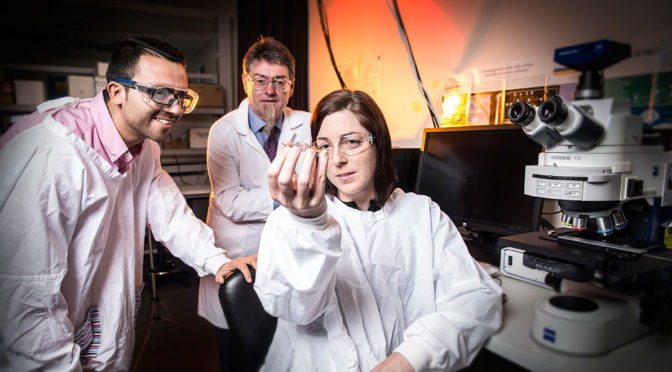
Scientists at Curtin’s Nanochemistry Research Institute investigate minerals at an atomic level, which can, for example, build an understanding of mineral loss in coral reefs.

Scientists at Curtin’s Nanochemistry Research Institute investigate minerals at an atomic level, which can, for example, build an understanding of mineral loss in coral reefs.


New direction

Formally established in 2001, the Nanochemistry Research Institute began a new era in 2015 through the appointment of Professor Andrew Lowe as Director. Working under his guidance are academic staff and postdoctoral fellows, as well as PhD, Honours and undergraduate science students.

An expert in polymer chemistry, Lowe’s research background adds a new layer to the existing strong multidisciplinary nature of the Institute. “Polymers have the potential to impact on every aspect of fundamental research,” he says. “This will add a new string to the bow of Curtin University science and engineering, and open new and exciting areas of research and collaboration.”

Polymers are a diverse group of materials composed of multiple repeated structural units connected by chemical bonds. “My background is in water-soluble polymers and smart polymers,” explains Lowe. “These materials change the way they behave in response to their external environment – for example, a change in temperature, salt concentrations, pH or the presence of other molecules including biomolecules. Because the characteristics of the polymeric molecules can be altered in a reversible manner, they offer potential to be used in an array of applications, including drug delivery, catalysis and surface modification.”

Lowe has particular expertise in RAFT dispersion polymerisation, a technique facilitating molecular self-assembly to produce capsule-like polymers in solution. “This approach allows us to make micelles, worms and vesicles directly,” he says, describing the different physical forms the molecules can take. “It’s a novel and specialised technique that creates high concentrations of uniformly-shaped polymeric particles at the nanoscale.” Such polymers are candidates for drug delivery and product encapsulation.

Sarah Keenihan

Passage of the Medical Research Future Fund Bill

The successful passage of legislation to establish the Medical Research Future Fund (MRFF) Bill 2015 will significantly benefit the health and wellbeing of thousands of Australians. It will also strengthen Australia’s position as a global leader in medical research, says Professor James McCluskey, Deputy Vice Chancellor Research at The University of Melbourne.

“The full $20 billion accumulated in the fund will double Australia’s investment in medical research. This will allow more commercial spinoffs to be captured for the benefit of Australians through innovation, leading to economic activity and new, highly-skilled jobs,” says McCluskey.

With an initial contribution of $1 billion from the uncommitted balance of the Health and Hospitals Fund, and $1 billion provided per year until it reaches $20 billion, the MRFF will support basic and applied medical research – and will be the largest of its kind in the world.

To ensure the MRFF meets the needs of the medical research community, amendments to the Bill include directing funding towards transitional research, which attracts added research funding from the commercial sector. Also included are suggestions by the Australian Green Party, such as ensuring that funding for the Medical Research Council will not be shifted to the MRFF.

By providing an alternative source of funding to the National Health and Medical Research Council (NHMRC), the MRFF will make Australia more competitive with other countries that already have multiple funding agencies.

The UK, for example, has the Medical Research Council – the equivalent of the NHMRC – as well as the $40 billion funded Welcome Trust; a charitable foundation that invests in medical research. The USA also has a number of very generous funding sources, such as the Bill and Melinda Gates Foundation, the National Institutes of Health and the Howard Hughes Medical Research Foundation.

Researchers from the health, university, industry and independent medical research institute sectors will be able to access MRFF. It may also include interdisciplinary sectors such as medical physics, big data analytics and others contributing to national health and medical outcomes.

“Importantly, MRFF will also include initiatives that are currently not well supported by public research funding schemes,” says McCluskey. “For example, joint research with government or pharma [the pharmaceutical industry] in the development of new drugs and medical devices.”

The exact fields to be targeted will be determined by the Minister for Health, Sussan Ley. Advice will come from an independent board of experts including the CEO of NHMRC and eight experts in medical research and innovation, health policy, commercialisation, experience and knowledge in philanthropy, consumer issues, and translation of research into applications in frontline medical practice. The Minister will announce the members of the board shortly.

The MRFF will be established following Royal Assent of the Bill.

– Carl Williams

Celebrating Australian succcess

Success lay with the University of Melbourne, which won Best Commercial Deal for the largest biotech start-up in 2014; the Melbourne office of the Defence Science and Technology Group, which won Best Creative Engagement Strategy for its ‘reducing red tape’ framework; and Swinburne University for the People’s Choice Award.

“These awards recognise research organisations’ success in creatively transferring knowledge and research outcomes into the broader community,” said KCA Executive Officer, Melissa Geue.

“They also help raise the profile of research organisations’ contribution to the development of new products and services which benefit wider society and sometimes even enable companies to grow new industries in Australia.”

Details of the winners are as follows:

The Best Commercial deal is for any form of commercialisation in its approach, provides value-add to the research institution and has significant long term social and economic impact:

University of Melbourne – Largest bio tech start-up for 2014

This was for Australia’s largest biotechnology deal in 2014 which was Shire Plc’s purchase of Fibrotech Therapeutics P/L – a University of Melbourne start-up – for US$75 million upfront and up to US$472m in following payments. Fibrotech develops novel drugs to treat scarring prevalent in chronic conditions like diabetic kidney disease and chronic kidney disease. This is based on research by Professor Darren Kelly (Department of Medicine St. Vincent’s Hospital).

Shire are progressing Fibrotech’s lead technology through to clinical stages for Focal segmental glomerulosclerosis, which is known to affect children and teenagers with kidney disease. The original Fibrotech team continues to develop the unlicensed IP for eye indications in a new start-up OccuRx P/L.

Best Creative Engagement Strategy showcases some of the creative strategies research organisations are using to engage with industry partner/s to share and create new knowledge:

Defence Science and Technology Group –Defence Science Partnerships (DSP) reducing red tape with a standardised framework

The DSP has reduced transaction times from months to weeks with over 300 agreements signed totalling over $16m in 2014-15. The DSP is a partnering framework between the Defence Science Technology Group of the Department of Defence and more than 65% of Australian universities. The framework includes standard agreement templates for collaborative research, sharing of infrastructure, scholarships and staff exchanges, simplified Intellectual Property regimes and a common framework for costing research. The DSP was developed with the university sector in a novel collaborative consultative approach.

The People’s Choice Awards is open to the wider public to vote on which commercial deal or creative engagement strategy project deserves to win. The winner this year, who also nabbed last years’ award is:

Swinburne University of Technology – Optical data storage breakthrough leads the way to next generation DVD technology – see DVDs are the new cool tech

Using nanotechnology, Swinburne Laureate Fellowship project researchers Professor Min Gu, Dr Xiangping Li and Dr Yaoyu Cao achieved a breakthrough in data storage technology and increased the capacity of a DVD from a measly 4.7 GB to 1,000 TB. This discovery established the cornerstone of a patent pending technique providing solutions to the big data era. In 2014, start-up company, Optical Archive Inc. licensed this technology. In May 2015, Sony Corporation of America purchased the start-up, with knowledge of them not having any public customers or a final product in the market. This achievement was due to the people, the current state of development and the intellectual property within the company.

This article was shared by Knowledge Commercialisation Australia on 11 September 2015. 

Mosquito urban wetlands

After a stint working as an environmental consultant trawling swampland in Sydney and Wollongong, Jayne Hanford has gone back to uni to do a postgrad researching one of Australia’s least favourite invertebrates – mosquitoes.

“Bugs are really cool,” says Jayne, with characteristic enthusiasm. “They’re like little aliens when you look at them under a microscope, and there’s a lot of diversity.”

Jayne’s research at The University of Sydney looks at what conditions can create mosquito-free urban wetlands and preserve urban wetland biodiversity.

“I’m the only person researching the aquatic environment – there are people working on tic pathogens, bees, spiders, ants and bats in urban areas,” says Jayne, describing the diversity of research being undertaken at her lab.

There is currently little research on biodiversity in urban wetlands – and what research is available is somewhat disjointed.

While the conditions conducive for mosquitoes are well understood in natural wetlands, as are the conditions for creating high biodiversity, these findings haven’t been applied to urban wetland ecology.

“I hadn’t really thought about mosquitoes before, I was more interested in the protection of biodiversity, and thought it would be interesting to look at that in an urban context,” says Jayne.

Her main supervisor at the uni, Associate Professor Dieter Hochuli is focused on urban ecology, so Jayne took the opportunity to undertake research into how biodiversity and mosquito populations are linked in urban wetlands.

“The councils I’ve spoken to would really like to know if their wetlands do have mosquitoes because it influences how they manage them in the future.”

As wetland vegetation are often good breeding grounds for mosquitoes, Jayne’s research will assist councils to understand the biodiversity value of a wetland and whether it poses a risk to public health from mosquito-borne diseases.

This understanding will lead to better management of a wetland’s biodiversity while minimising risks from mosquitos. And could allow for the integration of biodiversity and stormwater and wastewater management strategies with public health programs.

“My research will look at what we need to create a really good network of wetlands for conservation in urban areas that tick all the boxes,” explains Jayne.

“They must be visually appealing, be places for recreation, provide a habitat for wildlife, improve water quality, minimise mosquito or weed infestations – and avoid making people sick. People can walk their dogs around them, and they benefit biodiversity.”

– Carl Williams

From science fiction to reality: the dawn of the biofabricator


“We can rebuild him. We have the technology.”
– The Six Million Dollar Man, 1973

Science is catching up to science fiction. Last year a paralysed man walked again after cell treatment bridged a gap in his spinal cord. Dozens of people have had bionic eyes implanted, and it may also be possible to augment them to see into the infra-red or ultra-violet. Amputees can control bionic limb implant with thoughts alone.

Meanwhile, we are well on the road to printing body parts.

We are witnessing a reshaping of the clinical landscape wrought by the tools of technology. The transition is giving rise to a new breed of engineer, one trained to bridge the gap between engineering on one side and biology on the other.

Enter the “biofabricator”. This is a role that melds technical skills in materials, mechatronics and biology with the clinical sciences.


21st century career

If you need a new body part, it’s the role of the biofabricator to build it for you. The concepts are new, the technology is groundbreaking. And the job description? It’s still being written.

It is a vocation that’s already taking off in the US though. In 2012, Forbes rated biomedical engineering (equivalent to biofabricator) number one on its list of the 15 most valuable college majors. The following year, CNN and payscale.com called it the “best job in America”.

These conclusions were based on things like salary, job satisfaction and job prospects, with the US Bureau of Labour Statistics projecting a massive growth in the number of biomedical engineering jobs over the next ten years.

Meanwhile, Australia is blazing its own trail. As the birthplace of the multi-channel Cochlear implant, Australia already boasts a worldwide reputation in biomedical implants. Recent clinical breakthroughs with an implanted titanium heel and jawbone reinforce Australia’s status as a leader in the field.

The Cochlear implant has brought hearing to many people. Dick Sijtsma/Flickr, CC BY-NC

The Cochlear implant has brought hearing to many people. Dick Sijtsma/Flickr, CC BY-NC

I’ve recently helped establish the world’s first international Masters courses for biofabrication, ready to arm the next generation of biofabricators with the diverse array of skills needed to 3D print parts for bodies.

These skills go beyond the technical; the job also requires the ability to communicate with regulators and work alongside clinicians. The emerging industry is challenging existing business models.


Life as a biofabricator

Day to day, the biofabricator is a vital cog in the research machine. They work with clinicians to create a solution to clinical needs, and with biologists, materials and mechatronic engineers to deliver them.

Biofabricators are naturally versatile. They are able to discuss clinical needs pre-dawn, device physics with an electrical engineer in the morning, stem cell differentiation with a biologist in the afternoon and a potential financier in the evening. Not to mention remaining conscious of regulatory matters and social engagement.

Our research at the ARC Centre of Excellence for Electromaterials Science (ACES) is only made possible through the work of a talented team of biofabricators. They help with the conduits we are building to regrow severed nerves, to the electrical implant designed to sense an imminent epileptic seizure and stop it before it occurs, to the 3D printed cartilage and bone implants fashioned to be a perfect fit at the site of injury.

As the interdisciplinary network takes shape, we see more applications every week. Researchers have only scratched the surface of what is possible for wearable or implanted sensors to keep tabs on an outpatient’s vitals and beam them back to the doctor.

Meanwhile, stem cell technology is developing rapidly. Developing the cells into tissues and organs will require prearrangement of cells in appropriate 3D environments and custom designed bioreactors mimicking the dynamic environment inside the body.

Imagine the ability to arrange stem cells in 3D surrounded by other supporting cells and with growth factors distributed with exquisite precision throughout the structure, and to systematically probe the effect of those arrangements on biological processes. Well, it can already be done.

Those versed in 3D bioprinting will enable these fundamental explorations.


Future visions

Besides academic research, biofabricators will also be invaluable to medical device companies in designing new products and treatments. Those engineers with an entrepreneurial spark will look to start spin-out companies of their own. The more traditional manufacturing business model will not cut it.

As 3D printing evolves, it is becoming obvious that we will require dedicated printing systems for particular clinical applications. The printer in the surgery for cartilage regeneration will be specifically engineered for the task at hand, with only critical variables built into a robust and reliable machine.

The 1970s TV show, Six Million Dollar Man, excited imaginations, but science is rapidly catching up to science fiction. Joe Haupt/Flickr, CC BY-SA

The 1970s TV show, Six Million Dollar Man, excited imaginations, but science is rapidly catching up to science fiction. Joe Haupt/Flickr, CC BY-SA

Appropriately trained individuals will also find roles in the public service, ideally in regulatory bodies or community engagement.

For this job of tomorrow, we must train today and new opportunities are emerging biofab-masters-degree. We must cut across the traditional academic boundaries that slow down such advances. We must engage with the community of traditional manufacturers that have skills that can be built upon for next generation industries.

Australia is also well placed to capitalise on these emerging industries. We have a traditional manufacturing sector that is currently in flux, an extensive advanced materials knowledge base built over decades, a dynamic additive fabrication skills base and a growing alternative business model environment.

– Gordon Wallace & Cathal D. O’Connell

This article was first published by The Conversation on 31 August 2015. Read the original article here.

Baby immunisation: One in 10 infants at risk

Almost one in 10 Australian infants are at risk of severe infections because they are not up-to-date with their immunisations.

According to new research at the University of Adelaide in South Australia, conducted in conjunction with University College London, children with socio-economically disadvantaged parents, not just parents who disagree with baby immunisation, were more likely to not be fully immunised.

The study examined barriers to childhood immunisations experienced by parents in Australia. Overall researchers found 91% of infants were up-to-date with immunisations.

Associate Professor Helen Marshall, from the University of Adelaide’s Robinson Research Institute, and Director of Vaccinology and Immunology Research Trials Unit at the Women’s and Children’s Hospital, said this is the first Australia-wide study to show that factors associated with social disadvantage impact on immunisation uptake – more than unwillingness to have children immunised.

“In this study we looked at the most current individual-level data available of more than 5000 Australian children, aged 3–19 months,” she says.

She found that 9.3% of children were found to be partially immunised or not immunised at all, and of these only one in six children had parents who disagreed with immunisations.

“So the majority of infants who were incompletely immunised had parents who do not object to immunisation – something else is getting in the way,” she says.

Marshall says the primary barriers to immunisation included minimal contact with, and access to services, being a single parent and children living in a large household.

“Socio-economic disadvantage was an important reason why parents had children who were either partially immunised or not immunised at all,” she says.

“Children with chronic medical conditions were also more likely not to be up-to-date with immunisations. This is possibly due to parents and health care providers having a lack of knowledge about additional vaccines that are recommended for children with certain medical conditions or concerns vaccines may have adverse effects in these children,” she says.

Marshall says these findings can inform programs to increase the uptake of immunisations.

“Reminders and rescheduling of cancelled appointments, and offering immunisation in different settings may help achieve better protection for children and the community,” says Marshall.

“This research found that the majority of parents with partially immunised children are in favour of vaccinations, so we need to look at how we can remove the barriers experienced by these families.”

The research was published in the journal Vaccine.

This article was first published on 6 August 2015 by The Lead Australia. Read the original article here.

Brain teaser: 3D-printed ’tissue’ to help combat disease

The brain is amazingly complex, with around 86 billion nerve cells. The challenge for researchers to create bench-top brain tissue from which they can learn about how the brain functions, is an extremely difficult one.

Researchers at the ARC Centre of Excellence for Electromaterials Science (ACES), based at UOW’s Innovation Campus, have taken a step closer to meeting this challenge, by developing a 3D-printed layered structure incorporating neural cells, that mimics the structure of brain tissue.

The value of bench-top brain tissue is huge. Pharmaceutical companies spend millions of dollars testing therapeutic drugs on animals, only to discover in human trials that the drug has an altogether different level of effectiveness. We’re not sure why, but the human brain differs distinctly from that of an animal.

A bench-top brain that accurately reflects actual brain tissue would be significant for researching not only the effect of drugs, but brain disorders like schizophrenia, and degenerative brain disease.

ACES Director and research author Professor Gordon Wallace (pictured above with Rodrigo Lozano and Elise Stewart) said that the breakthrough is significant progress in the quest to create a bench-top brain that will enable important insights into brain function, in addition to providing an experimental test bed for new drugs and electroceuticals.

“We are still a long way from printing a brain but the ability to arrange cells so as they form neuronal networks is a significant step forward,” says Wallace.

To create their six-layered structure, researchers developed a custom bio-ink containing naturally occurring carbohydrate materials. The custom materials have properties that allow accurate cell dispersion throughout the structure, whilst providing a rare level of protection to the cells.

The bio-ink is then optimised for 3D-printing, and developed for use in a standard cell culturing facility without the need for expensive bio-printing equipment.

The result is a layered structure like brain tissue, in which cells are accurately placed and remain in their designated layer.

“This study highlights the importance of integrating advances in 3D-printing, with those in materials science, to realise a biological outcome,” says Wallace.

“This paves the way for the use of more sophisticated printers to create structures with much finer resolution.”

The research, funded through Wallace’s Australian Laureate Fellowship, is published in Biomaterials

This article was first published on 3 August 2015 by the University of Wollongong. Read the original article here.

How does 3D printing work?

Dr Martin Leary from the School of Aerospace, Mechanical and Manufacturing Engineering explains how 3D printing works in a short video, as part of RMIT’s “How Things Work” YouTube series.

For more details, and for a transcript of the video, visit the RMIT website.

This video was first published by RMIT University on 3 December 2014 as part of RMIT’s “How Things Work” YouTube series.

3D-printing makes better bone screw

Orthopaedic screws are used for spinal surgeries such as joint fusion to treat pain and fracture fixation.

Fasteners loosening or pulling out is especially common in osteoporotic bone, can injure the patient and requires a revision surgery to fix.

Curtin University researchers including the author and Intan Oldakowska, biomedical engineers, are collaborating with surgeons at St John of God and Royal Perth Hospitals as well as researchers at the University of Western Australia (UWA) to create a new expandable orthopaedic fastener with stronger fixation.

The key to the strength of the new fasteners is the large expansion size, which is achieved by several novel design features that are currently commercial-in-confidence and the basis of two patents.

The new fasteners can also be made shorter than equivalent screws, which can eliminate the risk of the screw going too far through the bone and potentially injuring the nerve root, vertebral artery or spinal cord on the other side, causing serious and often permanent damage.

Stronger and shorter fasteners mean that fastener placement is less critical, reducing the difficulty of surgery.

“The novel spinal fastener incorporates unique design features which allows surgeons to achieve stronger fixation in the spine and potentially, bone in other sites of the body,” says collaborator Professor Gabriel Lee, a neurosurgeon at St John of God Subiaco Hospital in Western Australia.

“The concept is exciting and the preliminary results are particularly encouraging. Successful development of this device will enhance the chances of successful surgery and reduce the complications associated with screw placement in the spine, ultimately resulting in improved patient outcomes.”

3D-printing-makes-better-screw-for-bone-th

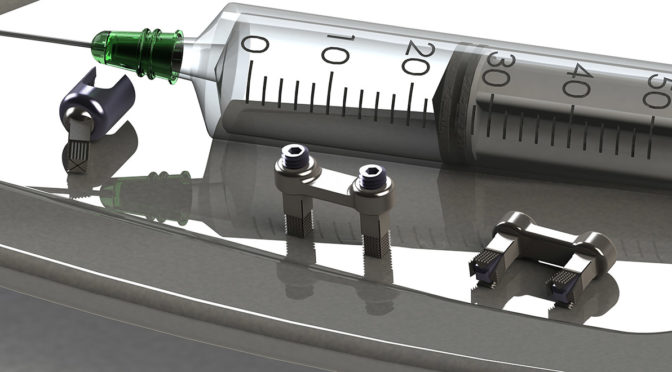
A render of the screw using finite element modelling.

Finite element modelling is a computational method for simulating the stress within a computer model. This technique has been used to predict stress and strain in the fastener during expansion and under loading to ensure sufficient strength and demonstrate the potential expansion size.

As this innovative design would be difficult to manufacture using conventional techniques, it is currently manufactured by Associate Professor Tim Sercombe at UWA, using selective laser melting, a 3D-printing technology.

Demonstration of Selective Laser Melting

The 3D-printing process for manufacturing the screw is called selective laser melting.

Selective laser melting allows the surface of the fastener to be printed with micro-scale spikes which can interlock with the lattice like structure of bone and implant porosity, which may increase the bone in-growth in the device, further increasing fixation strength over time.

Future studies for the expandable fastener include testing using human cadavers and in vivo sheep testing to demonstrate bio-compatibility and bone in-growth.

The team is supported by the IP Commercialisation Office at Curtin who are seeking partners to support development and clinical testing of the device, and to eventually sell the device under license to an orthopaedic implant manufacturing company.

Matthew Oldakowski

Test on chemo drugs predict side effects

A chemosensitivity test hopes to identify which chemo drugs will provide benefit and which may cause unwanted side effects for sarcoma cancer patients.

University of Western Australia’s School of Surgery researchers are currently comparing three methods to identify the most effective and reliable method to grow a patient’s tumour cells.

Co-lead researcher Dr Nicholas Calvert says sarcoma is a group of rare cancers arising from bone, muscle and cartilage.

“While they are rare, they can be very aggressive and early detection is vital to successful treatment, which can involve chemotherapy, radiotherapy, and surgical treatment,” he says.

Calvert says it is difficult to predict tumour responsiveness to chemotherapy because there are over 70 different types of sarcoma with significant variation in the genetic profile of cells within each type.

Chemotherapy in this area is generally guided by research on chemotherapy efficacy on a specific tumour type or those that are similar.

“So successfully predicting whether a patient’s tumour will be similar to another patient’s tumour of the same type is very difficult,” says Calvert.

“Especially given there are only around 1200 new cases per year which does not provide a large enough trial to test different chemotherapy regimens.”


Gene library and cell cultures methods considered

One of the methods under review involves researchers analysing DNA from tumour cells and comparing them to an international library of genes to identify whether they have any mutations that will help or prevent a chemotherapy drug from working.

Another method involves growing tumour cells in the lab and then exposing them to different chemotherapy drugs to see which kill the cells and at what dose.

Finally, mouse xenograft will be considered where tumour cells are grown in lab mice which are then subjected to different chemotherapy drugs to see which kill the cells and at what dose.

Calvert says once this pilot study is completed they will expand it to a national trial to identify which of these tests is effective and reliable to select chemotherapy drugs.

“If we can identify a test that will allow us to take a sample of tumour, and identify how it will respond to chemotherapy it will have significant benefit for not only those with sarcoma but also other cancers,” says Calvert.

He says this ‘personalised medicine’ approach aims to confirm a tumour will respond to an agent before it is even given, and avoid the significant and sometimes life-threatening side effects of some the chemotherapy agents.

Sarcoma has approximately 1200 new cases diagnosed each year in Australia and accounts for approximately 1% of all adult malignancies and 15% of paediatric malignancies.

– Teresa Belcher

This article was originally published on Science Network Western Australia. Read the original article here.


A new sunscreen made from fish slime and algae

Researchers have developed a new UV blocking material out of naturally occurring molecules found in algae and fish slime that can be used to make more effective sunscreen, bandages and contact lenses.

Organisms like algae and cyanobacteria have evolved to synthesise their own UV screening compounds, such as mycosporine-like amino acids (MAAs).

MAAs are commonly found in the creatures that eat algae and cyanobacteria as well – tropical fish like those found on the Great Barrier Reef accrue the material in their slime and eyes to protect themselves from harmful UV radiation.

“Mycosporines are present a little bit everywhere, in many types of organisms,” says Professor Vincent Bulone, co-author of the research paper and Director of the ARC Centre of Excellence in Plant Cell Walls at the University of Adelaide.

“We have attached these small UV absorbing molecules in a non-reversible manner to a polymer called chitosan, that you can extract from the shells of shrimp or crabs.”

The result is an all-natural UVA and UVB screening material. Thanks to the versatility of chitosan, it can be used in a cream for topical application, a transparent film for use in materials like bandages, or coated on objects like textiles and outdoor furniture to protect them from UV damage.

Current sunscreen formulas use a combination of materials in order to screen both UVA and UVB radiation, including some that can have a negative effect on health in the long-term, such as titanium dioxide.

“It outperforms some of the compounds that are already used on the market in terms of the UV absorption capacity. The good thing is that it’s completely natural. We’ve also tested them on cell cultures and know they are not toxic,”says Bulone.

“We know, under laboratory conditions, the MAAs have no harmful effects. So they can be used for wound healing dressings for instance. You don’t need to change that dressing as often and it facilitates the healing of the skin.”

The compound is also highly stable, even under high temperatures.

While chitosan is already widely used for many applications and easily extracted from crustacean waste products such as prawn shells, MAAs are more difficult to produce.

“Extracting it from algae would be a very expensive process, but it is possible to produce them by engineering bacteria. This has been since the early 90s. It’s not a cheap process, but it can be done.”

Bulone was recently installed as Director of the ARC Centre of Excellence in Plant Cell Walls at the University of Adelaide in South Australia.

“I’ve only started recently in South Australia. This work was done in my lab in Sweden. I still split my time, 70% in Adelaide and 30% in Sweden.”

Published in ACS Applied Materials & Interfaces, the research was undertaken with colleagues at Sweden’s Royal Institute of Technology. It also involved close collaboration with partners in Spain.

Bulone is actively developing new collaborations within Australia and internationally to develop new concepts leading to increased crop production and quality for nutrition as well as protection of crops against devastating fungal pathogens. These developments rely on his long-standing expertise in the biochemistry of carbohydrates from plant and fungal cell walls.

This article was first published by The Lead on 29 July 2015. Read the original article here.

Buy Vision, Give Sight

Eyewear brand Revo and U2 lead singer Bono are joining forces with the Brien Holden Vision Institute to eliminate avoidable blindness and vision impairment.

“Eye tests and eye examinations are at the front line of eye care. But for millions of people without access, the simplest problems go untreated. It’s unnecessary and avoidable,” says Kovin Naidoo, Global Director of Programs, Brien Holden Vision Institute.

When consumers purchases Revo sunglasses, $10 from the sale of every pair will be donated by Revo to the “Buy Vision, Give Sight” initiative. To execute the initiative, Revo and Bono are partnering with the Brien Holden Vision Institute to provide sustainable solutions for eye care and end avoidable blindness and vision impairment in under-resourced communities.

Bono, who has a long track record in global health, particularly as an activist in the fight against HIV/AIDS, was diagnosed with glaucoma 20 years ago. His experience with glaucoma, for which he has received excellent treatment, has made him determined to find a way to increase access to frontline eye health services for others.

bono_vision

“The ‘Buy Vision, Give Sight’ campaign is a very personal one for me,” says Bono.

“Thanks to good medical care my eyes are okay, but tens of millions of people around the world with sight problems don’t have access to glasses, or even a basic eye test. Poor eyesight may not be life-threatening, but it dramatically affects your life and your livelihood if you aren’t able to fix it.  When we met with experts, they said the number one problem is untreated poor vision, which prevents a child from learning in school, or an adult from performing their job. Sight is a human right and the ‘Buy Vision, Give Sight’ initiative will help ensure millions of people have access to the eye exams and glasses they need to see.”

Untitled-1


“With Brien Holden, we found a partner doing remarkable work, hand-in-hand with local communities.  It’s mind-expanding what they are achieving; we’re very excited to work in partnership with them and Revo,” says Bono.

Yehuda Shmidman, Sequential Brands Group CEO, commented, “We are very excited about this partnership. Revo’s pioneering lens technology has always put eye-health central to Revo products and we believe Revo buyers will embrace the idea that their purchase is helping someone else. We’re very proud to support Bono and the Brien Holden Vision Institute in their efforts to bring basic eye care services to millions of people around the world.”

Professor Brien Holden, CEO, Brien Holden Vision Institute says,”It is extremely helpful that Revo and Bono recognise the impact that uncorrected vision impairment has on the lives of the 625 million people globally who do not have access to a simple eye examination or pair of glasses.  Revo and Bono’s commitment to our programs will have a lasting impact on millions of lives globally.”

The funds donated by Revo will help pay for basic eye care services, particularly eye tests and prescription glasses, and also build stronger eye care services in target communities for the longer term by training local people to provide eye care and detect eye diseases.

During U2’s Innocence + Experience World Tour, Bono will exclusively wear Revo sunglasses. He has designed a capsule collection of sunglasses for the brand, available in the North American fall, which will include lenses outfitted with Revo’s LMSTM technology. As with all Revo sunglasses, $10 dollars from each pair of the Bono for Revo collection will go to the Brien Holden Vision Institute.

This article was published by the Brien Holden Vision Institute on 25 July 2015. Read the original article here.

Multi-million-dollar deal brings UQ pain drug closer to reality

A chronic pain treatment discovered at The University of Queensland is a step closer to clinical use, with a global pharmaceutical giant acquiring the Australian-founded company developing the drug.

Spinifex Pharmaceuticals has been acquired by Novartis International AG for an upfront cash payment of $US200 million (about $A260 million), plus undisclosed clinical development and regulatory milestone payments.

Spinifex is a biopharmaceutical company founded by UQ commercialisation arm UniQuest.

UQ Vice-Chancellor and President Professor Peter Høj welcomed the acquisition and congratulated those involved.

“This is one of the largest Australian biotech deals in history, and is a stunning outcome for the company, the researchers and the investors,” Professor Høj said.

“Spinifex builds on the unprecedented commercial translation achievements of UQ, which includes the world’s first cancer vaccine, Gardasil.

“It is a shining example of UQ’s determination to take research from excellence to what I call ‘excellence plus’, developing a product that has potential to improve the lives of people around the world.”

Spinifex is developing the drug candidate EMA401, an oral treatment for chronic pain, particularly neuropathic pain (a type of nerve pain), without central nervous system side effects.

The technology is based on a discovery by UQ’s Professor Maree Smith.

Professor Smith said the acquisition brought EMA401 a step closer to the people who needed it most.

“Chronic pain can be a debilitating condition, most commonly associated with cancer chemotherapy, post-herpetic neuralgia (a painful condition that can follow shingles), diabetes, peripheral nerve injury and osteoarthritis.

“It’s wonderful to see this deal eventuate, bringing a much-needed treatment option a little closer to reality for the millions of pain sufferers around the world,” Professor Smith said.

UQ pain researcher Professor Maree Smith

UQ pain researcher Professor Maree Smith

UniQuest CEO Dr Dean Moss said Dr Smith’s work was at the cutting edge of pain research.

“Her achievements and expertise have contributed to the formation of the recently-launched Queensland Emory Drug Discovery Initiative (QEDDI),” Dr Moss said.

QEDDI, a collaboration between UQ and Emory University in the US, will see the development of drugs to combat health issues including cancer, diabetes, inflammatory disorders and infectious diseases.

EMA401 is a novel angiotensin II type 2 (AT2) receptor antagonist being developed as a potential first-in-class oral treatment.

Professor Smith and UQ’s Dr Bruce Wyse’s research identified AT2 receptor antagonists as inhibitors of neuropathic and inflammatory pain in preclinical models.

Spinifex is supported by a syndicate of investors, including UniQuest, NovoVentures (Novo A/S), Canaan Partners, GBS Venture Partners, Brandon Capital Partners and UniSeed (a venture fund operating at the Universities of Melbourne, Queensland and New South Wales).

Award-winning app boosts mental health help for youth

You are 16 years old and have a secret, which you’ve been carrying around for what feels like your whole life. You feel trapped so you turn to marijuana and alcohol to numb the pain. Your grades begin to slip and your parents are worried so they send you to a psychologist. During your first visit, the clinician in the waiting room starts asking questions, and all you can hear is your heartbeat ringing in your ears.

When it comes to receiving effective mental health treatment, early diagnosis and non-judgmental support are essential. In order to assess what types of treatment options are available, many clinicians start with a verbal assessment. However this verbal assessment is a barrier for many young people, preventing treatment. Psychologist and PhD candidate Sally Bradford recognised that young people between the ages of 12­­–25 could benefit from a different kind of assessment.

“They’re going into an environment where they’re expected to verbally relay everything that is going on in their lives – to tell their deepest, darkest secrets that they may have never said out loud before,” Bradford says. “It can take a long time for them to find the words – especially if the clinician doesn’t ask the right questions,” she says.

As part of her PhD focusing on the use of technology in face-to-face mental health care with young people, Bradford created the electronic psychosocial assessment app called “myAssessment” that helps clinicians evaluate young people quickly and easily. Speaking to the National Mental Health Commission’s review of Australia’s mental health system, this new screening process underscored the need to improve health services and support through innovative technologies.

“The app could be beneficial in any field where you’re needing groups of people to be truthful, and give answers in a way that they do not feel judged,” Bradford says.

Based on the strides Bradford made in youth mental health with the invention of myAssessment, she was awarded the $5000 top prize at the CRC Association Early Career Research Showcase at the CRCA’s Excellence in Innovation Awards Dinner in Canberra.
240615_mentalhealth7

The app was developed in close conjunction with the Young & Well CRC, youth focus groups and clinicians, and subsequently trialled at a headspace Centre in Canberra over nine months in 2014.

“The app was designed with significant input from young people and clinicians, and puts their needs and requirements first. For clinicians, it follows an evidence-based format and doesn’t require changes to the way they currently provide services. For young people, it’s interactive, engaging, and easy to use,” Bradford says.

240615_mentalhealth3

The way it works is a patient arrives for their appointment. Prior to seeing a clinician, patients complete myAssessment on an iPad in the waiting room. The app is a simple survey, but with a range of different response options. Topics include alcohol and drug habits, sexual preference, eating habits and anxiety and depression. Questions include screening and probing questions. Screening questions can be a yes or a no answer that prompts further questioning: Do you drink? Smoke? Have you tried or used drugs? What have you tried?

A probing question allows for a more comprehensive understanding of the issue, such as, how do you (and your friends) take them? (drugs). After answering and submitting these questions, a personalised ‘Clinician Summary’ details the patient’s risks and strengths, providing the clinician with a foundation for the first interview.

240615_mentalhealth5

Bradford’s trials proved to be particularly enlightening, with an 87% response rate, and ¾ of patients reporting that myAssessment provided them with an “accurate” representation of themselves. The results also showed that young people were up to 10 times more likely to open up about drug and alcohol use, sexuality, and self-harm when the application was used, in comparison to a verbal assessment with the same questions.

“There was a wealth of data generated over the course of the trial, which could be particularly useful for policy reform in the future,” Bradford says.

Kara Norton

Young & Well CRC 

Understanding athletes’ immune function to optimise performance

With the Gold Coast Commonwealth Games looming in 2018, a key concern for athletes will be how to prevent illness from interfering with their training and performance.

This is the focus of new research at Griffith University. Partnering with the Australian Institute of Sport to examine the effects of exercise on the immune system in order to help athletes compete at their best, the research team say that illness during competition can destroy years of effort and dedication.

“On average, highly trained athletes spend 8 to 12 years training to compete at their best,” says Professor David Pyne from Griffith’s Menzies Health Institute Queensland (MHIQ).

“Given the time, effort and financial considerations made by athletes, their coaches and support staff, there is a need to find ways to keep athletes healthy during heavy training, travel and competition.”

Dr Nic West

Dr Nic West

Susceptibility to illness

Professor Allan Cripps, a leading immunology researcher at MHIQ has worked with Pyne and Dr Nic West in a bid to understand why athletes seem prone to illness during heavy training and competition.

“There is evidence that endurance exercise compromises immune function and increases illness in some athletes,” says West. “Intensive exercise, particularly endurance exercise, such as triathlon, long distance swimming and ironman events, can be associated with exercise-induced immune suppression where the number and function of immune cells is decreased and their ability to respond to challenge is lowered.”

For the current study the research team is seeking highly trained male triathletes and iron men between the ages of 18-35 years who undertake 12 hours or more exercise per week.

Athletes will have their immune, gut microbiota and metabolic systems profiled and compared with non-athletes.

A significant benefit of the study is that participants will receive information regarding the status of their own immune function that can be used to tailor individual training programs.

The study is taking place at Griffith University’s Gold Coast campus.

“We hope that participation and knowledge gained from this study will help elite and non-elite athletes to attain their performance goals,” says Pyne.

This article was first published by Griffith University on 16 June, 2015.

Open your mind

Back in 1990, the internet was just a twinkle in the eye of a few scientists at The European Organization for Nuclear Research (CERN). Mobile phones were awkward bricks wielded by showy stockbrokers. Personal computers had not yet made the transition from the office to the home.

Fast forward 25 years, and more people have access to mobile phones than working toilets. Technology has revolutionised global communications, culture and business. Video chat software Skype has more than 300 million active users.

While three billion of us already have internet access, Google plans to supply the rest using high-altitude balloons (Project Loon) and solar powered drones (Project Titan) to beam wi-fi across developing nations.

Even language is no longer the barrier it used to be, with the advent
of real-time translation technologies enabling communication without a human translator. As of January 2015, we are using Google Translate to make one billion translations per day.

So what do the next 25 years have in store? “The general trend is that technology is becoming more and more a part of everyday life,” says Professor Rafael Calvo, a software engineer at the University of Sydney. While some are questioning how technology may be affecting us adversely, Calvo is researching how computers may
be able to contribute positively to our mental health. “Positive computing is changing the design of technologies to take into account the wellbeing and happiness of people,” he says.

For example, games have been designed to encourage ‘pro-social’ behaviours. In one study at Stanford, researchers built a game where players were either given the power to fly like Superman or take a virtual helicopter ride. After playing, the participants who had the superpower were more likely to help someone in need.

Though computers are traditionally seen to have a blindspot for emotions, recent advances are paving the way for computers to notice and adapt to our moods – a phenomenon called affective computing. “Some new cameras have a setting where they only take a photo when you smile,” says Calvo.

Calvo’s team has developed software to assist moderators of Australia’s leading online youth mental health service, ReachOut.com. It can detect when someone is depressed, and possibly at risk of suicide, and alert a human moderator. His group has also teamed up with the Young and Well CRC to build an online hub where young people can download apps to help improve their wellbeing.

For Calvo, this technology represents a transformation in how software is being made – aiming to improve wellbeing, not just productivity. “Our work is centred on influencing how people develop software. Australia leads the world in this field.”

New technologies could also change the way we learn, says Professor Judy Kay from the University of Sydney. Kay and her team are exploring the use of touchscreen tabletops in the classroom as tools for students to work together. They can also help teachers monitor each group’s work. “This technology can distinguish the actions and speech of each person in a group to determine how well the group is progressing and how well they collaborate,” she says.

The movie Her presents a future in which we will have intelligent virtual personal assistants to help organise our lives. We can already tell Siri to “Call Mum” or ask Google if we need an umbrella today. But this is only the beginning.

Meet Anna Cares. She’s a friendly brunette who lives inside your tablet or smartphone as an intelligent virtual agent. Developed by Clevertar (a spin-out from the computer science labs at Flinders University), Anna is being developed for the aged care space. She can already remind you to take your medication and give timely advice based on the weather.

Dr Martin Luerssen is an artificial intelligence specialist from Flinders who works on the project. He says intelligent assistant technology has been enabled by the convergence of several advances over the past 10 years, including astonishing progress in computational and sensing capabilities, as well as speech and language technologies. Meanwhile, affective computing approaches are bringing improvements to understanding human gestures and expressions.
“This enables us to create very natural, human-like interactions,” says Luerssen.

“By 2040, we expect that there will be more Australians retired than working – we cannot afford not to have this kind of technology,” adds Professor David Powers from Flinders.

We already use voice-operated technology, but now an app called Focus, developed by the Smart Services CRC, enables you to interact hands-free with a smartphone using eye movement alone – for example, you can increase font size with the blink of an eye.

“Australia leads the world in this field.”

By 2040, it is plausible we will be able to control computers with our minds using brain-computer interfaces (BCI), such as a cap covered in electrodes that can transmit brainwaves to a computer via electroencephalogram (EEG). In 2006, technology by BrainGate enabled patients with total ‘locked-in’ syndrome (where a patient is aware but cannot move or communicate verbally due to paralysis) to move a computer cursor just by thinking, thereby giving them a way to communicate. In 2010, Australian entrepreneur Tan Le unveiled a commercially available EEG headset, enabling anyone with careful concentration to give their computer simple instructions with their thoughts.

But the process is slow. “At the moment, typing with BCI can take seconds per character,” says Powers. Flinders University researchers are working on new technologies where users can type by thinking of words rather than just characters, speeding up the process.

In a field where the sudden emergence of a new technology can change the entire landscape in just a year or two, who knows how we will be communicating in 2040?

“One thing I can say with confidence is that we are very bad at predicting the future!” says Kay.

– Cathal O’Connell

youngandwellcrc.org.au

smartservicescrc.com.au

Medicine by design

IT’S 2040. Jane taps her foot nervously, waiting for her smart watch to link to her oncologist via video. Her cancer-screening blood test (routine at age 45) has found circulating tumour cells. Jane is about to find out what type of cancer she has and what her next steps will be.

Her watch beeps, but it’s not the oncologist. Her health app bursts onto the screen telling her she’s been sitting for too long. Time to get up and move for five minutes… Does she want to listen to dance music? Jane’s not in the mood, but she gets up and paces the room.

Miranda, the oncologist, has most of her patient consultations via online telehealth video conferencing. Her first step following Jane’s blood screen result was to download her patient’s genome. Then she ran a computer program to compare Jane’s genome with the set of blood test results that showed she has breast cancer; revealing its type and the cancer cells’ DNA sequence.

Using data from hundreds of thousands of breast cancer cases worldwide, the program helps Miranda devise an optimised treatment program for Jane. She presses the button to begin the consultation.

Miranda breaks the news gently. Cancer is a worry, of course, she says. But things are so much better than they were 25 years ago. She is confident the imaging will find a tiny primary tumour, which can be removed – in a surgical procedure known as a lumpectomy – and then Jane will have drug therapy for several years, with few side effects, to dramatically reduce the chance of the cancer spreading (metastasising).

Most people beat breast cancer nowadays and there is usually no need for chemotherapy, Miranda reassures her.

“One in two of us will get cancer and one in five of us will die from cancer. One of the challenges at the moment is what’s called ‘treating the undetectable’.”

Science fiction? Yes. But it certainly may become science fact, according to Dr Warwick Tong, CEO of the Cancer Therapeutics CRC (CTx), and Professor Bob Cowan, Chief Executive Officer of the HEARing CRC.


Mopping up cancer

In Tong’s view, blood tests – or ‘liquid biopsies’ – to screen for all types of cancers will become routine. The basic technology already exists, at least for colorectal cancer, he explains.

Tong is spearheading a new approach to cancer drug therapy. While most chemotherapy drugs shrink secondary tumours that result from metastasis, CTx is working on ‘mopping up’ cells that migrate from the original tumour at a very early stage.

“One in two of us will get cancer and one in five of us will die from cancer – and 90% of those deaths are caused by vast metastatic spread,” he says. “One of the challenges at the moment is
what’s called ‘treating the undetectable’. We treat primary cancer pretty well nowadays, but often the disease reoccurs years down the track.”

Drugs used in early stage cancer, alongside treatment of the primary tumour, are called ‘adjuvant’ therapies. But, Tong explains, few pharmaceutical companies are exploring adjuvants because the research is expensive and it’s difficult to prove they work. In fact, most of the few existing adjuvants – such as the drug tamoxifen, which is used for breast cancer – were developed for late cancer and have become adjuvants through chance rather than design.

“The focus of our drug discovery program is ‘adjuvant by design’”, says Tong. And it is work like this at the CTx that may lead to 2040 drugs, similar to those Jane will use.


Treating the individual

Jane’s individual treatment protocol will typify 2040 medicine, explains Cowan. “Up to now, evidence-based medicine has been founded on group analysis. But in 2040, instead of applying group statistics to an individual, we’ll be able to understand their particular risk and make treatments more personal.”

At the heart of this lies our ability to sequence a person’s DNA, which can now be done for just a few hundred dollars.

Cowan predicts that the accumulating digital information on individuals will create a “data storm” and, ironically, as individualised treatment becomes the norm, the data available for group analyses will also massively increase. “So there may be factors we have been unable to identify because of variation in the environment and gene expression, which will become clear when we start to get much larger samples,” he explains.

Drawing on his experience in hearing, Cowan foresees major advances in prosthetics. The hugely successful cochlear implant, developed in conjunction with HEARing CRC, is a prosthetic – the union of an artificial device with the human brain. “Australia leads the world in cochlear implants,” he says.

Sadly, one of the major drivers for prosthetics is war. The ravages of landmines and improvised explosive devices have brought increased funding for the development of better prosthetic limbs. The aim now is to marry the prosthetic more intimately with the individual’s own nervous system: something that requires new approaches for regenerating nerve connections.

Cowan’s vision for prosthetics is exciting: “You’ll simply think ‘pick up
the glass’ and your prosthetic arm will execute all the necessary movements as your own arm did in the past.”

creening computational specialist Rebecca Moss at the Cancer Therapeutics CRC  High Throughput Chemical Screening Lab.

Screening computational specialist Rebecca Moss at the Cancer Therapeutics CRC High Throughput Chemical Screening Lab.


Cost-effective medicine

Forecasts for 2040 predict that the
human population will include twice as many people aged 65 or over, which is concerning to Cowan because it means that a greater proportion of people will have problems with hearing and cognition.

“More and more we are going to see the need for reducing the strain
on the health system,” he says, adding that telehealth will be a very important aspect of this. “We need to deliver systems through our broadband network.” Treating more people at home, under medical supervision, rather than in hospital, is the way ahead, he says.

“We need to change the way that we do diagnosis, and involve the individual in managing their own health,” Cowan says, explaining that the technology is already here and it’s the healthcare delivery system that needs to change. “We have technology now that allows us to have a clinician based in Sydney programming a cochlear implant for a child in Samoa.”

The successful translation of Australian research into practice will be vital. “Australian basic medical research is excellent,” Cowan says. “We punch above our weight internationally. But, unless we take knowledge gained from research and translate it into a clinical application, it doesn’t make an economic return for Australia.

“To do that you need to involve clinicians from day one, which is exactly the approach of the medical CRCs.”

Clare Pain

www.cancercrc.com

www.hearingcrc.org

Eye for detail

FADING VISION

At age 40–45, if you find you have to hold a book further away to read it, you may have developed presbyopia: an ageing-related condition in which the eye’s ability to focus on near objects is reduced as its lens progressively stiffens. At this point in life, some people visit an optometrist for the first time. Suddenly they need glasses – and will for the rest of their lives.

If Dr Paul Erickson has his way, however, future generations may be heading straight to an ophthalmic surgeon to have a revolutionary ‘accommodating gel’ injected into their eyes.

FIELD LEADER

Originally from Pennsylvania, USA, Erickson has led the accommodating gel project since 2010 with significant funding from the Vision CRC. He is the CEO of Brien Holden Vision Pty Ltd and Adventus Technology Inc – companies through which Vision CRC participant the Brien Holden Vision Institute develops and commercialises its technologies.

DEFINING THE PROBLEM

The crystalline lenses in our eyes can adjust their focal length (or ‘accommodate’) by changing shape – bulging or flattening according to the tension in fibres that connect the lens to the circular muscle surrounding the lens capsule. It’s a very flexible lens, but it evolved for a species that lives to around 40 years old, Erickson explains.

“During a person’s life, the lens material loses its softness and flexibility, and at around age 40 the loss begins to accelerate,” he adds. “It reaches a point where it’s very difficult for the stiffer lens to change its shape in order to see at a normal reading distance.”

THE SOLUTION

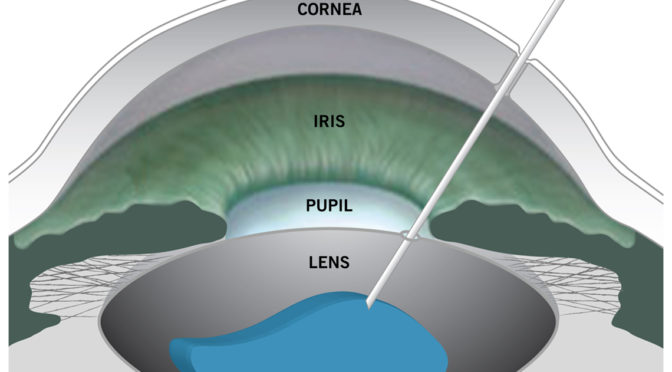
The accommodating gel project aims to replace the stiff natural lens with a new lens made from a siloxane gel – a compound of silicone. First, the non-functioning natural lens would be extracted through a procedure similar to surgery for cataracts (lenses which have become opaque). Then, the gel would be injected into the transparent lens capsule.

Finding a suitable material to replace the lens has been a 20-year search, says Erickson. The requirements are stringent: it must be a moderately viscous liquid that can be injected, and it must polymerise into a soft, flexible gel. It also has to be biocompatible and, of course, transparent. Developed in Australia, the gel is being trialled in rabbits.

“We’re fine-tuning the properties,” says Erickson. “Over the next two to three years, we hope to move into animal models that more closely resemble humans, and then on to human subjects.”

TEAMWORK ADVANCES

Erickson’s team works with the prestigious Bascom Palmer Eye Institute in Florida, USA. The partnership has already led to improved medical microscopic imaging technology for use during the procedure, which could immediately benefit eye surgeons conducting cataract operations, Erickson says.

Smart sole support for diabetic feet

Experts from the Wound Management Innovation CRC, based at the Queensland University of Technology (QUT) in Brisbane, said a shoe insole that communicates with the wearer’s phone could prevent foot injuries among diabetics.

Diabetes is one of the fastest growing diseases globally, with the number of people living with diabetes worldwide set to grow from 382 million in 2013 to 592 million by 2035, according to Diabetes Australia. Poor blood glucose control among diabetics can cause nerve damage to feet and inhibit blood supply. This results in an absence of sensation in the feet, which can lead to serious foot injury.

200115_woundmgmt_box2The CRC is about to start a patient trial of an insole made using pressure-sensing fabric that sends a message to a smartphone warning of potential damage to a diabetic’s feet.

The pressure-sensitive fabric was originally developed at RMIT University for elite athletes. It has since been fine-tuned in consultation with experts in podiatry from Southern Cross University.

Electronics in the insole will pick up changes in the distribution of pressure applied in each step, which are indicative of a wearer subconsciously favouring a foot or part of a foot. The electronics will then communicate wirelessly to the wearer’s smartphone at the point where the patient is at risk of foot damage.

Diabetics are prone to minor breaks in the skin of the foot, which can lead to ulcers. Patients with a history of these ulcers have a high risk of the problem recurring, so the trial will initially determine if the technology can reduce the recurrence of skin breaks. An ulcer on the bottom of the foot can develop into an injury that penetrates to the bone and can cause chronic infections, open sores and eventually result in amputation.
CRC Chief Executive Officer Dr Ian Griffiths said the technology had the potential to reduce the incidence of ulcer recurrence among people living with diabetes, saving them from severe pain, possible amputation and incapacity.

200115_woungmgmt_box“Diabetics have to be very careful of foot injuries. An injury can cause months of pain and anguish. It can keep diabetics off their feet and stop them going to work, doing the shopping – generally leading a normal life.”

The CRC initiative involves QUT, Southern Cross University, RMIT and its industrial partner Smith & Nephew as an advisor.

The CRC, funded until July 2018, is working with similar organisations in Canada and Wales to leverage strengths in scientific and clinical research and education through an International Wound Management Research Collaboration. The project will focus on a postgraduate student exchange program and establish the International Registry of Wounds.

www.woundcrc.com

The wider view

THE PLIGHT OF ABORIGINAL, Torres Strait Islander and other people living in remote Australia is a “global shame”, warned Dr Tom Calma in November 2014. Calma is Chair of Ninti One, the not-for-profit organisation that manages the CRC for Remote Economic Participation (CRC-REP).

More than half a million Australians live in remote areas. Occupying a wide range of climate zones across 80% of our landmass, these regions encompass diverse and rich cultures and unique landscapes. This poses big research challenges for the CRCs working there – primarily the CRC-REP and the Lowitja Institute.

Headquartered in Alice Springs, Ninti One has delivered $239 million in social and economic benefits to remote Australia since its inception in 2003. The research is mostly concerned with social good, rather than commercial outcomes, which can make the impact hard to gauge, says Calma. “Research is imperative in order to properly understand and improve the lives of people living in remote Australia,” he says.

Calma is a distinguished Aboriginal leader and elder of the Kungarakan people in the Northern Territory. He cites feral camel management as an example of economic good delivered by Ninti One: 500 rangers were trained to control camel populations and map and maintain waterholes, preventing more than $3 million a year in damage to fences, bores and waterholes in pastoral properties and local communities.

Ninti One has invested $1 million in their Pastoral Precision Project, which uses spatial data to match livestock performance to environmental conditions. The product is now ready for market and is expected to benefit many farmers.

To assist researchers working on these kinds of projects in remote Australia, Ninti One has produced guidelines in conjunction with community members with protocols around confidentiality, for example. “Sometimes researchers need to understand that they cannot write down all the stories,” says Calma. These also advise where research information and recordings should be kept.

Ninti One has trained 90 Aboriginal Community Researchers who live in remote communities to undertake research and surveys in the community.

“They have the capacity to understand the language of the community, as well as all the nuances of behaviours within the community,” says Calma. “In working with a client, they can come up with a good survey tool, apply it and then report back on it. This is integral to getting good information.”

Calma is a critic of what he calls “fly-in, fly-out bureaucrats” who spend a day or two in a community, speak to a few select people and then leave thinking they have an understanding of the region’s issues.

“Our research shows that non-Indigenous or even Indigenous bureaucrats without an understanding of a particular community will come in with preconceived ideas,” he says, adding that this can lead them to frame their questions to get a pre-determined outcome. Aboriginal people then tell bureaucrats what they think they want to hear, or the bureaucrats mistake silence for agreement, Calma explains.

The CRC Program is the only Commonwealth initiative providing a link between industry, academia, government and the communities of remote regions, Calma says.

“We know from past, bitter experience the policies imposed from on high and afar seldom work well in remote Australia. Only when you truly engage the people who live there do you get results.

“At the moment there is evidence that the wellbeing of remote Australians is at increasing risk, and urgent action is needed to reverse this trend and to begin building a more optimistic, prosperous and equitable future for them.”

When the CRC analysed employment across remote Australia, they found that a large percentage of jobs were held by non-Indigenous people with a Year 10 or less level of education, despite “more than adequate numbers of Aboriginal people with Year 10 and above qualifications,” says Rod Reeve, Ninti One’s Managing Director.

Another significant project, led by Professor John Guenther from Flinders University, aims to identify how education can improve outcomes for Aboriginal and Torres Strait Islander people in remote areas. For the Anangu people in Central Australia, Guenther proposed an academy built around a “red dirt” curriculum covering rural economics, local histories, digital literacies and grammar.

The principle behind the academy comes from other projects Ninti One has facilitated, where local and non-local knowledge is shared, and both knowledge systems are treated with equal weight and respect.

“We try to look at an issue from many different directions,” Calma says.

Calma was formerly Aboriginal and Torres Strait Islander Social Justice Commissioner at the Human Rights Commission, which he points out has some aspects in common with Ninti One.

“A human rights-based approach and a community development approach are very similar. They are both about making people the centre of what you do, and we recognise that all our activities are for the constituency of remote Australians.”

http://www.nintione.com.au

http://crc-rep.com

www.lowitja.org.au


Creating Solutions

THE HIGHLY SUCCESSFUL Lowitja Institute, established in 2010 as the national institute for Aboriginal and Torres Strait Islander health research, garnered an additional five years of funding in July 2014. The Institute was built on 14 years of CRCs, beginning with the CRC for Aboriginal and Tropical Health in 1997.

This CRC introduced a new roundtable process, which set research priorities involving the community as well as researchers and policy-makers – changing the way research into Indigenous health took place.

Pat Anderson, Chair of the Lowitja Institute, says the process instituted a new way of commissioning projects, with community leaders at the centre of decision-making. The Institute works collaboratively with stakeholders, building up the research skills of Aboriginal and Torres Strait Island people along the way.

“Our guiding principle has always been that, in order to improve our health, we need to create our own solutions rather than have them imposed upon us,” Anderson said at the opening of the Institute’s new offices in October 2014.

Preventative health is high on the agenda. The CRC recently evaluated Deadly Choices – a program encouraging Aboriginal and Torres Strait Islander people in southern Queensland to make healthy choices around nutrition, physical activity, smoking and use of harmful substances. The seven-week school and community-based chronic disease prevention and education initiative has grown to encompass at least 1000 children from more than 100 schools and community health programs.

While substantial progress has been made in Indigenous people having a greater stake in health service delivery, research and policymaking, Anderson points out there’s a long way to go.

“With life expectancy for Australia’s First Peoples still languishing 11 years behind our fellow countrymen and women, we clearly have our work cut out for us.”