Tag Archives: Australia

Computer vision saves lives

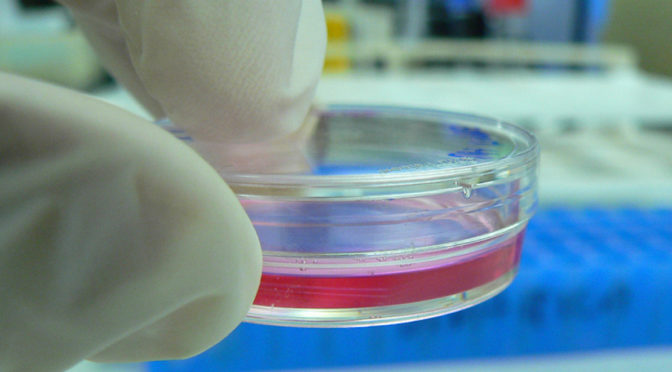
It is one of the last areas of pathology testing to be automated: diagnosing which strain of bacteria is contained in potentially infected samples such as urine, sputum, wound swabs and fecal samples.

And doing it faster could save lives, allowing more rapid diagnosis of infections and early choice of the right line of treatment.

South Australian company LBT Innovations Ltd has worked with the University of Adelaide to develop an automated tool for diagnosing infections. Known as APAS – Automated Plate Assessment System – the technology incorporates computer vision to hasten the time required to detect infections in samples from patients.

“APAS accurately captures, reads and interprets bacterial cultures significantly faster than a trained scientist,” says LBT Innovations CEO Lusia Guthrie.

“Once incorporated into pathology services, we anticipate this technology will create significant cost reductions and save lives.”

After conducting clinical trials of APAS with more than 10,000 patient samples in Australia and USA, LBT Innovations is submitting the technology to the US Food and Drug Administration for approval as a diagnostic tool.

Improving old technology

Although over 130 years old, the use of gel plates to grow and identify bacteria still sits at the heart of modern diagnostic services.

For example, if you have a suspected urinary tract infection, a small sample of your urine will be smeared over a plate of solid gel. After incubation, a scientist examines the plate to classify any bacteria that have grown. Appropriate drug treatment can then be selected. The whole process takes 3–4 days, sometimes up to an entire week.

“Although around 70% of cultured plates are actually negative for bacteria, it typically takes a whole shift of human workers to sort through which ones need further analysis,” Guthrie says.

“APAS will significantly reduce this sample processing time.”

Cutting time from the analytical process will have an impact through reducing labour costs, allowing patients shorter lengths of stay in hospitals and freeing up microbiologists to focus on positive samples that require immediate specialist attention.

“We’re currently conducting market research to calculate the impact of this in dollar terms,” says Guthrie.

Industry and university collaboration

LBT Innovations worked with University of Adelaide’s Australian Centre for Visual Technologies (ACVT) to develop the plate reading capability in APAS.

“APAS consists of an image capture system linked to a computer loaded with algorithms that allow the plates to be categorised based on their appearance,” explains Professor Anton Van Den Hengel, Director at ACVT.

“One of the keys to successfully developing this technology has been to embed our engineer Rhys Hill within the LBT Innovations offices for the duration of the project.”

“With clear communication and a strong working relationship, it’s been a collaborative process of technology development,” says Van Den Hengel.

The intellectual property associated with APAS is fully owned by LBT Innovations.

Market for better, faster diagnostics

The latest clinical tests show that APAS algorithms are working for diagnosis of urinary cultures, with over 98% accuracy in detecting bacterial growth on plates.

Urinary tract infections are estimated to affect 150 million people each year globally, and the societal costs – including health care and time missed from work – are approximately US$3.5 billion per year in the USA alone.

Other samples that require plate culture and analysis for diagnosis include stool (bowel infections), sputum (respiratory tract infections), wound swabs (skin and tissue infections) and blood (septicaemia).

LBT Innovations plans to expand APAS testing for approval in all these fields. The company estimates there are 27,000 laboratories globally that can immediately benefit from APAS. The largest of these facilities process about 4000 plate samples every day.

“Laboratories are under pressure to process more samples and to do it faster, despite limits on budgets and human resources,” explains Guthrie.

“Once it’s approved, we plan to launch APAS in Australia and then roll it out into the USA, Canada, UK and Europe.”

LBT Innovations created a joint venture with German engineering company Hettich AG to fully develop commercial products that incorporate APAS technology with sophisticated plate-handling robotics.

– Sarah Keenihan

Extreme researcher

“Curious, stubborn, argumentative – at times,” is how climate change researcher Dr Sarah Perkins-Kirkpatrick, research fellow at UNSW’s Climate Change Research Centre (CCRC), describes herself. Qualities which, combined with her passion for science, have seen her awarded an Australian Research Council Discovery Early Career Researcher Award (DECRA).

Extreme researcher

The award recognises the importance of her work on the influence of anthropogenic climate change on extreme weather events, and is supporting her research into a particular event that receives less attention than storms, floods or droughts, but potentially has more impact on human health and the environment.

“My research explores how heatwaves have changed, why they change, and how they will change in the future,” explains Perkins-Kirkpatrick, “as well as looking at how we measure them, and how to detect the human contribution from climate change that is affecting them.”

Heatwaves are prolonged periods of unusually hot weather and, according to the website Scorcher (developed by Perkins-Kirkpatrick), they kill more people annually than any other natural disaster. They can also damage infrastructure such as power supplies, which can become overloaded during peak air-conditioner use, and rail networks, where prolonged periods of intense heat can buckle train lines.

“Heatwaves are highly regional and very complex events, and are driven by changes in background temperatures due to climate change, but also things like weather systems, soil moisture, and long-term variability like the El Nino/Southern Oscillation,” explains Perkins-Kirkpatrick.

“Measuring them is not an easy task, as good quality daily temperature data are needed. Fortunately, there are good datasets available in Australia so we have a good picture of how they are changing here. Unfortunately, this is not the case for many parts of the world, such as South America, Africa and India.”

The subject matter sounds exciting but, according to Perkins-Kirkpatrick, she spends much of her time in front of a computer screen number-crunching.

“On a day-to-day basis, I’m processing big data from observations collected from all over Australia as well as those that are done globally. We’re not meteorologists, so we don’t go out and release weather balloons. For people like me, it’s very much about processing data,” says Perkins-Kirkpatrick.

The ability to analyse, interpret and discern trends in large datasets suggests Perkins-Kirkpatrick’s maths abilities are well honed. She admits, however, that a bad decision in high school has meant playing catch-up on her maths.

“Something that I didn’t do was keep up with my maths. I was pretty good at it in school, but I just never understood why I was learning differential equations, integrals … I just didn’t see the point. Lo and behold, I hit my career now, and I’m, ‘OK, whoops’,” she says.

Perkins-Kirkpatrick partly blames her older sister for this, who advised her not to take higher maths at school: “You’ll never need it,” her sister told her. So Perkins-Kirkpatrick’s advice to her younger self would be: “Don’t listen to your older sister, she doesn’t always know best.”

Although heatwaves are synonymous with summer, they can also develop in winter. They may not pack the punch of the sweltering temperatures experienced during summer, but they can have a disastrous effect on crops such as fruit trees, by interfering with their reproductive systems and inhibiting growth.

So how has climate change influenced heatwaves in the recent past, and what does the future hold?

“We can say with a high degree of certainty that heatwaves have increased since at least the 1950s,”explains Perkins-Kirkpatrick, “and that’s the case for pretty much everywhere on the globe where we’ve got good enough measurements.”

“Canberra over the last 50 years, for example, has seen a doubling in the number of heatwave days. Melbourne hasn’t seen much of a change in the number of heatwaves, but they have become hotter over the last 60 years. And Sydney has seen the heatwave season starting up to two or three weeks earlier.”

And the future looks anything but encouraging. According to Perkins-Kirkpatrick, the frequency, intensity and magnitude of heatwaves are all increasing, with frequency increasing fastest; and what is particularly concerning, these trends are also accelerating, meaning the rate of change is increasing too.

As with other areas of climate change research, Perkins-Kirkpatrick is attempting to make predictions; so it’s hardly surprising her favourite film reflects this.

Back to the Future is pretty much my favourite movie trilogy of all time,” she says, recalling her childhood. “I recently gave a talk on how, in climate change, we look into the future, and managed to slip in a reference to Back to the Future.”

– Carl Williams

Bioinformatician on the move

In 2001, the Human Genome Project, an international research project whose goal was to determine the sequence of genes that make up a human being, successfully mapped the human genome – the set of genetic instructions, like a recipe book, that contains all the information needed to assemble and form a person.

Thousands of individual human genomes have now been mapped, generating a vast amount of information on the structure and function of genes and revealing a highly complex and intricate genetic landscape that has led to new insights in biology, human evolution and the diagnosis of genetic disorders, such as Huntington’s disease and cystic fibrosis.

Bioinformatician on the move

Harriet Dashnow, a PhD student in the Bioinformatics Group at the Murdoch Childrens Research Institute (MCRI) in Melbourne, is one of the intrepid explorers navigating this terrain. Her research is seeking to understand how variations in the location and pattern of specific genes can lead to genetic disorders.

“One of the problems is that we’re very good at understanding simple mutations inside genes,” explains Dashnow, “but it’s clear that there are lots of different kinds of variation we don’t understand, and we have a lot of trouble testing for. So the focus of my PhD is to look at a particular type of variation called a microsatellite or a short tandem repeat.”

Short tandem repeats (STRs) are sequences of deoxyribonucleic acid (DNA) – the molecule that contains most of the genetic instructions for all living organisms – comprising 2–5 base pairs, which repeat throughout a human genome. Base pairs, linked nitrogen-containing biological compounds represented by A-T and C-G, are the building blocks of DNA.

Short tandem repeats can appear at thousands of different locations throughout the human genome, and are noteworthy for their high diversity within the population as well as their high mutation rates.

A repeated sequence, for example ATATATAT, will have a different number of copies of AT from one person to the next: “This is a kind of variation that we’re not good at measuring,” explains Dashnow, “so my work is trying to measure this variation so we can look for it in a clinical setting and figure out when it’s causing a disease.

“Genetic disorders such as ataxia [a dysfunction of the nervous system that affects movement] are often caused by these kinds of repetitive mutations, but it’s actually quite difficult to test for these using genome sequencing.”

Enter the interdisciplinary field of bioinformatics, which employs the power of computer science, statistics and engineering to analyse and interpret biological data in order to tackle some of the most challenging questions facing biology today.

“When I was undertaking the biochemistry and genetics part of my undergraduate degree I was starting to hear how computational methods were being used to solve biological questions,” says Dashnow. “It became increasingly clear to me that was the direction biology was going in. So it was going to be important for people to have these computational skills.”

Dashnow, who clearly thrives on challenges, undertook a double degree in science and arts – with majors in biochemistry, genetics and psychology – at the University of Melbourne. And she believes this has proved to be highly beneficial: “It has given me the ability and confidence to write, which has been incredibly valuable, and it’s something that people who just study science don’t always get an opportunity to explore.”

Although she enjoyed the experience of studying literature and psychology as part of her arts degree, Dashnow is a scientist at heart. “I’ve always wanted to be a scientist ever since I was very little. In primary school I thought I wanted to be a physicist, but when I started to take science classes in high school I became really fascinated by biology and genetics, and how genes make us who we are,” she says, recalling the moment when her path in science became apparent to her.

After graduating, Dashnow took up a position as a bioinformatician at the Victorian Life Sciences Computation Initiative (VLSCI), working on the Melbourne Genomics Health Alliance project, whose aim is to integrate genomics – the study of the structure and function of genes – into everyday healthcare.

“It will become more and more common to sequence people’s genomes when they get sick,” says Dashnow. “So understanding and interpreting information provided by genome sequencing will allow us to diagnose more diseases and come up with appropriate treatments.”

Dashnow did a Master’s degree in Bioinformatics at the University of Melbourne then worked at VLSCI for over a year before starting a PhD. The research she is now undertaking for her PhD follows on from her Master’s work, and has already been recognised through the awarding of a highly competitive MCRI PhD top-up scholarship.

Dashnow is currently visiting the Broad Institute, a world-class genomics and biological research centre that emerged from initiatives at Harvard University and the Massachusetts Institute of Technology, where she will undertake collaborative research on muscle disorders, furthering her knowledge and understanding in the field.

– Carl Williams

Annual honorific awards

Scientists who are leading the world on solar energy efficiency, helping to develop one-shot flu vaccines, and making portable biosensors to detect viruses are among the winners of the Australian Academy of Science’s annual honorific awards.

Each year the Academy presents awards to recognise scientific excellence, to researchers in the early stage of their careers through to those who have made life-long achievements.

This year’s announcement includes 17 award winners across astronomy, nanoscience, mathematics, chemistry, physics, environmental science and human health.

Professor Martin Green, sometimes known as the “father of photovoltaics”, has won the prestigious Ian Wark Medal and Lecture for his world-record breaking work improving solar efficiency.

annual honorific awards

Professor Martin Green

Dr Jane Elith and Associate Professor Cyrille Boyer, who recently won awards in the Prime Minister’s Prizes for Science, will be the recipients of this year’s Fenner and Le Févre prizes.

annual honorific awards

Dr Jane Elith

annual honorific awards

Associate Professor Cyrille Boyer

The Academy President, Professor Andrew Holmes congratulated all the award winners for their work.

“These scientists are simply inspirational. They are working at the leading edges of their fields and of human knowledge, and they are developing innovations that will change and improve our society, our economy and our health,” says Holmes.

“This list of winners represents the best of Australia’s leading and emerging scientists; from researchers doing fundamental research to those building next generation technologies,” says Holmes.

The awards will be formally presented at the Academy’s annual three day celebration of Australian science, Science at the Shine Dome, in Canberra in May 2016.

Read more about the awardees and their research here.

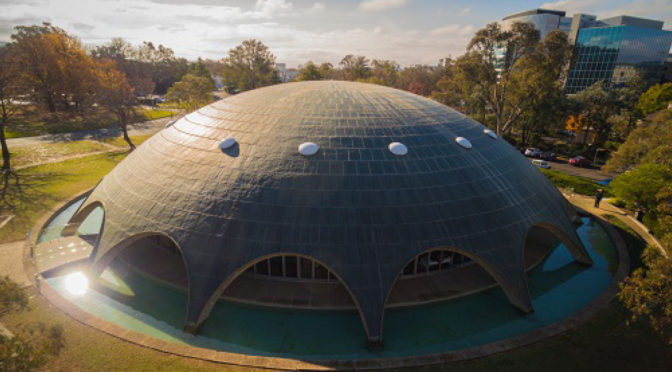
This article was shared in a media release by the Australian Academy of Science on 23 November 2015. Featured image above: Aerial Shine Dome May 2015 credit Adi Chopra.

Australia: nation of inventors or innovators?

If Australia wants to become more than just a land made up of quarries, farms and tourist beaches, it has to ensure more scientists and engineers are trained to drive innovation, warns Dr Katherine Woodthorpe, Chair of the Antarctic Climate and Ecosystems Cooperative Research Centre, and panellist at last week’s inaugural Science Meets Business event.

The event, hosted by Science and Technology Australia, aimed to “kickstart a reshaped and refreshed conversation on ways to boost collaboration between Australia’s great businesses and scientists”.

Speakers at the event came from a wide range of industry, government and research, each presenting their ideas for an innovative future.

Keynote speaker Dr Larry Marshall, CEO of CSIRO, celebrated ‘deep tech’ as an ecosystem of plenty, responsible for 100% of US jobs last year. In his experience, deep tech entrepreneurship creates a virtuous cycle of innovation.

Marshall wants to meet industry halfway, working together to understand what customers want. This is not an overnight solution, he warned. “Both CSIRO and Australia will be in beta for the next five years.”

In exploring problems of “diagnosis and lifting the game”, Ken Boal, Vice President at CISCO Australia and New Zealand, said businesses should lean in more, connect with universities and help in the translation of research to the wider community.

Australia: nation of inventors or innovators?

Intrinsic to this translation of research outcomes is a STEM outreach program to schools. Professor Ian Frazer AC, Head of the Diamantina Institute at the University of Queensland, identified the roots of the problem beginning where schools focus on students achieving high-performance marks. Science is tough, and often students are advised to choose an easier subject to maximise their score. He also emphasised the need to place greater value on science and teachers.

Hugh Bradlow, Telstra’s Chief Scientist, suggested that technology could be part of the education solution. If technology is able to reduce costs of education, then perhaps we can pay our teachers more and attract a higher calibre of staff, he proposed.

The Hon Karen Andrews MP, representing Prime Minister Malcolm Turnbull, believes business and science need each other, and Australia needs both. Even though we don’t know what the jobs of the future are going to be, we know there will be core skills required, like coding and data science, she explained. Maths and statistics will be in high demand, alongside creative thinking and entrepreneurship. Andrews is putting together an action plan to connect industry and research.

While the official announcement was still under wraps, Australia’s next Chief Scientist Alan Finkel encouraged a celebration of Australia’s achievements and an effort to build upon the engagement that already exists, like relationships between Rio Tinto and the University of Sydney, and GlaxoSmithKline and Monash University.

Woodthorpe suggested that superannuation funds have a role to play in Australia’s innovation growth, and that fund managers need to realise this in order to support their next generation of members. Another barrier to innovation is the lack of digital experience in the top 300 ASX companies. Boards need to see technology as a future business model, not a piece of equipment, she said.

Newly returned from the US and now heading up Commercial Strategy at the Kinghorn Centre for Clinical Genomics at the Garvan Institute, Dr Russell J Howard has had recent success at raising capital for a new venture. He believes the three key imperatives to commercialisation success are:

  1. To nurture smart capital, and to show founders how to create good intellectual property;
  2. To create an innovative environment;
  3. To enable access to experienced management – people who have experience in commercialisation.

Finally, Mr Peter Yates AM, Deputy Chairman of the Myer Family Investments talked about his own support of start-ups. He likes to collect entrepreneurs rather than artists – in 15 years both have usually increased in value!

– Karen Taylor-Brown, CEO and Publisher at Refraction Media

Dr Alan Finkel will be Australia’s new Chief Scientist

Featured photo: Greg Ford/Monash University

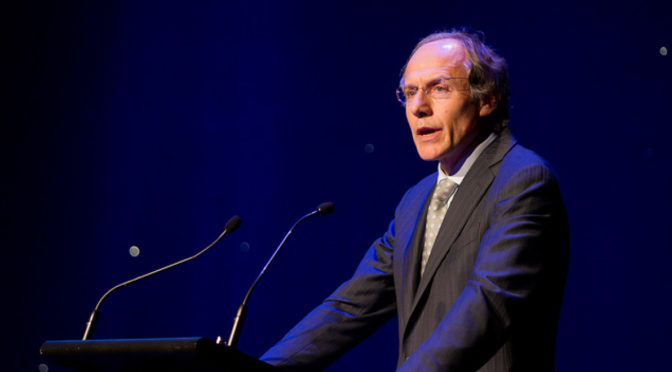
New Chief Scientist Dr Alan Finkel will take over the role once the sitting Chief Scientist, Professor Ian Chubb, finishes his five-year stint in the job on 31 December this year.

Finkel was most recently Chancellor of Monash University, a post he has held since 2008. He is also the President of the Australian Academy of Technological Sciences and Engineering (ATSE).

New Chief Scientist Finkel is an outspoken advocate for science awareness and popularisation. He is a patron of the Australian Science Media Centre and has helped launch popular science magazine, Cosmos.

He is also an advocate for nuclear power, arguing that “nuclear electricity should be considered as a zero-emissions contributor to the energy mix” in Australia.

The Australian Academy of Science (AAS) President, Professor Andrew Holmes, welcomes the expected appointment of Finkel to the new Chief Scientist role.

“The Academy is looking forward to the government’s announcement, but Finkel would be an excellent choice for this position. I’m confident he would speak strongly and passionately on behalf of Australian science, particularly in his advice to government,” he says.

“The AAS and ATSE have never been closer; we have worked together well on important issues facing Australia’s research community, including our recent partnership on the Science in Australia Gender Equity initiative.”

Holmes also thanked outgoing Chief Scientist for his strong leadership for science in Australia, including establishing ACOLA as a trusted source of expert, interdisciplinary advice to the Commonwealth Science Council.

“Since his appointment, Chubb has been a tireless advocate of the fundamental importance of science, technology engineering and mathematics (STEM) skills as the key to the country’s future prosperity, and a driving force behind the identification of strategic research priorities for the nation,” says Holmes.

This article was first published on The Conversation on 26 October 2015. Read the original article here.

Expert reactions:

Karen Taylor is Founder and Business Director of Refraction Media

“Finkel is an energetic advocate for STEM across all levels of society, from schools and the general public to corporate leaders. We’re excited and optimistic about the fresh approach science and innovation is enjoying.” 

Professor Emeritus Sir Gustav Nossal is Emeritus Professor in the Department of Pathology at the University of Melbourne

“This is truly the most fantastic news. Finkel is an extraordinary leader. He has proven himself in personal scientific research. He has succeeded in business in competitive fields. It is difficult to think of anyone who would do this important job with greater distinction.”

Dr Ross Smith is President of Science & Technology Australia

“Finkel has a profound understanding of the place of science in a flourishing modern economy, as a scientist, entrepreneur and science publisher of real note. We look forward to working closely with Finkel, as we jointly pursue better links between STEM and industry.”

$1.5 billion in funding for university research

More than $1.5 billion will be available over four years to support Australia’s world-class university research following the introduction of new laws into Parliament today.

Minister for Education and Training Senator Simon Birmingham said the Higher Education Legislation Amendment (Miscellaneous Measures) Bill 2015 would guarantee $1.538.9 million for university research programmes funded through the Australian Research Council (ARC) from 2015 through to 2019.

“Up to $748.3 million in ARC grants will be available in the 2017–18 financial year, while up to $739.6 million will be available in 2018–19,”says Birmingham.

“This legislation secures funding for the Future Fellowships programme after the previous Labor Government left a funding cliff that provided zero dollars for a Future Fellows Scheme from 2015 onwards.”

“High quality research can help save lives, protect the environment, raise living standards for people around the world, create business opportunities and efficiencies, and drive the innovation and creativity needed for the jobs of the future.”

Birmingham says the new legislation also honoured Prime Minister Malcolm Turnbull’s commitment to NZ Prime Minister John Key in Auckland last week to extend Australia’s student loans scheme to New Zealand citizens who have been long-term residents of this country since childhood.

“If the Bill is passed this year, an estimated 2600 New Zealanders will be eligible for loans to help them study at university, or for higher level vocational education and training qualifications, in 2016,” Birmingham says.

The Bill follows legislation currently before the Parliament which allows data sharing between Australia and New Zealand to support the Australian Government’s requirement for anyone who moves overseas to continue to pay back their Australian student loan just as they would if they lived in Australia.

The Bill will also make Torrens University Australia eligible for research block grant funding, placing it on an equal footing for university research funding as other Australian private universities, and recognise Ballarat University’s name change to Federation University.

– Senator the Hon Simon Birmingham, Minister for Education and Training

This article was originally published on 22 October in a media release by the Department of Education and Training Media Centre. Read the original article here.

Science beats sport at the 2015 Publish Awards

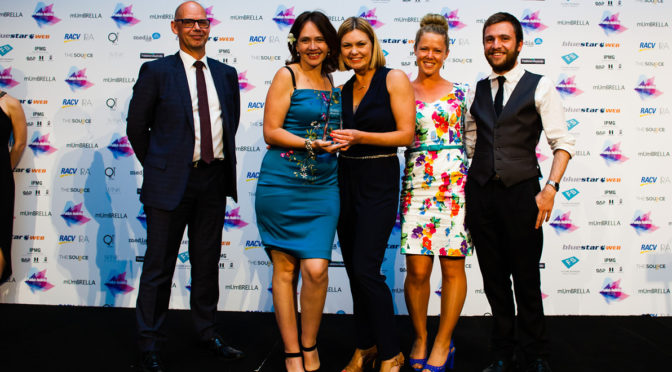
Photo from left: Refraction founders Heather Catchpole and Karen Taylor-Brown, with Production Manager Heather Curry and Publishing Co-ordinator Jesse Hawley.

Refraction Media, a Sydney-based publishing start-up, was announced Australia’s Best Small Publisher at the 2015 Publish Awards. Specialising in STEM (science, technology, engineering and maths), Refraction Media came out on top in a category that included sport, luxury and lifestyle at the industry’s night-of-nights.

The jurors at the 2015 Publish Awards said:

“Refraction Media outclassed the other entrants. For a start up operation that’s only two years old, the company has managed to capitalise on an untapped market with incredible skill and with many clever, innovative and successful media streams.”

Publishing’s leaders, representing titles such as Vogue, the Australian Women’s Weekly and Gourmet Traveller, competed for accolades at the 2015 Publish Awards alongside youth disrupters such as Junkee, Vice and Pedestrian.tv while business and industry like In the Black and Australian Pharmacist brought their A-game.

Amongst the glitz and glamour at the 2015 Publish Awards, science valiantly flew its flag with New Scientist‘s Australasia reporter Michael Slezak a finalist for Journalist of the Year (Consumer/Custom) and COSMOS magazine’s Editor-in-Chief, Dr Elizabeth Finkel, a finalist for Single Article of the year for her piece ‘The buzz around brain stimulation‘.

With a strong presence on the main stage and by sharing the language and aesthetics of mass publishers, science publishers are taking science out of a niche audience and placing it firmly at the centre of a dynamic industry of interactivity, sharing and scrolling.

As science, technology, engineering and maths (STEM) becomes more visual, accessible and dynamic, especially to Australia’s youth, engagement and participation rates will climb. This future STEM-skilled workforce is critical to Australia’s future prosperity. STEM graduates will facilitate innovation and collaboration.

Refraction Media fills a unique niche in the market that connects science and technology with the general public. Since its launch in 2013, Refraction has printed over half a million magazines across eight titles, shared 16 in-depth science study guides with schools, produced 13 3D animations, edited 17 scientific white papers, developed two e-learning platforms and created the worldwide, one-and-only virtual tour of a nuclear reactor.

Refraction produce two websites, for news at the nexus of research and industry, www.sciencemeetsbusiness.com.au; and careerswithcode.com.au, which aims to inspire high school students to combine their passion – whether it’s music, arts, business, sports or the environment – with STEM skills to create the careers of the future.

Refraction Media has demonstrated that rather than being ‘niche’, specialising in science uncovers a world of opportunity and discovery.


Four things to protect yourself from cyberattack

It’s easy to get lost in a sea of information when looking at cybersecurity issues – hearing about hacks and cyberattacks as they happen is a surefire way to feel helpless and totally disempowered.

What follows is a sort of future shock, where we become fatalistic about the problem. After all, 86% of organisations from around the world surveyed by PwC reported exploits of some aspect of their systems within a one year period. That represented an increase of 38% on the previous year.

However, once the situation comes into focus, the problem becomes much more manageable. There are a range of things that can we can easily implement to reduce the risk of an incident dramatically.

For example, Telstra estimates that 45% of security incidents are the result of staff clicking on malicious attachments or links within emails. Yet that is something that could be fairly easily fixed.

Confidence gap

There is currently a gap between our confidence in what we can do about security and the amount we can actually do about it. That gap is best filled by awareness.

Many organisations, such as the Australian Centre for Cyber Security, American Express and Distil Networks provide basic advice to help us cope with future shock and start thinking proactively about cybersecurity.

The Australia Signals Directorate (ASD) – one of our government intelligence agencies – also estimates that adhering to its Top Four Mitigation Strategies would prevent at least 85% of targeted cyberattacks.

So here are some of the top things you can do to protect yourself from cyberattack:

1 Managed risk

First up, we need to acknowledge that there is no such thing as perfect security. That message might sound hopeless but it is true of all risk management; some risks simply cannot be completely mitigated.

However, there are prudent treatments that can make risk manageable. Viewing cybersecurity as a natural extension of traditional risk management is the basis of all other thinking on the subject, and a report by CERT Australia states that 61% of organisations do not have cybersecurity incidents in their risk register.

ASD also estimates that the vast majority of attacks are not very sophisticated and can be prevented by simple strategies. As such, think about cybersecurity as something that can managed, rather than cured.

2 Patching is vital

Patching is so important that ASD mentions it twice on its top four list. Cybersecurity journalist Brian Krebs say it three times: “update, update, update”.

Update your software, phone and computer. As a rule, don’t use Windows XP, as Microsoft is no longer providing security updates.

Updating ensures that known vulnerabilities are fixed and software companies employ highly qualified professionals to develop their patches. It is one of the few ways you can easily leverage the cybersecurity expertise of experts in the field.

3 Restricting access means restricting vulnerabilities

The simple rule to protect yourself from cyberattack is: don’t have one gateway for everything. If all it takes to get into the core of a system is one password, then all it takes is one mistake for the gate to be opened.

Build administrator privileges into your system so that people can only use what they are meant to. For home businesses it could mean something as simple as having separate computers for home and work, or not giving administrator privileges to your default account.

It could also be as simple as having a content filter on employee internet access so they don’t open the door when they accidentally click on malware.

4 Build permissions from the bottom up

Application whitelisting might sound complicated, but what it really means is “deny by default”: it defines, in advance, what is allowed to run and ensures that nothing else will.

Most people think of computer security as restricting access, but whitelisting frames things in opposite terms and is therefore much more secure. Most operating systems contain whitelisting tools that are relatively easy to use. When used in conjunction with good advice, the result is a powerful tool to protect a network.

The Australian Signals Directorate released a video in 2012 with an overview of cyber threats.

Protect yourself from cyberattack: Simple things first

Following these basic rules covers the same ground as ASD’s top four mitigation strategies and substantially lowers vulnerability to protect yourself from cyberattack. If you want to delve deeper, there are more tips on the ASD site.

There are many debates that will follow on from this, such as: developing a national cybersecurity strategy; deciding if people should have to report an incident; the sort of insurance that should be available; what constitutes a proportionate response to an attack; and a whole range of others.

Each of those debates is underpinned by a basic set of information that needs to be implemented first. Future shock is something that can be overcome in this space, and there are relatively simple measures that can be put into place in order to make us more secure. Before embarking on anything complicated, you should at least get these things right to protect yourself from cyberattack.

This article was first published by The Conversation on 16 October 2015. Read the original article here.

Continents collide

Collecting rock samples at 5200 m on a recent trip to the Tibetan Plateau, Professor Simon Wilde, from the Department of Applied Geology at Curtin University, was pleased to have avoided the symptoms of altitude sickness. The last time he conducted fieldwork in a similar environment had been about 20 years before in Kyrgyzstan, Central Asia, and he’d managed then to also avoid altitude headaches. Nonetheless, he says, Tibet was tough. Due to the atmospheric conditions, the Sun was intensely strong and hot but the ground was frozen. “It’s a strange environment,” he says.

Wilde was invited by scientists at the Guangzhou Institute of Geochemistry, part of the Chinese Academy of Sciences, to collect volcanic rock samples at the Tibetan site. The region is geologically significant because it is where the Indian tectonic plate is currently “driving itself under the Eurasian plate”, he explains. During their recent field trip, Wilde and his Chinese colleagues collected about 100 kg of rocks, which were couriered back to Guangzhou and Curtin for study. The researchers will be drawing on a variety of geochemistry techniques to analyse the material as they try to paint a picture of what happens when two continents collide, gaining insight into the evolution of Earth’s crust.

“We’re trying to unravel a mystery in a sense,” says Wilde. “We don’t have the full information, so we’re trying to use everything we can to build up the most likely story.”

The Guangzhou geochemists will be analysing trace elements in the rock samples to uncover information about their origins and formation. Back at Curtin, Wilde is working on determining the age of zircon crystals collected from the site, using a technique called isotopic analysis. This involves measuring the ratios of atoms of certain elements with different numbers of neutrons (isotopes) to reveal the age of crystals based on known rates of radioactive decay.

It’s work that’s providing a clearer picture of Earth’s early crustal development and is an area in which Wilde is internationally renowned (see profile, p18).

Gaining an idea of the past distribution of Earth’s continental crust has implications for the resources sector, Wilde explains. “It’s important for people working in metallogeny [the study of mineral deposits] to see where pieces of the crust have perhaps broken off and been redistributed,” he says. “There could be continuation of a mineral belt totally removed and on another continent.”


Continents collide: Copper in demand

Professor Brent McInnes, Director of the John De Laeter Centre for Isotope Research, is also interested in the collision of tectonic plates – to help supply China’s increasing demand for domestic copper. “The rapid urbanisation of China since the 1990s has created a significant demand for a strategic supply of domestic copper, used in air conditioners, electrical motors and in building construction,” explains McInnes. Most of the world’s supply of copper comes from a specific mineral deposit type known as porphyry systems, which are the exposed roots of volcanoes formed during tectonic plate collisions.

McInnes’ research involves taking samples from drill cores, rock outcrops and mine exposures in mountainous regions around the world to be studied back in the lab. Specifically, he and his research team are able to elucidate information about the depth, erosion and uplift rate of copper deposits using a technique called thermochronology – a form of dating that takes into account the ‘closure temperature’, or temperature below which an isotope is locked into a mineral. Using this information, scientists can reveal the temperature of an ore body at a given time in its geological history. This, in turn, provides information with important implications for copper exploration, such as the timing and duration of the mineralisation process, as well as the rate of exposure and erosion.

“Institutions such as the Chinese Academy of Sciences have been awarded large research grants to investigate porphyry copper deposits in mountainous terrains in southern and western China, and have sought to form collaborations with world-leading researchers in the field,” says McInnes.

“We’re trying to unravel a mystery, in a sense. We don’t have the full information, so we’re trying to use everything we can to build up the most likely story.”


Continents collide: Interpreting species loss

Professor Kliti Grice, founding Director of the WA-Organic and Isotope Geochemistry Centre, researches mass extinctions. As an organic and isotope geochemist, Grice (see profile, p12) studies molecular fossils in rock sediments from 2.3 billion years ago through to the present day, also known as biomarkers. These contain carbon, oxygen, hydrogen, nitrogen, or sulphur – unlike the rocks, minerals and trace elements studied by inorganic geochemists Wilde and McInnes.

Grice uses tools such as tandem mass spectrometry, which enables the separation and analysis of ratios of naturally occurring stable isotopes to reconstruct ancient environments. For example, carbon has two stable isotopes – carbon-12 and carbon-13 – and one radioactive isotope, carbon-14. The latter is commonly used for dating ancient artefacts based on its rate of decay. A change in carbon-12 to carbon-13 ratios in plant molecules, however – along with a change in hydrogen – can reveal a shift in past photosynthetic activity.

Grice has uncovered the environmental conditions during Earth’s five mass extinction events and has found there were similar conditions in the three biggest extinctions – the end-Permian at 252 million years ago (Ma), end-Triassic at 201 Ma and end-Devonian at 374 Ma. Among other things, there were toxic levels of hydrogen sulphide in the oceans. Grice discovered this by studying molecules from photosynthetic bacteria, which were found to be using toxic hydrogen sulphide instead of water as an electron donor when performing photosynthesis, thereby producing sulphur instead of oxygen.

“The end-Permian and end-Triassic events were almost identical in that they are both associated with massive volcanism, rising sea levels and increased run-off from land, leading to eutrophication,” Grice explains. Eutrophication occurs when introduced nutrients in water cause excessive algal growth, reducing oxygen levels in the environment. “There were no polar ice caps at these times, and the oceans had sluggish circulations,” she adds.

In 2013, Grice co-authored a paper in Nature Scientific Reports documenting that fossils in the Kimberley showed that hydrogen sulphide plays a pivotal role in soft tissue preservation. This modern day insight is valuable for the resources sector because these ancient environments provided the conditions for many major mineral and petroleum systems. “When you have these major extinction events associated with low oxygen allowing the organic matter to be preserved – along with certain temperature and pressure conditions over time – the materials break down to produce oil and gas,” Grice says.

For example, the Permian-Triassic extinction event – during which up to 95% of marine and 70% of terrestrial species disappeared – produced several major petroleum reserves. That includes deposits in Western Australia’s Perth Basin, says Grice, “and probably intervals in the WA North West Shelf yet to be discovered.”

Gemma Chilton

Portrait of an engineer-politician

A passionate engineer, Karen Andrews is proof that studying science, technology, engineering and maths (STEM) can propel you along an exciting and varied career path.

This path has led to her current role as Assistant Minister for Science and Federal Member for McPherson in Queensland. The engineer in her, however, is omnipresent.

“I’m delighted that my role in politics takes me right into the engineering sphere,” Karen says. “I always enjoyed being an engineer, and quite frankly if I get the opportunity to introduce myself as an engineer or a politician, I will always go for engineer.”

Karen’s interest in engineering started early. “When I was eight years old I remember being absolutely fascinated by the washing machine,” says Karen, recounting a childhood memory, “and how the agitator turned the same amount in a clockwise and anti-clockwise direction every time.”

This curiosity of how things work drove Karen to study engineering at Queensland University of Technology (QUT), where, in 1983, she and a fellow student were the first two female graduates in mechanical engineering from the university.

Karen Andrews

Karen Andrews, Assistant Minister for Science

According to Graduate Careers Australia, with women representing less than 9% of bachelor degree graduates in mechanical engineering in 2014, and the gender imbalance increasing as female participation in STEM wanes, there is still a dearth of women entering STEM.

As a trailblazer for women in engineering, Karen believes barriers to women entering STEM can be overcome.

“Some of the limitations are self-imposed,” Karen believes. “We should be making sure that as girls are going through the education system, they understand that every career choice is open to them. And with careers advisors too, we have to make sure there isn’t an unintentional gender bias in the advice that’s being given to women.”

After graduating, Karen cut her teeth working at power stations and petrochemical sites across Queensland and interstate. This was the mid-1980s, a time of significant industrial volatility in the Australian oil industry.

Karen’s supervisory role often meant receiving delegations from shop stewards; individuals elected by workers to represent them in dealings with management. “Shop stewards were pointing out to me the reasons why they couldn’t do the things I was asking them to do,” says Karen, as she described some of her early experiences in this demanding environment. “This encouraged me to go off and study industrial relations (IR). I was attracted to IR to see how I could make things better at the work place.”

As a natural communicator, Karen pursued her interests in IR joining the Chamber of Manufacturers as an industrial advocate in the Metals, Engineering and Construction industry.

“If you’re going to communicate, first and foremost you have to be a good listener,” explains Karen. “You have to listen to what people are saying to you in the first place before you can respond and work through a solution.”

With Karen’s communication skills honed in IR, and refined while running her own Human Resources and IR consultancy, Karen decided to pursue a long-held interest in politics. And with characteristic drive and determination she was elected for the seat of McPherson, southern Gold Coast in 2009.

“The adversarial parts of IR are similar to the adversarial parts of politics, says Karen. “In IR you are working closely with employers and employees trying to achieve an outcome that’s in the best interests of that business. The same thing applies in politics, but on a larger scale because you’re looking at what is in the best interests of Australia.”

Karen’s engineering background and career path afford her a unique perspective on the potential future for STEM in Australia.

“I think there will be exciting new careers in analysing big data,” says Karen. “So we’ll need people who are going to be able to analyse that data and turn it into usable information. So I think there will be plenty of opportunities for data analysts and people with higher maths skills.”

“There will also be lots of opportunities in the coming years in astronomy, and particularly is marine sciences where we are already world-leaders,” says Karen.

– Carl Williams

The role of science and innovation in a 21st century government

Australia’s new prime minister, Malcolm Turnbull, has announced what he calls a “21st-century government”. This article is part of The Conversation’s series focusing on what such a government should look like.

Change is in the air. According to our new Prime Minister Malcolm Turnbull, his will be a 21st century government. But what does this entail? And what is the role of science and innovation in such a government?

The challenge for a genuinely 21st century Australian government is how to wrap its arms around the future in such a way that it improves Australia’s ability to capitalise on its research capacity and create new jobs, industries and opportunities for the coming century.


A 21st century ministry

The expanded Industry, Innovation and Science portfolio will now encompass digital technology and engineering, which together comprise the engine that has driven explosive growth in Silicon Valley, Israel and other forward-looking places.

We need to invest broadly in science research to feed the technology and engineering engine. But how do we bridge the funding “valley of death” between research and industry, and convert our excellent research outcomes into proven technologies?

We have companies aplenty that can pick up and commercialise proven technologies, but they are rightly cautious about licensing the rights to research outcomes. To address this problem, the US government directly invests nearly ten times more than we do as a percentage of GDP to fund business feasibility studies intended to convert research outcomes into proven technologies.

To drive our innovation agenda harder, a 21st century government could consider grants and development contracts specifically to support the translation of research outcomes into proven technologies.

Private sector investment into Australian start-up companies is lacking. In the US and Israel, more than 10% of GDP derives from venture-capital backed companies. In Australia it is 0.2%.

If we could increase the contribution to the economy by these companies from 0.2% to, say, 2%, then the benefits would be significant. To do so we will need to encourage new domestic and international sources of private funding, teach skills in technology assessment, and give further consideration to the rules around employee stock options and crowd-sourced funding.


Thinking big

At the same time, the fresh line-up of political leaders can help advance the national psyche beyond a state of gloom. They can acknowledge the fantastic benefits innovation has already brought to established industries.

Banking and resources, for example, have invested heavily in innovation to improve efficiency, and the largest iron mining companies in Australia continue to operate with positive operating margins despite depressed international prices.

Science and technology advances operate across broad sectors of the economy, contributing to accelerated growth in major export industries such as agriculture. Improvements to farm machinery and practices will make our farming more efficient, while adoption of digital technology to track our goods from field to retail outlet will provide the proof of origin that will allow our exporters to charge premium prices.

To the extent that the government will invest in new programs to support innovation, they should be carefully conceived, long term and national in scope, and large in scale. At the same time, existing programs could be consolidated to focus on those that have the most impact.


Sink or swim

I sometimes hear criticism of the Australian workforce, but I strongly disagree with that criticism. I have employed many engineers and scientists in the US and in Australia, and the Australian staff have been every bit as talented and dedicated as their US counterparts.

Unfortunately, unlike in the US, a substantial fraction of our creative workforce is locked out of commercial development activities because of the lack of mobility between university and industry jobs.

A 21st century government could help by adopting ratings systems that measure and reward engagement between universities and industry, and value time spent by research staff working in industry as much as they value publications and citations.

Of course, like footballers, innovators thrive when the rules of the game are clear and consistently applied. Industry is as one with government in recognising the importance of strong regulations. What is needed in most industries is a lead regulator to coordinate the regulatory oversight.

This approach does not replace the expertise of the various regulators, it just coordinates them. The key is for regulations to enable rather than stifle innovation while ensuring that community concerns and safety requirements are properly addressed.

We are already operating in an era of digital disruption. Science and technology will further dominate our future as we build a world ever more like those imagined by science fiction. In this world, machines offer their services to each other, buy and sell products and exchange information in real time. Manufacturing and service provision will be highly flexible and products will be individualised to customer needs.

Our industries must be agile and ready to transform, so that they will add value in a complex global supply chain, thereby creating new wealth that will be invested in services, health and other industries, with net creation of jobs.

The only thing we know for sure is that the next ten years will change more rapidly than the past ten years. I am confident that as the newly appointed Minister for Industry, Innovation and Science, Christopher Pyne, recognises the urgency to embrace these changes and will introduce policies and practices to capture the opportunities in what is proving to be a sink or swim world. The latter is preferable.

– , Chancellor, Monash University

This article was first published by The Conversation US on 27 September 2015. Read the original article here.

Celebrating Australian succcess

Success lay with the University of Melbourne, which won Best Commercial Deal for the largest biotech start-up in 2014; the Melbourne office of the Defence Science and Technology Group, which won Best Creative Engagement Strategy for its ‘reducing red tape’ framework; and Swinburne University for the People’s Choice Award.

“These awards recognise research organisations’ success in creatively transferring knowledge and research outcomes into the broader community,” said KCA Executive Officer, Melissa Geue.

“They also help raise the profile of research organisations’ contribution to the development of new products and services which benefit wider society and sometimes even enable companies to grow new industries in Australia.”

Details of the winners are as follows:

The Best Commercial deal is for any form of commercialisation in its approach, provides value-add to the research institution and has significant long term social and economic impact:

University of Melbourne – Largest bio tech start-up for 2014

This was for Australia’s largest biotechnology deal in 2014 which was Shire Plc’s purchase of Fibrotech Therapeutics P/L – a University of Melbourne start-up – for US$75 million upfront and up to US$472m in following payments. Fibrotech develops novel drugs to treat scarring prevalent in chronic conditions like diabetic kidney disease and chronic kidney disease. This is based on research by Professor Darren Kelly (Department of Medicine St. Vincent’s Hospital).

Shire are progressing Fibrotech’s lead technology through to clinical stages for Focal segmental glomerulosclerosis, which is known to affect children and teenagers with kidney disease. The original Fibrotech team continues to develop the unlicensed IP for eye indications in a new start-up OccuRx P/L.

Best Creative Engagement Strategy showcases some of the creative strategies research organisations are using to engage with industry partner/s to share and create new knowledge:

Defence Science and Technology Group –Defence Science Partnerships (DSP) reducing red tape with a standardised framework

The DSP has reduced transaction times from months to weeks with over 300 agreements signed totalling over $16m in 2014-15. The DSP is a partnering framework between the Defence Science Technology Group of the Department of Defence and more than 65% of Australian universities. The framework includes standard agreement templates for collaborative research, sharing of infrastructure, scholarships and staff exchanges, simplified Intellectual Property regimes and a common framework for costing research. The DSP was developed with the university sector in a novel collaborative consultative approach.

The People’s Choice Awards is open to the wider public to vote on which commercial deal or creative engagement strategy project deserves to win. The winner this year, who also nabbed last years’ award is:

Swinburne University of Technology – Optical data storage breakthrough leads the way to next generation DVD technology – see DVDs are the new cool tech

Using nanotechnology, Swinburne Laureate Fellowship project researchers Professor Min Gu, Dr Xiangping Li and Dr Yaoyu Cao achieved a breakthrough in data storage technology and increased the capacity of a DVD from a measly 4.7 GB to 1,000 TB. This discovery established the cornerstone of a patent pending technique providing solutions to the big data era. In 2014, start-up company, Optical Archive Inc. licensed this technology. In May 2015, Sony Corporation of America purchased the start-up, with knowledge of them not having any public customers or a final product in the market. This achievement was due to the people, the current state of development and the intellectual property within the company.

This article was shared by Knowledge Commercialisation Australia on 11 September 2015. 

L’Oreal-UNESCO for Women in Science Fellow 2015

A passion for fish and sharks, and a desire to better understand how climate change will have an impact on marine species has seen Townsville-based scientist, Dr Jodie Rummer win one of the prestigious Australia L’Oreal-UNESCO For Women in Science Fellowships for 2015.

Dr Rummer, a marine biologist with the ARC Centre of Excellence for Coral Reef Studies at James Cook University, is one of four scientists from Australia and New Zealand to be recognised with the highly competitive award.

Dr Jodie Rummer examines an epaulette shark. Photo: Richard Davis, JCU Media.

Dr Jodie Rummer examines an epaulette shark. Photo: Richard Davis, JCU Media.

The Fellowship provides $25,000 to support recipients with their research and foster the careers of female scientists.

Rummer says she is honoured to receive the award, which will help support her work on predicting how sharks and other fish will cope with rapidly changing oceans.

“Fish have been evolutionary winners, but we don’t know how they will adapt with the rapid changes taking place in the oceans now.

Some will be winners, some will be losers as the climate changes, and that’s a problem not just for the oceans, but also for the communities that depend on fish for protein.

Fish have been on the planet for hundreds of millions of years. It’s up to us to ensure they’re here for the next 100 million years.”

Rummer’s research examines how ‘oxygen transport’ works in fish and how it is affected by stress and their ability to adapt to their habitats.

To get a better understanding of the capacity of fish to adapt, Rummer is working with sharks on the Great Barrier Reef, in Papua New Guinea, and in French Polynesia.

Her L’Oréal-UNESCO For Women in Science Fellowship will help expand her work in the world’s largest shark sanctuary in Moorea, French Polynesia.

There she will study sicklefin lemon and black-tip reef sharks, which may be less able to adapt to future ocean conditions.

“In the long term, understanding how sharks will respond to future ocean conditions will help us make wise decisions needed to protect and conserve the world’s fish populations in general,” Rummer says.

Rummer’s work has attracted global scientific and media attention. She is also a strong advocate for improving the status of women in science.

Rummer is a Research Fellow at the ARC Centre of Excellence for Coral Reef Studies at James Cook University, where she holds an Australian Research Council Discovery Early Career Research Award (ARC DECRA).


A hot future for sharks

Dr Jodie Rummer, marine biologist, James Cook University, Townsville

Dr Jodie Rummer is fascinated by fish and their ability to deliver oxygen to their muscles 20 to 50 times more efficiently than we can. Her global research into salmon, mackerel, hagfish, and now sharks explains why fish dominate the oceans, and has given her the opportunity to swim with sharks in the world’ largest shark sanctuary, in French Polynesia.


This article was first published by James Cook University on 8 September 2015. Read the original article here.


Southern stars: the decade ahead for Australian astronomy

Extremely large optical telescopes, including the Giant Magellan Telescope (GMT), which is due to be built in Chile in 2021, will allow studies of stars and galaxies at the dawn of the universe, and will peer at planets similar to ours around distant stars.

The Square Kilometer Array (SKA), which will be constructed in Australia and South Africa over the next several years, will observe the transformation in the young universe that followed the formation of the first generation of stars and test Einstein’s theory of relativity.

Large-scale surveys of stars and galaxies will help us discover how elements are produced and recycled through galaxies to enrich the universe. The revolutionary sensitivity of the GMT will also be used to understand the properties of ancient stars born at the dawn of the universe.

In the coming decade, astronomers will also learn how galaxies evolve across cosmic time through new coordinated Australian-led surveys using the Australian SKA Pathfinder, the Australian Astronomical Observatory and next-generation optical telescopes.

On the largest scales, dark matter and dark energy comprise more than 95% of the universe, and yet their nature is still unknown. Australian astronomers will use next-generation optical telescopes to measure the growth of the universe and probe the unknown nature of dark matter and dark energy.

The long-anticipated detection of gravitational waves will also open a window into the most extreme environments in the universe. The hope is that gravitational waves generated by the collision of black holes will help us better understand the behavior of matter and gravity at extreme densities.

Closer to home, the processes by which interstellar gas is turned into stars and solar systems are core to understanding our very existence. By combining theoretical simulations with observations from the Australia Telescope Compact Array and the GMT, Australian astronomers will discover how stars and planets form.

And this far-reaching knowledge will inform new theoretical models to achieve an unprecedented understanding of the universe around us.


Australia’s role

These are some of the exciting projects highlighted in the latest decadal plan for Australian astronomy, which was launched at Parliament House on Wednesday August 12.

Over the past decade, Australian astronomers have achieved a range of major breakthroughs in optical and radio astronomy and in theoretical astrophysics.

Star trails above one of Australia’s great telescopes at Siding Spring Observatory. Australian Astronomical Observatory/David Malin

Star trails above one of Australia’s great telescopes at Siding Spring Observatory. Australian Astronomical Observatory/David Malin

Australian astronomers have precisely measured the properties of stars, galaxies and of the universe, significantly advancing our understanding of the cosmos. The mass, geometry, and expansion of the universe have been measured to exquisite accuracy using giant surveys of galaxies and exploding stars. Planetary astronomy has undergone a revolution, with the number of planets discovered around other stars now counted in the thousands.

In forming a strategy for the future, Australia in the Era of Global Astronomy assesses these and other scientific successes, as well as the evolution of Australian astronomy including it’s broader societal roles.

Astronomy is traditionally a vehicle for attracting students into science, technology, engineering and mathematics (STEM). The report also highlights expanding the use of astronomy to help improve the standard of science education in schools through teacher-training programs.

Training aimed at improving the “transferrable” skills of graduate and postgraduate astronomy students will also help Australia improve its capacity for innovation.


Look far

The Australian astronomy community has greatly increased its capacity in training of higher-degree students and early-career researchers. However, Australian astronomy must address the low level of female participation among its workforce, which has remained at 20% over the past decade.

The past decade has seen a large rise in Australian scientific impact from international facilities. This move represents a watershed in Australian astronomical history and must be strategically managed to maintain Australia’s pre-eminent role as an astronomical nation.

The engagement of industry will become increasingly important in the coming decade as the focus of the scientific community moves from Australian-based facilities, which have often been designed and built domestically, towards new global mega-projects such as the SKA.

While a decade is an appropriate timescale on which to revisit strategic planning across the community, the vision outlined in the plan looked beyond the past decade, recommending far-reaching investments in multi-decade global projects such as the GMT and the SKA.

These recent long-term investments will come to fruition in the coming decade, positioning Australia to continue as a global astronomy leader in the future.

This article was first published by The Conversation on 24 August 2015. Read the original article here.

Building power by concentrating light

South Australian company HeliostatSA has partnered with Indian company Global Wind Power Limited to develop a portfolio of projects in India and Australia over the next four years. It will begin with an initial 150 megawatts in Concentrated Solar Powered (CSP) electricity in Rajashtan, Indian using a solar array.

The projects are valued at $2.5 billion and will further cement HeliostatSA as a leader in the global renewable energy sector.

Heliostat CEO Jason May says India had made a commitment to reaching an investment target of USD $100 billion of renewable energy by 2019 and has already secured $20 billion.

“India is looking for credible, renewable energy partners for utility scale projects,’’ says May.

“We bring everything to the table that they require such as size, project development experience, capital funding, field design capability, the latest technology, precision manufacturing and expertise.’’

Each solar array is made of thousands of heliostats, which are mirrors that track and reflect the suns thermal energy on to a central receiver. The energy is then converted into electricity. Each HeliostatSA mirror is 3.21 x 2.22 metres with optical efficiency believed to be the most accurate in the world. This reduces the number of mirrors required, reducing the overall cost of CSP while still delivering the same 24-hour electricity outputs.

The heliostats and their high tech components are fabricated using laser mapping and steel cutting technology.

The mirrors are slightly parabolic and components need to be cut and measured to exact requirements to achieve the strict operational performance.

“There is strong global interest in CSP with thermal storage for 24-hour power. At the moment large-scale batteries which also store electricity are very expensive. Constant advances in CSP storage technology over the next 10 years will only add to the competitive advantage,’’ says May.

– John Merriman

This article was first published by The Lead South Australia on 25 August 2015. Read the original article here.

Work on barren soil may bear fruit

Australian and Chinese scientists have made significant progress in determining what causes soil acidification – a discovery that could assist in turning back the clock on degraded croplands.

James Cook University’s Associate Professor Paul Nelson says the Chinese Academy of Sciences sought out the Australian researchers because of work they had done in Australia and Papua New Guinea on the relationship between soil pH levels and the management practices that cause acidification.

Professor Paul Nelson at work.

Professor Paul Nelson at work.

Building on the JCU work, scientists examined a massive 3600 km transect of land in China, stretching from the country’s sub-arctic north to its central deserts. The work yielded a new advance that describes the mechanisms involved in soils becoming acidified.

Nelson says soil degradation is a critical problem confronting humanity, particularly in parts of the world such as the tropics where land use pressure is increasing and the climate is changing. “We can now quantify the effect of, for instance, shutting down a factory that contributes to the production of acid rain,” he says.

Nelson says the research found different drivers of soil acidification processes in different types of soil across northern China. “This information is vital for designing strategies that prevent or reverse soil acidification and to help land managers tailor their practices to maintain or improve soil quality,” he says.

The Patron of Soil Science Australia, former Australian Ambassador to the United Nations and for the Environment, The Honourable Penny Wensley AC, welcomed news of the advance.

“With 2015 designated by the United Nations as the International Year of Soils, this is a very important year for soil scientists around the world. We need to promote greater awareness of the importance of soils and soil health and the role soil science has to play in addressing national and global challenges.”

In the context of the International Year of Soils, Wensley says: “We want to encourage greater cooperation and exchanges between soil scientists, to accelerate progress in research and achieve outcomes that will deliver practical benefits to farmers and land managers, working in diverse environments.

“This research project, drawing on the shared expertise of soil scientists from Australia’s James Cook University and the Chinese Academy of Sciences, is an exciting illustration of what can be achieved through greater collaboration,” she says.

Acidification is one of the main soil degradation issues worldwide, accelerated by water leaching through the soil. It is related mostly to climate, and the overuse of nitrogen-based fertiliser.

“The greater understanding of soil acidification causes this study has delivered could help improve soil management practices, not only in Australia and China, but around the world,” says Wensley.

The study has been published in the journal, Biogeosciences.

This article was first published by James Cook University on 19 August 2015. Read the original article here.

From science fiction to reality: the dawn of the biofabricator


“We can rebuild him. We have the technology.”
– The Six Million Dollar Man, 1973

Science is catching up to science fiction. Last year a paralysed man walked again after cell treatment bridged a gap in his spinal cord. Dozens of people have had bionic eyes implanted, and it may also be possible to augment them to see into the infra-red or ultra-violet. Amputees can control bionic limb implant with thoughts alone.

Meanwhile, we are well on the road to printing body parts.

We are witnessing a reshaping of the clinical landscape wrought by the tools of technology. The transition is giving rise to a new breed of engineer, one trained to bridge the gap between engineering on one side and biology on the other.

Enter the “biofabricator”. This is a role that melds technical skills in materials, mechatronics and biology with the clinical sciences.


21st century career

If you need a new body part, it’s the role of the biofabricator to build it for you. The concepts are new, the technology is groundbreaking. And the job description? It’s still being written.

It is a vocation that’s already taking off in the US though. In 2012, Forbes rated biomedical engineering (equivalent to biofabricator) number one on its list of the 15 most valuable college majors. The following year, CNN and payscale.com called it the “best job in America”.

These conclusions were based on things like salary, job satisfaction and job prospects, with the US Bureau of Labour Statistics projecting a massive growth in the number of biomedical engineering jobs over the next ten years.

Meanwhile, Australia is blazing its own trail. As the birthplace of the multi-channel Cochlear implant, Australia already boasts a worldwide reputation in biomedical implants. Recent clinical breakthroughs with an implanted titanium heel and jawbone reinforce Australia’s status as a leader in the field.

The Cochlear implant has brought hearing to many people. Dick Sijtsma/Flickr, CC BY-NC

The Cochlear implant has brought hearing to many people. Dick Sijtsma/Flickr, CC BY-NC

I’ve recently helped establish the world’s first international Masters courses for biofabrication, ready to arm the next generation of biofabricators with the diverse array of skills needed to 3D print parts for bodies.

These skills go beyond the technical; the job also requires the ability to communicate with regulators and work alongside clinicians. The emerging industry is challenging existing business models.


Life as a biofabricator

Day to day, the biofabricator is a vital cog in the research machine. They work with clinicians to create a solution to clinical needs, and with biologists, materials and mechatronic engineers to deliver them.

Biofabricators are naturally versatile. They are able to discuss clinical needs pre-dawn, device physics with an electrical engineer in the morning, stem cell differentiation with a biologist in the afternoon and a potential financier in the evening. Not to mention remaining conscious of regulatory matters and social engagement.

Our research at the ARC Centre of Excellence for Electromaterials Science (ACES) is only made possible through the work of a talented team of biofabricators. They help with the conduits we are building to regrow severed nerves, to the electrical implant designed to sense an imminent epileptic seizure and stop it before it occurs, to the 3D printed cartilage and bone implants fashioned to be a perfect fit at the site of injury.

As the interdisciplinary network takes shape, we see more applications every week. Researchers have only scratched the surface of what is possible for wearable or implanted sensors to keep tabs on an outpatient’s vitals and beam them back to the doctor.

Meanwhile, stem cell technology is developing rapidly. Developing the cells into tissues and organs will require prearrangement of cells in appropriate 3D environments and custom designed bioreactors mimicking the dynamic environment inside the body.

Imagine the ability to arrange stem cells in 3D surrounded by other supporting cells and with growth factors distributed with exquisite precision throughout the structure, and to systematically probe the effect of those arrangements on biological processes. Well, it can already be done.

Those versed in 3D bioprinting will enable these fundamental explorations.


Future visions

Besides academic research, biofabricators will also be invaluable to medical device companies in designing new products and treatments. Those engineers with an entrepreneurial spark will look to start spin-out companies of their own. The more traditional manufacturing business model will not cut it.

As 3D printing evolves, it is becoming obvious that we will require dedicated printing systems for particular clinical applications. The printer in the surgery for cartilage regeneration will be specifically engineered for the task at hand, with only critical variables built into a robust and reliable machine.

The 1970s TV show, Six Million Dollar Man, excited imaginations, but science is rapidly catching up to science fiction. Joe Haupt/Flickr, CC BY-SA

The 1970s TV show, Six Million Dollar Man, excited imaginations, but science is rapidly catching up to science fiction. Joe Haupt/Flickr, CC BY-SA

Appropriately trained individuals will also find roles in the public service, ideally in regulatory bodies or community engagement.

For this job of tomorrow, we must train today and new opportunities are emerging biofab-masters-degree. We must cut across the traditional academic boundaries that slow down such advances. We must engage with the community of traditional manufacturers that have skills that can be built upon for next generation industries.

Australia is also well placed to capitalise on these emerging industries. We have a traditional manufacturing sector that is currently in flux, an extensive advanced materials knowledge base built over decades, a dynamic additive fabrication skills base and a growing alternative business model environment.

– Gordon Wallace & Cathal D. O’Connell

This article was first published by The Conversation on 31 August 2015. Read the original article here.

Design innovations are blowing in the wind

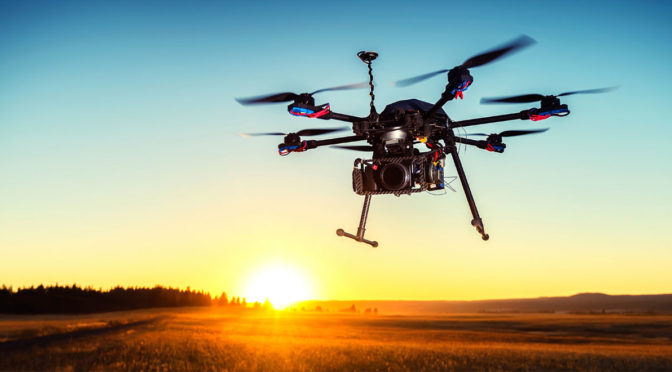
RMIT researchers are using state-of-the-art modelling techniques to study the effects of wind on cities, paving the way for design innovations in building, energy harvesting and drone technology.

The turbulence modelling studies will allow engineers to optimise the shape of buildings, as well as identify areas of rapid airflow within cities that could be used to harvest energy.

Researchers also hope to use the airflow studies to develop more energy efficient drones that use the power of updrafts during flight.

Dr Abdulghani Mohamed, from RMIT’s Unmanned Aircraft Systems research group, said simulations developed by the research team can visualise the shape of updrafts as they developed over buildings and show their variation over time.

“By analysing the interaction of wind with buildings, our research opens new possibilities for improving designs to take better advantage of nature,” he says.

“Buildings can be built to enhance airflow at street level and ventilation, while wind turbines can be precisely positioned in high-speed airflow areas for urban energy harvesting – providing free power for low-energy electronics.

“The airflow simulations will also help us further our work on energy harvesting for micro-sized drones, developing technology that can help them use updrafts to gain height quicker and fly for longer, without using extra energy.”

Scientists and engineers have traditionally relied on building small-scale city replicas and testing them in wind tunnels to make detailed airflow predictions.

This time-consuming and expensive process is being gradually replaced with numerical flow simulations, also known as Computational Fluid Dynamics (CFD).

The researchers – Mohamed, Professor Simon Watkins (RMIT), Dr Robert Carrese (LEAP Australia) and Professor David Fletcher (University of Sydney) – created a CFD model to accurately predict the highly complex and dynamic airflow field around buildings at RMIT’s Bundoora campus west, in Melbourne’s north.

The simulation was validated using a series of full and model-scale experiments, with the results published in the prestigious Journal of Wind Engineering and Industrial Aerodynamics.

The next stage in the research will involve an extensive flight test campaign to further prove the feasibility of the concept of long endurance micro-sized drones, for use in a number of industries including structural monitoring, land surveying, mobile temporary networks and pollution tracking.

This article was first published by RMIT University on 9 August 2015. Read the original article here.

Irrigation innovation

This is an article in our nine-part series on Australia Asia innovation.

Water is the world’s most precious resource. Without proper supplies, farmers cannot meet the planet’s growing demand for food.

Yet global estimates suggest there are 275 million hectares of land whose irrigation systems desperately need modernisation: 55–60 million in China, 25 million in the US, and 2.5 million in Australia. The market has proved fertile for Rubicon Water.

At sites across the globe, Rubicon Water’s installations measure and control water flow, making hundreds of small changes daily to send precise amounts of water to farmers when needed – the magic of algorithms, wireless telemetry, solar power, sensors, smart gates and valves.

“Our systems have now been deployed in China, Spain, Chile, New Zealand, France, Mexico, Italy, USA and Canada,” says Melbourne engineer David Aughton, who – with four enterprising colleagues with expertise in software development and irrigation system operation – founded irrigation innovation company Rubicon Water in 1995.

Along the way, the group teamed up with the University of Melbourne’s Professor Iven Mareels and scientists of the CRC for Sensor Signal and Information Processing, and jointly developed the Total Channel Control System for automating and revitalising outdated irrigation systems.

“That big team effort is ongoing with the university in systems control engineering and smart software for intelligently moving water,” adds Aughton.

Small-scale pilot projects kicked off in 2002 in Victoria’s irrigation districts and in Coleambally, NSW, followed by large-scale deployments in 2005 and now deployments in Australia, China and the US.

Today, Rubicon Water delivers smart, green automation, sensor measuring and control technologies for drought-stricken irrigators from two offices in China, three in the US, and other strategically placed sales offices. Staff numbers have grown from 60 in 2008, to over 200 employees in 2014.

WisingUponWater_Rubicon
Rubicon is an Australian innovation success story involved in massive irrigation projects in China.

HQ: Melbourne

R&D: 15,000 products sold

Reach: Spain, Chile, New Zealand, France, Mexico, China, Italy, USA, Canada

At a glance: Established in 1995, Rubicon is a private, Australian-owned company with 200 employees and sales offices in the US, China, Spain, Mexico and New Zealand. It also has a research partnership with the University of Melbourne’s School of Engineering.

Aughton says that their state-of-the-art manufacturing plant in Shepparton has exported 15,000 Rubicon gates, meters and products globally.

In Australia, Rubicon has multi-million dollar modernisation contracts in the Goulburn–Murray districts, in Murray Irrigation in southern NSW, in the Ord Valley in Queensland, and is involved in massive irrigation projects in China. The Fen River Irrigation District in China’s Yellow River Basin, for example, covers 100,000 hectares and supplies water on rotation to hundreds of thousands of small landholders growing crops and vegetables.

Fen River Irrigation Authority Director, Li Ming Xing, says he “highly recommends” Total Channel Control, due in part to Rubicon saving 75% of the costs of alternative technologies. – Paul Hendy

Next: Microtechnology manufacturing success

Australia Asia innovation

This is the intro to our nine-part series on Australia Asia innovation. Read the next story here.

The massive industrialisation and rocketing populations of China, India and other rapidly developing nations have triggered a major shift from the previous century’s Euro- and US-centric economy to a predominantly Asian one. Australia is well placed to cash in on this market, thanks to some special advantages, such as proximity and shared time zones.

But that might not be enough, some academics warn. The University of Melbourne’s Professor Tim Lindsey, Malcolm Smith Professor of Asian Law, urges Australia to engage more effectively with these nations to avoid being a “bit player” in the Asian century.

Nevertheless, when we looked into the track record of Australian commercialisation in Asia, we found Australia had already achieved some major technological successes – nine of which are profiled in this in-depth series.

One of Australia’s most renowned innovation success stories, Cochlear Ltd – which has had strong partnerships with three successive Cooperative Research Centres (CRCs) – cites China as “a huge potential market”, according to CEO Dr Chris Roberts.

Meanwhile, VisionCRC, in partnership with Zhongshan Ophthalmic Centre in China, has demonstrated a new generation of optical products that can slow the progression of myopia (short-sightedness) in children aged 6-12.

Rubicon Water – an offshoot of the CRC for Sensor Signal and Information Processing and a partner of the University of Melbourne – has developed a water-management system in China’s drought-stricken Yellow River Basin that could improve water efficiency by up to 20% and be implemented at one-quarter of the cost of traditional systems.

Then there is MBD Energy, which is looking to tackle China’s unique $250 million algae problem along the Shandong coast between Shanghai and Beijing. MBD aims to turn those algal blooms into useful, natural soil conditioners.

Many other organisations built on CRC research or collaboration are looking to Asia for research and industry partnerships, clients and customers, taking Australia Asia innovation partnerships to extraordinary new heights. – Heather Catchpole

Next: Irrigation innovation

Australia could lead in cybersecurity research

This article is part of The Conversation’s series on the Science and Research Priorities recently announced by the Federal Government. You can read the introduction to the series by Australia’s Chief Scientist, Ian Chubb, here.


Alex Zelinsky

Chief Defence Scientist, Defence Science and Technology

The national science and research priorities have been developed with the goal of maximising the national benefit from research expenditure, while strengthening our capacity to excel in science and technology.

Cybersecurity has been identified as a research priority due to Australia’s increasing dependence on cyberspace for national well-being and security. Cyberspace underpins both commercial and government business; it is globally accessible, has no national boundaries and is vulnerable to malicious exploitation by individuals, organised groups and state actors.

Cybersecurity requires application of research to anticipate vulnerabilities, strengthen cyber systems to ward off attacks, and enhance national capability to respond to, recover from, and continue to operate in the face of a cyber-attack.

Cyberspace is a complex, rapidly changing environment that is progressed and shaped by technology and by how the global community adopts, adapts and uses this technology. Success in cyberspace will depend upon our ability to “stay ahead of the curve”.

Research will support the development of new capability to strengthen the information and communications systems in our utilities, business and government agencies against attack or damage. Investment will deliver cybersecurity enhancements, infrastructure for prototype assessment and a technologically skilled workforce.

Accordingly, priority should be given to research that will lead to:

  1. Highly secure and resilient communications and data acquisition, storage, retention and analysis for government, defence, business, transport systems, emergency and health services
  2. Secure, trustworthy and fault-tolerant technologies for software applications, mobile devices, cloud computing and critical infrastructure
  3. New technologies for detection and monitoring of vulnerabilities and intrusions in cyber infrastructure, and for managing recovery from failure. Alex Zelinsky is Chief Defence Scientist at Defence Science and Technology Organisation.
Cybersecurity is becoming an increasingly important area for research in Australia.

Cybersecurity is becoming an increasingly important area for research in Australia.


Andrew Goldsmith
Director of the Centre for Crime Policy and Research, Flinders University

Sensible science and research on cybersecurity must be premised upon informed, rather than speculative, “what if”, analysis. Researchers should not be beholden to institutional self-interest from whichever sector: government; business; universities; or security/defence agencies.

We need to be clear about what the cybersecurity threat landscape looks like. It is a variable terrain. Terms such as “cyber-terrorism” tend to get used loosely and given meanings as diverse as the Stuxnet attack and the use of the internet by disenchanted converts to learn how to build a pipe bomb.

We need to ask and answer the question: who has the interest and the capability to attack us and why?

References to “warfare” can be misleading. A lot of what we face is not “war” but espionage, crime and political protest. More than two decades into the lifecycle of the internet, we have not yet had an electronic Pearl Harbour event.

Cybersecurity depends upon human and social factors, not just technical defences. We need to know our “enemies” as well as ourselves better, in addition to addressing technical vulnerabilities.

We should be sceptical about magic bullet solutions of any kind. Good defences and secure environments depend upon cooperation across units, a degree of decentralisation, and built-in redundancy.

Andrew Goldsmith is Strategic Professor of Criminology at Flinders University.


Jodi Steel
Director, Security Business Team at NICTA

Cybersecurity is an essential underpinning to success in our modern economies.

It’s a complex area and there are no magic bullet solutions: success requires a range of approaches. The national research priorities for cybersecurity highlight key areas of need and opportunity.

The technologies we depend on in cyberspace are often not worthy of our trust. Securing them appropriately is complex and often creates friction for users and processes. Creation of secure, trustworthy and fault-tolerant technologies – security by design – can remove or reduce security friction, improving overall security posture.

Australia has some key capabilities in this area, including cross-disciplinary efforts.

The ability to detect and monitor vulnerabilities and intrusions and to recover from failure is critical, yet industry reports indicate that the average time to detect malicious or criminal attack is around six months. New approaches are needed, including improved technological approaches as well as collaboration and information sharing.

Success in translating research outcomes to application – for local needs and for export – will be greater if we are also able to create an ecosystem of collaboration and information sharing, especially in the fast-moving cybersecurity landscape.

Jodi Steel is Director, Security Business Team at NICTA.


Vijay Varadharajan
Director, Advanced Cyber Security Research Centre at Macquarie University

Cyberspace is transforming the way we live and do business. Securing cyberspace from attacks has become a critical need in the 21st century to enable people, enterprises and governments to interact and conduct their business. Cybersecurity is a key enabling technology affecting every part of the information-based society and economy.

The key technological challenges in cybersecurity arise from increased security attacks and threat velocity, securing large scale distributed systems, especially “systems of systems”, large scale secure and trusted data driven decision making, secure ubiquitous computing and pervasive networking and global participation.

In particular, numerous challenges and opportunities exist in the emerging areas of cloud computing, Internet of Things and Big Data. New services and technologies of the future are emerging and likely to emerge in the future in the intersection of these areas. Security, privacy and trust are critical for these new technologies and services.

For Australia to be a leader, it is in these strategic areas of cybersecurity that it needs to invest in research and development leading to new secure, trusted and dependable technologies and services as well as building capacity and skills and thought leadership in cybersecurity of the future.

Vijay Varadharajan is Director: Advanced Cyber Security Research Centre at Macquarie University.

Cybercrime is a growing problem, and it'll take concerted efforts to prevent it escalating further. Brian Klug/Flickr, CC-BY NC

Cybercrime is a growing problem, and it’ll take concerted efforts to prevent it escalating further. Brian Klug/Flickr, CC-BY NC


Craig Valli
Director of Security Research Institute at Edith Cowan University

ICT is in every supply chain or critical infrastructure we now run for our existence on the planet. The removal or sustained disruption of ICT as a result of lax cybersecurity is something we can no longer overlook or ignore.

The edge between cyberspace and our physical world is blurring with destructive attacks on physical infrastructure already occurring. The notion of the nation state, and its powers and its abilities to cope with these disruptions, are also significantly being challenged.

The ransacking of countries’ intellectual property by cyber-enabled actors is continuing unabated, robbing us of our collective futures. These are some of the strong indicators that currently we are getting it largely wrong in addressing cybersecurity issues. We cannot persist in developing linear solutions to network/neural security issues presented to us by cyberspace. We need change.

The asymmetry of cyberspace allows a relatively small nation state to have significant advantage in cybersecurity, Israel being one strong example. Australia could be the next nation, but not without significant, serious, long-term, collaborative investments by government, industry, academy and community in growing the necessary human capital. This initiative is hopefully the epoch of that journey.

Craig Valli is Director of Security Research Institute at Edith Cowan University.


Liz Sonenberg
Professor of Computing and Information Systems, and Pro Vice-Chancellor (Research Collaboration and Infrastructure) at University of Melbourne

There are more than two million actively trading businesses in Australia and more than 95% have fewer than 20 employees. Such businesses surely have no need for full-time cybersecurity workers, but all must have someone responsible to make decisions about which IT and security products and services to acquire.

At least historically, new technologies have been developed and deployed without sufficient attention to the security implications. So bad actors have found ways to exploit the resulting vulnerabilities.

More research into software design and development from a security perspective, and research into better tools for security alerts and detection is essential. But such techniques will never be perfect. Research is also needed into ways of better supporting human cyberanalysts – those who work with massive data flows to identify anomalies and intrusions.

New techniques are needed to enable the separation of relevant from irrelevant data about seemingly unconnected events, and to integrate perspectives from multiple experts. Improving technological assistance for humans requires a deep understanding of human cognition in the complex, mutable and ephemeral environment of cyberspace.

The cybersecurity research agenda is thus only partly a technical matter: disciplines such as decision sciences, organisational behaviour and international law all must play a part.

Liz Sonenberg is Professor, Computing and Information Systems, and Pro Vice-Chancellor (Research Collaboration and Infrastructure) at University of Melbourne.


Sven Rogge
Professor of Physics and Program Manager at the Centre for Quantum Computation & Communication Technology at UNSW

Cybersecurity is essential for our future in a society that needs to safeguard information as much as possible for secure banking, safe transportation, and protected power grids.

Quantum information technology will transform data communication and processing. Here, quantum physics is exploited for new technologies to protect, transmit and process information. Classical cryptography relies on mathematically hard problems such as factoring which are so difficult to solve that classical computers can take decades. Quantum information technology allows for an alternative approach to this problem that will lead to a solution on a meaningful timescale, such as minutes in contrast to years. Quantum information technology allows for secure encoding and decoding governed by fundamental physics which is inherently unbreakable, not just hard to break.

Internationally, quantum information is taking off rapidly underlined by large government initiatives. At the same time there are commercial investments from companies such as Google, IBM, Microsoft and Lockheed Martin.

Due to long term strategic investments in leading academic groups Australia remains at the forefront globally and enjoys a national competitive advantage in quantum computing and cybersecurity. We should utilise the fact that Australia is a world leader and global player in quantum information science to provide many new high technology industries for its future.

Sven Rogge is Professor of Physics at UNSW Australia.

This article was originally published on The Conversation and shared by Edith Cowan University on 10 July 2015. Read the original article here.


Read more in The Conversation Science and Research Priorities series.

The future of manufacturing in Australia is smart, agile and green

On the road: research can improve transport across Australia

Research priority: make Australia’s health system efficient, equitable and integratedThe Conversation

Baby immunisation: One in 10 infants at risk

Almost one in 10 Australian infants are at risk of severe infections because they are not up-to-date with their immunisations.

According to new research at the University of Adelaide in South Australia, conducted in conjunction with University College London, children with socio-economically disadvantaged parents, not just parents who disagree with baby immunisation, were more likely to not be fully immunised.

The study examined barriers to childhood immunisations experienced by parents in Australia. Overall researchers found 91% of infants were up-to-date with immunisations.

Associate Professor Helen Marshall, from the University of Adelaide’s Robinson Research Institute, and Director of Vaccinology and Immunology Research Trials Unit at the Women’s and Children’s Hospital, said this is the first Australia-wide study to show that factors associated with social disadvantage impact on immunisation uptake – more than unwillingness to have children immunised.

“In this study we looked at the most current individual-level data available of more than 5000 Australian children, aged 3–19 months,” she says.

She found that 9.3% of children were found to be partially immunised or not immunised at all, and of these only one in six children had parents who disagreed with immunisations.

“So the majority of infants who were incompletely immunised had parents who do not object to immunisation – something else is getting in the way,” she says.

Marshall says the primary barriers to immunisation included minimal contact with, and access to services, being a single parent and children living in a large household.

“Socio-economic disadvantage was an important reason why parents had children who were either partially immunised or not immunised at all,” she says.

“Children with chronic medical conditions were also more likely not to be up-to-date with immunisations. This is possibly due to parents and health care providers having a lack of knowledge about additional vaccines that are recommended for children with certain medical conditions or concerns vaccines may have adverse effects in these children,” she says.

Marshall says these findings can inform programs to increase the uptake of immunisations.

“Reminders and rescheduling of cancelled appointments, and offering immunisation in different settings may help achieve better protection for children and the community,” says Marshall.

“This research found that the majority of parents with partially immunised children are in favour of vaccinations, so we need to look at how we can remove the barriers experienced by these families.”

The research was published in the journal Vaccine.

This article was first published on 6 August 2015 by The Lead Australia. Read the original article here.

World champions of RoboCup soccer return to Sydney

A team of Australian roboticists, who smashed their way to victory at the RoboCup world soccer championship in China for a second year running, return home on Monday and will be holding a media conference at UNSW.

The triumphant team of Australian roboticists who smashed their way to victory at the RoboCup world soccer championship in China – snatching the trophy for the second year in a row – return home on Monday and will be holding a media conference at UNSW.

The four-member UNSW team (and their four humanoid robots), who beat an elite German squad by 3-1 in a tense grand final, will be available to take questions at the media conference.

They will afterwards provide demonstrations of the robots in action in a special soccer pitch where the robots train. Also available will be video and high-resolution images of the robots and team members, as well as the team’s victorious finals match in Hefei, west of Shanghai in China, on 22 July. (Most of the team have been travelling on holidays since then.)

Event details 

RoboCup is an international competition of 300 teams from 47 counties that fosters innovation in robotics and artificial intelligence. The premier category is the Standard Platform League, in which squads compete on an indoor soccer court with robots operating entirely autonomously – with no control by humans or computers during the game. This year’s tournament was fought between Naos, 58 cm-tall humanoid robots that whose artificial intelligence and tactics were developed by young software designers and engineers.

RoboCup was founded in 1997 with the goal of developing a robot team good enough to beat the human champions of the FIFA World Cup by 2050.

You can download a map to the venue for the media conference here.

Wilson Da Silva

This article was first published by UNSW Australia on 5 August 2015. Read the original article here.