All posts by Heather Catchpole

Mental health support for graduates

Mental health issues affect one in every five Australians and accounted for 7.7% of total healthcare expenditure in Australia in 2015–2016.

The CRC for Mental Health works to reduce the burden of mental health by studying biomarkers: biological indicators that aid preventative treatment and early diagnosis of diseases such as Alzheimer’s or Parkinson’s.

Postgraduate researchers at the CRC have developed a program to improve mental health issues in their fellow PhD students, with a focus on recognition and preventative action.

The Write Smarter: Feel Better program was informed by studies that suggest 50% of PhD students experience psychological distress during candidature. Few are likely to seek help.

“When we looked at the research, it was concerning that one in three [PhD students] will develop a mental health disorder during their candidature,” says PhD student and registered psychologist Karra Harrington, a co-developer of the program.

The program focuses on the importance of social connection. Monthly online meetings connect students from five different universities around Australia.

“Communication about mental health is paramount for overcoming stigma and supporting people to flourish,” says Harrington. Her background as a practising psychologist provided the drive to investigate practical processes for combatting the ‘PhD blues’.

Sabine Bird is another PhD student working with the CRC for Mental Health. “Feeling ‘stuck’ while writing is an experience every PhD student goes through,” she says. “If not dealt with, it easily leads to ongoing procrastination, a lack of progress and even a sense of failure.”

In working with the CRC, students recognise the importance of communication in maintaining good mental health, but also to convey their research to foster real-world outcomes.

Melanie Carew, Head of Education at the CRC, says they’ve been pleased with the mutually beneficial outcomes of the PhD program for the CRC and the participants.

“Our education program focuses on developing our students’ ability to think broadly about their research and the skills they have developed during their PhDs, then use them in different settings,” she says. “Write Smarter: Feel Better is a fantastic example of how our students can apply their scientific training and work collaboratively to solve problems.”

Recently, the program has been adopted by The University of Melbourne. It will be offered to all higher degree research students. Harrington attributes this success to their platform of communication with the CRC. “Communication of our research helped to highlight the value and benefits of Write Smarter: Feel Better for PhD students, their loved ones, PhD supervisors and universities or other research organisations such as CRCs.”

-Eliza Brockwell

Partnerships driving next generation defence technologies

As the Chief Defence Scientist, my job is to ensure the best science and technology is applied to deliver solutions for Australia’s defence and national security. Since the White Paper was released in 2016, Defence has embarked on a huge $195 billion technology refresh program to build game-changing capabilities based on partnerships through research and innovation, working with Australia’s best and brightest.    

Solving defence industry capability problems is a complex challenge; it requires deep and extensive collaboration across disciplines, organisations and geographic boundaries.

The 2016 Defence White Paper created a clear pathway for collaboration by establishing a new unified innovation system with an investment of $1.9 billion over 10 years.

The new system centres around a Defence Innovation Hub ($640 M), a Next Generation Technologies Fund ($730 M) and a Defence Innovation Portal as an interface into the innovation system.

The Defence Science and Technology team manages the Next Generation Technologies Fund. It focuses on early stage, high-risk research and invites proposals to collaborate on game-changing capabilities through the Defence Innovation Portal. Promising proposals are progressed through the Defence Innovation Hub for further development.   

To focus our efforts, we picked nine ‘winner’ domains where investment in science and technology could lead to game-changing defence industry capabilities. These range from space and cyber to autonomous systems and quantum technologies.

We also settled on seven program elements, with different forms of interaction and collaboration. Defence CRCs are one part of the program that’s made considerable progress.  

The first Defence CRC, on Trusted Autonomous Systems, follows a mission-driven approach ensuring the outcome will be delivered by industry utilising academic and public-funded research agencies as research providers.

Defence is investing $50 million over seven years in the CRC to develop trusted smart machine technologies for ADF capabilities in the land, aerospace and maritime domains. The Defence CRC has been registered with initial participating members BAE Systems Australia, RMIT University, DefendTex and DST.

The first three research projects will be led by BAE Systems, Thales and Lockheed Martin. Other companies and universities will join as the CRC develops more projects. The Queensland State government is providing $50 million in cash and in-kind support.

The Next Generation Technologies Fund is continually generating new opportunities under its various programs, including the call for proposals for the Small Business Innovation Research for Defence, which is imminent.

In the defence industry we are keen to harness the collective expertise of the country’s innovation sector and there has never been a better time for research partnerships than now, to realise the future capabilities of the ADF.

Are you protected?

Last year, the WannaCry cyberattack showed the world the rapid and destructive power of cybercrime. Targeting vulnerabilities in older versions of Microsoft Windows operating systems (OS), the virus rapidly spread between computers and networks all over the world. As a result, hospitals, banks, businesses and various other organisations in over 150 countries were crippled by the anonymous infection, which locked hundreds of thousands of users out of their computers and demanded ransom payments of $300 in the untraceable cryptocurrency Bitcoin.

At least12 Australian businesses reported being affected in the initial cyberattack, with more suspected of suffering without informing the authorities.

Frustratingly, Microsoft had recognised the vulnerability, and issued software ‘patches’ to fix the hole. Yet many companies and individuals either didn’t install the fixes, or were using unsupported, older versions of Windows, leaving their systems exposed.

This global incident was one of several cyberattacks in 2017 costing about $2.5 billion in ransomware payments, according to antivirus software firm Bitdefender. It highlights a common problem in businesses both in Australia and abroad: a weariness or reluctance to deal with computer cybersecurity. Known as ‘security fatigue’, studies in the USA have shown many computer users feel overwhelmed and even bombarded from being on constant alert, adopting safe behaviour and trying to understand the nuances of online cybersecurity issues at work. Yet, with cyberattacks on the rise and becoming ever more sophisticated, there has never been a greater need to adopt secure practices.

“A successful cyberattack can cause major financial, reputational and legal damage to companies,” explains Sanjay Mazumdar, CEO of Data to Decisions Cooperative Research Centre (D2D CRC). “Cybersecurity is not just an IT issue — it is the board and executive’s responsibility to focus on the cyber resilience of their business.”

But what should businesses do to protect themselves? Mazumdar suggests they follow the Australian Signals Directorate (ASD)’s ‘Top 4’ and ‘Essential 8’. “These are simple strategies,” he says. “The mantra all organisations should remember is ‘Catch, Patch and Match’.”

The phrase is an easy-to-remember summary of core cybersecurity actions. If businesses ‘catch’ malicious software by only running a whitelist of approved applications, ‘patch’ their applications and OS with updates, and ‘match’ the right people with the right access, ASD estimates that at least 85% of intrusions can be prevented. As for the remaining 15%, those cyberattacks could still infiltrate security-savvy businesses because current computer systems, no matter how advanced, leave doors ajar for attackers. At the same time cybercriminals are becoming increasingly sophisticated in sniffing out these chinks in the armour and exploiting them.

Because nobody knows where the next breach could come from, it’s critical to have early warning systems so businesses can be told of imminent threats with enough time to protect themselves quickly, thus stemming the spread of cyberattacks.

Organisations such as CERT Australia, the national computer emergency response team, already help Australian businesses understand the cyberthreat landscape and better prepare for, defend against and mitigate cyberthreats and incidents.

“Big data analytics is a critical component of addressing cyberthreats,” says Mazumdar. “It can help with detecting anomalies in a network that indicate malware or Trojan Horse attacks [a computer program that misleads users of its true intent], or in staff behaviour — e.g. downloading unusual amounts of documents — which could be an indicator of an insider threat, like the  Edward Snowden leak in the USA.”

The team has a number of research streams that may ultimately culminate in revolutionary cybersecurity outcomes. For instance, the D2D CRC Integrated Law Enforcement program aims to build a technology that pools and presents data from government, police, armed forces and intelligence agencies. This has led to the spin-off NQRY™. “NQRY specialises in next-generation investigative tools and effective investigation management solutions for law enforcement and public safety organisations — essentially digitising a law enforcement agency’s lines of enquiry,” Mazumdar says.

Another D2D CRC project — Beat the News — has developed an automatic forecasting capacity for law enforcement and national security agencies. This has since been commercialised through D2D CRC’s first spin-off company Fivecast™.

A world-leading forecasting technology, Fivecast is able to automatically and accurately predict the occurrence of future population-level events such as social disruption, political crises and election outcomes. The Minority Report-like technology looks into the future to predict what might happen, when it will happen and why.

Meanwhile, D2D CRC’s Predicting Cyber Exploits project is developing a system to predict when and how a publicly disclosed vulnerability will progress. With funding from the Defence Innovation Hub, the technology resulting from the project will allow decision makers and system maintainers to proactively mitigate high-risk threats before they are actively exploited by cybercriminals, and respond quickly if and when hackers do attempt to exploit the threat.

Ultimately, this results in national security threats like cyberattacks being detected earlier, and a reduction in the probability of them occurring.

Another way to try to predict a cybercrime is for computer security experts to think like cybercriminals. By understanding the weaknesses and vulnerabilities of computer systems and how they can be exploited, they can get a step ahead of the hackers.

This is exactly what Yuval Yarom from CSIRO’s Data 61 and colleagues did to find the Meltdown and Spectre computer vulnerabilities, which were disclosed in January 2018. “By causing the processor to speculatively execute instructions that were crafted for this purpose, we could get secret information from the OS or from other programs,” says Yarom.

Stemming from a design flaw in what is called ‘branch prediction’, where a central processing unit makes an educated guess as to what it will compute or process next, Spectre and Meltdown exploit a vulnerability in devices that are simply doing what they are designed to do. This flaw allows malicious applications to bypass memory isolation in order to access the contents of memory. “Spectre and Meltdown use covert channels to get the secret information,” explains Yarom. The combination of covert channels and branch prediction is what enables the vulnerability, and worryingly this means bypassing traditional security measures, thereby exposing billions of devices.

Although cybercriminals have yet to build functional code to exploit the vulnerability, cybersecurity experts are racing to build patches to protect organisations and individuals worldwide.

Of course, cybersecurity experts would have a much easier job if the computer systems they were attempting to protect were secure by design. Yarom’s Data61 colleague Gernot Heiser has been working on secure OS for 25 years. His 7500 lines of C code that make up the seL4 microkernel — a microkernel being the bare minimum of any OS — was a major breakthrough, as it was the first to be proved  mathematically correct, thereby making it practically unhackable by today’s standards. Unfortunately, seL4 is too expensive for widespread adoption.

Heiser’s work now focuses on reducing the cost of seL4 to make it more affordable and to ensure the microkernel is secure against highly sophisticated future cyberattacks. He thinks that by observing the exact timings of actions, extremely talented hackers may be able to steal encryption keys and thereby eavesdrop on communications, or even masquerade malicious code as legitimate services. Heiser is now enhancing the microkernel against these ‘timing side channels’. “Fundamentally we’re developing OS technology for keeping systems secure,” he says.

-Ben Skuse

From cell to accessible therapy: the future of regenerative medicine

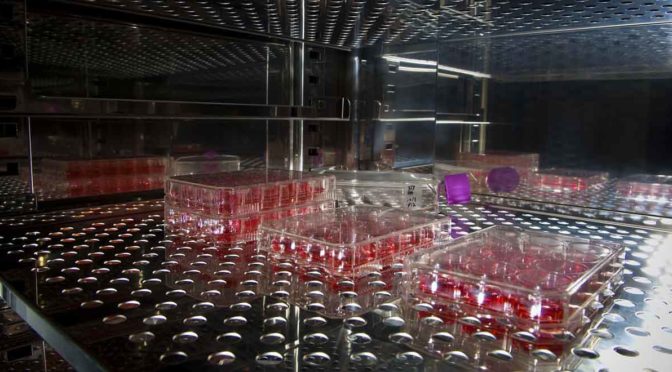
The cell and gene therapy industry is the fastest growing sector of regenerative medicine. Commercial cell therapies are being developed to treat several major diseases, including cardiovascular disease, cancer and autoimmune conditions. However, developing and manufacturing cell therapies is lengthy, labour intensive and expensive.

The CRC for Cell Therapy Manufacturing (CTM CRC) began in 2013, operating at the interface of cell biology and materials science. The CRC aims to help the cost-effective manufacture of cell therapies and assist their rapid translation into clinical practice.

CTM CRC’s research programs are driven by commercial imperatives and initially brought together 15 participant organisations across four states, including two international companies. That approach has led to the development of new immunotherapies and novel materials and surfaces to optimise cell and gene therapy manufacture.

From the outset, CTM CRC has focused on developing strategies to ensure its work continues beyond the funding period. “With two CTM CRC legacy vehicles to continue the excellent work carried out to date, the strategy to transition towards self-sufficiency has paid off,” says CTM CRC CEO

Dr Sherry Kothari. The CRC has incorporated its first spin-out company, Carina Biotech, and a second company, TekCyte, will also soon be incorporated. Both Carina and TekCyte will further develop and commercialise CTM CRC technologies, and are poised to continue the CRC’s work of making cell therapies more affordable and accessible.

Carina Biotech — A promising future for cancer treatment

In the last five years, researchers have achieved promising results in clinical trials of a revolutionary new treatment for blood cancers called Chimeric Antigen Receptor (CAR)-T cell therapy. CAR-T cell therapy is an immunotherapy that harnesses the patient’s own immune system to fight their cancer.

Since 2012, CAR-T cell therapy trials in adult and paediatric patients have recorded complete remission rates of up to 93%, offering huge potential for leukaemia and lymphoma treatment. The replication of this success in the treatment of solid cancers is a new focus of this approach, and it’s also the basis on which the CRC for Cell Therapy Manufacturing (CTM CRC) company, Carina Biotech, was founded.

“To effectively translate the unprecedented cancer-killing activity of CAR-T cells in blood cancers into solid cancers would represent the Holy Grail in the cellular immunotherapy industry,” says Dr Justin Coombs, CEO of Carina Biotech.

T-cells, the backbone of CAR-T cell therapy, are the ‘warriors’ of the immune system and they attack undesirable cells in the body. CAR-T cell therapy involves isolating a patient’s T-cells from a sample of blood and engineering them so they recognise and attack specific markers on cancer cells. These new CAR-T cells are then infused back into the patient to seek and destroy the cancer.

Carina Biotech’s first lead technology in cell and gene therapy research is a CAR-T cell that attacks a cancer-specific marker on solid cancers, but not on healthy cells. Early data indicates these CAR-T cells can kill a diverse range of solid cancer cells in vitro, including breast, ovarian and brain cancers and melanoma. Pending positive results from in vitro pre-clinical studies, slated to begin in 2018, the first-in-human clinical trials could follow within two years.

It is clear there is great potential for CAR-T cell therapy to play a leading role in the race to cure cancer, but as Dr Coombs cautions, “Solid cancers are shaped by evolution to defend themselves from attack. Carina is aiming to develop weapons for immune cells to destroy all solid cancers.”

TekCyte — Moving rapidly from lab to commercial scale

TekCyte, the translational facility of CTM CRC, was set up to respond to manufacturing challenges in the evolving cell and gene therapy industry. TekCyte’s focus is to translate technologies from the lab to pilot scale.

“Pilot-scale manufacturing is where many technologies stall because they cannot be replicated in commercial settings,” says Dr Tony Simula, who leads TekCyte with Dr Andrew Milligan. “There are unique challenges in scaling up processes involving living cells and TekCyte addresses these as an important step towards commercial manufacture of cell therapy products.”

TekCyte is currently validating two CTM CRC technologies for the commercial market: the delivery of stem cells for the treatment of chronic wounds, and an antithrombotic coating for vascular stents to reduce thrombosis and restenosis. With positive preclinical data to date, it is imperative that TekCyte is able to consistently produce both products in large volumes, as well as meeting stringent regulatory requirements and demonstrating reliable performance. TekCyte’s infrastructure and expertise enables it to fulfil this critical translational role so it can bridge the gap between the laboratory and commercial development.

“TekCyte is unique because it combines materials surface and cell biology expertise, with the know-how and infrastructure required to manufacture at pilot scale,” says Dr Milligan.

“This capability has given TekCyte a competitive advantage and enables it to expand its offering to include product development for companies.”

TekCyte aims to establish itself as an important player in the global supply chain for the regenerative medicine industry. It is evolving into a world-class translational facility, able to develop and supply specialised coatings and processes for cell and gene therapy manufacture and other biomedical applications.


Bridging innovation’s valley of death

The ‘valley of death’ is the place where good ideas go to die in the world of science innovation. The term hints at the often insurmountable financial, logistical and regulatory chasm required to bring a potential new product or idea to market. Unfortunately, not many negotiate it successfully.

In the world of cancer medicine, there are multiple valleys of death, says to Dr Warwick Tong, CEO of the Cancer Therapeutics CRC (Ctx-CRC).

The original valley of death in science innovation encapsulated the idea that “you can have great basic science. But to have something in your hands to translate and take forward, that was a difficult place to get money,” Tong says.

In the biomedical arena, the move from basic science to translatable concept is now considered only one of three valleys of death. The second is having enough money to take a new therapy to clinical trials, which can run into millions; while the third is having enough money to file and maintain patents — also expensive. However, Tong believes the Cooperative Research Centre model addresses at least one of those challenges.

Translate and Take Forward

The Cancer Therapeutics CRC operates like a semi-virtual biotech company. Though its researchers are based at universities and institutions around the country, they work solely for the CRC —collaborating and communicating by means of an e-research platform, which enables real-time sharing of data. The platform also helps to ensure everything is documented and there’s no loss of data— both important factors in patent applications.

Tong also argues that CRC ownership of patents is particularly important in the commercialisation process, at least when it comes to science innovation. “Our model means it doesn’t matter where the inventors of our patents sit, the patent is assigned to us in the CRC, so we own it,” he says. “One of the things the pharmaceutical industry often struggles with is having to reach back into academic institutions for intellectual property, so they have to be sure we have the right contracts in place for what we own.”

Commercial Partner Pitfalls

While central control of intellectual property by the Commonwealth benefits commercialisation in the science innovation space — and was part of the base agreement in earlier CRCs — it has not been an ideal setup for all CRCs with commercial partners.

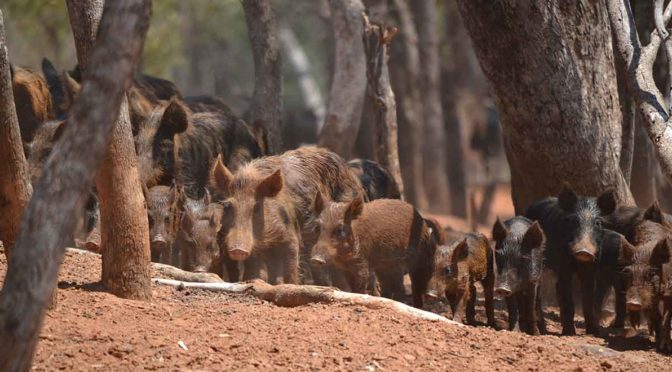
A product to come out of the recent Invasive Animals CRC was a new bait for controlling feral pigs, which has just begun field trials in the USA. Feral pigs are a growing scourge not only there, but also across Europe and Australia. The bait started life as ‘PIGOUT’, a 1080-toxin-laced product, before evolving into ‘HOG-GONE’, a highly specific bait for pigs containing a common food preservative — sodium nitrite. This chemical kills them quickly and humanely, but targets pigs specifically and poses almost no chance of collateral damage to other species.

At the time the Invasive Animals CRC was set up, the standard model for CRCs dictated intellectual property be retained by the CRC, regardless of who contributed to that IP.

Professor Linton Staples, managing director of Animal Control Technologies — one of the commercial partners in the Invasive Animal CRC — says that model was not ideal for participating companies because it didn’t adequately recognise partner inputs. To overcome an ‘uncommercial’ approach, his company ensured that the projects for which his company made a substantial cash or in-kind contribution were exclusively licensed back to the company to then commercialise.  

“It had a capital value implication for us,” says Staples, who is also an adjunct professor of animal science at The University of Queensland.

Regulatory Rigor Mortis

Regulatory requirements have been another challenge to making this space commercialised. Registering a new animal toxin and products for use in animal control is an onerous task.

“The process to do the trials to the very high standards of the US Department of Agriculture has meant that everything has to be documented to the last decimal dot,” Staples says. “The data on product efficacy and safety has to be bulletproof for regulatory review.”

The path to commercialisation of HOG-GONE has been far from smooth — at one point the baits were bursting apart, as the toxin reacted with their ingredients. Staples says his company has had to foot a significant amount of the development bill.

“This particular project is now running into millions of dollars, just because of all these technical difficulties we had to solve.” But with support from an AusIndustry Accelerated Commercialisation grant, Staples is hopeful they will soon have their new product on the market.

Finding your Market

One of the biggest traps for aspiring science innovation is finding their niche. That’s an issue that the Data to Decisions CRC isn’t leaving up to chance: they’re going directly to the source, and working with potential clients — namely agencies in the areas of national security and law enforcement — to develop products tailored to their needs.

“Our approach is to build software prototypes that we roll out for the end users to trial,” says the CRC’s commercialisation manager Duane Rivett. “We then use trial feedback to determine which features are put on the product roadmap.” The CRC’s in-house development teams include experienced commercial software architects, software engineers and data scientists, who work closely with the end users on every aspect of a product’s development.

The Data to Decisions CRC has launched two spin-off companies, both wholly owned subsidiaries of the CRC, with boards featuring members of the CRC’s own directors.

“We’re currently looking at expanding the governance of our start-ups to include external advisors and directors, to bring in different viewpoints,” Rivett says.

While the model for CRCs has changed considerably since the program began back in 1991, Rivett believes this approach greatly helps to bridge the valley of death problem in science innovation.

“In our experience, we can build commercial-grade software in-house and leverage our research from our university streams to deliver cutting-edge solutions,” he says.

-Bianca Nogrady

The autonomous future of warfare

Imagine a military robot that can formidably augment the firepower of an army patrol unit, then switch modes to carry wounded soldiers back to base. It sounds like a scene from Terminator, but such high-tech robotics remain a distant prospect. Robots are not yet capable of reliably seeing, comprehending and assessing what is unfolding around them.

However, a new Defence Cooperative Research Centre (D-CRC) for Trusted Autonomous Systems has recently been formed to help close the gap between the tools and knowledge we currently have and the future technologies we can imagine — innovations that will  dramatically extend the capabilities of our defence forces and make our personnel safer than ever before.

The new D-CRC was announced by Defence Minister Christopher Pyne in December 2017, and will start out with $50 million in funding from the Next Generation Technologies Fund.

“The D-CRC’s overarching goal is to deliver world-leading autonomous and robotic technologies to the Australian Defence Force, which will enable trusted and effective co-operation between humans and machines,” says Prof Rob Sale, interim D-CRC CEO.

To start with, projects are being proposed and led by Australian industry, but will also have input at every stage from the Department of Defence Science and Technology (DST).

Australian companies and universities are doing world-class work in many areas relevant to Trusted Autonomous Systems, but they are broadly distributed, says Sale. The D-CRC instead aims to “integrate the talent pool spread across the country and coordinate their efforts,” he adds.

Ethical and legal parameters

Alongside projects developed by teams in the maritime, land and aerospace domains, the D-CRC will run activity groups to explore and mature ethical and legal frameworks for future autonomous systems to operate.

Dr Jason Scholz, chief scientist and engineer for the D-CRC on Trusted Autonomous Systems, says that some of these activities aim to address ethical points, such as “Should we do it?” and “Why would we do it?”. Other activities will consider legal protocols for how people and machines can work together.

For example, Scholz’s team is already investigating a commander–machine legal-agreement protocol in which a human commander might define a goal and a pool of machines then identify which aspects of that goal they can achieve or contribute towards.

“The commander would in effect accept or reject each of those offers, just like we do in contract law, thereby binding the machines for a period of time to do that work,” Scholz says.

Seeing, sensing, perceiving

These are all ideas for the future. “Robots generally lack a ‘theory of mind’. They don’t realise that some objects have beliefs and desires,” says Scholz. The Australian Centre for Robotic Vision is engaged in groundbreaking work to improve the ‘visual’ systems of robots, including sonar detection for underwater robots and infrared vision for robots to operate at night. Seeing is one thing. But what’s next?

“Once we have robots that can see, we want robots to comprehend on some level too,” says Scholz. “Robots that comprehend: ‘Here are objects in an environment… What does it mean?”

To this end, the visionaries at the Australian Centre for Robotic Vision may team up via the D-CRC with an Australian centre of excellence in artificial intelligence. The agility afforded by working directly with Defence on these robotics projects will enable accelerated development, says Scholz, because rudimentary prototypes can quickly get input to make them functional. “It’s the only way I know of to develop technology that’s never been built before and where we don’t know how to do it — we just have a sense that it’s the right way to go,” he says.

Redefining the equation

D-CRC projects must be ahead of the curve to give Australia’s military the edge. With a relatively small defence force, a major investment in navy vessels and aircraft, and a large country to defend, the Department of Defence recognises the potential of Trusted Autonomous Systems to extend and augment its reach. “We talk in terms of ‘force multipliers’,” says Scholz.

Taking risks on projects that don’t just push the envelope, but “blow it apart”, are part of the centre’s remit, he says. Examples that might be considered include ‘tag-teaming’: inexpensive autonomous robotics underwater systems that can swarm the ocean floor in advance of multi-million-dollar Royal Australian Navy vessels, clearing a path through minefields or scouting out the bathymetry of the seafloor.

“We want autonomous systems that will survive in a warfare environment,” he says, and he’s not just talking about physicality. New kinds of platforms such as social and self-sensing are important as well, to enable effective interaction with humans.

This first CRC for Defence will operate for seven years, with options to extend if promising robotics projects need further development. The Brisbane headquarters are expected to be established in mid 2018.

-Natalie Filatoff

Blockchain benefits: using cryptocurrencies for social good

Renewable energy, secure voting systems, identity verification, and even a way to promote ethically sourced foods are some of the ways in which cryptocurrencies and blockchain technology are being used for the greater good.

Blockchain is an incredibly secure system for transferring packages, or ‘blocks’ of data online. It’s becoming increasingly critical in a world that relies on secure payment systems, and the reliability of data stored online.

While blockchain has been used as the currency of choice for cyberattacks, such as the large-scale WannaCry ransom attack in 2017, the possibilities of blockchain to create positive social change are vast.

Jane Thomason, CEO at Blockchain Quantum Impact, says “blockchain can be a tool for substantial social impact, if taken to scale.”

“It’s now estimated that 67% of the world’s population own a mobile phone. This means that applications can be developed and tested using mobile technology to reach the poor,” she says.

Thomason is currently an advisor to a project called IDBox: a “simple, low cost solution” to authenticate identity that can be used with both smartphones and analog phones.

She envisages creating a service ATM for remote and marginalised populations to connect to the economy and services, and which can reach almost 70% of the world population.

Renewing energy

PowerLedger is an Australian company that aims to use blockchain technology to create a peer-to-peer platform where individuals can trade, buy, and sell renewable energy.

Jemma Green, PowerLedger’s cofounder and chair, says the company was formed out of the realisation that “apartments in Australia don’t have easy access to renewable energy.”

“I tried to solve this problem by opening up the energy market, so people in apartment buildings could trade energy between themselves, without the need for a third party. The answer to this problem was blockchain technology and it was from this idea that PowerLedger was born.”

Their platform can be implemented in both rural and urban areas, and the company now have a partnership with Indian company Tech Mahindra, offering “microgrid” services that provide localised energy supplies to small communities, where the traditional electricity grid system isn’t available.

By bringing solar energy to rural communities, Tech Mahindra and PowerLedger are providing communities with the opportunity to ditch traditional sources of energy that are unsustainable and harmful to both human health and the environment.

Vote for Change

Another Australian company, Horizon State, has developed a way to use the blockchain to record a vote.

Salim Mehajer, the former deputy mayor of Auburn, NSW, was recently convicted of electoral fraud in the council elections of 2012. The tampering was brought to light after the Australian Electoral Commission noticed that a number of online electoral applications were submitted close to the deadline.

Horizon State’s tech alleviates concerns about electoral fraud, government corruption, and low voter turnout due to the secure nature of blockchain and instantaneous results.

“For every paper ballot box no longer needed, and for every postal vote that doesn’t need to be sent, we’re improving efficiencies, reducing costs, and increasing the legitimacy of the result by having more opinions submitted in an infinitely more secure fashion than traditional methods,” says company Chief Financial Officer, Jamie Skella.

Ethically Sourced Tuna

Bubba Cook is the manager of a WWF project, Blockchain Supply Chain Traceability Project, that aims to curb illegal fishing and human rights abuses in the tuna industry.

Cook says that the growing demand for sustainably and ethically sourced tuna influences companies to “engage in blockchain traceability, which offers the transparency, traceability, and, ultimately, trust.”

“It will inevitably drive demand toward the ‘good guys’ and away from the ‘bad guys’, thereby restricting the access of the illegal fishermen to the market and, with any luck, driving them out of business or at least making them easier to identify,” he says.

The blockchain creates a traceable, digital map that consumers and companies can use to see whether or not their tuna has been sourced ethically and sustainably.

In order for the technology to work everyone involved in the supply chain, from the fishing vessel to the retailer, needs to actively record information.

“All parties must be capturing the right information at the right points that can be verified and validated in such a way that it inherently creates the trust and transparency, and the single version of the truth, that blockchain promises.”

-Blaine Woolfson Jarvis

Unearthing resource value

Two headline technologies for the mining sector are optimising the mining process for individual deposits and unlocking additional value for mining operations, Brendan Fitzpatrick reports.

To stay profitable and environmentally sustainable, mining faces the challenge of extracting efficiency through technological and process innovation. Grade Engineering® and the Integrated Extraction Simulator (IES) are innovations developed by the CRC for Optimising Resource Extraction (CRC ORE) to assist mines improve the recovery of valuable ore.

A range of mining companies, plus mining equipment, technology and service suppliers, and research organisations collaborated on the development of these technologies with funding from the Federal Government. It comes at a critical time for the industry, which faces increasing pressure to become more profitable and environmentally sustainable.

Conventional extraction methods are becoming harder and more expensive to implement as ore quality drops, mines get deeper and water becomes scarcer.

In an ideal scenario, miners could target the mineral they are after. However, mineral-bearing ores are heterogeneous with different levels of concentration. The challenge is to find ways to extract and process the ores and reject waste early in the extraction process.

Bringing tech to the process

Grade Engineering is an integrated approach to extracting metal more efficiently and improving the overall recovery of valuable ores from individual deposits. “It goes beyond the industry mindset that simply increasing throughout will bring more profit for a mining operation,” says Dr Ben Adair, CEO of CRC ORE. “It factors in the ore quantity and quality.”

Rejecting waste as early as possible in the mining process can significantly decrease the operating costs of a mine. Grade Engineering utilises a range of techniques and strategies that sorts and separates mined materials throughout all stages of the mining process.

Adair says the power Grade Engineering offers is a targeted assessment tailored to specific ores, which determines what lever has the potential to best maximise mine performance. Benefits include decreased costs; improved investment rate of return; reduced energy and water use with fewer emissions; delivery of higher feed grades and lower capital expenditure for start-up or expansion.

The next generation of mining simulation

CRC ORE’s Integrated Extraction Simulator provides insight into the entire process, from the mine to the mill. It combines existing industry standard simulation models with new models from diverse research and development sources. “It is the next generation of fast, reliable and accurate simulation across the value chain,” says Adair.


crcore.org.au

Research doesn’t begin and end in a laboratory

Research doesn’t begin and end in a laboratory

At the Lowitja Institute Aboriginal and Torres Strait Islander Health CRC we focus on maximising the positive impact of the research we fund through knowledge translation activities. These activities continue the engagement between communities, policymakers and researchers to understand and further that impact.

The Better Genetic Health Services for Aboriginal and Torres Strait Islander People (BIG) project is an example of taking medical and laboratory-based science and service provision and applying it in ways that deliver a real benefit for Australia’s First Peoples.

Aboriginal and Torres Strait Islander people are under-represented in genetic health services despite having higher prevalence of a number of genetically determined conditions. For example, the prevalence of Machado Joseph Disease (MJD) is estimated to be 100 times greater in affected Aboriginal communities of the Top End than anywhere else in the world. Working alongside the BIG project, the Anindilyakwa people of the Groote Eylandt Archipelago have driven research to reduce the devastating impact of MJD on their families and community. The project — developing a physical activity program for Aboriginal families with MJD living in

The Top End of Australia — will develop an evidence-informed physical activity program for individuals and families with MJD.

The BIG project will develop and trial strategies to strengthen capacity for the provision of culturally safe genetic health services, and identify gaps in the journey taken by Aboriginal and Torres Strait Islander people engaging with genetic health services.  

Both of these projects, initiated and led by Aboriginal and Torres Strait Islander people, create a partnership between western science, Indigenous knowledges and local solutions to improve the health and wellbeing of Australia’s First Peoples.

Cherese Sonkkila

www.lowitja.org.au


Testing Australia’s top aircraft

Research at ANSTO into innovative technologies for the repair and maintenance of military aircraft will have implications on the service life of commercial and passenger aircraft, Brendan Fitzpatrick reports.

Over 4.3 million passengers will fly this year and every day about 104,000 flights bring people and goods to their destination. The global economy relies heavily on aviation with $17.5 billion of goods travelling by air every day representing 35% of global trade by value.

Fatigue and corrosion damage to aircraft structural components are a major threat to the safety and airworthiness of civil and military aircraft, particularly those pushed past their intended service life.

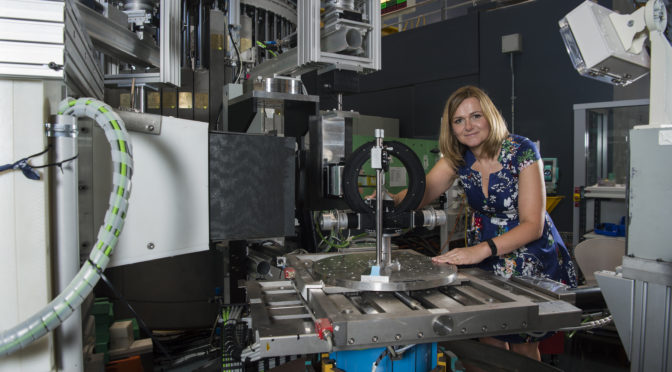
Dr Anna Paradowska, Senior Research Scientist and Industrial Liaison Manager at ANSTO, worked with a team led by DST Group’s Dr Wyman Zhuang to test different technologies used to repair damaged aircraft structural components.

“Structural integrity requirements for aircraft parts are of the highest level. The repaired components need to demonstrate that the restored component shall have a structural strength condition, equivalent or better than its original configuration,” says Zhuang.

Zhuang’s team applied advanced repair techniques to aluminium alloy 7075–T651 — a lightweight, high-strength metal used in the aeronautical industry since 1943.

DST Group used laser cladding to deposit aluminium-silicon powders onto damaged surfaces of 7075 plates. They then applied post-heat treatment to reduce detrimental residual stresses, making the alloy stronger.

Following these processes, the team applied Deep Surface Rolling (DSR) — a surface enhancement technique that can introduce beneficial compressive residual stresses and enhance fatigue performance of repaired components.

After the treatment, Paradowska and the team at ANSTO used a sophisticated neutron diffraction instrument, the strain scanner KOWARI, to compare measurements of 3-D residual stresses on samples treated with different repair methods.

“We used this instrument because it can provide sub-surface information about residual stresses non-destructively with high resolution measurements. Often this information can’t be obtained by other techniques.

Neutrons can penetrate deep into materials to acquire data about localised stresses in the deformed material,” says Paradowska.

“This powerful tool gives researchers a unique capability to study the same specimens going through various stages of manufacturing process.” The neutron diffraction measurements showed that DSR caused deeper and higher magnitude compressive residual stresses at the surface and into the substrate. These stresses increased both the yield and ultimate strength of the tested plates.

Fatigue tests confirmed that DSR increased the average fatigue life by over 500% compared to plates that were only laser-clad, while the post-heat treatment increased fatigue life by 40%.

While research is currently focussed on military applications, it will have ongoing implications to aircraft service life in the broader aviation industry.

ansto.gov.au

Taming toxic pollution

CRC CARE is addressing the significant growing issue of toxic environmental pollution with innovative and effective real-world solutions.

Recently, major concerns have emerged across Australia about sites contaminated by chemical pollutants known as per- and poly-fluoroalkyl substances (PFAS).

Potentially harmful to human health and the environment, some PFAS are active ingredients in firefighting foam. These include PFOS, which is listed in the Stockholm Convention on Persistent Organic Pollutants. PFAS contamination has become a big problem near some firefighting training areas, where it has contaminated soil and water.

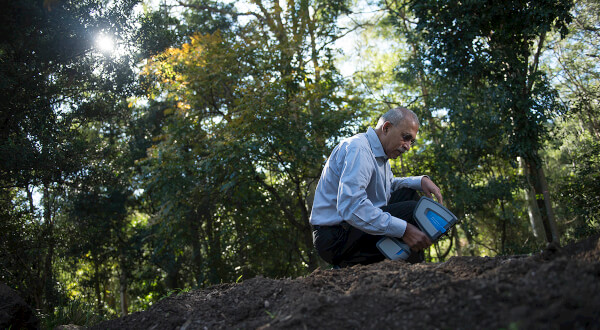
“There are more than 100,000 potentially toxic chemicals and five million potentially contaminated sites globally, so there is a real need for innovation,” says Professor Ravi Naidu, CEO of the CRC for Contamination Assessment and Remediation of the Environment (CRC CARE).

One of CRC CARE’s innovations is a product called matCARE, a modified natural clay that can irreversibly lock up PFAS so polluted soil and water can be decontaminated. Naidu says matCARE is 50% more efficient – and thus cheaper – than similar technologies, and does not leach PFAS over time.

Four firefighting training sites have successfully cleaned up the pollution with matCARE and CRC CARE is now looking to partner with companies to broaden its use beyond the safe storage of the chemical. “The technology that’s available at the moment can only immobilise PFAS and unfortunately there is still a contaminated product at the end,” explains Naidu. “We have developed a technology that breaks down PFAS into carbon dioxide and fluoride. Companies are looking for technology that decomposes PFAS into safe products and we have been able to do that.”

Cherese Sonkkila

crccare.com

Waking up to a big problem

Four in 10 Australians miss out on a good night’s sleep, with inadequate rest costing over $60 billion a year in lost productivity. But research from the Alertness CRC into diagnosis and treatment for sleep disorders promises big benefits to our society and economy, Bianca Nogrady reports.

A bad night’s sleep can ruin your day, but imagine if every night for a year you suffer from a condition that prevents you from getting a full and satisfying night’s rest.

Then imagine that condition affecting four out of 10 Australians and you begin to get a sense of the enormity of our national problem of inadequate sleep.

A recent Sleep Health Foundation report by Deloitte Access Economics estimates the total cost of inadequate sleep in Australia was $66.3 billion in 2016–2017, which is why the Cooperative Research Centre for Alertness, Safety and Productivity has the mission “to promote the prevention and control of sleep loss and sleep disorders”.

Theme leader Professor Doug McEvoy says the Alertness CRC is searching for new tools and approaches to diagnose sleep problems with improved, targeted treatments. “While we talk about sleep apnoea and insomnia, within those conditions there is an amazing variety of presentations and causes of them,” he says. “To get good solutions for patients, you have to understand those differences so you can refine and personalise treatments.”

The Alertness CRC focuses on two leading causes of daytime sleepiness: insomnia and sleep apnoea. Each sleep disorder affects 10% of the population.

Insomnia is defined as difficulty initiating or maintaining sleep, and it can last from a few weeks to several years. It can be triggered by a stressful event, or related to conditions such as anxiety, depression, chronic pain and heart failure.

Sleep apnoea is a breathing problem whereby people don’t get enough oxygen during sleep so their brain periodically kicks them awake so they can breathe properly again. It’s often related to obesity, but some people have unexplained problems regulating their breathing while asleep.

Part of the challenge with sleep disorders like insomnia and sleep apnoea is diagnosis, which requires complex tests performed by a specialist. Both conditions are also usually under-diagnosed.

One research focus of the Alertness CRC is developing simpler diagnostic tests that can be administered by a GP, nurse, psychologist or pharmacist.

“We start to involve community practitioners in the identification and management of the condition, and the specialists can then act as more of a tertiary referral system for difficult cases,” says McEvoy.

Another challenge for the Alertness CRC is finding effective treatments for sleep disorders. The current gold standard treatment for sleep apnoea is continuous positive airway pressure (CPAP), which requires patients to wear a face mask during sleep. It’s effective, but awkward, and many people can’t or won’t use it.

Patients with insomnia invariably end up being prescribed sleeping medication, which carries the risk of side effects and ‘hangover symptoms’ the next day.

In collaboration with an industry partner and Australian researchers, the Alertness CRC is trialling new solutions to the significant problem of sleepiness.

“Sleep disorders are impacting the health and wellbeing of sufferers, and because they are so prevalent, they’re also impacting productivity and safety of the Australian community,” says McEvoy.


ALERTNESSCRC.COM

ANSTO in close partnership with 12th World Congress

“ANSTO is closely associated with the 12th Congress of World Federation of Nuclear Medicine and Biology because of our diverse contribution as a member of the nuclear medicine community,” CEO of ANSTO, Dr Adi Paterson said.

“It is a watershed moment for nuclear medicine in general with the development of advanced diagnostic imaging technologies and therapeutic techniques and for ANSTO as an applied research centre and supplier of nuclear medicine products and services.”

Dr Paterson noted the significant role that President of the World Federation of Nuclear Medicine and Biology and ANSTO Board Member Prof Andrew Scott has made in advancing this agenda.

A broad cross section of more than 2000 professionals from the medical and scientific community are attending the global event being held in Melbourne, 20-24 April 2018.

Prior to the start of the Congress, delegates had the opportunity to tour ANSTO’s state-of-the art OPAL multipurpose reactor, which produces the world’s most commonly used nuclear diagnostic agent, Molybdenum-99 (the parent isotope of Technetium-99m), and the Australian Synchrotron, which operates the Imaging and Medical beamline with the world’s widest synchrotron X-ray beam.

Dr Paterson said it is critically important that we continue to harness the huge potential of nuclear and accelerator technologies in research, development and production to benefit human health.

“The latest nuclear medicines represent exciting advances because they can combine diagnosis, disease progression monitoring and treatment,” Dr Paterson said.

“ANSTO currently supports a number of clinical trials, which are testing promising new treatments for prostate and pancreatic cancer, neuroendocrine tumours and childhood cancers.

“Although we are not a clinical centre, ANSTO is proud to be contribute and working collaboratively with our partners to deliver better health outcomes for Australians and people around the world.”

First published by the Australian Nuclear Science and Technology Organisation

Digital Health CRC to transform health system


With

Australia’s health system has contributed to a transformation in the human condition. We’re living longer – a child born today will on average live to 83 and see in the 22nd Century. We’ve largely defeated infectious diseases and our roads and workplaces are safer than they’ve ever been.

But

Our longer lives bring with them a greater risk of chronic and degenerative diseases which are difficult and expensive to manage and treat.

Obesity and Type 2 diabetes are on the rise. The health system can’t keep up. Australia’s annual health expenditure has passed $170 billion which is more than 10 per cent of GDP.

And the system is splitting at the seams. It’s too complex: for patients and their families, for health professionals, for industry, and for government. For example, adverse drug reactions in Australia are responsible for over 400,000 GP visits a year, and for 30 per cent of elderly emergency admissions. The cost is over $1.2 billion. We believe that half the cost is avoidable.

The Digital Health CRC will

  • Improve the health and wellness of hundreds of thousands of Australians
  • Improve the value of care and reduce adverse drug events
  • Join up data in the health system creating an improved system benefiting all Australians
  • Save the Australian health system $1.8 billion
  • Create at least 1000 new jobs in the digital health and related industry sectors
  • Create new companies and products for Australian and global markets
  • Create a new digital workforce and build the capacity of clinicians and consumers to become digital health ‘natives’

The Digital Health CRC’s 80-member organisations represent every segment of the health system from patient to community, hospital to insurer, start-up to big government. Our researchers, from 16 universities, will work with our health partners to develop and test solutions that work for real patients in real hospitals and other settings of care. And our business partners will work alongside them to ensure that the solutions are scalable and implementable. We’ll develop them in Australia, then take them to the world.  To catalyse the latter, we are partnering with US-based company, HMS, that provides solutions and services to health insurers and their customers across 48 US states.

First published by Science in Public

Coral bleaching prevented through reef sun shield

A ‘sun shield’ made from an ultra-thin surface film is showing promise as a potential weapon in the fight to protect the Great Barrier Reef from the impacts of coral bleaching.

Great Barrier Reef Foundation Managing Director Anna Marsden said the results from a small-scale research trial led by the scientist who also developed Australia’s polymer bank notes were very encouraging.

The project was supported by The Tiffany & Co. Foundation, made possible through a grant to the University of Melbourne USA Foundation.

“We’ve partnered with scientists from the University of Melbourne and the Australian Institute of Marine Science to develop sun protection for the Reef,” Ms Marsden said.

“The ‘sun shield’ is 50,000 times thinner than a human hair and completely biodegradable, containing the same ingredient corals use to make their hard skeletons – calcium carbonate. It’s designed to sit on the surface of the water above the corals, rather than directly on the corals, to provide an effective barrier against the sun.

“While it’s still early days, and the trials have been on a small scale, the testing shows the film reduced light by up to 30%.

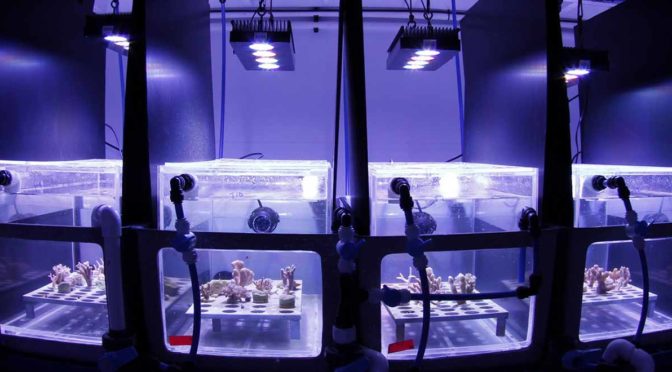
“Scientists tested the effectiveness of the one molecule thick film on seven different coral species in simulated coral bleaching event conditions at the Australian Institute of Marine Science’s National Sea Simulator (SeaSim).

“The surface film provided protection and reduced the level of bleaching in most species.”

With the surface film containing the same ingredient that corals use to make their skeletons, the research also showed the film had no harmful effects on the corals during the trials.

“This is a great example of developing and testing out-of-the-box solutions that harness expertise from different areas. In this case, we had chemical engineers and experts in polymer science working with marine ecologists and coral experts to bring this innovation to life,” Ms Marsden said.

“The project set out to explore new ways to help reduce the impact of coral bleaching affecting the Great Barrier Reef and coral reefs globally and it created an opportunity to test the idea that by reducing the amount of sunlight from reaching the corals in the first place, we can prevent them from becoming stressed which leads to bleaching.

“It’s important to note that this is not intended to be a solution that can be applied over the whole 348,000 square kilometres of Great Barrier Reef – that would never be practical. But it could be deployed on a smaller, local level to protect high value or high-risk areas of reef.

“The concept needs more work and testing before it gets to that stage, but it’s an exciting development at a time when we need to explore all possible options to ensure we have a Great Barrier Reef for future generations.”

The research team comprised of Professors Greg Qiao and David Solomon and Dr Joel Scofield from the University of Melbourne, Dr Emma Prime (formerly University of Melbourne, now Deakin University), and Dr Andrew Negri and Florita Flores from the Australian Institute of Marine Science. Professor Solomon (AC) was the winner of the Prime Minister’s Prize for Science in 2011 for his exceptional contributions to polymer science.

First published by the Great Barrier Reef Foundation 

Science descends upon Canberra for impact

More than 200 scientists have travelled to Canberra from around the country to meet with Parliamentarians from across the political spectrum.

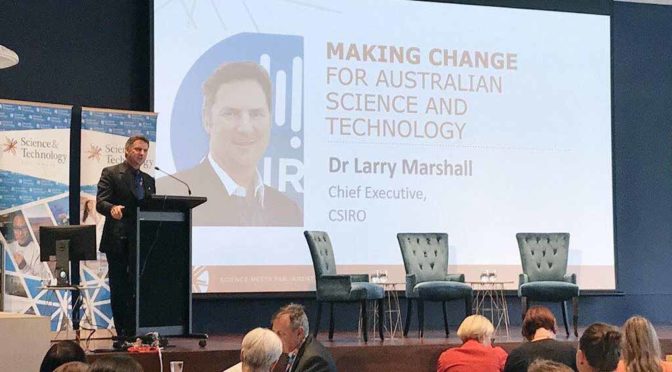
Leaders in science, technology, engineering and mathematics will speak to attendees today, including Australia’s Chief Scientist, Dr Alan Finkel; CSIRO Chief Executive, Dr Larry Marshall; and Deputy Chief Executive at Universities Australia, Catriona Jackson.

Attendees are scientists and technologists working in a range of scientific and technological fields, on projects such as self-healing concrete; helping endangered wildlife to reproduce; finding genes to supress the growth of tumours; and much more.

Tomorrow (14 Feb), these women and men will meet face to face with Parliamentarians to share how their work is influencing Australia’s future health, wealth and happiness.

Science & Technology Australia CEO, Ms Kylie Walker, said the annual event grew larger each year.

“We have a record number of scientists this year, all eager to work with Federal MPs and Senators to demonstrate how their work can positively impact the lives of all Australians,” Ms Walker said. 

“Policy decisions based in evidence and informed by scientific research are important for our nation, and a lot of our MPs and Senators show they understand that through their participation in Science meets Parliament.”

Science meets Parlaiment was even recognised in a motion moved by Senator Rex Patrick on behalf of Senator Stirling Griff, which recognised the event’s work to “builds on the strong tradition of fostering relationships and understanding between scientists, technologists, members of the House of Representatives and senators”.

President of Science & Technology Australia, Professor Emma Johnston, will be delivering the National Press Club Address on Wednesday (14 Feb) to mark the occasion.

“I intend to highlight how scientists and technologists have improved everyday life for Australians, and present a vision of how the Australian government can support them to be world-leading into the future,” Professor Johnston said.

“Parliamentarians and scientists have very similar motivations – the desire to make change for the better – and working together can only strengthen Australia’s future.”

First published by Science & Technology Australia

Wearable devices to manage chronic conditions

Wearable devices to remotely manage patient chronic conditions are set to become available for the medical profession as part of an Australian first.

The move follows collaborative research between Griffith University, telecoms company Huawei Australia and Tonwo Health Clinic Technology.

Aimed to help patients better self manage health conditions such as hypertension and cardiovascular disease and diabetes, the wearable devices – which are set to become available next February – will use narrowband internet (NB-IoT) chips provided by Huawei Technology, which will send live data to an application platform.

“Both patients and doctors can view not only historical data to make a disease diagnosis but also manage the potential risks for other health conditions,” says Associate Professor Jing Sun from Griffith’s Menzies Health Institute Queensland (MenziesHIQ).

Associate Professor Sun and her team at MenziesHIQ have been involved in the development of a prototype of the wearable device and will be evaluating the data as part of a patient trial on the Gold Coast early next year.

“The potential for wearable devices as part of the Australian healthcare system when used as a selfcare management for family and health-based monitoring, is projected to save billions in dollars for the healthcare system,” she says.

“It is expected that patients will be able to monitor their own blood pressure, glucose levels, BMI, heart rate, pulse oximeter and the condition of their heart.

“Meanwhile, a patient’s GP will have the ability to provide a patient with full remote monitoring, making all the required health checks and even being able to guide a patient on their own health check.

“Our NB-IoT real time medical devices are first in the world and are ready for mass production now,” says John Zeng, president of Tonwo Health Clinic Technology Pty Ltd.

“Following our research, we have five devices ready for launch: Blood pressure Monitor table, Blood pressure on arm, Handheld Pulse oximeter, Blood Glucose Meter, Body fat scale.

“The network in Australia will be provided by operators to support the communication between the devices and NB-IoT.”

CEO of Huawei Australia, Xichu Zhao says: “The application of NB-IoT is very wide and is particularly suitable for medical and healthcare services.

“With our innovative IoT technology, Huawei is helping different partners on their road to success and achieving our role as the largest IoT incubator in Australia. “IoT technology is particularly suitable for monitoring patients with chronic disease or for those undergoing rehabilitation.

With the collaboration of the NB-IoT testing platform at James Cook University, we are delighted to be a part of this.

“The potential of NB-IoT in the healthcare industry is unlimited and we are expecting more exciting business models to come in the near future.”

First published by Griffith University

Read more  The big business of hearables

Intellectual Property Insights

Loose lips… the danger of disclosing your ideas too early

A common misconception surrounding intellectual property is that obtaining patent protection for an invention involves keeping the invention, or crucial aspects of the invention, secret. Far from it, an inherent part of the patent application process (unless your invention involves national security) is publication of your application, typically 18 months after it was first filed. So patenting and publishing are not mutually exclusive – it all comes down to timing.

A fundamental requirement to obtain a patent is that the invention for which protection is sought should be novel. That is, generally speaking, the invention must not have publically known or used prior to filing the patent application. In many instances, novelty is destroyed by an inventor’s own prior publication. This is often the case in science, where there is typically significant pressure on researchers to publish the results of their research as early as possible for the purposes of obtaining funding and advancing careers. However it is not merely novelty which may be jeopardised by early disclosure. The forward-looking, ‘blue sky’ or speculative statements often found in scientific journal articles (typically in the last paragraph of the discussion!) can be detrimental to the inventiveness (or non-obviousness) of an invention the subject of a later filed patent application, even if the invention itself is not disclosed or anticipated in the article.

There is clearly a tension for many scientists, in particular those reliant on government funding or in the formative stages of their careers, between the need to publish their research and the requirements of novelty and non-obviousness for a patent application. The answer is timing: consider whether research results warrant patent protection, and if so lodge a patent application, before publicly disclosing the work. In this context, public disclosure means any communication that is unfettered by confidentiality, and includes for example a scientific publication in a journal, publication of a conference abstract, publication of a thesis (including appearance of a thesis on the university library shelves), a poster presentation, oral presentation, information uploaded to a website, or showing or demonstrating a prototype device to a third party.

While the initial submission of a manuscript to a journal for review or submission of an abstract for a conference is typically not considered public disclosure (although this is not always the case), best practice is to file a patent application prior to submission. With online advance publication common practice in scientific journals, it can be difficult to control or slow down the publication process once set in train, not to mention that manuscript reviewers are often competitors.

Grant applications submitted the NHMRC and ARC are considered confidential, and hence do not of themselves represent a public disclosure that would jeopardise patent protection. However it should not be assumed that the confidentiality policies are the same for all funding bodies, and if there is any doubt, clarification should be sought and proposals should be marked as confidential.

In the next column we will look at how to disclose research without jeopardising patent protection and what can be done if a problematic disclosure is inadvertently made.

 – Gavin Recchia, PhD, Principal, Davies Collison Cave

Improving funding for mining and exploration companies

Following some key conversations at Science meets Parliament last year (2017), the Managing Director of gemaker, Natalie Chapman, was better able to engage and work with MPs to improve funding access for small Australian mining and exploration companies.

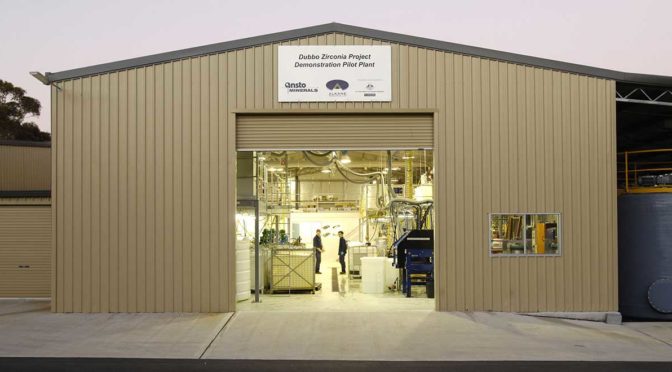
Australian company Alkane Resources was seeking Government export investment for the $1b state-significant Dubbo Project which will provide new age metals for vital modern technology including electric cars and wind turbines.

Australia’s export credit agency, Efic – which can finance projects such as this – was constrained by its mandate, which prevented Australian junior miners and explorers from accessing vital support.

Following day one of Science meets Parliament; Natalie said she had gained deeper insights into how to better grow and leverage wider support for policy change.

“I picked up some useful connections and tips on how to tailor my message based on the Parliamentarians’ drivers and the timing of parliamentary processes” said Natalie.

“I was also able to share learnings from my own work by engaging in useful discussions with Members of Parliament who wanted to know why research commercialisation wasn’t working as well as it could be in Australia.”

Meetings were held with the local member for Parkes, Mark Coulton MP, the Minister for Trade, Tourism and Investment, Steven Ciobo MP and the NSW Department of Industry and Department of Resources and Energy to outline the issues for small mining and exploration companies.

In September 2017, the Minister for Trade, Tourism and Investment, Steven Ciobo MP announced the funding obstacle for these Australian companies was removed.

With the mandate amended, Alkane Resources is now eligible to apply for funding for the Dubbo Project which will create hundreds of jobs in rural NSW and hundreds of millions of dollars in export revenue.

First published by Science & Technology Australia

To read more stories about this, visit our home page by clicking here.

Driving innovation in the Australian automotive sector

Gary White, Managing Director of GJW Enterprises, attended Science meets Parliament in 2008 and met with a senior advisor to then Minister for Innovation, Industry, Science and Research, Senator Kim Carr that changed the innovation of automotive in Australia. 

“The presentations and training at the beginning of the first day were extremely helpful, I really got an idea of how to pitch my work” said Gary.

“Even though we’d all heard about elevator pitches before, I’d never really crafted one until that day.”

Gary was given the chance to meet the Senator’s Industry Advisor, and came prepared with his pitch and a one-page summary of his work.

“After our initial pitches, the Advisor mentioned that he lacked connections with experts in some industry sectors, and I offered to link him with some of the researchers I worked with on automotive research,” he said.

“I suggested a follow-up meeting to discuss the government’s work, and I think they were interested because I wanted to provide solutions, not speak about problems.”

By providing a list of contacts and his organisation’s vision for automotive research in Australia, Gary was able to have an impact on the resulting plan for automotive research and development in Australia.

“Following the launch of the government’s plan, we were able to pitch the Automotive Australia 2020 Cooperative Research Centre,” he said.

“This was successfully funded less than five years after that first meeting at Science meets Parliament.”

“Without that opportunity to get in front of a Parliamentarian to share my excitement and passion for my work, that may not have happened.”

First published by Science & Technology Australia


To read more stories about this, visit our home page by clicking here.

LEGO® race cars put physics students in pole position

LEGO® race cars put physics students in pole position

A new teaching approach involving racing cars made of LEGO® has transformed the way that students at Flinders University are learning the fundamentals of science and has significantly reduced early dropout rates for introductory physics.     

The approach, outlined in the American Journal of Physics[1] by Flinders academics, has shown that tailored activities involving LEGO® race cars not only help students grasp theoretical concepts such as measurement error and variability, but also improve their lab reporting skills, engagement and confidence. 

“Many undergraduate students come to our introductory physics course without basic science skills or any prior exposure to physics or mathematics at high school level,” explains lead researcher of the LEGO® teaching model, Dr Maria Parappilly.

“This can make lab work exceptionally challenging, and is a major factor in the high early drop-out rate we witness for this topic.”

As a consequence, Dr Parappilly and her team were inspired to design a teaching approach that introduced students enrolled in first-year physics to pivotal scientific ideas in a real-world way, and that helped them grasp the very important but abstract concept of uncertainty in physics.

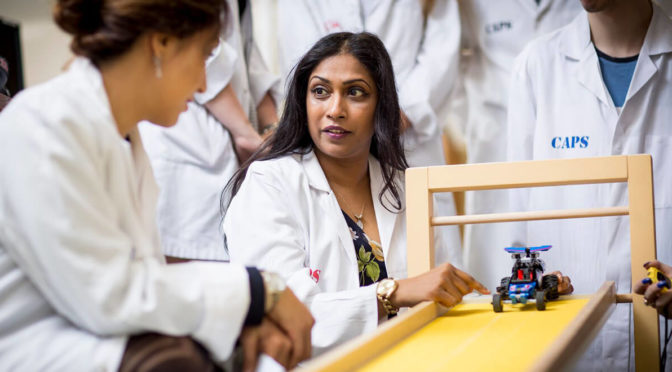
“We devised a series of experiments involving LEGO® race cars, which students could relate to and which helped them relax and feel more capable of utilising the tools of science.

“Initially students were asked to measure the time taken for a LEGO® race car to travel a set distance, using different starting points.

“Then we introduced a ramp of variable height, with either a smooth, low-friction surface or a rough, high-friction surface, and invited students to conduct the experiment again.

“Later the students were given cars of different designs that had different wheels, weights and heights, and were asked to repeat their car race.

“Throughout these exercises, students were encouraged to consider the limitations of their equipment, the impact of gravity and outside factors on the experiment results, the sources and magnitude of uncertainty, the role of constants and variables, and the validity of the experiment design and how it could be changed to improve its reliability,” Dr Parappilly says.

“Students were able to grasp fundamental concepts such as the formulae for speed, velocity and acceleration, potential and kinetic energy, and how to calculate track angles,” Dr Parappilly says.

As a result of the LEGO® teaching model, students reported that they felt less anxious about participating in lab sessions and more prepared to continue with scientific study.

They also reported improved skills in preparing lab reports and objectively evaluating lab results. 

“Importantly, all the students who attended our first round of LEGO® sessions continued on in the topic,” says Dr Parappilly. 

“Since then, the student attrition rate for the introductory physics topic at Flinders University has significantly slowed year-on-year.

“The use of LEGO® race cars sounds simple, but it has afforded our students a unique opportunity to relate a familiar educational toy to the process of scientific enquiry, and observe, record and analyse phenomena in a way that is more meaningful and concrete than ever before,” Dr Parappilly says.

The LEGO® physics approach pioneered at Flinders University is currently being rolled-out at universities interstate and is also being used by some South Australian high schools.


Parappilly M., Hassam C. and Woodman R. (2018). ‘Race to improve student understanding of uncertainty: Using LEGO® race cars in the physics lab’, American Journal of Physics, vol. 86, no. 1, pp. 68-76.

About Dr Maria Parappilly

Dr Maria Parappilly is an award winning Physics Educator and Research Section Head for STEM Education at Flinders University.  Her pioneering teaching innovations have been recognised with state and national awards, and internationally with the only international D2L Innovation Award in Teaching and Learning (Physics, Canada, 2017).  Dr Parappilly is the chair of Physics Education of Australian Institute of Physics (AIP). This year she joined the South Australian Women’s Honour Roll for 2017.


[1] Parappilly, Hassam & Woodman (2018). ‘Race to improve student understanding of uncertainty: Using LEGO® race cars in the physics lab’, American Journal of Physics, vol. 86, no. 1, pp. 68-76.

Research uncovers innovative solutions for cooling western Sydney

Sydney Water and the University of NSW have collaborated on a ground breaking study, Cooling Western Sydney, to create innovative solutions to help turn down the heat in western Sydney.

“There were a number of compelling statistics which led us to this research”, said Dr Michael Storey, Research Direction and Value Manager at Sydney Water.

“Temperatures are 6-10°C higher in western Sydney during the summer period than they are in the east and there can be up to three times as many deaths in western Sydney during heat waves than there are in eastern Sydney. Energy consumption for cooling Western Sydney is up to 100% higher than in the eastern zones of the city. Peak Electricity Demand increases by almost 100% when temperature increases from 20°C to 40°C.”

Dr Storey added that effective cooling of western Sydney by implementing the solutions outlined in the Cooling Western Sydney research could result in:

  • Reduced peak ambient temperatures by 2.5°C
  • An estimated energy saving of 1726 gigawatt hours (GWh) per year = 1.726 Billion kilowatt hours. The average Australian house uses 6,570 kilowatt hours (KWh) per year. This saving is the equivalent used to power around 262,000 homes for a year.
  • A 9% drop in peak electricity demand, which equates to almost one million tons of avoided CO2 emissions, enough to create the equivalent of removing over 200,000 average sized cars from the roads each year and significant savings on power bills.
  • A reduction in the heat related mortality rate by up to 90% in western Sydney

The study investigated the role of water and related infrastructure, greening as well as building materials on cooling western Sydney.

It has challenged conventional thinking around mitigating urban heat, including the way we look at the built environment, energy demand, public health and ‘greening’ cities.

“We must take a multi-faceted approach that includes hard surfaces such as roofs and pavements”, said UNSW Professor Mat Santamouris.

“The solution is not just about planting trees, which seems to be the commonly held view.

“Trees create a cooling effect through a process called evapotranspiration, where water stored in the tree evaporates through the leaves during hot temperatures. However, when trees are subjected to extreme heat stress, they go into survival mode to conserve water to keep themselves cool.

“This means that we can’t rely solely on urban green spaces as a means of cooling the city in extreme temperatures.

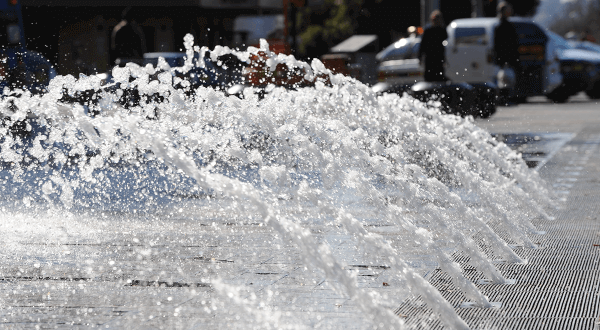
“While greenery does have a cooling effect, the study shows the most effective urban heat mitigation technologies use a combination of water based technologies including fountains in conjunction with cool material technologies such as cool roofs and pavements. Integrating these new and advanced technologies into urban design can greatly reduce the impact of urban heat and assist in cooling Western Sydney.

“These solutions are the best way to enhance the liveability of western Sydney and will deliver greater economic, social and environmental benefits”, said Professor Santamouris.

Dr Storey added, “this is a whole-of-Sydney issue.  Cooling western Sydney means cooling eastern Sydney.  We must think locally but act globally.

“There are large geographical and meteorological forces at play in western Sydney.  On one side we have the large western deserts and desert winds, and on the other the Pacific Ocean and eastern ocean breezes.  Trapped in the middle and bordered by the Blue Mountains is western Sydney, which can be subjected to extreme temperatures in summer time because the area receives little respite from ocean breezes and southerly winds.

“As Sydney is set to experience more prolonged summer heatwaves in future due to a changing climate, it will be critical for temperature peaks to be reduced to improve the thermal comfort for people living in western Sydney.

“The careful selection of water-based technologies and building materials can achieve a decrease of up to 4.5º C, which will take the ‘tops’ off the peak temperatures in extreme heatwave conditions in Sydney’s west”, said Dr Storey.

  • First published by Sydney Water 

Image: Sydney Water

Read more: Future tech for a stable climate

Super-thin, super-capacity, clean batteries from graphene oxide

An energy storage alternative using technology better than lithium or even solar is under development as researchers work to efficiently capture the energy of graphene oxide (GO).  

Under a new $3.45 million Cooperative Research Centre Project (CRC-P) grant, researchers at Swinburne University of Technology and Flinders University will partner with Australian industry to commercialise the world’s first alternative to lithium-ion battery (LIB) technology as an energy storage alternative.

The industry collaboration, with Australian Stock Exchange-listed First Graphene Ltd and  Victorian manufacturer Kremford Pty Ltd, aims to make inroads into the production of a new super-capacity GO-powered battery, an energy storage alternative to the emerging LIB technology.  

Researchers at Swinburne’s Centre for Micro-Photonics are working on a commercially viable, chemical-free, long-lasting safe GO-based supercapacitor which offers high performance and low-cost energy storage capabilities.  

Graphene is the lightest, strongest, most electrically conductive material available and has been predicted to generate revolutionary new products in many industry sectors. But so far unreliable quality and poor manufacturing processes has prevented an industrial graphene market.

Last year First Graphite entered into a research agreement with Professor Raston’s research group at Flinders University to improve GO processing and production.     

The new national CRC Project via the Australian Government’s Advance Manufacturing Fund will expand Flinders University’s clean technologies and nanotech research focus.

Professor Colin Raston, the South Australian Premier’s Professorial Research Fellow in Clean Technology, says there is significant global research to improve energy storage capability to support its role in the development of sustainable energy storage systems.

“For example, we’re seeing the rapid rise of LIB around the world, notably with South Australia’s significant investment in the new storage facility near Jamestown in this State.”

The ‘High performance energy storage alternative to lithium ion batteries’ project seeks to advance the GO-based supercapacitor that has promising superior energy density, flexibility and environmental sustainability ahead of traditional batteries.

“This project aims to develop the manufacturing specifications for the commercial production of a graphene oxide (GO) super-capacitor with the ‘look and feel’ of a LIB but with superior performance across weight, charge rate, lifecycle and environmental footprint factors,” Professor Raston says.

“The production of GO from graphite ore, without generating lots of waste, is an important part of this collaborative project.”

First Graphene (ASX code: FGR) managing director Craig McGuckin says the $1.5 million in CRC-P funding, to be matched by the partner organisations and in-kind, would propel the company’s innovative approach to finding real-world applications for graphene.

“The success in the fourth round of the CRC-P funding demonstrates the high regard in which the company’s research efforts are held,” Mr McGuckin said.

“It also shows the robustness of the programs designed by FGR’s university partners.”

First published by Flinders University, 12 December 2017

Image: By AlexanderAlUS – Own work, CC BY-SA 3.0, https://commons.wikimedia.org/w/index.php?curid=11294534

Read next: The Sunshine Factory 

Cabinet reshuffle disappoints peak body

Science & Technology Australia (STA) is disappointed and concerned that science has been demoted to the assistant ministry following today’s federal cabinet reshuffle.

President of STA, Professor Emma Johnston, said the new Jobs and Innovation portfolio created in the cabinet reshuffle today failed to acknowledge and value the fundamental science that is vital for its existence.

“We are concerned that without a Department specifically responsible for science, Australian science and technology research will not have the focus that it needs and deserves,” Professor Johnston said.

“This is the fourth Minister we’ve had in three years, and the second time that we have not had a Federal Minister for Science – if science is not a priority, we risk damaging the sector and Australia’s future health, wealth and wellbeing.”

Following the cabinet reshuffle, Science & Technology Australia has welcomed the newly appointed Minister for Jobs and Innovation, Senator the Hon Michaela Cash; and the Assistant Minister for Science, Jobs and Innovation, Senator the Hon Zed Seselja to their new portfolios.

“Senator Cash has already expressed an interest in Australian innovation while acting in the role, and we will work hard with her to continue to support Australian science to be world-leading.”

“As the Australian economy grows and the global appetite for innovation and research expands, it is vital that we have strong leadership for the science and technology sectors,” said Professor Johnston.

Professor Johnston extended her sincere gratitude to outgoing Minister, Senator the Hon Arthur Sinodinos, for his energetic and passionate leadership in the role.

“Under Senator Sinodinos we have enjoyed a collaborative and energetic approach to science and technology policy.”

Professor Johnston urged the Government to prioritise investment in science, technology, engineering and mathematics given they are critical to solving Australian and global challenges and they provide strong returns on investment.

“The numbers are in; across the world we see that investment in science and technology pays economic, social and environmental dividends.

“In Australia, the National Health and Medical Research Council returns $3.20 for every $1 it invests in its work,” she said.

“In Europe science provides a 250% return on investment, and in the USA every dollar spent on science and technology returns $2.21 on average.”

“Remarkably in the UK, for every pound government spends on science and innovation, they receive 20-60 pence in return every year, in perpetuity.

“With the right strategy, there’s no reason why Australia can’t take full advantage of these returns. When you look at the figures, it just makes sense to invest in science.”

First published by STA

Read more: Australia’s economy is a House of Cards