
Technology
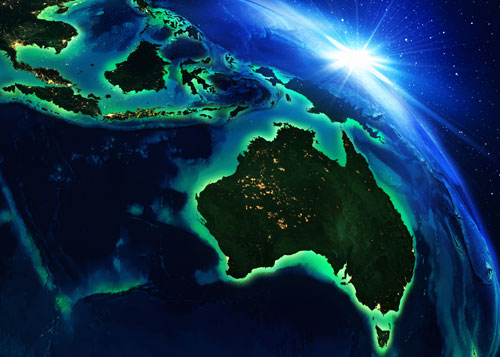
Measuring change
Curtin scientists used the GRACE satellites to measure data on water usage in the Nile Basin from 2002 to 2011.
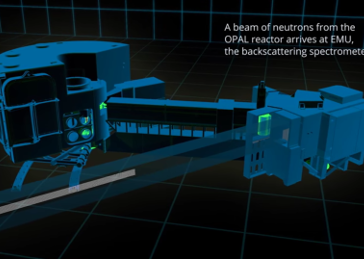
EMU High-Resolution Backscattering Spectrometer
EMU can help scientists to better understand human biology.

New tool for grapevines
A new app developed by University of Adelaide researchers will help grape growers manage their vines.
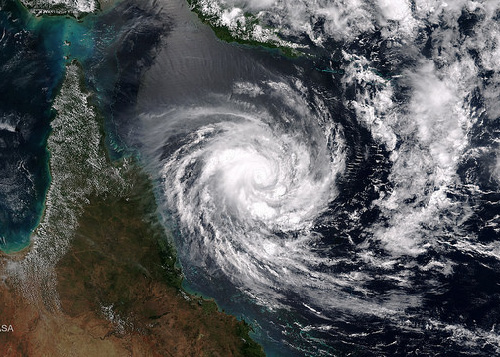
More information means better predictions
In the era of ‘big data’ researchers are working with vast amounts of information about our planet.
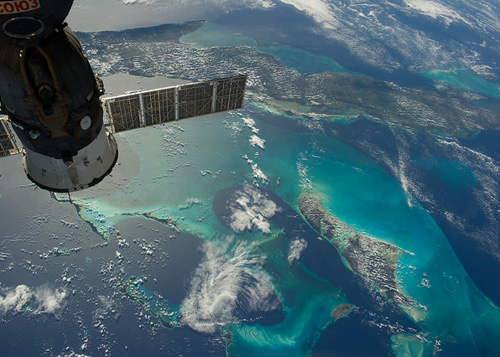
One small step for open data…
NASA has a plan for open data – making its research accessible to the world.

Four things to protect yourself from cyberattack
There are a few things you can do to keep yourself safe online.
Reading vision
A new system enables vision-impaired people to access information from images.
Data discoveries
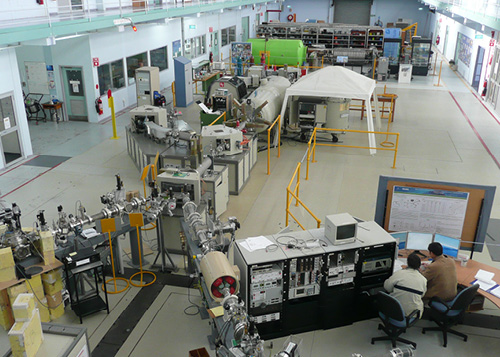
Researchers are combining big data throughput with high-resolution nuclear science techniques to tackle broad environmental issues.
Asia alliance key to the SKA telescope
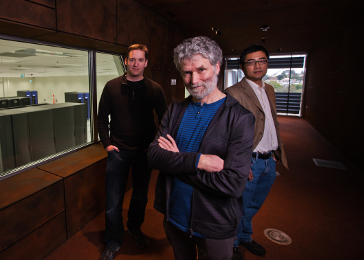
Designing the brain of the world’s biggest telescope is a huge project involving global R&D and industry input.
Far-sighted treatment for myopia
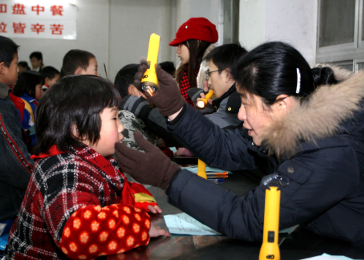
Vision CRC is developing a program to reduce the incidence of myopia, a condition affecting 27% of the globe.
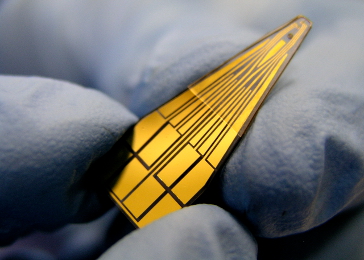
Microtechnology manufacturing success
MiniFAB have risen to success through the production of micro-scale technologies produced for a global market.
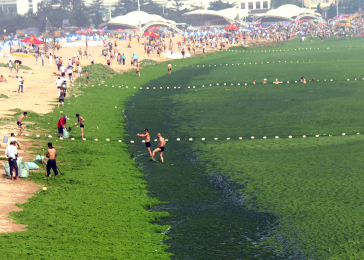
Smart waste solutions with algae and more
MBD Energy is utilising algae and other sources of energy for smart waste solutions.
Southern stars: the decade ahead for Australian astronomy
Astronomy is entering an exciting new era of exploration.
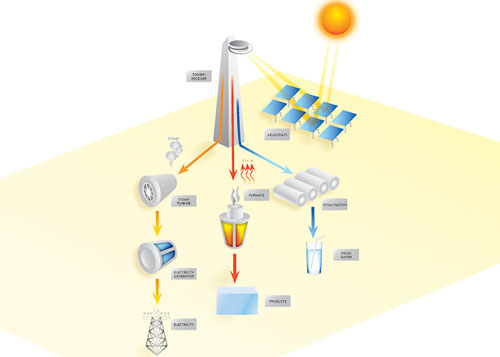
Building power by concentrating light
India has adopted the world-leading renewable energy technology being developed in Australia.

From science fiction to reality: the dawn of the biofabricator
We are witnessing a reshaping of the clinical landscape wrought by the tools of technology.
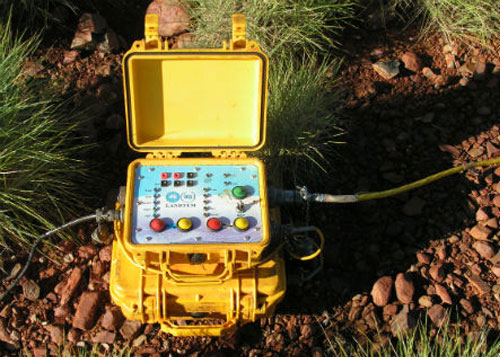
Making mineral exploration easy
LANDTEM is a great example of the commercial application of scientific research.
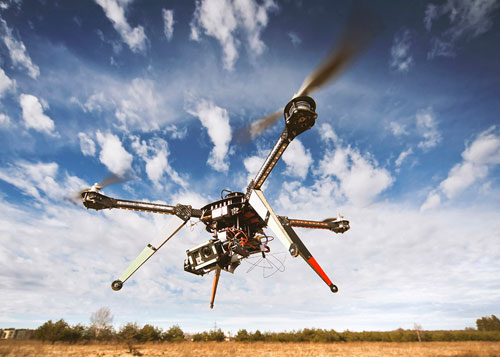
Design innovations are blowing in the wind
RMIT researchers are using state-of-the-art modelling techniques to study the effects of wind on cities.
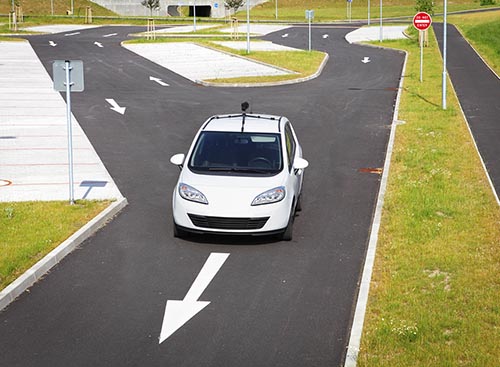
Can driverless cars save the planet?
Driverless cars could provide considerable economic and environmental benefits for Australia.
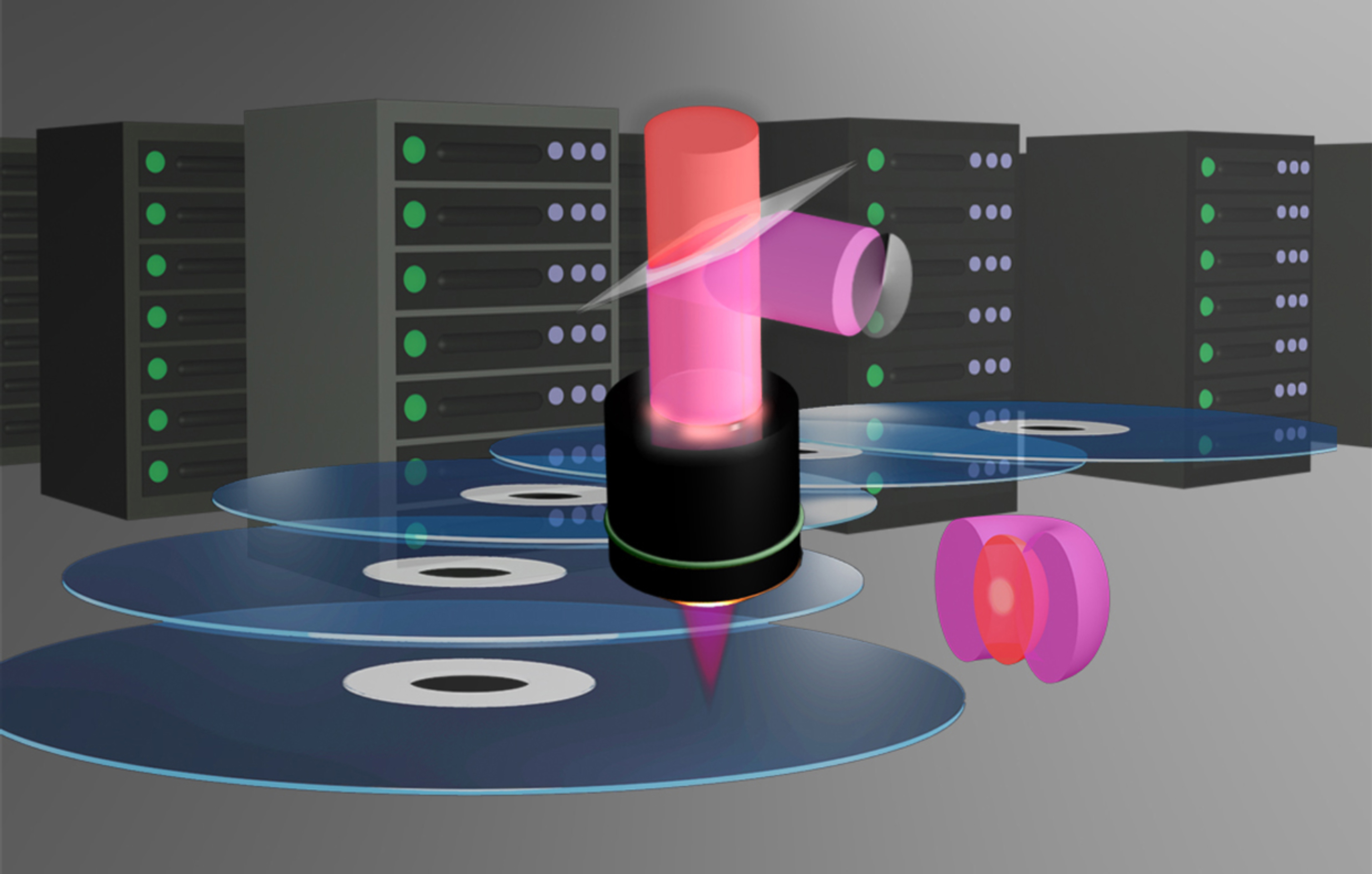
Why DVDs are the new cool tech
Researchers at Swinburne University have developed an innovative approach to increasing the storage capacity of DVDs.

Irrigation innovation
Rubicon is an Australian innovation success story involved in massive irrigation projects in China.
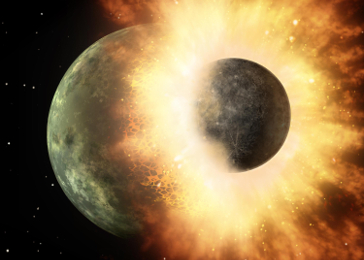
Out of this world
Researchers at Curtin University are using zircon crystals and micro probes to determine the history of Earth, Mars and the Moon.
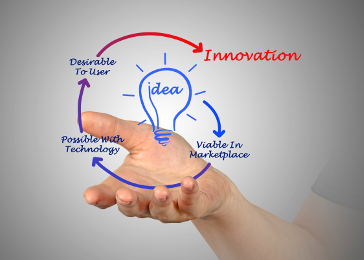
Brace yourselves
It’s a tough journey from the lab bench to the real world but it’s one worth taking. Read why we need to work harder to reap the rewards of innovation.
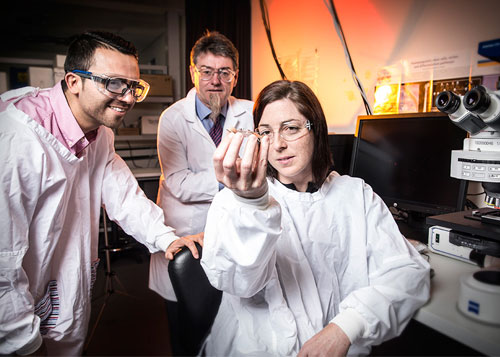
Brain teaser: 3D-printed ’tissue’ to help combat disease
Researchers 3D print artificial brain tissue to investigate the effect of drugs and explore brain disorders.
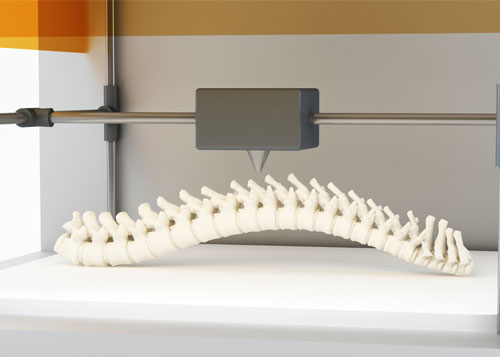
How does 3D printing work?
Medical Parts like hearing aids, braces and other body parts can be 3D printed. Here’s a short video to explain how.