
Technology

E-cigarettes point to babies at risk
While smokers look to e-cigarettes as a healthier alternative, study shows mothers who vape during pregnancy put babies at asthma risk.

Sowing the seeds of technology transfer
Founder of gemaker, Nat Chapman, talks commercialisation in botanical terms, and explains how her team helps turn research into solutions.
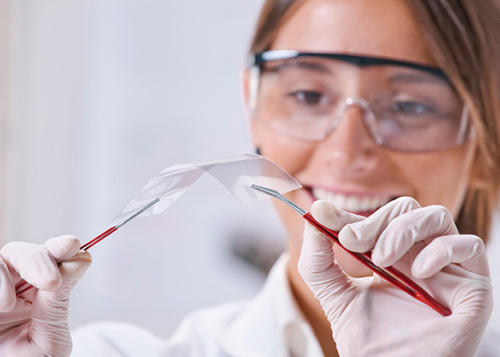
Graphene innovation lowers cost of production
A breakthrough by CSIRO-led scientists has made the world’s strongest material more commercially viable, thanks to the humble soybean.
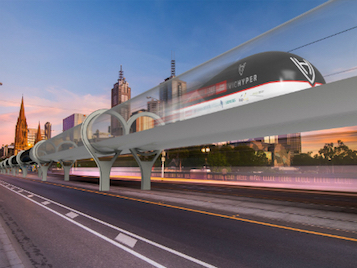
Hyperloop fires up Aussie students
A futuristic pod with a braking system invented by Australian university students may become a critical component in the Hyperloop.
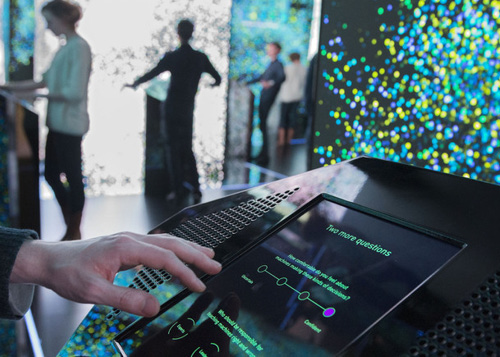
Fourth industrial revolution lifts social good
CEO of Salesforce Rob Acker points out five ways the Fourth Industrial Revolution will transform NGOs.
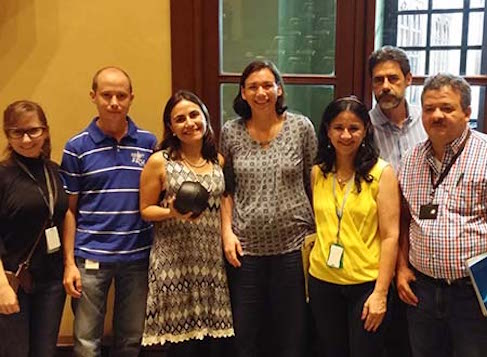
Biosensors to shield against deadly epidemics
Near the height of the Zika virus outbreak, Associate Professor Joanne Macdonald started developing portable diagnostic technologies to save lives.
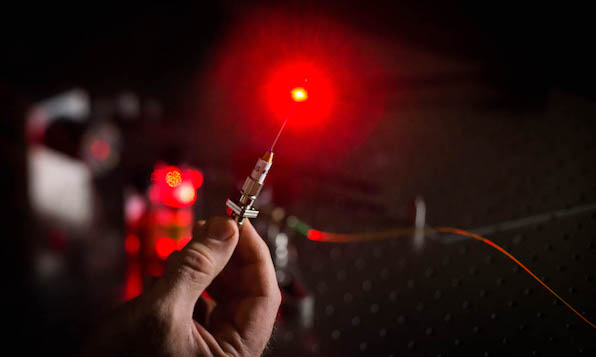
Smart needle uses IOT in brain surgery
A smart needle with an embedded camera is helping doctors perform safer brain surgery.

Blueprints to a collaboration boom
Dr Robin Knight, Director of UK-based collaboration platform IN-PART, shares what Australia and the UK can learn from each other when it comes to commercialisation.
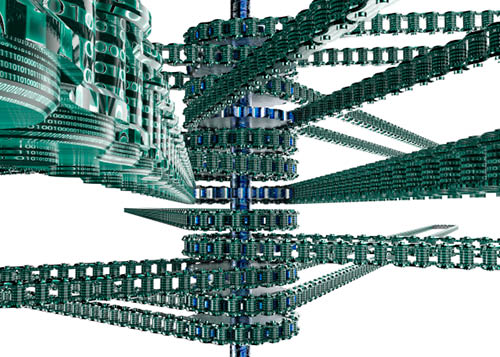
Blockchain tech shaping spatial information
The CRC for Spatial Information has compiled the best blockchain ideas from PhD students taking part in their 2016 “Solvathon”.

Robots hunt down crown-of-thorns
QUT’s COTSbot is the world’s first robot to control the crown-of-thorns starfish, a coral killer that has destroyed vast stretches of the Great Barrier Reef.
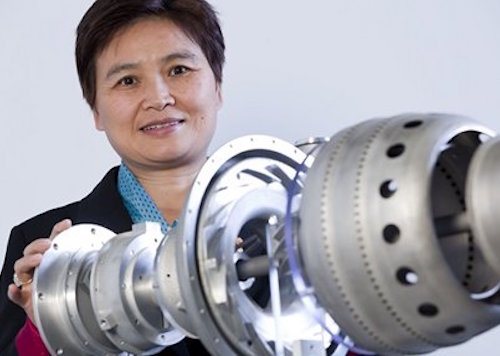
3D printing turbo-boost for university spin-off
Melbourne’s 3D printed jet engine technology is flying into production in France.
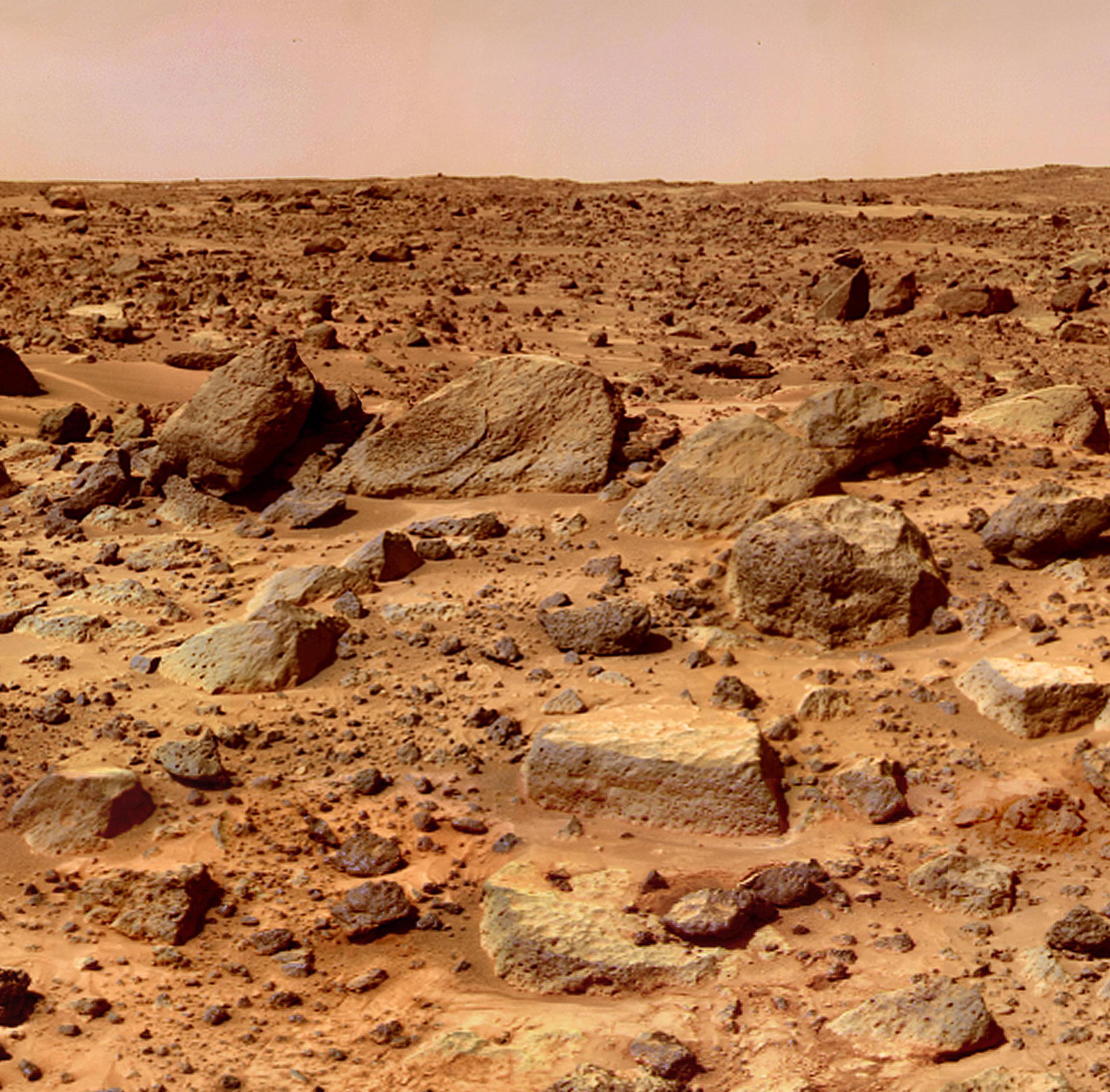
Find the best 5 ways to get to Mars
We shortlist your best 5 ways to get to Mars in the short term, plus the most hopeful new technology taking us further to space.
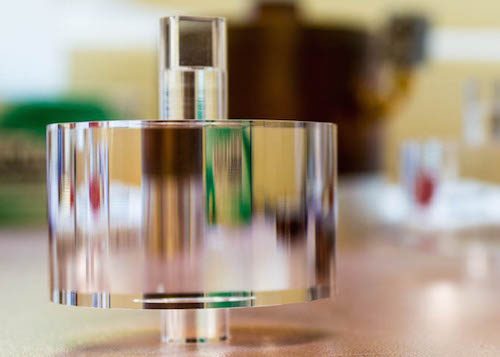
Sapphire Clock ticks towards the attosecond
The world’s most precise clock has been fine-tuned to boost radar and GPS capabilities.
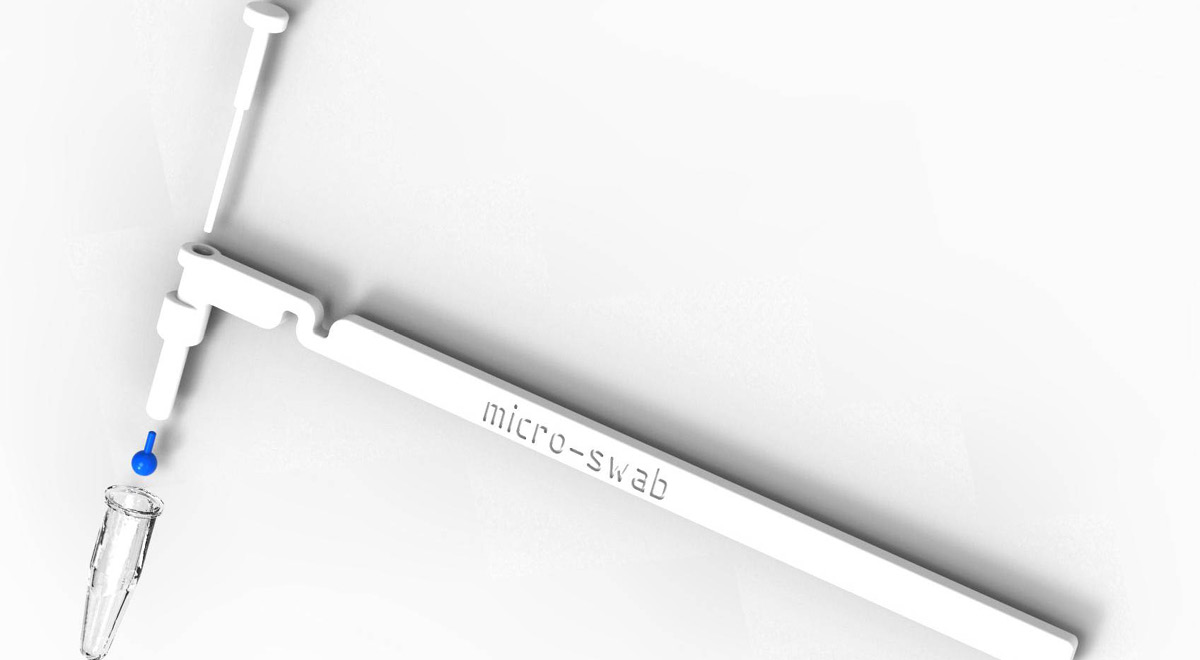
Micro-Swab enables DNA evidence
A new DNA extraction technology developed in South Australia has the potential to become a powerful forensic tool for criminal investigations.
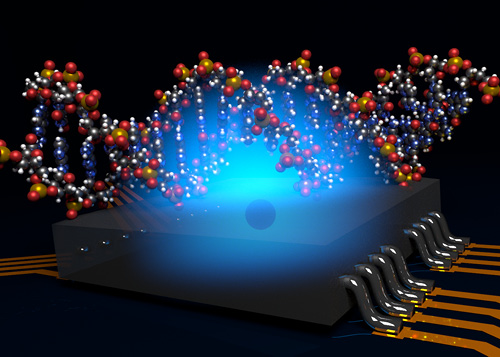
Quantum MRI machine to enable drug discovery
The ARC Centre of Excellence for Quantum Computation and Communication Technology has collaborated with University of Melbourne researchers to transform biomolecular imaging.
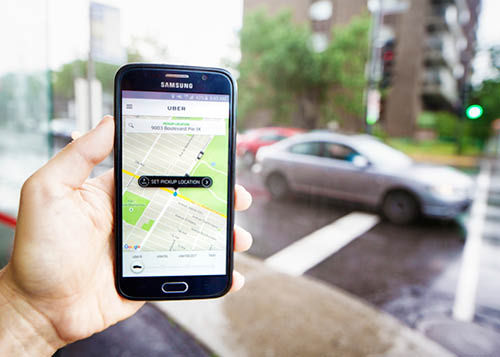
Uber-type services growing in popularity
A new survey from the University of Sydney reveals that disruptive ride-sharing technologies like Uber are becoming more popular in Australia.
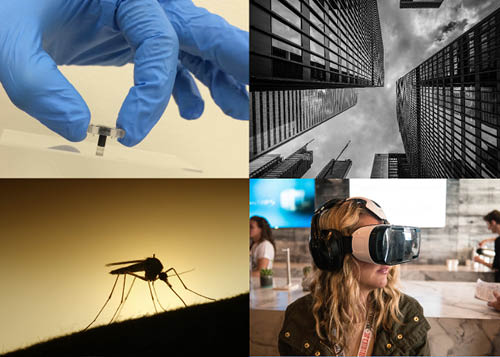
6 Disruptive University Technologies
From energy harvesting skyscrapers to Zika zapping, here are some of the most creative and potentially disruptive university technologies of 2016.
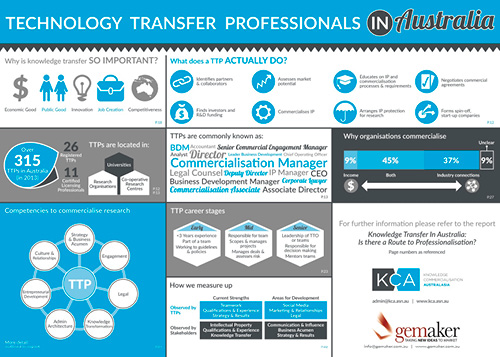
Empowering knowledge transfer
The world’s first Technology Transfer Professional (TTP) Capability Framework has been developed to help TTPs take research to market more effectively.
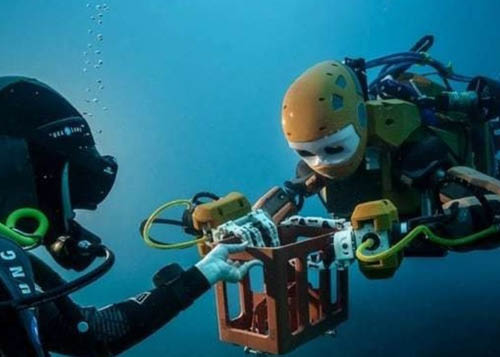
Blue technology revolution
Whether it’s research, engineering or harvesting energy these 12 emerging technologies are set to change the way we work under the sea.

Degas masterpiece uncovered
Australian scientists and conservators have revealed an earlier painting of a different woman beneath Edgar Degas’ famous masterpiece Portrait of a Woman.
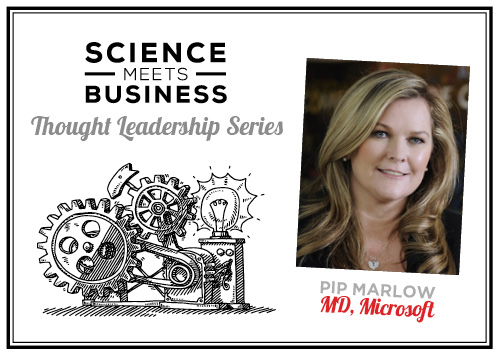
From maths to Microsoft
If we want more women to enter careers in STEM, we need to start encouraging our girls, says Pip Marlow, Managing Director of Microsoft Australia.
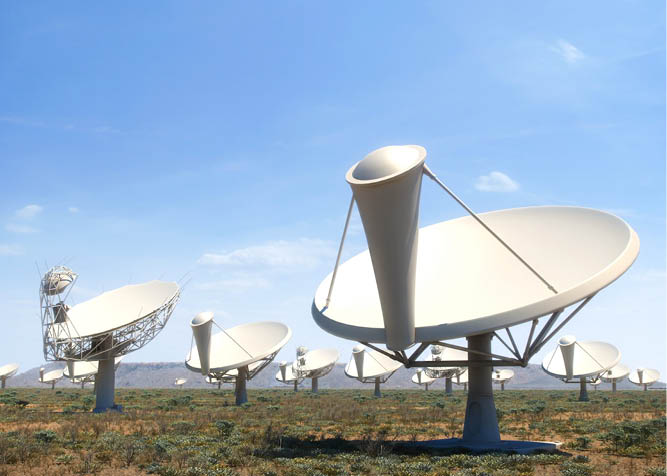
Introducing the world’s largest radio telescope
In this new trailer released by the International Centre for Radio Astronomy Research viewers get a glimpse of the largest science facility ever built by mankind.
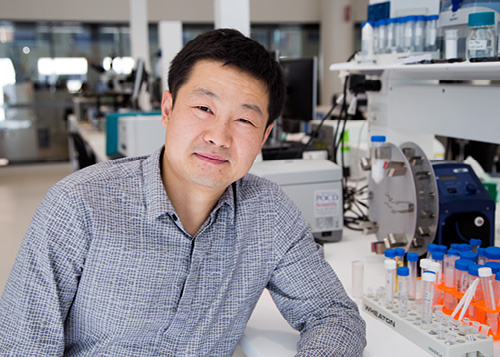
Biophotonics pioneer
Professor Dayong Jin from the University of Technology, Sydney is harnessing light to revolutionise the future of medicine.
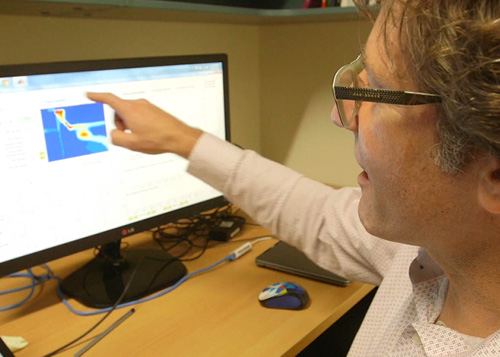
Diagnosing dysphagia without radiation
A new analysis software that simplifies dysphagia diagnoses will speed up results and eliminate the need for x-rays.