News
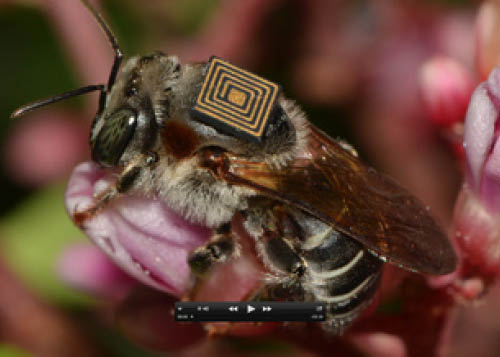
Honeybee health: a #dataimpact story
ANDS is celebrating the real-world impact of data with their #dataimpact campaign. Their latest article tells how large datasets are improving pollination protection.
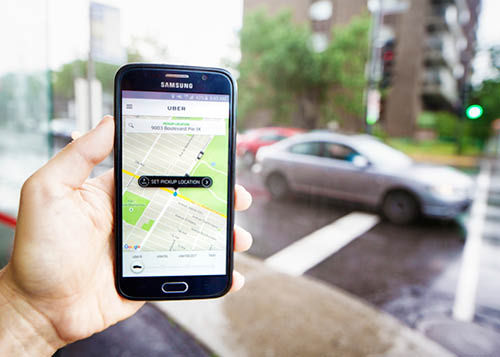
Uber-type services growing in popularity
A new survey from the University of Sydney reveals that disruptive ride-sharing technologies like Uber are becoming more popular in Australia.

Maths researchers optimise Woodside’s vessel efficiency
Curtin University researchers have developed new mathematical models to make Woodside’s vessel operations more efficient.
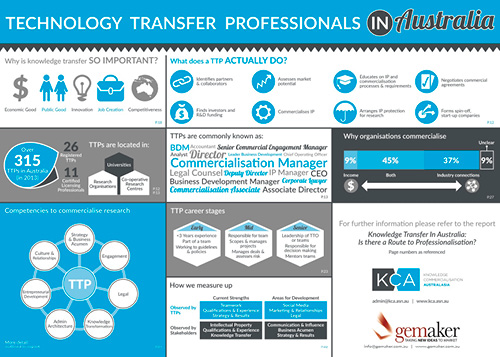
Empowering knowledge transfer
The world’s first Technology Transfer Professional (TTP) Capability Framework has been developed to help TTPs take research to market more effectively.
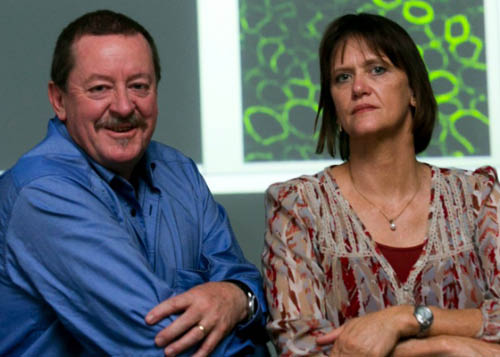
FDA approves Duchenne muscular dystrophy drug
The FDA has approved of an innovative new treatment for Duchenne muscular dystrophy. The drug was developed by researchers from Murdoch University.
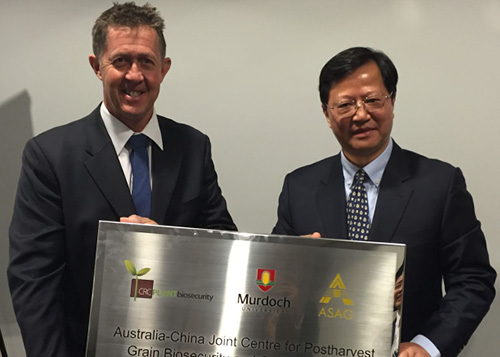
Securing the future of grain
Australia and China partner form a new research partnership towards grain biosecurity.

Degas masterpiece uncovered
Australian scientists and conservators have revealed an earlier painting of a different woman beneath Edgar Degas’ famous masterpiece Portrait of a Woman.

Birth defects: a data discovery
The Australian National Data Service is celebrating the real-world impact of data with their #dataimpact campaign. Their latest article tells the story of a data discovery that radically reduced birth defects.
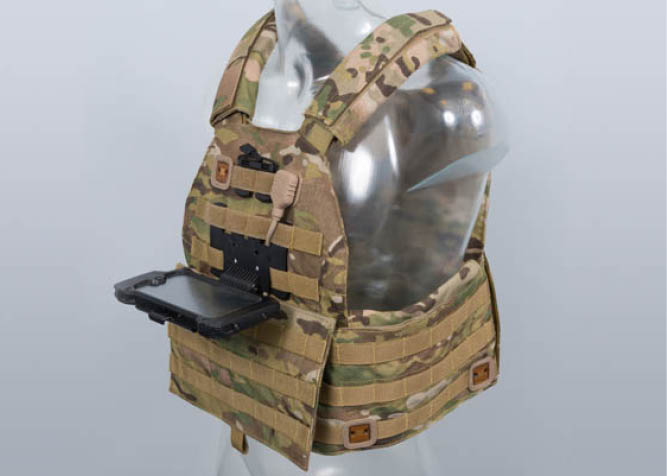
E-textile helps soldiers plug in
A new wireless e-textile developed by BAE Systems allows soldiers to plug electronic devices, like a smartphone, into their armour.
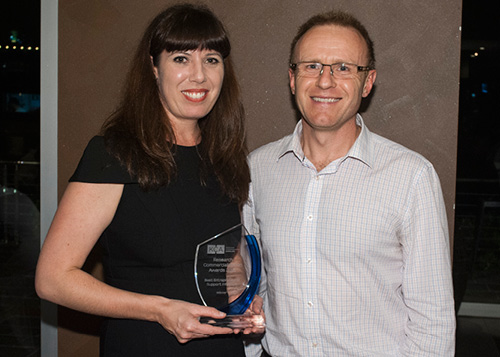
Research commercialisation awards
Knowledge Commercialisation Australasia (KCA) announced the winners of their Research Commercialisation Awards at KCA’s annual conference.
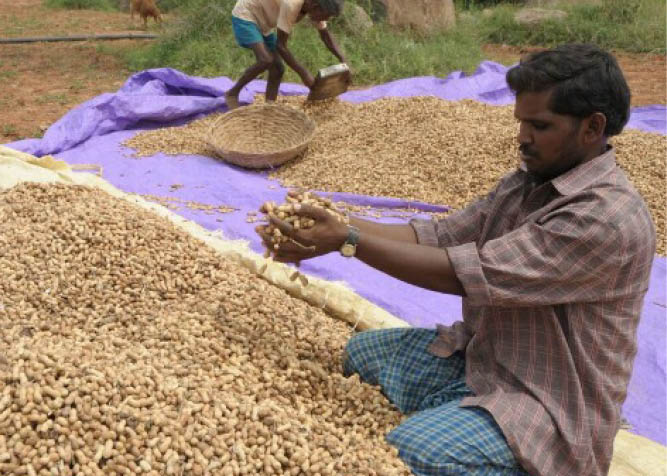
Peanut genome key to non-allergenic products
Aussies with a peanut allergy may soon be able to enjoy peanut butter without a reaction thanks to plans to develop a non-allergenic ‘super’ peanut.
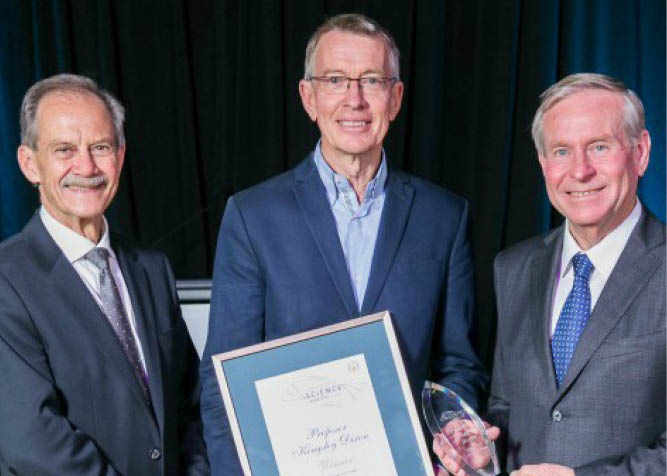
Plant researcher wins Scientist of the Year
Internationally renowned plant and seed researcher Professor Kingsley Dixon has won the $50,000 WA Scientist of the Year award.

Cochlear implant electrodes improve hearing
A new study has shown that cochlear implant electrodes improve hearing in patients and reduce inflammation caused by implantation.
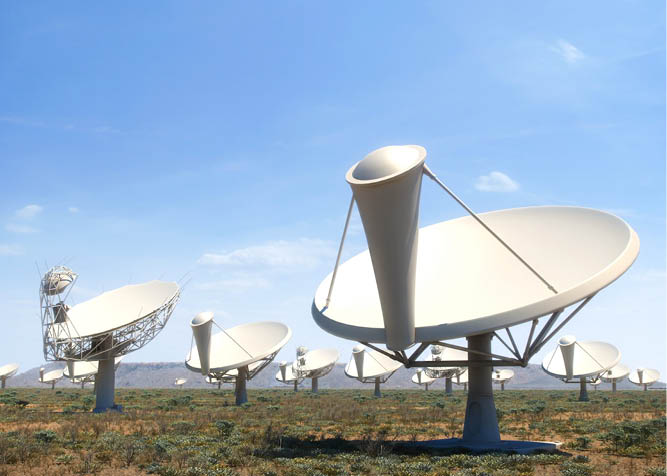
Introducing the world’s largest radio telescope
In this new trailer released by the International Centre for Radio Astronomy Research viewers get a glimpse of the largest science facility ever built by mankind.
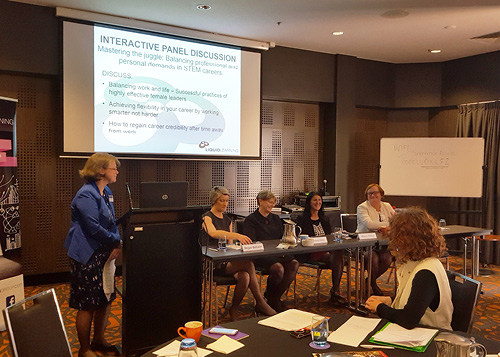
Career breaks in STEM
Industry leaders at the national Women in STEM Leadership Summit discuss how to maintain work-life balance and incorporate important breaks into a successful STEM career.
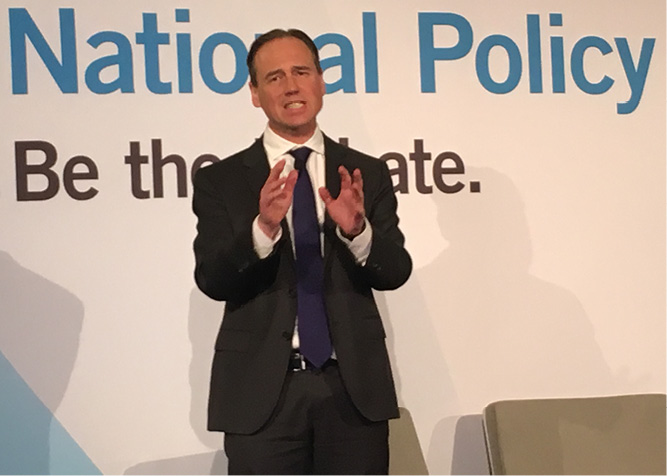
Innovation breathes new life into old business
With the window of opportunity closing for businesses to get on board the fourth industrial revolution, Australian leaders urge old corporations to take action now.

Commercialisation boost for businesses
$11.3 million has been allocated to 20 Australian businesses to boost commercialisation.

Research commercialisation is push and pull
Industry needs to ‘lean in’ to commercialisation and partnership opportunities, say universities.

What are the big three drivers to job growth?
Australian business leaders identify crucial factors for innovation and economic growth at the 2016 AFR National Innovation Summit.
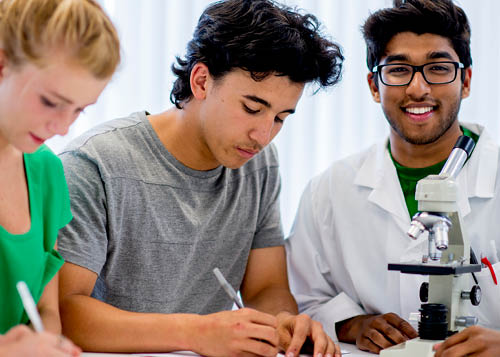
Science graduates high risk or high reward?
Australia’s academic and industry leaders call the Grattan Institute’s Mapping Higher Education Report “near-sighted” in its assessment of science graduate employability.

Great Barrier Reef cleanup
A new report from Alluvium has estimated that cleaning up the Great Barrier Reef will cost $8.2 billion. How does this compare with its value?
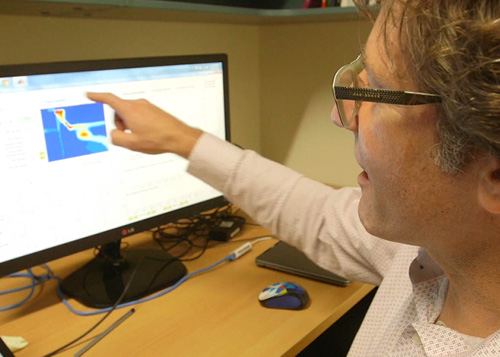
Diagnosing dysphagia without radiation
A new analysis software that simplifies dysphagia diagnoses will speed up results and eliminate the need for x-rays.

Collaboration platform welcomes universities
Two Australian universities have joined an international platform that aims to facilitate university-industry collaborations.
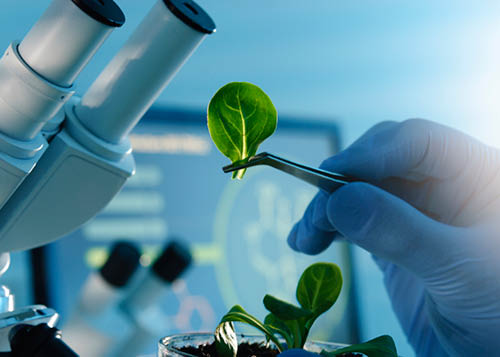
Australia’s biosecurity future
Australia calls for leadership and coordination to avoid gaping hole in Australia’s biosecurity.