
News
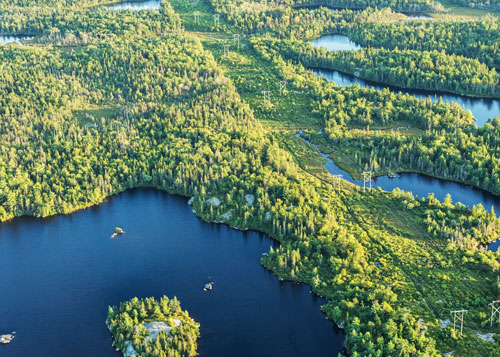
Forest decline is slowing
Forests worldwide are declining but the rate of decline is slowing due to improved forest management.
L’Oreal-UNESCO for Women in Science Fellow 2015
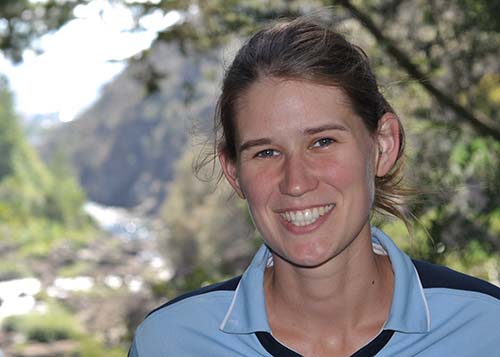
JCU scientist is named L’Oreal-UNESCO for Women in Science Fellow 2015.
Mosquito urban wetlands
Safer, healthier and biodiverse urban wetlands are the goal for Jayne Hanford’s PhD research.

Southern stars: the decade ahead for Australian astronomy
Astronomy is entering an exciting new era of exploration.
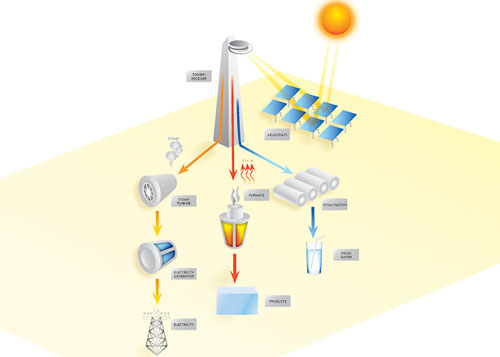
Building power by concentrating light
India has adopted the world-leading renewable energy technology being developed in Australia.
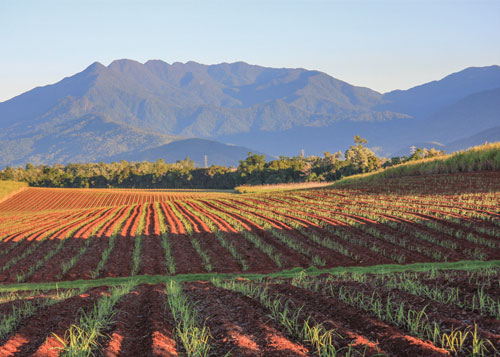
Work on barren soil may bear fruit
Scientists have made significant progress in determining what causes soil acidification.

From science fiction to reality: the dawn of the biofabricator
We are witnessing a reshaping of the clinical landscape wrought by the tools of technology.
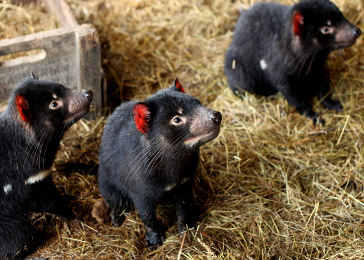
New Devils research
New research has found that Devil Facial Tumour Disease (DFTD) has been changing to increase infection rates.
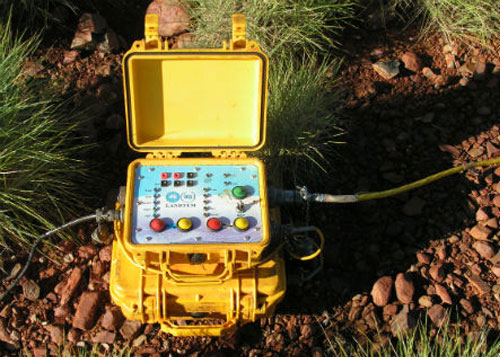
Making mineral exploration easy
LANDTEM is a great example of the commercial application of scientific research.
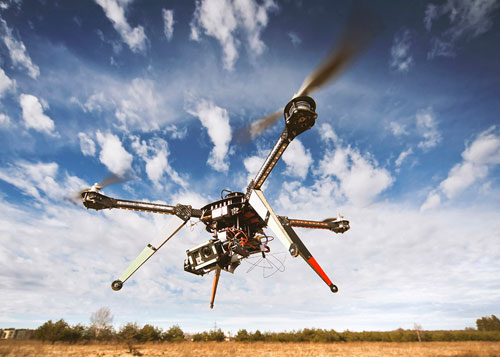
Design innovations are blowing in the wind
RMIT researchers are using state-of-the-art modelling techniques to study the effects of wind on cities.
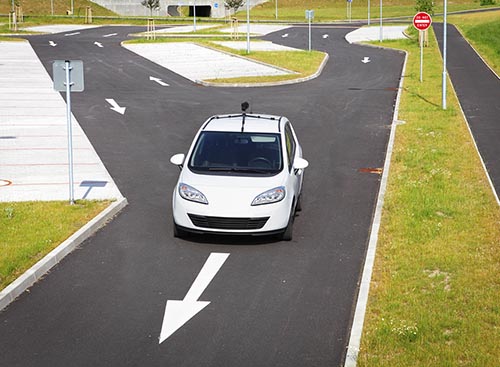
Can driverless cars save the planet?
Driverless cars could provide considerable economic and environmental benefits for Australia.

Housing industry could save auto jobs
Growth in Australia’s modular building housing industry could save jobs from the auto manufacturing industry.
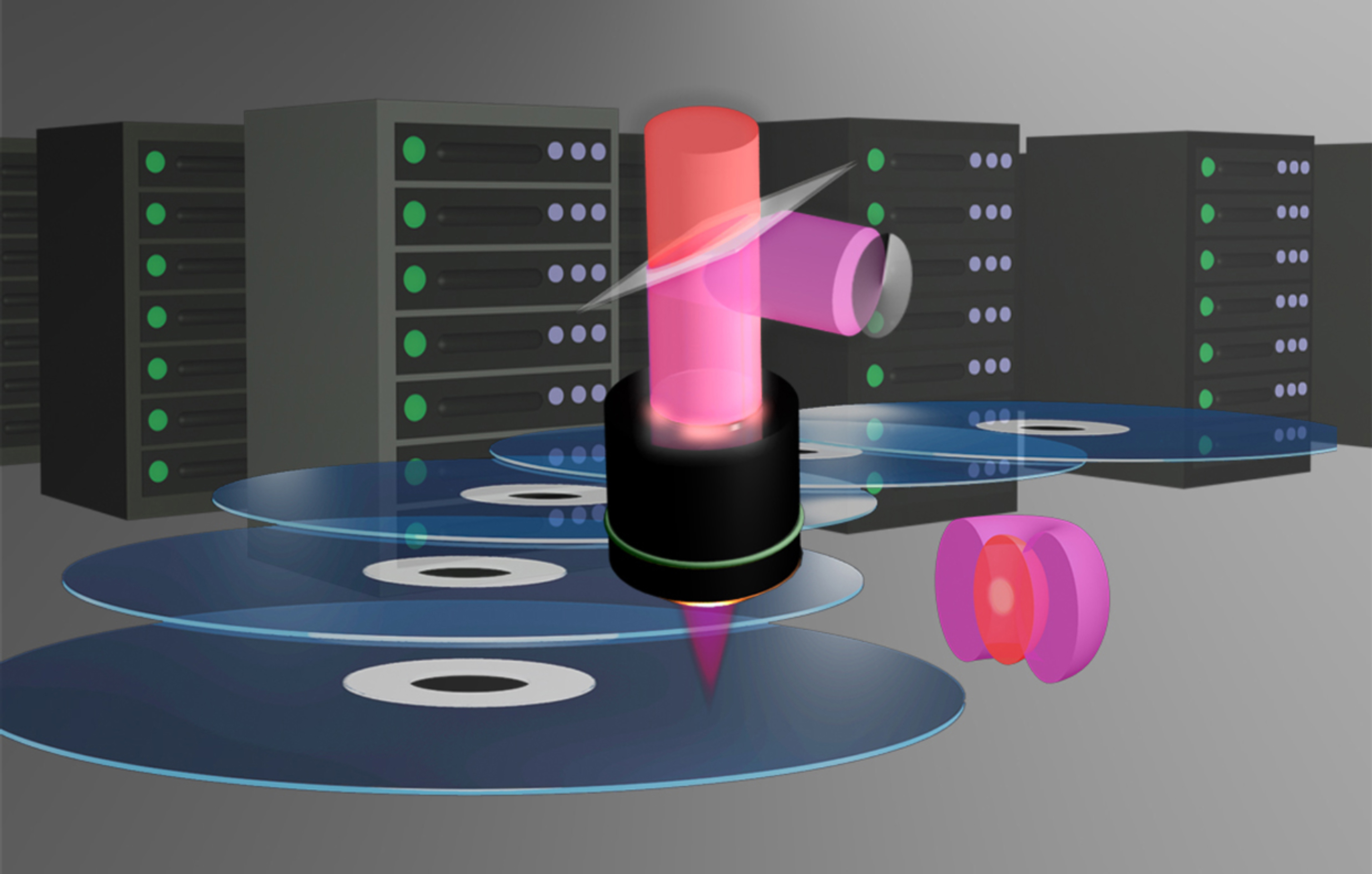
Why DVDs are the new cool tech
Researchers at Swinburne University have developed an innovative approach to increasing the storage capacity of DVDs.
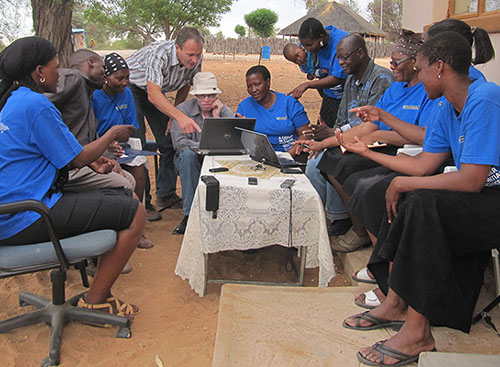
Big data to solve global issues
Curtin University’s spatial sciences teams are using big data, advanced processing power and community engagement to solve social and environmental problems.

Out of this world
Researchers at Curtin University are using zircon crystals and micro probes to determine the history of Earth, Mars and the Moon.
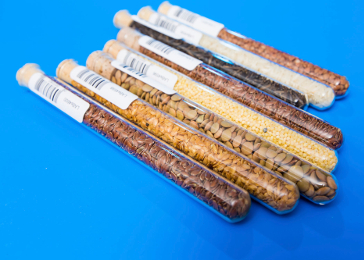
Two new barley plant genes discovered
A group of international researchers have discovered two new genes in the barley plant that will shed light on the history of agriculture and also bring new capabilities to barley breeding programs.
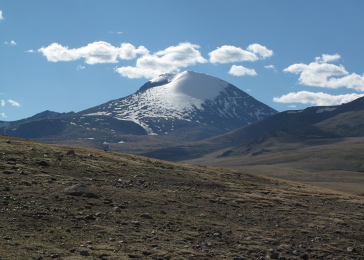
A new climate of collaboration for ANSTO
There is a growing number of avenues of research parnerships in Asia for the Australian Nuclear Science and Technology Organisation (ANSTO).

Baby immunisation: One in 10 infants at risk
A study has shown children from socially disadvantaged backgrounds are at greater risk because they lack immunisation.

World champions of RoboCup soccer return to Sydney
UNSW Australia’s RoboCup world champions return home.
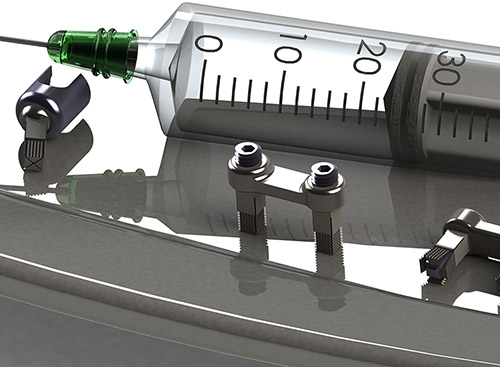
3D-printing makes better bone screw
A novel type of expandable bone fastener created by 3D-printing can make spinal surgery safer for the patient and easier for the surgeon.

Test on chemo drugs predict side effects
A test hopes to identify chemotherapy drugs causing unwanted side effects for sarcoma cancer patients.
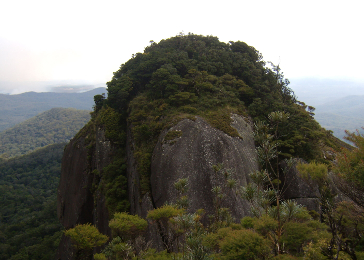
High-altitude climate change to kill cloud forest plants
Due to the effects of climate change, it is predicted that much of Australia’s native flora living 1000 m above sea level will go extinct.
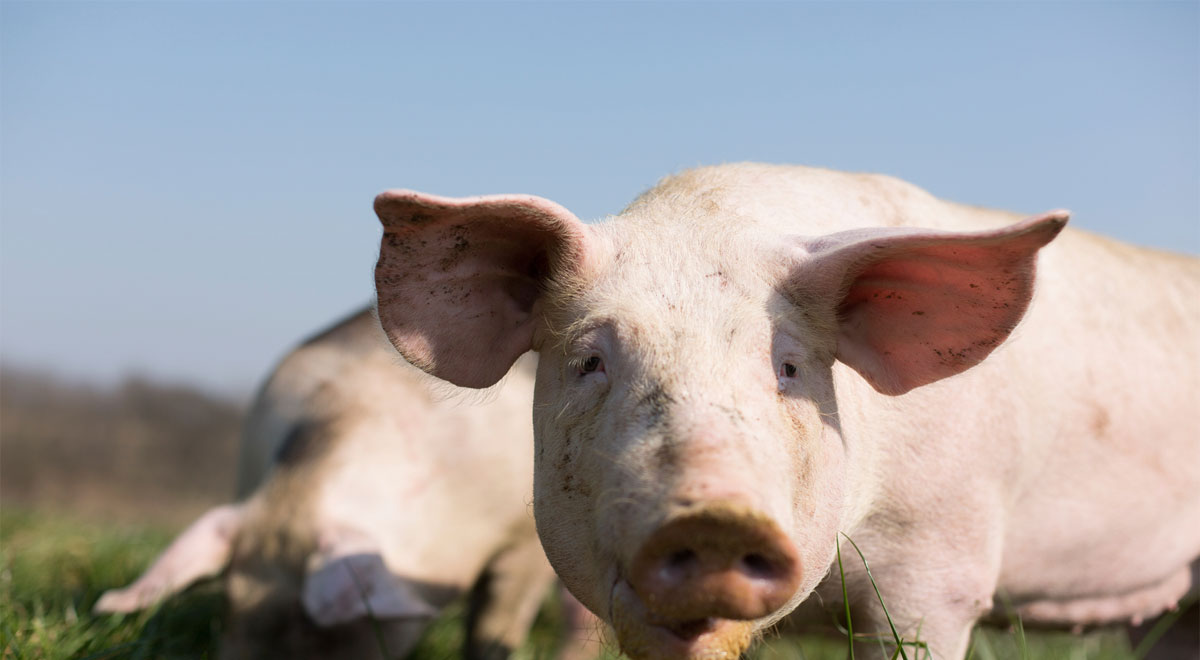
Pig and poultry welfare research receives $1 million grant
A $1 million grant will to expand animal welfare research facilities.
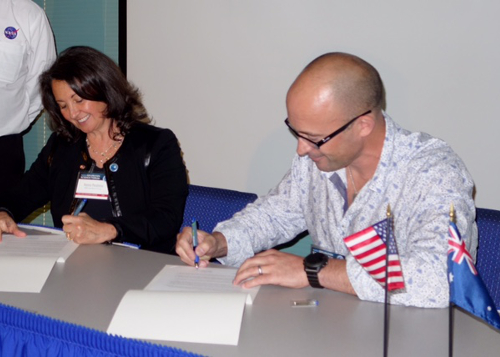
Curtin University in NASA’s Orbit with new SSERVI deal
A new agreement between Curtin and NASA’s Solar System Exploration Research Virtual Institute (SSERVI).