
Highlight

Driving innovation by creating beta-testing sites for researchers
NSW could significantly increase technological innovation and new product development by creating beta-testing sites within NSW for university researchers.

Australian hospitals are under constant cyber attack.
Recently, the Australian Cyber Security Centre (ACSC) issued warnings to Australian health-care providers that it had observed an increase in cyber incidents targeting the sector.
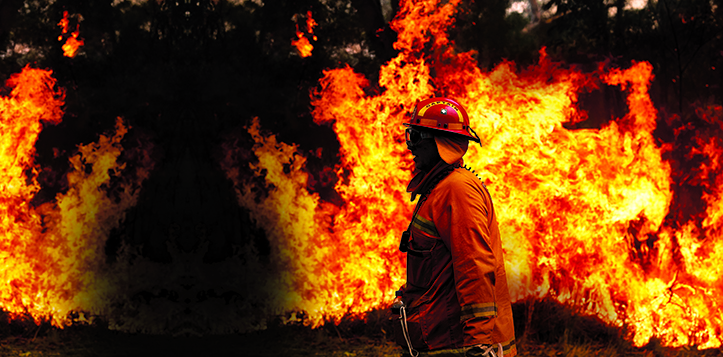
Reducing risk in mega wildfires
Fighting wildfires is one of the most dangerous professions in the world but new ECU research may reduce firefighter injuries and fatalities whilst responding to large wildfires.
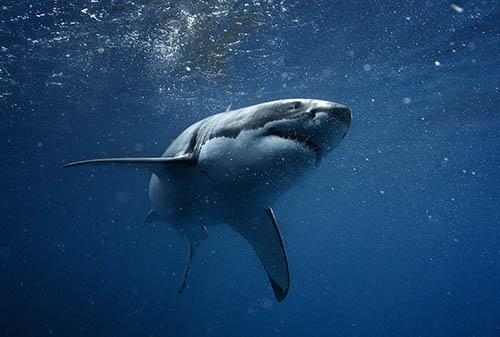
Determining shark ‘Deterrent’ devices from snake oil
Globally, the number of shark bites is on the rise, with a threefold increase since 1982. White sharks, bull sharks and tiger sharks are most commonly responsible.

First-of-its-kind chatbot developed to support genetic counselling
Scientists at CSIRO, Australia’s national science agency, in partnership with Melbourne Genomics Health Alliance, have developed an Australian-first digital conversation agent (a ‘chatbot’) that could support patients in making informed decisions about genomic testing for future health risks.

Jane O’Dwyer to lead CRC Association
Jane O’Dwyer will become the Chief Executive Officer of the Cooperative Research Centres Association (CRC Association)
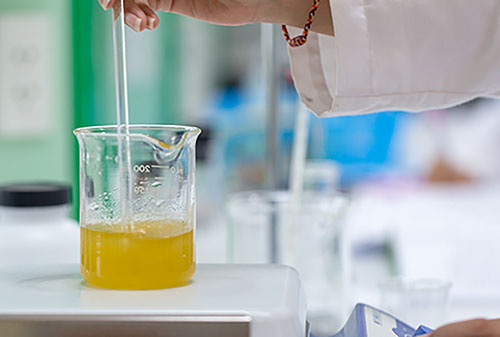
Making biodiesel from dirty old cooking oil and ag waste just got way easier
Low-cost method for recycling used cooking oil and agricultural waste into biodiesel.
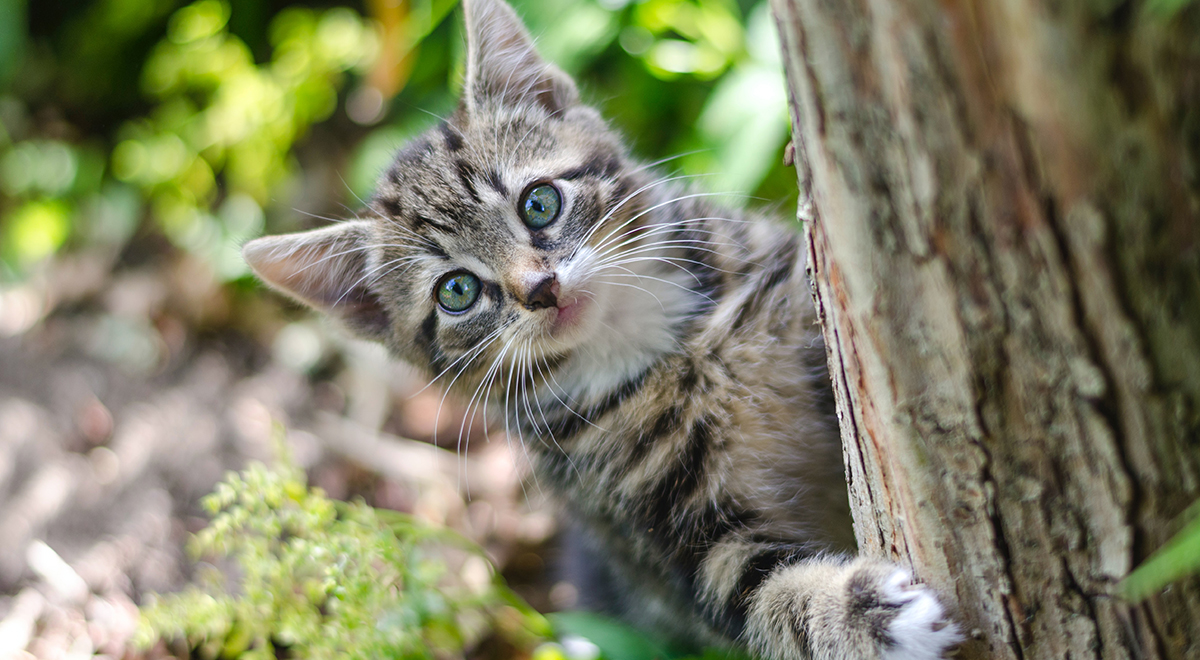
Smart collar to track your pet in real-time
CSIRO’s Data61, the digital specialist arm of Australia’s national science agency, announced today it is developing a prototype smart pet collar in collaboration with agtech company Ceres Tag, that will enable pet owners to accurately track the location of their animal from a short and long distance, filling a gap in the smart collar market.

How Australia can reap the benefits and dodge the dangers of the Internet of Things
Report provides evidence of the benefits and challenges the IoT presents Australia over the next decade.
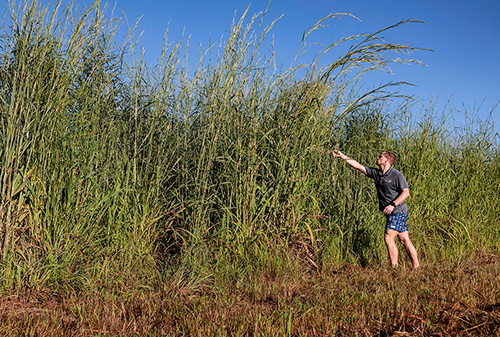
Machine learning helps to map invasive gamba grass from space
Researchers have developed a machine-learning approach that reliably detects invasive gamba grass from high-resolution satellite imagery.

Bulk ore sorting goes Olympic
One of the world’s biggest resources companies recently engaged the services of an Australian research consortium to examine deployment of cutting edge preconcentration techniques.
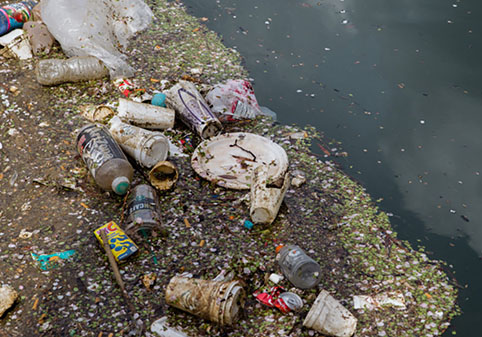
CSIRO and partners take aim at ending plastic waste
CSIRO, Australia’s national science agency, is developing a major research program to tackle plastic waste and reimagine the future of plastics.
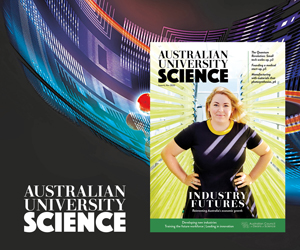
Industry Futures: latest issue of Australian University Science
As science delivers new insights and tools, new industries are emerging. Australian University Science magazine highlights these stories

Super-charging Australia’s biggest renewables project
Australia doesn’t yet export renewable energy. But the writing is on the wall: demand for Australia’s fossil fuel exports is likely to dwindle soon, and we must replace it at massive scale.

Why we work better together
University science works with the CSIRO to build communities around new and groundbreaking areas of research as well as facilitating connections and collaborations with industry.
Five ways science is fuelling new industries
Australia’s strong science research and training are integral to driving new economies.
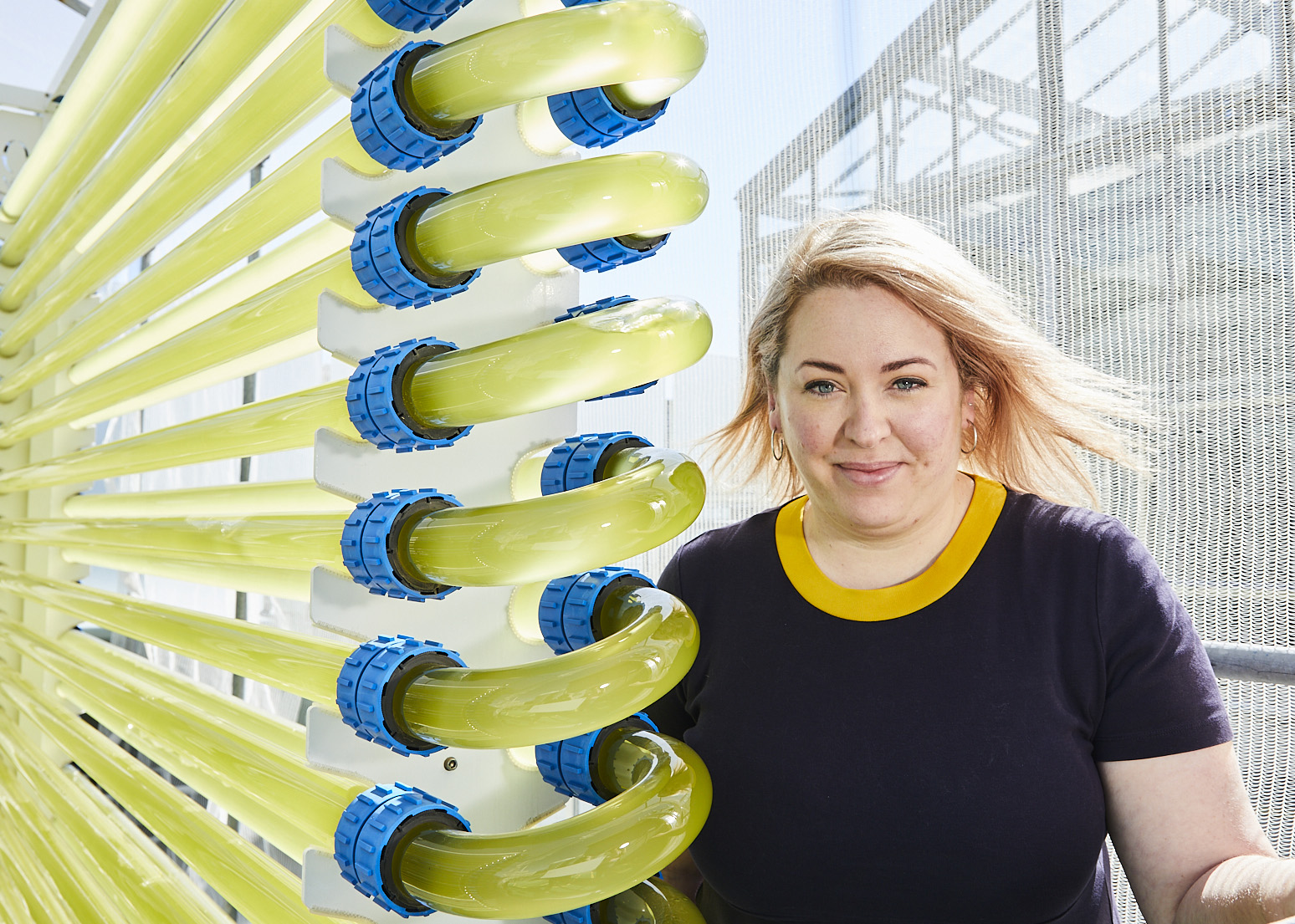
Building better economic futures
The new era in manufacturing is driven by long-term science from Australia’s universities.

Three examples of bold quantum science
Accelerated by university research, quantum technology goes far beyond computers. Here are three examples of bold quantum science.
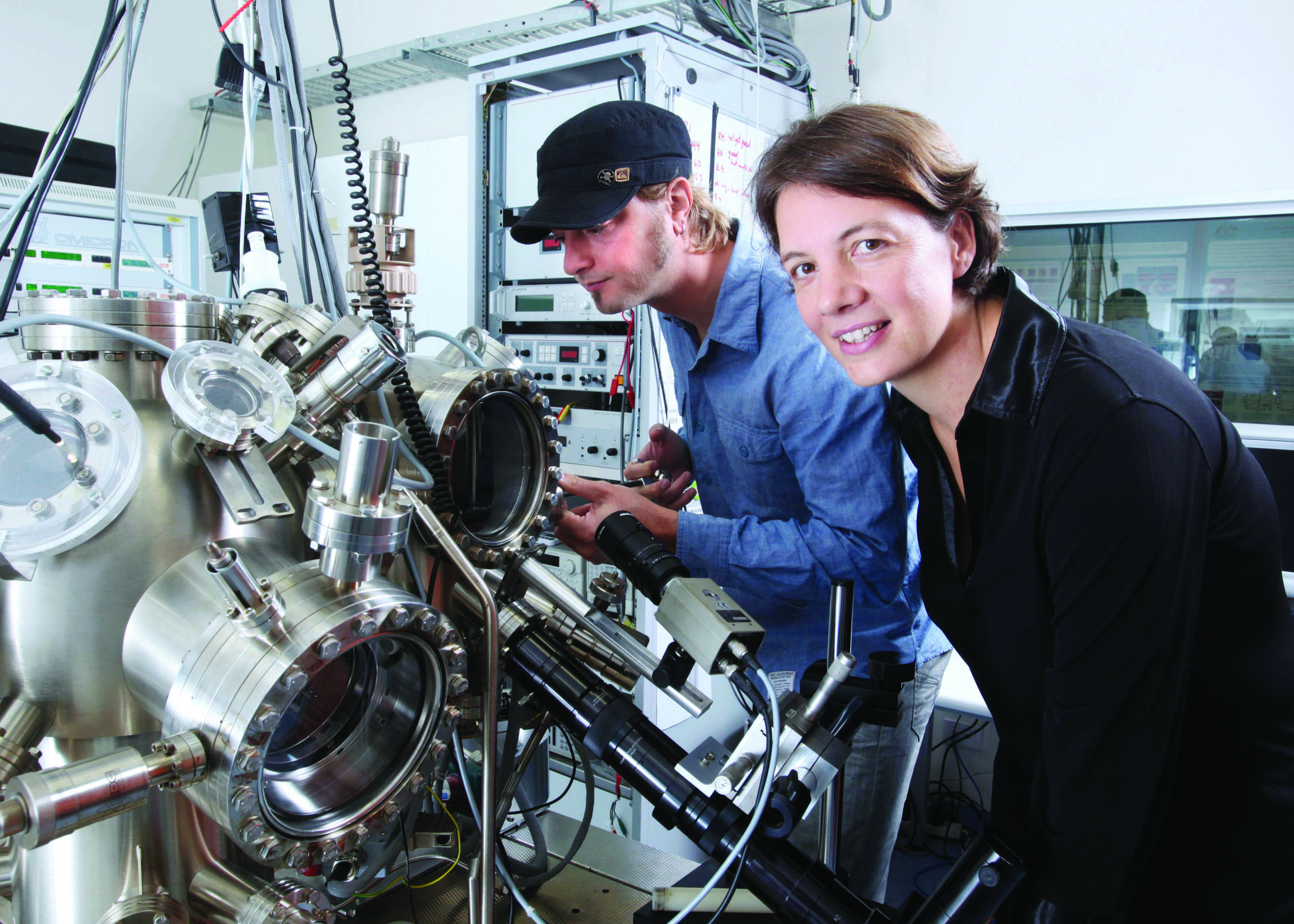
The Quantum Revolution scales up
Quantum mechanics began as curiosity-driven university research into fundamental physics, and now drives advances in everything from computing, communications, mining and medicine to finance.
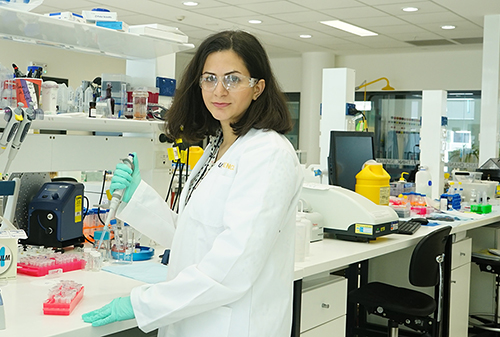
A Reverse Engineering Journey
Dr Maryam Parviz will join Dr Debbie Saunders and Professor Tony Weiss in a Spark Festival discussion at 12 noon on 15 October from 12 pm. Crazy Works – Startups have more impact than papers will consider how academic researchers can be better prepared to create startups.
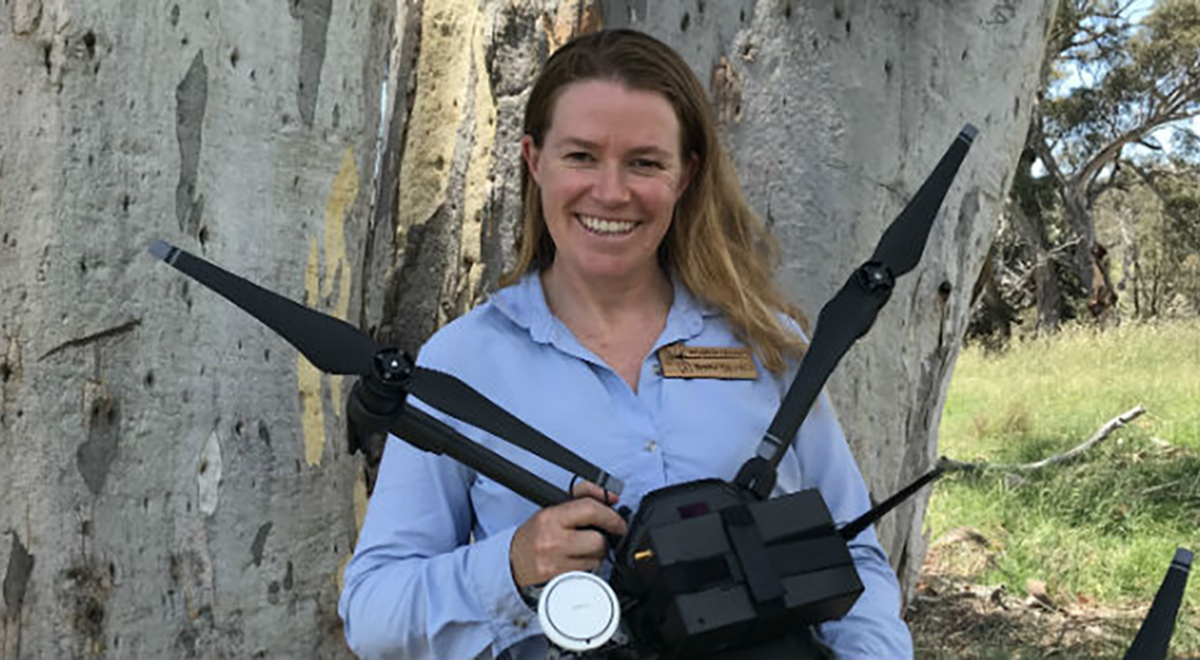
Using drones to conserve wildlife
Dr Debbie Saunders will join Dr Maryam Parviz and Professor Tony Weiss in a Spark Festival discussion at 12 noon on 15 October from 12 pm. Crazy Works – Startups have more impact than papers will be a lively discussion about how academic researchers can be better prepared to create startups.
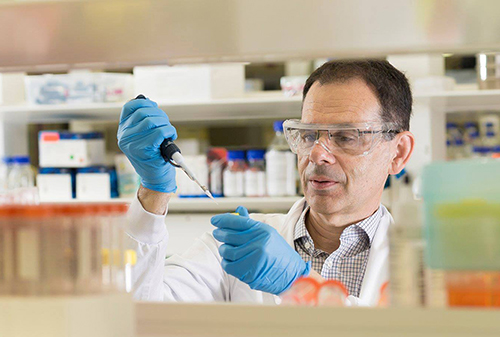
Medtech entrepreneur finds success in commercialisation
Professor Tony Weiss will join Dr Maryam Parviz and Dr Debbie Saunders in a Spark Festival discussion at 12 noon on 15 October from 12 pm. Crazy Works – Startups have more impact than papers will consider how academic researchers can be better prepared to create startups.
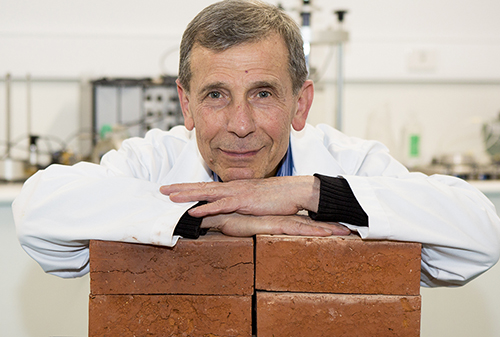
How cigarette butts can be recycled into bricks: a step-by-step plan
Researchers have shown how industries could work together to recycle cigarette butts into bricks, in a step-by-step implementation plan for saving energy and solving a global littering problem.

Space technology to boost water quality management
Satellites in space and a network of ground-based sensors could be used to monitor the quality of Australia’s inland waterways, reservoirs and coastal environments.