
Health
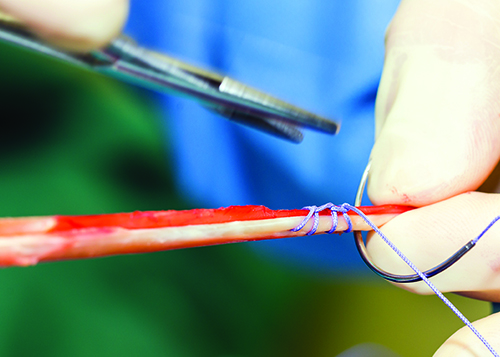
Digital Health: Better for you
Digital health, improved data integration and innovative manufacturing are making Australians healthier.

Blue light helps the body clock tick
Flooding the night with light affects the human production of melatonin – a hormone that helps regulate sleep.

Rostering for better health and productivity
Shift work and irregular rostered hours can worsen workers’ health, safety and productivity.
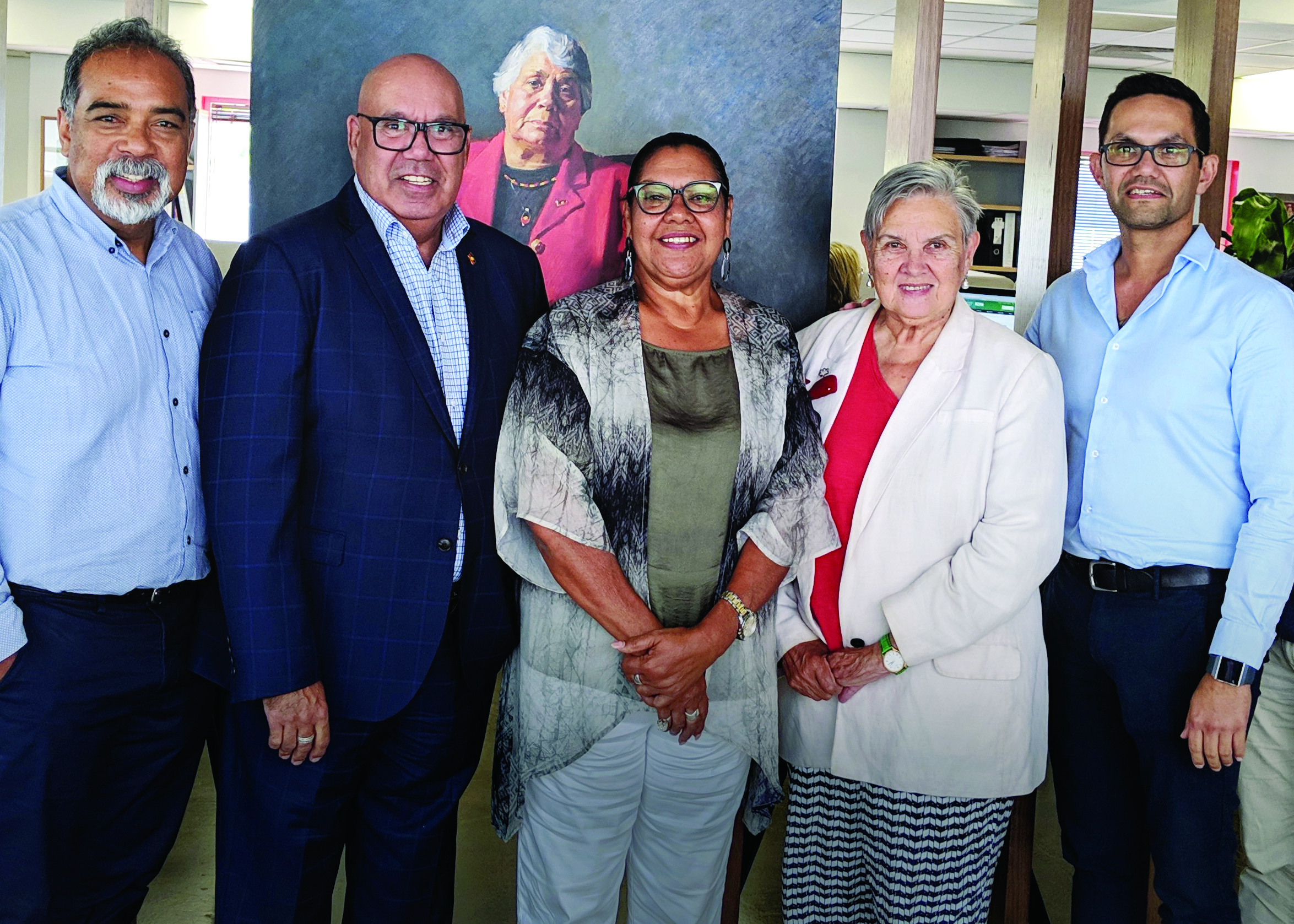
Community driven health research
The Lowitja Institute Aboriginal and Torres Strait Islander Health CRC will wrap up in 2019 and has achieved demonstrable health benefits over its 5 year lifetime.

Developing smarter ways to sleep
Experts at the CRC for Alertness, Safety and Productivity (Alertness CRC) are collaborating with institutions and industry to potentially help millions of people improve their sleep health.
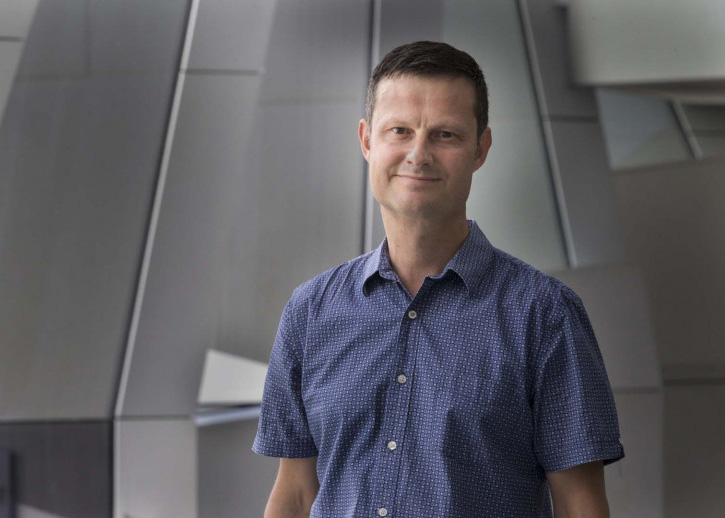
Discovery helps researchers better understand immune system
ANU and Monash University researchers have answered one of the most long-standing questions about the immune system.

ANSTO breast cancer detection breakthrough on the horizon
An advanced medical imaging technique is being prepared for clinical application by ANSTO to improve breast cancer detection and diagnosis.

Artificial intelligence links eyes to personality
New research uses state-of-the-art machine-learning algorithms to demonstrate a link between personality and eye movements.
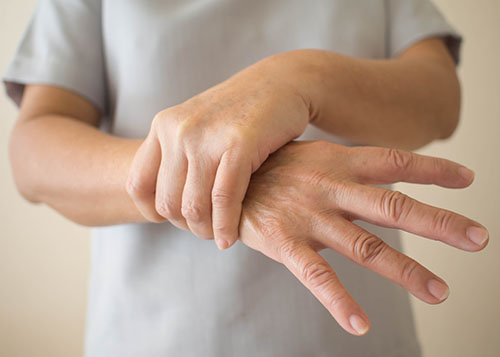
Game on – assistive tech for Parkinson’s disease
Research trials begin for assistive technology to improve Parkinson’s health outcomes.

The Digital Health Revolution
Data is the force behind an extraordinary drive in health innovation — and a range of CRCs are joining this digital health transformation.

Mental health support for graduates
The CRC for Mental Health has developed a support group program for PhD students.
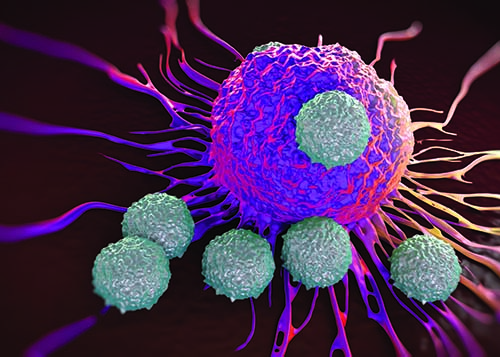
From cell to accessible therapy: the future of regenerative medicine
Regenerative medicine is on the rise but time and money is a limiting factor.
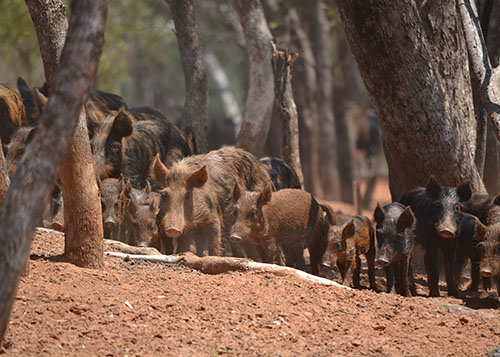
Bridging innovation’s valley of death
The road from great science to commercial victory can be treacherous. Bianca Nogrady investigates how three CRCs negotiated potential ‘valleys of death’ to reach market success.
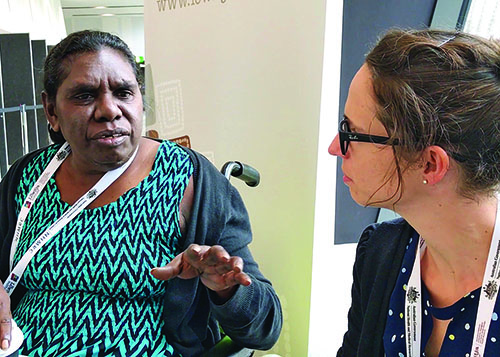
Research doesn’t begin and end in a laboratory
The Lowitja health institution is working towards providing health services to Aboriginal and Torres Strait Islanders.

Waking up to a big problem
Sleep disorders, such as insomnia and sleep apnoea, are often under diagnosed but the Alertness CRC is finding new ways to recognise and treat them.
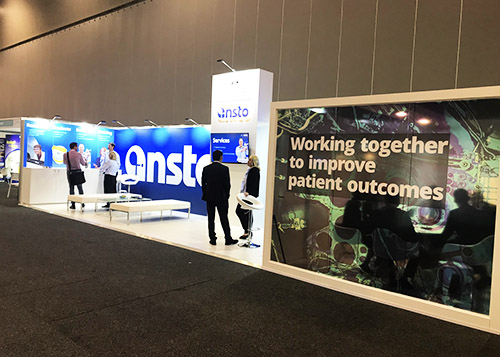
ANSTO in close partnership with 12th World Congress
The 2018 World Congress will be held in Melbourne, Australia from April 20-24th where thousands will gather to discuss current advancements in medicine.

Digital Health CRC to transform health system
A $200+ million opportunity to transform health delivery: improving health outcomes; reducing waste in the health system; building businesses and jobs.

Wearable devices to manage chronic conditions
Wearable devices to remotely manage patient chronic conditions are set to become available for the medical profession as part of an Australian first.
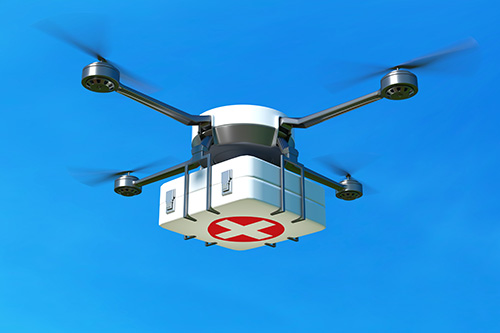
Drones to the rescue: UAV tech saving lives
Drones could soon be saving lives autonomously with UAV (unmanned aerial vehicle) tech that can deliver aid and lift people to safety.
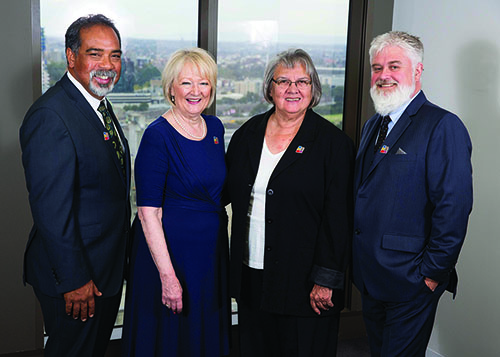
Reaching out to our Indigenous family across the world
The Lancet–Lowitja Institute Global Collaboration included data on 28 Indigenous populations covering half the world’s 300 million Indigenous people.
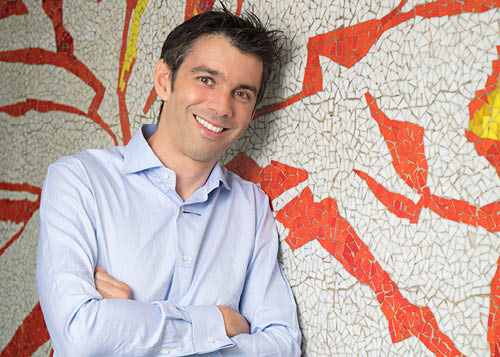
Molecular warfare
Bacterial biofilms are a major problem in medicine: tough, toxic and nearly indestructible. But Cyrille Boyer thinks he’s found a way to beat them.

Improving alertness in critical environments
Tech company Opturion has partnered with the Alertness CRC to safeguard patients against doctors with fatigue.
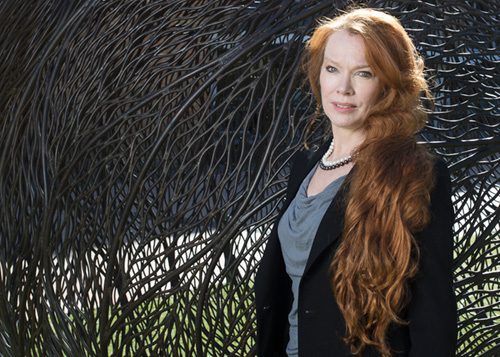
Organ weaver
Working at the intersection of biophysics and technology, UNSW researchers are weaving artificial tissues in the hope they can get the body to repair itself.

Cleaning up toxic threats
Professor Ravi Naidu is confronting a problem that killed eight times more people in one year than diabetes.